Yellow Berries Clustered On An Old Georgia Shade Tree Carry A Hidden Risk
Clusters of round, yellow berries hanging from bare branches stand out once an old tree in a Georgia yard drops its leaves. Many homeowners pass that tree daily without giving the fruit a second thought.
Kids sometimes pick them up to toss around, and dogs may chew on the ones that fall into the grass.
Each berry comes from a tree that has been planted near homes and farmhouses for generations. Its fruit is toxic if eaten, and that includes humans, pets, and livestock.
Birds often eat the fruit without trouble and spread the seeds into nearby woods.
Fallen berries can stick around through winter, which extends the risk longer than many expect.
Walk under any older shade trees on your property and notice what is lying in the grass.
1. Those Yellow Fruits May Belong To A Tree With A Troubling Past
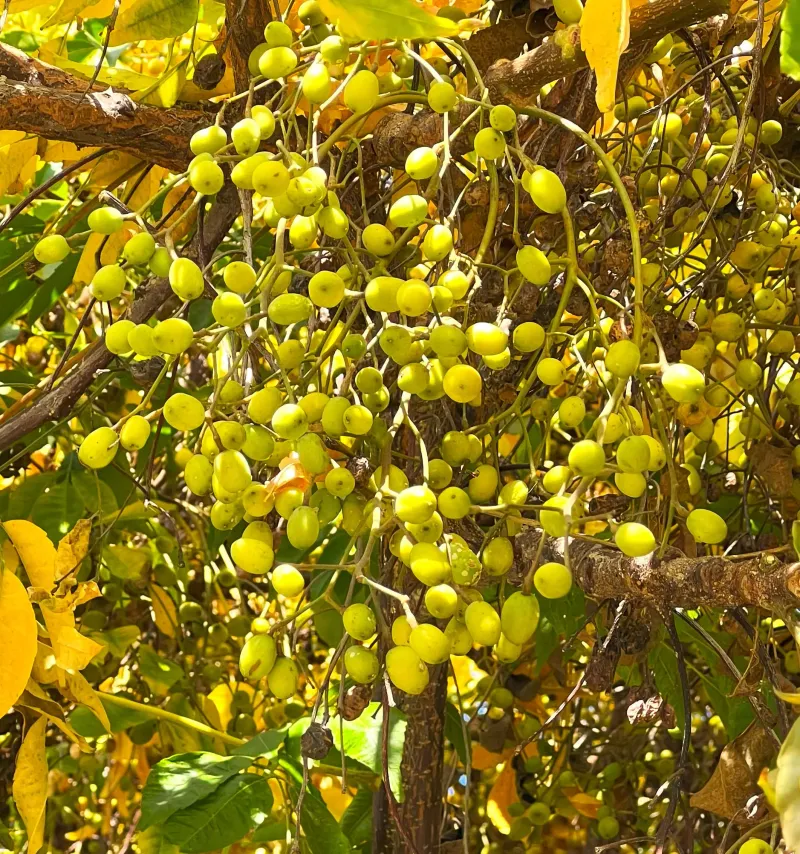
Not every pretty tree deserves a spot in your yard. If you see round, marble-sized yellow fruits hanging in loose clusters, you may be looking at chinaberry, known to botanists as Melia azedarach.
Chinaberry is native to parts of Asia and was brought to the United States as an ornamental tree in the 1800s.
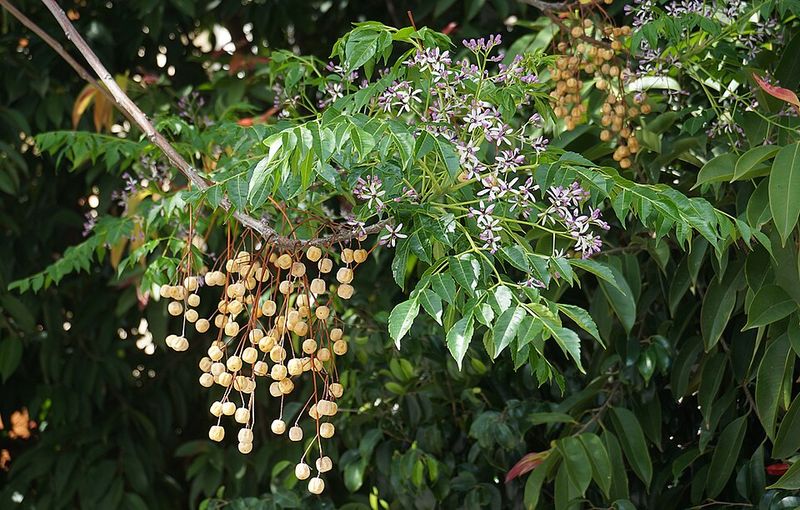
Gardeners liked it because it grows quickly, offers shade, and produces fragrant lavender flowers in spring. Over time, that fast growth became part of the problem.
Today, chinaberry is listed as an invasive plant by groups such as the Georgia Invasive Species Task Force and the Southeast Exotic Pest Plant Council.
Its fruits are toxic, and other parts of the plant, including the bark, leaves, and flowers, also contain harmful compounds. The fruits are usually considered the most concerning part.
Old homesteads, fence lines, and abandoned lots are common places to find it, since it was once planted near houses and barns.
Spotting one tree does not mean your property is overrun. Still, it helps to look around for younger trees nearby, because a single mature chinaberry can drop a large number of seeds each year.
If you are unsure about identification, your local county Extension office can often help you confirm what you have before you take action.
2. Once Planted For Shade, Chinaberry Spread Beyond Home Gardens
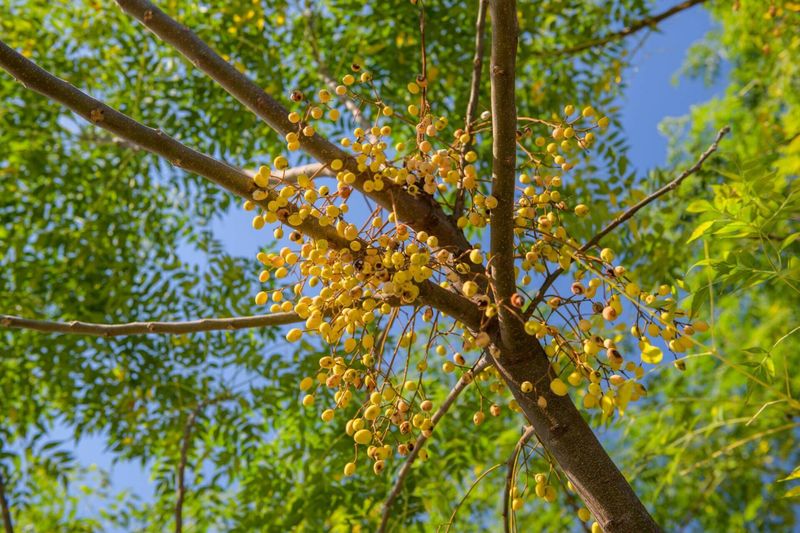
Picture a hot farmyard a century ago with no air conditioning in sight. A fast-growing shade tree near the porch would have felt like a gift.
Chinaberry fit that need well, and it became a familiar sight around homes across the South.
Families sometimes called it the pride of India or umbrella tree. Its rounded crown gave cool shade, and its spring flowers smelled sweet in the evening air.
Trouble came from how easily it moved on. Seeds dropped by planted trees began sprouting along roadsides, field edges, and forest openings.
Over many decades, chinaberry escaped cultivation and settled into wild areas throughout the Southeast, including much of Georgia.
Disturbed ground suits it best. Cleared land, ditch banks, and old pastures give seedlings the sunlight they need to get started.
Once established, young trees can form thick patches that crowd out native shrubs and small trees. Root sprouts may also pop up around an older tree, adding to the cluster.
Your Georgia Garden Changes Every Week. Your Plan Should Too.
Gardening in Georgia changes quickly throughout the season. Every Friday you’ll receive a simple weekly plan showing exactly what to plant, prune, fertilize, harvest, and protect so you never miss the right timing.
If you have an old chinaberry near your home, it may carry family memories. Even so, consider replacing it with a native shade tree such as a red maple, southern red oak, or another species suited to your soil and site.
A local nursery or Extension agent can suggest good choices for your area.
3. Round Yellow Fruits Can Remain On Branches Through Winter
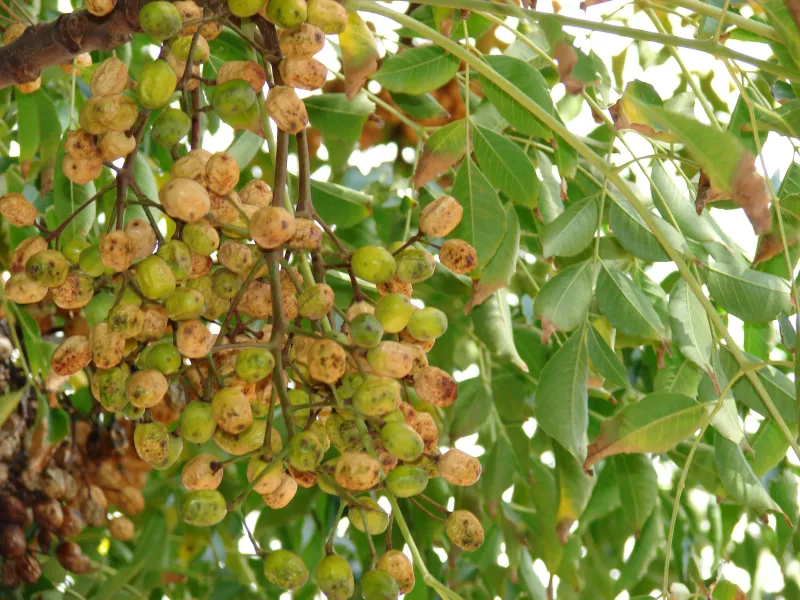
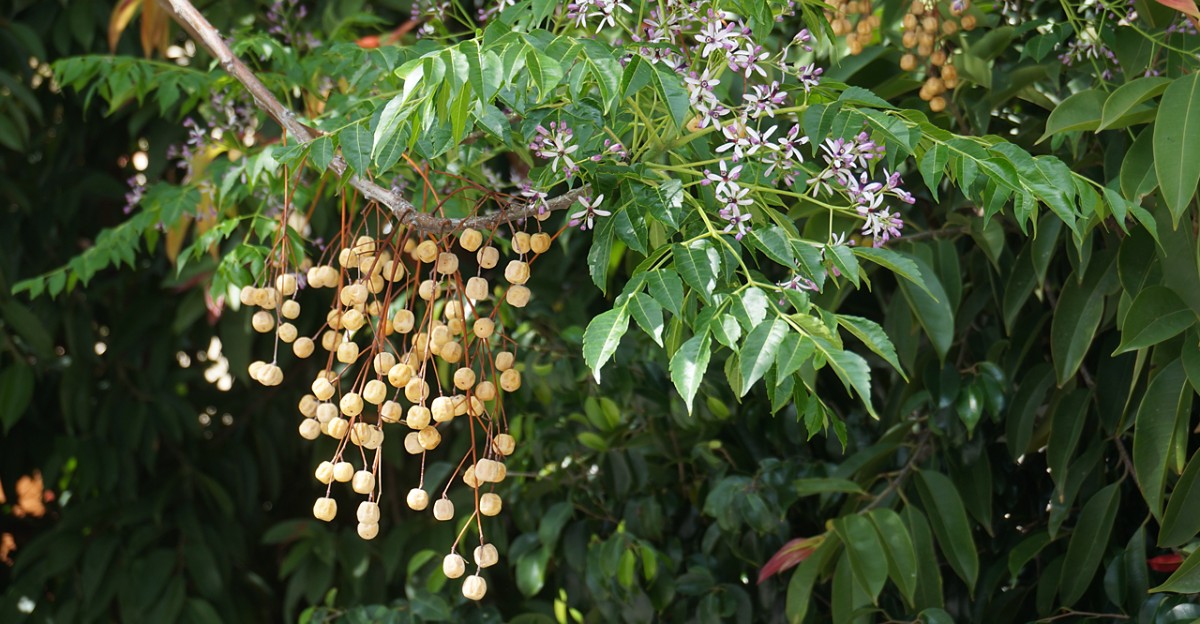
Winter strips most trees bare, but chinaberry often holds on to its fruit. Those yellow clusters can stay on the branches well after the leaves drop in fall.
Fruits start out green in summer and turn yellow as they ripen in fall.
As the season goes on, they often become wrinkled and pale, looking a bit like tiny dried raisins in shades of tan or straw. Some hang on into early spring, depending on weather and how many birds visit the tree.
Each fruit holds a hard, ridged stone inside with several seeds.
That long hang time makes chinaberry fairly easy to spot during the colder months in Georgia. When nearby trees are bare, the clusters stand out against the sky.
It also means fallen fruit can pile up on the ground below for weeks.
Kids and pets may notice these fruits on lawns, driveways, and play areas. Picking up fallen fruit under a yard tree is a simple step that lowers the chance of anyone tasting them.
Wear gloves while you gather them, and bag the fruit rather than tossing it into a compost pile. Seeds inside may still sprout if they end up in loose soil.
4. Compound Leaves With Toothed Edges Help Identify This Tree
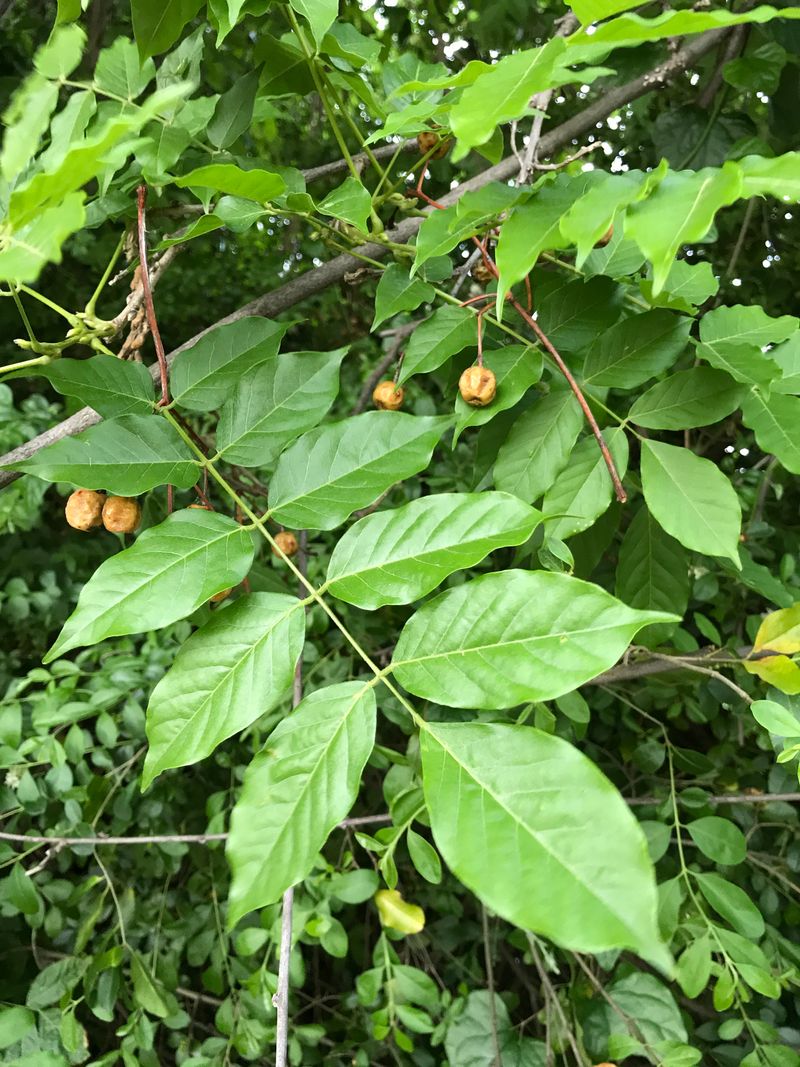
Leaves tell the real story when fruit is missing. Chinaberry has large compound leaves, and each one is divided into many small leaflets.
Look closely and you will see the leaflets have toothed or lobed edges, often with a pointed tip.
A full leaf can stretch a foot or more in length and is usually twice compound, meaning the leaflets branch off smaller stems. Crushed leaves may give off a noticeable odor, which some people find unpleasant.
Spring brings loose clusters of small lavender flowers with a purple center tube.
Bark on young trees tends to be smooth and brownish, while older trunks become furrowed. In fall, the leaves usually turn a golden yellow before dropping.
Confusion can happen with a few other trees in Georgia, so careful checking matters.
Young chinaberry may look a bit like other compound-leaved trees at first glance. Checking several features together, such as leaf shape, flowers, and fruit, gives a more reliable answer than any single clue.
Snap clear photos of the leaves, bark, and any fruit before you remove anything. Your county Extension office or a trusted plant identification guide can help confirm what you found.
Getting the name right keeps you from removing a helpful native tree by mistake.
5. The Fruits Can Poison Pets And Livestock If Swallowed
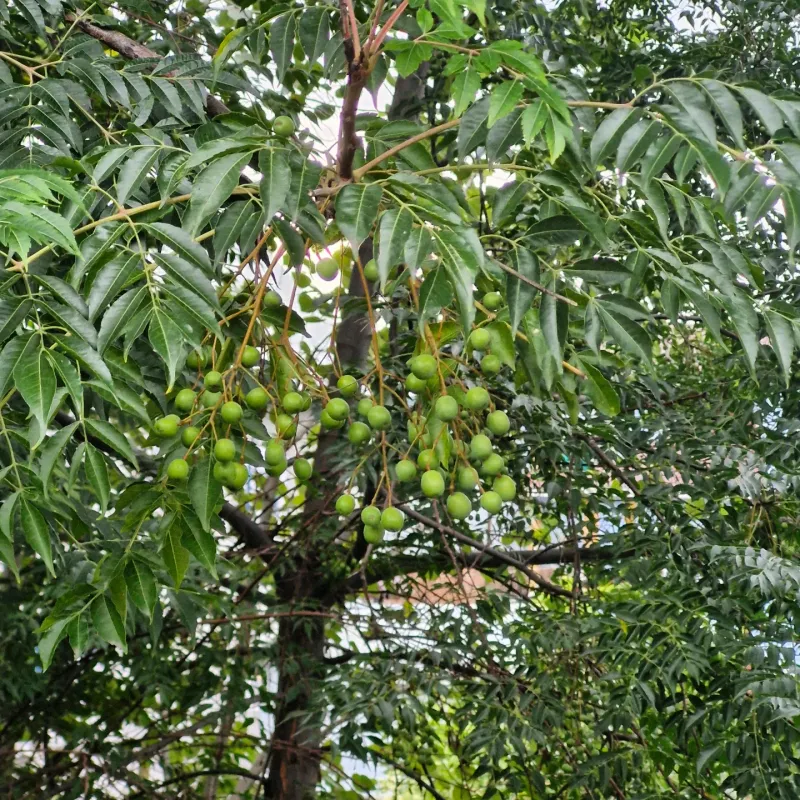
A curious dog and a pile of fallen fruit make a risky mix. Chinaberry fruits contain natural toxins that can sicken animals when eaten.
Reported signs in pets can include vomiting, diarrhea, drooling, weakness, and in some cases trouble walking or seizures.
How serious the effects become can depend on how much was eaten, the size of the animal, and other factors. Some animals show mild signs, while others need urgent care.
Livestock such as pigs, cattle, and goats can also be affected, and pigs are often mentioned as especially sensitive.
People are not safe from it either. Eating the fruits can make humans ill, so teach children not to pick or taste them.
Farm owners in Georgia with chinaberry near pastures may want to check fence lines carefully.
Removing trees along grazing areas reduces the chance of animals snacking on fallen fruit during lean winter months. Keeping fresh hay and forage available may also help.
If you think a pet has eaten chinaberry fruit, call your veterinarian or an animal poison control line right away. Bring a sample of the fruit or a photo if you can, since it helps the vet understand what happened.
Quick action gives your animal the best chance at a smooth recovery.
6. Birds Can Spread Seeds Into Nearby Woods And Open Areas
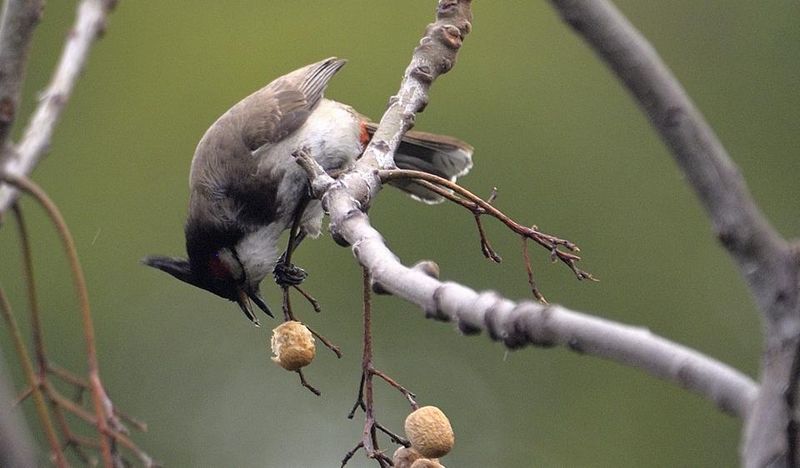
Birds do not read invasive species lists. Robins, cedar waxwings, and other fruit-eating birds may feed on chinaberry fruits, especially in late winter when other food runs low.
After eating, birds can carry the seeds away and drop them in new places.
Seeds often land under fences, power lines, and forest edges where birds like to perch. Over time, new chinaberry trees may pop up far from the original yard tree.
Water and gravity help too, since fruit can roll downhill or wash along ditches after heavy rain.
Across Georgia, that steady spread helps explain why chinaberry shows up along so many roadsides and woodland borders. Each bird visit is small, yet the pattern adds up over the years.
Wild areas suffer most when dense thickets form and shade out native plants.
Native shrubs that offer berries, like American beautyberry, possumhaw holly, and yaupon, can give birds a better food choice. Planting them may help your local wildlife without feeding the spread of an invasive tree.
Results vary by soil, sunlight, and the plant you choose. Talk with a native plant nursery about options that suit your yard and local conditions before you start planting.
7. Removing Young Seedlings Helps Prevent Further Spread
Small sprouts are far easier to handle than tall trees. Pulling chinaberry seedlings while they are young is one of the simplest ways to slow its spread.
Try pulling after a good rain, when moist soil lets roots slide out more easily.
Grip the seedling close to the ground and pull slowly so more of the root comes up. Pieces left behind may resprout, so check the spot again in a few weeks.
Gloves are a smart idea while working around any part of this plant.
Larger trees are a different story. Cutting a mature chinaberry often leads to sprouts from the stump and roots, so many land managers pair cutting with a carefully applied herbicide.
Always read and follow the product label, since the label is the legal guide for use.
Homeowners in Georgia can contact their county Extension office for current control advice suited to their property. Agents can explain timing, methods, and safety steps for large trees near homes or water.
Hiring a licensed tree service is worth considering for big trunks or trees close to buildings.
Follow-up matters most. Walking your property once or twice a year to pull new sprouts can help keep chinaberry from creeping back into your yard.