Your Bougainvillea Looks Worn Out After An Arizona Summer? Start By Checking the Soil
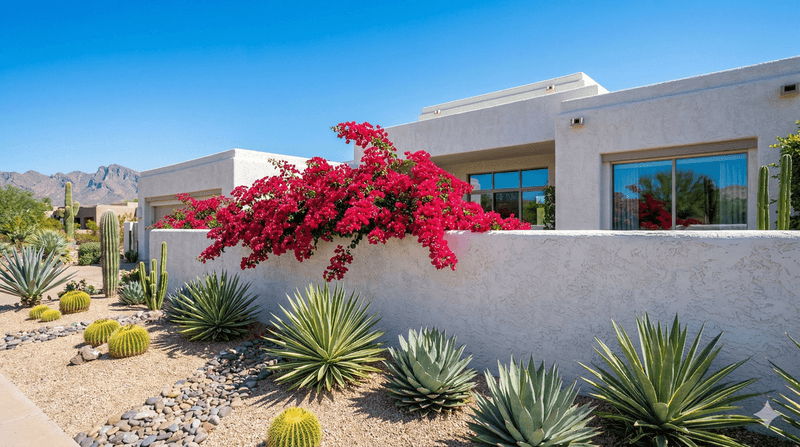
Come late summer, many Arizona bougainvilleas look faded, thin, and tired. It is tempting to grab the hose, the pruners, or a bag of fertilizer.
But a worn look can come from several different causes, and the wrong move can add stress. A quick look at the soil is a smart first step.
Start with the plant, not a promised fix
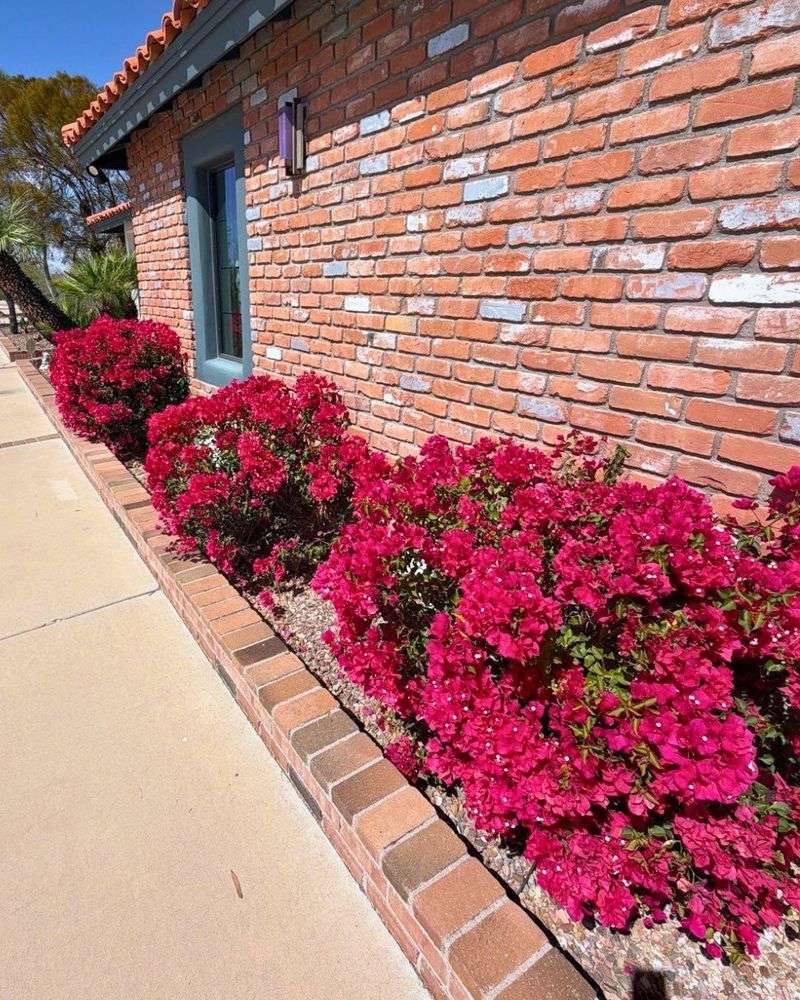
Bougainvillea is a familiar sight across the low desert, and University of Arizona plant guidance lists it as a low-water-use plant that prefers full sun. That makes it a good fit for hot yards, but it does not mean the plant never needs irrigation.
After a long summer, a tired look is a clue that something is off, not a diagnosis. The plant could be short on water, sitting in soil that stays too wet, or simply worn down by weeks of 110 degree days.
Frost from a past winter or another problem could also be part of the story.
Because similar symptoms can have different causes, one rescue plan will not suit every vine. Extension guidance on drought and extreme heat points toward checking conditions before acting.
The next sections walk through how to do that, and what to hold off on while the heat lingers.
Check whether the soil is too wet or too dry
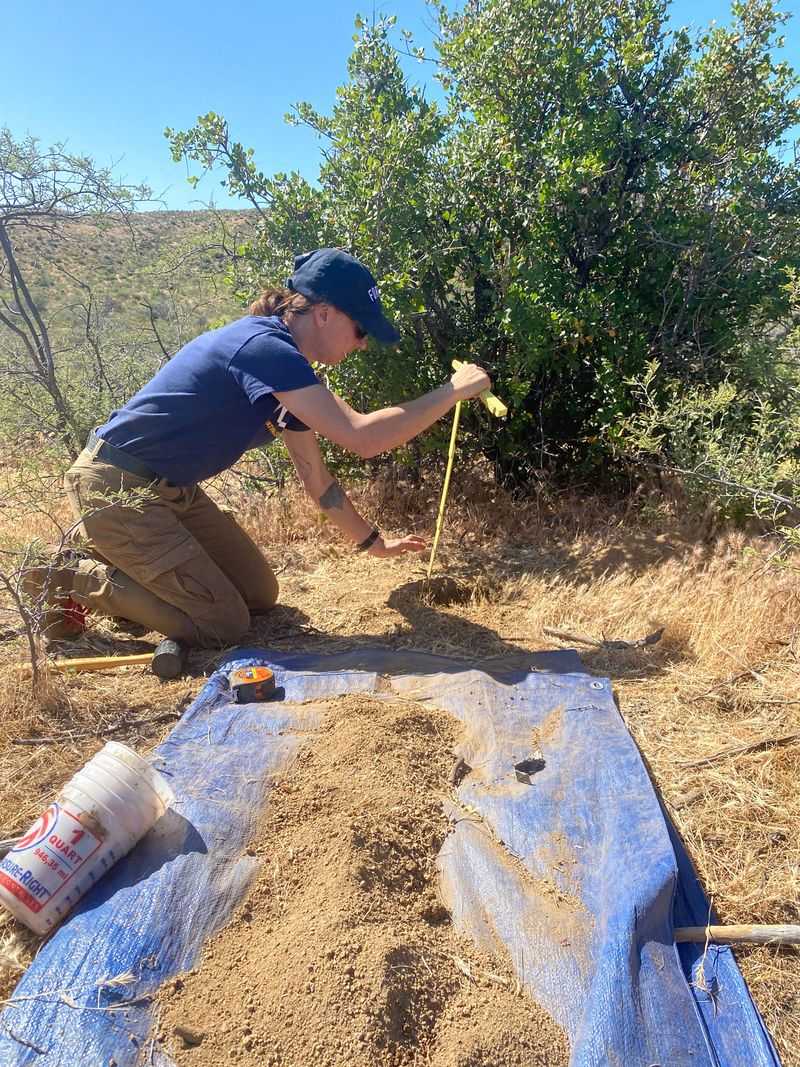
Leaves can fool you. Wilted, browned, or dropping leaves do not prove the plant needs more water, so look below the surface before touching the irrigation clock.
According to University of Arizona watering guidance, dry soil with wilting or dropped older leaves can point to too little water. Soil that stays damp all the time, paired with wilted shoots, can point to too much.
A soil probe, which is a long metal rod or tube, helps you see what is happening at root depth. Push it into the ground near the plant, away from the trunk, and note how easily it slides.
Easy movement usually suggests moist soil, while hard resistance suggests dry soil. Pulling out a small sample can also show whether the root zone is damp or dusty.
Try a few spots, including near the drip emitters. If water only wets the top few inches, the deeper roots may still be dry.
Also notice whether puddles linger, since poor drainage can cause trouble even when irrigation seems modest.
Water only when the root zone is dry
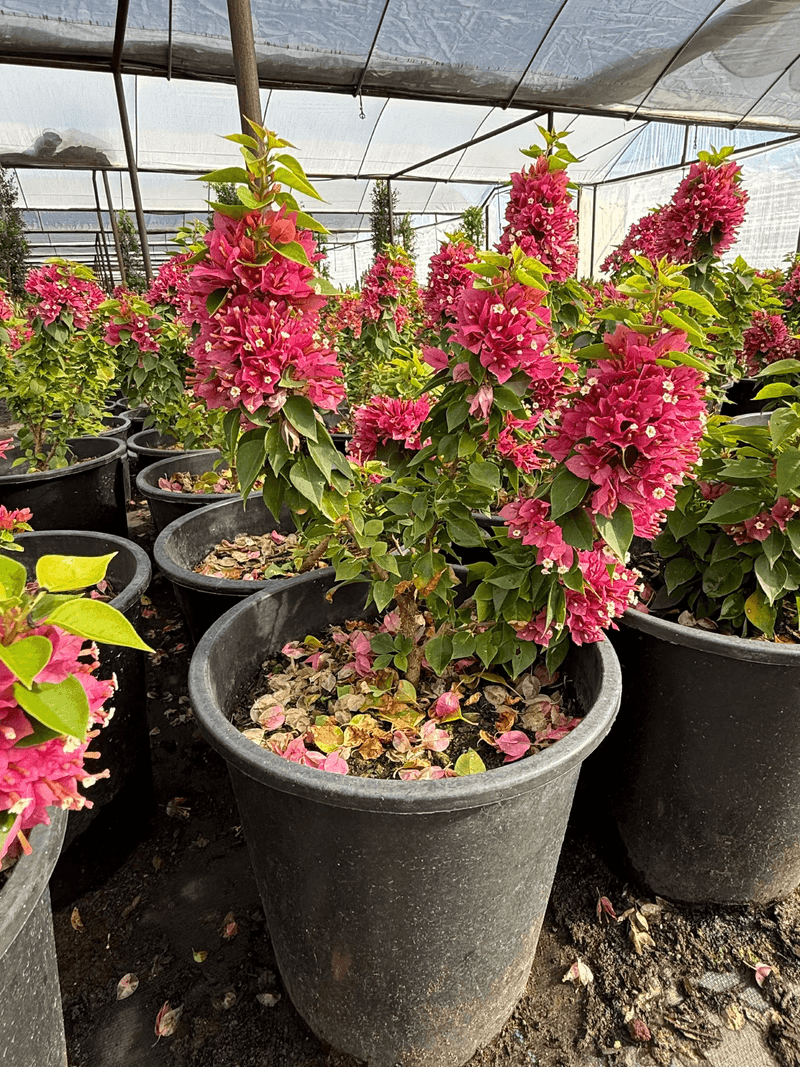
If your soil check shows the root zone is dry, water slowly so moisture soaks down instead of running off. The goal is to wet the root zone deeply, not to sprinkle the surface often.
Shallow, frequent watering tends to keep moisture where deep roots cannot use it.
Then let the soil dry out before the next irrigation. Arizona extension guidance in its watering publication stresses monitoring the soil rather than following a rigid calendar.
There is no single schedule that fits every yard. A young plant, a potted plant, or a vine in sandy soil will differ from an established one in heavy caliche.
Your Arizona Garden Changes Every Week. Your Plan Should Too.
Gardening in Arizona changes quickly throughout the season. Every Friday you’ll receive a simple weekly plan showing exactly what to plant, prune, fertilize, harvest, and protect so you never miss the right timing.
Weather and monsoon rain matter too, and so does whether your drip line truly reaches the root zone.
Guidance on plant responses to heat and drought also notes that too little and too much moisture can both harm plants. Check again with the probe after a few days and adjust from what you find.
During extreme heat, resist the urge to intervene
When temperatures soar, doing less is often the kinder choice. Extension guidance on heat and drought recommends avoiding shearing or heavy pruning and keeping fertilizer to a minimum while the plant is stressed.
Here is the reasoning in plain terms. Leaves are how the plant makes energy, so cutting them off adds more strain.
Fertilizer can raise salt levels in the root zone, which is the last thing a stressed plant needs.
So a hard cutback or a feeding is not a default summer rescue. If you are itching to help, put that energy into the soil check instead, and consider a bit of shade for a young or potted plant if that is practical.
Also keep expectations calm. Lush leaves with few blooms can hint at too much water or fertilizer, and that is another reason to pause before adding more of either.
Wait for cooler weather, then reassess what the plant truly needs.
Prune for a purpose and at a suitable time
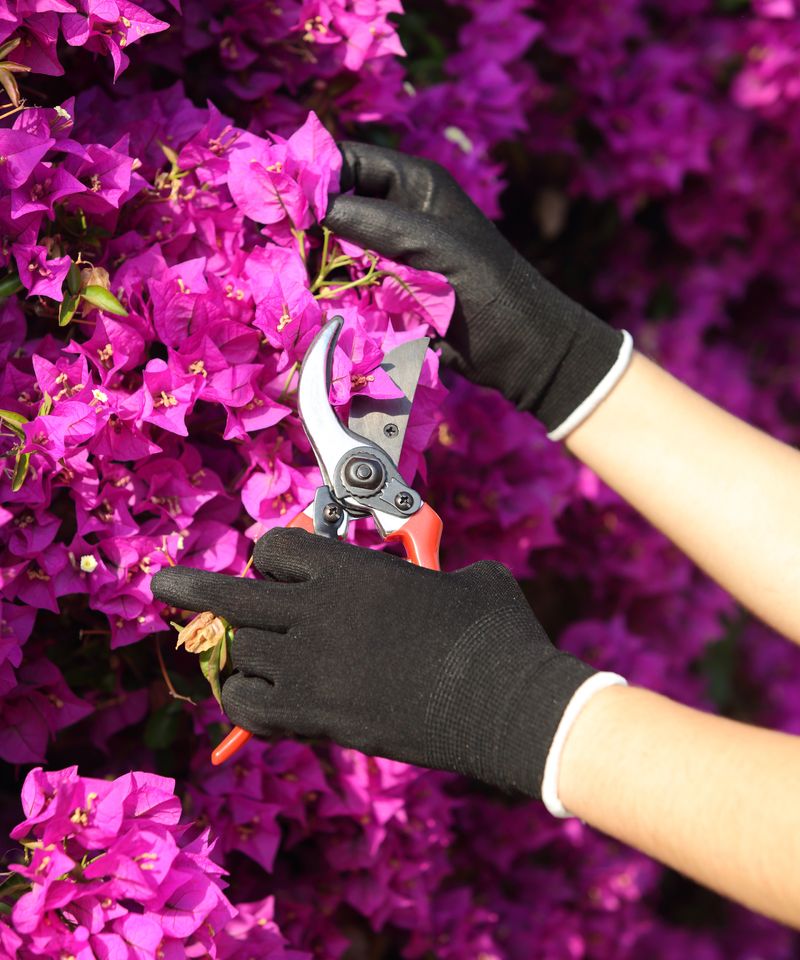
Pruning has a place, just not as a summer rescue. Bougainvillea in Arizona can send out vigorous shoots that need occasional light trimming, and Arizona pruning guidance allows removing them as needed.
The same source recommends cutting out dead or frost-damaged wood in early spring, once you can tell what is truly damaged. Waiting also keeps you from trimming during the hottest weeks, which adds stress.
Keep each cut tied to a goal, such as controlling a runaway shoot, clearing a walkway, or removing damaged stems. A broad cutback is not what the guidance describes.
Be careful while you work. As UF/IFAS gardening advice notes, bougainvillea stems have sharp thorns, so wear heavy gloves and sturdy sleeves.
Long-handled tools can help keep your hands clear of the worst of them.
Recovery depends on the cause and conditions
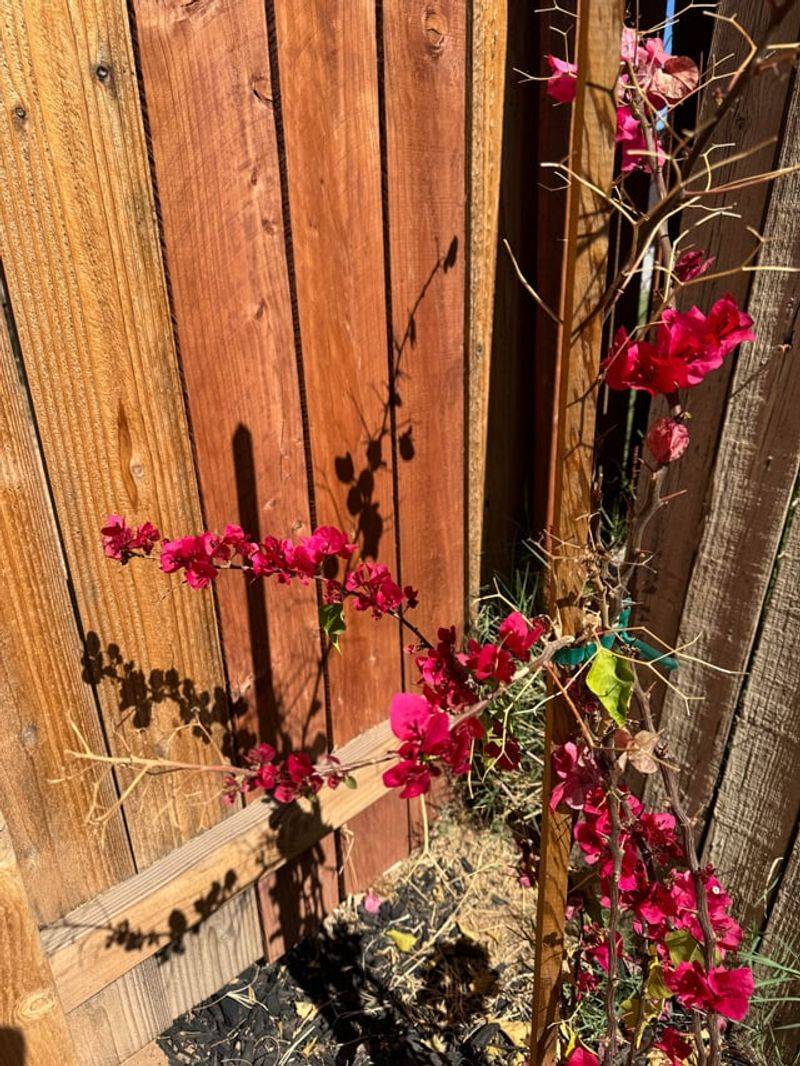
Summer heat is not the only suspect. Arizona guidance describes bougainvillea as frost-sensitive, and a cold snap can cause stems to die back, though established plants may regrow from the base.
A worn look might be left over from last winter.
If the plant does not improve, resist repeating a treatment just because it seemed logical. Go back to the basics: probe the soil, look at drainage, and confirm that irrigation reaches the root zone.
Heat and drought also affect plants in ways that take time to show, as the guidance on drought and extreme heat suggests.
Recovery can be slow, and how far it goes depends on the damage and growing conditions. Some vines bounce back with cooler weather, while others need patience through a full season.
A tired vine is still telling you something, and the soil usually answers first.