This Fast Growing Fall Vegetable Deserves More Space In Georgia Gardens
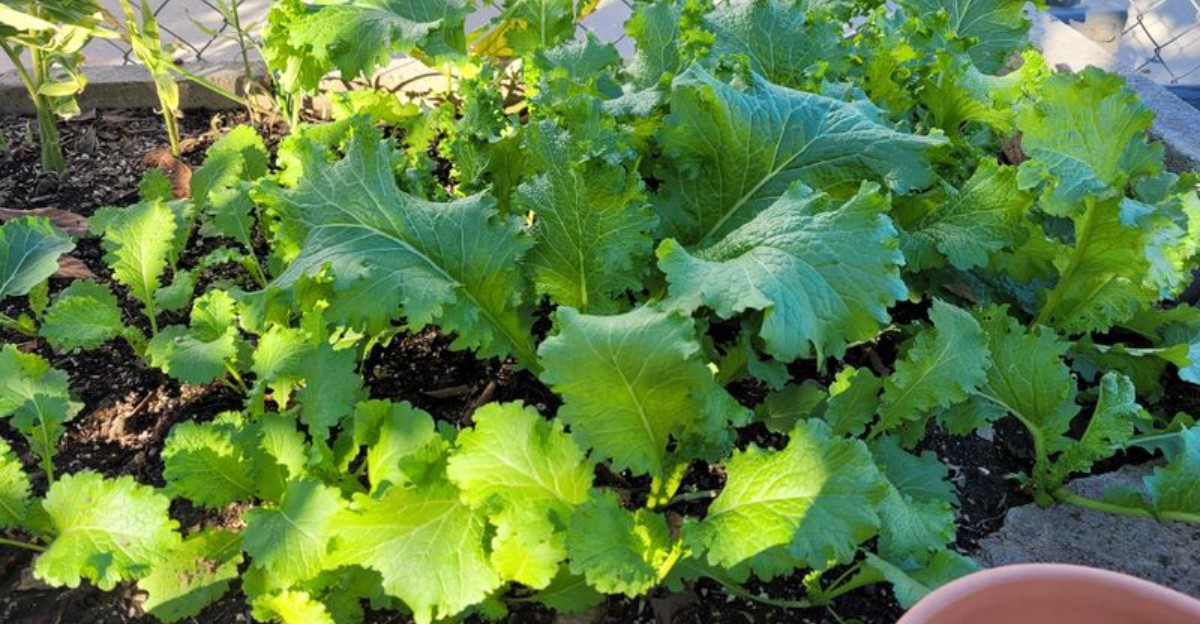
Most fall gardens get planted with the same collards and cabbage, and those crops take their time before anything is ready to pick.
That long wait is fine for some vegetables, but it leaves a lot of open soil sitting unused for several weeks.
One cool season crop fills that gap better than almost anything else you can grow in Georgia during the fall.
It goes from seed to harvest in about a month, so you can start picking while slower crops are still filling out.
Because it grows so quickly, you can sow a short row every couple of weeks and keep a steady supply coming in. If your beds still have bare spots right now, that space could be producing something to eat well before the first frost.
1. Often Overshadowed By Better-Known Fall Favorites
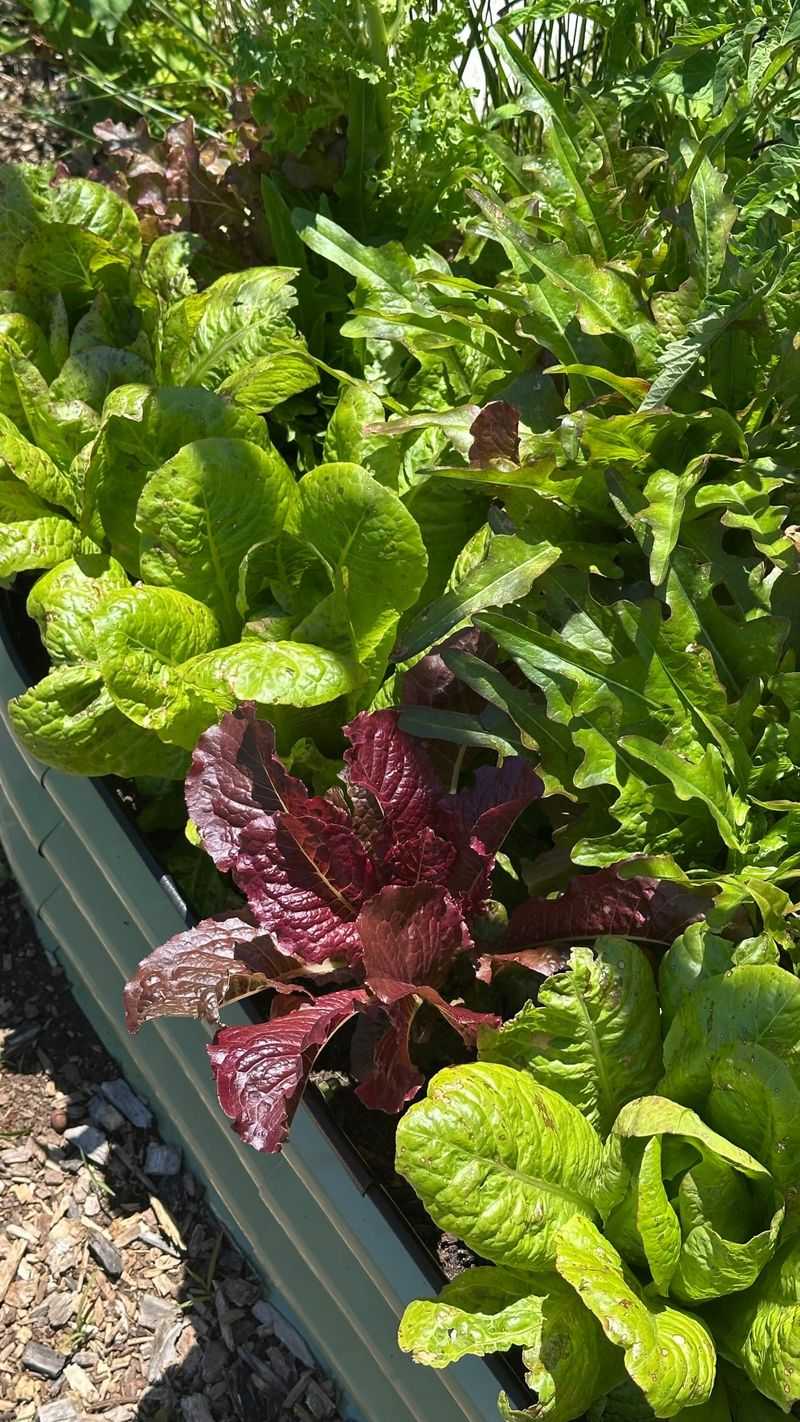
Mustard greens rarely get the attention they deserve in a Southern fall garden. Collards and turnips tend to hog the space, while mustard ends up squeezed into a leftover strip near the fence.
Part of the reason is simple habit, since families often plant what their grandparents planted.
Flavor plays a role too, because raw mustard leaves carry a spicy bite that surprises first-time growers. Cooked down with a little onion or smoked turkey, that heat softens into something mellow and savory.
In Georgia, older cooks often mixed mustard with collards or turnip greens in the same pot.
Blending them gave the dish more depth, and it made good use of whatever the garden happened to offer that week. You can still do the same thing today and stretch a small harvest further.
Varieties matter more than people expect when choosing seed.
Southern Giant Curled has frilly leaves and a classic peppery kick, while Florida Broadleaf offers flatter leaves that are easier to wash. Red Giant brings purple color that looks lovely in salads when picked young.
Giving mustard a real row instead of a forgotten corner lets you see what it can actually do, and most growers end up wishing they had tried it sooner.
2. September Sowing Gets Them Off To A Quick Start
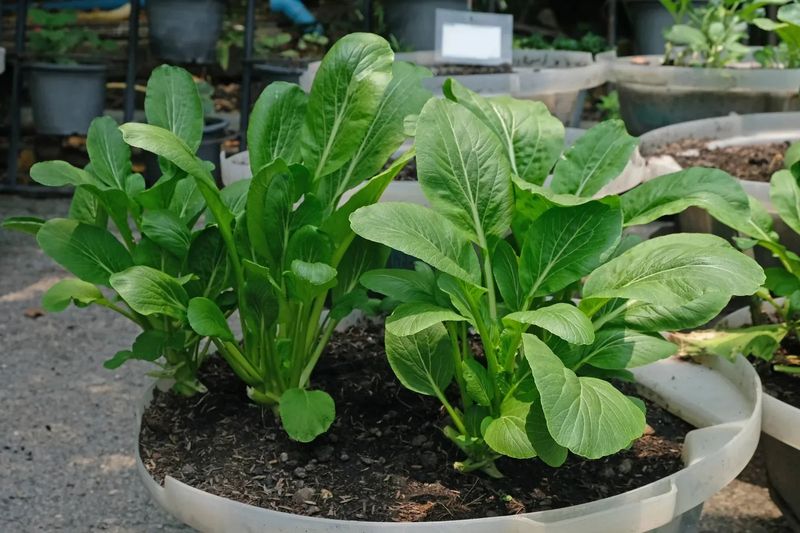
Timing is half the trick with fall greens. Seeds dropped into warm September soil often sprout within a week, sometimes faster when the ground stays moist.
Across much of Georgia, late August through early October works well for direct sowing mustard.
North Georgia gardeners usually aim for the earlier part of that window, since frost can show up sooner in the mountains. Folks near the coast can often keep planting into October with good results.
Soil prep does not need to be fancy.
Loosen the top few inches, work in some compost, and rake the surface smooth so the tiny seeds make good contact. Plant them about a quarter inch deep, then water gently so they do not wash away.
Early September heat can still be rough on young seedlings, so a bit of afternoon shade helps.
Some gardeners tuck their mustard beside taller crops or use a light shade cloth for the first couple of weeks. Keeping the soil evenly damp, not soggy, gives the sprouts a steadier start.
Your Georgia Garden Changes Every Week. Your Plan Should Too.
Gardening in Georgia changes quickly throughout the season. Every Friday you’ll receive a simple weekly plan showing exactly what to plant, prune, fertilize, harvest, and protect so you never miss the right timing.
Thin seedlings to a few inches apart once they have true leaves, and toss the extras into a salad.
Staggering small sowings every two or three weeks can keep fresh leaves coming instead of one big rush all at once.
3. The First Harvest Arrives Surprisingly Fast
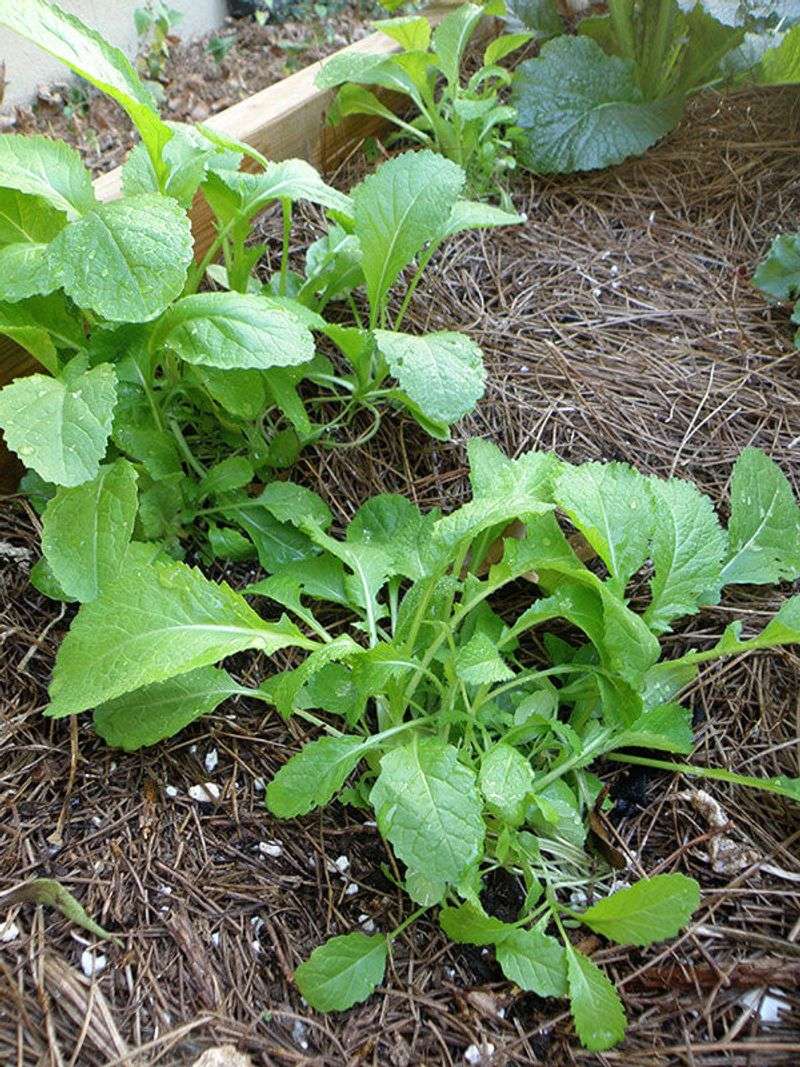
Blink, and dinner might already be ready. Baby mustard leaves can often be picked around three to four weeks after sowing, depending on weather and soil.
Full-sized leaves generally take longer, usually somewhere between 40 and 50 days.
Warm fall days in Georgia tend to push growth along quickly, which is great news for impatient gardeners. Cooler or cloudy stretches can slow things down a bit, so treat those numbers as a rough guide.
Young leaves taste milder and work nicely raw in salads or sandwiches.
Leaves that grow larger develop more of that sharp, horseradish-like heat. Cooking them briefly, or longer in a pot of greens, brings out a softer and deeper flavor.
Compare that pace with collards or cabbage, which often need two months or more before a real harvest.
Mustard fills that waiting gap on the dinner table. Planted in early September, a bed could easily give you fresh greens well before the first cabbage heads firm up.
Scissors work better than pulling by hand, since yanking can loosen the roots.
Snip leaves when they reach about three to four inches for baby greens, or wait until they are longer for cooking greens.
4. One Small Patch Can Keep Producing For Weeks
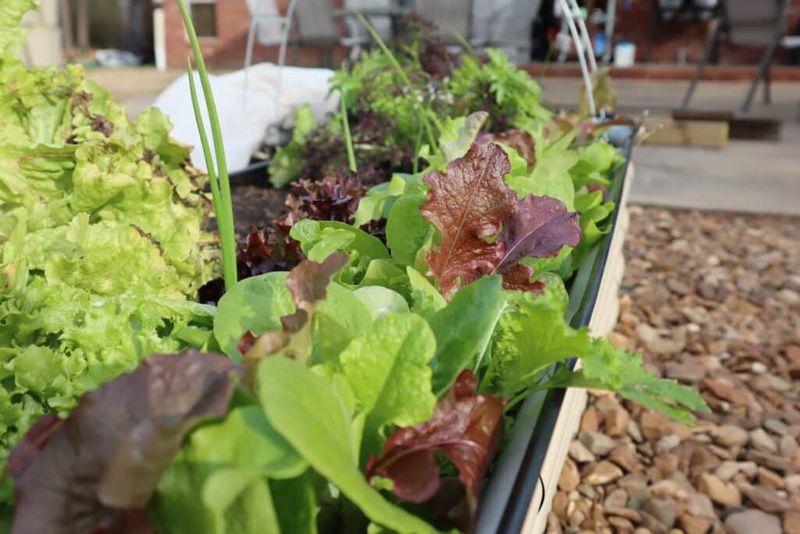
Small space, big payoff. A four-by-four bed of mustard greens can feed a household more often than you might guess.
Harvesting outer leaves while leaving the center growing lets each plant keep producing over a stretch of weeks.
Picture it like a salad bar that refills itself. You take a handful on Monday, and by the following week new leaves have pushed up from the middle.
How long that lasts depends on weather, soil health, and how gently you pick.
Plants in rich, well-drained soil with steady moisture usually keep going longer. Crowded or thirsty plants tend to wear out sooner and may send up flower stalks earlier than you want.
Georgia’s long fall season gives this approach plenty of room to shine.
In many parts of the state, a September planting can supply greens into late fall, and sometimes beyond. A light side dressing of compost or a gentle nitrogen fertilizer partway through can help plants stay leafy.
Renters and apartment growers can join in too, since mustard does fine in containers at least eight inches deep.
A couple of large pots on a sunny patio could keep a small family stocked with fresh greens for a good part of the season.
5. Cooler Weather Works In Their Favor
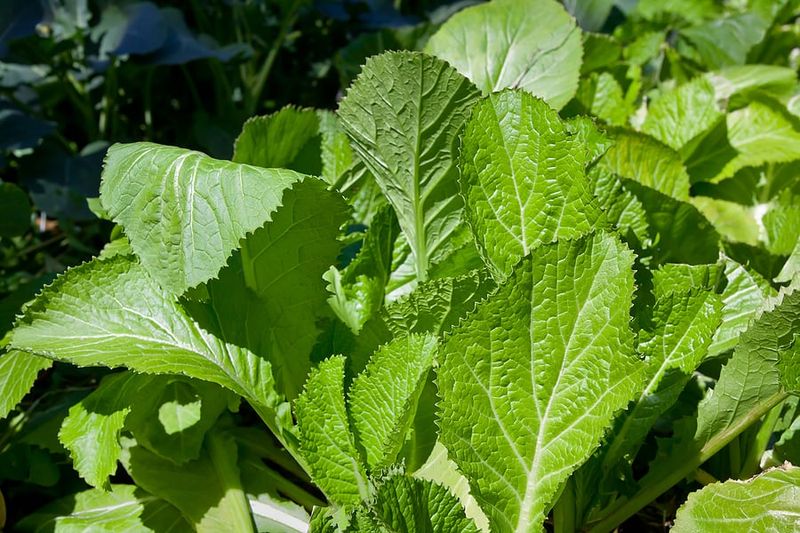
Heat is not their friend. Mustard greens grow best when daytime temperatures settle into the 60s and low 70s, which is exactly what October often brings.
Leaves grown in cool weather usually taste sweeter and less harsh than those grown in summer.
Cool nights slow down the plant’s urge to flower, so it puts more energy into leaves. That is part of why fall plantings often outperform spring ones in the South, where spring can heat up fast.
Gardeners in Georgia get a nice advantage here.
Autumn tends to stretch out gently, with plenty of mild days and just enough chill at night. Mustard soaks up that sweet spot and grows thick, tender leaves without much fuss.
Pests also tend to ease up a bit as temperatures drop, though flea beetles and aphids can still show up.
Check the undersides of leaves every few days, especially early in the season. A light floating row cover can keep many insects off without sprays.
Watering needs usually go down as the weather cools, but do not forget about dry spells.
An inch of water per week, from rain or the hose, generally keeps mustard happy and helps prevent tough, bitter leaves.
6. Regular Picking Encourages Even More Growth
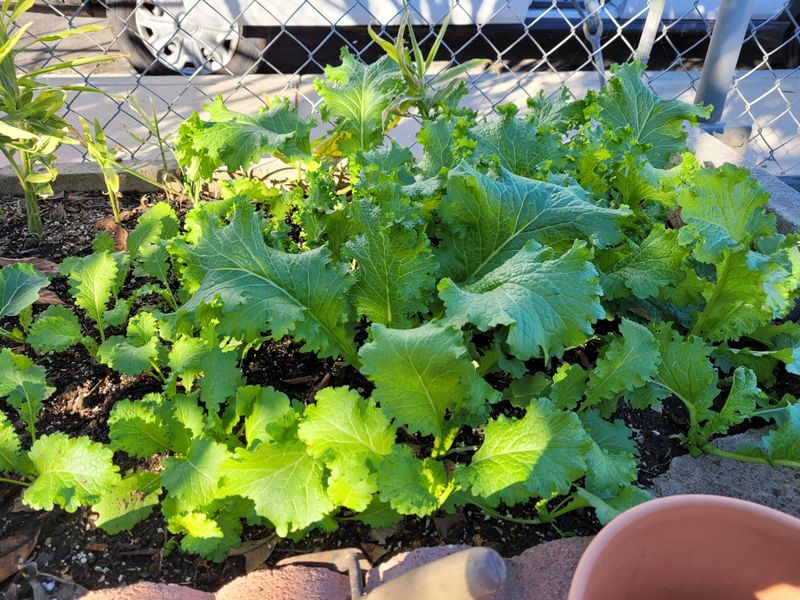
Leaving mustard alone sounds kind, but it often backfires. Plants that go unpicked tend to grow tough, bitter, and more likely to bolt.
Frequent harvesting nudges each plant to keep making fresh leaves from its center.
Start with the oldest outer leaves, which are the largest and closest to the ground. Leave at least four or five inner leaves in place so the plant has enough to keep growing.
A quick pick every few days works better than a big haul once a month.
Smaller, regular harvests keep leaves tender and stop them from getting stringy. They also make it easier to spot pests or yellowing before problems spread.
Some Georgia gardeners like to cut whole plants about two inches above the soil instead.
With decent weather and soil, many plants will regrow from that stub, although the second round may be smaller. Results vary, so try it on a few plants before cutting the whole row.
Leaves wilt fast after picking, so harvest in the cool morning if you can.
Rinse them, shake off extra water, and store them in a bag in the fridge. Most stay fresh for several days, which gives you time to plan a meal.
7. Warm Spells Can Quickly Change The Crop
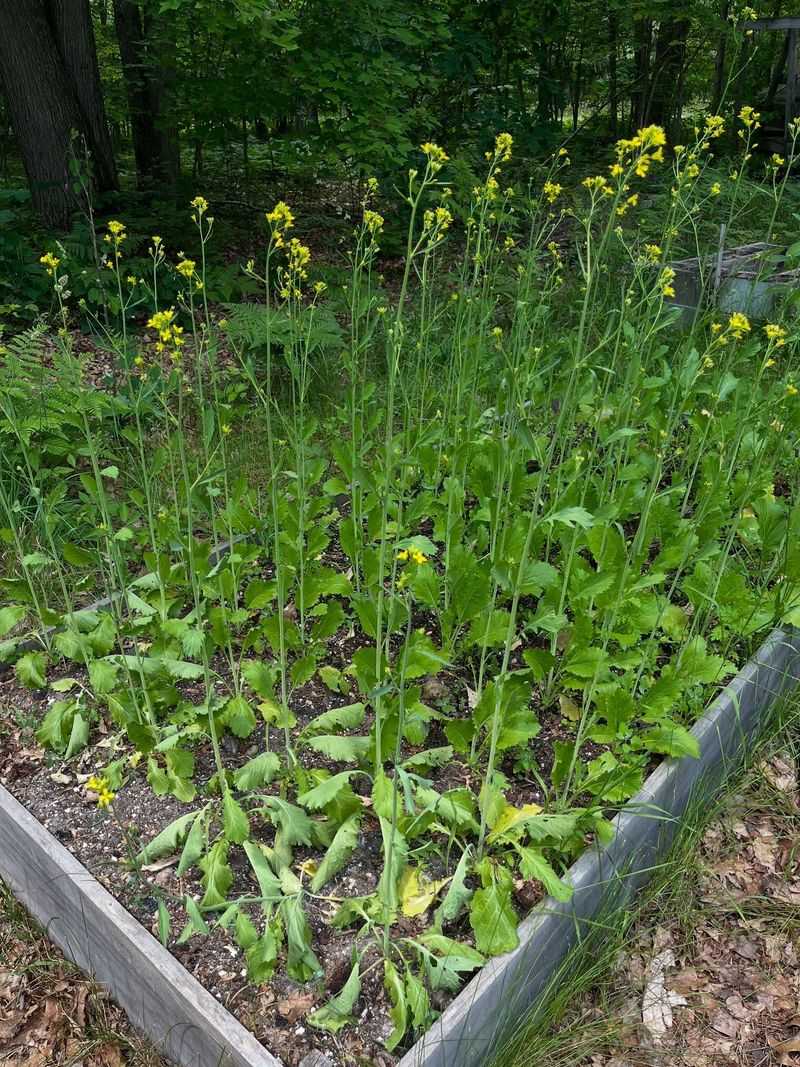
Southern falls love a plot twist. A string of 85-degree days in late September can stress mustard greens more than gardeners expect.
Heat can push plants to bolt, meaning they send up tall stalks topped with small yellow flowers.
Once that happens, leaves usually turn smaller, tougher, and much spicier. Some people still enjoy the heat, but most home cooks find bolted leaves less pleasant.
Georgia weather can swing wildly in early fall, so watching the forecast helps.
Shade cloth over young plants during hot afternoons can lower stress. Deep watering in the morning also keeps roots cooler and plants less likely to wilt.
Choosing slow-bolting varieties gives you a little more wiggle room.
Seed catalogs often note bolt resistance, and Southern-bred types like Florida Broadleaf tend to handle warmth reasonably well. No variety is immune, though, especially during long hot stretches.
If some plants do bolt, harvest what you can right away and pull the rest.
Those open flowers can attract pollinators and even make a peppery garnish. Replant the empty space with fresh seed once the heat breaks, since there is usually still time left in the season.
8. Cold Weather Does Not End The Harvest
Frost on the leaves? No need to panic.
Mustard greens can handle light frosts, and many gardeners say the leaves taste sweeter afterward.
Plants often tolerate temperatures down to the mid-20s, though hardiness varies by variety and plant age.
Young seedlings and tender baby leaves are more at risk than mature plants. Harder freezes in the low 20s or teens can damage leaves, so keep an eye on cold snaps.
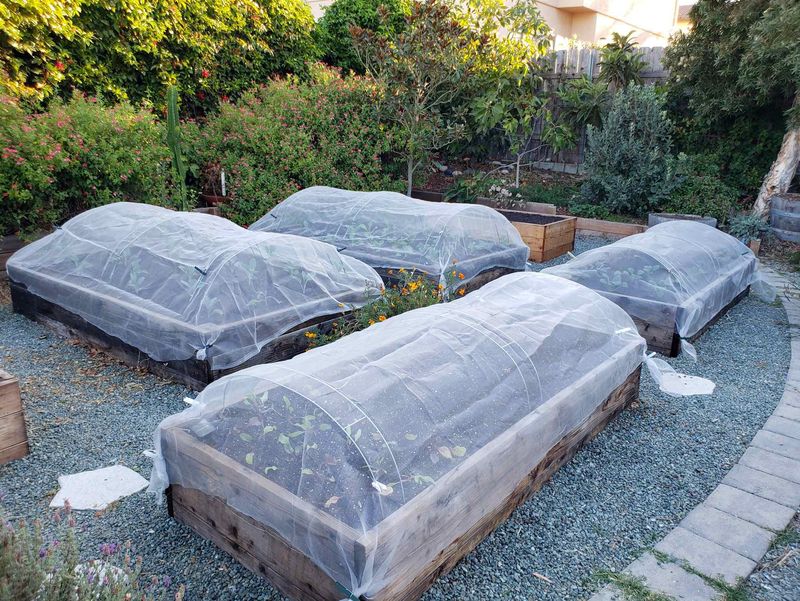
A floating row cover is a simple, cheap way to protect the bed.
Drape it over hoops or right on the plants before a cold night, then remove it on sunny days so they do not overheat. Old bedsheets work in a pinch, but avoid plastic touching the leaves.
Much of central and south Georgia sees mild enough winters that mustard can keep producing into December or longer.
North Georgia gardeners may need covers more often, and harvests can slow down as days get shorter. Growth picks back up once late winter warms things slightly.
Harvest frozen leaves only after they thaw, since handling them while stiff can cause damage.
With a bit of protection, a September planting could carry fresh greens to your table well into the cold months.