Michigan Gardeners Pull This Spreading Native, But Monarch Caterpillars Can’t Live Without It
It spreads. It pops up in lawn edges and flower beds. It looks rough and weedy by late summer.
So many Michigan gardeners pull it out. That plant is common milkweed, and monarch caterpillars cannot survive without it. Monarch mothers lay eggs only on milkweed.
The hatching caterpillars eat nothing else. Without it, there are no monarchs. Common milkweed spreads by underground roots, which explains why it keeps returning after you pull it.
That habit is also what makes it so valuable, since a single patch can feed many caterpillars. The pink flowers feed bees and butterflies too.
Gardeners who want the benefits without the takeover have smart options. Where you plant it and how you manage it makes all the difference.
1. Common Milkweed Spreads By Underground Roots
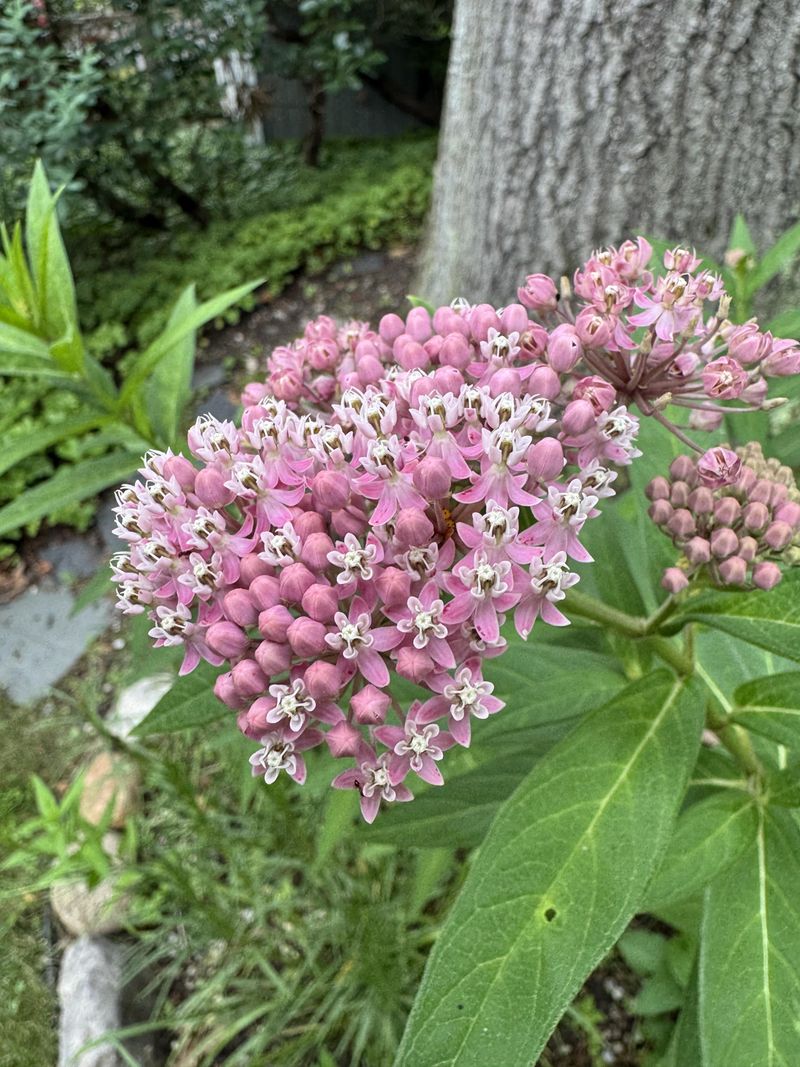
Walk past almost any old field in Michigan during July, and you will likely catch a sweet, spicy smell drifting through the air.
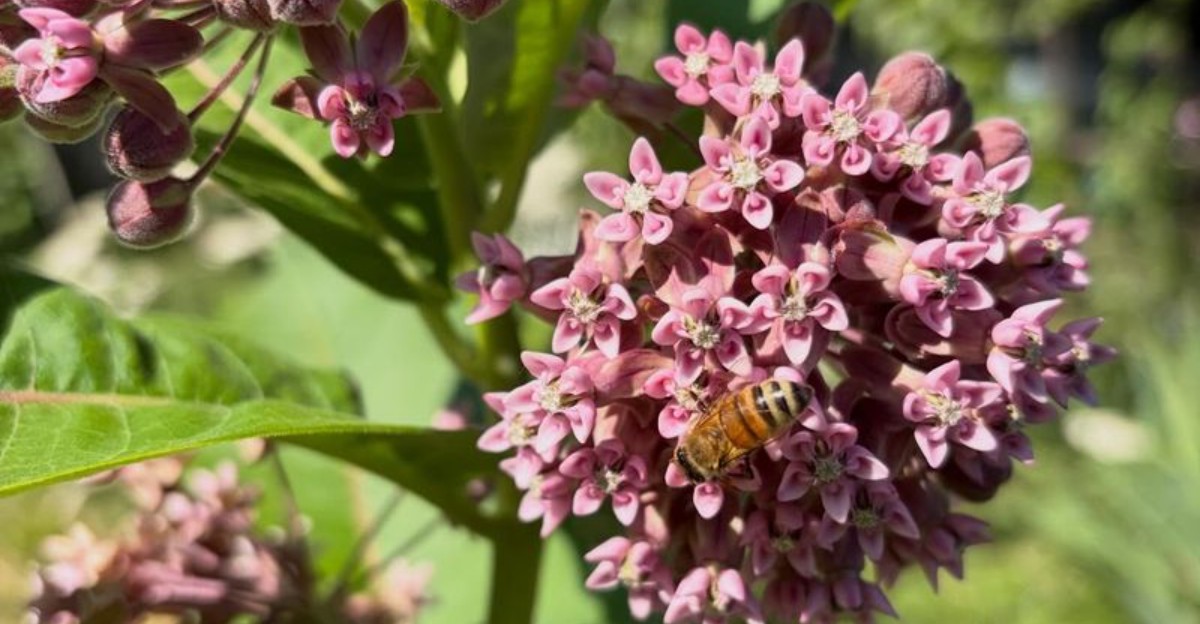
That scent belongs to common milkweed, or Asclepias syriaca, a native perennial with wide oval leaves, round clusters of pinkish-purple flowers, and bumpy, warty seed pods that show up later in summer.
So why do so many gardeners pull it? The answer hides underground. Common milkweed spreads through creeping roots called rhizomes, which travel sideways through the soil and send up fresh shoots several feet away from the parent plant.
One plant in spring can turn into a small crowd by the next year. Those surprise shoots often pop up right in the middle of a lawn, a vegetable bed, or a neat flower border, which can feel frustrating if you like tidy spaces.
Here is the good news, though. That spreading habit is simply how milkweed builds colonies in the wild, forming big, healthy stands that monarchs can easily find.
Out in nature, it works like a welcome sign stretched across the landscape. You also do not have to choose between all or nothing.
Milkweed can be managed with a little planning, so you can keep some plants while protecting the parts of your yard you care about most. Pulling stray shoots while they are young is easy, since the roots have not settled in yet.
Across Michigan, common milkweed grows naturally in old fields, along roadsides, near railroad tracks, and in sunny open areas from the southern counties all the way into the Upper Peninsula.
It belongs here. Seeing it in your yard simply means a hometown plant found its way to you.
2. Monarch Caterpillars Eat Only Milkweed
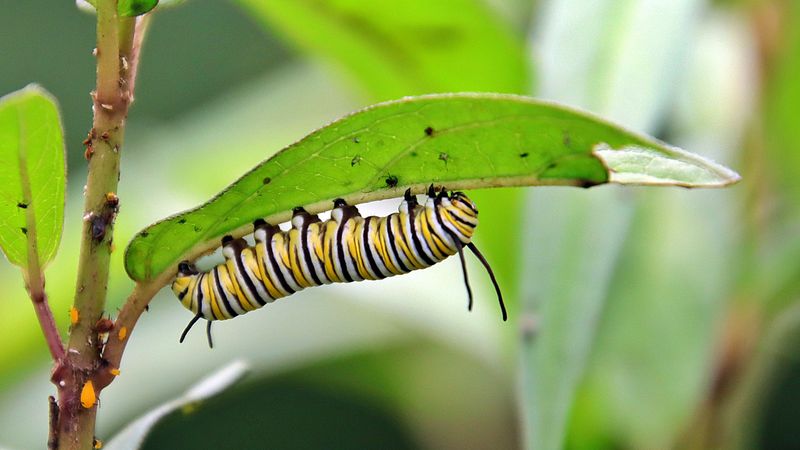
Imagine a picky eater who refuses every single food except one. Monarch caterpillars are exactly like that, and their one and only menu item is milkweed.
Female monarchs are surprisingly careful moms. They flutter from plant to plant, tapping leaves with their feet to taste them, and they lay each tiny cream-colored egg only on milkweed.
A single female can lay a few hundred eggs, usually one per plant or leaf, spreading her babies around so each has plenty to eat.
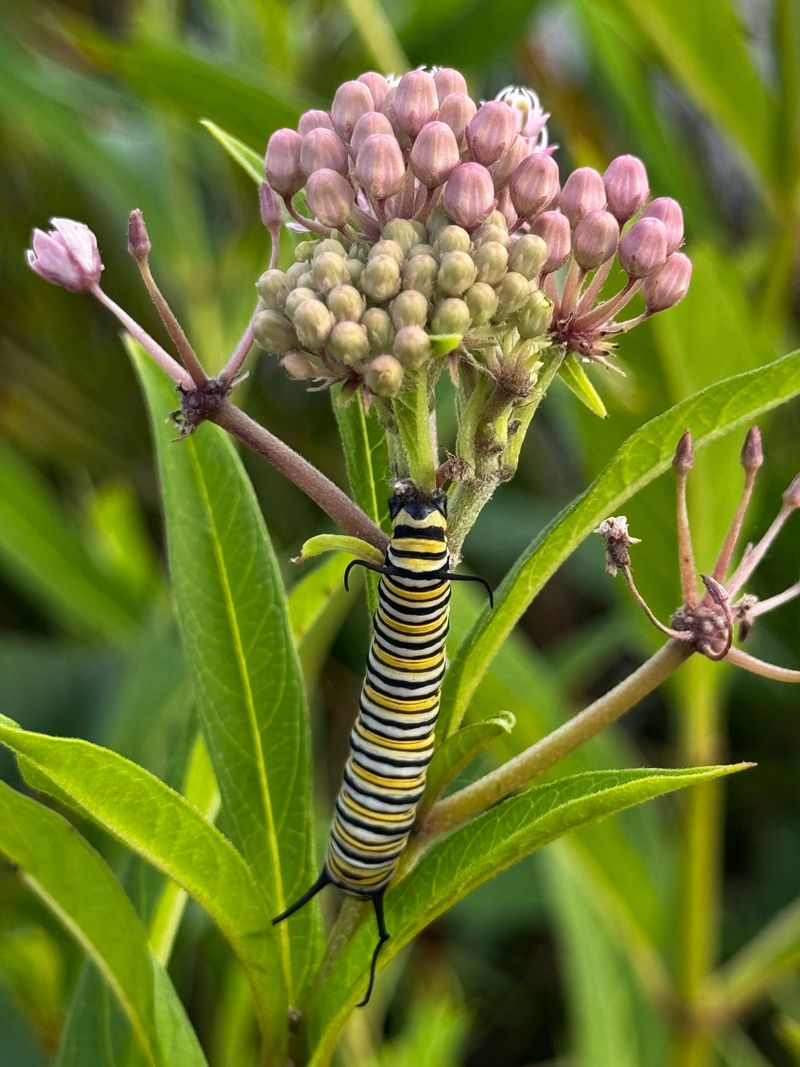
After hatching, the little caterpillars start chewing right away. They munch milkweed leaves for about two weeks, growing fast and shedding their skin five times before forming a jade-green chrysalis dotted with gold.
Your Michigan Garden Changes Every Week. Your Plan Should Too.
Gardening in Michigan changes quickly throughout the season. Every Friday you’ll receive a simple weekly plan showing exactly what to plant, prune, fertilize, harvest, and protect so you never miss the right timing.
Without milkweed, that whole journey simply cannot happen, because the caterpillars have no other plant they can feed on.
That is why every milkweed plant counts. When people mow fields, spray roadsides, or pull milkweed out of yards, monarchs lose places to lay eggs and raise their young. Over many years, losing milkweed across large areas has been linked to fewer monarchs overall.
Want to help? Even a small patch makes a difference. Keeping a handful of milkweed stems along a fence line or in a sunny corner gives monarch moms a safe spot to land.
Michigan sees its first monarchs return in late spring, often in May or early June, after a long trip north. Through the summer, the state can host several generations, each one depending on milkweed to grow.
Your backyard could become part of that summer nursery, and watching a striped caterpillar grow fat on your own plants is a thrill kids and grown-ups both remember.
3. Common Milkweed Is A Key Host In The Midwest
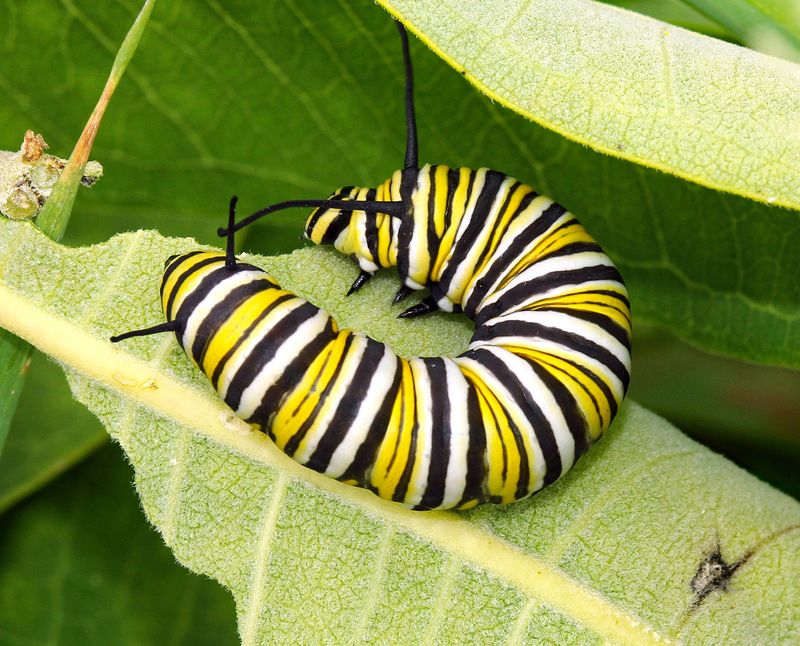
Scientists once wondered where the monarchs wintering in Mexico actually grew up. To find out, researchers studied chemical clues stored in the butterflies’ wings, and the results pointed straight at the Midwest.
Their work showed that a large share of the eastern monarch population that migrates to Mexico develops on common milkweed growing across the Midwest and Great Lakes region.
In other words, the milkweed in farm fields, ditches, and backyards right here plays a starring role in the whole migration.
Many kinds of milkweed exist in North America. Still, common milkweed stands out in this part of the country because it grows in so many places and covers so much ground. Its large leaves also give hungry caterpillars plenty of food in one spot.
So what can you do? Start by leaving some common milkweed where you have the space. A back corner of the property, a field edge, or the strip along a fence can work beautifully.
Got more room? Consider planting it on purpose. Larger natural areas, meadow plantings, school grounds, and pollinator gardens are all great choices, since milkweed can spread there without bothering anyone.
Farmers and landowners can help in a big way too, by letting milkweed grow along field borders that are not used for crops. Small changes across many properties add up to a lot of habitat.
Michigan sits right inside the heart of the monarch’s summer breeding range. That puts the state in a powerful position. The milkweed growing in a Grand Rapids yard or a Thumb farm field may help raise butterflies that later fly thousands of miles south.
4. Its Flowers Feed Many Other Pollinators
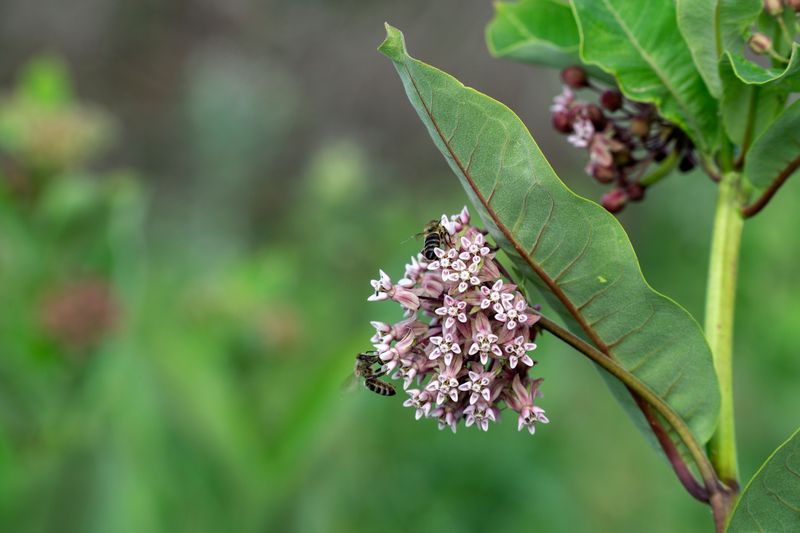
Stand next to a blooming milkweed patch on a warm afternoon, and you will hear it before you fully see it. The gentle buzz comes from bees, wasps, beetles, and butterflies all crowding in for a sweet drink.
Monarchs get most of the attention, but common milkweed feeds a whole neighborhood of insects. Its round, fragrant flower balls bloom in early to midsummer and are packed with nectar.
Bumblebees, honeybees, native solitary bees, swallowtails, fritillaries, and even night-flying moths visit often.
Each cluster holds dozens of small star-shaped flowers. Their pollen comes in tiny sacs that stick to insect legs, which is a clever trick that helps the plant get pollinated as visitors move around.
Growing milkweed for pollinators is pretty simple. Give it full sun, since it blooms best with at least six hours of direct light each day, and it handles average or even poor soil just fine.
Be careful with sprays. Insecticides used nearby can harm the very bees and butterflies you want to attract, so skip them around your milkweed or choose gentler methods for pests.
Pairing milkweed with other native flowers keeps the buffet open all season long. Try spring bloomers like wild columbine, then add summer favorites such as wild bergamot and purple coneflower, and finish with fall asters and goldenrod.
Many bee and butterfly species have been shrinking in number, partly because they have fewer wild flowers to visit.
Native plants like milkweed help fill that gap across Michigan. Every garden that offers nectar becomes a small refueling station along the way, and your yard can easily be one of them.
5. Its Toxins Protect Monarchs From Predators
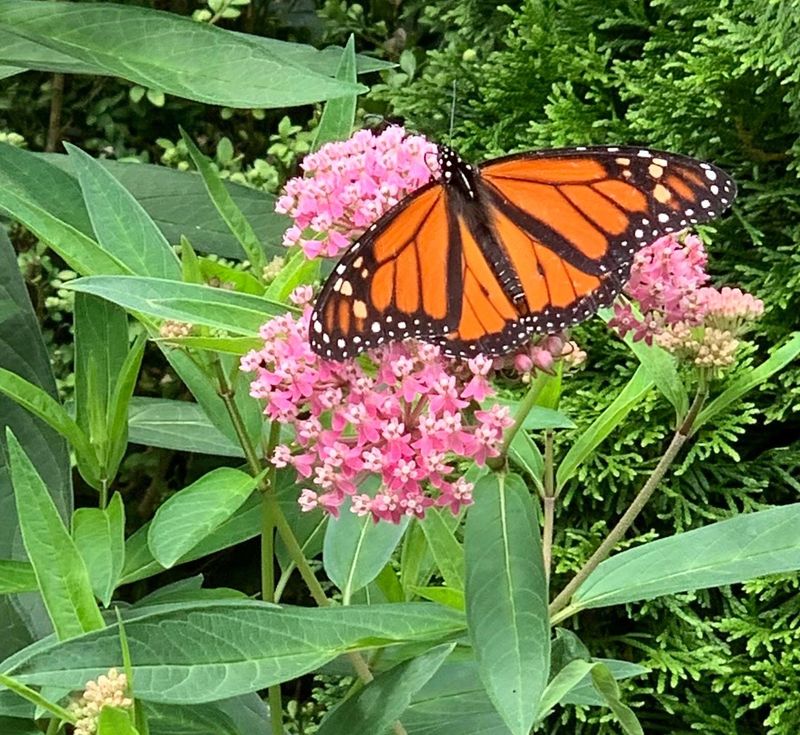
Bright orange wings are not just pretty. They act like a warning label, and birds that ignore that warning usually regret it.
Milkweed contains natural chemicals called cardenolides. As monarch caterpillars chew the leaves, they store these compounds in their bodies instead of being harmed by them. The chemicals stay with them as they change into adult butterflies.
The result is a bug that tastes terrible. Many birds that grab a monarch quickly spit it out and may even vomit, and they learn to avoid those bold orange-and-black wings in the future. It is a smart defense system borrowed straight from a plant.
Of course, those same chemicals mean gardeners should treat milkweed with respect. Snap a leaf or stem, and a sticky white sap oozes out. That milky juice can irritate skin for some people, and it can seriously hurt your eyes.
A few easy habits keep you safe. Wear gloves when cutting or pulling plants, and never rub your eyes while working near milkweed. Wash your hands well with soap and water once you finish, even if you wore gloves.
Pets and livestock need protection too. Milkweed is toxic if animals eat it, so keep curious dogs from chewing the plants, and avoid planting it in pastures or hay fields where horses, cattle, or sheep might graze.
For Michigan gardeners, a little caution goes a long way. Handle milkweed thoughtfully, teach kids not to touch the sap, and you can enjoy the plant safely while monarchs enjoy their built-in armor. It is a fair trade for a plant that does so much good.
6. You Can Keep It In Bounds Without Losing It
Love monarchs but also love your lawn? You can have both, and it takes less work than most people think.
Choosing the right spot is the biggest step. Common milkweed does best in larger, open areas where it has room to roam, like a meadow corner, a sunny slope, or the back edge of a big yard. Let it spread there, and it rarely becomes a headache.
Shoots will still sneak out now and then. When one pops up somewhere you do not want it, simply pull it while young or cut it at ground level. Keep cutting, and the stray roots eventually weaken.
Garden beds need a bit more help. Plastic or metal edging, or a root barrier sunk about a foot deep, can slow those wandering rhizomes and keep them from creeping into your flowers or vegetables. Short on space? Try a different milkweed altogether.
Swamp milkweed (Asclepias incarnata) grows in tidy clumps with pink flowers and loves moist soil, while butterfly weed (Asclepias tuberosa) stays compact and bursts with bright orange blooms in dry, sunny spots.
Neither one spreads by running roots the way common milkweed does. That makes them perfect for small yards, front borders, and even large containers on a patio.
Best of all, both are native to Michigan and serve as monarch host plants too. Female monarchs happily lay eggs on them, and the caterpillars eat them just fine.
Mixing a few types means you can match each plant to the right corner of your yard, giving monarchs plenty of choices while keeping your garden looking neat and cared for.
7. Leave Plants Standing Through The Season
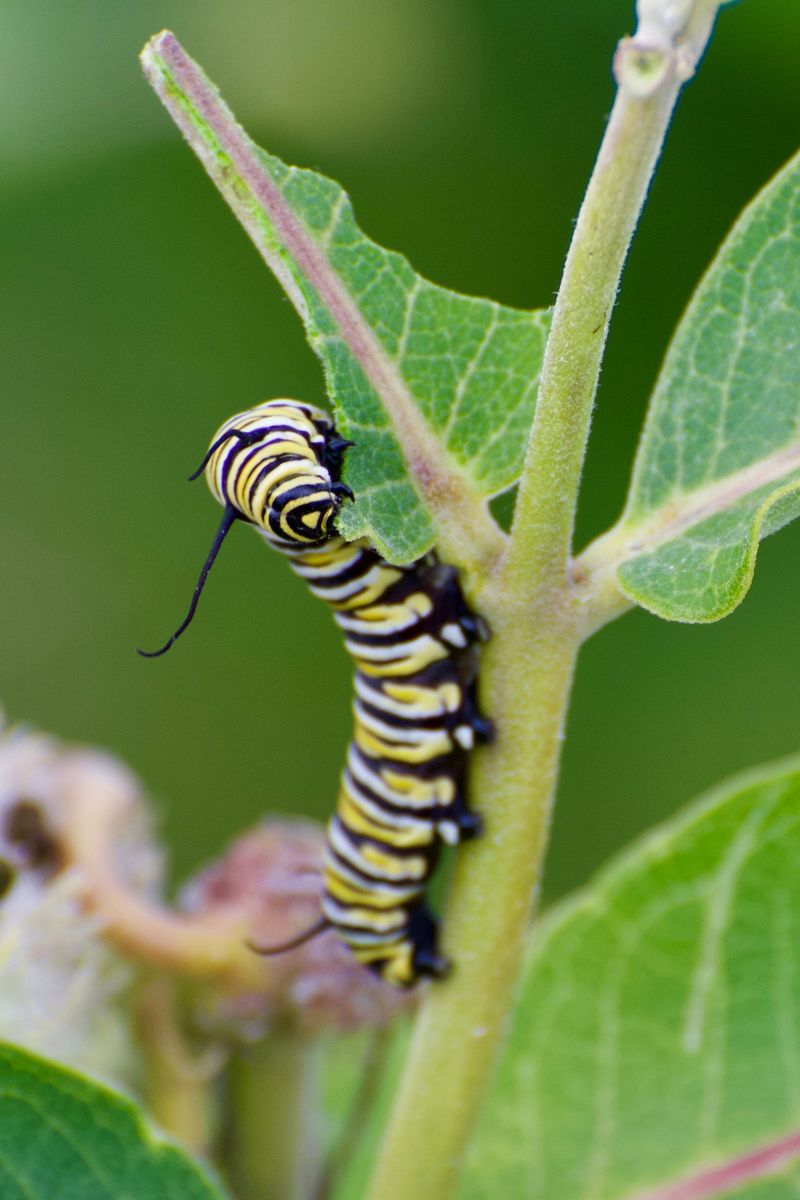
Timing matters more than most people realize. A quick mow on a sunny July morning can wipe out a whole nursery of tiny monarchs without anyone noticing.
From late spring through late summer, milkweed plants may be holding eggs, caterpillars of every size, or even a chrysalis hanging nearby. Eggs are about the size of a pinhead and usually sit on the underside of leaves, so they are easy to miss.
Before you cut or pull any milkweed, take a minute to look. Flip leaves over and check for small white eggs or striped caterpillars. If you find some, leave that plant alone for now.
Mowing milkweed patches during summer is best avoided. Plan any trimming for early spring or after the season wraps up, and mow around patches if you need to tidy the rest of your yard.
Fall brings another treat. The warty pods slowly dry and split open, releasing silky white seeds that float away on the wind. Letting them mature helps new plants pop up next year, and you can also collect a few to share with friends or plant somewhere new.
Save the big cleanup for later. Once monarchs have headed south, usually by early October in Michigan, you can cut back old stems if you like.
That patience pays off in a big way. The last monarch generation of the year grows up in Michigan during late summer, and those butterflies are the ones that fly all the way to the mountains of central Mexico.
Leaving your milkweed standing gives them the strong start they need for that incredible trip.