Michigan Seed Libraries Where You Can Borrow Varieties And Return What You Grow
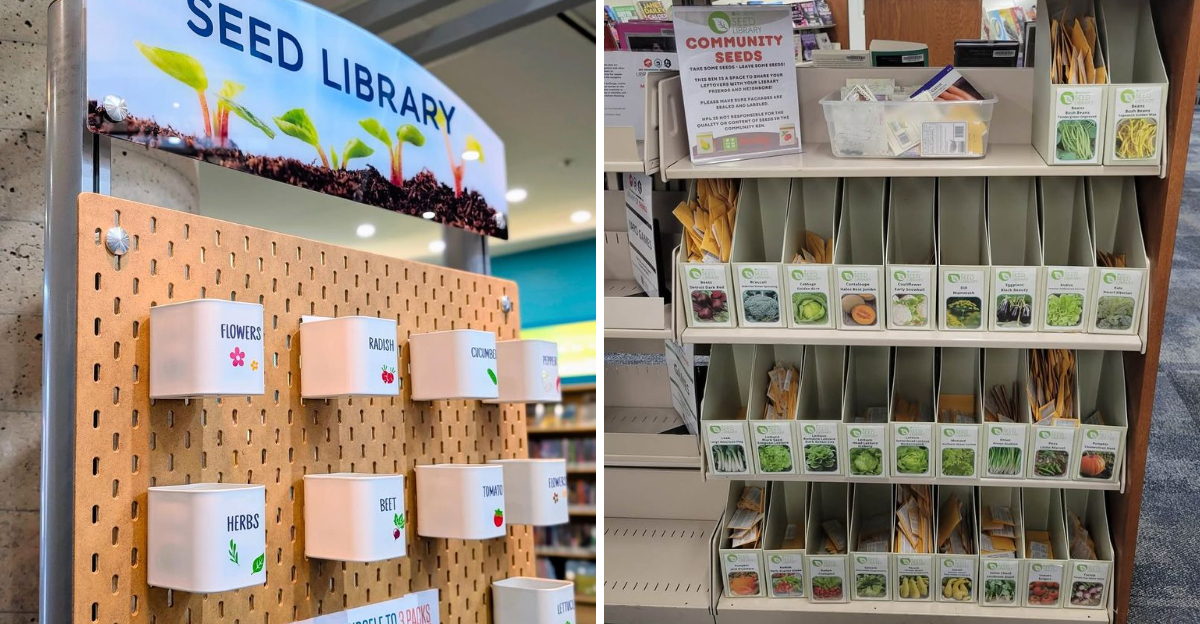
Seed libraries represent one of the more quietly remarkable resources available to Michigan gardeners, and a surprising number of people who would genuinely benefit from them have no idea they exist in their own communities.
The model is straightforward and built around a kind of trust that feels increasingly rare in modern gardening culture.
You borrow seeds, grow the plants, save seeds from what you harvest, and return a portion at the end of the season so others can do the same thing the following year.
Michigan’s seed libraries offer a major advantage: locally adapted seeds that outperform commercial varieties in the state’s specific climate and soil.
1. Westland Public Library Seed Library
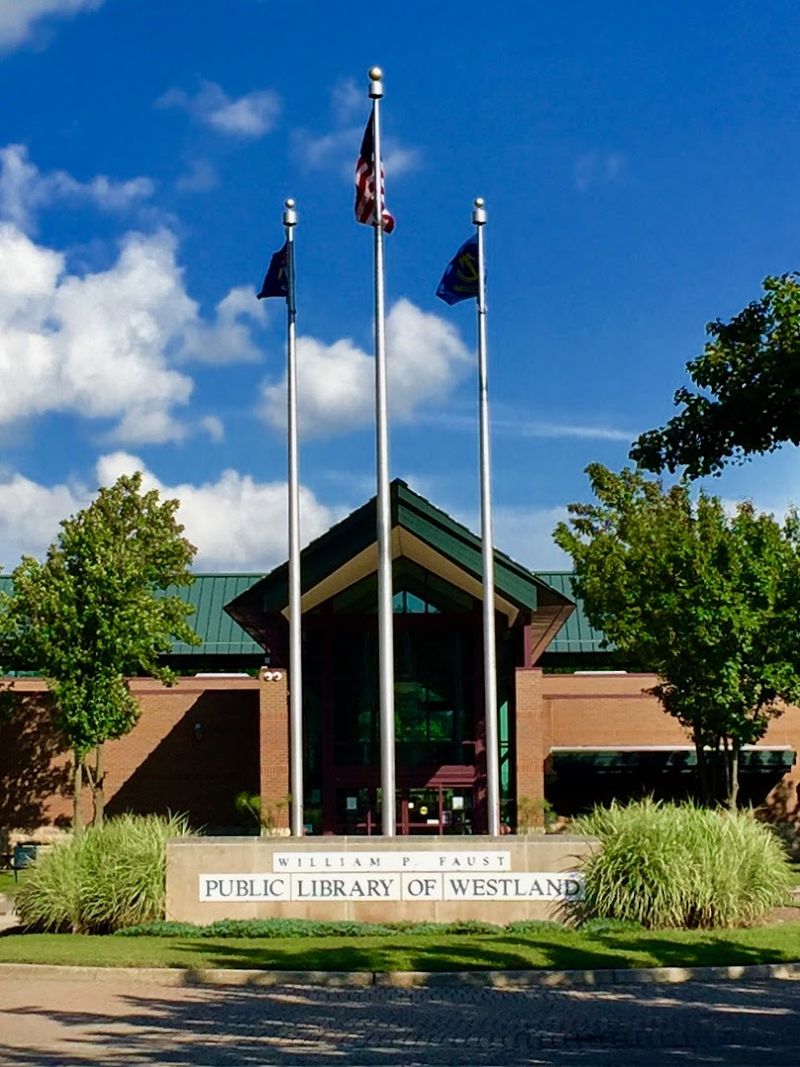
Tucked inside the Library of Things room at 6123 Central City Parkway, Westland, Michigan 48185, the Westland Public Library Seed Library is a hidden gem for local gardeners.
Community members can borrow up to 5 seed packets per month, and the best part is that you do not need a Westland library card to participate.
Anyone interested in growing plants is welcome to stop by and browse what is available.
The seed library puts a strong focus on heirloom varieties, which are older plant types that have been passed down through generations.
These seeds tend to produce flavorful, hardy plants that grow beautifully in Michigan soil.
The whole program is built around the idea that seeds belong to everyone, not just those who can afford to buy them every year. Returning seeds is simple and satisfying.
After growing your plants, you can save seeds from your healthiest specimens, fill out the Donate Seeds form, or clearly label a sealed envelope, then drop it in the donation box at the library.
Sharing back what you grow helps future gardeners in your neighborhood get access to even more variety.
It is a wonderful cycle of growing, saving, and giving that keeps the Westland gardening community connected and thriving season after season.
2. Troy Public Library JoAnn K. Misra Seed Library
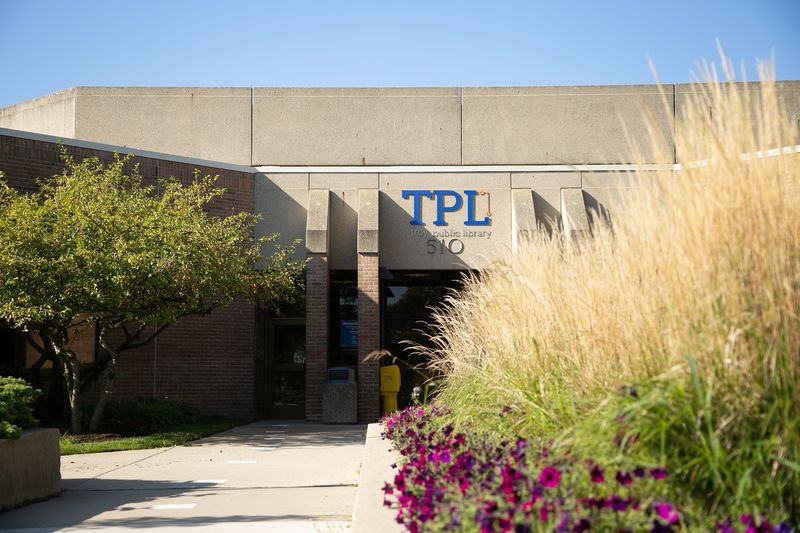
Named in honor of a dedicated community supporter, the JoAnn K. Misra Seed Library at Troy Public Library brings something genuinely special to the gardening scene in southeastern Michigan.
Located at 510 W. Big Beaver Road, Troy, Michigan 48084, this seed library focuses on open-pollinated and heirloom seeds, meaning every plant you grow can produce seeds worth saving for the next season.
You will find the seed collection near the Digital Services desk in the Adult Services area, making it easy to grab a few packets on your next library visit.
Patrons are asked to limit their selection to 10 packets per visit, which is actually a generous amount for most home gardeners.
Whether you are planning a vegetable bed, a flower border, or a container garden on your apartment balcony, there is likely something in the collection that fits your space.
Seed donations are appreciated but never required, so even first-time visitors can walk away with seeds at no cost. Returning seeds is a meaningful part of the process.
Your Michigan Garden Changes Every Week. Your Plan Should Too.
Gardening in Michigan changes quickly throughout the season. Every Friday you’ll receive a simple weekly plan showing exactly what to plant, prune, fertilize, harvest, and protect so you never miss the right timing.
After growing your plants, save seeds from a few healthy ones, place them in a sealed envelope labeled with your name, email address, and the seed name, and return them to the library.
This simple act keeps the library stocked for future gardeners and builds a stronger, more connected Troy community one seed at a time.
3. Dearborn Public Library Seed Library
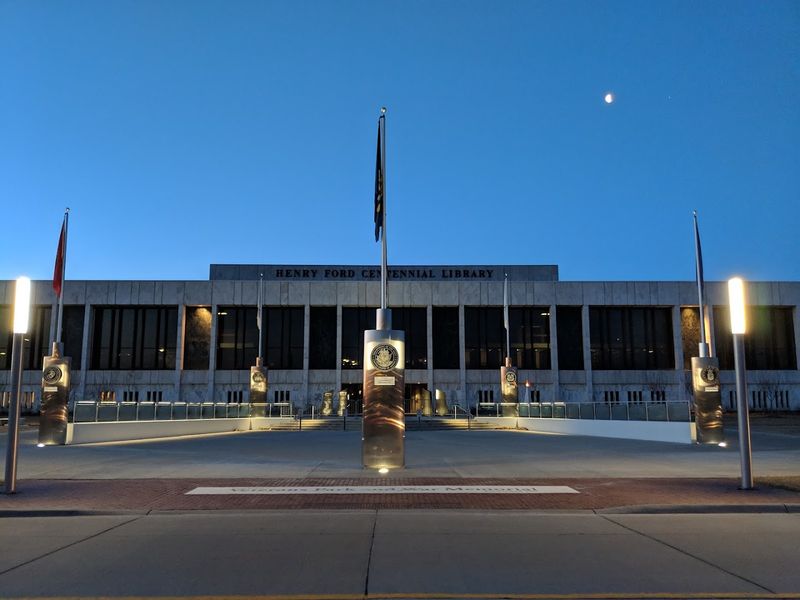
Walking into the Henry Ford Centennial Library at 16301 Michigan Avenue, Dearborn, Michigan 48126 feels like stepping into a place where big ideas grow.
The Dearborn Public Library Seed Library operates mainly from this flagship location, though some seeds are also available at the Bryant and Esper branch libraries, giving more residents easy access across the city.
No Dearborn library card is required to participate, which means anyone curious about growing food or flowers can walk in and take seeds home.
One thing that sets this seed library apart is its commitment to non-GMO seeds only.
Every donation accepted must meet that standard, ensuring that gardeners receive seeds they can trust and save year after year.
Seasonal availability plays a role too, with warm-weather seeds becoming available after April 1, perfectly timed for Michigan’s spring planting season.
Gardeners are genuinely encouraged to save seeds from their harvest and return them to the library, keeping the collection fresh and locally grown.
Over time, seeds saved from Dearborn gardens can become more naturally adapted to the local climate and soil, which makes future growing seasons even more rewarding.
For anyone in the Dearborn area who wants to grow more food, cut grocery costs, or simply enjoy the satisfaction of planting something beautiful, this seed library is a fantastic and completely free place to start.
4. Richland Community Library Seed Library
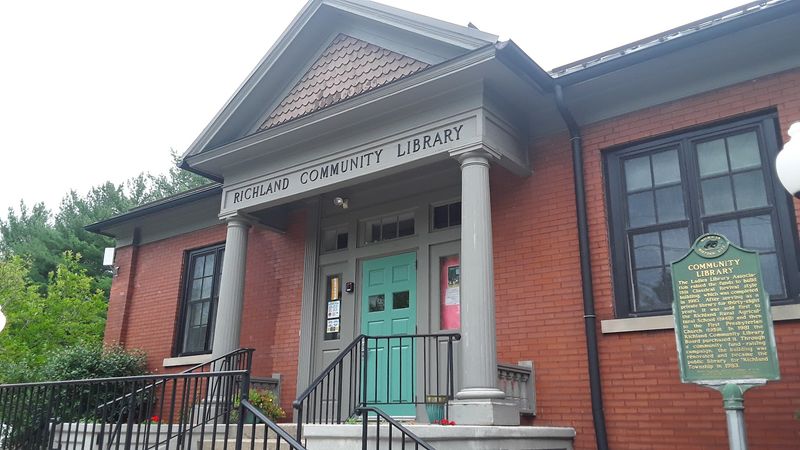
Right at the main entrance of Richland Community Library, 8951 Park Street, Richland, Michigan 49083, sits a seed library that quietly invites every visitor to become a gardener.
Positioned next to the Teen Room, the seed display is one of the first things you notice when you walk through the door.
No library card is required, and every single seed packet is completely free, making this one of the most accessible gardening resources in the Kalamazoo County area. The spirit behind this seed library is refreshingly practical.
Gardeners are encouraged to take only what they can realistically plant during the growing season, rather than stocking up on more than they need.
That thoughtful approach keeps the collection available for everyone in the community throughout the season, from early spring all the way through summer planting time.
Here is something worth knowing: seeds saved from plants grown in Richland can actually become better adapted to the local weather and soil over time.
When you grow a tomato or a squash in your backyard and save seeds from the strongest plants, those seeds carry a kind of local memory.
Returning them to the library passes that advantage on to your neighbors.
It is a small act with a surprisingly big impact, and it is exactly the kind of generational thinking that makes community seed libraries so valuable for rural Michigan gardening communities.
5. Royal Oak Public Library Seed And Plant Propagation Library
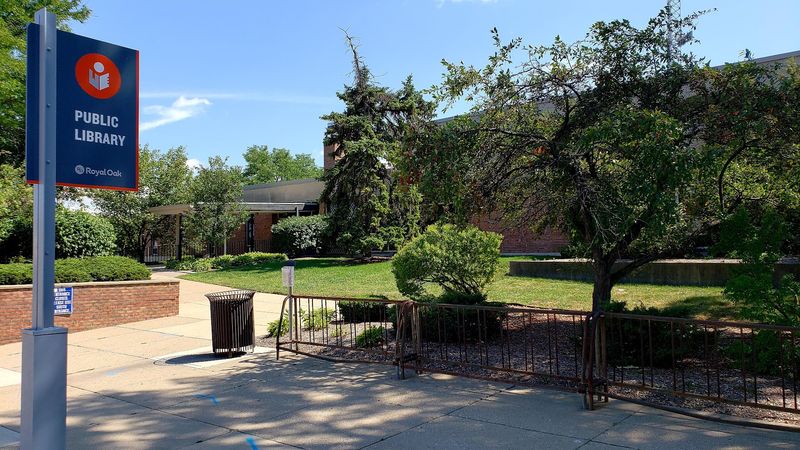
Gardening in Royal Oak just got a whole lot easier thanks to the Seed and Plant Propagation Library at Royal Oak Public Library, 222 E Eleven Mile Rd, Royal Oak, MI 48067.
Nestled in a cozy nook near the north entrance, this seed collection offers flower and vegetable seeds completely free to the community.
Patrons can browse the selection in person or even call ahead to request specific seed packets, which is a thoughtful touch for busy gardeners who know exactly what they want to grow.
The borrowing limit is four packets per visit, a reasonable amount that encourages gardeners to be intentional about their choices.
Picking fewer varieties and growing them well tends to produce better results than spreading yourself too thin across a dozen different plants.
That kind of focused growing also makes it easier to save seeds at the end of the season. Returning seeds is part of the agreement here, and it is easier than you might think.
Simply let one or two plants mature fully, harvest the seeds from the strongest specimens, and bring them back in an envelope labeled clearly with “FOR SEED LIBRARY.” Your saved seeds then become part of the collection for the next person who visits.
Royal Oak gardeners have built something genuinely wonderful with this program, and every returned seed envelope helps keep that momentum going strong into future growing seasons.
6. Queen City Seed Library At Peter White Public Library

There is something undeniably charming about a seed library housed inside an old wooden card catalog.
At Peter White Public Library, 217 North Front Street, Marquette, Michigan 49855, the Queen City Seed Library does exactly that.
Positioned on the main floor directly across from the Circulation Desk, this beautifully repurposed piece of library history holds a rotating collection of seeds for Upper Peninsula gardeners to borrow and grow at home.
The library runs on a self-serve model, which means you can stop by anytime the library is open and help yourself to seeds without waiting for assistance.
Binders placed on top of the card catalog walk you through the checkout process step by step, so even first-time visitors can figure it out quickly.
Local seed and agriculture groups help manage and support the collection, bringing real expertise and passion to the program.
One of the most exciting events connected to this seed library is the annual Seed Swap, held each year in late March or early April.
Gardeners from across the Marquette area come together to trade seeds, share growing tips, and celebrate the upcoming planting season.
Participants are encouraged to grow a little extra throughout the summer so they have seeds to contribute to the swap.
For anyone living in the Upper Peninsula who loves gardening, the Queen City Seed Library is a genuine community treasure worth visiting every single season.
7. Seed Libraries Let Gardeners Take Seeds For Free
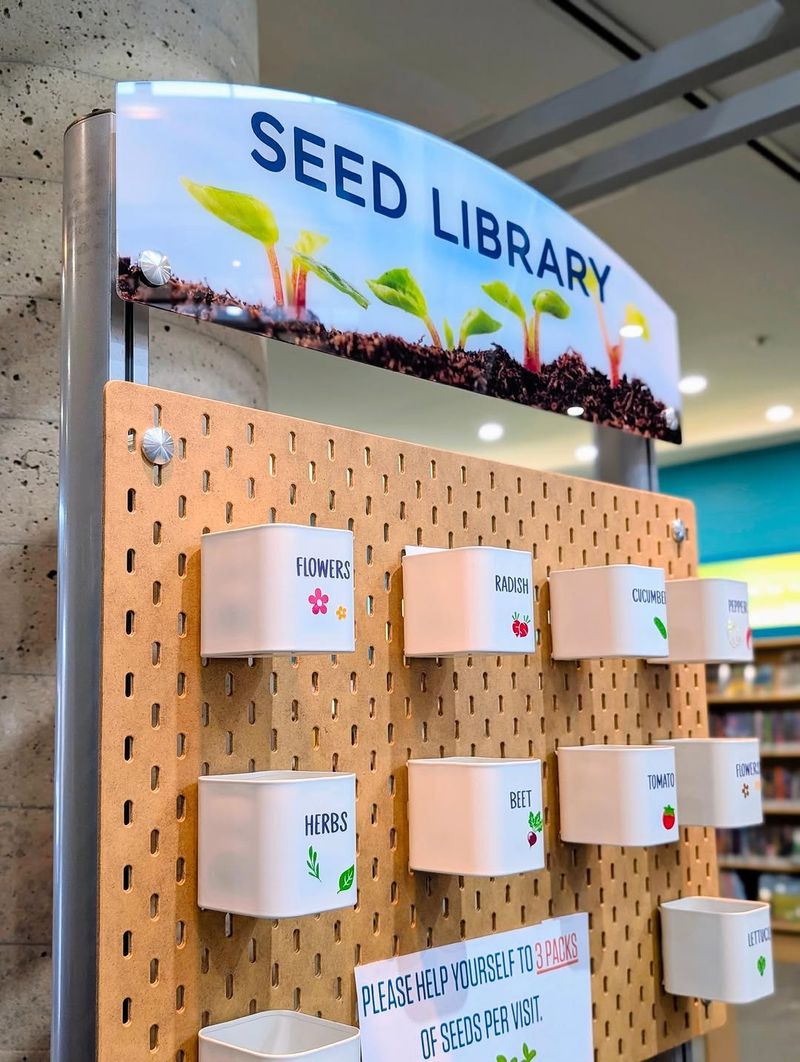
Imagine walking into your local library and walking out with a handful of tomato, basil, or sunflower seeds, all completely free. That is exactly how seed libraries work across Michigan and throughout the country.
These programs function like community sharing systems where anyone can take a small number of seed packets, grow plants at home, and ideally return some seeds at the end of the season to keep the cycle going.
No special membership, no fees, no gardening experience required. Seed libraries are most commonly found inside public libraries, but they also pop up in community centers, schools, local garden clubs, and agricultural extension programs.
The variety of locations means that more people have access, whether they live in a busy city like Detroit or a quieter town like Richland.
Some programs focus on vegetables, others include herbs and native flowers, and many offer a mix of all three.
For people who have never grown food before, a seed library is one of the most welcoming entry points into gardening. Taking a packet of seeds costs nothing and carries very little pressure.
You grow what you can, learn as you go, and maybe share some seeds back when you feel ready.
That low-barrier approach is exactly why seed libraries have become such powerful tools for building food confidence, community connection, and a genuine love of growing things from the ground up.
8. Returning Seeds Usually Means Saving Seeds From What You Grow
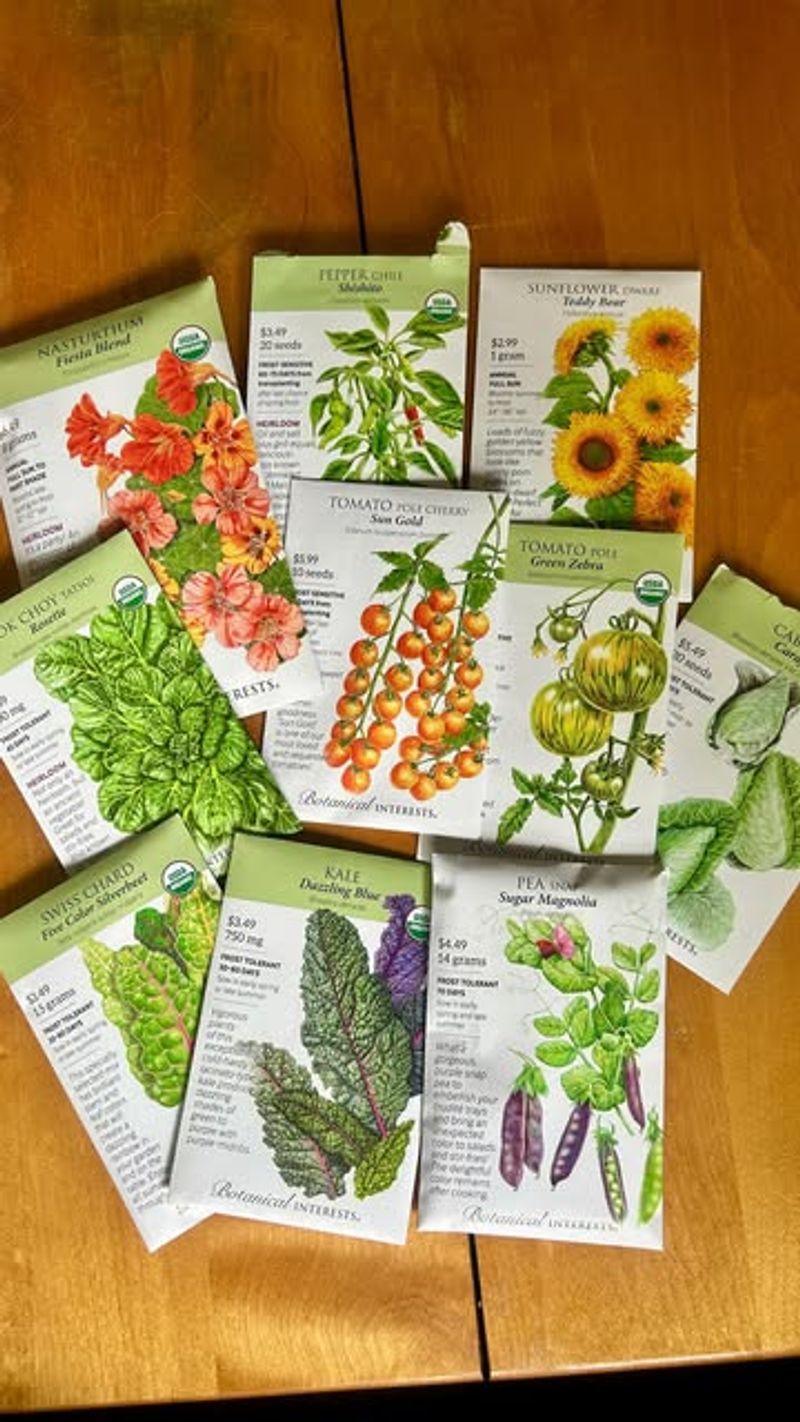
A lot of new gardeners hear the phrase “return your seeds” and picture bringing back the exact same packet they borrowed. In reality, the process is much more rewarding than that.
Returning seeds to a seed library means growing your plant through the full season, allowing some of the flowers or vegetables to mature completely, and then collecting seeds from the healthiest and strongest plants you grew.
Those saved seeds are what you bring back. Seed saving is an ancient skill that gardeners have practiced for thousands of years, and it is easier to learn than most people expect.
Tomatoes, beans, peppers, and many flowers are excellent starting points because their seeds are large, easy to spot, and simple to dry.
After collecting seeds, you spread them out on a paper towel or plate, let them dry completely in a warm spot away from direct sunlight, then store them in a labeled envelope until you are ready to return them.
Clear labeling matters more than people realize. When you return seeds, writing the plant name, variety, and the year you grew them helps future gardeners make smart choices about what to plant.
Seed libraries depend on this kind of honest, careful sharing to maintain quality collections over time.
Every envelope you return is a small gift to a stranger who might grow that exact plant next spring, and that connection between growers is what makes seed sharing genuinely meaningful.
9. Seed Libraries Help Preserve Local Varieties
Not all seeds are created equal, and seed libraries understand that better than anyone.
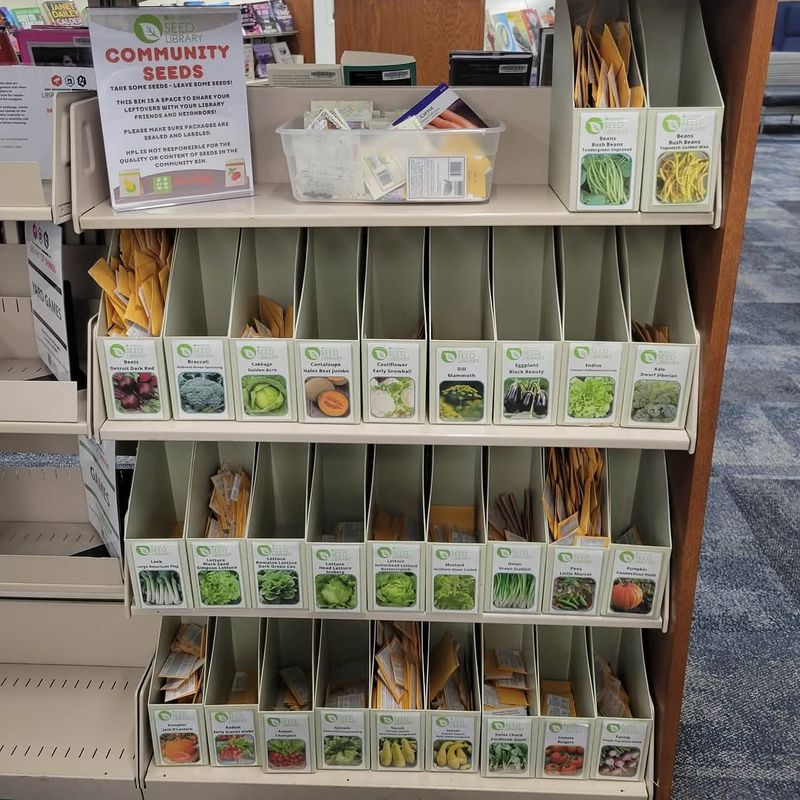
One of the most important things these programs do is help preserve open-pollinated, heirloom, and locally adapted plant varieties that might otherwise disappear from our food system.
Commercial agriculture tends to favor a narrow range of high-yield crops, which means hundreds of older, more flavorful varieties often get left behind.
Seed libraries push back against that trend by keeping diverse seeds in circulation.
Here is where it gets really interesting: when gardeners save seeds from plants that grow well in their specific region, those seeds gradually become better suited to local conditions.
A tomato grown in Marquette for five seasons in a row may develop slightly better cold tolerance than one grown in a greenhouse in another state.
That slow, natural adaptation happens through careful selection and consistent local growing, and seed libraries make it possible by keeping those locally grown seeds in community hands.
Heirloom varieties also tend to carry flavors and textures that modern commercial seeds often sacrifice in favor of shelf life and shipping durability.
Growing an heirloom bean or squash from a Michigan seed library can feel like tasting something from another era, in the best possible way. Preserving these varieties is about more than nostalgia.
It is about protecting biodiversity, supporting food security, and making sure future generations of Michigan gardeners have access to a rich and varied seed supply worth growing.
10. Beginners Can Usually Participate Even If They Cannot Return Seeds Yet
Starting something new can feel intimidating, especially when there seems to be an unspoken expectation that you already know what you are doing. Seed libraries are built differently.
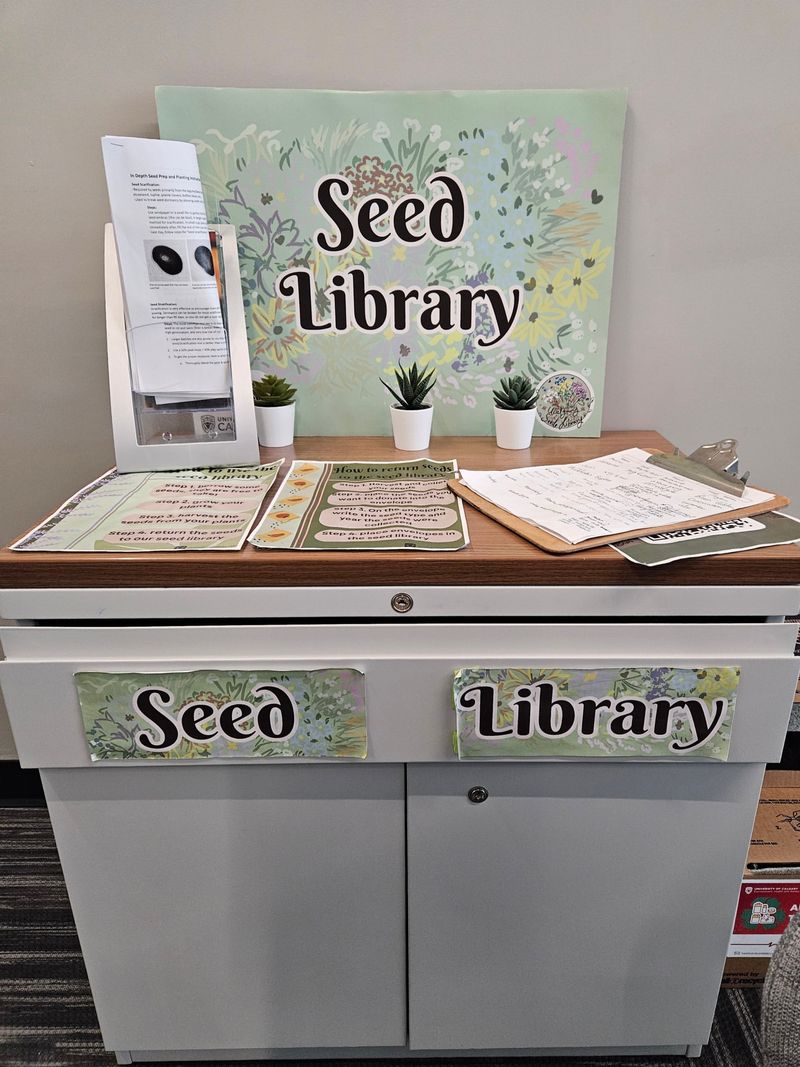
Most programs across Michigan actively welcome beginners and do not require anyone to return seeds right away, or even at all on the first visit.
The whole point is to get more people growing, not to create barriers that keep nervous newcomers from ever trying.
New gardeners can start by choosing easy seeds like sunflowers, zucchini, lettuce, or green beans. These plants are forgiving, fast-growing, and deeply satisfying for first-timers.
Growing even one successful plant teaches you more about soil, water, sunlight, and timing than any book ever could.
That hands-on experience builds confidence quickly, and confident gardeners naturally start wondering how to save seeds and give back to the programs that helped them get started.
Seed libraries are fundamentally about community, education, and shared enthusiasm for growing things.
They exist because experienced gardeners want to pass knowledge and resources on to the next generation of growers, no matter their age or background.
Some libraries even offer seed-saving workshops, growing guides, or helpful handouts alongside their seed collections.
Whether you are eight years old or eighty, a renter with a windowsill or a homeowner with half an acre, Michigan seed libraries have room for you exactly where you are right now in your gardening journey.