Ohio Mums Not Blooming? You Might Be Making One Of These Mistakes
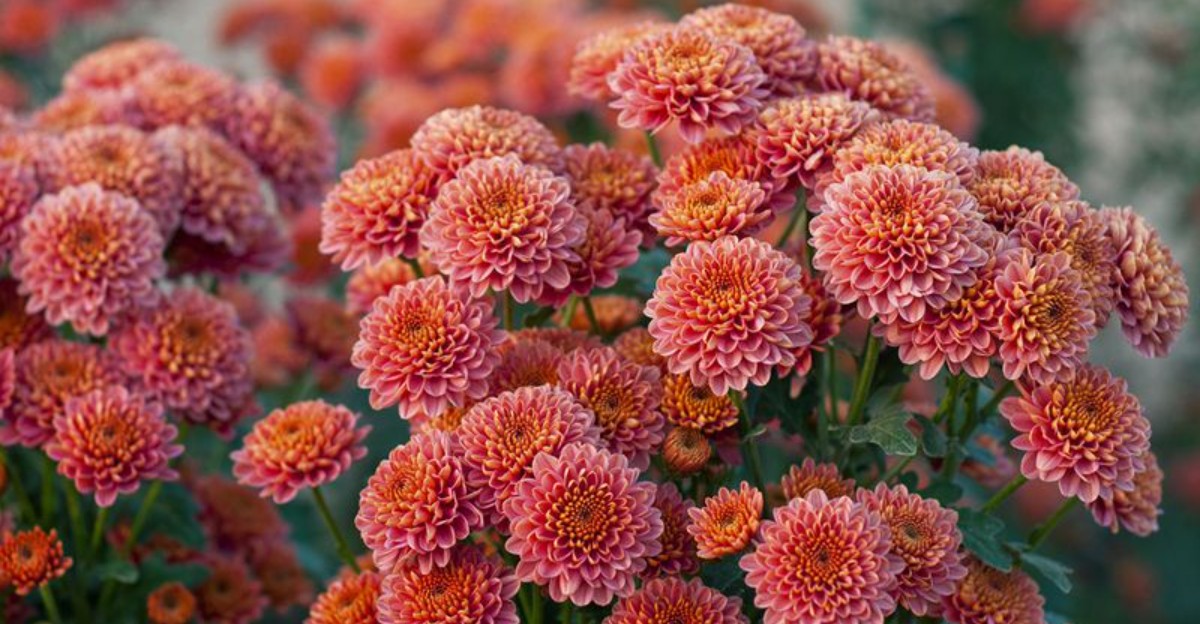
Those mums looked like a million bucks at the store, and now they sit on your porch with tight green buds and zero color. Not the fall display you pictured.
Plenty of Ohio gardeners hit this wall every October. The plant seems healthy, the leaves look fine, and still nothing opens.
Blame usually lands on the weather, the nursery, or bad luck.
A few quiet mistakes cause most of the trouble, and every one of them feels harmless in the moment. Some happen before you even bring the pot home.
Others sneak in through your daily routine.
Fix the right one and the buds can still come around. Miss it and the pot turns into a very expensive green bush.
Take a hard look at how you’ve treated those plants since day one.
1. Pinching Them Too Late Into Summer

Picture yourself in late July, snipping away with good intentions. You want a fuller plant, so you pinch one more time, and then one more after that.
Pinching means removing the soft tips of the stems. It pushes the plant to branch out, which gives you more spots for flowers later on.
The trouble starts when the snipping goes on too long. Mums need several weeks after the last pinch to build flower buds before fall arrives.
In most of Ohio, a good rule is to stop pinching around the Fourth of July. Some gardeners in northern counties stop even a little earlier, closer to late June.
Start in late spring when new shoots reach about six inches tall. Pinch off the top inch or so, then repeat every few weeks as the stems grow back.
Once the holiday fireworks fade, put the snips away. Let the plant focus its energy on making buds instead of new leafy branches.
If you pinched late this year, do not panic. You may still see flowers, though they could show up later and smaller than usual.
Mark the date on your calendar for next year. A simple sticky note on the garage wall can save your whole fall display.
2. Leaving A Porch Light Or Streetlight Shining On Them

Believe it or not, your mums can tell time. They measure how long the nights last, and long dark nights are their signal to start blooming.
Scientists call this being photoperiodic. As summer turns to fall and darkness stretches out, mums get the message that showtime is near.
Now imagine a bright porch bulb glowing on them every night. To the plant, that light makes the night feel short, like it is still summer.
Even faint light can cause trouble. A glow brighter than a full moon may be enough to confuse them and delay or stop the buds.
Streetlights, garage lights, and motion lights can all play a part. That cute pot right by the front door might be the most confused plant on your block.
Try moving containers a few feet away from the light source. For plants in the ground, a timer or a motion sensor can cut down on the nightly glow.
Your Ohio Garden Changes Every Week. Your Plan Should Too.
Gardening in Ohio changes quickly throughout the season. Every Friday you’ll receive a simple weekly plan showing exactly what to plant, prune, fertilize, harvest, and protect so you never miss the right timing.
You could also switch to a dimmer bulb or angle the fixture away. Small changes like these help the plant get the dark rest it needs.
Fun fact: flower growers use this same trick on purpose. They cover mums with black cloth to make them bloom right on schedule.
3. Planting Them In Too Much Shade

Mums are sun lovers at heart. Think of them as the friends who grab the sunniest seat at the picnic and refuse to move.
They need at least six hours of direct sunlight each day. Without it, they struggle to make the energy needed for a big burst of flowers.
Shady spots tend to grow tall, floppy plants. The stems stretch toward any light they can find, and the buds stay few and far between.
Ohio yards often have big maples and oaks that cast wide shadows. A bed that felt sunny in April can be quite shady by midsummer once leaves fill in.
Spend a day watching your yard. Check the spot in the morning, at noon, and in the afternoon to see how much light it really gets.
If your mums sit in shade, move them in spring or early fall. Dig wide around the roots and replant at the same depth in a brighter location.
South-facing and west-facing beds usually work best. Morning sun is lovely too, since it dries off dew and keeps leaves healthier.
Container growers have it easy here. Just roll or carry the pot to a sunny patch and let the plant soak up those golden rays.
4. Overdoing The Fertilizer
More food sounds like a great idea, right? With mums, too much of a good thing can backfire in a big way.
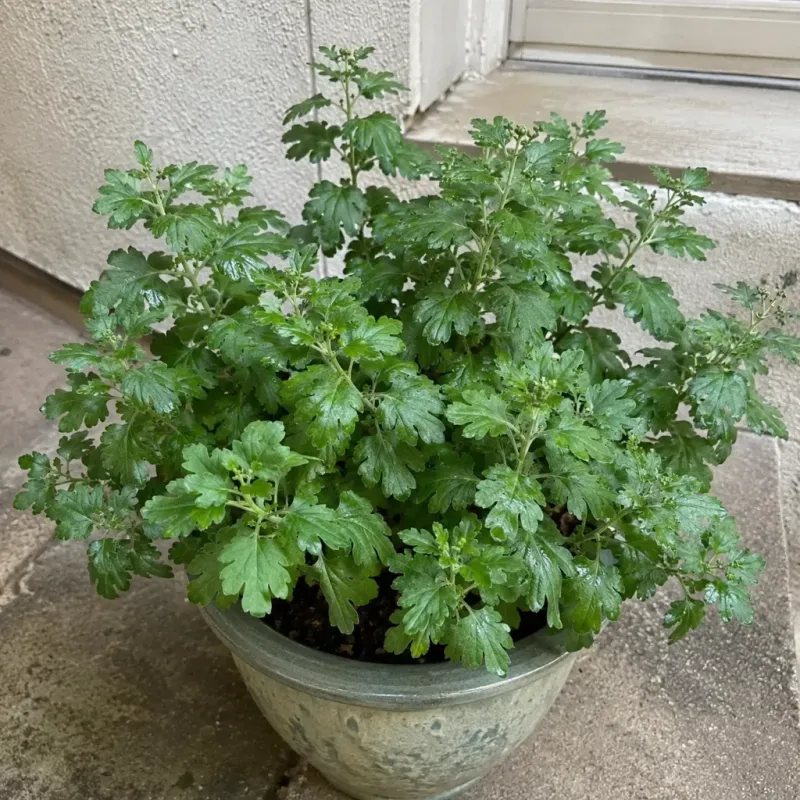
Fertilizers high in nitrogen push plants to grow leaves. You end up with a lush, deep green bush that looks healthy but skips the flowers.
Lawn fertilizer is a common culprit. If you spread it near your flower beds, some of it may drift onto your mums without you noticing.
A balanced fertilizer works better, something with similar numbers on the bag. Feed lightly in spring and early summer while the plant is growing.
Here is the key timing tip. Stop feeding around mid-July so the plant can switch gears from making leaves to making buds.
Late feeding can also produce soft new growth. That tender growth has a harder time handling the chilly nights that arrive in fall.
Healthy soil often has plenty of nutrients already. A layer of compost each spring may be all your mums really need.
Not sure what your soil holds? The Ohio State University Extension offers soil testing info, and a simple test can take the guesswork out of feeding.
5. Planting Florist Mums Outdoors

That gorgeous potted mum from the grocery store made a lovely gift. Planting it in the yard afterward feels like a kind gesture, but it often ends in disappointment.
Florist mums are bred for indoor display. They are grown in greenhouses to look stunning for a few weeks, not to handle a long Ohio winter.
Garden mums, sometimes called hardy mums, are a different story. They are bred to come back year after year and bloom outdoors on their own.
How can you tell them apart? Florist types often come wrapped in shiny foil and have larger, fancier blooms on taller stems.
Check the plant tag before you buy. Look for words like hardy, perennial, or garden mum if you want a plant that returns next fall.
Timing matters too, even with the right kind. Mums planted in spring have months to grow strong roots before winter cold arrives.
Fall planting can work, but get them in the ground early. Add a few inches of mulch after the ground cools to help protect the roots.
Enjoy florist mums indoors as a pretty, short-term treat. Then save your garden space for the tough varieties built for Buckeye State weather.
6. Choosing Varieties That Bloom Too Late For Ohio

Here is a sad little story many gardeners know well. The buds finally swell in late October, and then a hard frost shows up the very next week.
Not all mums keep the same schedule. Some varieties bloom in late August, some in September, and others wait until late October or even November.
Those late bloomers can be lovely in warmer states. In the state, though, the cold often arrives before they get their big moment.
Northern Ohio tends to get frost earlier than the southern part of the state. A variety that works near Cincinnati may struggle near Cleveland or Toledo.
When shopping, look for labels that say early or midseason bloom. Ask local nursery staff which types do well in your county.
Mixing early and midseason types is a smart move. You get a longer stretch of color, and one group may shine even if the weather turns.
Keep a simple garden journal each fall. Jot down when each plant started blooming so you know which ones to keep or replace.
Local garden centers are a great resource here. Plants grown nearby are often picked with Ohio seasons in mind.
7. Expecting Blooms During A Late-Season Heat Wave

September in Ohio loves to play tricks. One week you are wearing a hoodie, and the next week it feels like the middle of July again.
Mums do not enjoy these surprise heat waves. High temperatures can stress the plant right when it is trying to open its buds.
During hot spells, buds may stall or open slowly. Some flowers might look faded, small, or a bit crispy around the edges.
Warm nights are part of the problem. Mums like cool evenings in fall, and steamy nights can slow down the whole blooming process.
You cannot control the weather, but you can help. Water deeply in the early morning so roots stay cool and the plant has moisture all day.
Potted mums can be moved into light afternoon shade for a few days. Once temperatures settle down, move them back into full sun.
A layer of mulch helps keep soil cooler too. Shredded leaves or bark work well and look tidy in fall beds.
Most of the time, patience pays off. When the cooler air returns, many plants pick right back up and put on a fine show.
8. Skipping Division Every 2 Or 3 Years

Remember when your mum was a neat little mound? A few years later, it might look crowded in the middle with flowers only around the edges.
Older clumps get tired over time. The center can grow woody and weak, and the plant puts out fewer blooms each year.
Dividing is like giving your mum a fresh start. Every two or three years, split the clump into smaller pieces and replant the healthiest parts.
Spring is the best time in the state. Wait until new shoots pop up and are a few inches tall, then dig up the whole plant.
Use a sharp spade or garden knife to cut the clump apart. Keep pieces from the outer edge, since they are usually the youngest and strongest.
Toss the old woody center into the compost pile. Replant the divisions about 18 inches apart so each one has room to grow.
Water them well for the first few weeks. Before long, each piece will grow into its own full, flower-packed plant.
Here is a bonus. Dividing means free plants, so you can fill more beds or share extras with friends and neighbors.
9. Letting The Soil Dry Out

Thirsty mums are grumpy mums. When the soil dries out, the plant goes into survival mode and flowers drop to the bottom of its to-do list.
Mums like soil that stays evenly moist. Not soggy, not bone dry, but somewhere comfortable in between, like a wrung-out sponge.
Potted mums dry out fast, especially in late summer. On warm, breezy days, a container may need water once a day or even more.
Here is an easy test. Stick your finger about an inch into the soil, and if it feels dry, it is time to water.
Water at the base of the plant instead of over the leaves. Wet leaves can invite disease, while the roots are the part that really drinks.
Be careful not to swing too far the other way. Yellow leaves that turn black and drop can be a sign of too much water.
Good drainage makes a big difference. Make sure pots have holes in the bottom, and avoid letting them sit in saucers full of water.
Mulch helps garden beds hold moisture longer. A steady routine keeps roots happy and gives buds the support they need to burst open.