Kissing Bugs Head Toward Arizona Porch Lights As Nights Cool, So Seal These Gaps Now
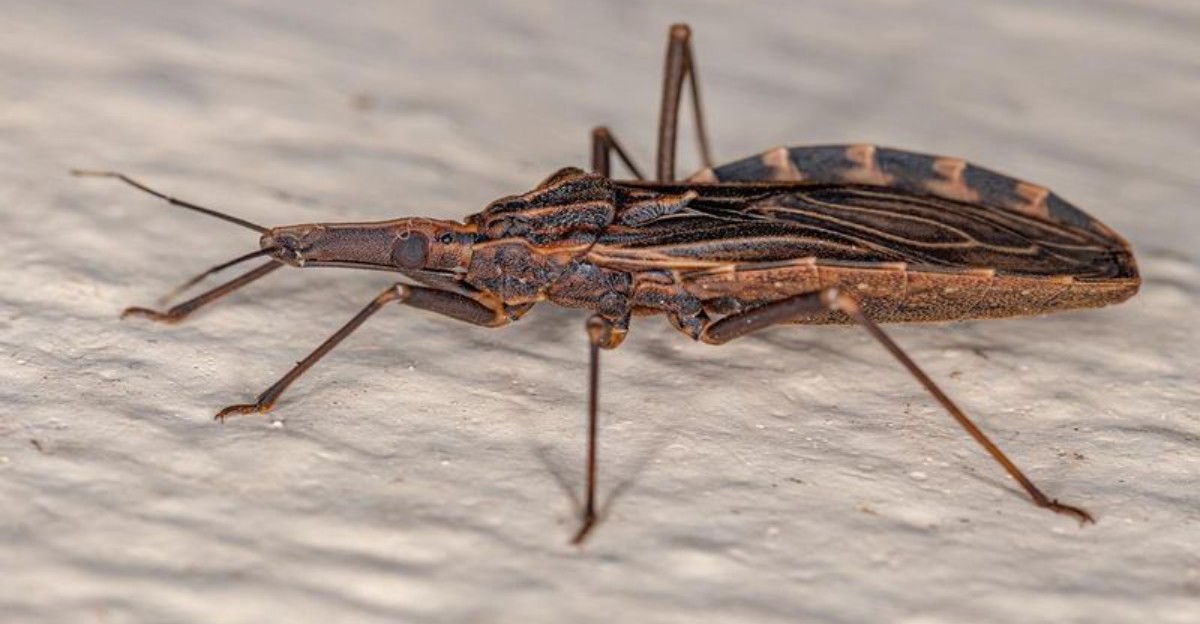
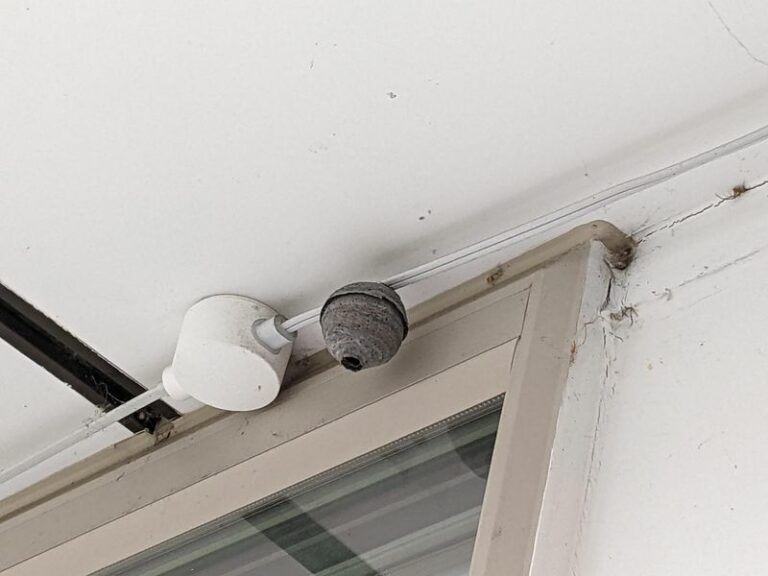
When fall evenings finally cool off in Phoenix and Tucson, a small, cone-nosed insect starts paying attention to your porch light. Kissing bugs fly toward bright lights after dark, then look for a hidden spot to crawl into before sunrise, and that spot is often your house.
Their bites can itch, swell, and sometimes cause allergic reactions, so keeping them outside matters. A few simple fixes around doors, windows, vents, and your yard can make your home far less inviting to these night wanderers.
1. Door Sweeps and Thresholds
Slide a credit card under your front door. If it glides through easily, a kissing bug can too, and that gap sits just a few feet from the porch light pulling them in.
Exterior doors are the number one welcome mat for night-flying insects. Kissing bugs land near bright fixtures, wander down the wall, and squeeze through the first crack they find at ground level.
A worn threshold or missing sweep gives them a clear path straight into your entryway.
Good news, this is one of the cheapest fixes on the list. A brush-style or rubber door sweep screws onto the bottom of the door in about fifteen minutes.
Pair it with an adjustable threshold if daylight still peeks through when the door is closed.
Check every exterior door, not just the front. Side doors to the garage, back patio doors, and the door between the garage and house all deserve attention.
Garages in the low desert stay warm and cluttered, which can draw bugs looking for daytime shelter.
Once installed, test again at night with a flashlight outside and the lights off inside. Any glow sneaking under the door means there is still a gap worth closing before cooler nights bring more visitors.
2. Torn Window Screens
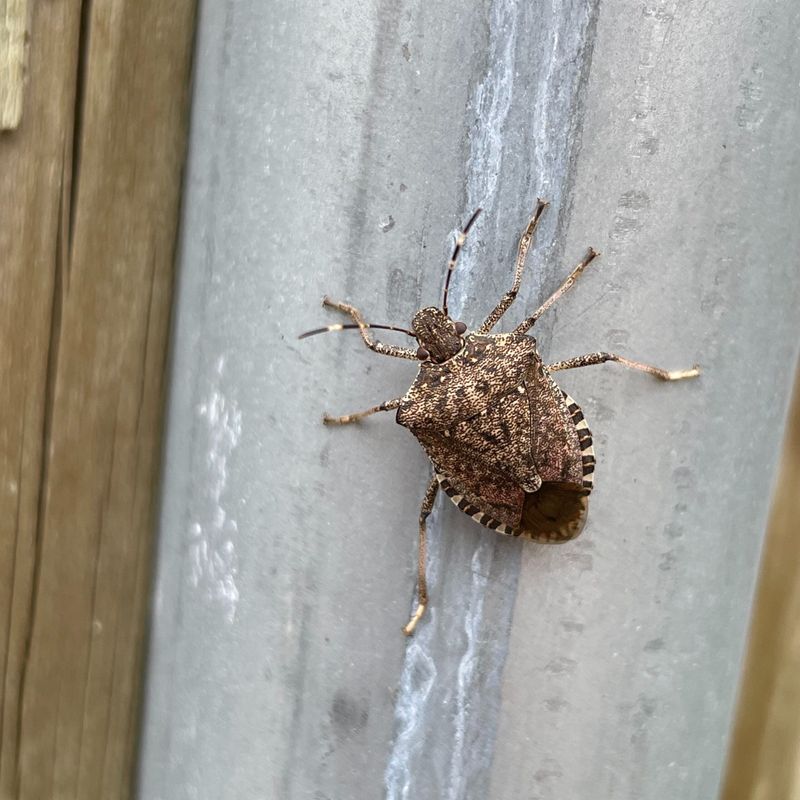
Picture this: you open the bedroom window to enjoy that first crisp October breeze. By morning, you have a few itchy welts and no idea why.
A tiny tear in the screen might be the culprit.
Arizona sun is brutal on window screens. Years of UV exposure make the mesh brittle, and corners pull loose from their frames.
Kissing bugs are about an inch long, but they flatten nicely and can push through surprisingly small rips.
Walk around your home in daylight and inspect each screen closely. Look for:
Holes or tears in the mesh, frames that bend away from the window, and gaps where the screen meets the sill. Even a loose corner can act like a doorway.
Small holes can be patched with screen repair kits. Larger damage is easier to fix by rescreening the whole frame with new mesh and spline, a satisfying weekend task.
Sun-resistant screen fabric holds up better in the desert and can even trim a bit of heat from west-facing windows.
Bedroom windows deserve top priority since kissing bugs feed at night while people sleep.
3. Caulk Around Frames and Foundation Cracks
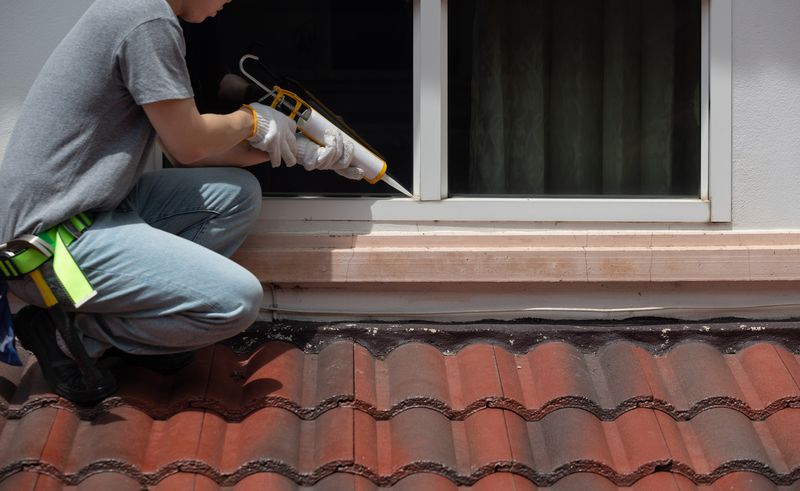
Stucco looks solid, but it moves. Desert heat expands it by day, cool nights shrink it, and over time hairline cracks open along window frames, door jambs, and the foundation line.
Your Arizona Garden Changes Every Week. Your Plan Should Too.
Gardening in Arizona changes quickly throughout the season. Every Friday you’ll receive a simple weekly plan showing exactly what to plant, prune, fertilize, harvest, and protect so you never miss the right timing.
Those slim openings are exactly what a kissing bug wants after a night circling the porch light. As dawn approaches, they hunt for dark, protected crevices to hide from sun and heat.
Cracks leading indoors check every box.
An exterior-grade silicone or acrylic latex caulk handles most of these spots. Clean the area with a stiff brush, let it dry fully, then run a steady bead and smooth it with a damp finger.
Pick a stucco-matching color so the repair blends in.
Focus your tour on:
Window and door frame edges, the seam where walls meet the slab, corners of the house, and spots where trim has pulled away. Do this work on a mild fall morning, since caulk cures poorly in extreme summer heat.
Bonus perk: sealing these cracks can also make your home less inviting to scorpions and ants, and it may help your cooling bill. One tube of caulk often solves several pest problems at once.
4. Pipe and Utility Line Openings
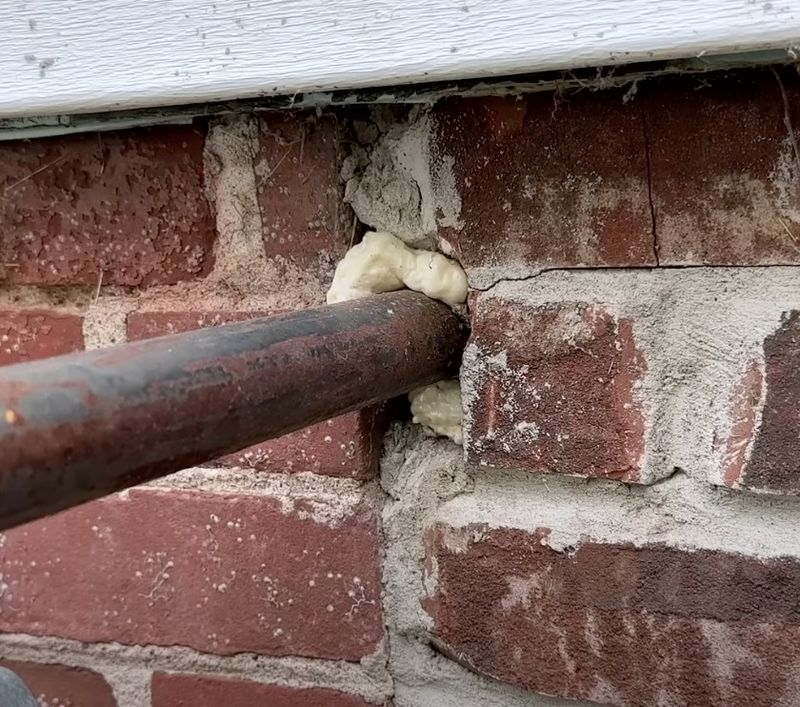
Ever notice where your AC lines, hose bib, or cable wire enter the wall? Builders often drill holes much bigger than the pipe, leaving a ring of open space around it.
These are sneaky entry points because nobody looks at them. They tend to hide behind shrubs or sit low near the ground, right where crawling insects travel.
A gap around a refrigerant line can lead straight into a wall cavity and then into your home.
Expanding foam works well for larger openings. Spray a little at a time, since it swells more than you expect.
If packrats or mice are active nearby, stuff steel wool or wire mesh into the hole first, then foam over it. Rodents dislike chewing through metal, and that matters because rodents and kissing bugs often travel together.
Common spots to check include:
AC line sets, gas meter pipes, outdoor faucets, dryer vents, electrical conduit, and cable or internet lines. Under-sink plumbing indoors deserves a look too.
Spend twenty minutes walking the outside of the house with a flashlight. You will probably find a few surprises worth sealing.
5. Attic Vents, Roof Vents, and Chimneys
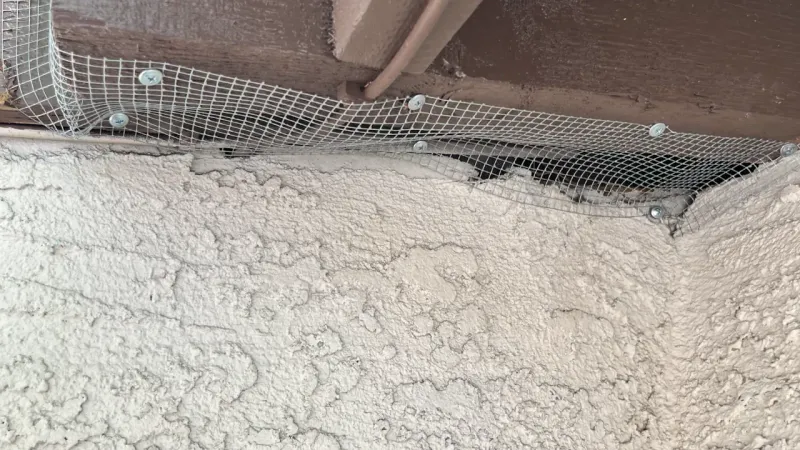
Up on the roofline, vents are doing an important job. They let hot air escape your attic during brutal summers.
Unfortunately, they can also let in insects searching for shelter.
Kissing bugs are decent fliers, especially on calm, warm autumn evenings. A bug drawn to an upstairs light or a bright garage fixture may land on the roof and crawl into an unscreened vent.
From the attic, ceiling fixtures and gaps around recessed lights offer a route down into living spaces.
The fix is simple: cover attic vents, gable vents, roof vents, and chimney tops with fine mesh screen or hardware cloth. Airflow keeps moving, but bugs, birds, and rodents stay out.
Many homeowners hire a handyman for roof work, which is a smart call if ladders make you nervous.
Fun fact: packrats sometimes build nests in attics, and kissing bugs love living alongside them. Blocking vents can help keep both from setting up camp overhead.
While someone is up there, ask them to check where the roof meets walls and fascia. Small gaps along the roofline are easy to miss from the ground but can be sealed in the same visit.
6. Smarter Porch and Indoor Lighting
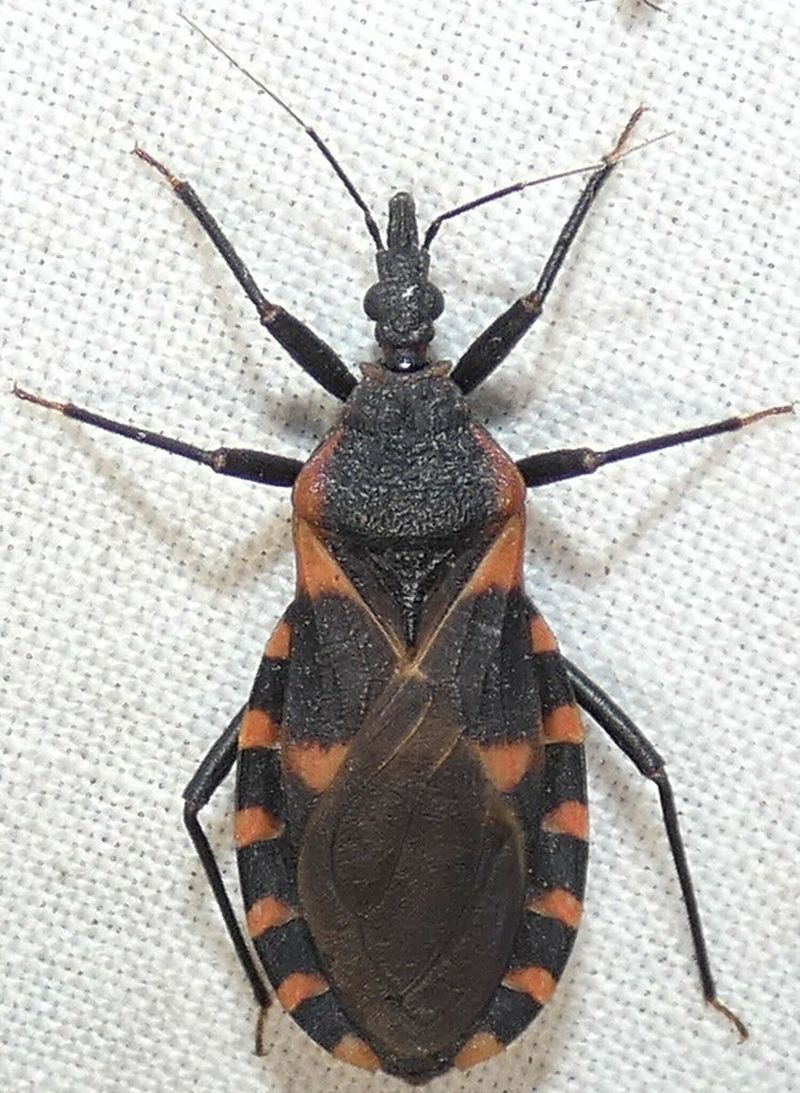
Lights are the reason this whole problem starts. Kissing bugs are drawn to bright fixtures after dark, so the glow over your front door basically acts like a landing strip.
You do not have to live in darkness, though. A few lighting tweaks can make a real difference:
Swap bright white bulbs for warm yellow or amber options, which many night insects find less appealing. Add motion sensors so porch lights only switch on when needed.
Position fixtures away from doors when possible, lighting the walkway instead of the entry itself.
Indoor lights matter too. Lamps placed near windows and glass doors shine outward and pull bugs toward your home.
Close drapes and blinds once the sun sets, and keep doors shut in the evening, even when that cool breeze feels amazing.
Fall in the low desert is tricky because evenings are pleasant enough to linger outside with the door propped open. That is exactly when kissing bugs can stay active, especially on warm, windless nights into mid or late autumn.
Think of lighting as your first filter. Fewer bugs near the door means fewer chances for one to slip inside.
7. Packrat Nests and Yard Debris
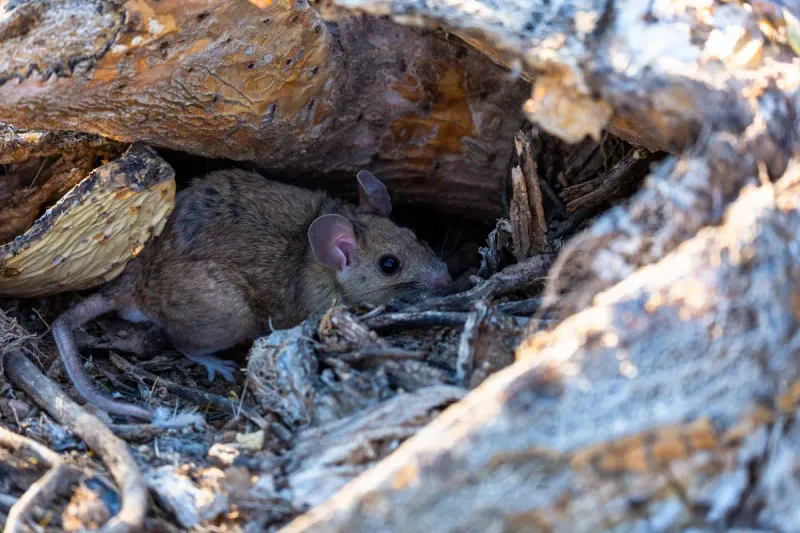
Here is the twist most people miss: kissing bugs usually do not start out in your house. They live in your yard, often tucked inside packrat nests where they have easy access to a sleeping host.
Packrats, also called woodrats, pile sticks, cactus pads, and debris into big mounds under prickly pear, palo verde, or woodpiles. Kissing bugs move right in.
When adults leave to disperse, the closest bright home becomes their next stop.
Reducing that habitat near your house can lower the number of bugs nearby. Pest experts suggest clearing rodent nests within roughly 350 feet of buildings when possible.
Wear thick gloves and long sleeves, since nests can hide bugs, cactus spines, and other critters.
Also clean up spots that offer shelter:
Stacked lumber, firewood piles against walls, old pots, unused equipment, and heaps of yard trimmings. Store firewood off the ground and well away from the house.
You can still keep a wildlife-friendly yard. Native shrubs, desert willow, and penstemon support pollinators and birds without the clutter rodents crave.
Owls, hawks, and even gopher snakes also help keep packrat numbers in check naturally.
8. Pets Indoors and Bedroom Checks
Your dog snoozing on the patio all night might feel like a cozy desert tradition. To a kissing bug, it looks like dinner.
These insects feed on blood at night and are not picky about the source. Outdoor dog beds, kennels, and pet houses can attract them and even shelter them during the day.
Bringing pets inside overnight can reduce their exposure, and that matters since dogs can also be affected by the Chagas parasite these bugs may carry.
Inside the house, a quick bedroom routine adds peace of mind. Every so often, check:
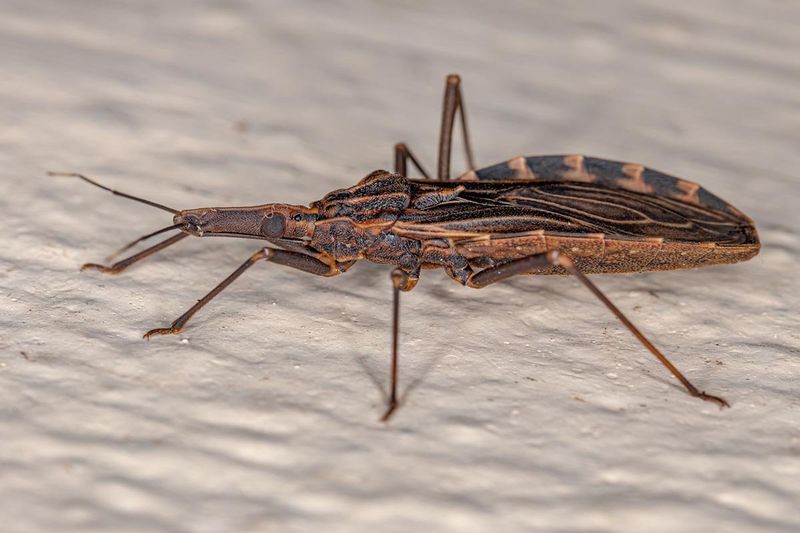
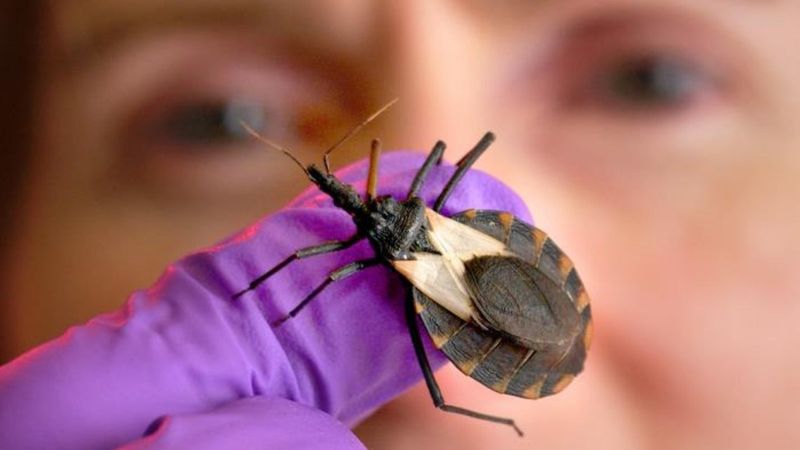
Under mattresses and box springs, along headboards, behind nightstands, and inside pet bedding. Kissing bugs are dark brown or black, about an inch long, with a cone-shaped head and often orange or red markings along the edges of the body.
If you find one, avoid crushing it with bare hands. Scoop it into a sealed container using gloves or a jar.
Bites often feel painless at first but can lead to itching and swelling, and some people react strongly. Anyone with trouble breathing or major swelling after a bite should seek medical help right away.
Small habits like these round out your sealing efforts nicely.