These Are The 9 Flowers You Should Sow In October In Florida For A Stunning Bloom Display Next Season
Want your Florida garden bursting with color next season? October is your chance to get ahead of the game, while the summer heat loosens its grip and cooler days give certain flowers a better shot at getting established.
The catch is that not every flower takes kindly to Florida’s fall weather. Pick the wrong varieties, and your grand plans could fall flat.
Choose the right ones, though, and you could have a garden that stops neighbors in their tracks.
From cheerful annuals that pack a punch to old favorites that bring a little Southern charm, nine flowers deserve a spot on your radar this month. Some offer bold splashes of color, while others bring softer shades that make flower beds look like a million bucks.
The best part? A little planning now can pay off in a big way when next season rolls around.
Let’s get into the flowers worth your time.
1. Lanceleaf Tickseed Blooms Nonstop Once It Starts
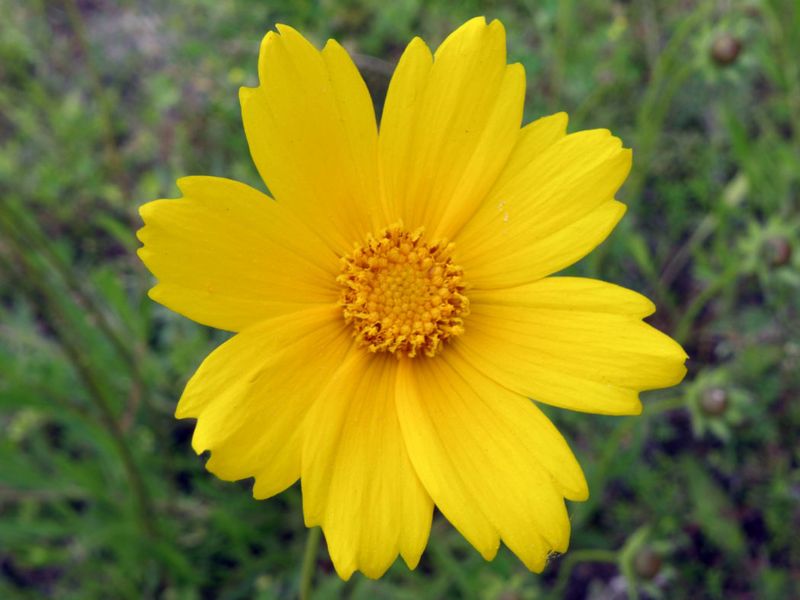
Florida chose the coreopsis genus as its state wildflower, and one look at these cheerful blooms explains why. Lanceleaf tickseed wears sunny yellow petals with little notched tips, like tiny paper crowns.
October is a great month to scatter the seeds. You can keep sowing through January, but early birds get a head start on roots.
Plants that settle in over winter can begin blooming in spring, though the timing varies by species and growing conditions.
Once those first flowers open, the show keeps rolling. Blooms can carry on into August, and some gardens see color for most of the year.
Snip off faded flowers, and the plant rewards you with even more buds.
Pick a spot with full sun or a little shade. The soil should drain well but stay slightly moist.
Short dry spells are fine, yet soggy ground is not this plant’s friend.
To sow, rake the soil lightly and press the seeds onto the surface. They need light to sprout, so skip burying them deep.
Keep the area damp for a couple of weeks until green sprouts appear.
Here is a fun bonus for nature fans. Butterflies and native bees adore tickseed, and finches snack on the seeds later.
Plant a big patch, and you will host a busy little wildlife café right in your own yard.
2. Blanketflower Thrives In Dry, Sunny, Salty Spots
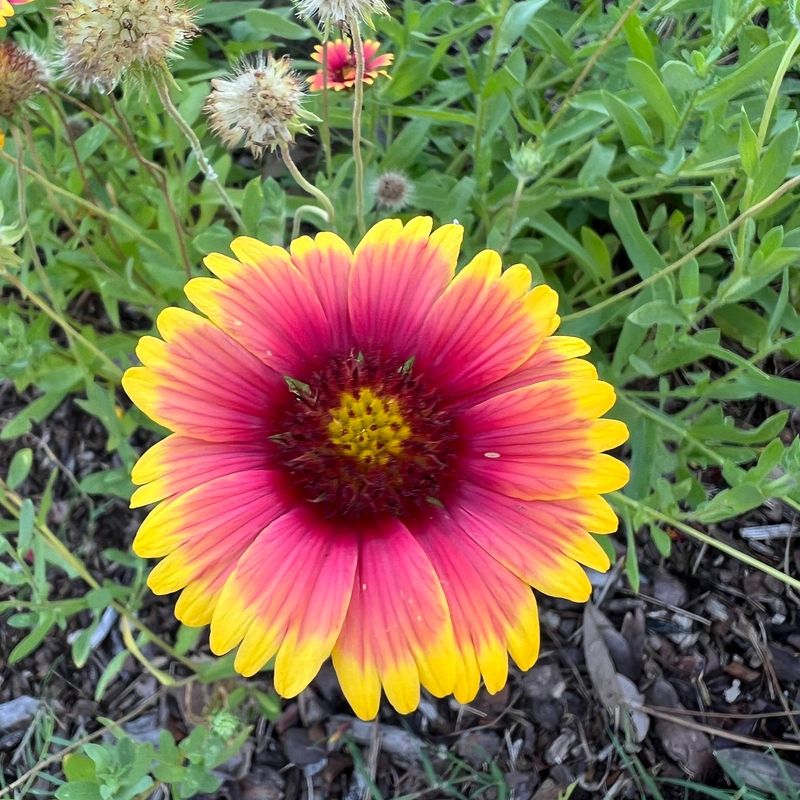
Got a spot where everything else gives up? Blanketflower laughs at heat, sand, and salty breezes like a tough little beach bum.
Its flowers look like a cozy quilt, with red centers fading to yellow tips. That pattern earned it the nickname Indian blanket.
In Central and South Florida, it can flower all year long.
North region gardeners still get plenty of fun. Expect blooms in spring, summer, and well into fall.
Sowing in October lets young plants build roots before warm weather returns.
Give it full sun and sandy soil that drains fast. Rich, wet beds actually make it flop and fade early.
Lean, dry ground keeps it happy and compact.
Your Florida Garden Changes Every Week. Your Plan Should Too.
Gardening in Florida changes quickly throughout the season. Every Friday you’ll receive a simple weekly plan showing exactly what to plant, prune, fertilize, harvest, and protect so you never miss the right timing.
Coastal homeowners love this plant for good reason. It handles salt spray, drought, and roadside conditions without much fuss.
It works great along driveways, mailboxes, and dune edges where hoses cannot reach.
A quick heads-up for native plant lovers. Some studies suggest blanketflower may not truly be native to the state, though it is widely considered Florida-friendly.
It also reseeds and spreads quickly, so give it room or pull extras.
Toss the seeds on loose soil and press them down gently. Water lightly until sprouts show up.
After that, mostly leave it alone and enjoy the bright patchwork as it fills in.
3. Drummond’s Phlox Brings Color From December Through March
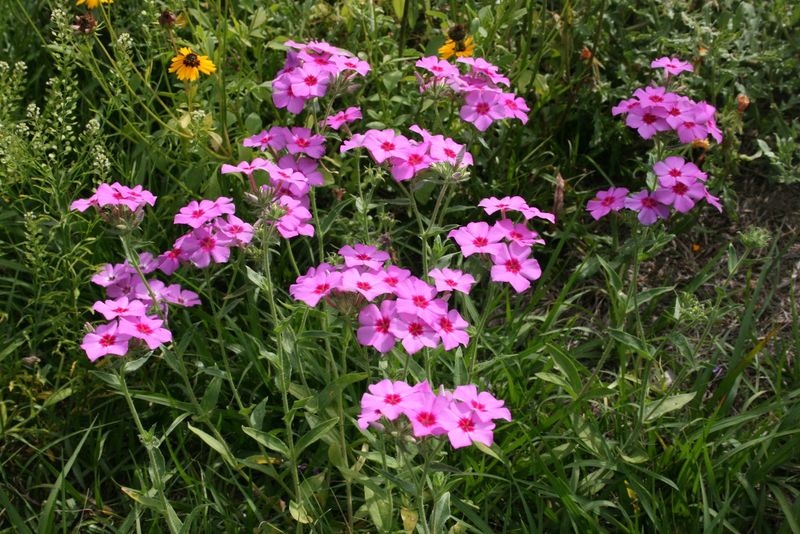
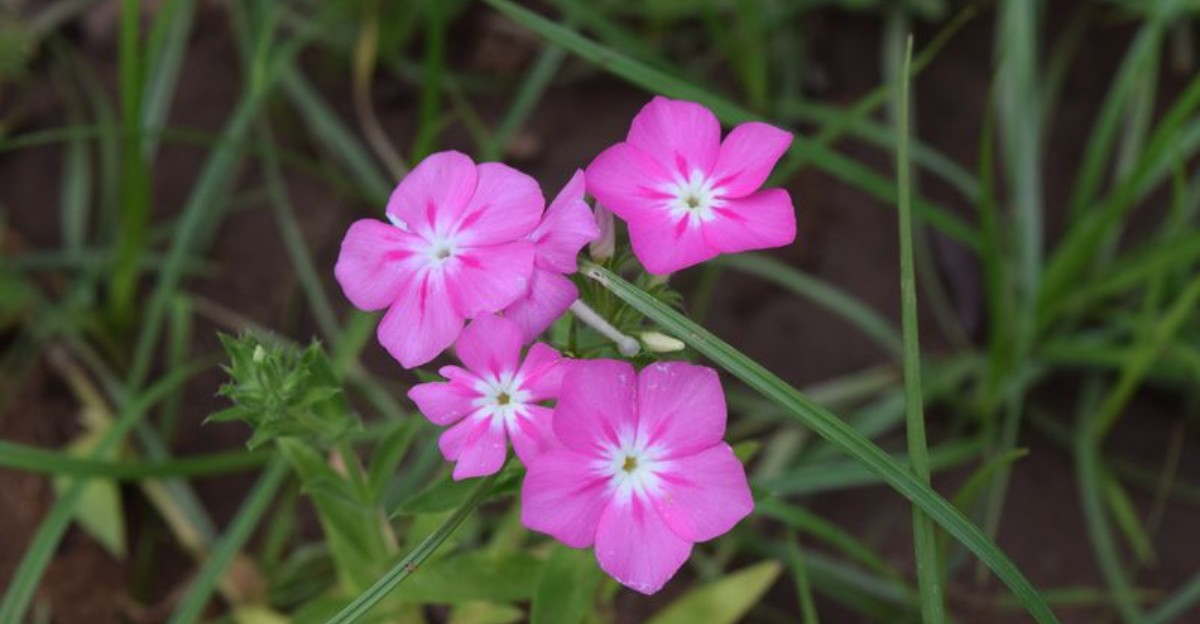
Imagine driving down a country road and spotting a carpet of pink, red, and lavender. That candy-colored scene is often Drummond’s phlox putting on its winter party.
The plant actually comes from Texas, but it has made itself at home across the state. Its small, star-shaped flowers grow in tight clusters.
Up close, many have a pretty eye in the center.
Timing matters with this one. In South region, sow seeds in October or November for blooms from about January to April.
If your area still feels hot and rainy in early fall, waiting until November is a smart move.
In North Florida, Drummond’s phlox typically blooms in spring, often from March through June. So no matter where you live, cool-season sowing pays off.
Pick a sunny bed with sandy, well-drained soil. A little afternoon shade helps the flowers last longer as temperatures climb.
Keep the soil evenly moist, but avoid puddles.
Phlox looks lovely tucked between taller wildflowers. It also spills nicely over the edges of raised beds and containers.
Kids enjoy it too, since the bright colors are easy to spot and fun to pick for little bouquets.
Let a few flowers go to seed in spring. You may find surprise volunteers popping up next year without lifting a finger.
4. Black-Eyed Susan Handles Tough, Sandy Ground
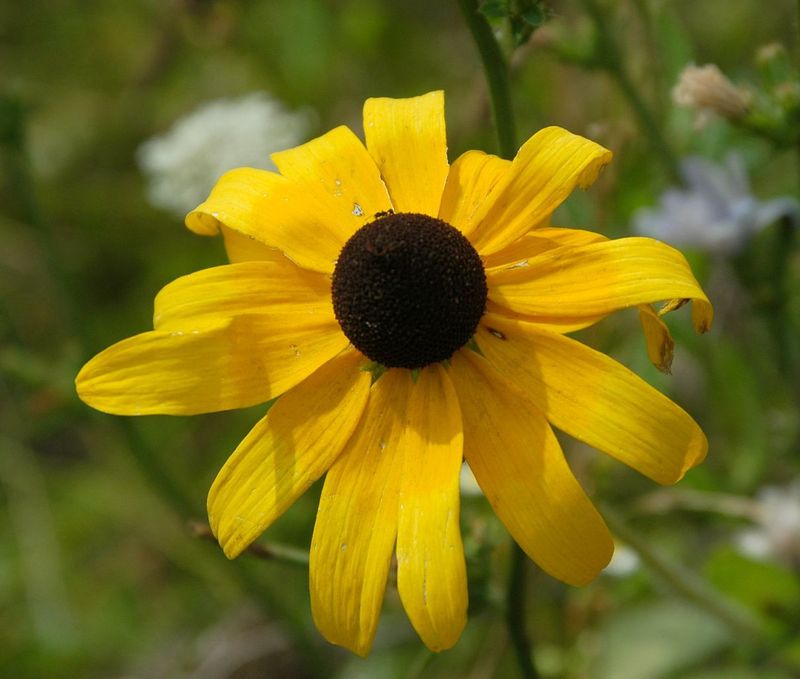
Grandma’s garden probably had a few of these golden faces nodding by the fence. Black-eyed Susan feels like an old friend who shows up ready to help.
Those bright yellow petals circle a dark brown center, almost like a tiny sunflower. The plant can live as an annual, a biennial, or a short-lived perennial.
Either way, it brings classic charm.
October is prime sowing time across much of the state. In the north, you can plant anytime from October through March.
South gardeners who sow in October may see peak flowers from late January through March.
Fall planting gives roots a chance to grow strong before cooler nights. That sturdy start leads to fuller plants and more blooms later.
Scattered flowers may even appear through winter down south.
Not great soil? No problem.
Black-eyed Susan handles sandy yards, pine flatwoods, sandhills, and disturbed patches where fussier flowers struggle.
Give it full sun and water while seedlings are small. Once established, it needs only occasional drinks during long dry spells.
Trim spent flowers to keep new ones coming.
Fun fact: these blooms make fantastic cut flowers. They last a long time in a vase, so you can bring a little sunshine to the kitchen table.
Goldfinches also love the seed heads you leave behind.
5. Calendula Shrugs Off The Cold
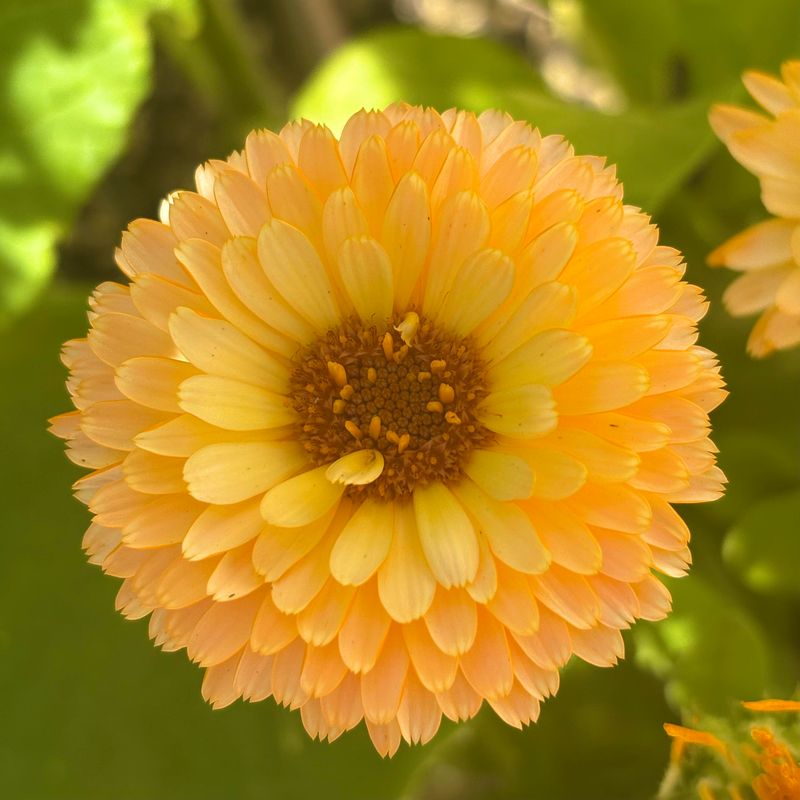
A chilly January morning can make most flowers sulk. Calendula just keeps glowing like a tiny orange campfire.
Also called pot marigold, this cool-season annual loves mild weather. It can handle temperatures down to about 25°F.
That makes it a reliable pick for our winters, even in the northern part of the state.
Gardeners in Northeast Florida often seed it in October. Plants then fill beds with color through fall, winter, and early spring.
When days start hitting the 80s and 90s, blooming slows and the season wraps up.
Choose a spot with full sun or light shade. Well-drained soil works best, and calendula is not picky about type.
Keep moisture steady during its cool growing months.
Here is a sneaky tip. Skip the extra-rich compost and heavy fertilizer.
Too much food makes lots of leaves but fewer flowers.
The daisy-like blooms come in sunny shades of orange and yellow. They look cheerful in pots on a patio or mixed with winter vegetables.
Many gardeners tuck them near lettuce and herbs for a pop of color.
Did you know? People have used calendula petals for centuries to color foods like butter and cheese.
Today, some cooks still sprinkle the petals on salads. Snip faded heads often, and fresh buds keep coming.
6. Cutleaf Coneflower Belongs In The Fall Seed Mix
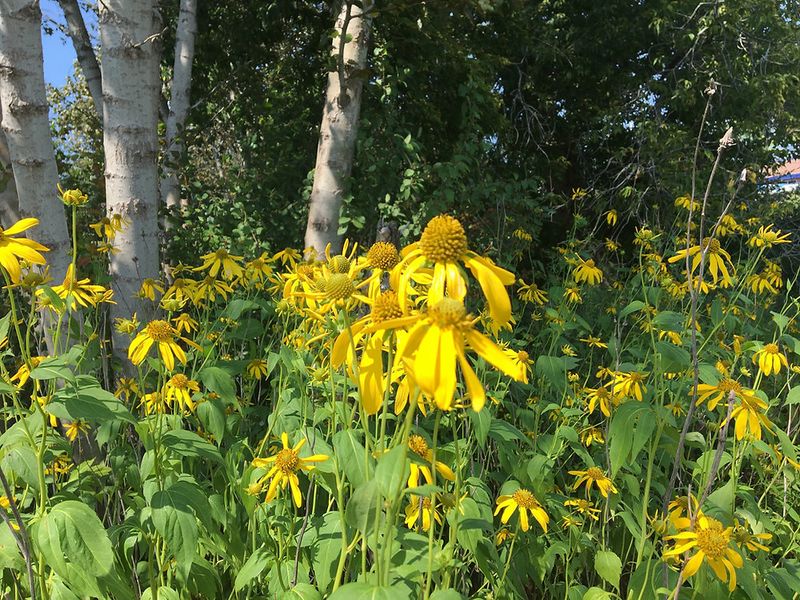
Some flowers like to stay small and tidy. Cutleaf coneflower prefers to stand tall and wave at you over the fence.
This big perennial can reach impressive heights, with drooping yellow petals around a green, button-like center. Its leaves are deeply cut, which gives the plant its name.
The look is airy, wild, and a little playful.
Fall can be a good time to sow cutleaf coneflower, especially if you want to let the seeds experience natural outdoor conditions over winter. Germination can vary, so check the seed supplier’s instructions for any special preparation needed.
October sowing gives the seeds time to settle in before the next growing season.
In North Florida, this coneflower grows naturally in moist hammocks and floodplains. That tells you a lot about its taste.
It enjoys damp soil more than its sandy-loving cousins.
Got a low spot that stays wet after storms? This plant might be the perfect fit.
Rain gardens and ditch edges are great homes too.
Central gardeners should give it some extra shade. Protection from the hot western afternoon sun helps it stay fresh.
A spot near trees or on the east side of a house works nicely.
Be patient, since blooms usually arrive in late summer and fall. Once they open, bees and butterflies come calling.
Later, birds pick at the seeds, giving your yard life long after the petals drop.
7. Beach Sunflower Gets Its Best Start From Fall Sowing
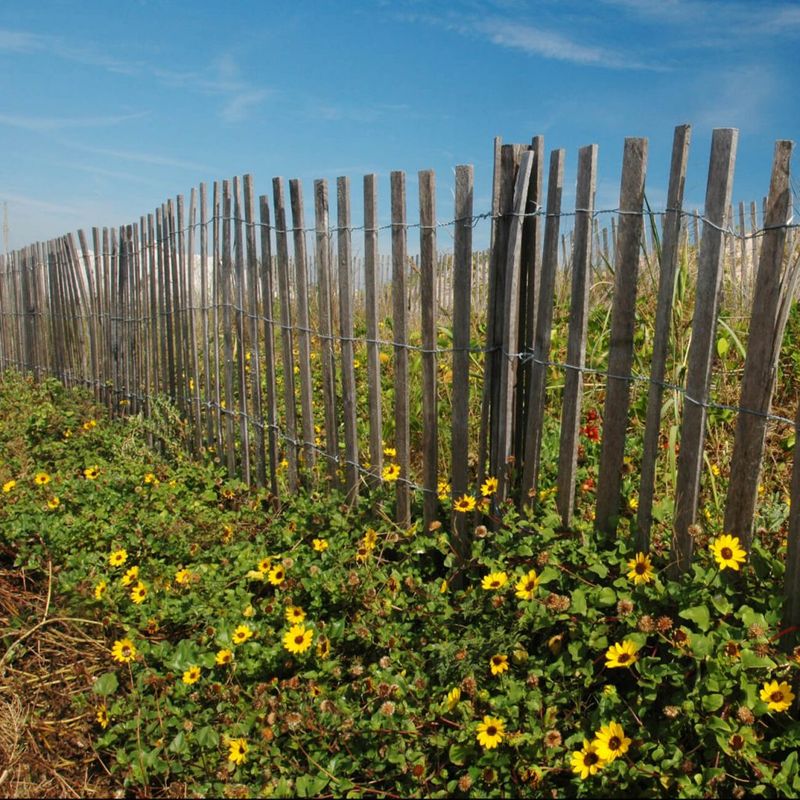
Think of a sunflower that decided to lie down and relax on the sand. Beach sunflower spreads low across the ground, dotting it with happy yellow blooms.
Also called dune sunflower, this Florida native is built for tough coastal life. It shrugs off salt, heat, and long dry stretches.
It also makes a lovely groundcover where grass struggles.
Fall sowing gives it a strong start. Seeds planted outdoors in late September or October settle in while the soil stays warm.
Plants can even reward you with fall flowers.
In much of the state, this sunflower blooms almost all year. North region plants may fade back in winter, then return through reseeding.
In Central region, it often acts like a true perennial.
Full sun and super sandy, fast-draining soil are musts. Water seedlings until they root, then ease off.
Too much water and constantly wet ground can cause root rot.
Coastal homeowners love it for slopes, sidewalks, and dune-side yards. It knits sand together and keeps things looking tidy without mowing.
Butterflies and bees visit the flowers all day long.
Here is a cheerful perk. Beach sunflower reseeds easily, so one small patch can grow into a golden blanket.
Share extra seedlings with neighbors, and soon the whole street can shine.
8. Cosmos Thrives In Sandy, Low-Fertility Soil
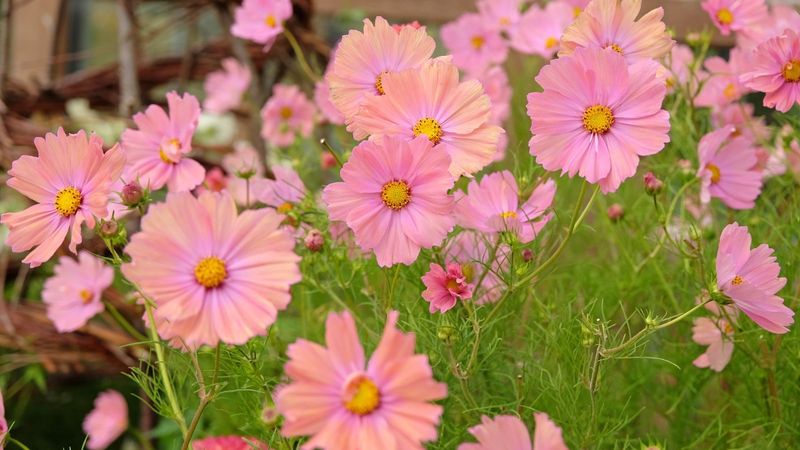
Lazy gardeners, this one is for you. Cosmos grows best when you mostly ignore it, which feels like a gardening dream come true.
The plant has feathery, lace-like leaves that sway in the breeze. On top sit simple flowers in pink, white, magenta, and soft rose.
A big patch looks like a painting come to life.
Sandy, low-nutrient soil suits cosmos perfectly. Rich soil actually makes it grow tall and floppy with fewer flowers.
Lean ground keeps stems sturdy and blooms plentiful.
Add it to your fall planting plan for an easy splash of color. Pick a spot in full sun with good drainage.
Scatter seeds, cover them lightly, and keep them damp until sprouts appear.
After that, cosmos handles dry spells like a champ. It is known for strong drought tolerance.
Water only when the soil has stayed dry for a while.
Pollinators go wild for these flowers. Bees, butterflies, and even small birds drop by often.
It is a fun way to turn your yard into a buzzing hangout.
Want more blooms? Cut a few stems for a vase each week.
Snipping encourages fresh buds, and your kitchen table gets a pretty bouquet too. Leave some flowers at season’s end so they can drop seeds.
9. Zinnias Fill The Garden With Vivid Color
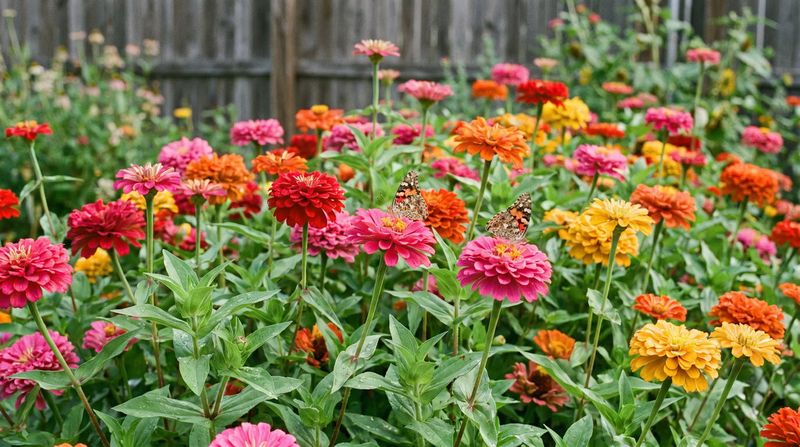
Red, orange, hot pink, lime green, and even striped. Zinnias look like someone spilled a box of crayons across the garden.
These heat-loving annuals are some of the easiest flowers to grow. Big seeds make them perfect for kids or first-time gardeners.
Most sprout within a week when the soil stays warm.
Timing depends on where you live. South Florida gardeners can sow zinnias in October, while Central Florida gardeners may also get good results.
In North Florida, spring planting is generally the safer choice because frost can damage these warm-season flowers.
Plant them in full sun with well-drained soil. Water at the base instead of over the leaves.
Wet leaves can invite powdery mildew, especially during humid stretches.
Once they get going, zinnias bloom generously and keep it up. They handle dry spells well and resist many common pests.
That means less worry and more flowers.
Here is the best part. The more you cut, the more they bloom.
Snip stems just above a set of leaves, and new side shoots soon carry fresh buds.
Butterflies treat zinnias like a favorite snack bar. Monarchs, swallowtails, and skippers stop by often.
Plant a row along a sunny walkway, and you will have color, cut flowers, and winged visitors for months.