Fresh Yard Holes in Arizona This Fall? A Skunk Is One Possible Digger, Based on Hole Pattern
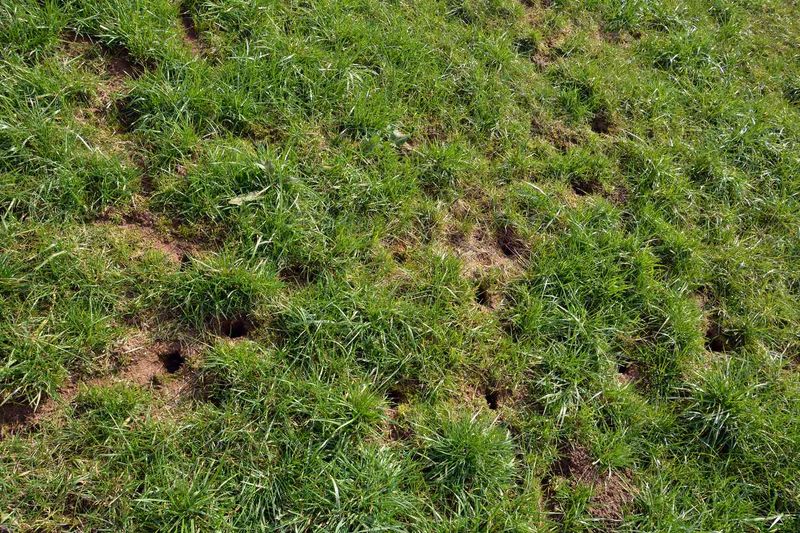
You step outside with your coffee and find small pits scattered across the lawn that were not there yesterday. Several animals can dig in an Arizona yard, so the shape of the damage tells you more than the day you spotted it.
A skunk is one possible match for a certain kind of hole. Here is how to compare the clues and respond safely.
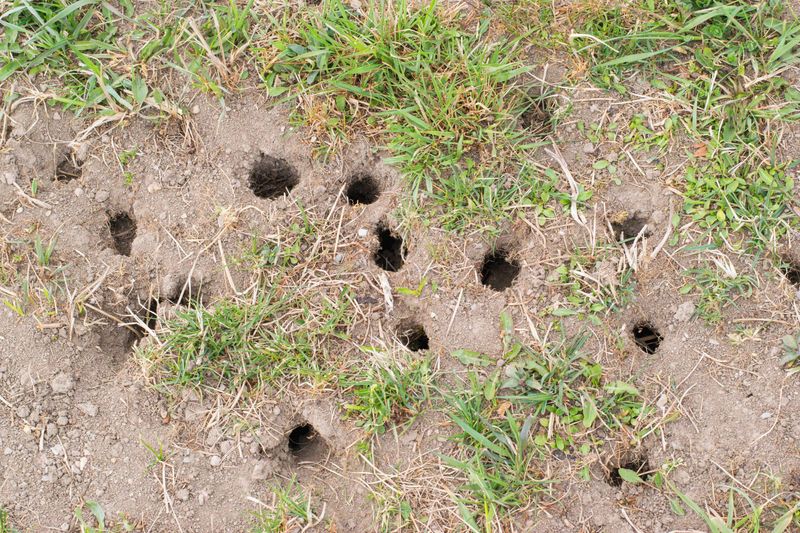
Small, shallow pits can fit skunk foraging
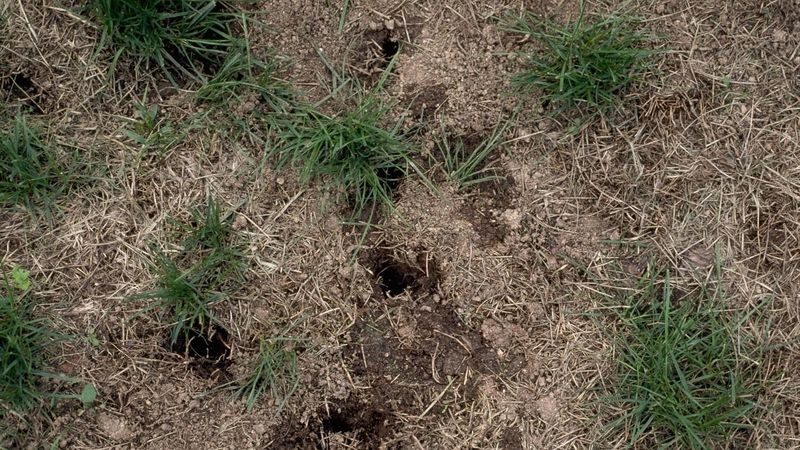
Walk the lawn and look closely at the damage. Small, shallow, cone-shaped pits or patches of upturned soil can fit a skunk searching for food.
Arizona extension guidance on skunks says they dig in lawns and gardens while hunting insect grubs, and it describes typical holes as about 2 to 4 inches wide.
Treat that width as a clue, not a rule. Holes a little bigger or smaller could still belong to a skunk, and holes of that size could come from something else.
Timing is a weaker clue than most people expect. Finding damage in the morning only tells you when you noticed it, not when it happened or who did it.
Several animals can dig, so a skunk is one plausible cause rather than a confirmed culprit.
Look at depth, spacing, and the soil around each pit. Shallow scratches with loose soil tossed nearby fit the foraging pattern better than a deep, clean tunnel.
What fall does—and does not—tell us
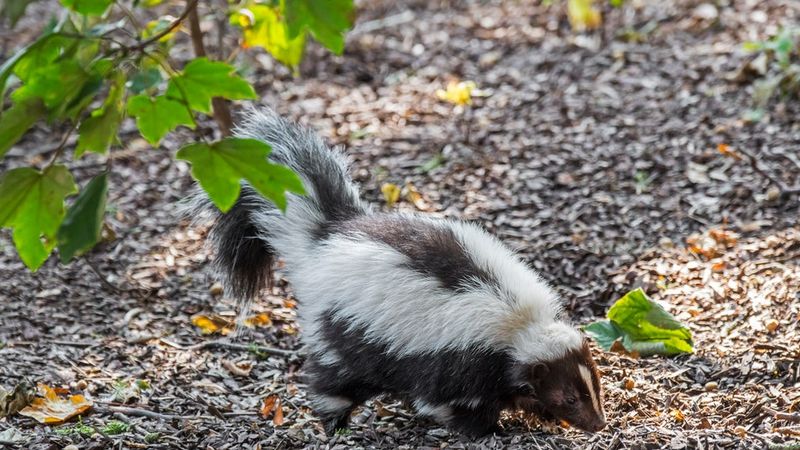
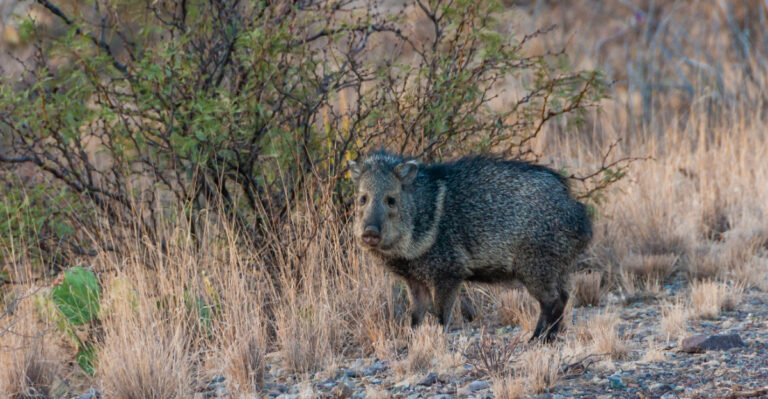
Fall brings a few facts worth knowing. According to Arizona’s Backyard Gardener skunk guide, young skunks are on their own by early fall, and striped skunks are nocturnal and active year-round.
Those details make a yard visit plausible. A young skunk exploring new ground at night could leave marks that people discover in the morning.
What the facts do not show is a general fall surge in skunk digging across Arizona. Skunks are around in every season, so a new pit in October is not automatic proof of a skunk.
Reports of heavy autumn lawn damage from other parts of the country do not translate into an Arizona trend either. Your own yard is the best evidence.
Note the date, the hole shape, and where the soil landed, and let those details guide your guess instead of the calendar.
Other diggers leave different signs
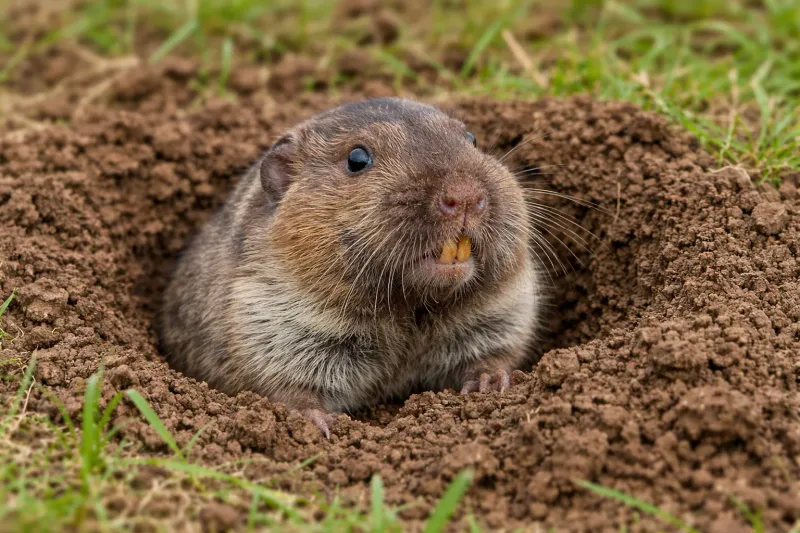
Comparing physical evidence beats guessing from the clock. Pocket gophers, for example, usually leave fan-shaped mounds of loose soil, and the tunnel opening is often plugged.
Arizona pocket gopher guidance describes this pattern, which looks quite different from a scatter of small shallow pits.
An open hole is a separate puzzle. It may belong to another animal rather than a skunk, so do not assume a skunk just because the opening is small.
Rock squirrels are one Arizona possibility, especially near rocks, walls, or other structures. Extension notes on rock squirrels say they are active during the day and use open burrows with multiple entrances.
If you see daytime activity around an open burrow with several exits, a squirrel fits better than a night forager. Jot down shape, location, and soil pattern before you decide anything.
Your Arizona Garden Changes Every Week. Your Plan Should Too.
Gardening in Arizona changes quickly throughout the season. Every Friday you’ll receive a simple weekly plan showing exactly what to plant, prune, fertilize, harvest, and protect so you never miss the right timing.
Holes alone do not confirm a grub problem
A skunk may be digging for grubs, but that is a long way from saying the holes mean you have grubs. Arizona white grub information notes that grubs in high numbers can attract skunks and raccoons.
It describes them as an attractant, not a guarantee.
Grubs are only one possible food source. Skunks also eat other insects and similar foods, so a pit could have been dug for something else entirely.
Damaged turf and a skunk-like hole pattern do not establish that grubs are present. They also do not show that a grub treatment is needed.
If you are curious, you can look at the soil in a few spots and consider asking a local extension office or landscape professional for help. Treating for a pest you have not confirmed adds cost and effort without a clear payoff.
Reduce attractants without confronting wildlife
Quiet, low-risk habits make a yard less inviting. Start with food: keep garbage in secure containers and bring pet food inside, especially at night.
Next, look for shelter. Woodpiles, stacked boards, and other debris can become den sites, so clearing them away can make the space less appealing.
Arizona skunk guidance recommends reducing food and den sites as a first approach.
None of this guarantees that animals will stay away, since outcomes depend on many factors. It simply removes the easy options.
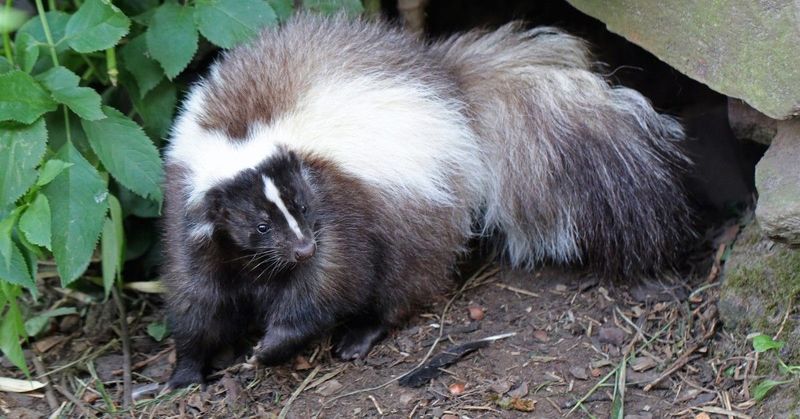
If a skunk seems to be denning near a building, such as under a porch or shed, hold off on doing anything yourself. Contact local animal control or a qualified wildlife professional before attempting exclusion or removal.
They can assess the situation safely and choose a method that fits local rules.
Keep people and pets away from unfamiliar wildlife
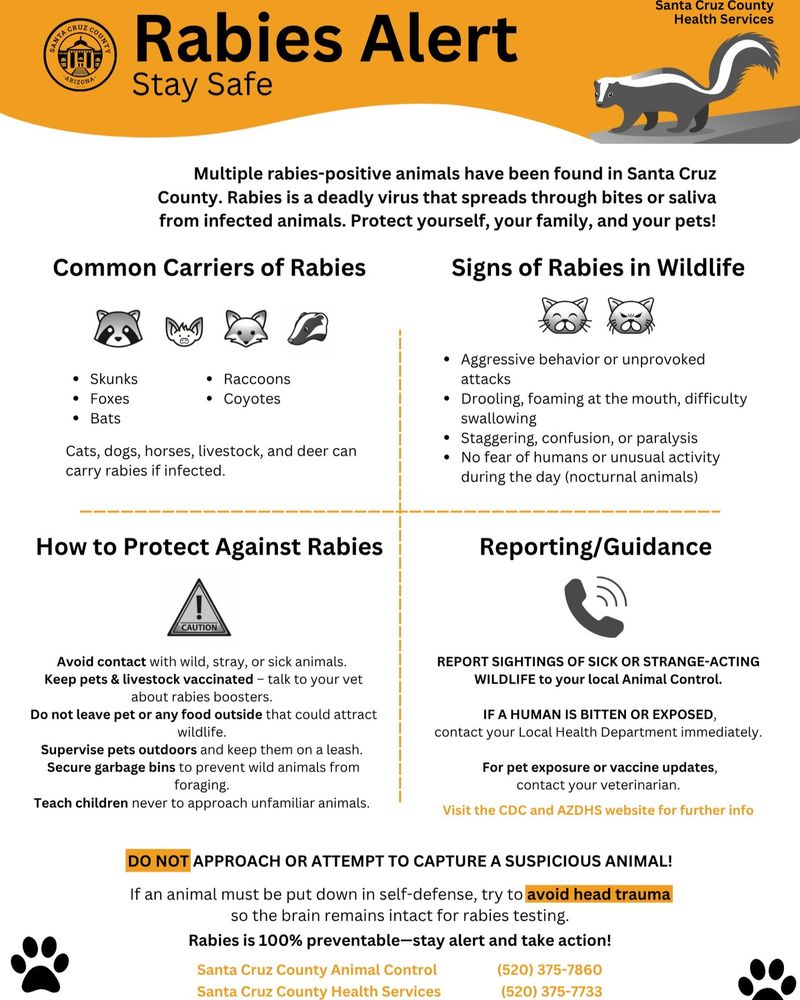
Distance is the safest tool you have. Keep children and pets away from any wild animal, and never touch, feed, or try to rescue one that looks unfamiliar.
The Arizona Game and Fish Department has a reminder to avoid wildlife interactions after recent rabies incidents.
If someone is bitten or scratched, wash the area right away. Then promptly contact a health professional and your local animal control or health officials.
Bring dogs and cats in at night when you suspect an animal is visiting the yard. A leashed pet on a evening walk is also safer than one roaming free.
Treat the digging as a puzzle you can solve from a window or patio. Hole shape and soil tell the story, and no animal needs to be approached to read it.