How To Handle Basil When Frost Shows Up In The Michigan Forecast
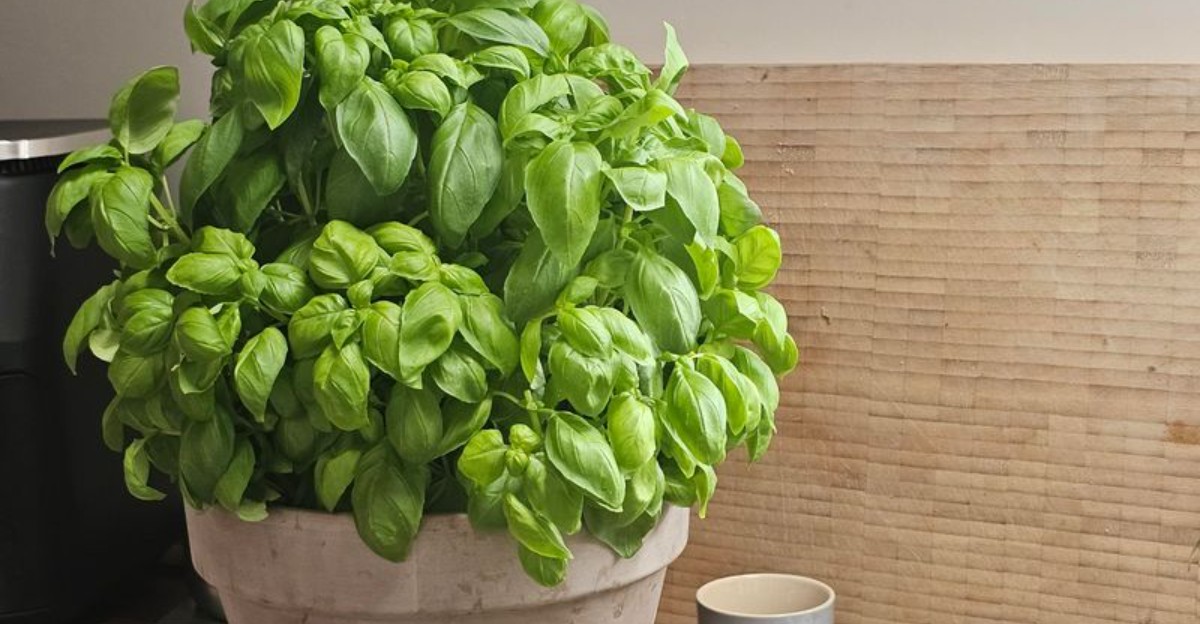
Basil is the first herb to give up when cold arrives. It is a tropical plant, and even a light frost can turn the leaves dark and limp overnight. Michigan forecasts can flip fast in October, so waiting for a hard freeze is a gamble.
Once those leaves are damaged, they lose flavor and turn bitter. The smart move comes before the cold does. You have several ways to save the harvest, and each works for a different goal.
Some keep basil growing indoors. Others lock in the flavor for winter cooking. A few take only ten minutes.
Pick the right option based on how much basil you have and how much time you can spare. Acting a day early saves every leaf.
1. Act Before Temperatures Drop Into The 40s
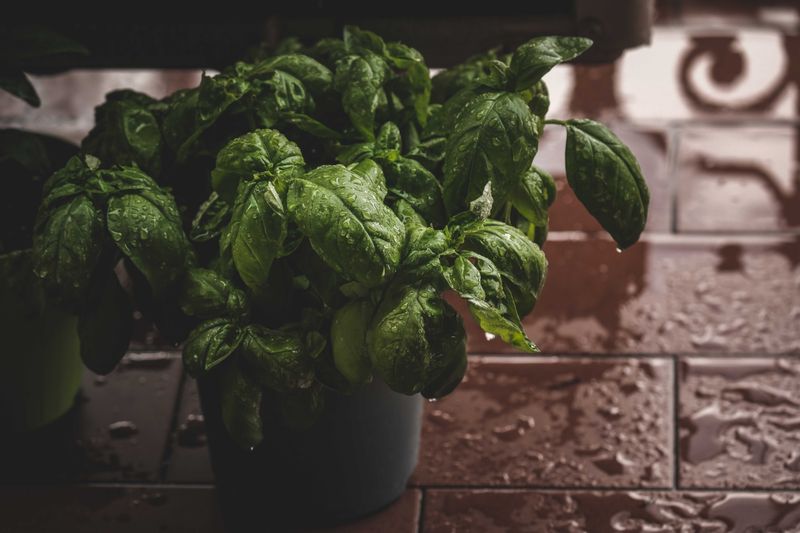
Tomatoes can shrug off a cool night, but basil sulks like a cat left out in the rain. Among all the herbs in your garden, basil ranks as one of the most sensitive to cold. It comes from warm parts of the world, so chilly air hits it hard.
Trouble starts sooner than many gardeners expect. Once temperatures slip below about 50°F, basil leaves can turn dark, spotted, or limp, even without a single ice crystal in sight. Real frost is even worse, since it can turn the leaves black and mushy overnight.
So when should you jump into action? Keep an eye on your forecast and plan your harvest as soon as nights in the 40s show up.
Waiting for an official frost warning is a common mistake, because chill damage often arrives first and quietly ruins the leaves before frost ever forms.
Timing matters a lot here in Michigan. Cool nights can sneak in by early September, especially in the Upper Peninsula and the northern Lower Peninsula.
Even gardeners farther south around Detroit or Grand Rapids can see surprise cold snaps when a strong front blows across the Great Lakes.
A simple habit can save your crop. Check the ten-day forecast every evening once August winds down, and look closely at the overnight lows instead of the daytime highs. Warm, sunny afternoons can fool you into thinking basil season will last forever.
Write a quick note on your calendar too. Many Michigan gardeners find that their basil season wraps up somewhere between late August and mid-September, depending on where they live.
Knowing your own pattern helps you stay one step ahead, and your future pesto will thank you for it.
2. Harvest The Whole Plant At Once
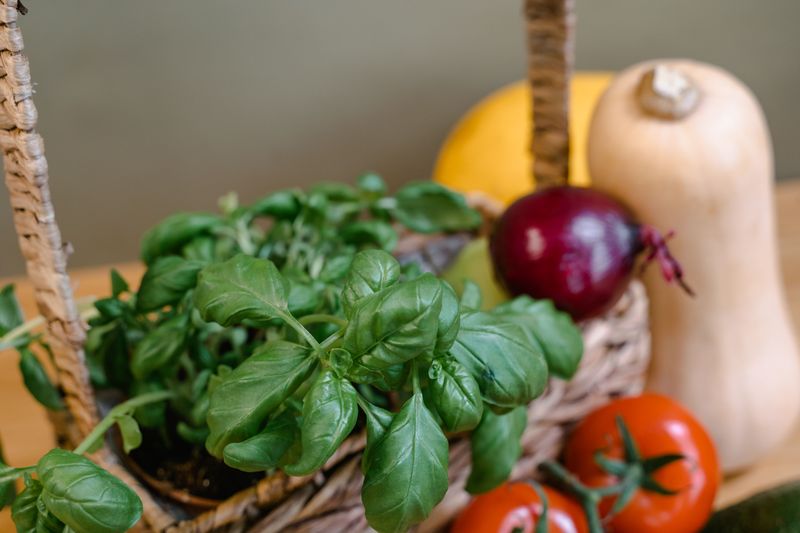
Go big or go home, at least when cold weather looms. Picking a few leaves here and there works great in July, but fall calls for a full harvest. Once chilly air arrives, it makes sense to bring in every good leaf you have.
Here is the honest truth about basil. It does not bounce back from cold damage, no matter how much you water or fuss over it. Leaves picked before the chill, on the other hand, are packed with flavor and ready to use fresh or save for later.
Your Michigan Garden Changes Every Week. Your Plan Should Too.
Gardening in Michigan changes quickly throughout the season. Every Friday you’ll receive a simple weekly plan showing exactly what to plant, prune, fertilize, harvest, and protect so you never miss the right timing.
You have two easy options for harvesting. You can cut whole plants right at the base with clean shears, or you can strip all the healthy leaves from the stems by hand. Either way works, so choose whatever feels faster for you.
Morning is the sweet spot for picking. Wait until any dew has dried, because wet leaves bruise easily and can spoil faster in storage. A dry, sunny morning gives you leaves full of the natural oils that make basil smell so amazing.
Handle your harvest gently, almost like you are carrying eggs. Basil bruises quickly, and bruised spots turn dark within hours. Lay the stems loosely in a basket or shallow box instead of packing them tightly into a bag.
Michigan weather makes this step extra important. An early cold snap can end the basil season in a single night, sometimes with very little warning. Bringing in the whole crop at once means none of your hard summer work goes to waste.
Plus, a big pile of fresh basil on the kitchen counter is a pretty great reward for a season of gardening.
3. Store Fresh Basil Like Cut Flowers
Your fridge might be the perfect home for lettuce, but basil hates it. Cold air inside the refrigerator makes basil leaves turn black, sometimes in just a day or two. Keeping it at room temperature is the secret to green, fresh leaves that last.
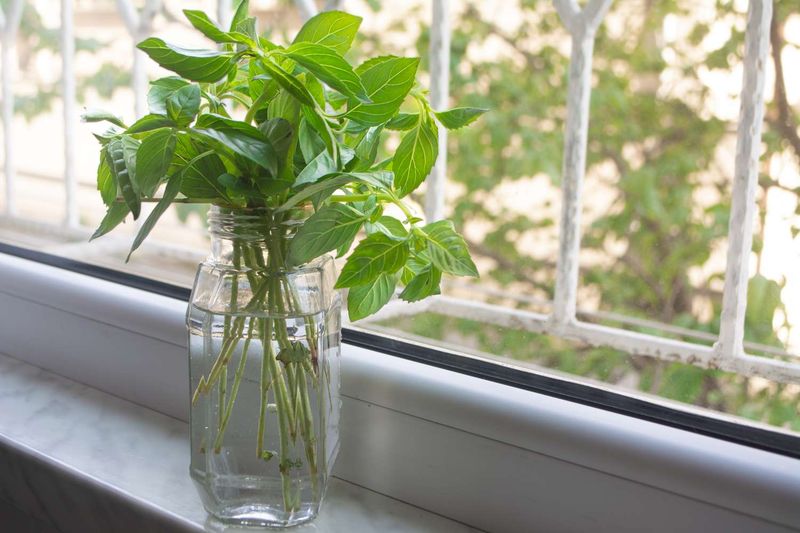
Think of your basil as a bouquet from the garden. Start by trimming the bottom of each stem with scissors, just like you would with roses or tulips. A fresh cut helps the stems drink water more easily.
Next, place the stems in a jar or glass filled with a few inches of water. Make sure no leaves sit below the waterline, since soggy leaves can get slimy. If you like, loosely cover the top with a plastic bag to hold in a little moisture.
Location makes a big difference. Set the jar on your counter, but keep it out of direct sunlight, which can wilt the leaves quickly. A spot near the kitchen table or on a shaded shelf works nicely.
Fresh water keeps everything happy. Change it every day or two so it stays clear and clean. With this simple care, your basil can stay fresh for several days, and it smells wonderful every time you walk by.
Many Michigan gardeners end up with way more basil than they can cook with at once, especially after a big pre-frost harvest.
A jar on the counter buys you time to plan meals, share with neighbors, or get ready to freeze and dry the rest. Grab a few leaves for a caprese salad or a pizza topping whenever the mood strikes.
4. Freeze Basil In Oil Or As Pesto
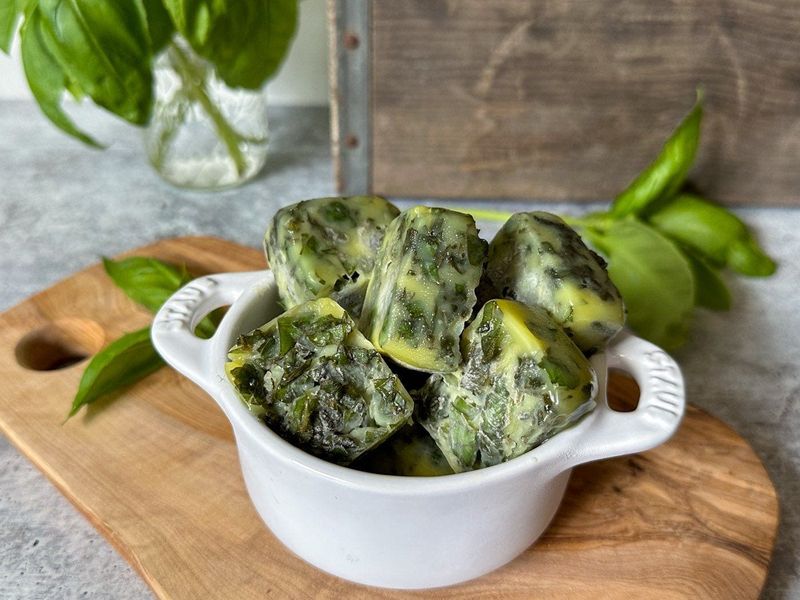
Imagine opening your freezer in January and finding little green cubes of summer. Freezing is one of the very best ways to save basil, and it is easier than you might think. Frozen basil keeps far more of its fresh flavor than dried basil does.
Plain basil leaves can turn dark and mushy in the freezer, though. Blending them with oil or turning them into pesto helps protect their color and texture. The oil coats each tiny piece and shields it from cold air.
To get started, chop or puree your basil leaves in a food processor with some olive oil. Spoon the mixture into ice cube trays and pop them in the freezer until solid. Afterward, move the cubes into freezer bags and label each bag with the date.
Pesto lovers have another option. Make your favorite pesto recipe and freeze it in small portions, such as in ice cube trays or tiny containers. Leave out the cheese before freezing, then stir it in after thawing for the best taste and texture.
A single cube is often just right for one recipe. Drop it into a pot of soup, a pan of pasta sauce, or a bowl of warm noodles.
The flavor melts in fast and fills your kitchen with that sweet, peppery basil smell. Long Michigan winters can feel gray and endless, so a taste of summer goes a long way.
Frozen basil brightens up chili, tomato soup, lasagna, and homemade pizza on snowy nights. Your family may start asking for more, so make plenty while your harvest is fresh.
5. Dry Basil If You Prefer Shelf Storage
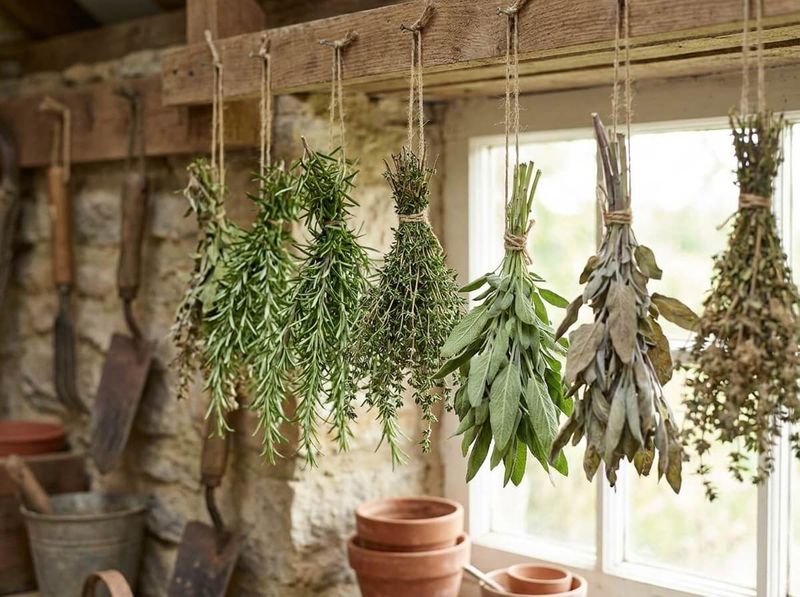
Grandma’s spice rack probably had a jar of dried basil, and for good reason. Drying is a classic way to save your harvest without using freezer space. Dried basil is easy to store and simple to sprinkle into recipes.
Keep your expectations realistic, though. Dried basil loses much of the bright, fresh flavor that makes the green leaves so special. It shines brightest in dishes that simmer for a while, like spaghetti sauce, stews, and soups.
Hanging bundles is the old-fashioned method, and it still works well. Tie small bunches of stems together with string and hang them upside down. Pick a warm, dry, dark spot with good airflow, such as a pantry or spare room.
A food dehydrator speeds things up if you have one. Spread the leaves in a single layer on the trays and follow the directions for herbs, usually using a low heat setting. In a few hours, the leaves should feel crisp and crumbly.
Patience pays off at the end. Make sure the leaves are completely dry before storing them, because any moisture left behind can cause mold. Crumble them into airtight jars and keep the jars away from heat and light, like the area right above your stove.
Michigan falls tend to be cool and damp, which makes drying basil outdoors tricky. Leaves left outside may stay moist too long and spoil before they dry.
Indoors, you control the conditions, so your basil dries evenly and keeps its color. Label each jar with the date and try to use it within a year for the best taste.
6. Bring Potted Basil Indoors
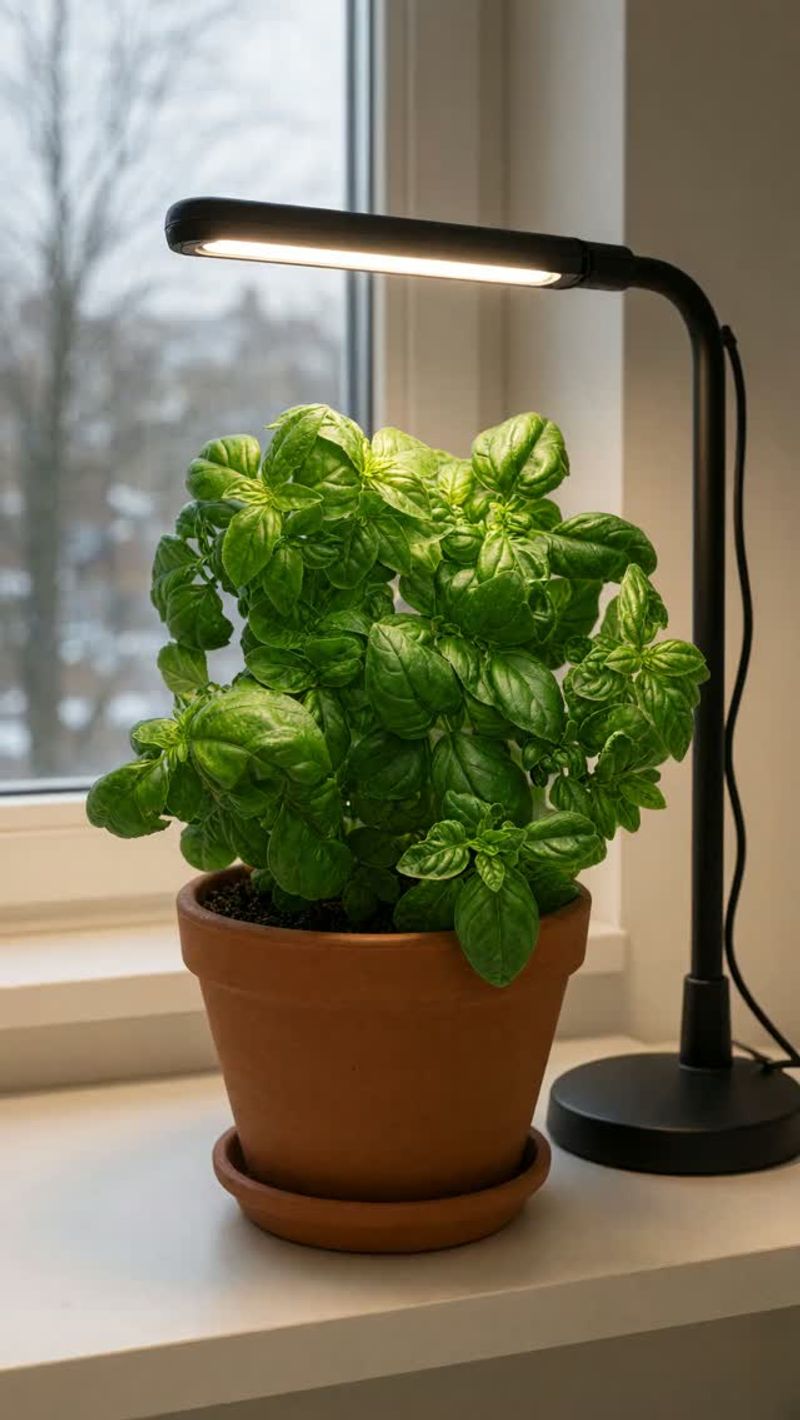
Container gardeners, you have a sneaky advantage. Potted basil can simply move inside when the weather turns cold, stretching your harvest well past the outdoor season. No digging required.
Life indoors is not perfect for basil, so expect a few bumps. The plant can keep growing for a while, but it often struggles with low winter light and dry, heated air. Giving it the right setup helps a lot.
Timing comes first. Bring your pots inside before nights drop below about 50°F, so the leaves never suffer chill damage. Check the plants for bugs before they come in, and rinse the leaves gently if needed.
Light is the biggest need. Place your basil in the sunniest window you have, ideally one facing south. If your windows do not get much sun, a simple grow light can make a huge difference, and many affordable options fit right on a shelf or counter.
Placement matters in other ways too. Keep pots away from cold window glass at night, since leaves touching the glass can get chilled. Steer clear of heating vents as well, which blast hot, dry air that stresses the plant.
Watering is simple. Feel the top of the soil and add water when it feels dry. Pinch off any flower buds as soon as they appear so the plant keeps putting energy into tasty leaves.
Michigan winters bring short days and plenty of cloudy skies. Extra light from a grow lamp often turns a struggling plant into a happy one. With good care, you can snip fresh leaves for omelets and sandwiches for weeks to come.
7. Root Cuttings For Fresh Indoor Plants
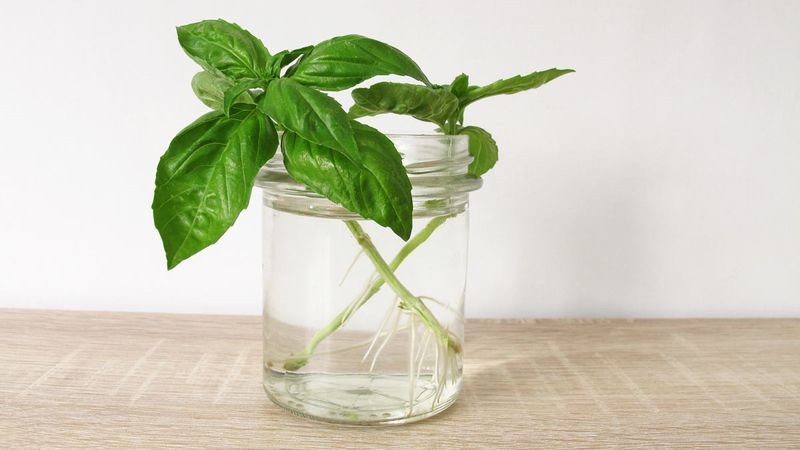
Some of the best gardening tricks cost nothing at all. Basil roots easily in plain water, which means a few stems from your garden can turn into brand new plants. It feels a little like magic the first time you see those tiny white roots appear.
Young plants also make better houseguests. Plants grown from cuttings often adjust to indoor life more easily than big, older plants dug up from the garden. Older basil may already be flowering and slowing down, while fresh cuttings are ready to grow.
Start with healthy stem tips about 4 to 6 inches long. Cut just below a leaf node, which is the spot where leaves join the stem. Remove the lower leaves so only a few sets remain at the top.
Next, set the stems in a glass of water and place it in a bright spot. Change the water every few days to keep it fresh and clear. Within a week or two, you should notice roots starting to form.
Patience brings the next step. Once the roots reach an inch or two long, plant each cutting in a small pot filled with fresh potting mix. Water it well and keep it in your sunniest window or under a grow light.
For Michigan gardeners, this trick is a winter game changer. While snow piles up outside, a row of little basil plants can keep growing on your windowsill.
Snipping fresh leaves for pasta or homemade pizza in February feels like a small victory over the cold. Take a few extra cuttings too, since they make lovely gifts for friends.