Keep Skunks Out Of Your Ohio Yard With These Clever Tricks
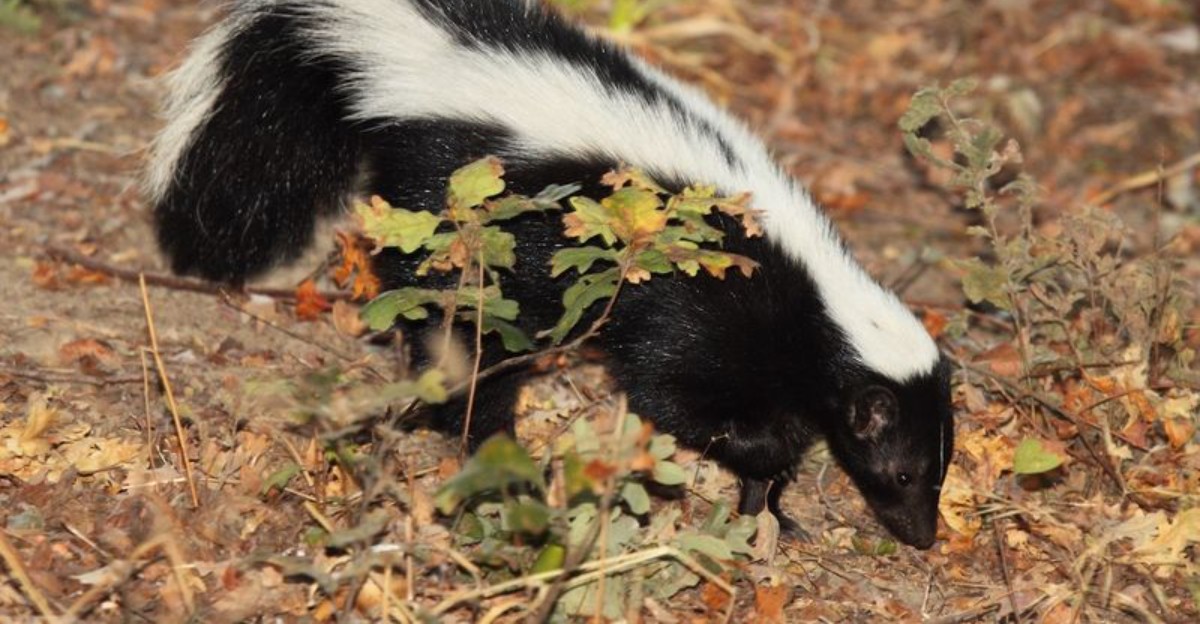
That unmistakable skunk smell can turn a peaceful evening in your Ohio yard into a night you won’t forget. One minute, everything looks quiet.
The next, you spot a little black-and-white visitor near the shed, under the deck, or digging through the lawn like it owns the place.
Skunks usually have a reason for showing up, and it often has less to do with your yard than you might think. A few overlooked features can make your property an appealing stop for these nighttime wanderers, especially as the weather turns colder.
The trick is to make your yard less inviting without creating a bigger headache for yourself, your pets, or the wildlife. You don’t need expensive gadgets or harsh chemicals to start making a difference.
A few smart changes can help discourage repeat visits, and some of the most useful fixes are easy to miss.
Before another visitor settles in, take a look at what might be drawing them to your doorstep.
1. Skunks Dig Up Lawns Hunting For Grubs
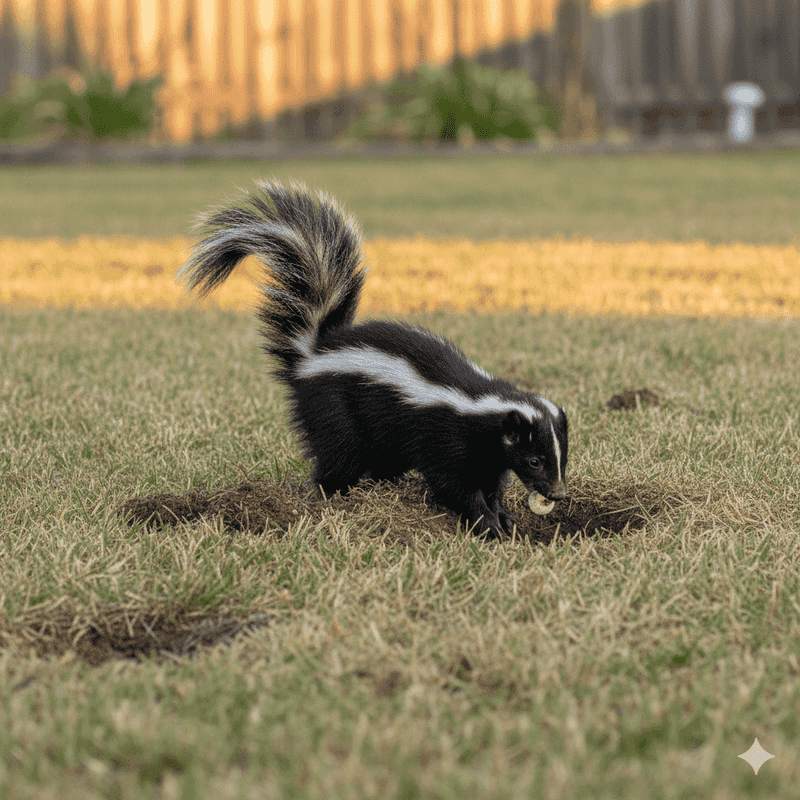
Picture a tiny bulldozer with a fluffy tail, working your lawn after dark. That is basically what a hungry skunk looks like when it smells dinner under the grass.
Skunks in Ohio love grubs, which are the fat, white baby forms of beetles. These soft little larvae live in the soil and munch on grass roots.
To a skunk, they are like candy hidden just below the surface.
A skunk uses its powerful nose to sniff out where grubs are hiding. Then it digs with long, curved front claws that work like tiny garden tools.
The whole job takes only seconds per spot.
Grubs are not the only thing on the menu. Skunks also snack on worms, ants, earwigs, and beetles that crawl along the ground.
If your soil is full of bugs, your yard is a top choice for a midnight meal.
Digging tends to pick up in late summer and fall. During those months, skunks eat extra food to build fat for the cold Ohio winter.
Wet weather can also bring grubs closer to the top, making them easier to reach.
Knowing why skunks dig is the first step to stopping them. Once you understand that food is the main draw, every other trick on this list starts to make sense.
2. Small, Cone-Shaped Holes Are Their Calling Card
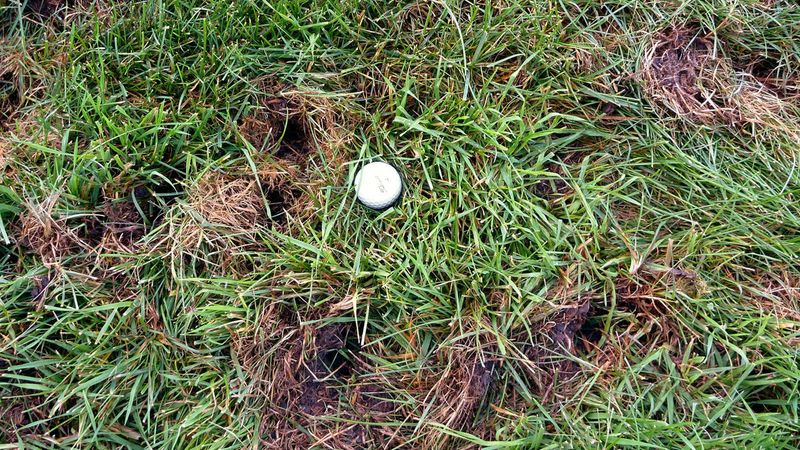
Detectives look for fingerprints, and yard owners can look for holes. Skunks leave behind a very clear clue that is easy to spot once you know what to check.
The holes are usually small, shallow, and cone-shaped, with loose dirt or flipped grass nearby. While this can be a sign of skunk activity, other animals can leave similar holes too.
So how do you know it was a skunk and not another animal? Raccoons tend to rip up big chunks of sod, almost like rolling back a carpet.
Skunks are neater, poking precise holes as they hunt for one bug at a time.
Moles and voles leave different signs too. Moles push up raised tunnels and dirt mounds, while voles make narrow runways on the surface.
Your Ohio Garden Changes Every Week. Your Plan Should Too.
Gardening in Ohio changes quickly throughout the season. Every Friday you’ll receive a simple weekly plan showing exactly what to plant, prune, fertilize, harvest, and protect so you never miss the right timing.
Skunk holes stand alone, scattered around like someone tested the ground with a stick.
Timing matters as well. Skunk damage usually shows up overnight, since these animals are most active after sunset.
If your lawn looked fine at dinner and full of holes at breakfast, you have a strong clue.
Fun fact: a skunk can dig dozens of these little holes in one night. Spotting the pattern early helps you act before your lawn looks like a golf course gone wrong.
3. Cut Off The Grub Buffet
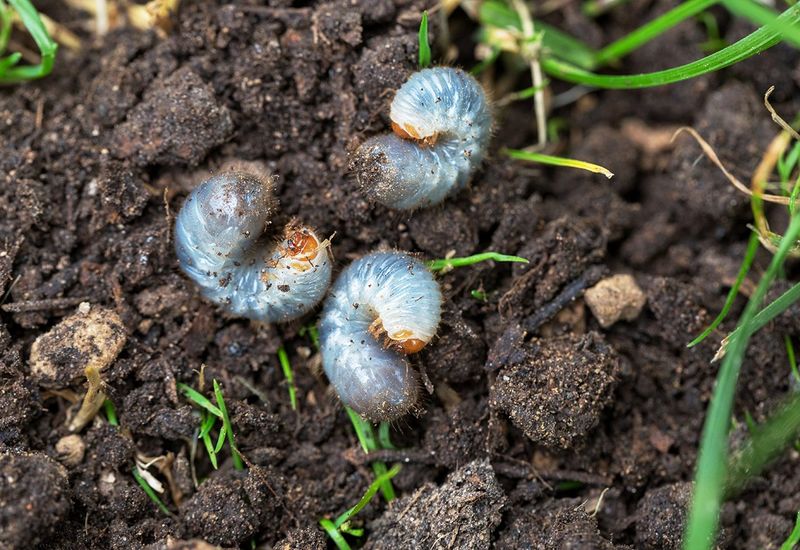
No food, no guests. That simple rule works for skunks just as well as it works for a snack table at a family picnic.
When your lawn has fewer grubs, skunks have less reason to visit. Controlling these larvae is one of the smartest moves you can make.
It protects your grass roots too, so you win twice.
Timing is everything here. Applying a preventive grub control product in early summer stops young larvae before they grow.
Beetles lay eggs around midsummer, so getting ahead of them pays off. Always read and follow the label directions closely.
Prefer a natural route? Beneficial nematodes are tiny worms you cannot even see.
In late summer or early fall, you mix them with water and spray them on your lawn. They hunt grubs in the soil and help keep their numbers low.
A healthy lawn also fights back on its own. Mowing at a taller height, watering deeply but not too often, and feeding your grass properly all help.
Strong grass can handle a few grubs without falling apart.
Give these steps a full season to work. Once the buffet closes, many skunks will wander off to find an easier meal somewhere else.
4. Clear Away Easy Food Sources
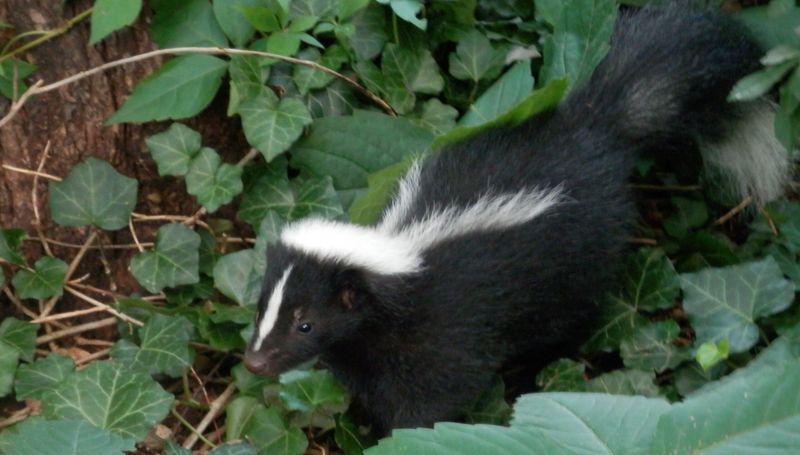
Skunks are not picky eaters. If it smells good and sits within reach, a skunk will happily give it a try.
Experts call skunks opportunistic omnivores. That is a fancy way of saying they eat both plants and animals, depending on what is handy.
Your yard may offer more snacks than you realize.
Start with the trash. Use cans with tight or locking lids, and keep them in a garage or shed if you can.
A bungee cord across the lid works in a pinch.
Pet food is another big magnet. Bring food and water bowls inside before dark.
Even a few leftover kibbles can bring a curious skunk right up to your porch.
Fruit trees and gardens need attention too. Pick up fallen apples, berries, and nuts quickly, especially in late summer.
A quick rake each evening keeps the ground clean.
Bird feeders deserve a look as well. Seeds spill onto the ground, and skunks gladly clean them up.
Try a tray under the feeder or sweep up the mess often.
Compost piles can also draw interest. Use a closed bin and avoid adding meat or dairy.
Small habits like these make your yard far less tempting.
5. Seal The Space Under Decks And Sheds
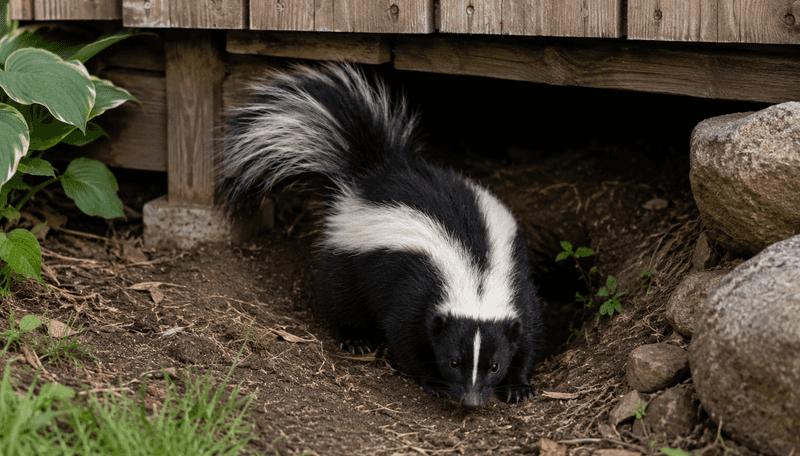
To a skunk, the dark gap under your deck looks like a cozy studio apartment. It is quiet, sheltered, and close to plenty of food.
Skunks hunt for safe places to rest during the day and raise their young. Decks, porches, and sheds top their list.
Once they move in, they can be tricky to move out.
The fix is a sturdy barrier. Heavy-gauge galvanized hardware cloth works well because it resists rust and chewing.
Wrap it around the open sides and fasten it tightly with screws or staples.
Check for small openings too. A skunk can squeeze through a gap of only a few inches.
Walk around your buildings and look for loose boards or spaces near steps.
What if a skunk is already living there? Make the spot less comfy.
Bright lights or a radio playing talk shows near the entrance can encourage it to find a calmer home.
Some people try strong-smelling deterrents, but they may only work temporarily. Removing access to shelter is a more reliable way to keep skunks from moving in.
Just remember to wait until the animal leaves before you seal anything, which the next tip explains.
6. Bury Fencing A Foot Deep With An Outward Bend
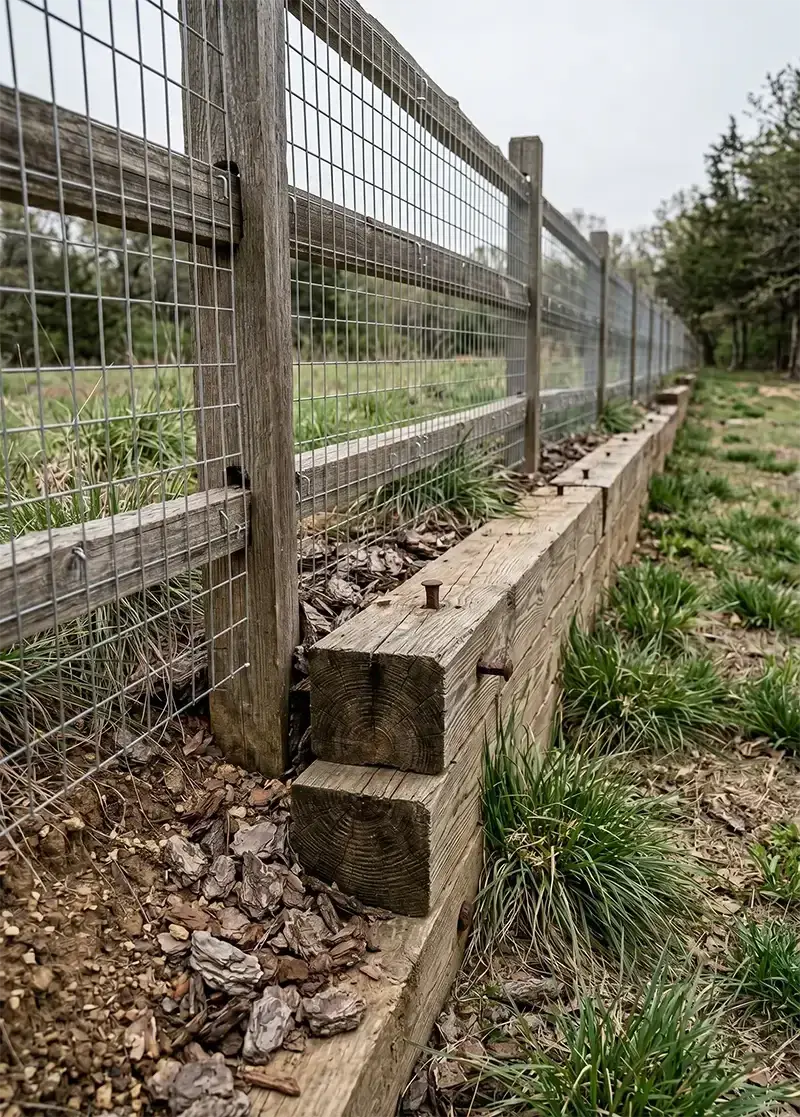
Here is a clever trick that outsmarts a skunk’s digging habit. It is called an L-shaped footer, and it works like a hidden floor that stops tunneling.
Skunks are strong diggers, but they usually dig straight down next to a wall or fence. A regular fence that stops at the ground will not slow them much.
They simply scoop out a tunnel and slip underneath.
To block them, dig a trench along the fence or building. Bury heavy-duty wire mesh or hardware cloth at least one foot deep.
Then bend the bottom outward, away from the structure, for another six to twelve inches.
Why the bend? When a skunk starts digging, it hits the mesh and cannot get past it.
Most give up instead of moving farther back to try again.
Make sure the top of the mesh connects firmly to your fence, deck, or shed. Even a small gap can let a determined animal through.
Zip ties, staples, or screws all help keep things snug.
Bonus: this same setup also helps stop groundhogs, rabbits, and other burrowers. It takes an afternoon of work, but it can protect your yard for years.
7. Let A Denning Skunk Leave Before Sealing The Hole
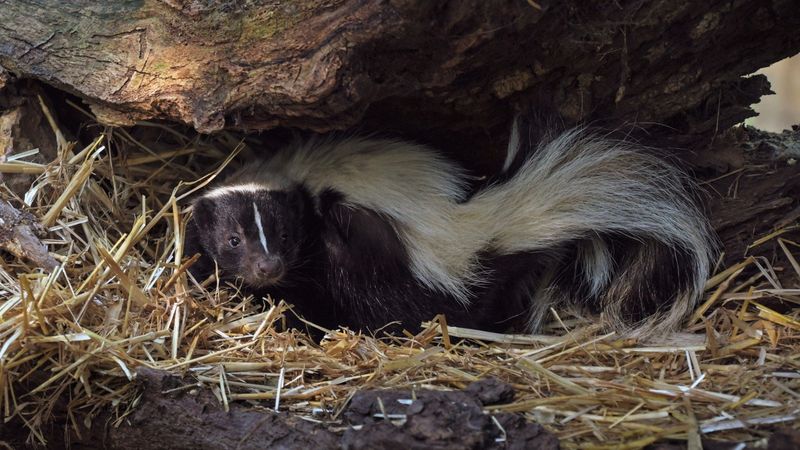
Patience can save you from a smelly mistake. Sealing a den too soon is one of the most common errors homeowners make.
Before closing any opening, make sure no animals are still inside. Skunks often have babies between April and September.
If young skunks get trapped, they may not survive, and the odor that follows can be awful.
A one-way door is a kind and simple tool. You place it over the entrance, and it swings open only from the inside.
The skunk can leave for its nightly meal but cannot get back in.
Want proof the den is empty? Try the flour trick.
Sprinkle a thin layer of flour at the opening in the evening, then check it the next morning.
Tracks leading out with none coming back suggest the skunk has left. Repeat this for two or three nights to be sure.
When the flour stays clean, you can seal the hole for good.
If you see or hear babies, wait a few weeks. Mother skunks often move their young once they are big enough to follow her.
Giving them time keeps everyone safer and calmer.
8. Give Skunks Fair Warning Before Letting Pets Out
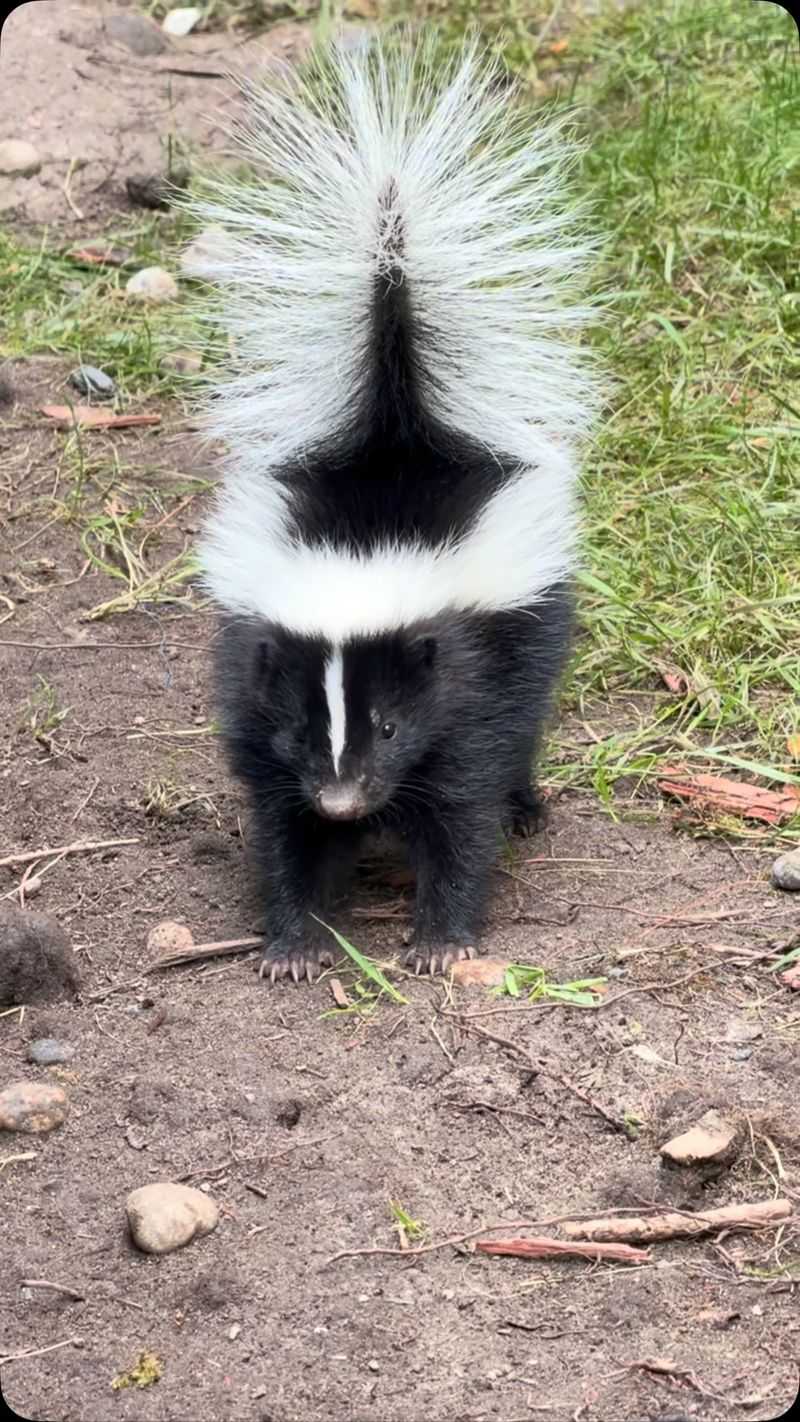
Ask any dog owner who has dealt with a sprayed pup, and you will hear a story full of tomato juice and regret. A little planning can spare you that bath-time drama.
Skunks actually do not want to spray. Their spray takes time to refill, so they save it for real emergencies.
Before spraying, they usually give several warnings.
Watch for foot stomping, a raised and shaking tail, and hissing. A skunk may also twist into a U shape so both its face and back end point at you.
That last move means it is almost out of patience.
Skunks have poor eyesight, especially at night. They may not see you or your pet until you are very close.
A surprise meeting is when trouble starts.
Before opening the door after dark, flip on the outdoor lights. Clap your hands, talk loudly, or jingle your keys.
These sounds may give a nearby skunk time to move away, but lights and noise are not foolproof. Keep your dog on a leash at night to reduce the chance of a surprise encounter.
Dogs often miss the warning signs and charge right in. Keeping your dog on a leash at night helps a lot.
If a spray happens, a mix of peroxide, baking soda, and dish soap works better than tomato juice.
9. Check Ohio’s Rules Before Trapping
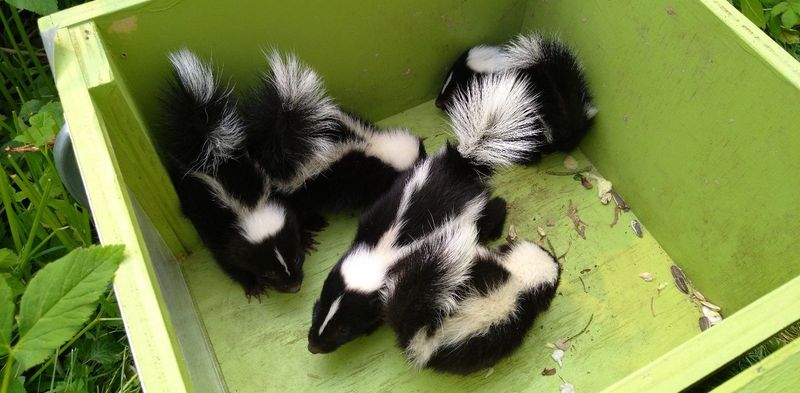
Trapping might sound like a quick fix, but the state has clear rules you need to follow. Breaking them, even by accident, can lead to trouble.
Under Ohio law, a trapped nuisance skunk generally must be released at the capture site or euthanized in accordance with state regulations. Relocating it elsewhere is not a legal alternative.
Check Ohio’s current wildlife rules before trapping, as specific requirements may apply.
Why so strict? Moving wildlife can spread diseases like rabies to new areas.
It also stresses the animal, which often struggles in unfamiliar territory.
Homeowners can handle nuisance animals on their own land under certain conditions. However, businesses that remove animals usually need a Nuisance Wild Animal Control Operator license, often called an NWACO license.
Hiring a licensed pro takes the guesswork away.
The Ohio Revised Code also sets rules for trap types and sizes. Traps must be checked at least once every day.
Leaving an animal stuck for days is not allowed and is unkind.
Before you buy a trap, visit the Ohio Division of Wildlife website or call your local office. A few minutes of reading can keep you legal.
Often, the prevention tips above solve the problem without trapping at all.