The Pennsylvania Native Perennials To Plant Before Halloween That Multiply Every Year
Ask a longtime Pennsylvania gardener where their favorite perennials came from, and you’ll often hear the same answer.
A neighbor’s yard. A friend’s garden. A relative who dug up a clump and handed it over in a grocery bag. That’s the magic of plants that multiply.
Certain native perennials don’t just come back each year. They spread, self-seed, or form bigger clumps every season. Plant a few now, and within a couple of years, you’ll have enough to fill empty spots, edge a path, or share with anyone who admires them.
They also feed bees, butterflies, and birds, and they’re already tough enough to handle Pennsylvania winters.
Getting them in the ground before Halloween gives their roots several weeks to settle in before the soil freezes. Next spring, they’ll be ready to start filling your garden, one season at a time.
1. Golden Ragwort Brings Early Sunshine
Spring in the woods often starts with a burst of yellow, and golden ragwort is usually the plant behind it.
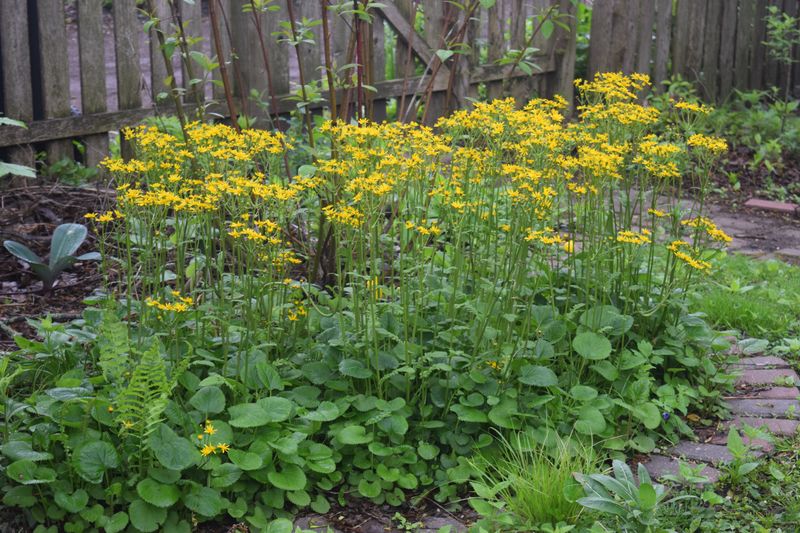
Long before many perennials wake up, it pushes out clusters of small, daisy-like flowers on stems about one to two feet tall. Bees and early flies flock to them on the first warm days.
Below the blooms sits the real secret. Golden ragwort grows a low mat of heart-shaped leaves that stay green much of the year. In mild winters, the leaves often hold their color, which gives your garden a touch of life in gray months.
Spreading happens through runners that creep just under the soil. Each runner sends up a new little rosette of leaves.
Over two or three years, a few plants can knit together into a thick carpet. Weeds have a hard time pushing through.
Moist shade to part sun suits it best. Think of spots near a downspout, along a creek, or under tall trees where grass struggles. It can handle some dry spells once it settles in, but steady moisture helps it spread faster.
For fall planting, set young plants about 12 to 18 inches apart. Water them well and add a thin layer of shredded leaves around them. That leaf mulch keeps roots cozy and copies what happens on a forest floor.
A quick tip: trim off the fluffy seed heads after blooming if you want to control where it goes. Leave them if you would like it to pop up in new places too.
Fun fact: older books call it Packera aurea, and some people still know it by its old name, Senecio. Whatever you call it, it is a cheerful, tough groundcover.
2. Wild Ginger Makes A Velvet Carpet
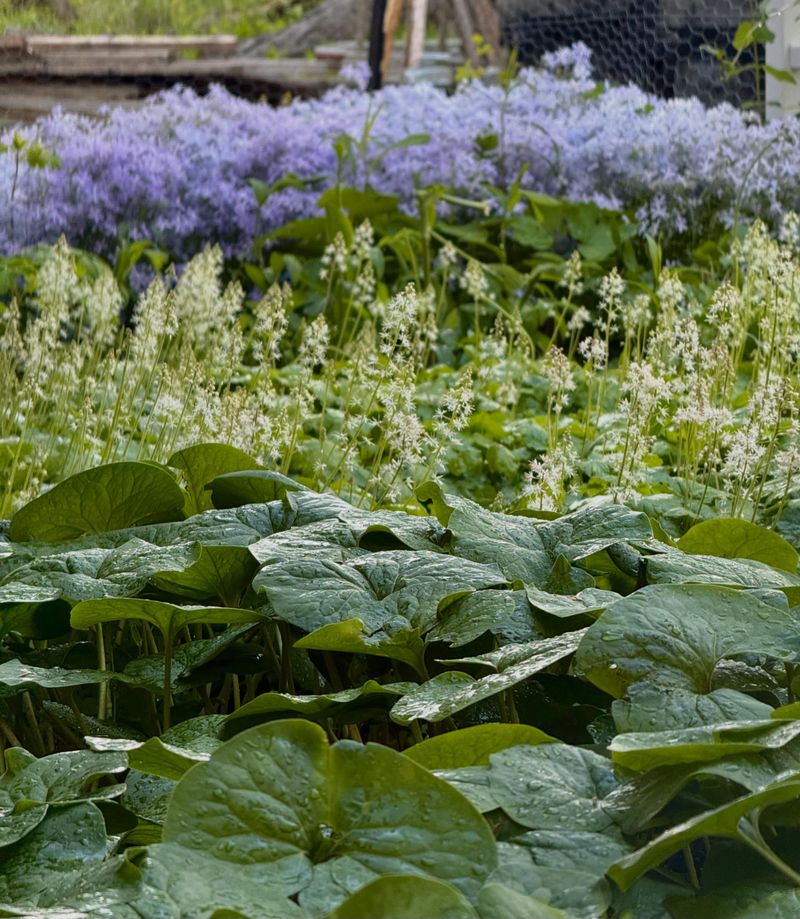
Hidden treasure might be the best way to describe wild ginger. You have to kneel down and lift its leaves to find the flowers. They are little maroon cups that sit right on the ground in early spring.
Scientists think those low flowers may be visited by early flies and beetles crawling across the soil. Ants also help out. They carry the seeds away to their nests, which spreads new plants in small, surprising spots.
Your Pennsylvania Garden Changes Every Week. Your Plan Should Too.
Gardening in Pennsylvania changes quickly throughout the season. Every Friday you’ll receive a simple weekly plan showing exactly what to plant, prune, fertilize, harvest, and protect so you never miss the right timing.
Most of the spreading, though, comes from creeping stems called rhizomes. These grow slowly just under the surface.
Year by year, they build a dense mat of soft, fuzzy, heart-shaped leaves. The leaves look a lot like green velvet and stay about six inches tall.
Patience pays off with this one. It is not a fast spreader in its first year. By the third year, though, you can have a lovely patch that looks like it has always been there.
Shade is where it shines. Plant it under maples, oaks, or along a north-facing wall. It likes rich soil full of old leaves and steady moisture. Hot afternoon sun will scorch the leaves.
When planting in October, space pieces about a foot apart. Keep the soil damp until the ground freezes. Leave fallen leaves in place as a natural blanket.
Did you know? The roots smell a bit like ginger when you crush them, which explains the name.
Early settlers used them as a spice. It is not related to kitchen ginger, though, and it is better to enjoy it in the garden rather than on your plate.
3. Foamflower Adds Frothy Spring Spikes
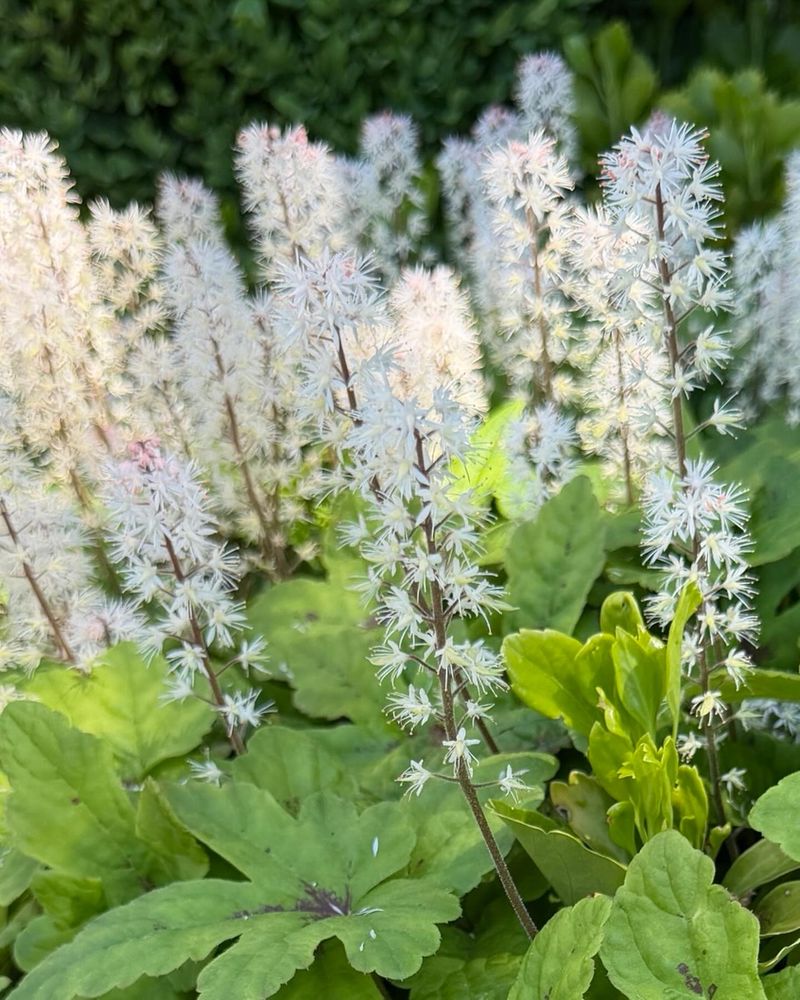
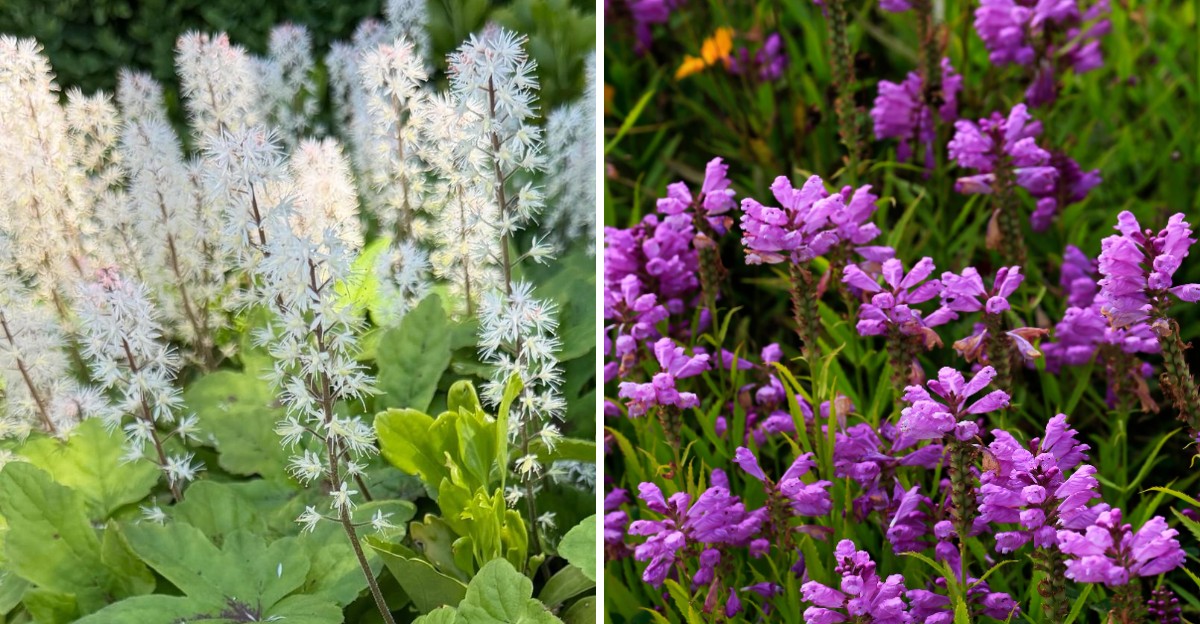
Ever seen a garden bed that looks like it has a layer of sea foam floating over it? That is foamflower in May. Tall, fuzzy spikes of tiny white or pale pink flowers rise above the leaves and sway in the breeze.
The leaves are just as pretty. They look a bit like small maple leaves, and some types have dark red veins in the middle. In fall, many turn bronze or reddish, so the show keeps going after the flowers fade.
Spreading depends on the type. The Allegheny foamflower that grows wild in Pennsylvania sends out runners, a lot like a strawberry plant.
Each runner roots and forms a new clump. Over time, you get a soft, even groundcover. Some garden types stay in tidy clumps, so check the label if spreading is your goal.
Moist, shady spots with rich soil make it happiest. It does well near ferns, hostas, and other shade lovers. It does not like soggy soil in winter, so avoid spots where water sits in puddles.
Fall planting tips are simple. Dig a hole as deep as the pot and set the crown level with the ground. Space plants about a foot apart and water deeply once a week if rain is scarce.
One helpful trick is to gently pin runners to the soil with a small stone or bent wire. That helps them root faster and fills empty spaces sooner.
Bonus: foamflower is not a favorite of deer or rabbits. That makes it a great pick for yards where hungry visitors munch everything else.
4. Woodland Phlox Smells As Sweet As It Looks
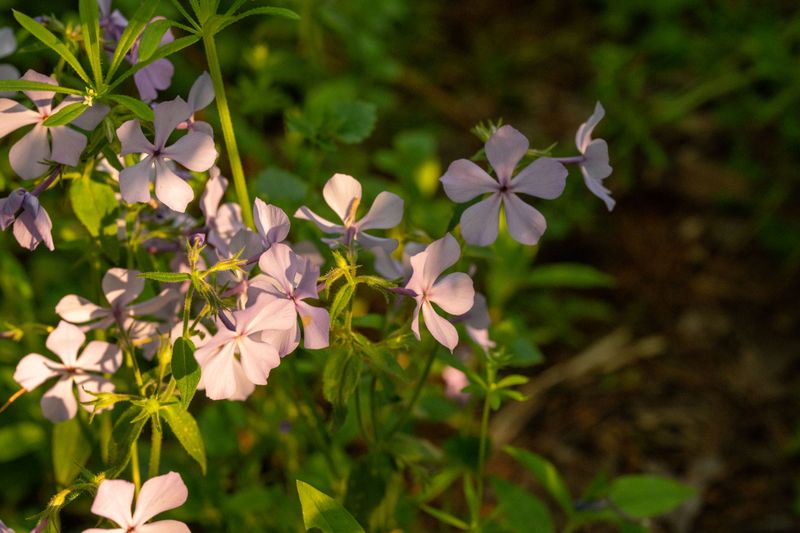
Take a walk past a patch of woodland phlox in late April and your nose will notice before your eyes do. The flowers give off a soft, sweet scent, especially in the evening. Many gardeners say it smells like spring itself.
Blooms come in shades of pale blue, lavender, and sometimes white. Each flower has five rounded petals that form a little pinwheel. Groups of them sit on top of stems about a foot tall, making a cloud of color.
Butterflies adore it. Swallowtails, skippers, and other early butterflies use their long tongues to sip nectar from the narrow flower tubes. Hummingbird moths visit too, which is always a treat to watch.
Spreading happens in two ways. First, the stems creep along the ground and put down roots where they touch the soil.
Second, it drops seeds that sprout nearby. Together, these habits turn a few plants into a wide patch in just a couple of years.
Part shade is ideal. Morning sun with afternoon shade keeps the leaves fresh. Rich, loose soil that stays slightly moist helps a lot. It pairs beautifully with Virginia bluebells and ferns.
Planting in early October gives roots time to grab hold. Set plants about 12 inches apart and mulch lightly with chopped leaves. Do not bury the low stems too deeply, since they need contact with the soil surface to root.
After it blooms, you can trim the stems back a bit to keep it neat. This also encourages more creeping growth, which means a fuller patch next spring.
5. Obedient Plant Fills Space Fast
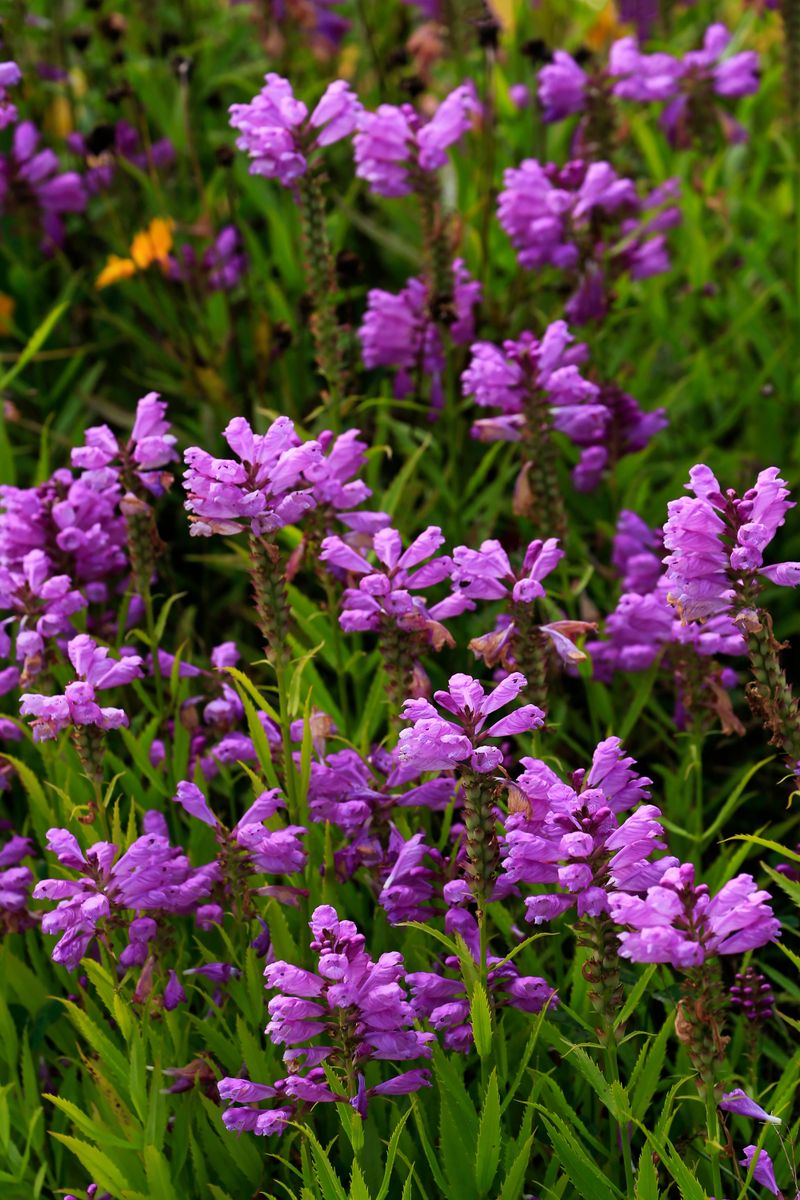
Here is a plant with a funny name and a not-so-obedient attitude. Its name comes from the flowers. If you push one to the side, it stays where you put it, like a well-trained puppy.
The roots, however, have their own plans. Obedient plant spreads through underground runners, and in moist soil it can move fast.
One plant in spring can become a dozen by the next fall. That is great news if you want to fill a big space.
Flowers appear in late summer and keep going into fall. Tall spikes, often two to four feet high, are lined with pink to lavender blooms shaped like little snapdragons. Bumblebees crawl right inside them, and hummingbirds stop by too.
Choose the spot with care. It loves sun to part shade and soil that stays damp, such as rain gardens or pond edges. Give it room to roam, or plant it where a path, lawn edge, or wall will hold it back.
Fall planting is easy. Space plants about 18 inches apart and water them in well. By next summer, the gaps will start closing.
Worried about it taking over? Every spring, dig up extra shoots along the edges with a shovel. Pot them up and share them with friends or neighbors. Gardeners love free plants.
Tall stems can flop in rich soil. Cut them back by half in early June, and they will grow shorter and sturdier with even more blooms.
Quick fact: the plant is also called false dragonhead because of its flower shape.
6. Virginia Bluebells Ring In Spring
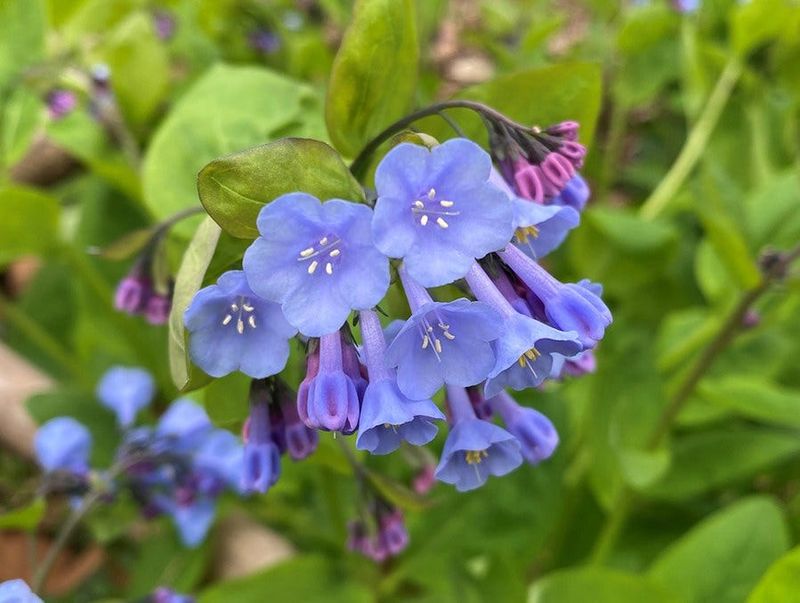
Few sights in Pennsylvania compare to a river valley filled with Virginia bluebells in April. Thousands of nodding blue bells sway above soft green leaves. People drive for miles just to walk among them.
You can have a small version of that magic at home. Bluebells are usually sold in fall as dormant roots, which look a bit like knobby brown carrots. Plant them before Halloween, and they will rest underground all winter.
Come spring, the buds open pink and slowly turn sky blue. That color shift is part of the charm. Bumblebees hang from the bells to reach the nectar inside.
Colonies form through seeds. After blooming, plants drop seeds that sprout nearby in moist, shady soil. Each year, more bluebells appear. Within five years, a handful of roots can become a lovely drift.
Planting is simple. Dig a hole about two to three inches deep. Set the root with the bud or pointed end facing up. Space them 12 to 18 inches apart and cover with soil and a layer of leaves.
One thing surprises new growers. By early summer, the leaves turn yellow and vanish. The plant goes dormant until next spring, which is normal. Mark the spot with a small stake so you do not dig into the roots later.
Smart move: plant ferns, wild ginger, or hostas nearby. Their leaves will spread out and cover the empty space once bluebells take their summer nap.
7. Zigzag Goldenrod Lights Up Shady Fall Gardens
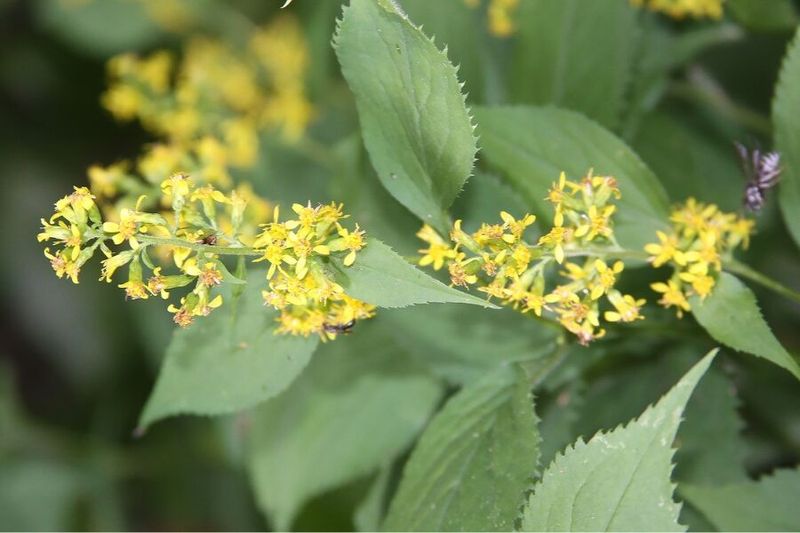
Most folks picture goldenrod in sunny fields along the highway. Zigzag goldenrod breaks that rule. It grows happily in shade, which makes it a rare gift for gardens under trees.
The name comes from its stems. Instead of growing straight up, they bend back and forth slightly at each leaf, forming a gentle zigzag. It is a fun detail that kids love to spot.
Flowers show up from late August into October. Small yellow clusters form along the stems and at the tips, rather than in big plumes at the top. The effect is like little sparks of light scattered through a dim corner.
Timing matters for wildlife. Fall is when bees, wasps, and butterflies need fuel the most. Monarchs heading south and bumblebee queens getting ready for winter both visit goldenrod. Planting it helps them stay strong.
Spreading comes from underground stems that form loose colonies. It does not crowd as tightly as some goldenrods, so it mixes nicely with asters, ferns, and woodland grasses.
Here is a myth worth clearing up. Goldenrod does not cause hay fever. Its pollen is heavy and sticky, carried by insects, not wind. Ragweed, which blooms at the same time, is the real sneezing culprit.
For fall planting, choose a spot with part to full shade and average soil. Space plants about 18 inches apart. Water them weekly until the ground freezes.
Leave the stems standing over winter. Birds will pick at the seeds, and some tiny native bees may tuck into the hollow stems. Cut them back in early spring.