Native Ohio Plants That Are Disappearing From The Landscape And Why It Matters
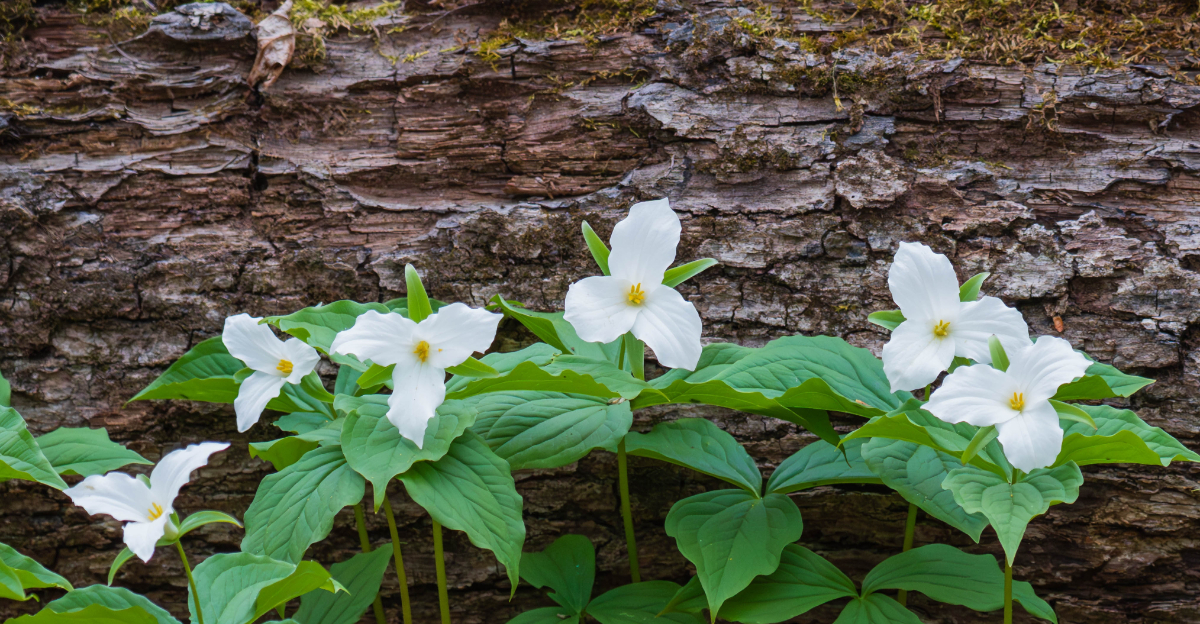
Ohio’s native plant landscape is quieter than it used to be. Not dramatically, not all at once, but species that were common a generation ago are showing up less frequently, in fewer places, in smaller numbers.
Most people walking through Ohio’s natural areas would not notice. The ones who knew what to look for thirty years ago would.
This is not an abstract conservation concern. Native plants anchor the food webs that everything else in Ohio’s ecosystem depends on.
When a plant species retreats, the insects tied to it follow. The birds tied to those insects follow after that.
The losses compound in ways that take years to become visible and longer to reverse. Several Ohio natives are at a tipping point right now.
Not gone, but heading somewhere that makes recovery significantly harder with each passing season. What is disappearing, and why it matters to every Ohio gardener, is worth understanding fully.
1. Losing Trilliums Means Losing Spring Woodland Clues
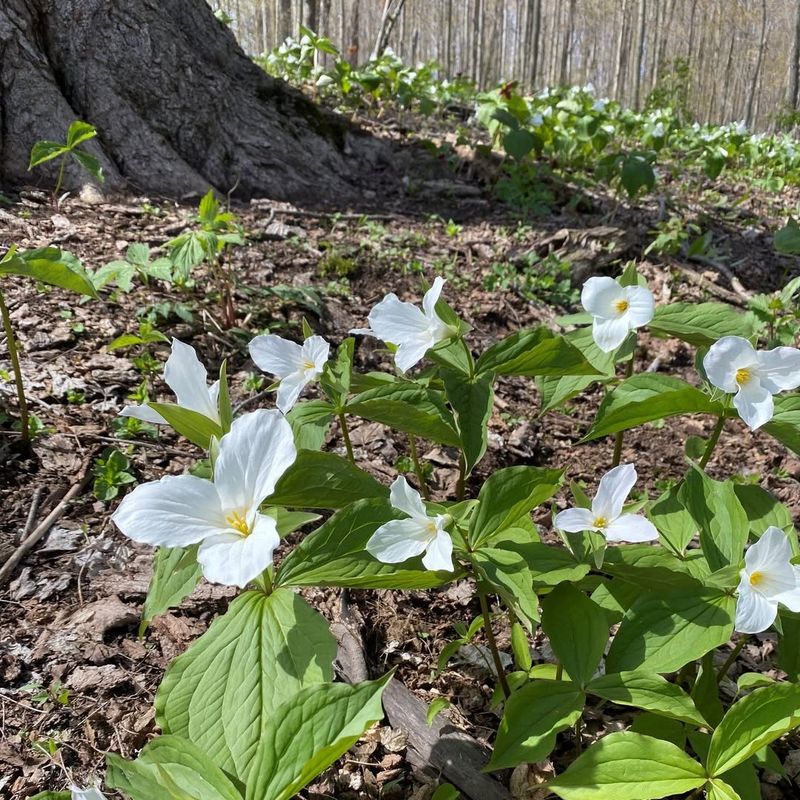
A spring woodland without trilliums is like a calendar with the month of April torn out. These striking native wildflowers signal that the forest floor is healthy, undisturbed, and functioning the way it should.
Several trillium species are native to Ohio, including the large-flowered trillium, Trillium grandiflorum. ODNR recognizes it as a characteristic species of rich, mature forests in the state.
Trilliums are slow-growing plants that can take years to reach blooming size. They depend on intact woodland conditions, quality leaf litter, and healthy soil fungi to thrive.
When deer browse them heavily, invasive plants shade them out, or woodland soils are compacted by foot traffic, trillium populations can shrink noticeably over time.
Digging trilliums from wild areas is another serious problem, as removed plants rarely survive transplanting and the colony takes years to recover.
Never dig trilliums from wild places, parks, or preserves. Stay on marked trails when visiting natural areas in spring.
If you want trilliums in your yard, buy only nursery-propagated plants from reputable native plant nurseries. Controlling invasive plants like garlic mustard in your woodland or woodlot helps trilliums compete.
Supporting local land trusts and nature preserves that protect mature forest habitat also makes a real difference for these quiet spring indicators.
2. Watching Milkweed Fade Hurts Monarch Habitat
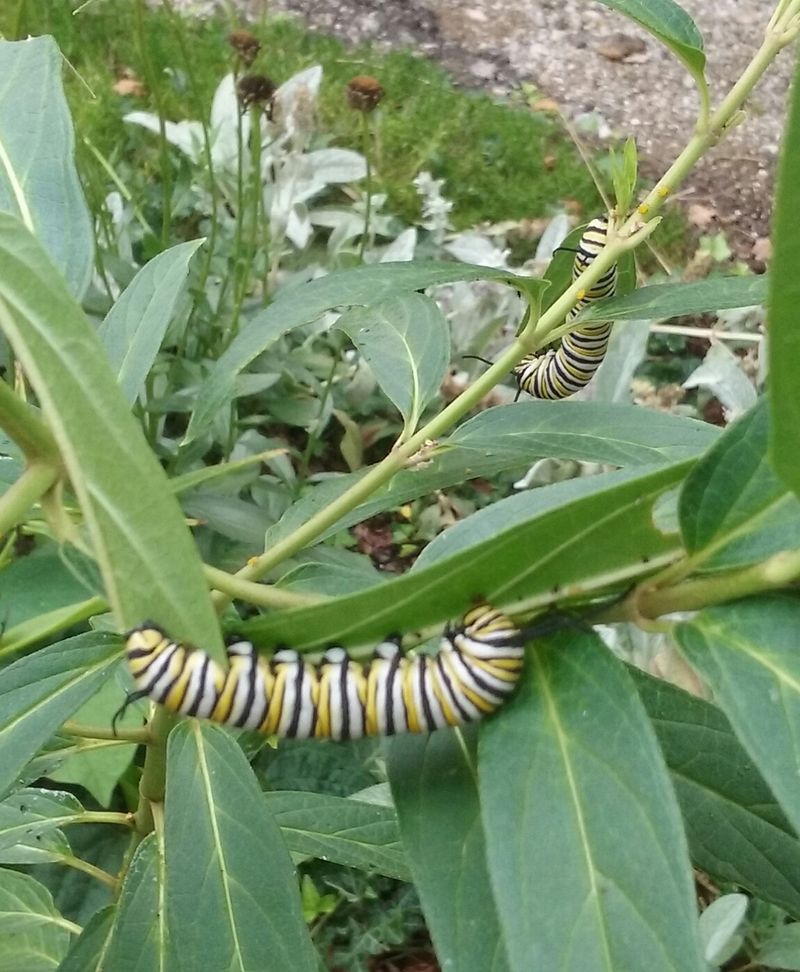
Roadsides that once held tall stands of milkweed are now mowed short before the plants can flower or set seed.
Common milkweed, Asclepias syriaca, and butterfly weed, Asclepias tuberosa, are two native milkweed species that OSU Extension and ODNR confirm as native to Ohio.
Monarch caterpillars depend entirely on milkweed as their host plant, meaning they can only complete their life cycle where milkweed grows.
Milkweed has become harder to find in everyday landscapes because fields are converted to development and roadsides are mowed on tight schedules. Herbicide use in agricultural areas also reduces plant diversity along field edges.
The U.S. Fish and Wildlife Service has noted that habitat loss across the monarch’s breeding range is a significant factor in population stress.
Your Ohio Garden Changes Every Week. Your Plan Should Too.
Gardening in Ohio changes quickly throughout the season. Every Friday you’ll receive a simple weekly plan showing exactly what to plant, prune, fertilize, harvest, and protect so you never miss the right timing.
That includes reduced milkweed availability. Monarch decline is a complex issue involving overwintering habitat and climate as well, so milkweed alone does not solve everything.
Planting native milkweed species suited to your site conditions is a practical step. Butterfly weed works well in dry, sunny spots, while common milkweed spreads more aggressively and fits open areas.
Avoid tropical milkweed, which is not native here. Leave some milkweed stems and seed pods standing through fall when possible.
Buying plants from reputable native nurseries rather than collecting from wild areas protects existing populations and supports responsible sourcing.
3. Seeing Cardinal Flower Less Often Signals Wetland Stress
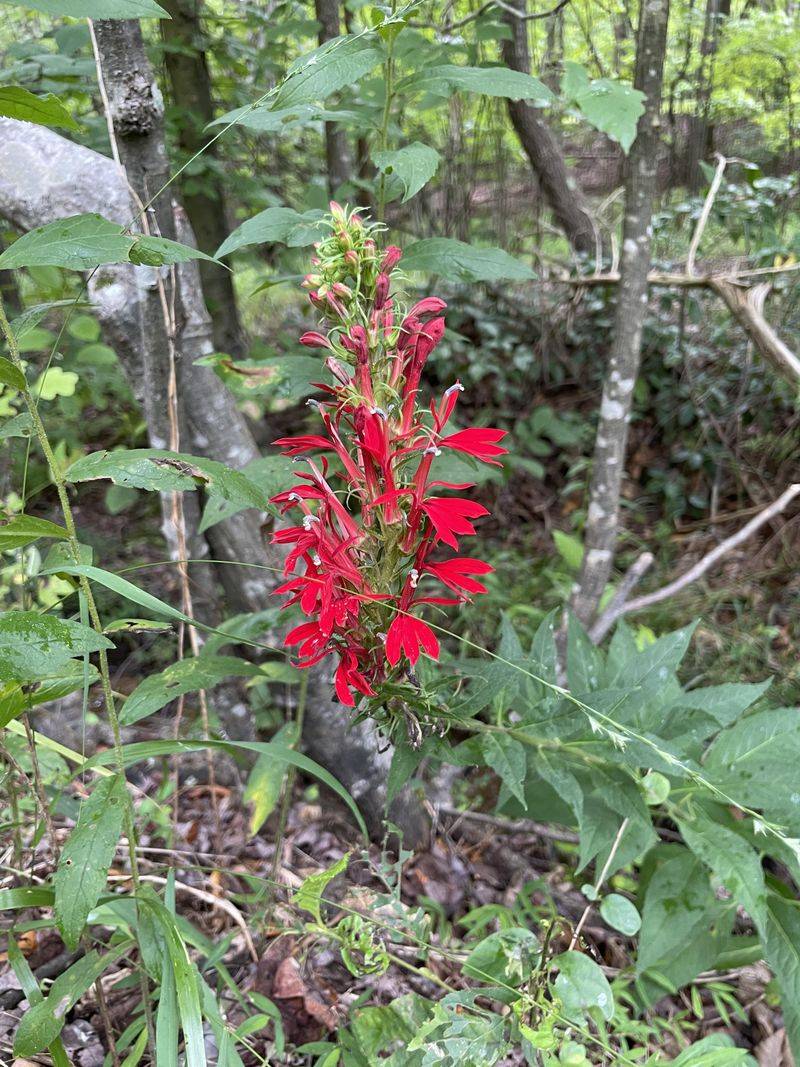
Few native plants stop you in your tracks quite like cardinal flower. Its tall spikes of vivid red blooms rise from streambanks, wet meadow edges, and damp woodland borders from mid to late summer.
Lobelia cardinalis is a verified native species in our state. ODNR and botanical garden sources confirm it as a characteristic plant of moist, open, or partly shaded wet habitats.
Cardinal flower is closely associated with ruby-throated hummingbirds, which are well-documented visitors to its tubular red blooms.
When wetlands are drained, streams are channeled, or marshy edges are filled for development, plants like cardinal flower lose critical habitat.
They also lose the specific moisture conditions they need to persist. Invasive plants such as purple loosestrife can also crowd out native wetland species along these same edges over time.
Protecting low spots, wet ditches, and stream edges on your property matters more than many people realize. Avoiding unnecessary drainage changes in wet areas helps native moisture-loving plants hold on.
Cardinal flower works well in rain gardens and consistently moist planting areas where conditions match its needs. Do not collect plants from wild streambanks or preserve edges.
Reputable native nurseries carry nursery-propagated cardinal flower that establishes well when planted in the right moisture conditions. Even a small wet garden patch can support this plant and the wildlife that visits it through the summer season.
4. Missing Blazing Star Shows What Meadows Have Lost
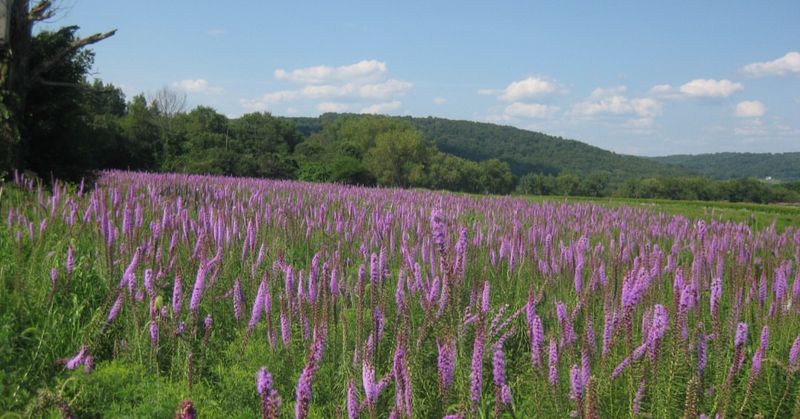
Old meadows and open fields once held drifts of purple flower spikes rising above the grasses every late summer. Blazing star, known botanically as Liatris, includes several species native to Ohio.
Liatris spicata and Liatris pycnostachya are among the species confirmed as native by ODNR and botanical garden sources for meadow and prairie-edge habitats.
These upright perennials are a strong visual sign that a meadow has not been over-mowed or over-managed.
Meadow plants like blazing star can decline when old fields are converted to lawn or mowed before plants mature. They can also be shaded out by woody encroachment or invaded by aggressive nonnative grasses.
Each of these pressures removes the open, sunny, well-drained conditions that blazing star needs to persist. OSU Extension notes that native meadow plants generally require full sun and minimal soil disturbance to establish and maintain themselves over time.
Using native meadow plants in sunny areas of your yard or community green space is a practical way to support this habitat type.
Delaying mowing in appropriate areas until late fall or early spring gives meadow plants time to flower, set seed, and support late-season pollinators.
Remove invasive plants carefully and replant with nursery-propagated native species. Not every blazing star species has the same habitat needs, so matching the species to your site conditions matters.
Buy from reputable native plant sources and avoid collecting from wild meadow remnants.
5. Finding Fewer Wild Lupines Matters To Rare Butterflies
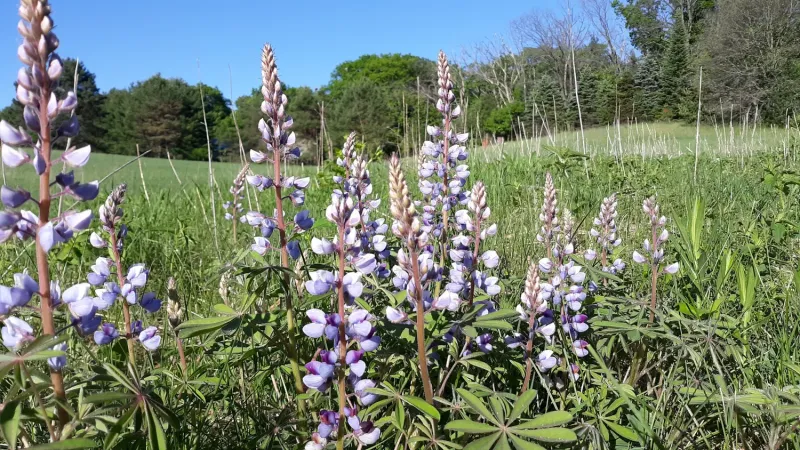
Sandy, open ground is not a common landscape in the state, but where it exists, wild lupine sometimes grows. Lupinus perennis is a native wildflower confirmed by ODNR as occurring in Ohio, though it is considered rare in the state.
It is associated with specific sandy, well-drained, open habitats that have become limited across the landscape. This plant does not grow just anywhere, and that specificity is exactly what makes it vulnerable.
Wild lupine is the only known larval host plant for the Karner blue butterfly, a federally endangered species listed by the U.S. Fish and Wildlife Service.
When lupine habitat is lost to development, shaded by encroaching shrubs and trees, or degraded by invasive plants, the Karner blue loses critical habitat. It also loses the one plant it needs to complete its life cycle.
Ohio has documented very limited populations of both the plant and the butterfly, making habitat protection especially urgent in remnant sandy areas.
Wild lupine is not a plant for typical garden beds. It needs specific soil and sun conditions that most yards cannot provide.
Do not attempt to collect it from wild areas under any circumstances. If you manage open sandy land in an area where lupine historically occurred, consult ODNR or a local conservation organization before making habitat changes.
Protecting remnant open sandy habitats is one meaningful action for this specialist native plant. Reducing woody encroachment and avoiding soil disturbance in known lupine areas matter too.
6. Letting Golden Ragwort Vanish Leaves Bare Shade Behind
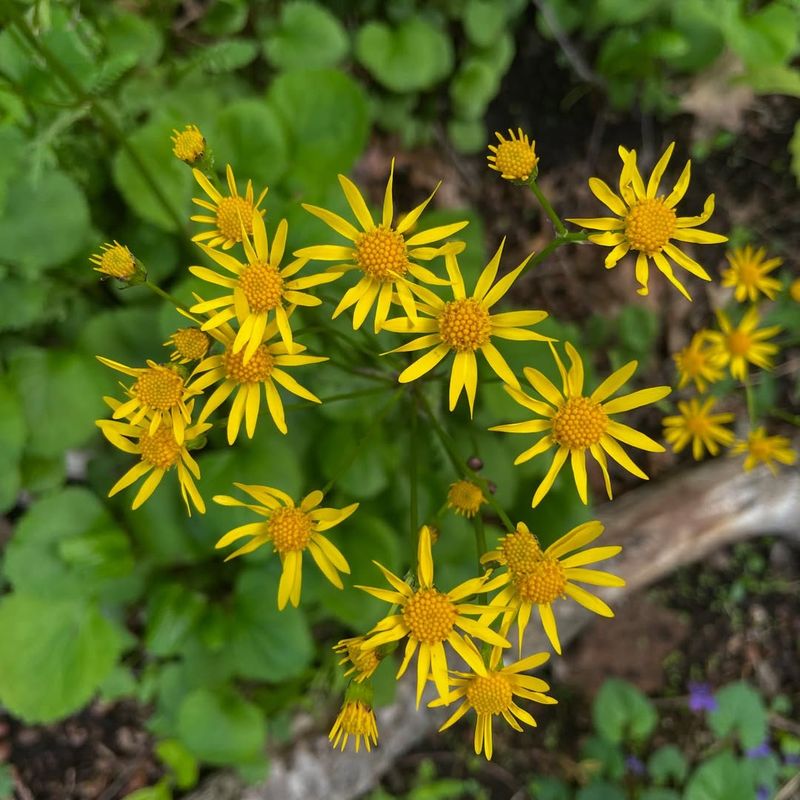
Shaded spots under trees can go bare fast when native ground-layer plants are removed or crowded out. Golden ragwort, Packera aurea, is a native perennial confirmed by ODNR and botanical garden sources.
It occurs naturally in moist, partly shaded, and woodland-edge habitats across the state. It produces cheerful yellow flowers in spring and forms a low, spreading mat of foliage that covers soil through much of the growing season.
Ground-layer plants like golden ragwort do important work that is easy to overlook. They hold soil in place, reduce erosion on slopes, and support early-season insects.
They also compete against invasive plants like garlic mustard and lesser celandine that move quickly into bare or disturbed shaded ground. v
Golden ragwort is not a rare plant statewide, but it can vanish from over-managed or heavily altered landscapes where its seasonal needs are not met.
Letting it complete its spring growth cycle before cutting back or mulching gives it the best chance to spread naturally.
Reduce unnecessary cleanup in shaded native areas. Use nursery-propagated golden ragwort in moist shade gardens, rain garden edges, or wooded slopes where it fits the site.
Pairing it with other native groundcovers builds a more resilient layer that is harder for invasive plants to penetrate over time.
7. Crowding Out Native Asters Weakens Fall Pollinator Food
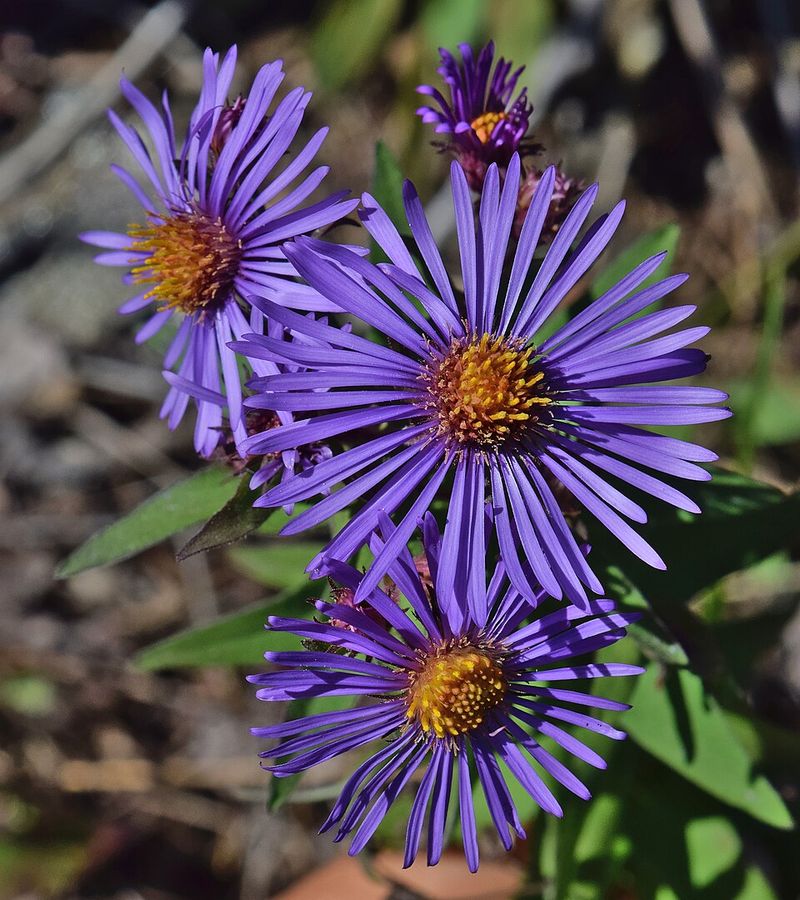
Late September and October can feel like the last buffet of the season for many insects still active in the landscape. Native asters are one of the most important parts of that fall food supply.
Several aster species are native to Ohio, including New England aster, Symphyotrichum novae-angliae. Smooth blue aster, Symphyotrichum laeve, is also confirmed as native by ODNR and botanical garden sources.
These plants bloom when many other flowers have already finished for the year.
Native asters can be pushed out of the landscape when roadsides and field edges are mowed in late summer or early fall before plants have a chance to flower. Invasive plants also compete with asters for space in open and semi-open habitats.
Excessive fall cleanup in yards removes both flowers and overwintering habitat for insects. That includes cutting back all stems and seed heads right after the first frost.
Leaving some native aster stems and seed heads standing through late fall and into early winter supports both late pollinators and birds that feed on seeds.
Plant native asters in sunny to partly sunny spots with good drainage, choosing species that match your site.
Nursery-propagated native asters are widely available from reputable sources. Cutting back in early spring rather than fall is a simple habit change that makes a real difference for the insects finishing out the season in your yard.
8. Protecting Small Patches Keeps The Whole Landscape Alive
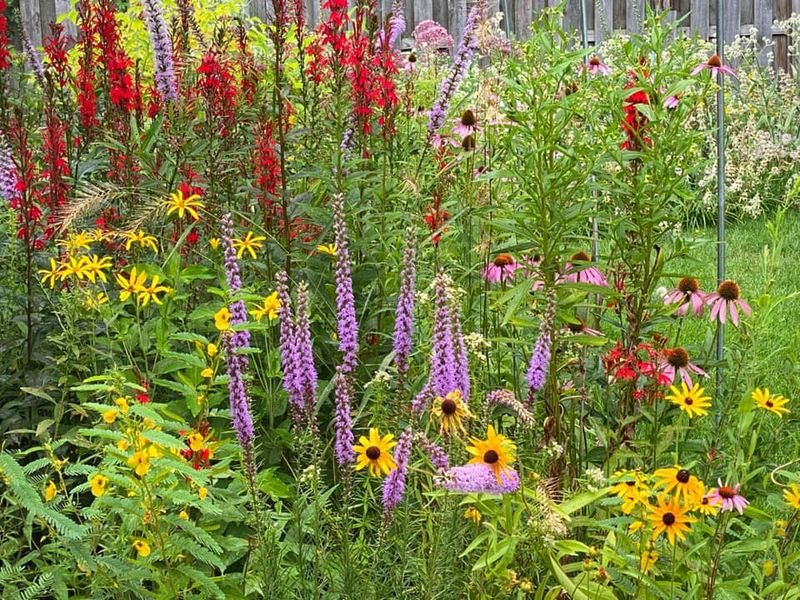
Large nature preserves do vital conservation work, but they cannot do it alone. Small patches of native plants in yards, school gardens, church grounds, community parks, rain gardens, and woodland edges add up.
They become meaningful when they are chosen and managed with care. Each patch provides a stepping stone for insects, birds, and other wildlife moving through a fragmented landscape.
Learning which plant communities naturally belong in your part of the state helps you make better planting choices. Northern, southern, and central regions of Ohio have different native plant communities shaped by soil type, moisture, and historic land cover.
ODNR and OSU Extension both offer guidance on native plant selection by region and habitat type. Buying nursery-propagated native plants from reputable sources protects wild populations and gives your plantings the best start.
Removing invasive plants responsibly and reducing unnecessary mowing are practical habits that support native plant persistence. Protecting low and wet spots and letting some seed heads and stems remain through winter help too.
No single plant or single yard fixes what has been lost across the broader landscape. When more people make space for native plants in the places they manage, the benefits spread.
The insects, birds, soil organisms, and seasonal rhythms that depend on those plants have a better chance of holding on. The landscape stays alive, one small patch at a time.