The Best Palms For Pennsylvania With A Tropical Look And Better Cold Tolerance
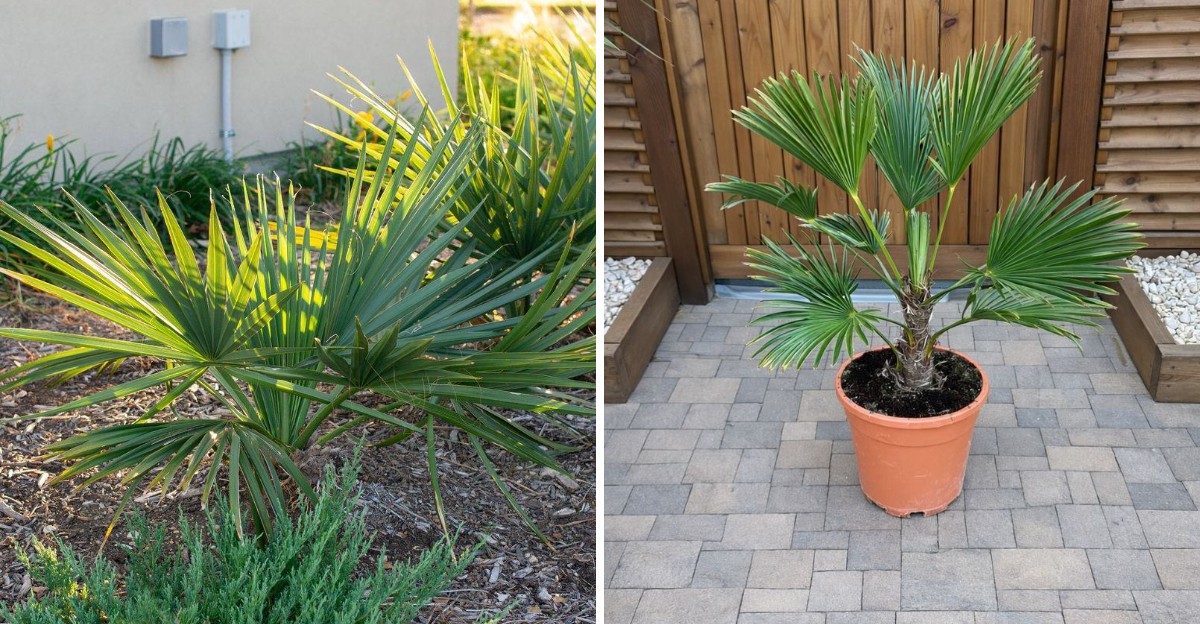
Some palm trees can survive brief dips below zero. That might sound hard to believe, but a few tough species have been quietly thriving in gardens much farther north than most people expect.
For Pennsylvania gardeners, that opens the door to something fun. A palm tucked beside the patio, swaying near the pool, or anchoring a sheltered corner can instantly give your yard a getaway feel.
Snow on palm fronds might look a little strange, but it’s a sight more people are starting to enjoy.
The key is choosing the right type. Most palms sold at big-box stores come from warm climates and won’t last through a Pennsylvania winter.
The hardiest ones, however, can handle cold snaps, icy winds, and the occasional snowstorm, especially with a well-chosen spot and a bit of extra protection.
With the right pick, your tropical dream may be more realistic than you think.
1. Needle Palm
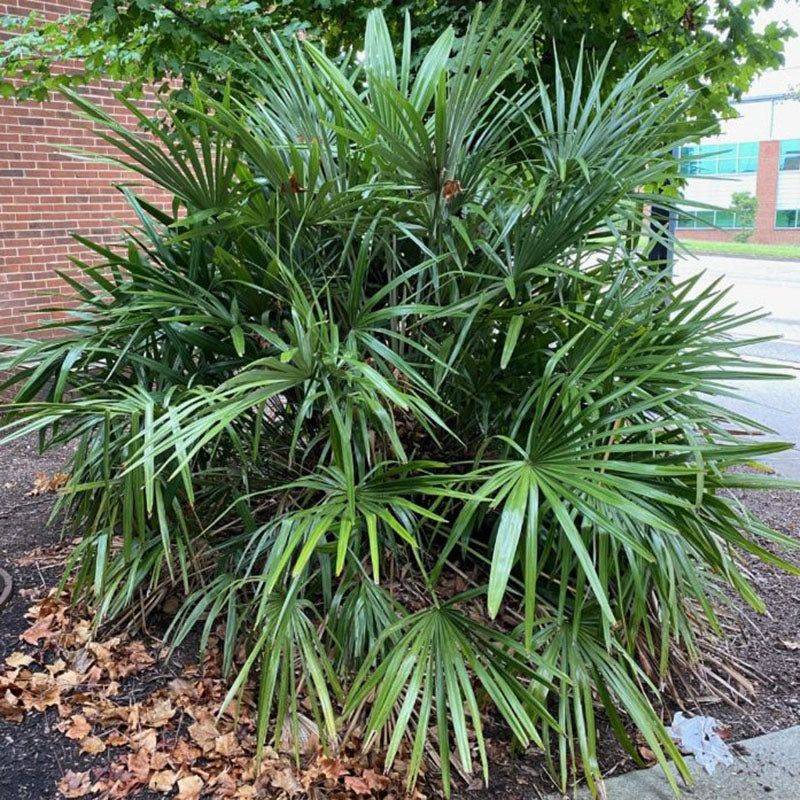
Few palms on Earth can match the grit of the needle palm. Many experts call it one of the most cold-hardy palms in the world. Established plants have been known to survive temperatures well below zero.
The needle palm grows low and bushy instead of tall. Its fan-shaped leaves are deep green on top and a little silvery underneath. Over time, it forms a wide clump that can reach about four to six feet tall and just as wide.
Watch your fingers, though. Sharp, long needles poke out from around the base of the plant. In the wild, they help protect the palm’s growing center from hungry animals. In your yard, they mean you should plant it away from walkways where kids or pets play.
Location matters a lot in Pennsylvania. Pick a sheltered spot that blocks harsh winter winds.
A place near the south or east side of your house works well. The warmth from the building helps keep the plant cozy on bitter nights.
Winter mulch is your best friend here. Pile a thick layer of shredded leaves or straw around the crown in late fall. The crown is the heart of the plant, so keeping it safe is the main goal.
Needle palms grow slowly, so be patient. They enjoy partial shade and moist, well-drained soil. Water them deeply during dry summer spells, especially the first two years.
Fun fact: this palm is native to the southeastern United States. It grows wild in shady forests from Florida up into South Carolina. That forest background is why it handles shade so well in your garden.
2. Dwarf Palmetto
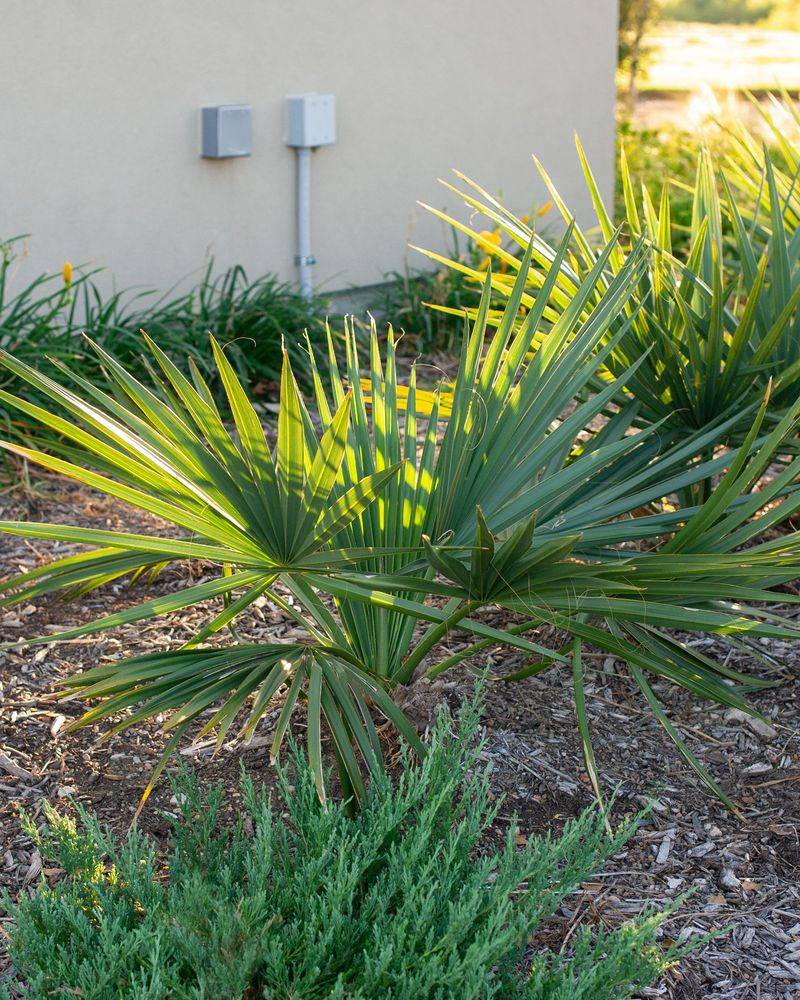
Ever heard of a palm from Oklahoma? It sounds strange, but one of the toughest palm selections around came from there. That plant is a type of dwarf palmetto called ‘McCurtain’.
Dwarf palmetto is a low palm with no visible trunk. Its trunk actually grows underground, which helps protect it from freezing air. Above the soil, you will see stiff, fan-shaped leaves that can look green or even a bit blue.
The plant is native to the southeastern United States. It grows in swamps, forests, and river bottoms. Because it spreads over such a wide area, some groups of plants have learned to handle colder weather than others.
Your Pennsylvania Garden Changes Every Week. Your Plan Should Too.
Gardening in Pennsylvania changes quickly throughout the season. Every Friday you’ll receive a simple weekly plan showing exactly what to plant, prune, fertilize, harvest, and protect so you never miss the right timing.
That is where ‘McCurtain’ shines. It was found growing wild in McCurtain County, Oklahoma, where winters can get pretty rough. Gardeners in colder places love it because it often bounces back after snowy, frozen weeks.
Other cold-hardy picks exist too. Look for plants grown from northern seed sources when shopping. Ask your nursery where their stock came from before buying.
Dwarf palmetto usually grows three to five feet tall. It fits nicely in small yards, foundation beds, and along patios. You can also mix it with ferns and hostas for a jungle feel.
Plant it in full sun to part shade. It handles wet soil better than many palms, so a low spot in your yard may be just fine. Still, avoid places where water sits for weeks in winter.
Give it a blanket of mulch each fall during its first few years. Once settled, it becomes quite tough. Old brown leaves can be trimmed in spring to keep it looking neat.
3. Windmill Palm
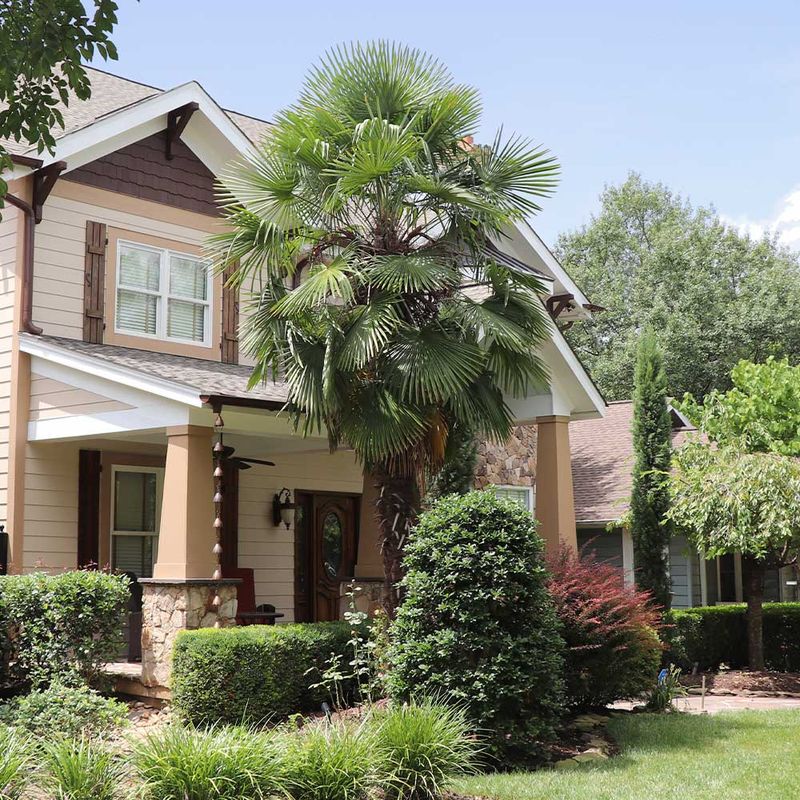
Walk through a garden center in spring, and you may spot a palm with a shaggy brown trunk. That fuzzy fellow is likely a windmill palm. It is one of the most popular cold-hardy palms in the world.
The windmill palm grows a single, upright trunk. Thick, hairy fibers wrap around it like a cozy sweater. On top sits a crown of wide, fan-shaped leaves that sway in the breeze.
Here is the good news. Windmill palms can handle short dips into the single digits. That makes them a real option for warmer parts of Pennsylvania, like the Philadelphia area and the southeast.
Now for the honest part. Our winters can bring long cold snaps that test even this tough palm. Most windmill palms here need some winter protection to stay healthy.
Wrapping is the most common method. When a deep freeze is coming, tie the leaves upward gently.
Then wrap the trunk and crown in frost cloth or burlap. Some gardeners add outdoor-safe string lights under the wrap for extra warmth.
Remove the wrap once the cold passes. Leaving it on too long can trap moisture and cause rot. A dry crown is a happy crown.
Plant your windmill palm in spring so it has all summer to settle in. Choose a spot shielded from strong north winds. Well-drained soil is a must, since soggy roots in winter can cause trouble.
With good care, it can slowly reach ten to twenty feet tall. Few plants say summer vacation quite like it. Your neighbors may do a double take when they walk by.
4. Waggie Windmill Palm
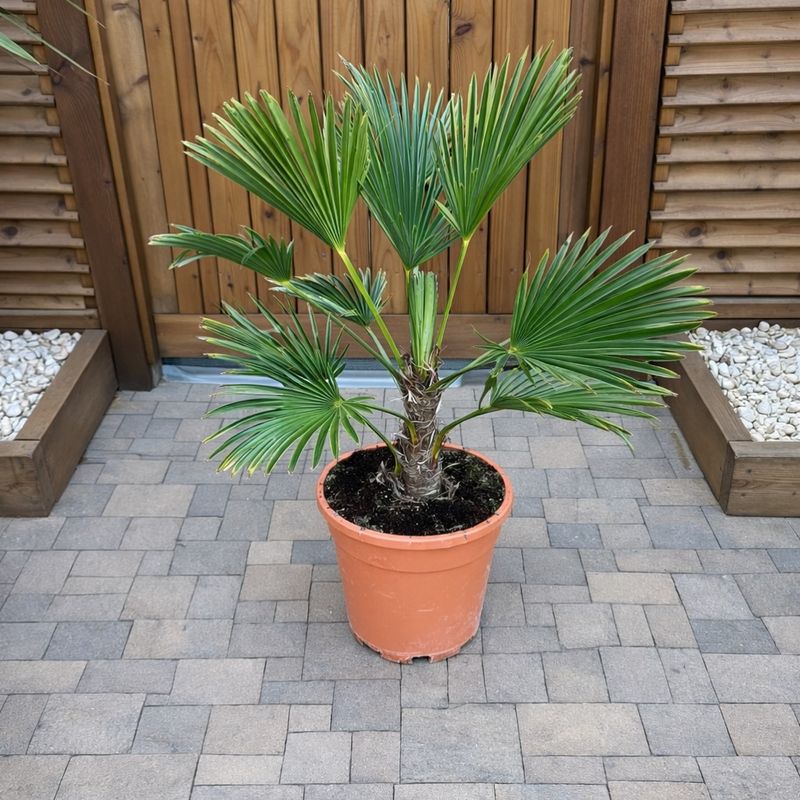
Think of the Waggie as the windmill palm’s neat little cousin. It looks a lot like its famous relative, just tidier. Many gardeners say it has a cleaner, crisper style.
The biggest difference is in the leaves. Waggie leaves are smaller and much stiffer. They stick out firmly instead of drooping, which gives the plant a sharp, sculpted look.
Those sturdy leaves come with a real perk in Pennsylvania. They hold up better against strong winds that can shred bigger fronds. They also handle the weight of snow without bending or snapping as easily.
Cold tolerance is about the same as the regular windmill palm. It can take brief drops into the single digits. During long freezes, it still needs a protective wrap or frost cloth.
So who should pick a Waggie? It works great for people with smaller yards or tight spaces. A sheltered courtyard, a corner by the garage, or a spot near the front steps can all be good homes.
Its compact size also makes winter care easier. Wrapping a shorter, tidier palm takes less time and fewer supplies. You won’t need a tall ladder either.
Give it well-drained soil and a mix of sun and light shade. Water it regularly in summer, but let the top inch of soil dry out between drinks. Skip fertilizer after midsummer so new growth can toughen up before fall.
Fun tidbit: the name Waggie comes from Wagner, a palm collector linked to its early history. Some people even grow it in large containers. That way, it can roll into a garage during the harshest weeks.
5. ‘Birmingham’ Sabal Palm
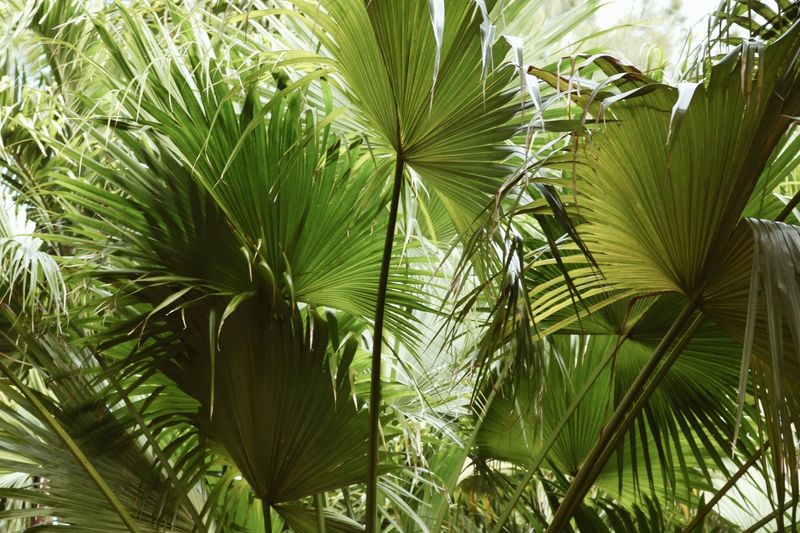
If you want drama, the ‘Birmingham’ sabal palm brings it. Its leaves are big, wide fans that can stop people in their tracks. Few cold-hardy palms look this boldly tropical.
The plant is a hybrid sabal palm. It was named after Birmingham, Alabama, where the original tree was found growing. People noticed it handled cold far better than most palms in its group.
Reports say established plants can tolerate temperatures near 0 degrees Fahrenheit. That is impressive for a palm with such large leaves. Still, results can vary, so treat it as a fun experiment.
Where should you try it? Stick to the mildest parts of Pennsylvania. Southeast areas, city gardens, and spots with warm microclimates give it the best chance.
A microclimate is a small area that stays warmer than its surroundings. Think of a nook beside a sunny brick wall or a yard surrounded by buildings. These places can be several degrees warmer on cold nights.
Patience is a must with this palm. It grows very slowly, especially when young. It may spend years building roots before forming a trunk.
Plant it in full sun with soil that drains well. Mulch heavily each fall, and cover it with frost cloth during very cold weather for its first few winters. Young palms are more delicate than older ones.
Keep a little notebook of how it does each year. Write down the lowest temperatures and how the leaves looked afterward.
Other gardeners love hearing these stories, and your notes might help someone else succeed. Growing a ‘Birmingham’ up north is a small adventure worth sharing.
6. Mediterranean Fan Palm
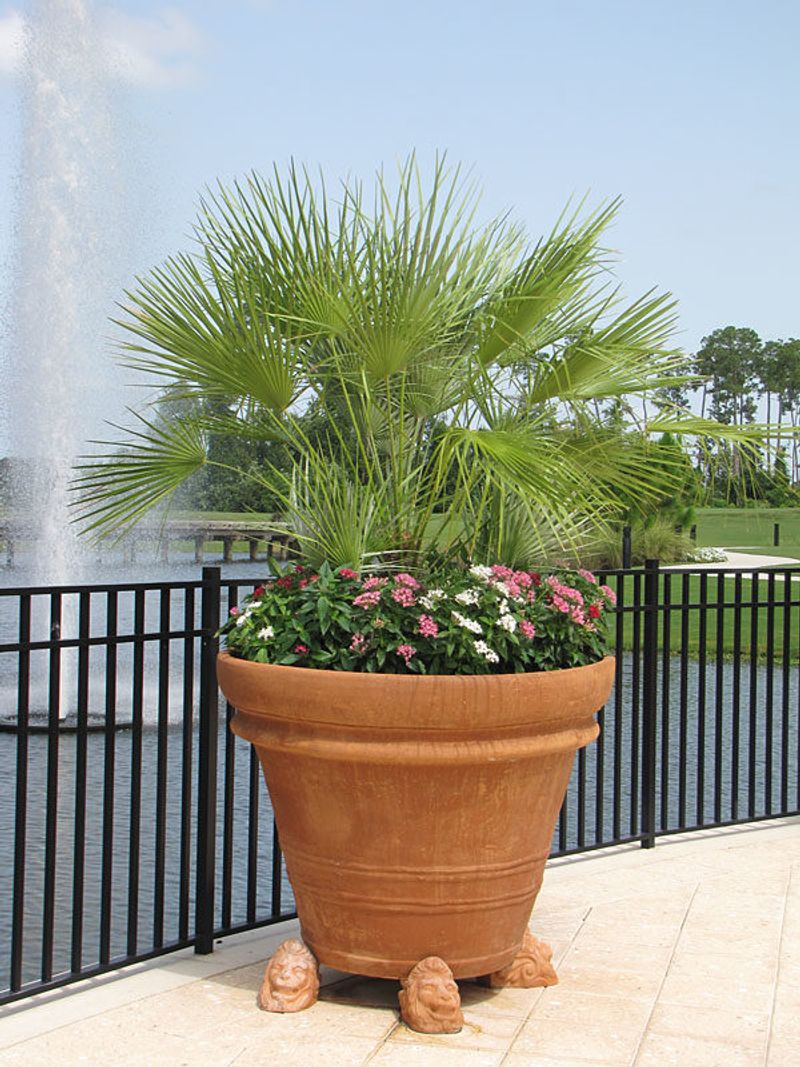
Some palms like to stay put, but this one loves a road trip. The Mediterranean fan palm spends summer outside and winter indoors. It’s the perfect choice for gardeners who enjoy moving plants around.
This palm grows in clumps, with several stems rising from the base. Its fan-shaped leaves come in shades from bright green to silvery blue-green. The silvery types look especially stunning next to colorful flowers.
In the wild, it grows around the Mediterranean Sea. You can find it in Spain, Italy, and parts of North Africa. It is actually one of only two palms native to Europe.
Here is the catch for Pennsylvania. It is less cold-hardy than the other palms on this list. Leaving it outside all winter is usually too risky.
That’s why a container makes so much sense. The palm grows slowly, so it can live happily in a pot for many years. Choose a large container with drainage holes and fill it with a gritty potting mix.
Set it on a sunny deck or patio once spring frosts are over. It loves heat and bright light. Water when the top couple of inches of soil feel dry.
When fall nights start dipping near freezing, bring it inside. A cool, bright spot works best, such as an unheated sunroom or a bright garage window. Temperatures around 40 to 50 degrees keep it resting nicely.
Water less often during winter, since growth slows down. Watch the stems as you move it, because they have small spines. A pair of thick gloves and a plant dolly will make the yearly trip much easier.