The Green Clumps In Alabama Treetops Are About To Be Revealed By Falling Leaves
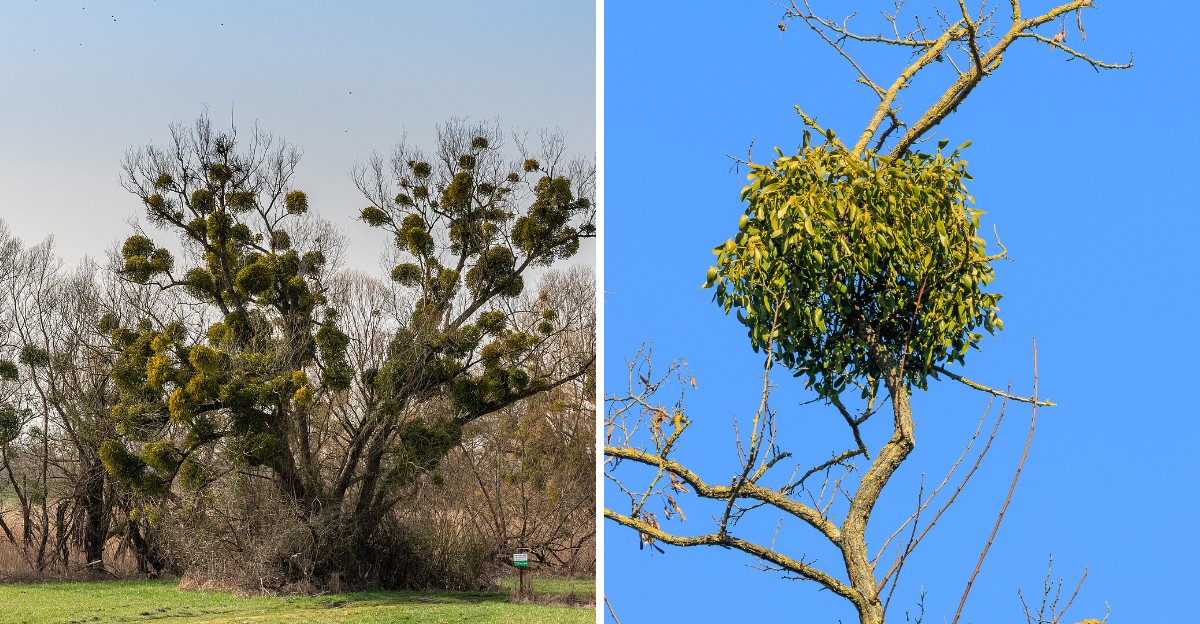
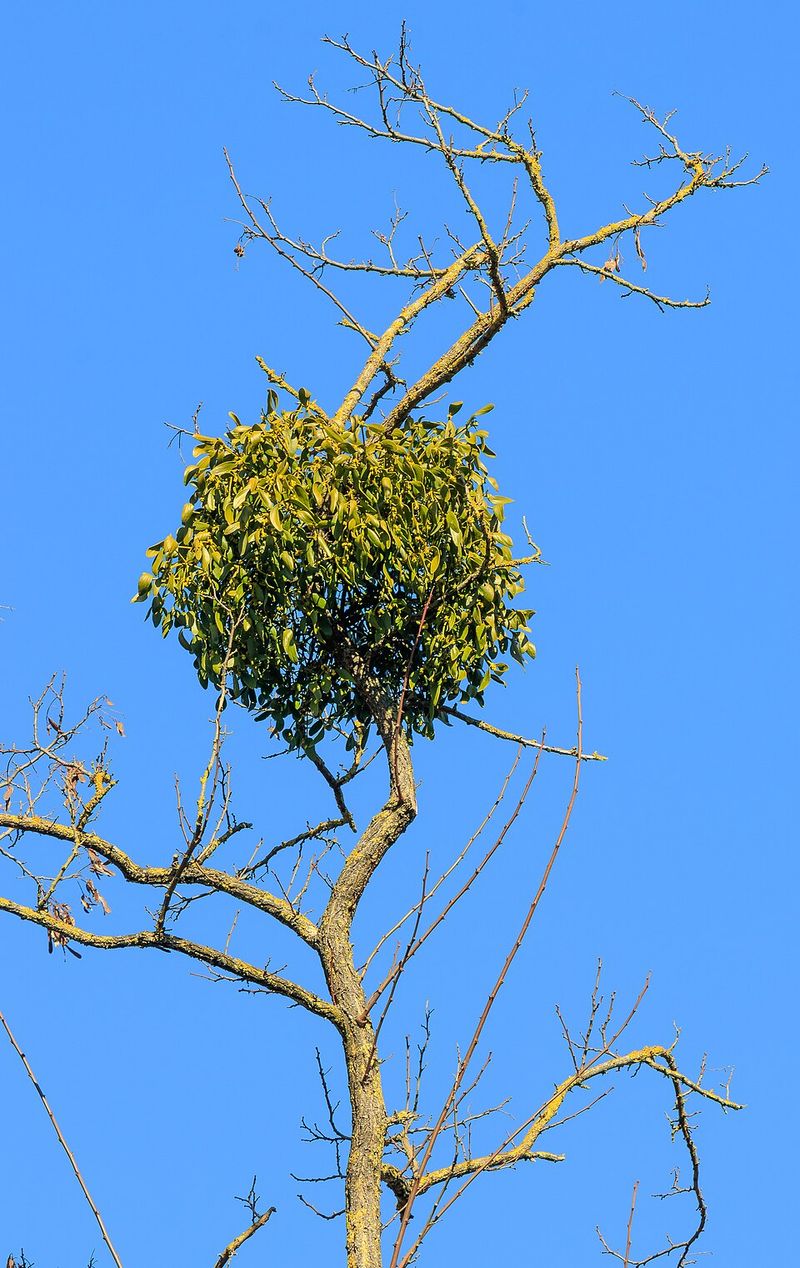
Why do green clumps cling to bare branches high above you? Look up across Alabama this October and you spot them in oaks and pecans.
Summer leaves hid them from you, but each breeze now strips away cover. Many of you guess squirrel nests, and squirrels have declined to comment.
Wrong guess. You are looking at mistletoe, a plant that lives on branches. Its rootlike threads sink into the wood and draw water and minerals from your tree.
Leathery leaves stay green through winter, so Alabama clumps stand out once branches empty. Birds spread it through sticky seeds left on branches.
Knocking off the leafy top leaves the hidden threads inside the branch. Cut the branch well below the clump to remove those threads. Berries are toxic to people and pets, so keep them out of reach. Wear sturdy gloves.
A Plant Called Mistletoe Living On Your Trees
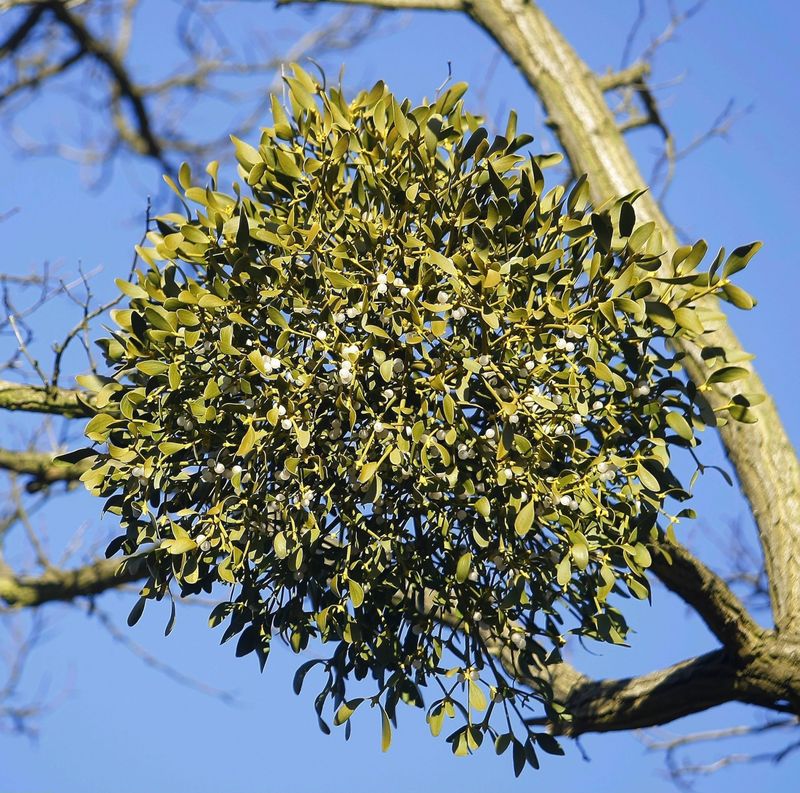
Those green balls in the branches are mistletoe, a plant that lives on trees instead of in soil. In Alabama, the most common kind is called oak mistletoe.
Mistletoe is a parasite, which means it draws water and nutrients from its host. It sends rootlike parts into the branch and pulls out water and minerals.
Still, mistletoe makes some of its own food using sunlight. Its thick, leathery leaves stay green all year long.
Many people see it only around the holidays, tied with a red ribbon. Out in the yard, it looks wilder and much bigger.
A single clump can grow two or three feet wide. From the ground, it can look like a messy bird nest or a broom.
Oaks, pecans, hackberries, and maples are favorite hosts across the state. Water oaks, hackberries, and red maples seem to collect it often.
The plant grows slowly at first, taking years to become noticeable. By the time you spot it, it has likely been there a while.
So that mystery in your tree is not a fungus or a nest. It is a living plant sharing space with your tree, whether invited or not.
Knowing what it is gives you a head start. Next, you can decide whether it is a problem worth tackling.
Autumn Leaf Drop And The Big October Reveal
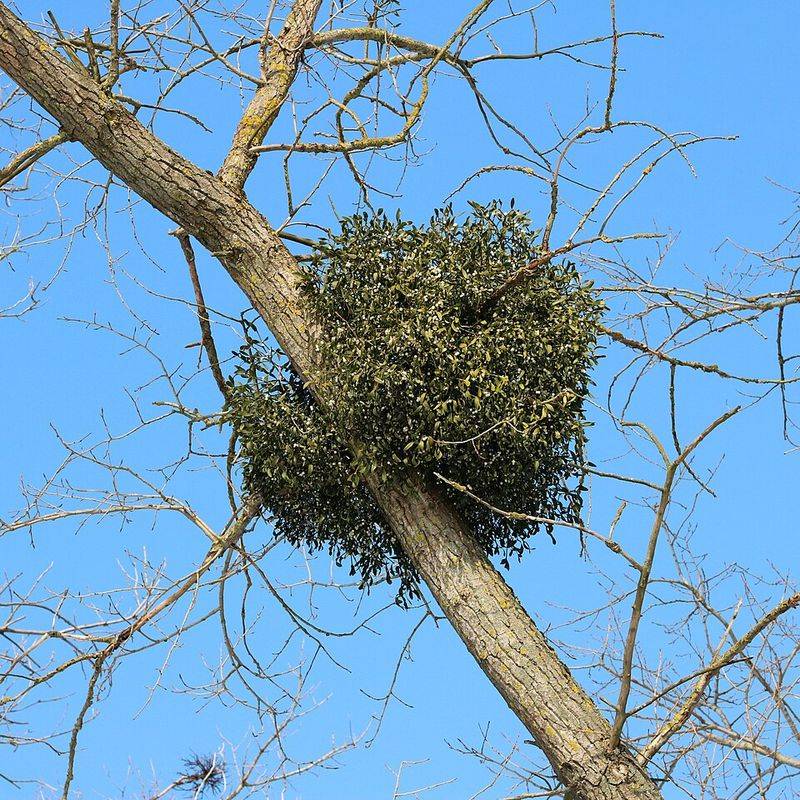
Picture a magician pulling a cloth off a hidden trick. Fall does that same thing to mistletoe each year.
From spring through summer, tree leaves form a thick green ceiling. Mistletoe blends right in, so nobody notices it.
October changes the scene in Alabama. Cooler nights signal oaks, maples, and pecans to start dropping their leaves, though many oaks hold theirs into November.
Mistletoe does not follow the same schedule. It is evergreen, so it keeps its leaves through winter.
As the branches go bare, the bright green clumps pop out like lights. By December, some trees look decorated with dozens of them.
This season is the easiest time to count clumps on your property. Grab binoculars and take a slow walk around your yard.
Your Alabama Garden Changes Every Week. Your Plan Should Too.
Gardening in Alabama changes quickly throughout the season. Every Friday you’ll receive a simple weekly plan showing exactly what to plant, prune, fertilize, harvest, and protect so you never miss the right timing.
Write down which trees have mistletoe and roughly how many clumps. Mark each tree on a rough sketch of your property so you can compare notes next autumn.
A simple notebook or phone photo works fine. Photograph each clump from the same spot, and you can track its growth year after year. Label photos with dates.
Pay attention to the size of each clump too. Small ones are newer, while big bushy ones have been feeding for years.
Late fall also brings white berries on many plants. Berries form only on female plants, so male clumps stay bare of them.
Those berries mean the mistletoe is ready to spread. This is a good season to survey your trees. Bare branches show you where to look.
Birds, Sticky Berries, And The Spread Of New Clumps
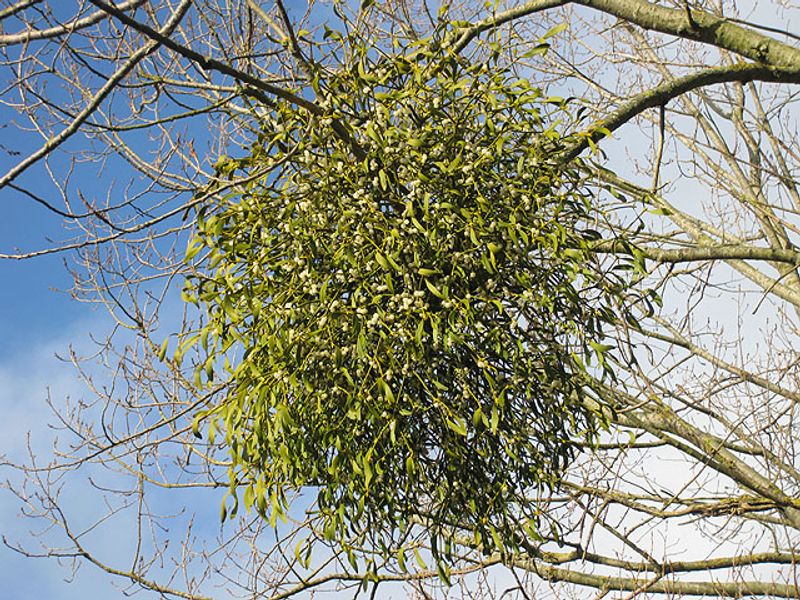
Birds spread mistletoe, and they do it through their droppings. Mistletoe berries are white, round, and filled with a gooey pulp. The berries are toxic to people and pets, so keep them out of reach. Bluebirds, cedar waxwings, and robins love snacking on them.
The seeds pass through the bird and stay sticky. When the bird lands on a branch, the seed often glues itself right there.
Some birds also wipe their beaks on bark to clean off the goo. That simple habit plants a seed too.
Once stuck, the seed sprouts and pushes into the bark. Within a few years, a tiny new clump appears.
The name mistletoe may even come from old words meaning dung on a twig. Not very romantic for a holiday kissing plant.
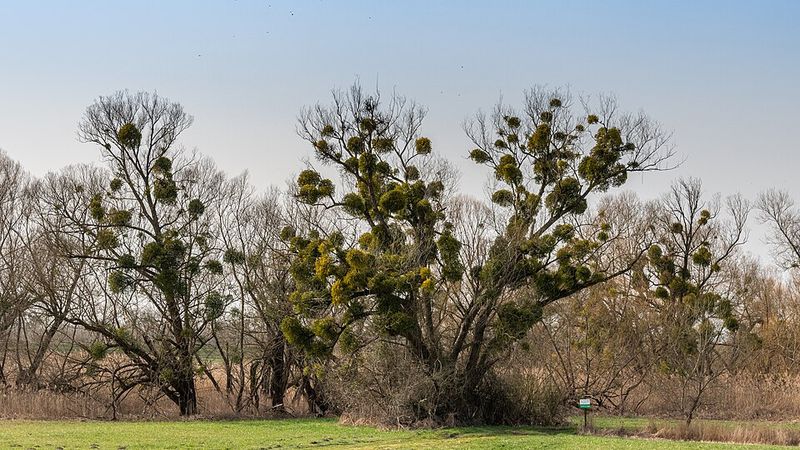
Because birds roost in favorite trees, clumps tend to gather together. One infested tree can become a seed source for the whole block.
Tall, sunny trees at the edge of yards are most affected. Birds like perching there to look around.
Removing berry-heavy clumps before winter can slow the spread. Fewer berries means fewer sticky seeds traveling to new branches.
Watching birds feed on mistletoe can be lovely. Just know that some visits may plant next year’s crop.
The Mistake Of Removing Only The Leaves
Grabbing a pole and knocking off the green part feels satisfying. Sadly, the plant usually comes right back.
Mistletoe hides its real power inside the branch. Those rootlike threads, called haustoria, stay alive under the bark.
When you only remove the leafy top, the inside part keeps growing. New shoots often sprout from the same spot within a year or two.
Some homeowners repeat this each winter and feel frustrated. They are trimming the top, not fixing the problem.
Another mistake is climbing tall trees without proper gear. Mistletoe often grows high in the canopy, far beyond a safe ladder height.
Shooting clumps down with a gun is a long-standing folk practice too. It is risky, may be illegal under local ordinances, and still leaves the roots behind.
Some people also spray random weed sprays into trees. That can harm the host tree more than the mistletoe.
Topping trees, or chopping off their whole crowns, causes even more trouble. It stresses the tree and invites decay.
A better approach is pausing before acting. Look at where each clump sits and how large the branch is.
Plan your approach so you remove the hidden parts too. A little patience now saves years of repeat work.
Pruning Cuts That Remove Mistletoe More Effectively
Think of mistletoe removal like trimming a bad spot from an apple. You cut a little extra to get it all.
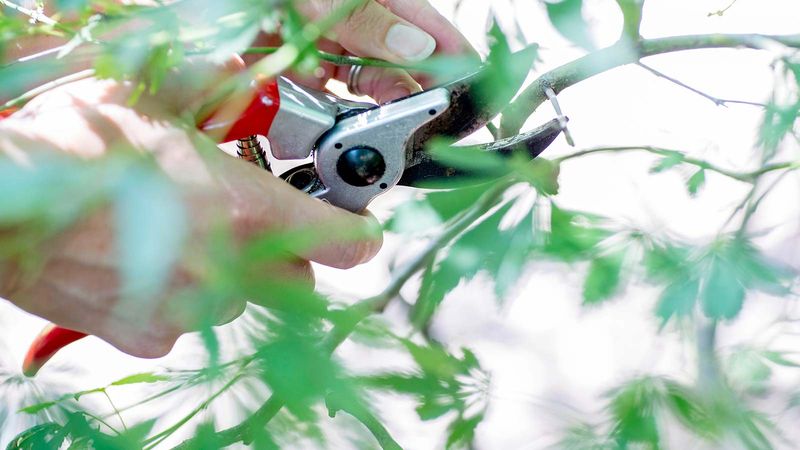
Cut the branch at least one foot below the clump. That distance usually catches the hidden threads inside.
If that cut lands near the trunk, cut just outside the branch collar, the swollen ring where the branch meets the trunk. Trees heal best when this collar stays in place.
Use clean, sharp tools like loppers or a pole saw. Ragged cuts heal slowly and let pests move in.
Late fall and winter are great times to prune. You can see clumps clearly, and many tree pests are less active.
Sometimes the mistletoe sits on a trunk or main limb. Cutting there could badly hurt the tree, so try another plan.
In those spots, remove the green growth and wrap the area with black plastic. Blocking sunlight can limit the plant’s growth over time, though results vary.
Check back the next year for any new sprouts. Repeat as needed until the area stays clear. For tall trees, calling a certified arborist is the safe choice. They have ropes, harnesses, and know where to cut.
Paying a pro may cost more upfront. Yet it protects your tree and keeps you off a wobbly ladder.
Healthy Trees And A Long-Term Plan For Managing Mistletoe
A strong tree is like a kid who eats veggies and sleeps well. It handles trouble far better than a stressed one.
A few mistletoe clumps rarely bring down a healthy oak. The real trouble comes when clumps pile up year after year.
Heavy infestations drain water during hot, dry Alabama summers. Branches can weaken, thin out, and eventually break.
Deep watering during droughts helps trees stay strong. Soak the soil slowly around the drip line every week or two.
Spread mulch two to four inches deep in a wide ring. Keep it a few inches away from the bark.
When planting new trees, pick types less likely to host mistletoe. Southern magnolia, ginkgo, and many pines are seldom bothered in the state, though junipers and cedars can still host mistletoe.
Inspect your trees each fall when leaves drop. Catching small clumps early makes removal much easier.
Talk with neighbors too, since birds ignore property lines. A shared plan works better than one yard fighting alone.
Mistletoe is not all bad for nature, though. It feeds birds, bees, and butterflies during lean months.
Some folks leave a clump or two on sturdy trees for wildlife. Balance is the goal, not a spotless canopy.
With steady care, your trees can wear their green clumps lightly. Then you can enjoy the holiday sprig while keeping the berries away from children and pets.