Why Ohio Gardeners Should Plant Witch Hazel Before Everyone Starts Thinking About Spring
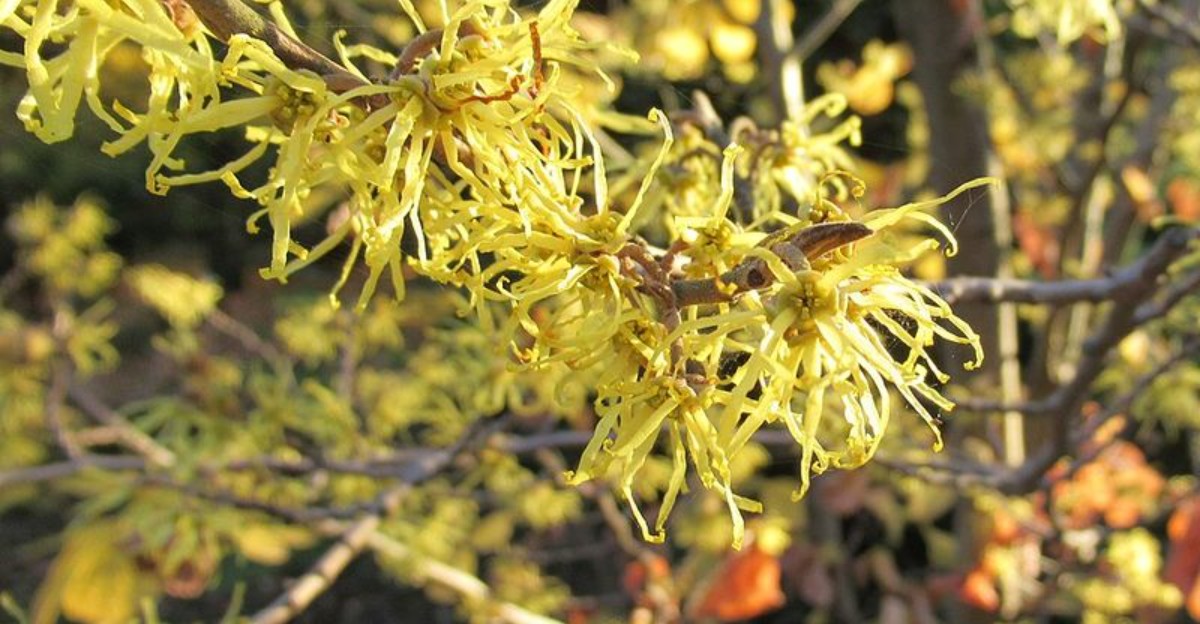
Ohio winters aren’t exactly known for their garden color, but witch hazel refuses to play by the rules. While frost still covers the ground, this unusual shrub can burst into bloom with thin, ribbon-like flowers in shades of yellow, orange, or red.
Some varieties even release a sweet fragrance on milder winter days.
That’s a lot of personality for a plant that rarely gets the attention it deserves. Witch hazel brings something special to the landscape at a time when flowers are scarce and spring still feels miles away.
Fall is a smart time to give this shrub a permanent home in Ohio. The soil often remains workable, and the roots can settle in ahead of next year’s growth.
Choose the right variety, find a suitable spot, and your garden could have an unexpected splash of color long before spring arrives.
1. Common Witch Hazel Is Ohio’s Only Native Witch Hazel
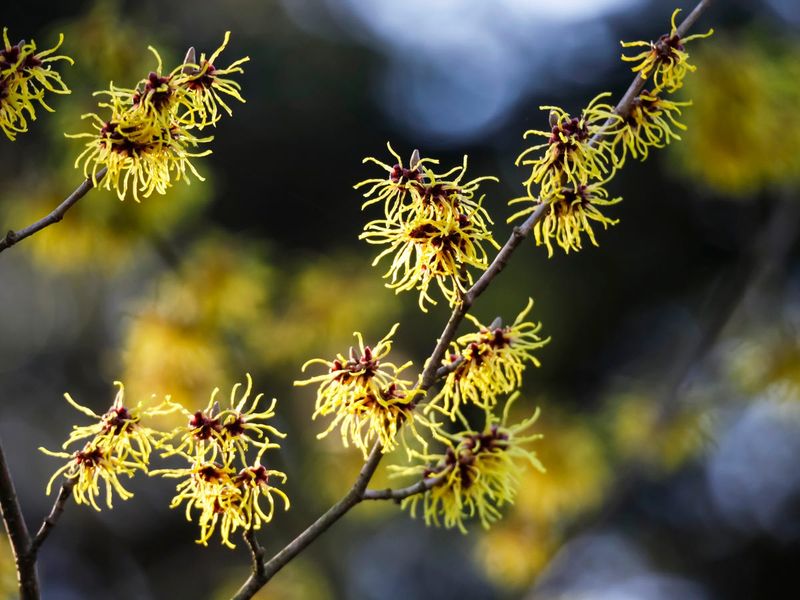
Long before anyone in Ohio planted a lawn, a scruffy little tree was quietly blooming along creek banks and forest edges. Its name is Hamamelis virginiana, better known as common or American witch hazel.
Of all the witch hazel species in the world, it is the only one that grows wild in the state. Cousins like Ozark witch hazel are native to other states, but not to the Buckeye State.
That local history matters more than you might think. A plant that evolved here already knows how to handle harsh winters, clay soil, and summer storms.
Native plants also fit neatly into the local food web. Insects, birds, and small mammals have used this shrub for thousands of years, so it pulls its weight in the backyard.
Here is a fun bit of history for you. Early settlers learned from Native peoples that the bark and leaves could soothe scrapes, which led to the witch hazel lotion sold in drugstores today.
When you shop, read plant tags carefully, because nurseries often sell several kinds side by side. Look for the scientific name Hamamelis virginiana if you want the true native.
Ask at local native plant sales or county soil and water districts too. They often stock young witch hazels at friendly prices each spring and fall.
2. It’s One Of The Last Woody Plants To Bloom Each Year
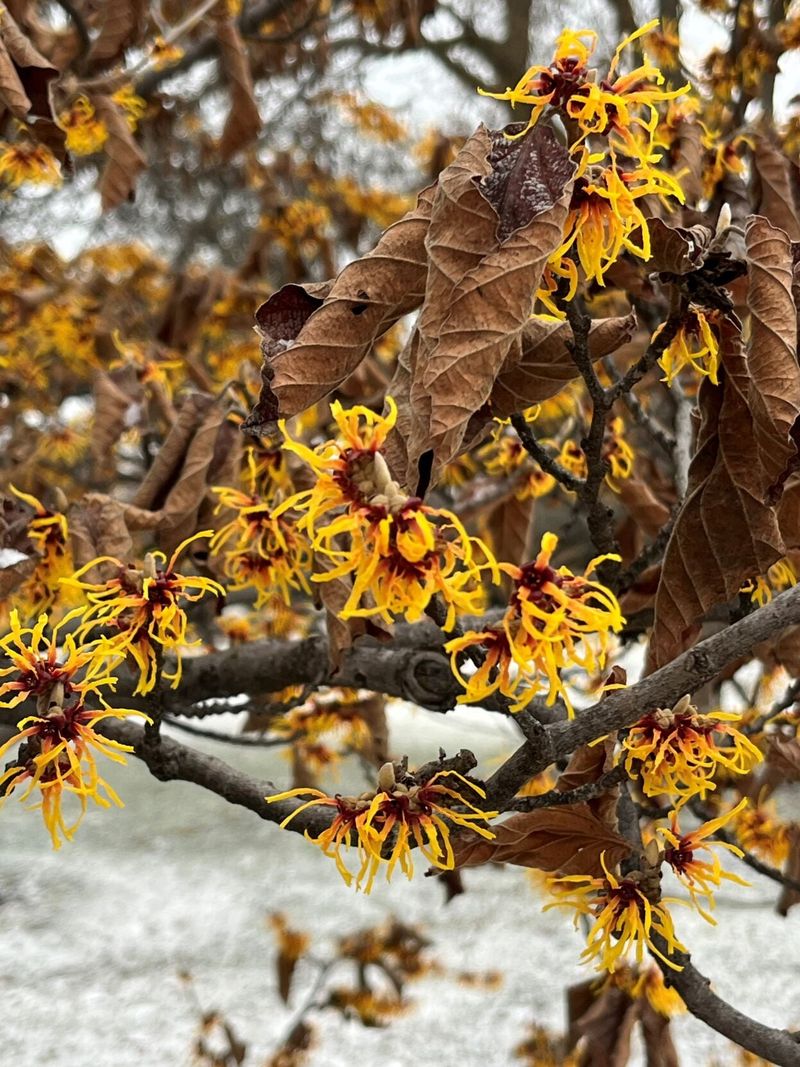
Picture the calendar as a long relay race, with each tree and shrub handing off the flower baton to the next. Common witch hazel runs the final leg, and it does it with style.
Forsythia and redbud start the year in early spring. Lilacs, dogwoods, and hydrangeas carry things through summer, and then the yard seems to wind down.
Just when most plants are heading into their winter rest, witch hazel opens its first flowers. Experts recognize it as one of the final woody plants to bloom each year in North America.
Why does that matter to you as a gardener? It stretches your flower season by weeks without adding any extra work.
Think about the view from your kitchen window in late fall. Instead of bare twigs and brown mulch, you could be looking at a shrub sparkling with fresh color.
Your Ohio Garden Changes Every Week. Your Plan Should Too.
Gardening in Ohio changes quickly throughout the season. Every Friday you’ll receive a simple weekly plan showing exactly what to plant, prune, fertilize, harvest, and protect so you never miss the right timing.
Timing is also the reason to plant soon. Fall is a great season to set new shrubs in the ground in the state, because cool air and warm soil help roots settle in before winter.
If you wait for spring fever to hit, you may find garden centers crowded and picked over. Planting now gives your witch hazel a head start and maybe even a few blooms this year.
That is a pretty good reward for an afternoon of digging.
3. Look For Yellow, Spidery Flowers From October Into November
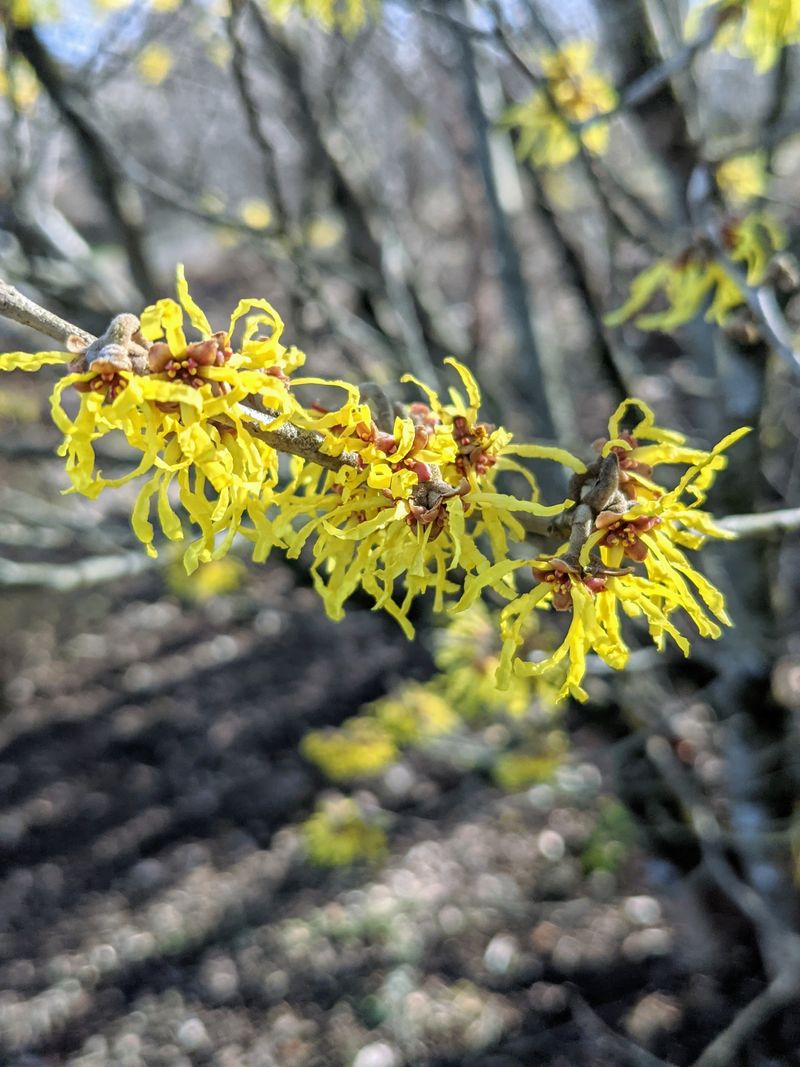
Some people say the flowers look like tiny fireworks frozen in midair. Others think they resemble little yellow spiders or bits of crinkled ribbon.
Each bloom has four narrow, wavy petals that stick out from the center like strips of paper. The flowers are small, but they grow in clusters along the stems, so they add up quickly.
In Ohio, common witch hazel typically blooms from October into December, though the exact timing depends on the weather and growing conditions.
Step closer and you will notice a light, sweet fragrance. It is easy to miss on a windy day, so try sniffing on a calm, sunny afternoon.
Here is a simple tip for spotting them. Walk along a wooded park trail in late October and look at eye level for clusters of pale gold along the twigs.
Once you train your eyes, you may start noticing wild witch hazels everywhere. The state parks with shady ravines are some of the best places to look.
Seeing the plant in the wild can help you decide where to put one at home. Note how big it gets, where the light falls, and how the blooms look against the fall woods.
Then you can bring that same golden glow right into your own yard.
4. Yellow Fall Leaves Can Hide The Blooms
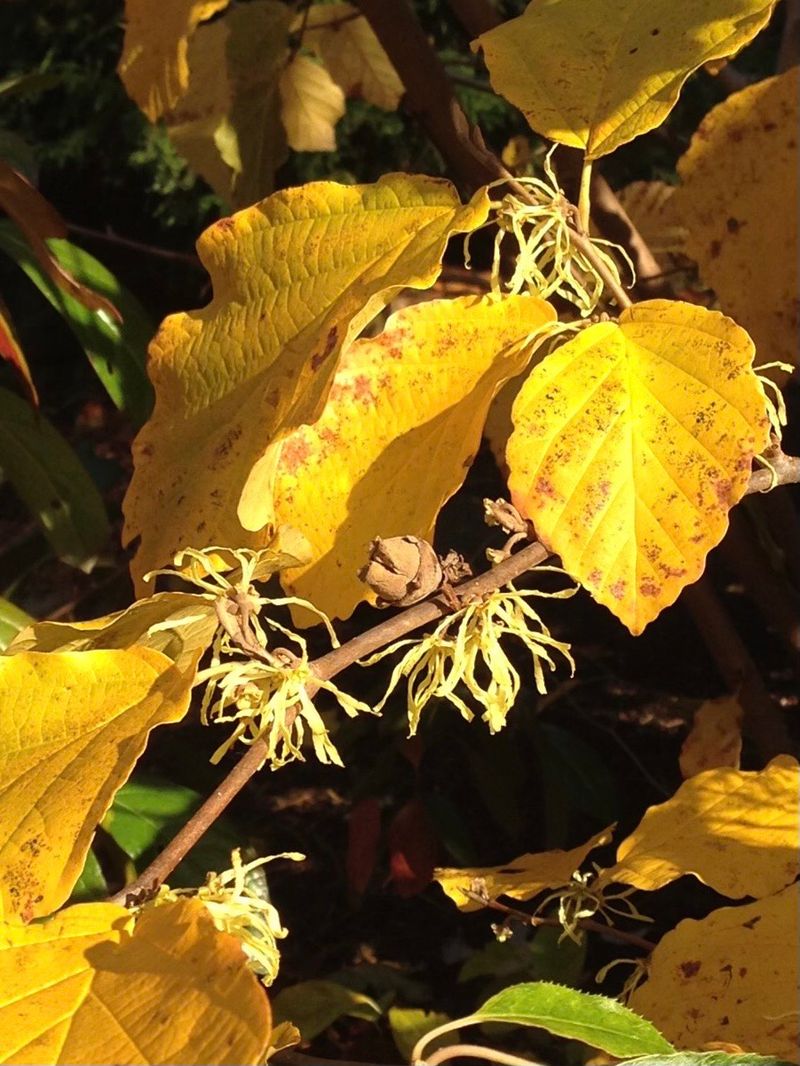
Here is a funny problem only witch hazel could have. Its fall leaves turn a clear, buttery yellow at almost the same time the yellow flowers open.
The result is a bit like a game of hide and seek. From a distance, the whole shrub just looks golden, and the delicate blooms can blend right into the foliage.
Some people plant one, glance at it in October, and wonder where the flowers went. Usually they are right there, tucked between the leaves.
Patience helps a lot here. Once the leaves drop, the flowers often stand out far better against the bare branches.
If you want a showier display, look for a cultivar called Harvest Moon. It is known for flowering after the leaves fall, so the blooms get the stage all to themselves.
Placement makes a difference too. Set your witch hazel in front of a dark backdrop, like an evergreen hedge or a brown fence, so the yellow pops.
You can also plant it near a path or doorway where you pass by often. Up close, the ribbon-like petals are easy to tell apart from the leaves.
Either way, the double dose of gold is hardly a bad thing. Few shrubs give you lovely fall color and flowers in one package.
5. The Flowers Stay Open For Pollinators For Weeks
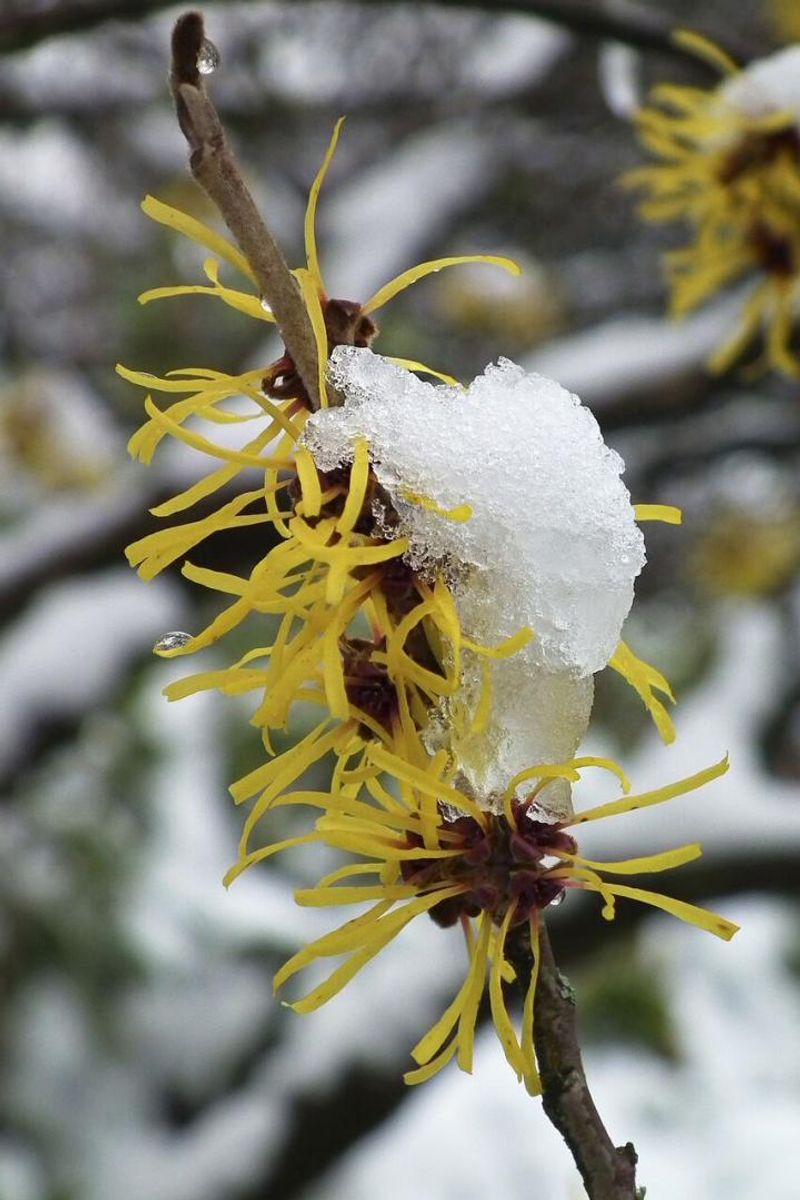
Most flowers are like fireworks, gone almost as soon as they appear. Witch hazel blooms are more like a slow-burning candle.
The flowers can remain on the branches for several weeks, giving the shrub a surprisingly long display. How long they last depends on the weather and growing conditions.
So how does a flower survive frosty Ohio nights? The secret is in those skinny, ribbon-shaped petals.
When the temperature drops, the petals curl up tightly, a bit like a person pulling a blanket over their head. When the sun comes out and the air warms, they slowly unroll again.
That clever trick protects the flower from cold damage. It also means the bloom is ready and waiting whenever a warm spell brings pollinators out.
For gardeners, this long show is a real bonus. You do not have to catch the flowers on one perfect weekend or risk missing them.
Try checking your shrub on a cold morning and again in the afternoon. It is fun to watch the petals change shape as the day warms up, and kids tend to love this little experiment.
A long bloom season also gives you more chances to clip a few stems. A small vase of witch hazel brings a gentle scent indoors during gray weeks.
6. Late-Season Moths, Gnats And Small Bees Visit The Blooms
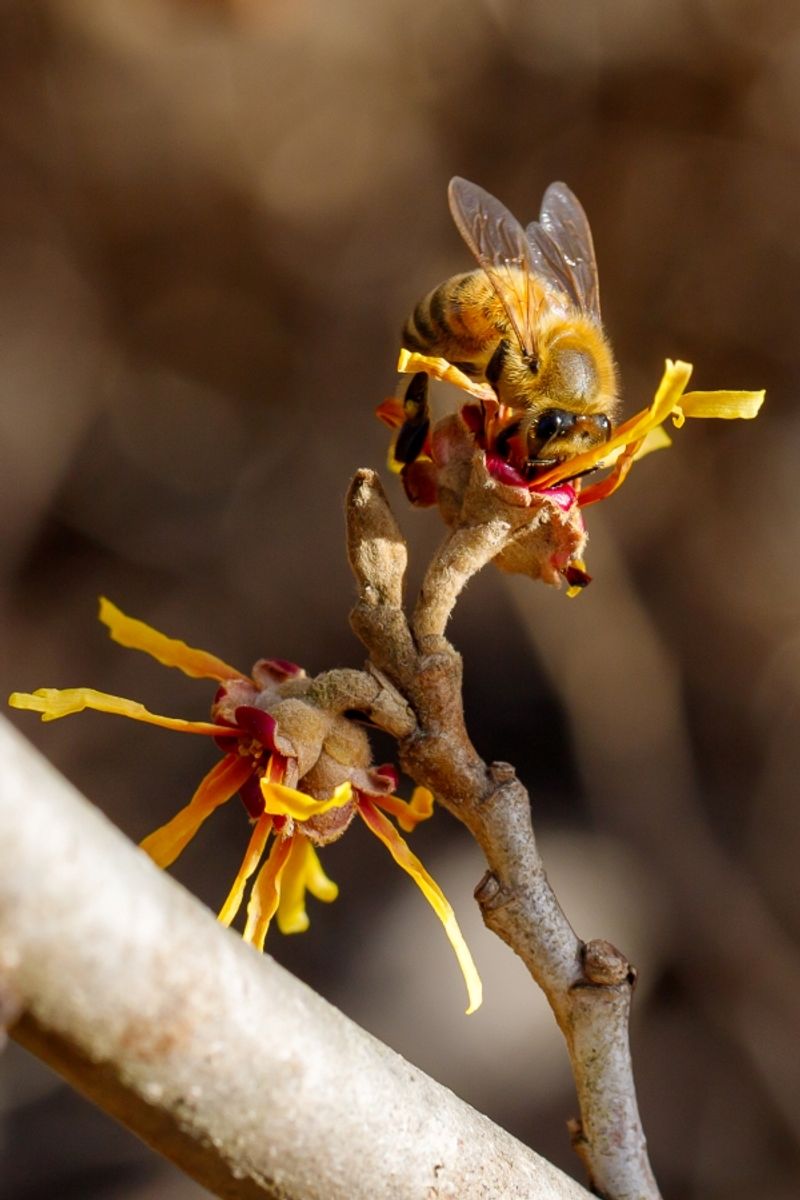
Who on earth is out pollinating flowers in November? The answer is a surprising crew of tough little insects.
Small flies and gnats visit the blooms on mild days. Honey bees and bumble bees may wander over when afternoon temperatures climb, along with a few wasps and beetles.
Flies are among the most frequent visitors to common witch hazel flowers, and small bees may visit too. Other insects, including moths and beetles, can stop by on suitable days.
For these insects, witch hazel offers nectar and pollen at a time when few other plants are blooming.
Nature does not make this easy, though. Cold or wet weather during bloom time can cut down on pollinator visits, so fewer flowers get fertilized.
You can help by planting in a sheltered spot, out of harsh winter winds. A sunny corner near a wall or fence can stay a few degrees warmer, which welcomes more visitors.
Skip pesticide sprays near your witch hazel, too. Leaving fallen leaves under the shrub gives many moths and beetles a cozy winter hideout.
Grab a flashlight on a mild autumn evening and take a peek. You might spot a fuzzy moth sipping from a blossom, and it is a pretty magical sight.
7. Hybrid Witch Hazels Take Over In Late Winter
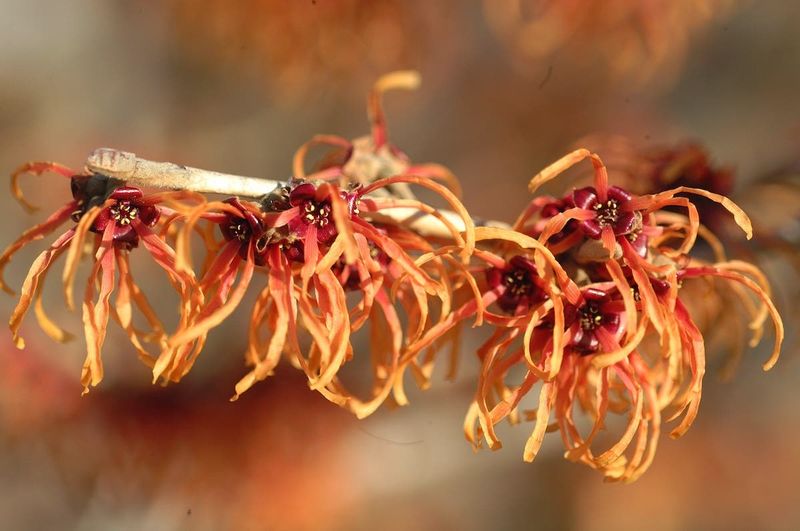
Just when you think the witch hazel season is over, the family has a second act. Hybrid witch hazels, known as Hamamelis x intermedia, bloom from late winter into early spring.
These hybrids come from crosses between two Asian species. One is Japanese witch hazel, and the other is Chinese witch hazel.
Their flowers are often larger and come in a wider range of colors. You can find shades of bright yellow, glowing orange, coppery red, and even purple.
Ozark witch hazel also blooms in late winter. It is native to parts of the central United States, though not to Ohio.
So which should you choose? Honestly, there is no rule saying you cannot have both.
Plant the native common witch hazel for fall flowers and Ohio pollinators. Then add a hybrid if you crave color in February, when snow still covers the ground.
Together, they can give you witch hazel blooms during a big chunk of the year. That is a lot of flower power from one plant family.
When buying hybrids, look for well-known names like Arnold Promise, Jelena, or Diane. Garden center staff can help you find one suited to your space.
Keep in mind that hybrids are often grafted onto other roots. Snip off any shoots that sprout from below the graft so the chosen variety stays in charge.
8. It Flowers Well In Sun Or Part Shade
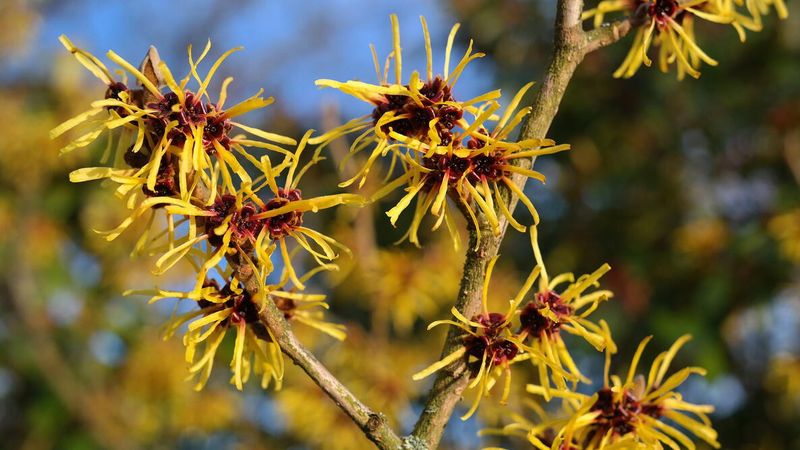
Good news for anyone with a yard full of big trees. Witch hazel is not a fussy plant when it comes to light.
It grows happily in full sun or part shade. In the wild, it often lives at the edges of forests, where light filters through the branches above.
Full sun usually brings the heaviest flowering. If you want the biggest show, pick a spot that gets at least six hours of direct light.
Part shade works well too, especially dappled light under tall oaks or maples. The shrub may grow a bit more open and airy there, which many people find charming.
Heavy shade is where things get tricky. In dark corners, branches can stretch out and get leggy, and the flowers may look sparse and faded.
Soil matters as well. Witch hazel prefers moist, well-drained ground rich in organic matter, so mix in some compost if your Ohio clay is dense.
Water your new shrub deeply during its first year, especially during dry spells. Check the soil regularly and adjust watering as needed to keep it moist but not waterlogged.
A layer of shredded bark mulch helps hold in moisture and keeps roots cool.
Try watching your yard for a day before you dig. Note which spots get morning sun and afternoon shade, since that mix is often just right.
9. Give It Room To Reach 10 To 15 Feet
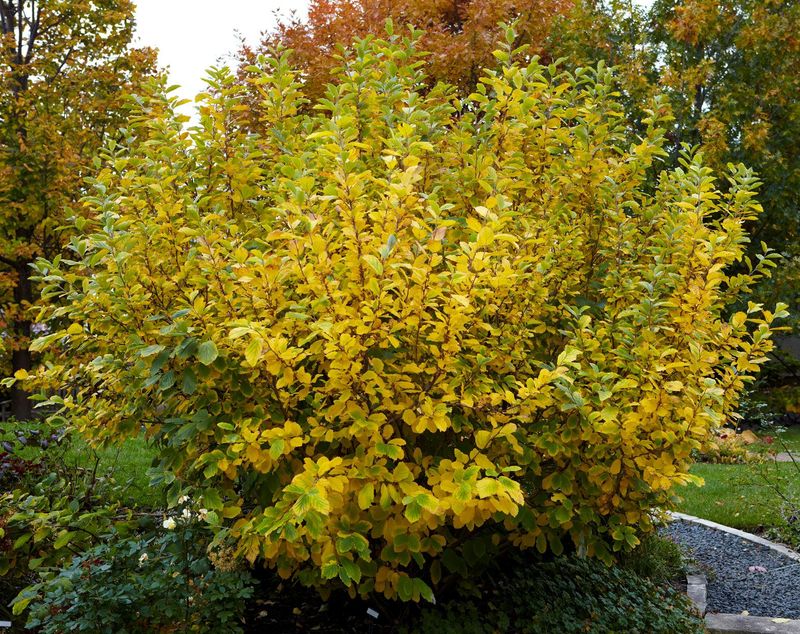
A tiny pot from the nursery can be sneaky. That little twig may someday tower over your head.
In most home gardens, common witch hazel reaches about 10 to 15 feet tall. In ideal conditions or in the wild, mature plants can grow 20 feet or more and spread just as wide.
The shape is loose and a bit irregular, with branches that reach up and out like a vase. Many gardeners see it as a large shrub or a small tree.
Planting it too close to a house or walkway leads to headaches later. You may end up pruning hard every year, which can cut away next season’s flower buds.
Give it at least 10 feet of breathing room from buildings and other big shrubs. That way, it can grow into its natural shape without a fight.
Witch hazel grows at a slow to moderate pace. Fill the open space around it with ferns, wild ginger, or spring bulbs while it fills in.
If you must prune, do it right after flowering finishes. Remove crossing branches and suckers at the base to keep things tidy.
Think of it as an investment for years to come. Plant it right this fall, and it may brighten your November yard for decades.