9 Main Reasons Why Your Florida Christmas Cactus Is Dropping Buds
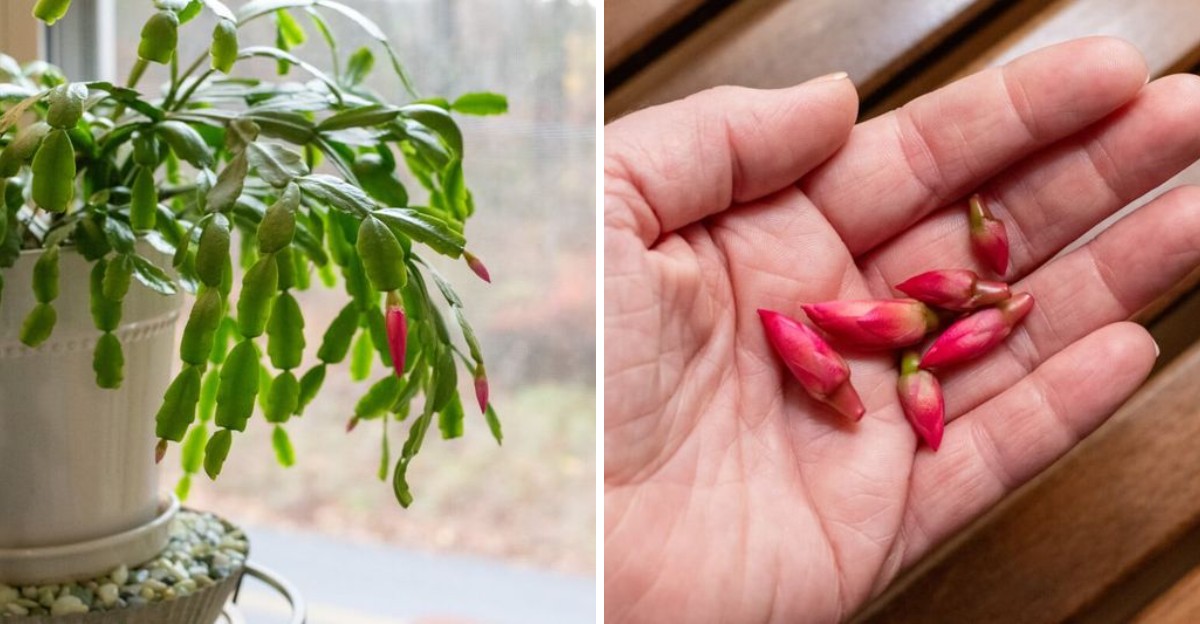
Buds are the whole point of a Christmas cactus, and yours just let them hit the windowsill like confetti nobody ordered.
Florida homes make this plant moody. Warm rooms, cold air conditioning, sticky afternoons, and one sunny window can all send mixed signals.
The plant reads every one of them. Nine culprits share the blame. A couple sound silly.
A few hide in spots most owners never look. One sits right next to the pot, and you walk past it daily.
Plenty of owners guess at the cause, change three things at once, and learn nothing. The buds keep hitting the floor, and the holiday show shrinks.
Pin down the real cause and you can save what’s left. Start with whatever changed in your home lately.
1. Moving The Plant After Buds Form
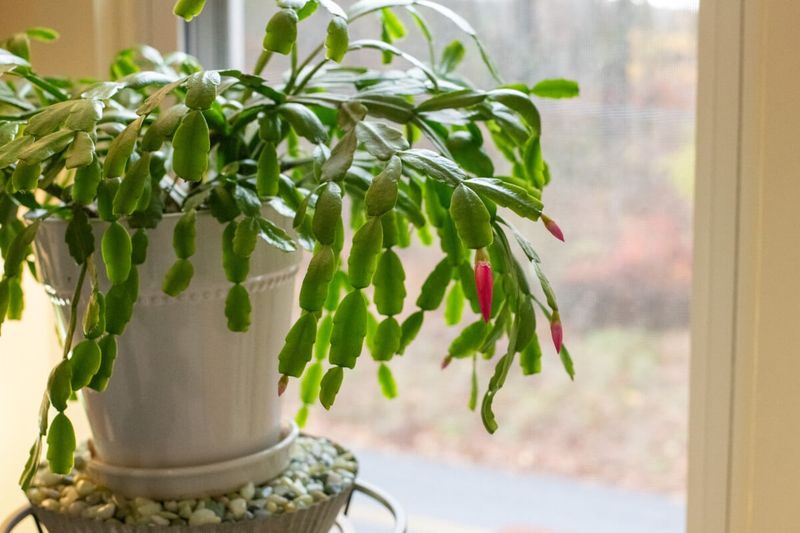
Picture a toddler who just fell asleep in the car, and then you carry them inside. That grumpy wake-up is pretty much how a budding Christmas cactus feels when you move it.
Once buds appear, the plant tunes itself to the exact light and temperature of its spot. Even turning the pot a little can make it think something is wrong.
Its answer is to drop buds so it can save energy.
Many people rotate plants to keep them growing evenly. That habit is great most of the year, but not during bud season.
Hold off until the blooms fade.
Pick a good home for your plant before buds show up, ideally in early fall. Look for bright, indirect light and a steady temperature.
A spot near an east window often works well in Florida homes.
Once you choose the place, mark the side of the pot that faces the window with a small sticker. If you need to dust or clean around it, you can set it back facing the same way.
This tiny trick keeps the plant from feeling shuffled around.
Patience pays off here. Leave the plant alone, enjoy the slow swelling of each bud, and save your rearranging urges for the coffee table instead.
Your reward will be a full, colorful show when the holidays arrive.
2. Sudden Changes In Its Surroundings
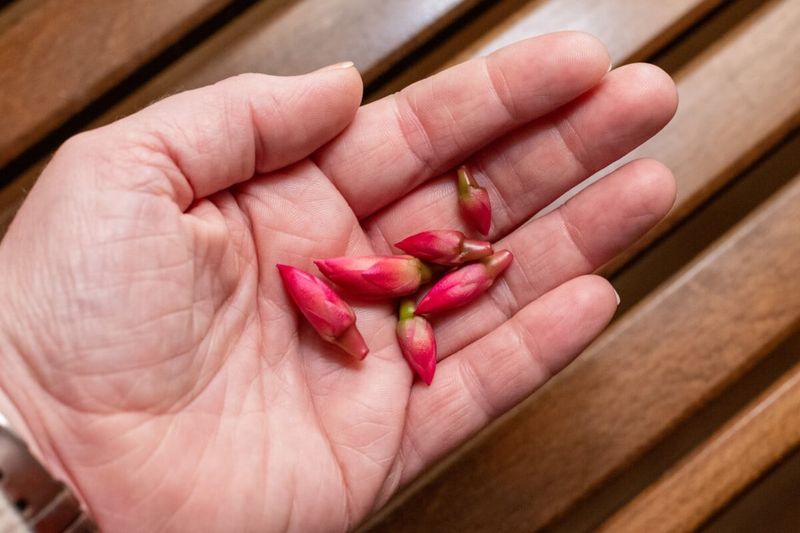
Holiday decorating can turn a calm living room into a busy workshop overnight. Lights go up, furniture shifts, and boxes pile in corners.
Your cactus notices every bit of it.
Christmas cacti love routine. They grow best when light, warmth, and moisture stay about the same from day to day.
A sudden switch, like a brighter lamp or a newly opened curtain, can feel like a shock.
When that happens, the plant protects itself. It lets go of buds because growing flowers takes a lot of energy.
Keeping what it already has seems safer to the plant.
So what can you do? Think of your cactus as a guest who likes quiet.
Try to keep its corner free from big changes during bud season.
Here are a few easy ideas:
Avoid placing new bright lamps right beside it. Keep curtains and blinds in the same position each day.
Your Florida Garden Changes Every Week. Your Plan Should Too.
Gardening in Florida changes quickly throughout the season. Every Friday you’ll receive a simple weekly plan showing exactly what to plant, prune, fertilize, harvest, and protect so you never miss the right timing.
If you add a humidifier or space heater, place it a few feet away and adjust slowly.
A little planning goes a long way. Decorate around the plant instead of moving it into the middle of the action.
Your cactus will feel settled, and those buds will stay put long enough to open into cheerful, holiday blooms you can enjoy.
3. Temperatures That Run Too Warm
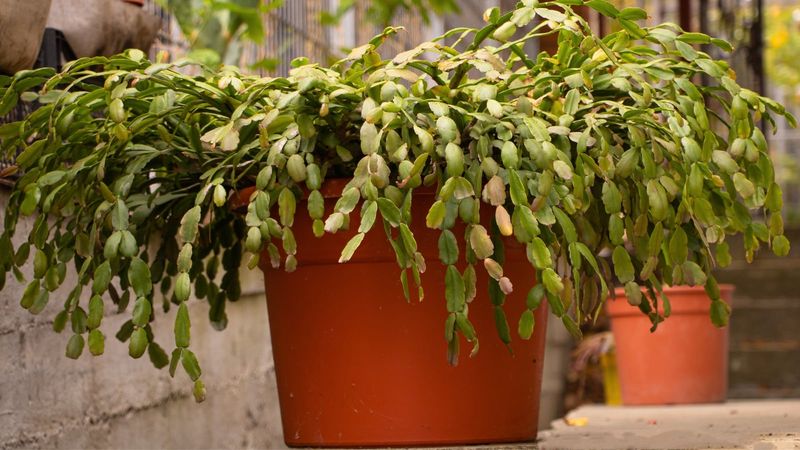
Florida winters can feel more like spring, and that is lovely for beach walks. For a Christmas cactus, though, a warm December can be a real problem.
Here is a fun fact. These plants come from cool, misty mountain forests in Brazil, not hot deserts.
They set buds best when days stay around 60 to 65 degrees and nights dip to about 45 to 55 degrees.
When your home runs warm, the plant gets confused. It may form buds and then drop them because the conditions do not match what it expects.
A sudden warm spell can cause the same reaction.
In many Florida homes, the air conditioner runs well into fall. That can actually help.
Set the thermostat a bit cooler at night, if your family is comfortable with it.
You can also look for the coolest bright room in your house. A guest room or a spare bedroom with indirect light can work nicely.
Avoid spots that get hot afternoon sun through the glass.
Some gardeners keep their plants on a shaded porch in early fall, when nights cool down naturally. Just bring them inside before temperatures fall below about 45 degrees.
A little coolness now helps the plant hold onto every bud and bloom later.
4. Cold Drafts From Doors And Windows
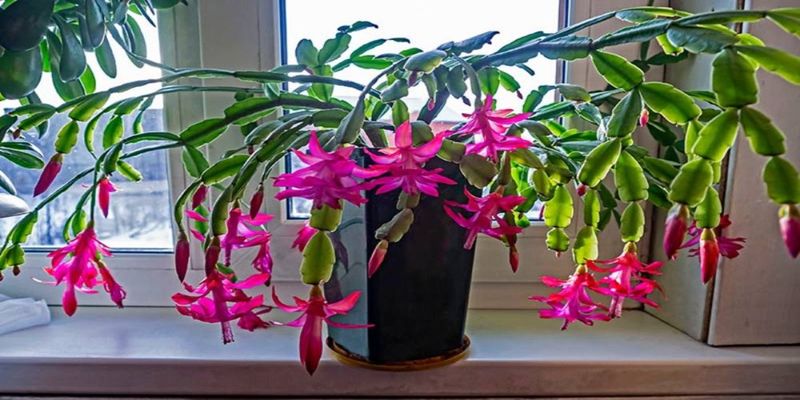
Brrr! Every time the front door swings open on a chilly night, a little blast of cold air rushes in.
You might not mind, but your cactus sitting nearby feels it right in its buds.
Florida does get cold snaps, especially in the northern part of the state. During the holidays, doors open more often for guests, deliveries, and kids running in and out.
Each burst of cold air can shock the plant.
Christmas cacti need a steady temperature to keep their buds. Drafts make the air around them swing from warm to cold again and again.
After enough of these jolts, the buds start falling.
Windows can cause trouble too. Old windows may leak cold air, and glass can get chilly overnight.
A plant resting against the pane may feel much colder than the rest of the room.
Try this quick test. Hold your hand near the spot where your plant sits on a cool evening.
If you feel moving air, the plant does as well.
Move the cactus a few feet away from doors and drafty windows before buds form. A small table set back from the glass works well.
With fewer chilly surprises, your plant can focus on what it does best, which is putting on a bright holiday show.
5. Heat Blowing From Vents
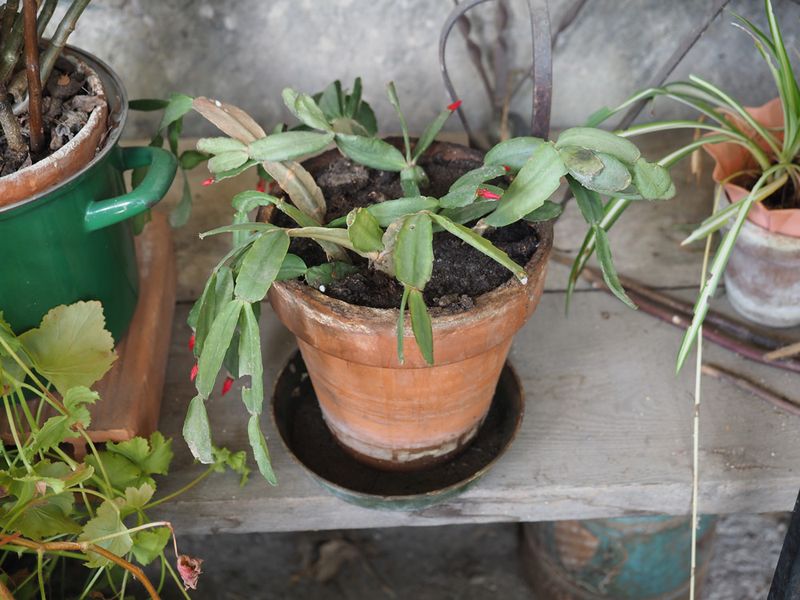
Imagine standing in front of a hair dryer all day. Your skin would feel dry and tight pretty fast.
That is what life is like for a cactus parked near a heating vent.
When cool nights hit, many Florida homes switch on the heat. Warm air pours out of vents, radiators, and fireplaces.
If your plant sits in that airflow, the temperature around it climbs quickly.
Two problems happen at once. The plant gets too warm, and the moving air pulls moisture from its leaves and buds.
Stressed and thirsty, it drops buds to cope.
Vents can be sneaky. Some are hidden under furniture or high on walls, so you might not notice them right away.
Take a slow walk around the room and feel for warm air near your plant.
A few simple fixes can help:
Move the plant at least three feet from any heat source, ideally before buds form. Use a vent deflector to point warm air away from plant shelves.
Keep the cactus off mantels above a fireplace, even when it looks festive there.
Gentle, still air is what this plant wants. Give it a calm spot away from the blowing heat, and its buds will have a much better chance of opening.
6. Letting The Soil Dry Out Fully
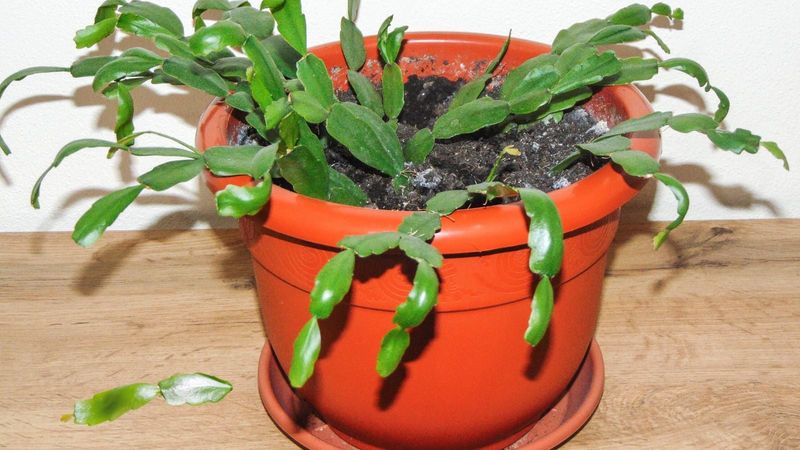
Busy holiday weeks are full of shopping, baking, and parties. Somewhere in all that fun, watering the plant can slip off the list.
Even though it has cactus in its name, this plant is not a desert dweller. It grows on trees in humid forests and likes a bit more moisture than you might expect.
When the soil gets bone dry during bud season, the plant goes into survival mode.
Survival mode means cutting back. The quickest way to save water and energy is to let go of buds.
Sadly, that means fewer flowers for you.
The trick is finding a happy middle. Let the top inch of soil dry, then water well until it drains from the bottom.
Poke your finger into the soil to check.
Setting a reminder on your phone can be a lifesaver during hectic weeks. Many people check their plant every five to seven days.
In warm Florida homes, you may need to check a little more often.
Look at the leaves for clues too. Wrinkled or limp segments often mean the plant is thirsty.
A steady, thoughtful watering schedule keeps the buds plump and gives them the support they need to open into bright, beautiful flowers.
7. Soggy Soil That Stresses The Roots
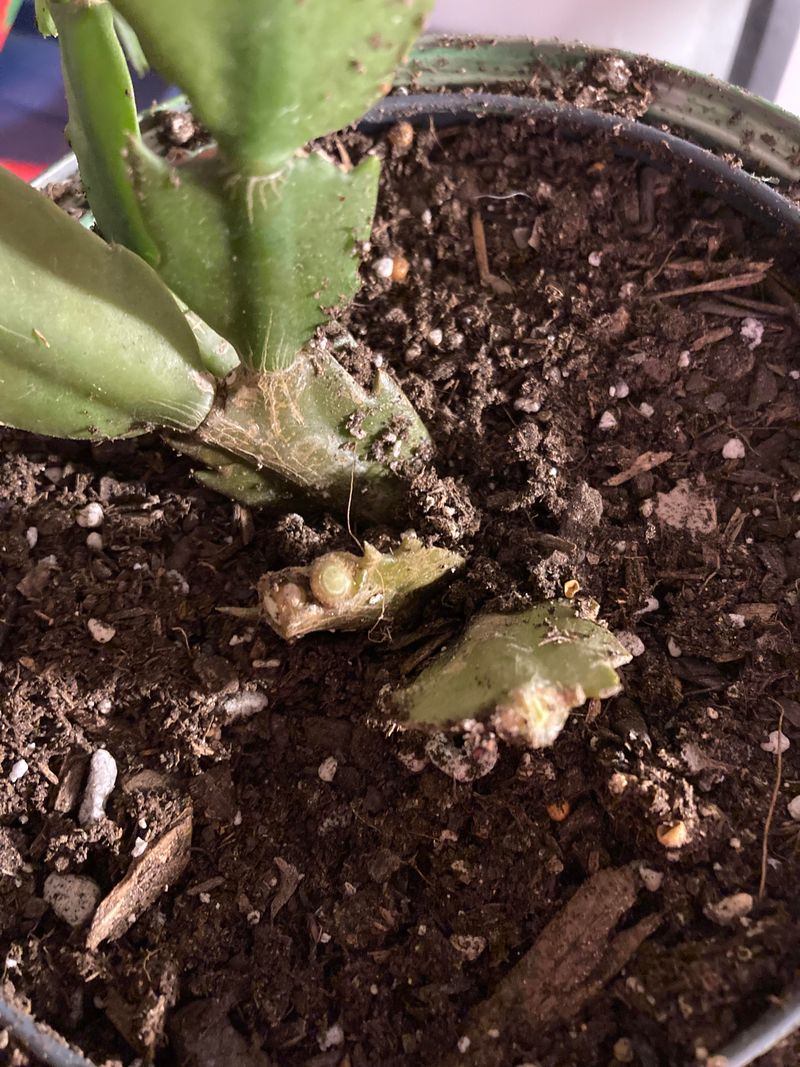
Loving a plant a little too much is easy to do. You see a bud, feel excited, and reach for the watering can again and again.
Overwatering ranks among the top reasons for bud drop. Christmas cacti want soil that is moist but drains well.
When water sits around the roots, they cannot breathe.
Over time, soggy roots can start to rot. Rotting roots struggle to take up water and nutrients, which stresses the whole plant.
To save energy, it lets its buds fall.
Watch for warning signs. Soft, mushy stems, a sour smell from the soil, or yellowing leaves can point to too much water.
Fallen buds often show up along with these clues.
Good drainage is your best friend. Use a pot with holes in the bottom and a light mix made for cacti or orchids.
Empty the saucer after watering so the pot is not sitting in a puddle.
Decorative pots without holes look pretty, but they can trap water. If you love one, slip a plastic nursery pot inside it and lift it out to drain.
Your cactus will thank you with healthy roots and buds that stay attached until they bloom.
8. Dry Indoor Air
Have you ever woken up with dry lips on a winter morning? Indoor air can get surprisingly parched, and your cactus feels it too.
Back home in Brazil, these plants grow in cloud forests where the air stays damp. They do best with humidity around 50 to 60 percent.
Running the heater or air conditioner often pulls that number down.
Buds are tender and full of moisture. In dry air, they can shrivel and drop before they open.
This is a common problem during the holidays.
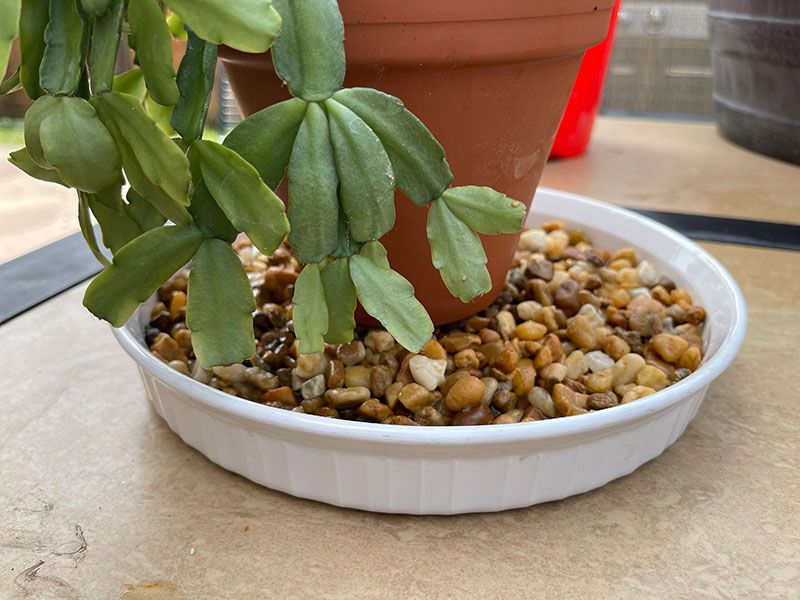
Luckily, adding moisture is cheap and simple. A pebble tray is a favorite trick.
Fill a shallow tray with pebbles and water, then set the pot on top without letting it sit in the water.
Other helpful ideas include running a small humidifier nearby. Grouping plants together also creates a little pocket of moist air.
Some people mist the leaves lightly, though this effect fades quickly.
A cheap humidity gauge can show how dry your room really is. Many cost only a few dollars and are fun to watch.
Once you raise the moisture a bit, you may notice your buds looking fuller and staying put right up until those colorful flowers unfold.
9. The Trip Home From The Store
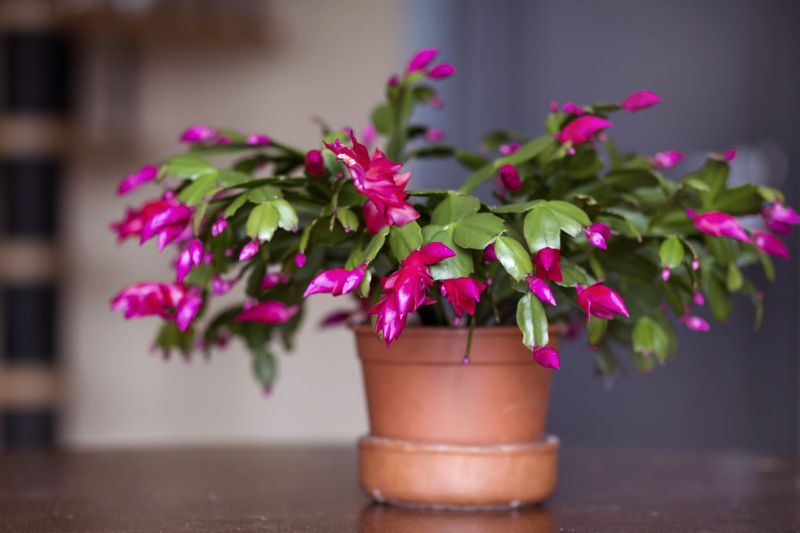
You spot it at the garden center, covered in buds and looking perfect. A few days after you bring it home, buds start tumbling off.
What happened?
Store plants usually grow up in greenhouses. Growers control light, heat, water, and humidity carefully.
Your living room, no matter how cozy, feels like a whole new world to the plant.
The ride home adds more stress. A hot car in Florida sun or a chilly ride on a cold evening can shock the buds.
Sometimes the plant reacts days later, which makes the cause hard to spot.
Losing a few buds after the move is normal. Do not panic or start changing everything at once.
Too many fixes can add even more stress.
Here is how to help it settle in:
Wrap the plant in a paper sleeve for the trip and make the store your last stop. Avoid leaving it in a parked car.
Once home, choose a bright, steady spot and leave it there.
Check the soil, water only if the top inch is dry, and give the plant time. Most cacti adjust within a week or two.
With a little patience, the remaining buds will open, and next year it may bloom even better.