What Every Pennsylvania Gardener Should Move Indoors Before The First Frost
Frost can blacken your basil before you notice. Pennsylvania nights dip toward freezing long before the calendar warns you.
Geraniums, hibiscus, rosemary, and citrus trees need protection before temperatures sink. Hardy kale and garlic shrug off the chill you dread.
Sort your plants into rescue and release piles today. Inspect your leaves for aphids, spider mites, and slugs hiding underneath.
Rinse each pot with soapy water so uninvited insects stay outside. Quarantine returning plants in a spare room, away from your healthy houseplants, for weeks.
Trim leggy stems, then park your plants in shade to ease the shock. Wait too long, and your windowsills turn into crowded waiting rooms.
Plan now, and you save money, avoid heartache, and dodge pricey spring replacements. Move before forecasts surprise you.
You can keep your Pennsylvania favorites thriving through winter, crowded living room included.
1. Geraniums Worth Saving For Another Year
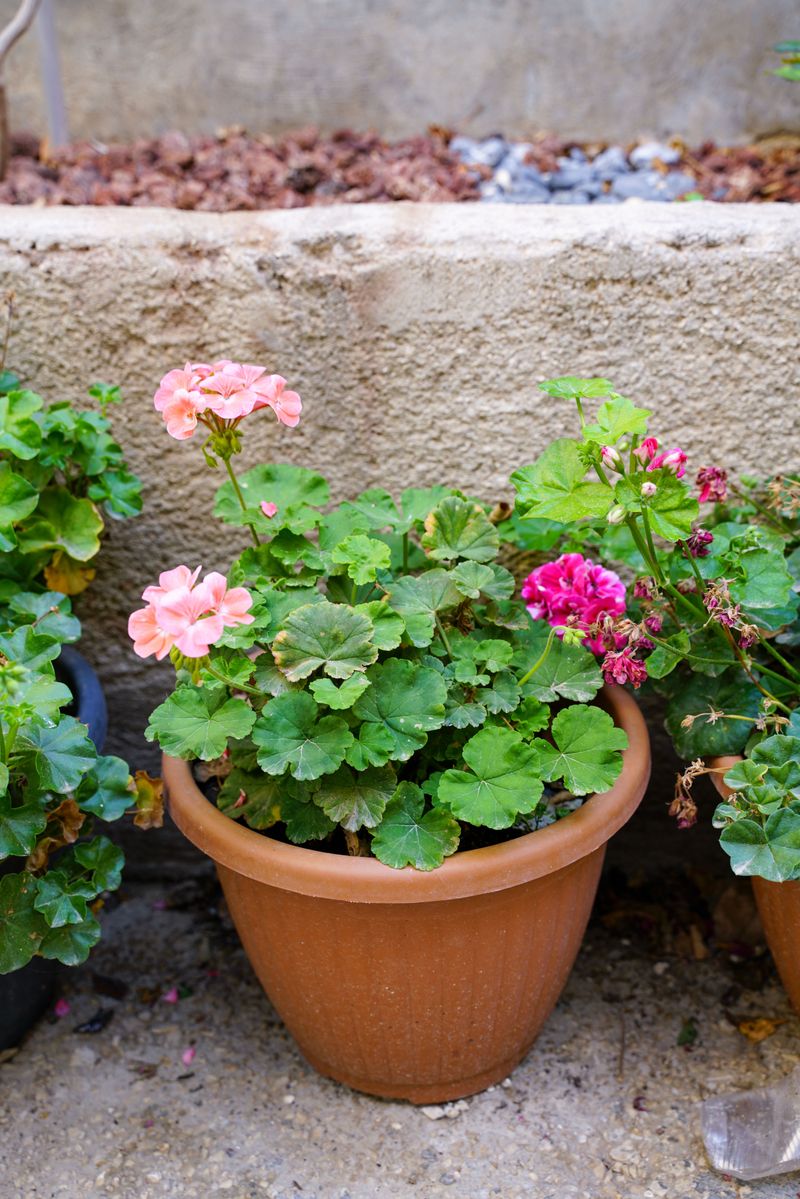
Grandma probably kept a bright red geranium on her kitchen windowsill all winter, and she was onto something. Zonal geraniums (Pelargonium) can keep blooming for years when you rescue them before frost arrives.
In Pennsylvania, the first frost typically arrives between late September and early November, depending on where you live. Northern and mountain counties like Tioga often see it first, while Philadelphia gets extra time.
Start by checking your plants for bugs like aphids or whiteflies hiding under the leaves. A quick spray of water from the hose will knock most of them loose.
Next, trim each plant back by about one third to keep it tidy indoors. Smaller plants use less energy and adjust to your home much faster.
Place your potted geraniums in the sunniest window you have, ideally one facing south. They love bright light and will stretch out and get leggy without it.
Water only when the top inch of soil feels dry to your finger. Soggy roots are a leading reason indoor geraniums struggle during winter.
Short on window space in your cozy home? You can also store bare-root geraniums in paper bags in a cool basement, then replant them in spring.
Some old-time gardeners hang them upside down from the rafters like drying herbs. It sounds silly, but plenty of plants wake up happy when April rolls around.
You can also snip four-inch cuttings and root them in small pots of moist soil. By spring, you will have a whole army of free baby plants.
2. Tropical Hibiscus And Its Winter Adjustment
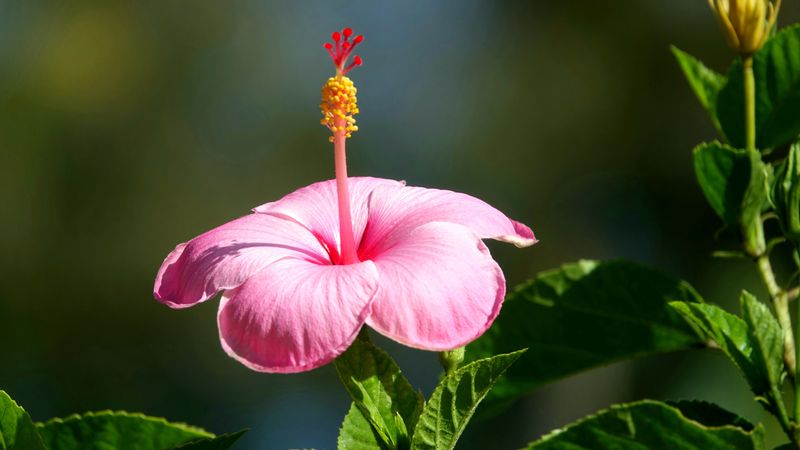
Picture a flower the size of a salad plate, glowing pink like a sunset in Hawaii. Tropical hibiscus brings vacation vibes to any Pennsylvania porch, but it dislikes the cold.
Temperatures below 50 degrees stress this island traveler, and frost turns its leaves soft and brown. So plan to move it indoors before nights drop below 50 degrees, even before frost warnings.
Before carrying the pot inside, give the leaves a good rinse on top and underneath. Spider mites love hibiscus, and they multiply fast in warm, dry houses.
Expect a slow start during the first couple of weeks indoors. Your hibiscus may drop a bunch of yellow leaves as it settles in.
Your Pennsylvania Garden Changes Every Week. Your Plan Should Too.
Gardening in Pennsylvania changes quickly throughout the season. Every Friday you’ll receive a simple weekly plan showing exactly what to plant, prune, fertilize, harvest, and protect so you never miss the right timing.
Avoid adding extra water when this leaf drop happens. Instead, let the top inch of soil dry slightly between each drink.
A bright south or west window works best for keeping it happy. If your home is dim, a simple LED grow light can fill the gap nicely.
Dry winter air from the furnace can be tough on tropical plants. Set the pot on a tray of pebbles and water for a small humidity boost, or run a humidifier nearby.
Hold off on fertilizer until new growth appears in late winter, when the days start getting longer. Then feed it lightly and watch new buds form by spring.
With a little luck, you might even see a surprise bloom in chilly January. That splash of color is a welcome sight while snow piles up outside your window.
3. Dahlia Tubers Ready For Basement Storage
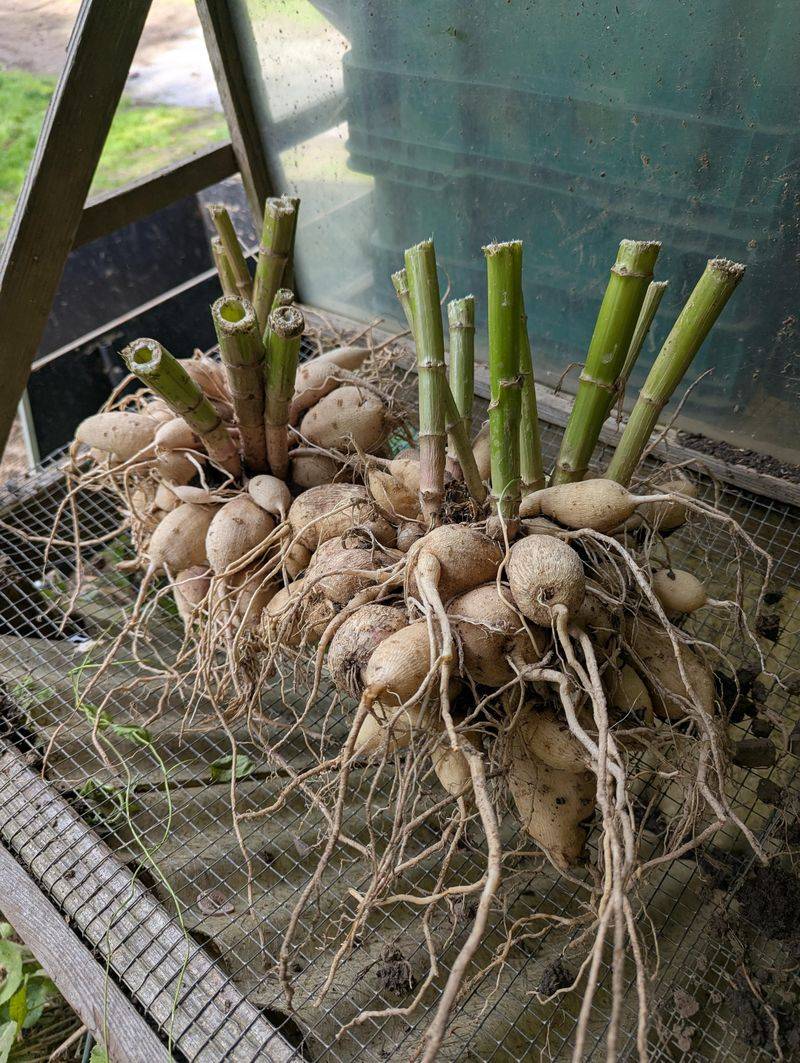
Many Pennsylvania county fairs feature a table loaded with dinner-plate dahlias and blue ribbons. The secret behind those winners often sits quietly in a basement all winter.
In most of Pennsylvania, dahlia tubers cannot survive frozen ground, so they need to come out each fall. Wait until a light frost blackens the leaves, then dig within a week.
That light frost actually helps, because it ends top growth and lets the tubers mature for storage. Just make sure you dig before a hard freeze reaches the soil.
Cut the stems down to about six inches, then lift the clump gently with a garden fork. Shake off loose soil, and rinse gently if you like.
Let the tubers dry in a cool garage or shed for two or three days. This quick step helps prevent rot once they settle into storage.
Pack them in boxes filled with peat moss, wood shavings, or slightly damp sand. The goal is to keep them from drying out or getting soggy.
A dark basement around 40 to 50 degrees makes the perfect winter home. Check on them once a month and toss any that feel mushy.
Label each variety with a marker before storing, because tubers all look alike by spring. Guessing colors in late May gets confusing fast.
Dahlias also multiply underground, so one clump may split into several plants next year. Share extras with neighbors, and your garden club will adore you.
4. Rosemary Plants That Need A Bright Window
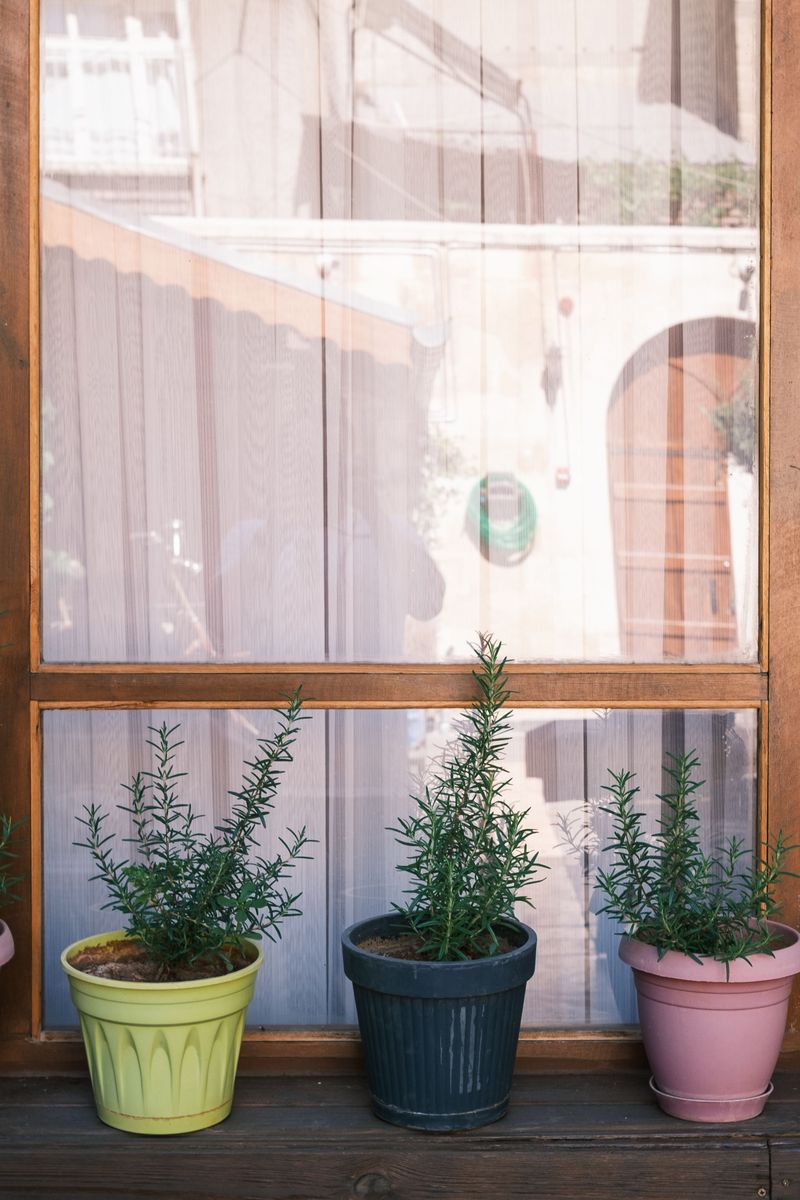
Few scents compare to fresh rosemary sizzling with potatoes on a cold November night. Keeping a plant alive indoors means you can snip that flavor all winter.
Rosemary comes from the warm Mediterranean coast, where winters stay mild. Most types struggle once Pennsylvania temperatures dip into the teens or lower.
Some hardy varieties like Arp can survive outdoors in southern counties with a sheltered spot and good drainage. Still, potted rosemary is safer indoors, since roots in containers freeze quickly.
Choose your brightest window, because this herb craves six or more hours of sunlight. A south-facing kitchen window lets you grab sprigs while you cook.
Watering is where many people go wrong with indoor rosemary. Let the soil dry out a bit, but do not let it get bone dry.
Rosemary can look fine until it gets too dry, and then the needles brown and drop quickly. Stick a finger in the soil every few days to check.
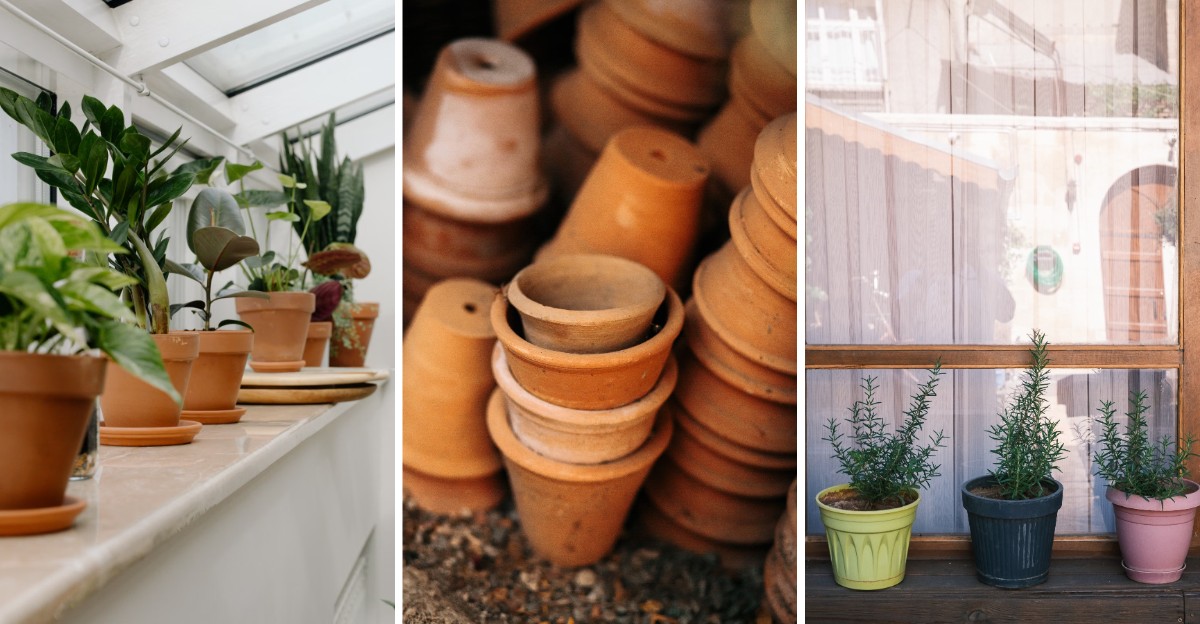
Clay pots work better than plastic ones for this herb, since they breathe and dry faster. Soggy soil can quickly harm rosemary indoors.
Powdery mildew can show up as white dust on the needles. Good airflow helps, so run a small fan nearby or crack a window on warm days.
According to tradition, Greek students wore rosemary wreaths while studying, believing it boosted memory. You might try sniffing a sprig before your next spelling test.
Come spring, move the pot back outside slowly over a week or two. Your herb will thank you with a burst of fresh, fragrant growth.
5. Meyer Lemon Trees Settling In Indoors
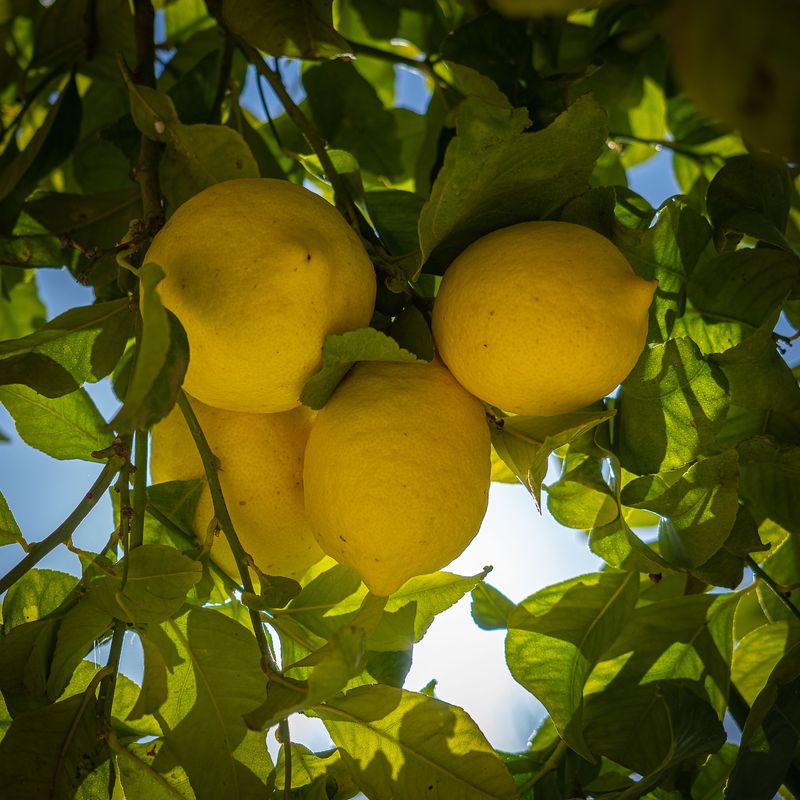
Can you really grow fresh lemons in chilly Pennsylvania? You sure can, as long as your tree spends winter inside with you.
Meyer lemons are commonly described as a cross between a lemon and a mandarin orange, which makes them sweeter. They stay compact in pots and can produce fruit within two or three years.
Citrus trees start to show stress when nights drop near 32 degrees. Bring yours inside once evenings settle into the 40s, which is often in early October.
Move the tree in stages if you can, starting with a shady porch for a week. Sudden changes from bright sun to indoor light can trigger heavy leaf drop.
Inside, give it the sunniest spot in the house, or add a grow light. Citrus needs at least six hours of direct light every day, and eight to twelve is even better.
Keep the tree away from heat vents, fireplaces, and drafty doors. Dry heat and cold drafts can stress the leaves and roots during long winter months.
Here is a neat trick for indoor fruit. Since bees are not buzzing around your living room, gently dab each flower with a small paintbrush.
Winter blossoms smell amazing, like fancy perfume mixed with sweet candy. For many growers, that sweet scent alone makes the effort worthwhile.
Skip fertilizer in winter, and water when the top two inches feel dry. Resume feeding with a citrus fertilizer when new growth appears in spring.
Yellow leaves can signal a shortage of nitrogen or iron, though overwatering and cold stress also cause them. Picking a homegrown lemon in February is a real treat. Your friends will be impressed.
6. Houseplants Returning From Their Summer Outside
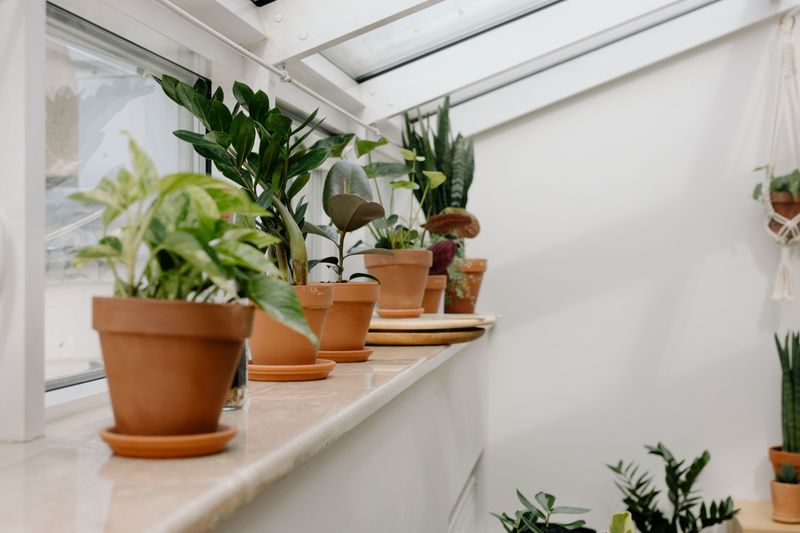
Your pothos, snake plant, and peace lily probably had a fabulous summer vacation on the deck. Now the party is over, and it is time for them to head home.
Most common houseplants are tropical and start sulking once nights fall below 55 degrees. Waiting for frost is too late, since cold damage happens well before then.
The trickiest part is not the cold, though, but the hitchhikers. Ants, spiders, slugs, earwigs, and even tiny tree frogs love hiding in outdoor pots.
Give every plant a careful inspection, especially under leaves and around the drainage holes. Soak each pot in a tub of water for fifteen minutes to flush out critters.
Spray the foliage with a mild insecticidal soap if you spot any pests. Doing this outside saves you from a bug outbreak spreading to your other plants.
Expect some sulking once your plants move indoors, since indoor light is much weaker. A few yellow leaves are normal and nothing to worry about.
Group plants together near windows to share humidity and brighten up a corner. You can also keep newcomers apart for two weeks, just in case.
Cut back on watering, because most plants grow much slower in the darker months. Overwatering is a common winter problem.
Wipe dusty leaves with a damp cloth so they can soak up every bit of light. Your plants will look shiny, fresh, and ready for the cozy season.
7. Canna Lily Rhizomes Waiting To Be Dug
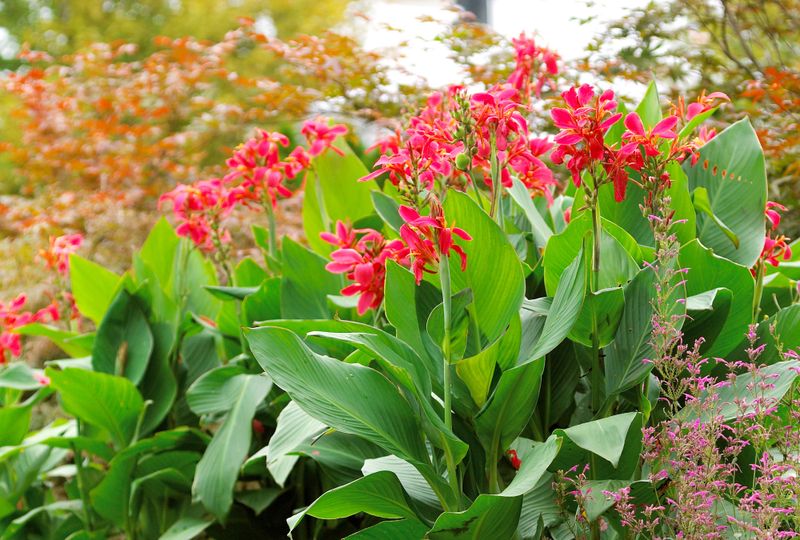
A neighbor once handed me a lumpy root wrapped in newspaper, promising it would outgrow me. By August, that canna lily towered over the fence with fiery orange blooms.
Cannas are tropical plants, and in most of Pennsylvania, winters can damage their rhizomes. Luckily, saving them is easy, quick, and costs almost nothing.
Let the first light frost nip the leaves, which tells the plant to rest. Then cut the stalks down to about four inches above the soil.
Dig carefully with a spade, staying a foot away from the stems to avoid slicing roots. Canna clumps can be surprisingly big and heavy by fall.
Brush off most of the dirt and let the rhizomes dry for a day or two. Leaving a light coating of soil helps protect them from drying out.
Store them in plastic crates or cardboard boxes lined with peat moss or newspaper. A cool basement or crawl space between 40 and 50 degrees works great.
Peek at your stash every month or so during the long winter. Spritz them lightly if they look shriveled, or remove any soft, smelly pieces.
In spring, you can split big clumps into smaller sections, each with a few growing eyes. One plant can turn into several in just a couple of years.
Some gardeners start them in pots indoors in April for an early jump. Your summer garden will look like a tropical resort by July.
8. Terracotta Pots That Can Crack In Freezes
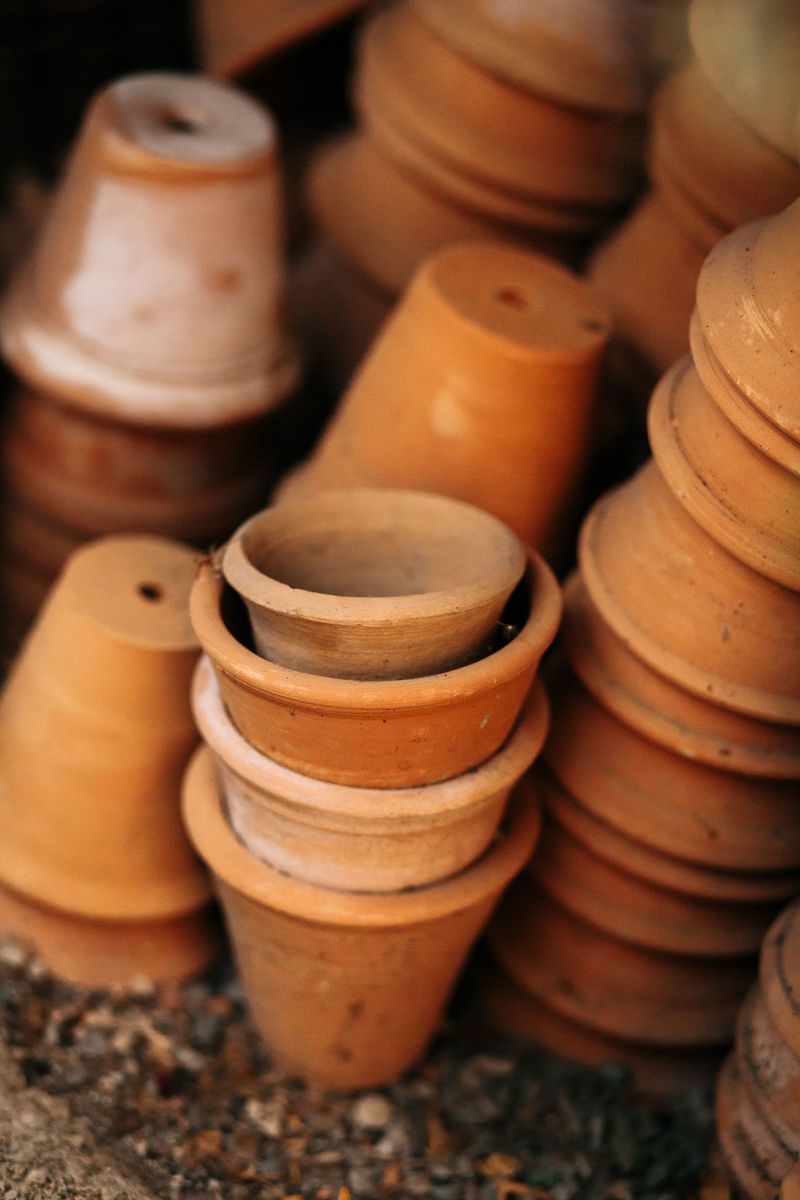
Plants are not the only things at risk when Pennsylvania freezes hit. Your favorite clay and terracotta pots can crack if left outside all winter.
Terracotta is porous, which means it soaks up water like a sponge. When that water freezes, it expands and splits the clay from the inside out.
Our state goes through many freeze and thaw cycles each winter. Each cycle adds stress to those pretty orange pots.
Start by emptying old soil into your compost pile or garden beds. Used potting mix can hold pests and disease, so fresh soil is a safer choice next spring.
Scrub each pot with a brush and warm, soapy water to remove crusty buildup. A quick soak in one part bleach to nine parts water removes lingering germs.
Let the pots dry fully in the sun before you stack them. Store them upside down in a garage, shed, or basement to keep moisture out.
Glazed ceramic and concrete planters need the same care, since they crack in cold weather too. Plastic and resin pots can usually stay outside without much trouble.
Too heavy to move a giant planter? Empty the soil, then wrap it in burlap or bubble wrap and raise it on pot feet so water drains away.
Taking care of your pots now saves money and keeps your garden looking polished. Come spring, you will have clean containers ready for fresh flowers.
Toss a few clean pots into a spare closet, and you are set for spring seedlings. Your future self will be grateful in March.