What To Do In October To Get Your Virginia Christmas Cactus Full Of Buds
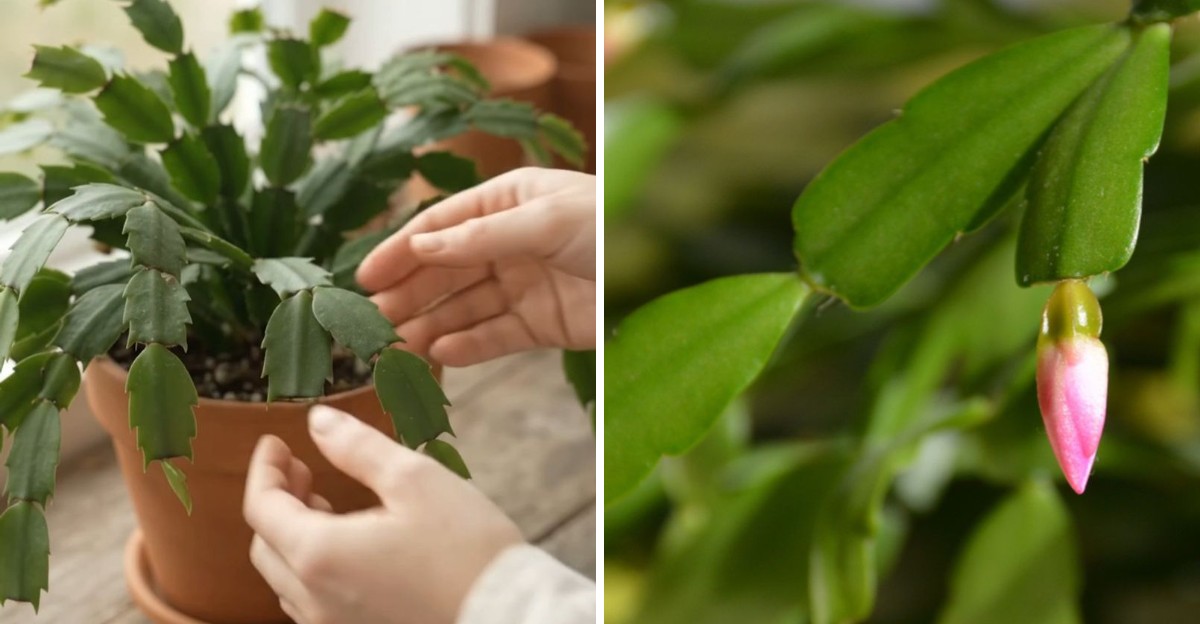
Your Christmas cactus is picky about what it needs before it blooms. It wants cool nights, long stretches of darkness, and gentle care.
Miss one piece, and you may get plenty of green stems but very few flowers. Get it right, and the plant can reward you with a burst of color just in time for family gatherings.
The steps are simple and cost almost nothing. Most Virginia homes already have everything the plant needs.
The guide below shows what small changes to make and when. Start this month, because buds take about six to ten weeks to set.
1. Cool Nights Around 50 To 55 Degrees Trigger Buds
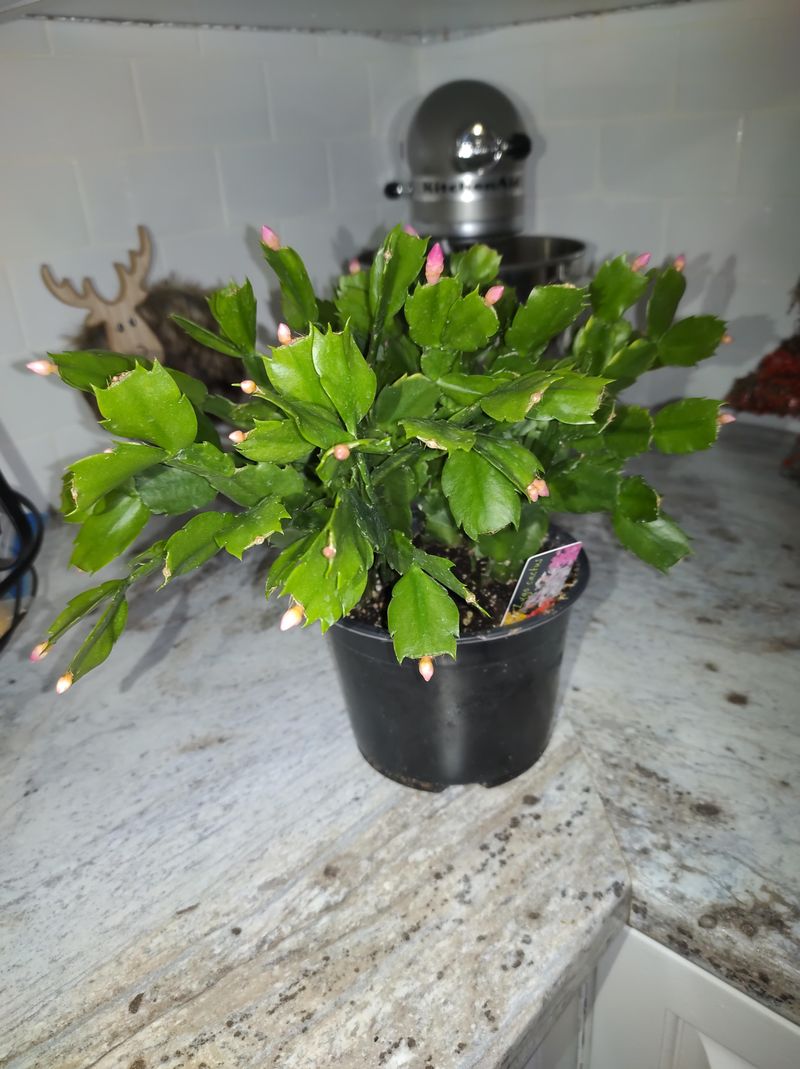
Think of chilly autumn nights as a wake-up call for your Christmas cactus. Once the air cools down, the plant starts preparing for its big holiday show.
Nighttime temperatures between 50 and 55 degrees Fahrenheit send the clearest signal. Those cool evenings remind the plant of its mountain home in the forests of Brazil.
Back in its native habitat, Christmas cacti grow on tree branches high in misty, cool forests. They are not desert plants at all, which surprises plenty of new owners.
Warm nights can slow things down quite a bit. If your home stays above 65 degrees after dark, buds may refuse to form.
Luckily, October often brings the perfect natural chill. Many evenings dip right into that sweet spot, especially in the Shenandoah Valley and mountain areas.
A cool spare bedroom, enclosed sunporch, or unheated mudroom can work wonders. Even a spot near a slightly drafty window may help, as long as it stays above freezing.
Grab a cheap indoor thermometer to check your chosen spot. Leave it there overnight and read it first thing in the morning.
Daytime temperatures can be a bit warmer without causing any problems. Around 60 to 70 degrees during the day keeps the plant comfortable and growing.
Here is a handy trick for busy plant owners. Cool temperatures alone can trigger buds, even if your dark schedule is not perfect.
Keep the plant away from spots that drop below 45 degrees. Too much cold can harm the stems and slow everything down.
2. Thirteen Hours Of Darkness Can Do The Same Job
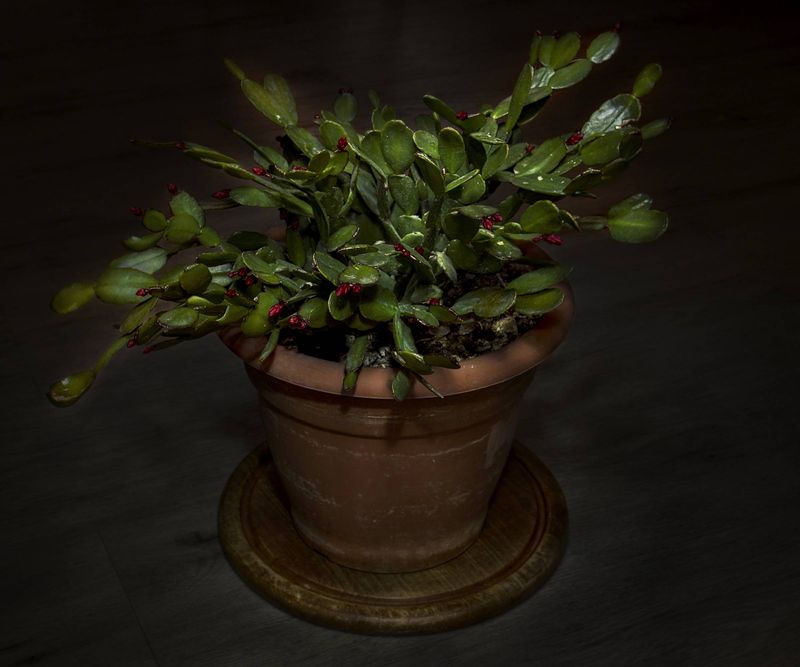
No cool room in your house? Darkness offers a second path to the same beautiful result.
Christmas cacti are short-day plants, which means long nights tell them to bloom. Scientists call this response photoperiodism, a fancy word for reacting to day length.
Aim for about 13 hours of total darkness every night. Some growers use anywhere from 12 to 15 hours with good success.
A simple routine makes the job much easier. Move the plant into a dark closet around 6 p.m. and bring it out around 7 a.m.
Another option is covering the plant with a large cardboard box. Make sure the box blocks light fully without crushing the delicate stems.
Some people prefer an unused guest room with blackout curtains. That way, the plant can stay put and never needs daily trips back and forth.
Fall days naturally grow shorter in October. Still, indoor lights at night often cancel out what nature is trying to do.
Your Virginia Garden Changes Every Week. Your Plan Should Too.
Gardening in Virginia changes quickly throughout the season. Every Friday you’ll receive a simple weekly plan showing exactly what to plant, prune, fertilize, harvest, and protect so you never miss the right timing.
Setting a phone alarm can help you stay on schedule. Missing a night or two is not the end of the world, but consistency gives better results.
Pairing darkness with cool temperatures often works best of all. Together, the two signals push the plant toward bloom with real enthusiasm.
Keep watering lightly during this stretch, even with the dark schedule. A healthy plant has more energy to put into making flowers.
Stick with the routine, and you may spot tiny buds forming at the stem tips within a few weeks.
3. Even A Lamp At Night Can Break The Spell
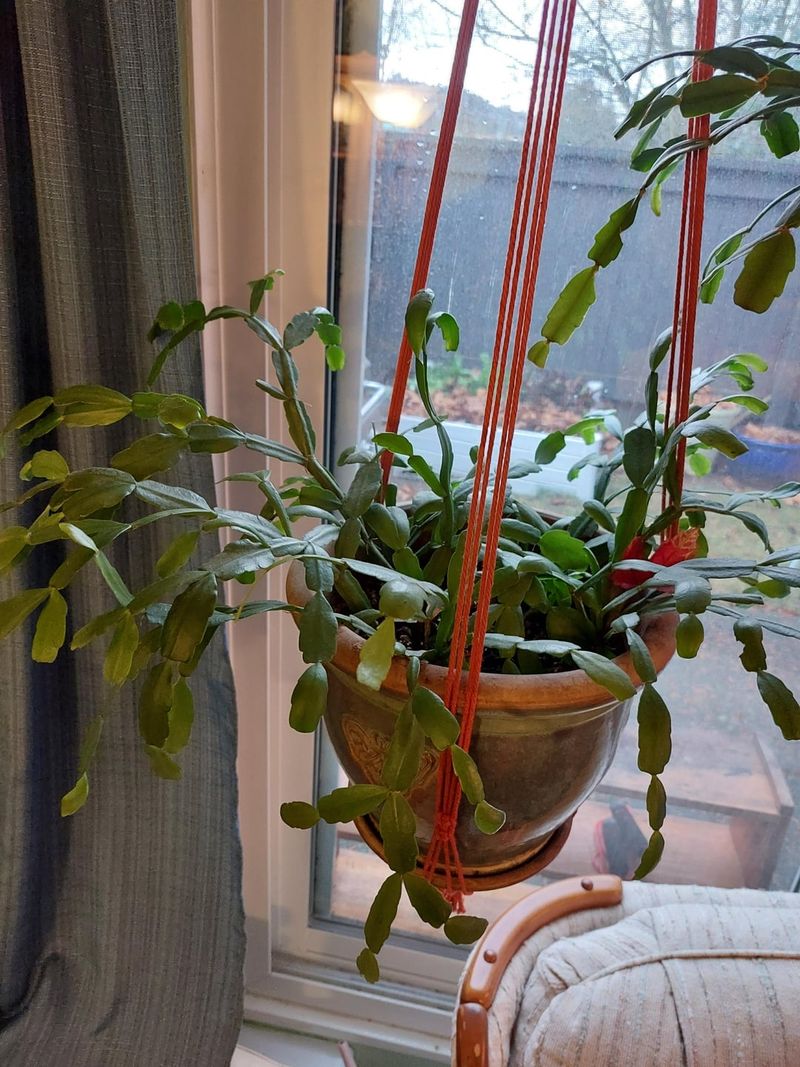
Flip on a reading lamp for just a few minutes, and your cactus may lose track of time. Something so small can undo days of careful effort.
Plants measure night length using special light-sensing proteins. A short burst of light can reset that internal clock almost instantly.
To your Christmas cactus, a lamp looks a lot like sunrise. The plant then thinks the night was short and holds off on making buds.
Living rooms are often the biggest trouble spots. Televisions, table lamps, and overhead lights glow late into the evening in most homes.
Small sources count too, so take a careful look around. Night lights, phone chargers with bright LEDs, and streetlights through windows can all interfere.
Try walking into the room after dark to check. If you can read a book easily, the space is probably too bright for your plant.
Thinking about family habits helps a lot here. Kids grabbing a snack at midnight might flip on the kitchen light without a second thought.
A sticky note on the light switch can be a gentle reminder. Something like “Shh, cactus sleeping” adds a little fun to the routine.
Heavy curtains are useful if outdoor lights shine inside. Many Virginia neighborhoods have bright porch lights or streetlamps that stay on all night.
Moving the plant to a quiet, unused room solves most of these issues at once. Fewer people means fewer surprise lights.
Protect that dark stretch, and the plant can finally get down to the business of blooming.
4. Six To Eight Weeks Of Treatment Set Buds
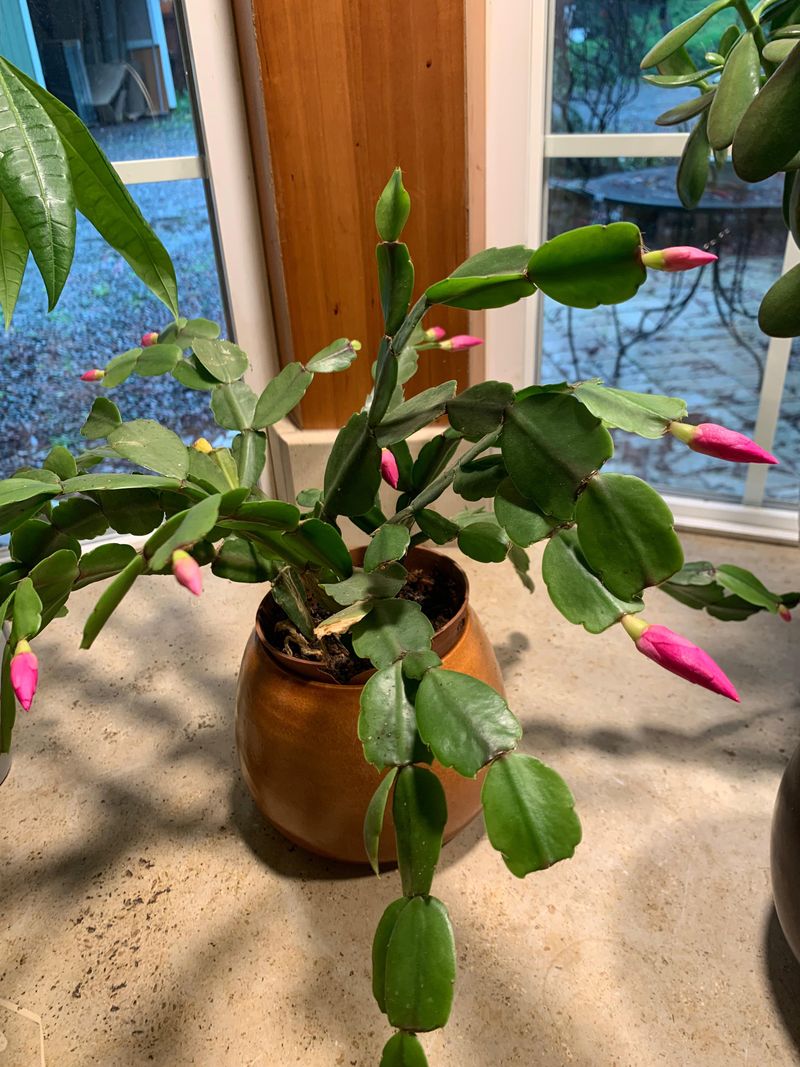
Good things take time, and your Christmas cactus agrees completely with that old saying. Bud-setting is a slow, steady process rather than an overnight change.
Plan on about six to eight weeks of cool nights or long darkness. During that stretch, the plant quietly builds the flowers you will enjoy later.
Starting in early October lines up nicely with the holidays. Count forward eight weeks, and you land right around late November or early December.
For the first few weeks, you may not see much happening at all. Patience matters here, so try not to give up too soon.
Tiny buds usually appear at the very tips of the flat stem segments. They start out looking like small pink or reddish bumps.
Once buds reach about a quarter inch long, you can relax a little. At that point, the plant no longer needs strict darkness or cool nights.
Keeping a simple garden journal can be surprisingly helpful. Jot down your start date and note when the first buds show up.
Next year, those notes will make planning much easier. You will know exactly how your plant responds in your own home.
Fun fact: well-cared-for Christmas cacti can live for decades. Some families pass the same plant down through three or four generations.
A plant like that becomes part of the holiday tradition. Each October routine adds another chapter to its long, colorful story.
Mark your calendar now, and let the countdown to blooms begin.
5. Bright, Indirect Light Fuels The Plant By Day
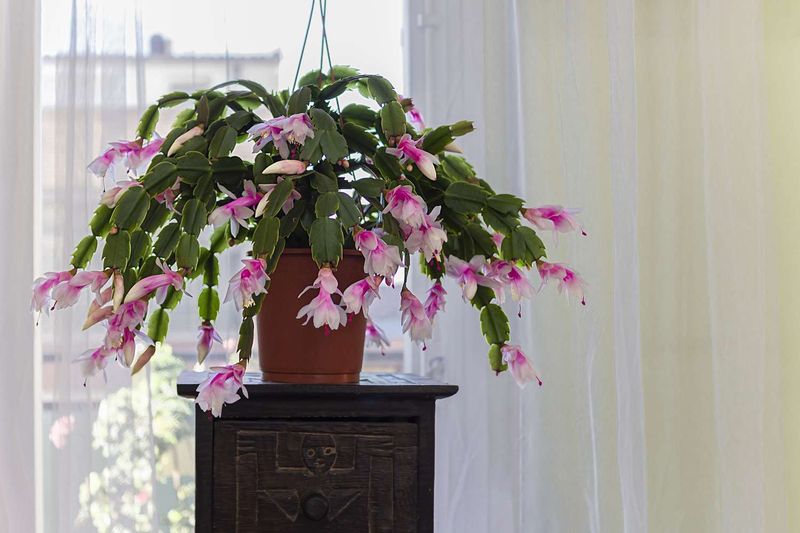
Darkness gets plenty of attention, but daylight deserves credit too. Your Christmas cactus needs a good daytime meal of light to power its flowers.
Plants turn light into energy through photosynthesis. Without enough of it, the cactus may form fewer buds or drop the ones it makes.
Aim for roughly eight to ten hours of bright, indirect light each day. That gives the plant plenty of fuel without overwhelming it.
An east-facing window is often the best choice. Morning sun is gentle, and the plant gets a cheerful start to its day.
A south-facing window works well with a sheer curtain in place. The curtain softens strong rays that could scorch the stems.
Watch the leaves for clues about lighting. Reddish or purple-tinted stems often mean the plant is getting a bit too much direct sun.
Pale, stretched stems tell a different story. That usually signals the plant is hungry for more light.
October days are shorter and often cloudy. If your windows are shaded by trees, a spot closer to the glass may help.
A grow light can fill gaps on gloomy days. Just remember to switch it off well before the plant’s dark period begins.
Wiping dusty stems with a damp cloth helps too. Clean surfaces soak up light more easily than dirty ones.
Balance is the real goal here. Bright days and dark nights work together like a team.
6. Slightly Drier Soil Encourages Flowering
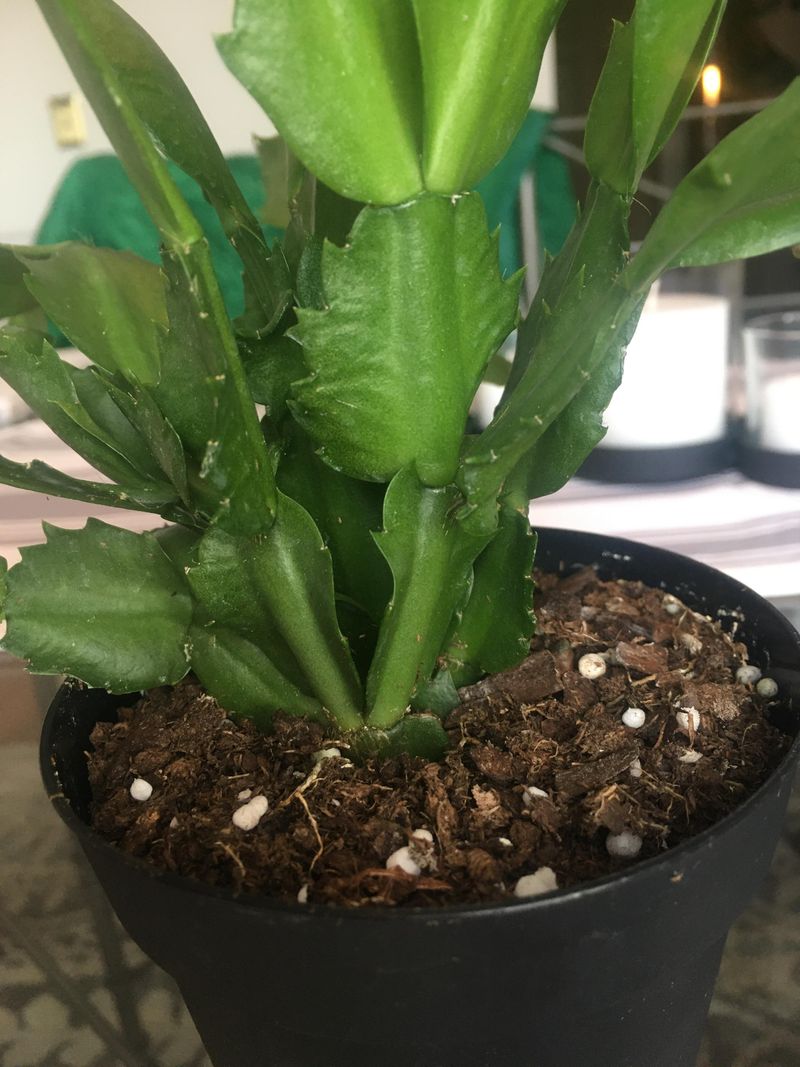
Here is a twist many gardeners do not expect. A little thirst in October can actually help your cactus bloom better.
Easing back on water sends another gentle signal to the plant. Combined with cool nights, it nudges the cactus toward flowering mode.
Let the top half of the soil dry out before watering again. Push a finger into the pot to check rather than guessing.
Drier does not mean bone dry or shriveled, though. Wrinkled, limp stems suggest you have gone a bit too far.
Once buds appear, change your approach right away. Keep the soil evenly moist, but never soggy, to protect those developing flowers.
Soggy soil causes more trouble than dry soil for this plant. Roots sitting in water can rot quickly and weaken the whole cactus.
Check that your pot has drainage holes at the bottom. Empty any saucer of standing water about 15 minutes after watering.
Room-temperature water is kinder than cold tap water. A sudden chill at the roots can stress the plant during this sensitive time.
Hold off on fertilizer during October as well. Feeding now can push leafy growth instead of flowers.
Humidity matters a little, too, since these plants come from misty forests. A tray of pebbles and water under the pot adds gentle moisture to dry indoor air.
Think of it as a careful balancing act. Small adjustments now can lead to a much fuller display in December.
7. Outdoor Plants Come Inside Before Frost
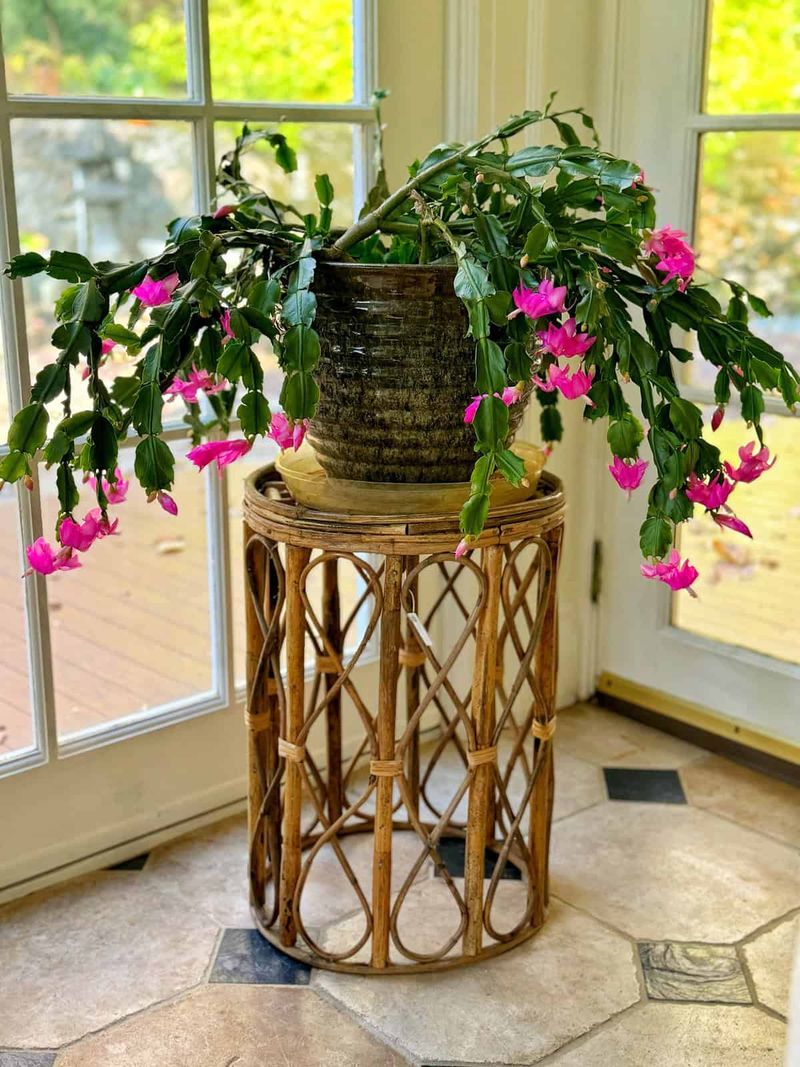
Did your cactus spend a lazy summer on the porch? October is the month to plan its homecoming.
Many Virginia gardeners set their Christmas cacti outside during warm months. Fresh air and dappled shade can make the plants strong and healthy.
Fall weather changes quickly across the state, though. Bring the plant indoors before nights fall steadily below 50 degrees.
Frost is the real danger here. Even one freezing night can turn the stems mushy and damaged.
Interestingly, a few weeks of cool porch nights in early fall can help. That natural chill often jump-starts bud formation before the plant even comes inside.
Keep an eye on local forecasts during this time. Mountain areas like Blacksburg cool off much sooner than Virginia Beach or Norfolk.
Before moving the plant, give it a quick inspection. Look under stems and around the soil for mealybugs, aphids, or other hitchhikers.
A gentle rinse with lukewarm water can wash away unwanted pests. Let the pot drain fully before carrying it inside.
Choose an indoor spot that matches the outdoor conditions as closely as possible. Cool, bright, and dark at night is the winning combo.
Changes in setting can cause mild stress at first. A plant may look a little droopy for a few days while it adjusts.
With a careful transition, the cactus settles in quickly. Soon it will be ready to start its holiday blooming cycle indoors.
8. Heat Vents And Drafts Cause Trouble
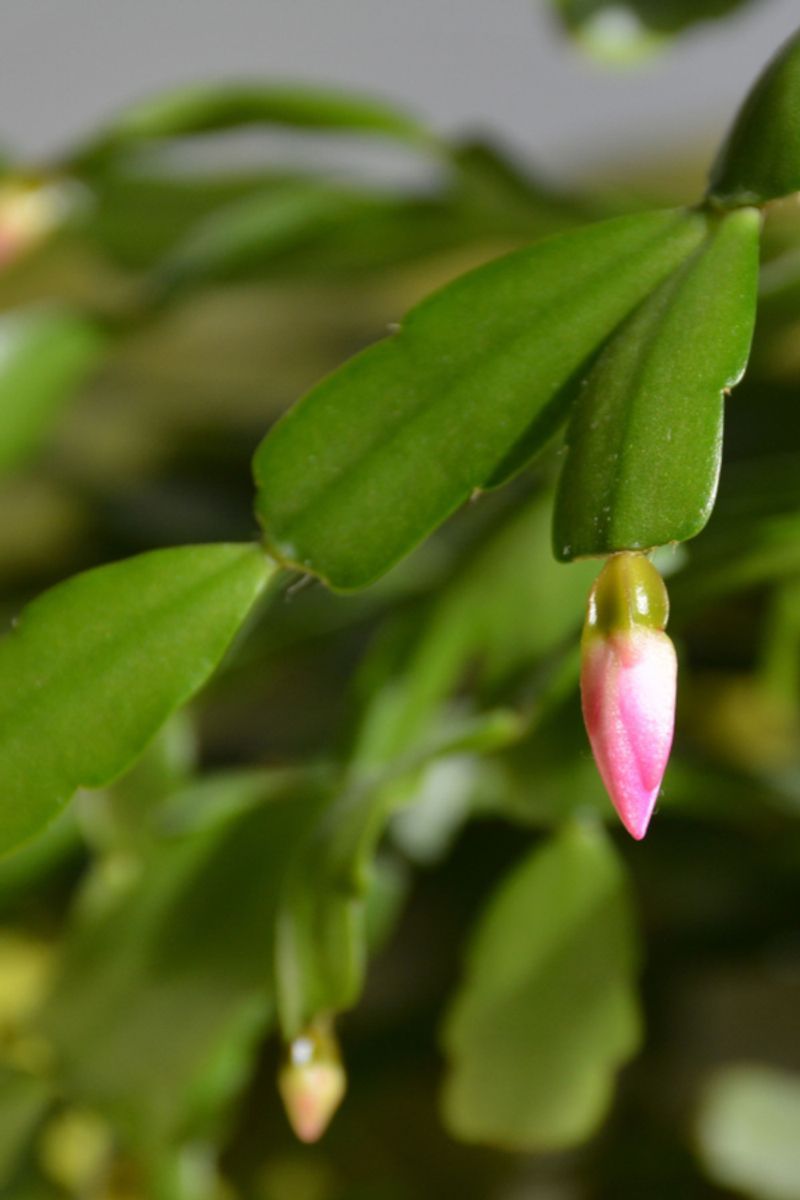
Picture yourself standing in front of a hair dryer all day. Your Christmas cactus feels about the same way next to a heat vent.
Sudden blasts of warm, dry air can stress the plant badly. Buds may turn yellow, shrivel, or fall off without warning.
Cold drafts are just as troublesome as hot air. An often-opened front door can send chilly gusts straight across the pot.
Furnaces in many homes start running in late October. Take a moment to see where the warm air actually flows.
Fireplaces and wood stoves also deserve extra caution. A mantel might look like a lovely spot, but it is often far too warm.
Radiators and space heaters create similar problems. Keep your plant at least several feet away from any heat source.
Leaky windows can surprise you on breezy nights. Hold your hand near the glass to feel for cold air sneaking in.
Steady, moderate temperatures help buds develop smoothly. Big swings from warm to cold confuse the plant and waste its energy.
A handy test involves a simple ribbon or strip of tissue paper. Tape it near the plant and watch whether it flutters from moving air.
If the ribbon moves often, consider a calmer location. A quiet corner with indirect light might be the perfect fit.
Finding the right spot early saves plenty of headaches later. Your plant will thank you with healthy buds that stay put.
9. Moving The Plant Can Make Buds Drop
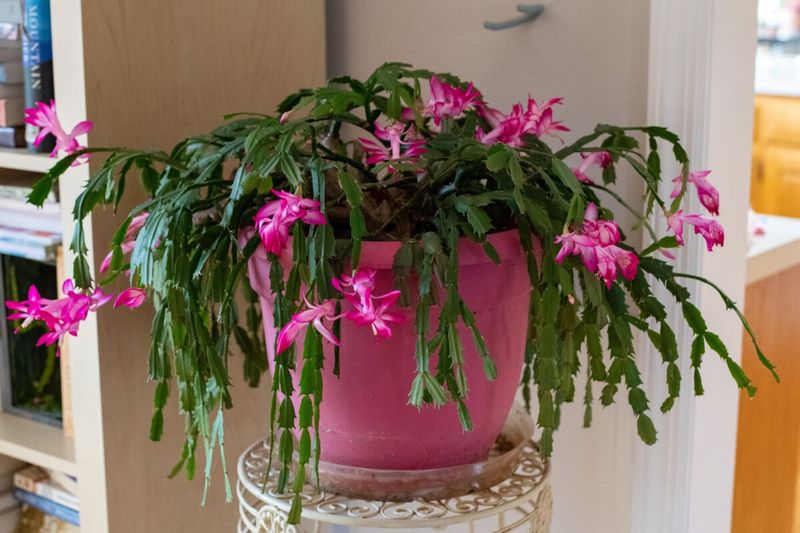
Finally, buds are forming, and excitement is running high! Now comes the hardest part, which is leaving the plant alone.
Christmas cacti become surprisingly sensitive once flower buds appear. Even small changes can make them drop buds like confetti.
Buds tend to grow toward the light source. Turning the pot forces the plant to readjust, and that stress can cost you flowers.
Resist the urge to rotate it for a more even look. A slightly lopsided bloom is far better than a bare plant.
Moving it to another room creates even bigger problems. New light, new temperatures, and new air flow all hit at once.
Choose a permanent home for your plant before buds show up. Make it a spot where it can happily stay through the holidays.
Planning a holiday display somewhere special? Set the plant there early in the season, not after buds appear.
Bud drop can happen for other reasons, too. Overwatering, underwatering, and sudden temperature swings are common culprits.
Losing a few buds is perfectly normal, so do not panic. Healthy plants often make more buds than they can fully support.
Guests in your Virginia home may want to touch or move the plant. A friendly reminder to admire without handling can protect those delicate blooms.
Hands-off care is the secret here. Let the plant stay settled, and it will reward you with a full, colorful display.
10. Thanksgiving Cacti Bloom Earlier Than Christmas Cacti
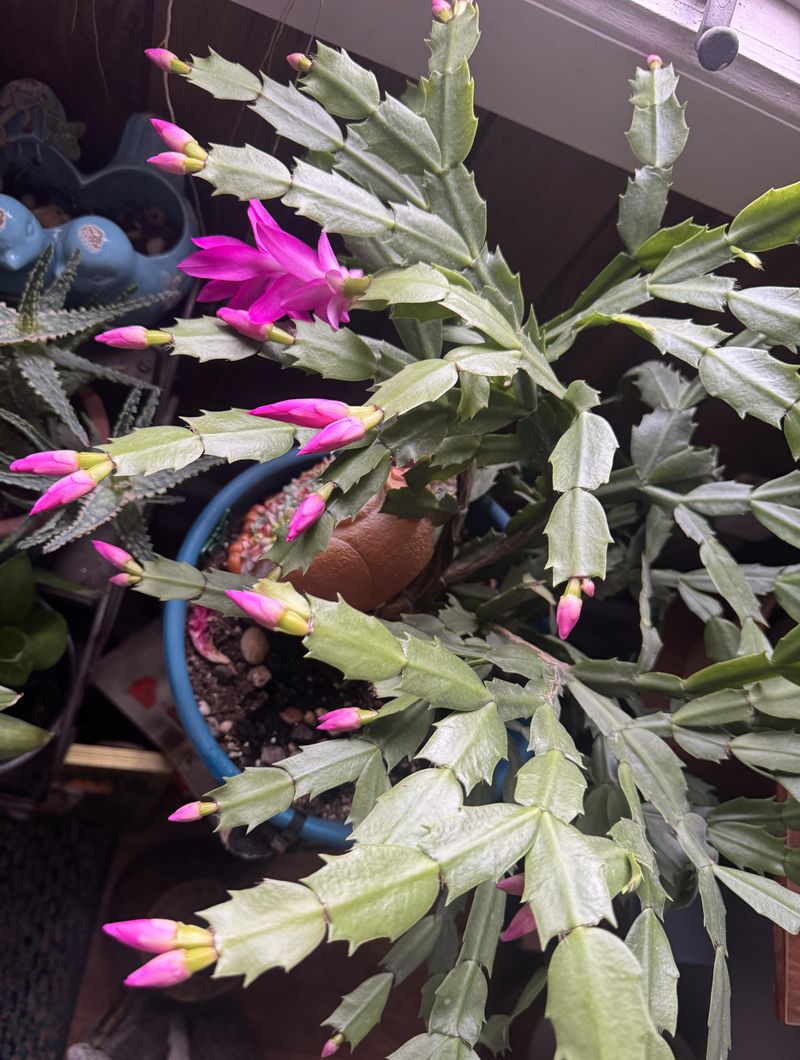
Here is a fun surprise for many plant lovers. Your Christmas cactus might actually be a Thanksgiving cactus in disguise.
Stores often sell both plants under the same holiday name. Most cacti found in shops during fall are actually Thanksgiving types.
Spotting the difference is easy once you know the trick. Look closely at the edges of the flat stem segments.
Thanksgiving cacti have pointed, claw-like teeth along each segment. True Christmas cacti have smoother, rounded, scalloped edges instead.
Bloom times differ as well, which explains a lot. Thanksgiving cacti often flower from late October through November.
Christmas cacti usually save their show for December and January. So if yours blooms early, it may simply be following its own calendar.
A third cousin, the Easter cactus, blooms in spring. It has star-shaped flowers and slightly bristly stem segments.
Care for Thanksgiving and Christmas cacti is nearly identical. Both enjoy cool nights, long darkness, and steady, gentle watering.
Thanksgiving types just need you to start a bit earlier. Begin their cool, dark routine in September for best results.
Many Virginia gardeners grow both types for a longer season. Blooms can stretch from fall gatherings all the way into the new year.
Knowing which plant you have takes the guesswork out of timing. Check those stem edges today, and plan your October care with confidence.