The Real Reason Blue Jays Keep Visiting Your Virginia Yard
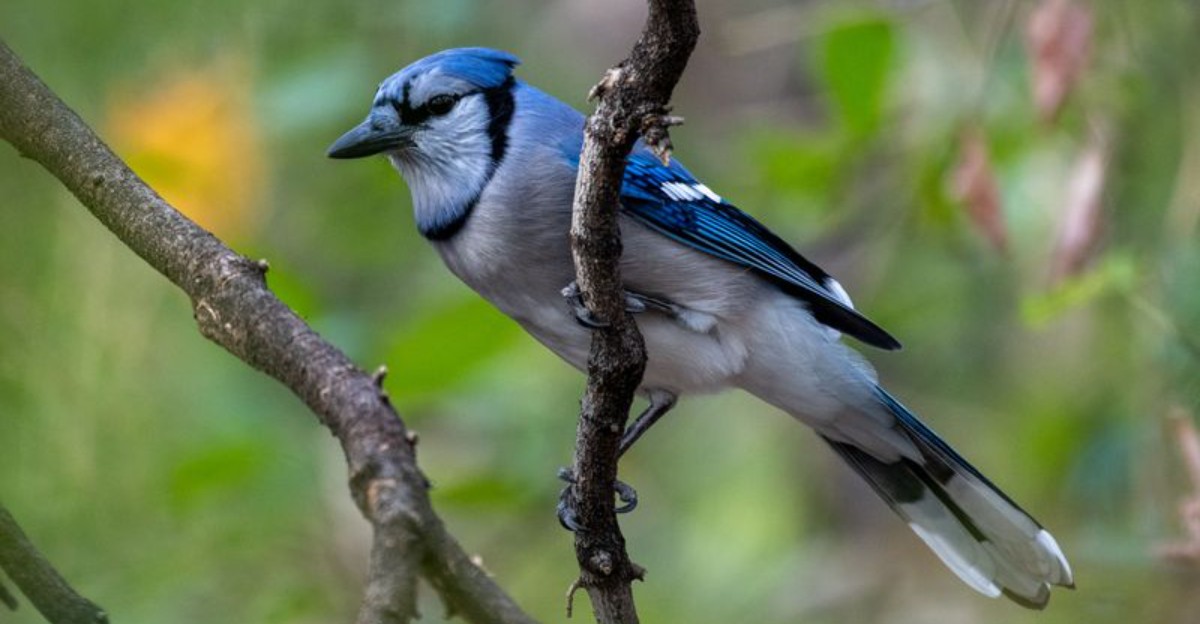
That sharp, ringing call from the oak tree is often a sign that a Blue Jay has found something worth returning to.
These bold birds do not visit yards at random. They are usually following a reliable source of food, water, or shelter.
Maybe they discovered acorns beneath your trees, a feeder near the porch, or a quiet place to perch and watch the yard. Blue Jays are observant birds that remember good spots, and your property may have become one of their regular stops.
Their visits also bring surprising benefits. They can spread oak seeds, contribute to the backyard food web, and add more activity to the landscape.
Once you know what attracts Blue Jays to your Virginia yard, those familiar blue flashes start to make a lot more sense.
Acorns Give Blue Jays A Major Reason To Visit In Fall
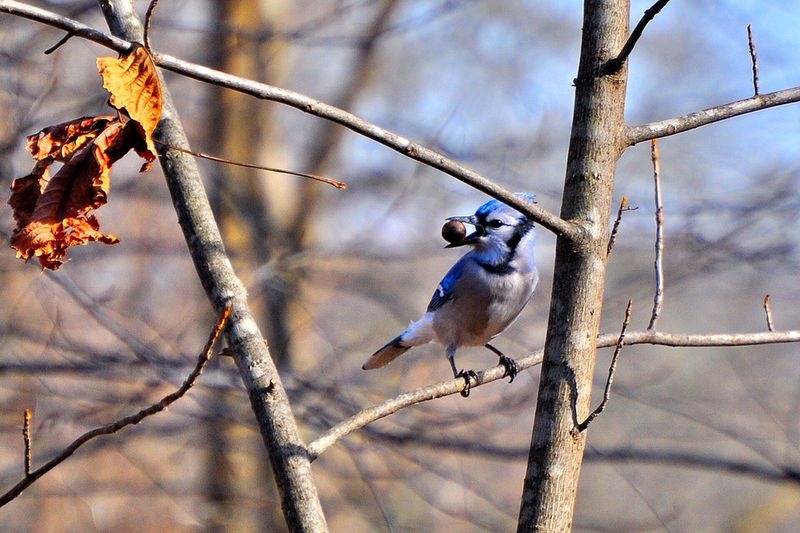
Autumn turns your oak trees into a grocery store, and Blue Jays know the address. Acorns can make up a major part of their diet during the colder months.
Researchers have documented Blue Jays carrying and caching thousands of acorns during a season.
Their secret weapon is a stretchy throat and expandable mouth that lets them carry several acorns at once. A single jay can pack in about five acorns, hold another in its beak, and still fly off looking casual.
Rather than eating everything on the spot, they bury acorns one by one in shallow holes. Some trips carry nuts a mile or two away from the parent tree.
Here is the fun part. Jays inspect each acorn and pick the healthy, insect-free ones, which means their buried snacks have a strong chance of sprouting.
A single Blue Jay can stash thousands of acorns in a season and only dig up about a quarter of them. The forgotten ones quietly grow into new oaks.
Scientists believe jays helped oak forests spread northward after the last ice age. Your backyard visitor is basically a tiny forestry crew with feathers.
If you have oaks, resist raking every acorn away in October. Leaving a patch under the canopy gives jays a reliable reason to keep returning through winter.
No oaks yet? Planting a white oak or pin oak is a long game worth playing.
Bird Feeders Offer An Easy Source Of Extra Food
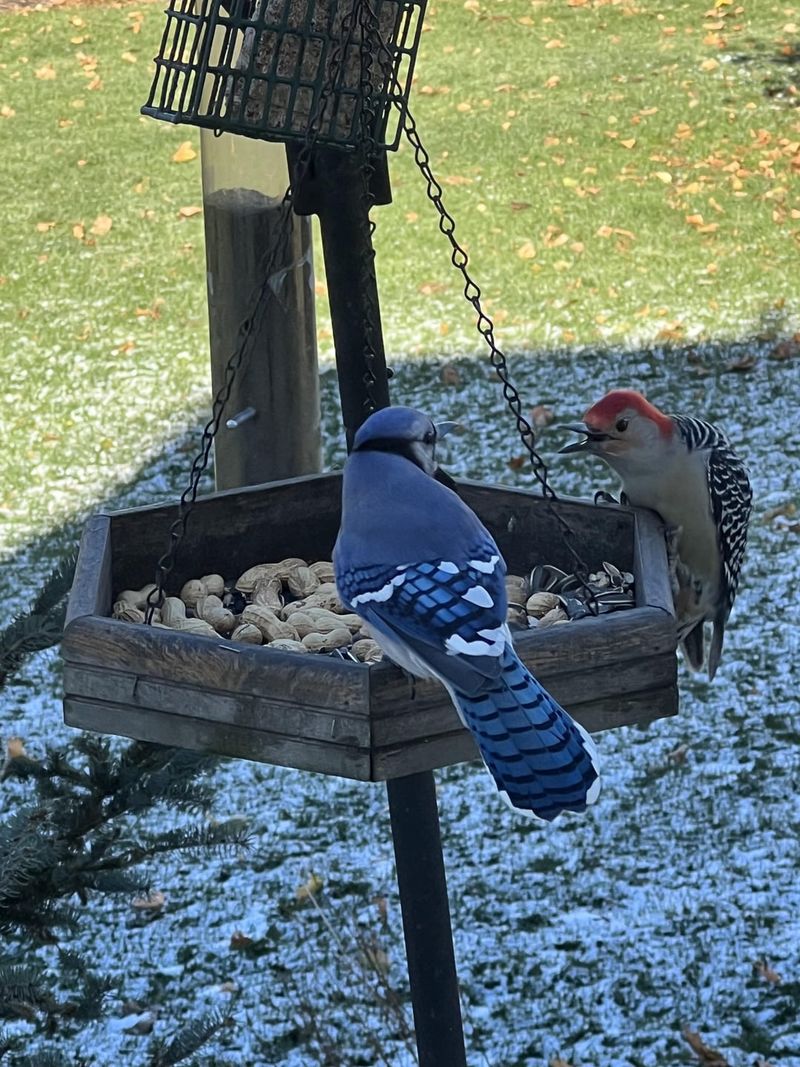
Ask any backyard birder what brings jays running, and peanuts top the list. Unsalted peanuts, in or out of the shell, turn a casual visitor into a regular.
Black oil sunflower seeds run a close second. Suet cakes, suet shreds, and cracked or whole corn also rank high on the jay menu.
Come spring, mealworms become a hot item. Nesting parents need protein, and dried or live mealworms deliver it fast.
Size matters when choosing a feeder. Jays are big birds with long tails, so platform, hopper, and open tray feeders suit them far better than narrow tube models.
Watch them closely and you will notice they rarely eat much on site. They load up their throat pouch, fly off, hide the food, and come right back for another round.
Your Virginia Garden Changes Every Week. Your Plan Should Too.
Gardening in Virginia changes quickly throughout the season. Every Friday you’ll receive a simple weekly plan showing exactly what to plant, prune, fertilize, harvest, and protect so you never miss the right timing.
Jays also have a sneaky trick. Some mimic a hawk’s scream, which clears the feeder in a hurry and gives them the buffet to themselves.
Place feeders within about ten feet of shrubs or trees so birds have quick cover. Keep them away from thick ground plants where a neighborhood cat could hide.
Cleaning matters more than most folks realize. Scrub feeders every couple of weeks with hot soapy water to keep illness from spreading among your visitors.
If jays hog everything, add a second feeder in a separate corner of the yard. Smaller birds get their turn, and the jays still get their peanuts.
Berry Producing Plants Add Another Food Option
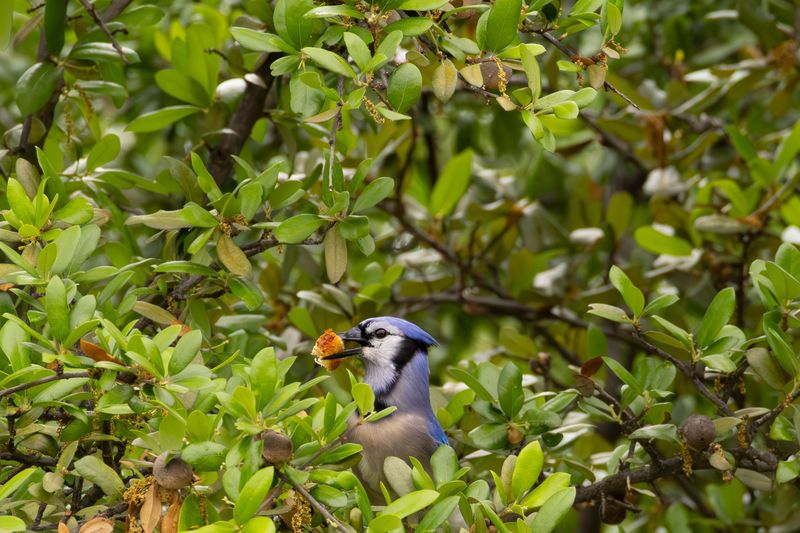
Nuts get the headlines, but berries quietly round out a jay’s menu. These birds are omnivores, grabbing whatever looks good in the moment.
Native plants make that easy. Serviceberry, wild cherry, hawthorn, and sumac all produce fruit that jays happily sample.
Blackberries and blueberries pull them in too. There is even a blueberry cultivar named Blue Jay, which feels a little on the nose but works well gardens.
Virginia creeper deserves a spot on your list. Its blue-black berries hang on through fall and winter, feeding birds when pickings get thin.
Want more options? Red mulberry, persimmon, wild grape, elderberry, and Eastern red cedar all pitch in.
Those blue cedar berries are technically small cones, a fun bit of plant trivia.
Hollies are winter champions. American holly, winterberry, and possumhaw hold bright fruit long after most plants have gone bare.
Chokeberry, viburnum, and crabapple round out a solid planting plan. Mixing several species means something is fruiting nearly every month.
Berries do double duty. Jays swallow the fruit, move around, and spread seeds in new spots, helping native plants pop up across the neighborhood.
A practical tip: group three or five shrubs of the same species together. Birds spot larger patches faster, and you get a fuller look in the landscape.
Skip invasive ornamentals like nandina and stick with natives. Your yard stays healthier, and the jays get better nutrition.
Open Lawns Give Blue Jays Room To Search For Food
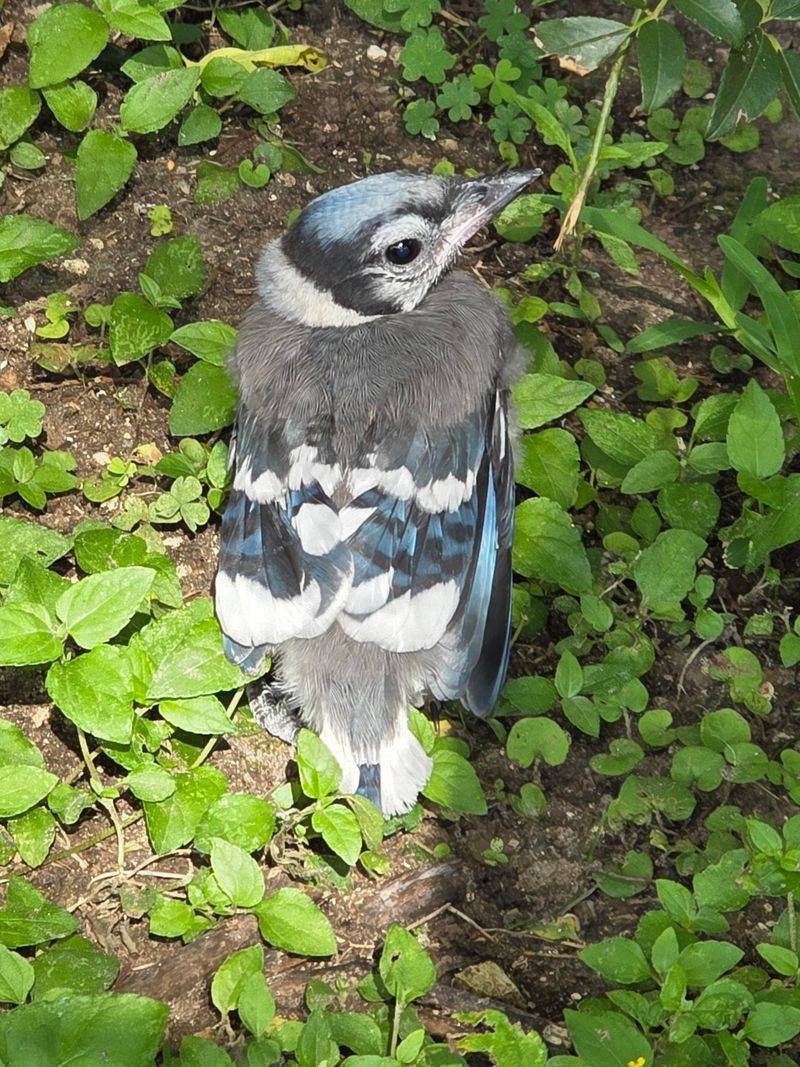
Ever seen a jay hopping across your grass like it lost its car keys? That behavior is pure foraging, and lawns turn out to be useful hunting grounds.
Insects are the main prize. Caterpillars, beetles, and grasshoppers give jays the protein they need, especially while raising hungry nestlings.
They also pick off spiders, snails, and other small creatures hiding in the turf. A jay working the lawn is doing free pest patrol.
Open ground serves a second purpose. Jays bury acorns and feeder peanuts right in the grass or along flower bed edges, then cover the spot with a dried leaf.
That leaf trick is clever. It hides the fresh dirt from squirrels and other birds who would gladly steal the stash.
Suburban neighborhoods suit them perfectly. A mix of mowed lawn, scattered oaks, and nearby feeders checks every box on their list.
Fallen seed under a feeder also draws them down to ground level. They glean spilled sunflower hearts and corn without much effort.
Here is where you can help. Cutting back on lawn pesticides keeps the insect supply steady, which benefits jays and nearly every songbird around.
Leaving a few leaves in garden beds gives bugs a place to live. More bugs means more reasons for jays to drop in.
You do not need a perfect lawn to attract them. A patchy, chemical-free yard often hosts more wildlife than a manicured one.
Mature Trees Provide High Perches And Nesting Sites
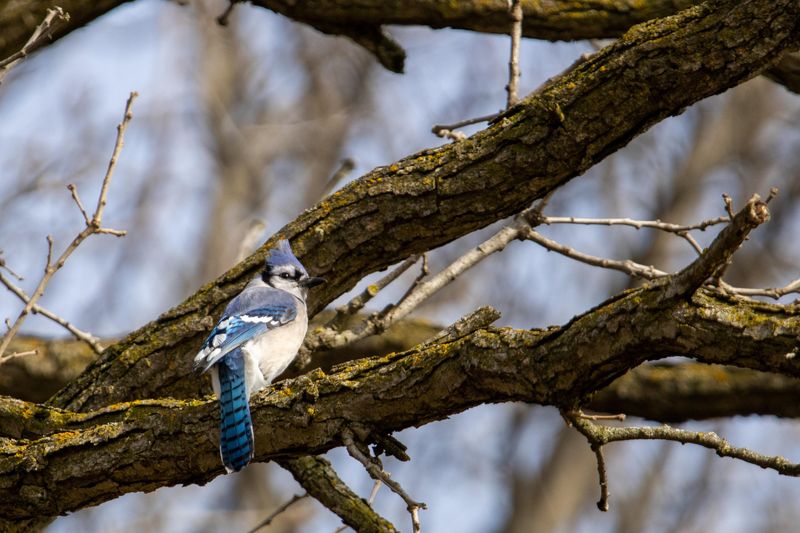
Tall trees are a jay’s command center. From a high branch, they scan the whole yard for food, rivals, and circling hawks.
Blue Jays live in Virginia year round, favoring deciduous and mixed woods. Woodland edges and leafy suburbs with plenty of oaks suit them best.
Nesting plans stay flexible. Pines and arborvitae are popular picks, but oaks, maples, beeches, and sycamores get used plenty too.
Look for the nest in a sturdy trunk crotch or tucked among thick outer branches. Most sit between 8 and 30 feet off the ground.
Both parents build together, weaving twigs, grass, bark strips, moss, and sometimes a little mud into a bulky open cup. It is teamwork with a lot of arguing over stick placement.
Something surprising happens during nesting season. Blue Jays often become quieter and more cautious around the nest during breeding season, slipping in and out of the nest without a peep.
That quiet streak helps keep predators from noticing. Once the young fledge, the noise returns with interest.
If you have big oaks on your property, you are already ahead. Acorns plus perches plus nest sites equals a jay magnet.
Hold off on heavy pruning between March and July. Trimming during nesting season can expose or knock down an active nest.
Planting a young shade tree now pays off later. Future jays will thank you, loudly, from the top branches.
Dense Shrubs Offer Cover From Predators And Bad Weather
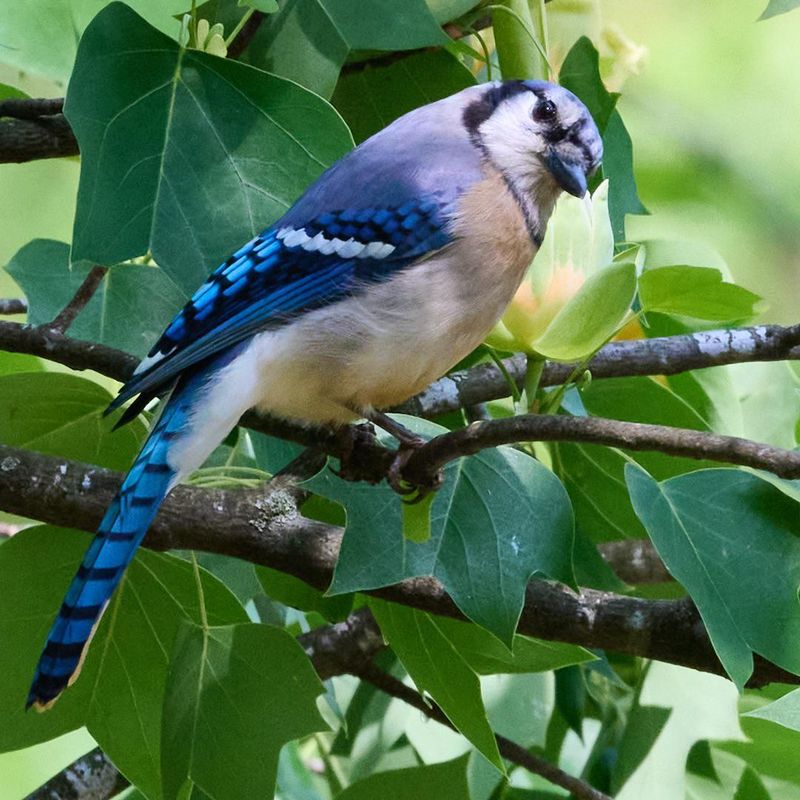
Safety ranks right up there with snacks. Jays need thick vegetation to duck into when a hawk glides over or a cat slinks across the patio.
Weather plays a role too. Strong winds, pounding rain, and winter snow send jays straight into dense cover.
Evergreens shine in cold months. Thick needles trap warmth and block wind, making them favorite roosting spots on long January nights.
Leafy shrubs take over in spring and summer. Dense foliage gives birds shade and a quiet place to rest between feeding trips.
Jays usually nest in trees, but shrubs sometimes get the job. The Virginia Department of Wildlife Resources points out how much songbirds depend on a healthy shrub layer.
Good native choices include Eastern red cedar and wax myrtle. Both stay green year-round and handle the state’s soils without fuss.
Virginia creeper adds another layer of protection. Let it climb a fence or old stump and you create instant hiding space.
Arrangement matters as much as species. Grouping shrubs into connected corridors lets birds travel across the yard without crossing open ground.
Try linking your feeder area to a shrub cluster with a few plants in between. Jays will use that route constantly.
One more perk: those same shrubs shelter chickadees, cardinals, and sparrows. Building cover for jays quietly upgrades habitat for the whole neighborhood flock.
Water Sources Give Blue Jays Another Reason To Stop By
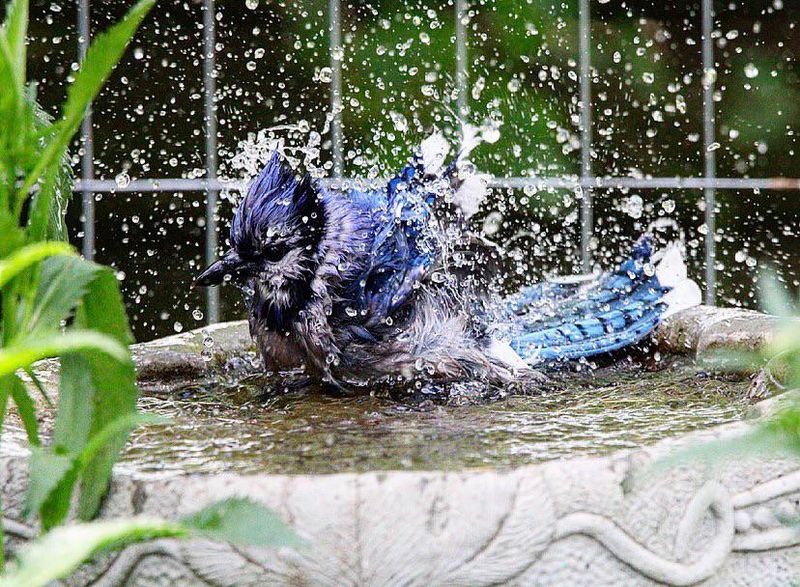
Few things pull birds in like the sound of moving water. A simple birdbath can out-perform a feeder on a hot afternoon.
Birds do not sweat, so they cool off by breathing fast and drinking often. Summer humidity here makes fresh water a genuine necessity.
Watch a jay drink and you will see the routine. It scoops water with its beak, then tips its head back to swallow.
Bathing is the real show. Jays splash with enthusiasm, soaking themselves to knock loose dust and mites and keep feathers in good shape.
They also sunbathe afterward, spreading wings across warm ground. Both habits help their plumage work properly.
Design details matter. A shallow basin with two to three inches of water suits most birds, and larger species like jays appreciate extra width.
Adding motion helps enormously. Drippers, wigglers, and small fountains create ripples and sound that birds notice from a distance.
Winter changes the game. When puddles freeze across the state, a heated birdbath becomes one of the most valuable things in your yard.
Cleanliness keeps everyone healthy. Dump and scrub the basin every few days, more often during hot spells.
Sure, Virginia has the James River, Kerr Lake, and Lake Gaston, but birds are practical. Clean water twenty feet from the feeder beats a river a mile away every time.
Set the bath where you can see it from a window. The entertainment alone is worth the effort.