This Foul-Smelling Florida Vine Starts Flowering In Fall – Now Is The Time To Find It
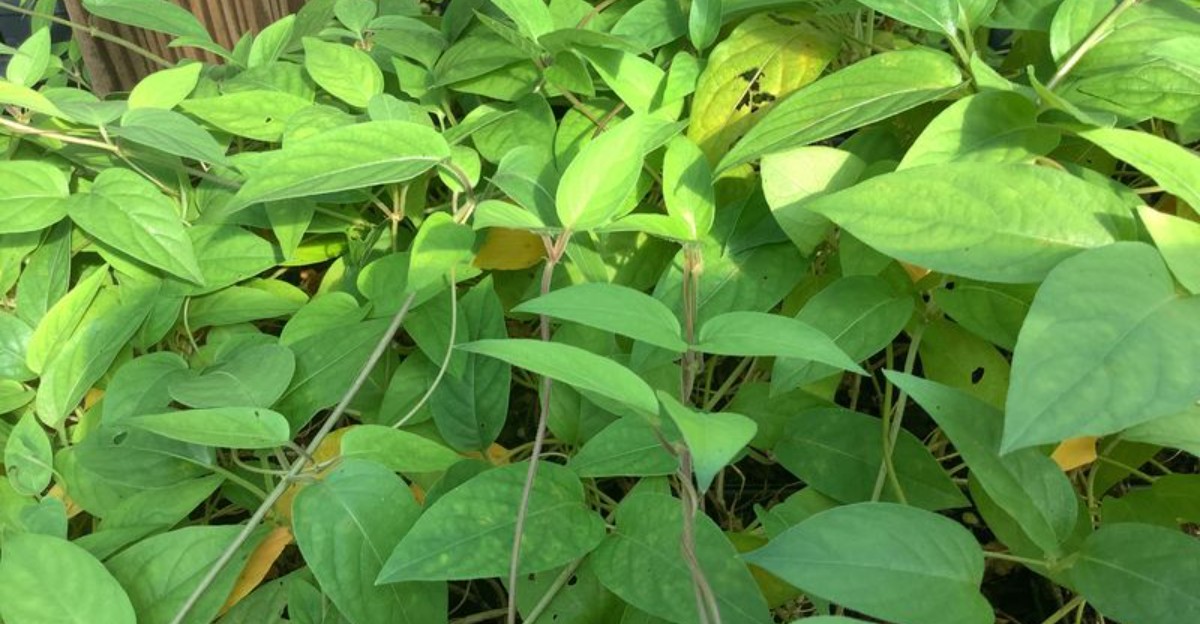
Crush one leaf between your fingers and the smell hits like a rotten-egg sandwich left in a hot car.
Tiny bell-shaped flowers open along your Florida fence line this season, pale outside with a purple throat inside. Cute, until you notice stems that twist up through your shrubs and over everything in reach.
Nobody planted it. It just showed up.
Birds carry the seeds off to other corners of the yard, so one vine this year can turn into several by next.
That stink is the best clue you’ll get. Bloom time makes the vine easy to spot, before fruit forms and the whole tangle gets harder to manage.
Grab a leaf this weekend and give it a rub. Your nose will settle the argument.
1. That Smelly Vine Is Skunkvine
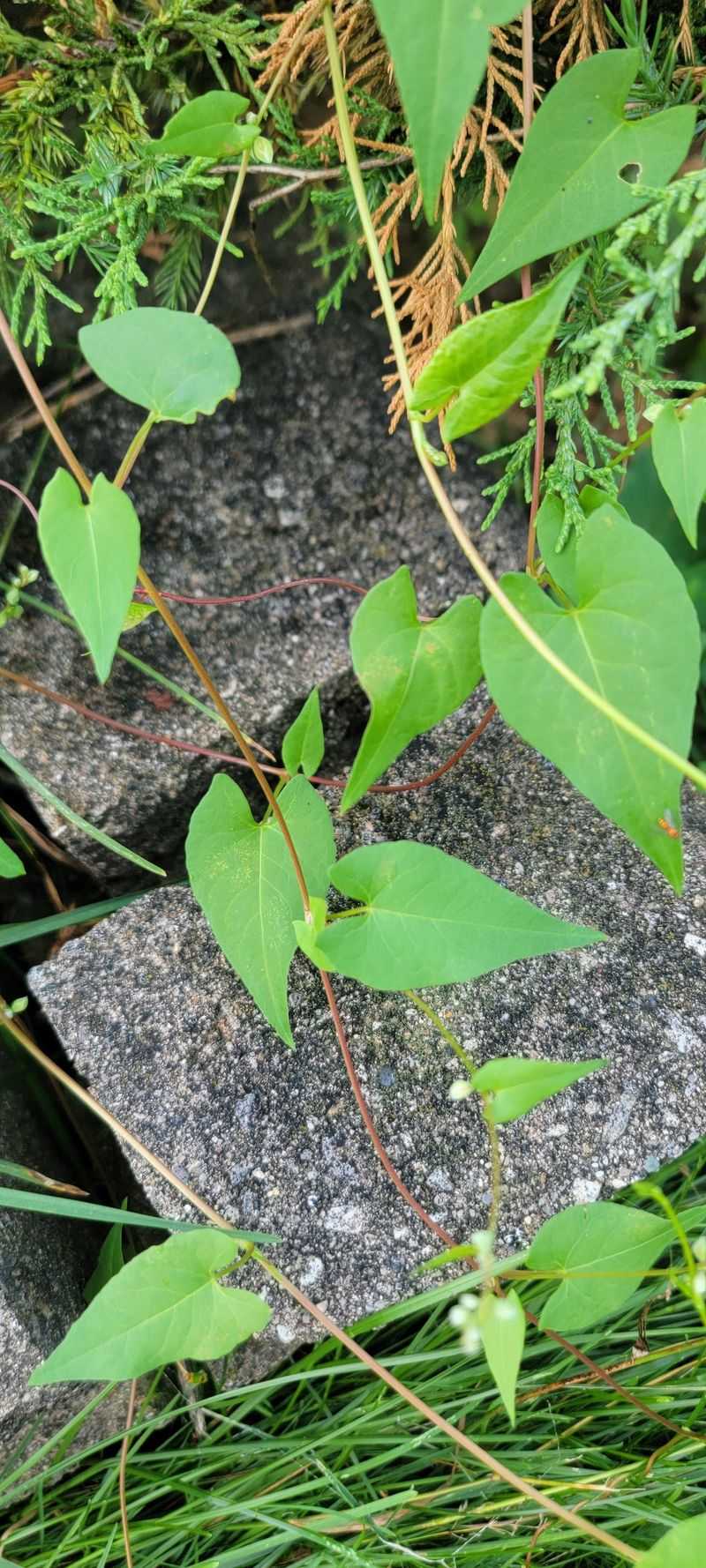
Mystery solved: the stinky culprit is called skunkvine. Scientists know it as Paederia foetida, and the second word roughly means foul-smelling in Latin.
Here is a fun bit of history. Back in the late 1800s, people brought this vine to the state on purpose because they hoped it could become a fiber crop, something like a plant used to make rope or cloth.
That plan did not work out the way anyone hoped. Instead of becoming a useful crop, the vine slipped out of fields and gardens and started spreading on its own.
Skunkvine is a perennial, which means it comes back year after year. It twines, so it wraps its stems around anything it can reach, like a curly ribbon wrapped around a pole.
You can find it in yards, along fences, at the edges of woods, and near roadsides. It grows in sun or shade, which helps it show up in many different spots across the state.
Knowing the name is your first step as a plant detective. When you can name a weed, you can look up how to report it, how to manage it, and how to tell it apart from look-alike vines.
So the next time a friend wrinkles their nose outdoors, you can share the answer. Skunkvine is the prankster hiding in the hedge.
2. Crushed Leaves Give Off A Skunk-Like Odor
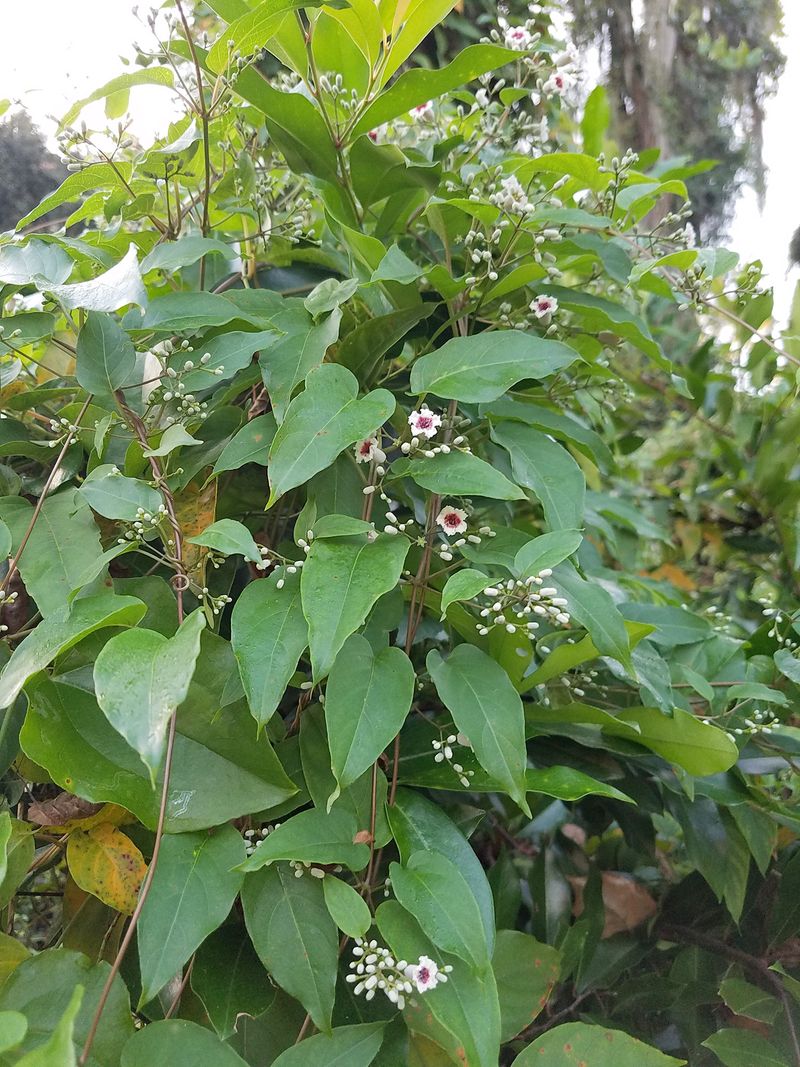
Try this sniff test, if you dare. Gently crush a leaf between gloved fingers, then take a careful whiff.
If your face scrunches up right away, you probably found skunkvine. The plant usually smells fine when left alone, but bruising the leaves or stems releases the stink.
That smell comes from sulfur compounds hiding inside the leaves. The main one is called dimethyl disulphide, which is a mouthful to say and a noseful to smell.
People describe the scent in lots of colorful ways. Some say it smells like a skunk, while others compare it to sewage, rotting cabbage, or dirty gym shoes left in a hot car.
One person even said it smells like somebody who really needs a bath. Honestly, that might be the best description of all.
This odor test is handy because many vines look alike at first glance. A quick crush can help you tell skunkvine apart from harmless native climbers.
Your Florida Garden Changes Every Week. Your Plan Should Too.
Gardening in Florida changes quickly throughout the season. Every Friday you’ll receive a simple weekly plan showing exactly what to plant, prune, fertilize, harvest, and protect so you never miss the right timing.
A few tips will help. Wear gloves so the smell does not cling to your skin, and wash your hands afterward anyway.
Also, mowing or weed-eating a patch can fill the whole yard with that funky smell. Many Floridians first notice skunkvine this way, right after trimming the hedges on a warm afternoon.
3. Look For Small Lilac Or Grayish Pink Flowers
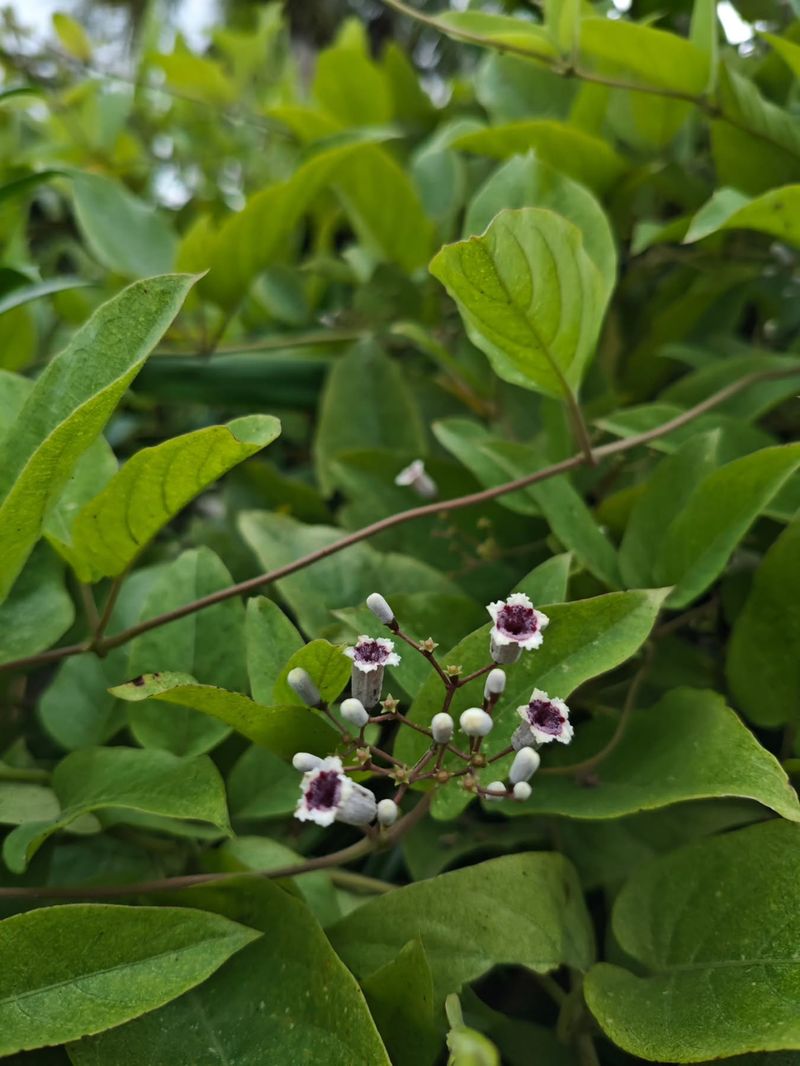
Soft and pretty, the flowers might fool you at first. They look far too sweet for a plant with such a smelly reputation.
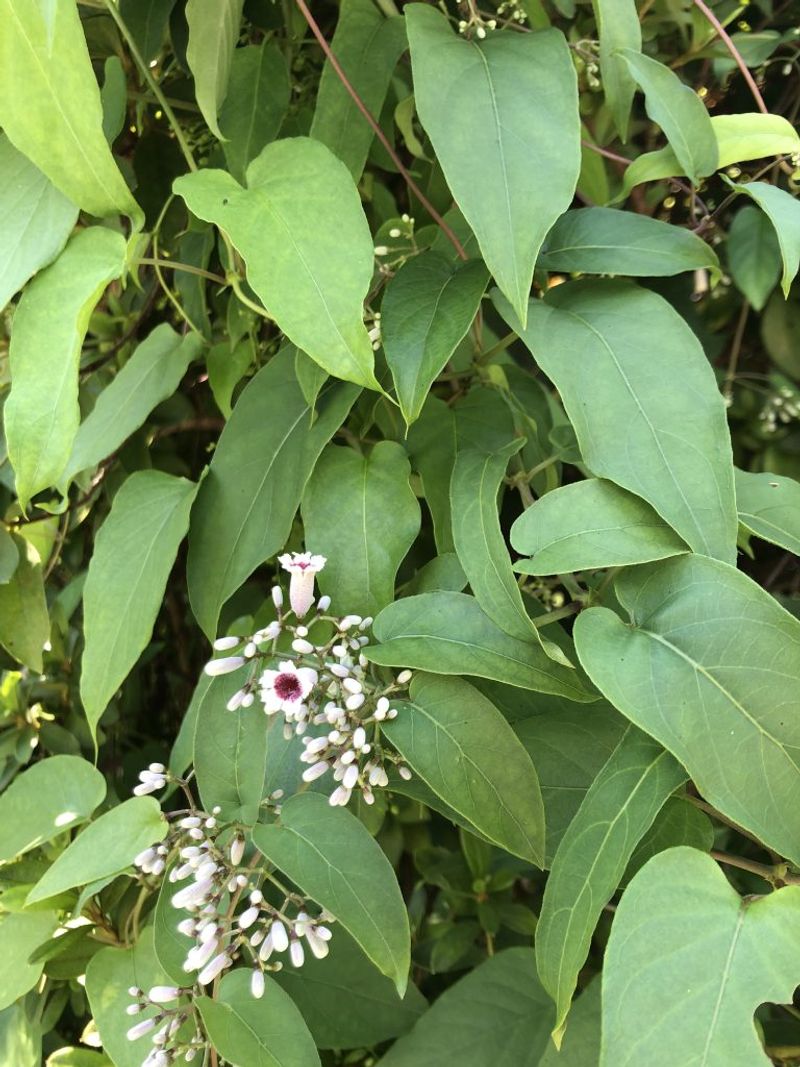
Skunkvine blooms are small, usually about the size of a pencil eraser or a bit bigger. Their color is often described as lilac or grayish pink, a dusty shade like faded bubble gum.
The flowers tend to grow in clusters instead of one at a time. These bunches can be broad or long, and they often curve along the stems with small leaves mixed in.
Some people call these clusters leafy because the flowers and leaves seem tangled together. When you spot them, they almost look like a little bouquet tucked into the vine.
Here is a smart way to search. Walk slowly along fences, hedges, and wooded edges, and look for a sprinkle of pale pink against green leaves.
Bring a phone to snap photos of anything that matches. Close-up pictures help experts or plant apps confirm what you found.
Remember that some native plants also have pink flowers. That is why it helps to combine clues, like the smell test, the leaf shape, and the blossom color, before you decide.
Think of each clue as a puzzle piece. Put enough pieces together, and the picture becomes clear.
4. The Blooms Have Red Centers
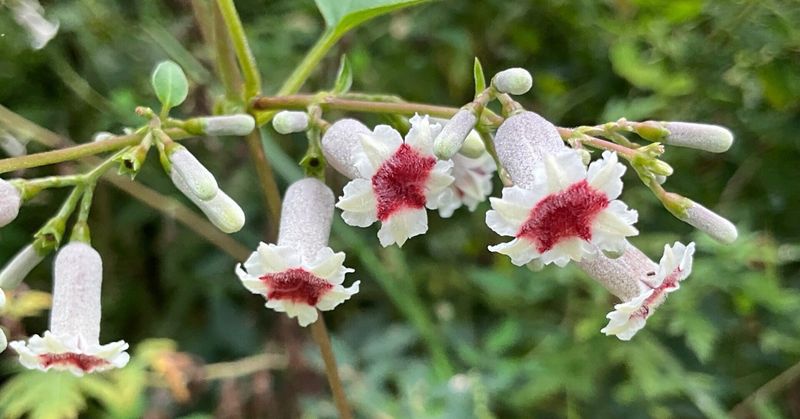
Lean in closer, and the flowers reveal a secret. Right in the middle of each little bloom sits a splash of deep color.
That center is often described as red or dark purplish. It looks a bit like someone dabbed it with a tiny drop of berry juice.
This feature is one of the best ways to identify skunkvine. The pale pink or lilac petals surround the darker throat, creating a bullseye pattern that stands out once you know to look for it.
The flower itself is shaped like a small tube that opens into a few spreading lobes. When you peek into the opening, the darker color draws your eyes straight to the middle.
Why does this matter? Many pink flowers grow wild in Florida, but not many have this exact color combination on a twining, stinky vine.
A magnifying glass can make this clue even more fun to check. Kids especially enjoy turning plant hunting into a little science project.
Try making a quick field notebook. Draw the flower, color in the red center, and write down where and when you saw it.
Over time, you will train your eyes to spot that bright little center from several steps away. It becomes a bit like finding Waldo in a sea of green.
5. Flowers Appear Mostly In Late Summer And Fall
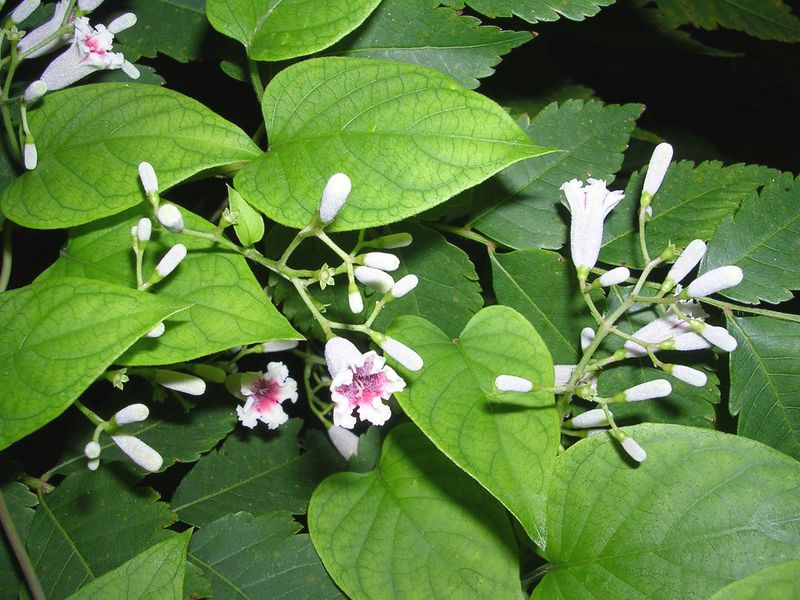
Timing is everything in a good treasure hunt. For skunkvine, the best time to look is right now.
The vine blooms mostly in late summer, and the flowers keep going into fall. During the rest of the year, it blends into the green tangle around it and is much harder to notice.
Those pink clusters act like a little flag waving from fences and trees. Suddenly, a vine you walked past all summer becomes easy to pick out.
Fall is also a comfortable season to explore outdoors in Florida. The air feels less sticky, and a walk around the block or a local park is more pleasant.
Here is a simple plan. Take a weekend stroll and check sunny edges, shady corners, and the base of trees where vines like to climb.
Write down every spot where you see the flowers. That map will be helpful later if you or your neighbors plan to remove the vine.
Spotting it early also helps slow down its spread. The sooner people know a patch exists, the sooner they can act before it grows larger.
So think of autumn as skunkvine season. While others are hunting pumpkins, you can be hunting a stinky vine with pink blooms.
6. It Can Climb Up To 30 Feet
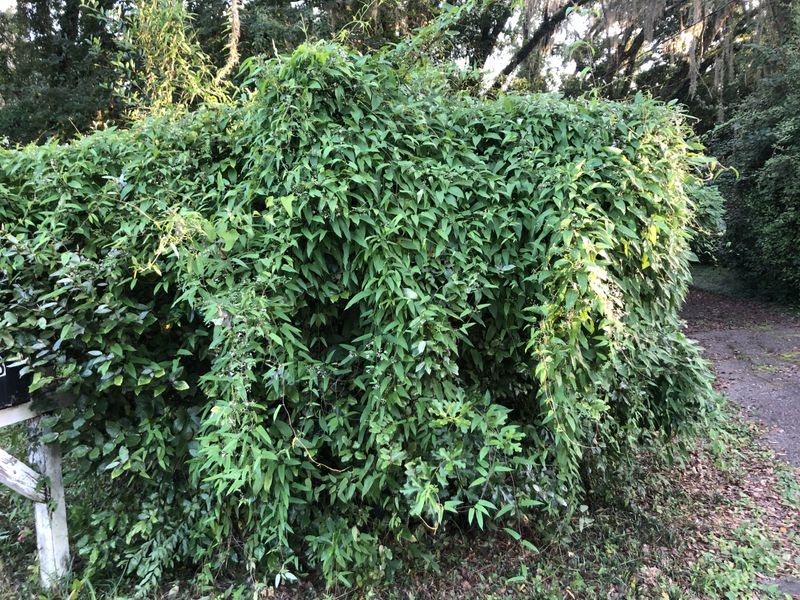
Thirty feet is about as tall as a three-story house. Skunkvine can stretch that far, and some stems have even been measured at 35 feet.
That is a lot of vine for one plant. It climbs by twisting its stems around branches, poles, and other plants, slowly winding its way upward toward the sunlight.
When nothing tall is nearby, it does not give up. The vine will crawl along the ground instead, forming thick mats that cover grass, shrubs, and garden beds.
Imagine a green blanket that keeps growing every week. That is basically how skunkvine behaves in a warm, rainy summer.
Its climbing skill lets it reach the tops of trees where it can soak up lots of sun. From up there, it can spread across branches and drape down like a leafy curtain.
For homeowners, this means checking more than just eye level. Look up into trees, along power line poles, and over the top of tall hedges.
Small patches are much easier to handle than giant ones. Catching a vine when it is only a few feet long can save you hours of work later.
A ladder or binoculars can help with inspections. Just stay safe and avoid climbing near power lines.
7. It Smothers Native Plants Under Dense Canopies
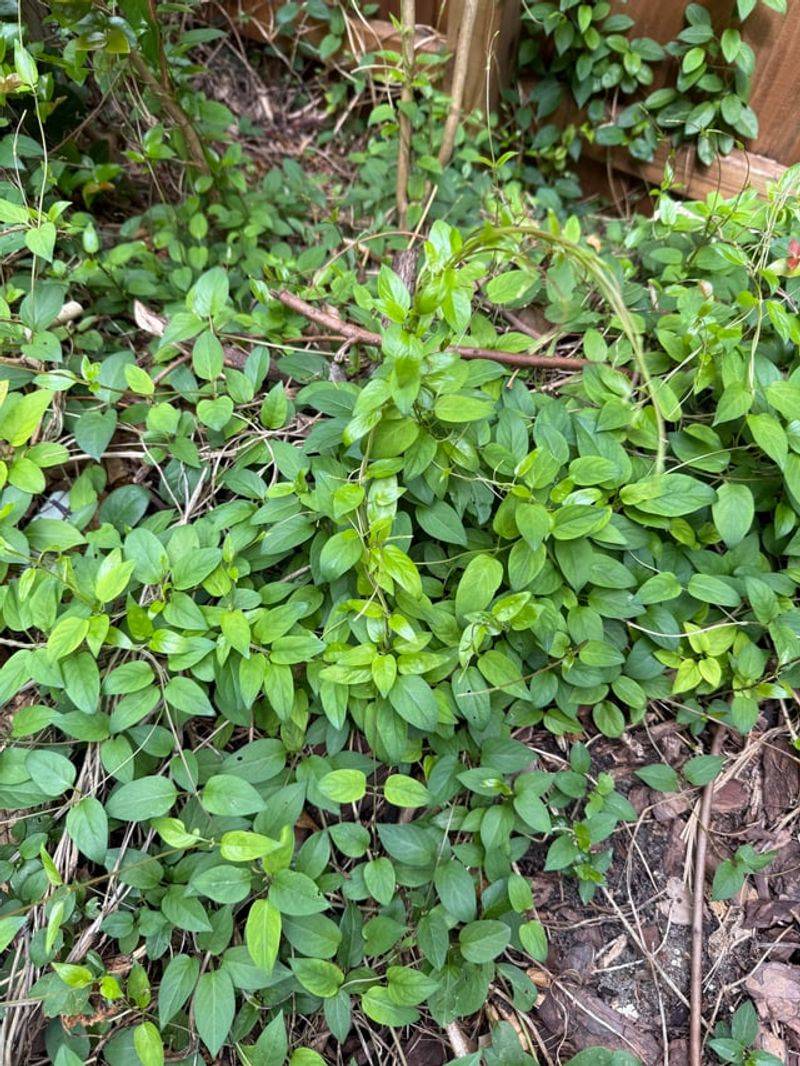
Picture trying to read a book while someone throws a heavy blanket over your head. That is how native plants feel when skunkvine moves in.
The vine forms dense canopies, which are thick layers of leaves and stems. These layers block sunlight, and plants underneath struggle because they need light to make food.
Florida officials rank skunkvine as a Category I invasive species. That label is saved for plants known to change native plant communities and push out local species.
When native plants fade away, wildlife feels it too. Birds, butterflies, and other critters depend on those local plants for food and shelter.
Weight is another problem. A big tangle of skunkvine can get so heavy that it bends or breaks branches, and sometimes it can even bring down whole trees.
In your own yard, the vine can cover favorite shrubs, flower beds, and young trees. You might notice plants looking pale, thin, or weak under the green mass.
Here is a helpful habit. Every few weeks, walk your property and peel back any vines starting to wrap your plants.
Choosing native plants for your garden also helps. Healthy native plantings support local wildlife and make your yard a happier home for everyone except skunkvine.
8. It’s Illegal To Possess, Move Or Release In Florida
Believe it or not, this plant has a legal record. Skunkvine appears on the Florida Noxious Weed List, which is a list of plants the state does not want spreading.
Because of this listing, it is against the law to possess, move, or release skunkvine in the state. That means you should not sell it, share cuttings, or plant it on purpose.
The Florida Exotic Pest Plant Council also lists it as a Category I invasive. Together, these labels show just how seriously experts take this smelly climber.
So what should you do with vine pieces after pulling them? Bag them up tightly instead of tossing them on a compost pile, since stem bits can root and start new plants.
Check with your county about yard waste rules. Some areas have special instructions for handling invasive plants.
You can also help by reporting sightings. Apps and websites such as EDDMapS let people share where invasive plants grow, which helps scientists track their spread.
Talking to neighbors helps too. Many folks have no idea that the vine on their fence is a listed weed.
A friendly heads-up can make a real difference. When a whole street works together, the stinky vine has fewer places to hide.
9. Expect More Than One Round Of Control
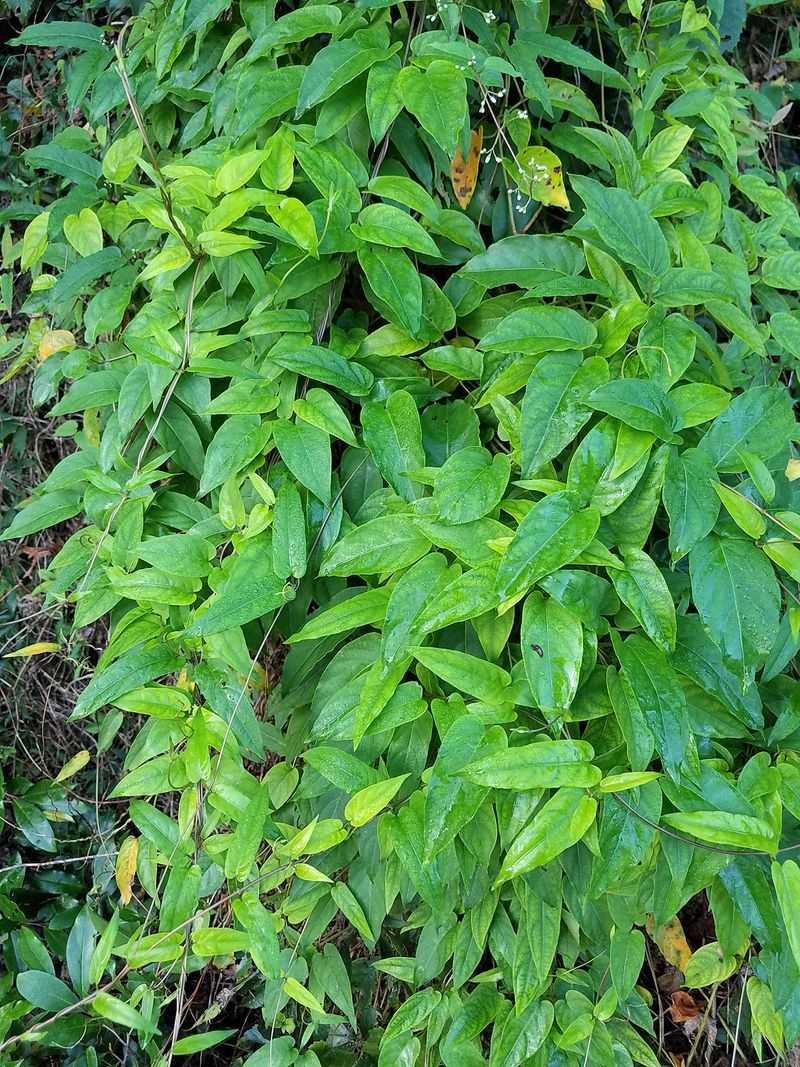
Patience is your best tool here. Skunkvine is stubborn, and one weekend of weeding usually is not enough to send it packing.
The vine can regrow from small stem pieces and from its tough, woody rootstock. Even if the top looks gone, the roots may be planning a comeback.
For small plants, pulling by hand can work. Wear gloves, follow each stem back to the ground, and dig out as much root as you can.
Bigger patches are another story. Hand removal can turn into hard, sweaty work, so many people use herbicides labeled for vines.
Herbicide treatments tend to work best during active growth, such as late spring and summer. At that time, the plant pulls the product down into its roots more effectively.
Multiple treatments are often needed to catch regrowth. Mark your calendar to check the area every few weeks and treat new sprouts as they appear.
Read every product label carefully and follow the directions. If a patch feels too large, a local extension office or a licensed pro can offer advice.
Celebrate small wins along the way. Each round of control weakens the vine, and over time your yard will smell a whole lot fresher.