Arizona Spider Plant Care: How to Water Right in Dry Air and Hard Water
Spider plants look tough, yet their leaf tips can turn brown fast in a dry Arizona home. Many growers blame the tap water, but the real cause is often harder to pin down.
A simple soil check and a few careful tests can save you a lot of guessing. Here is how to water with confidence and figure out what your plant is telling you.
Grow spider plants indoors, not as desert plants
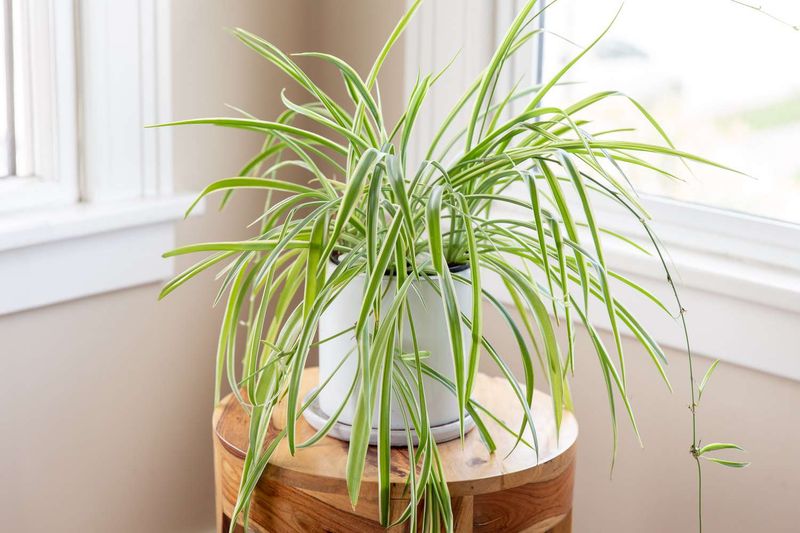
Spider plants (Chlorophytum comosum) are a staple of indoor plant shelves, but they are not desert natives. North Carolina State Extension lists them as native to tropical Africa and notes they react badly to dry soil and certain chemicals in tap water.
That background matters for anyone in Phoenix, Tucson, or anywhere else in the state. A plant’s popularity inside the house does not turn it into a heat-proof, water-saving choice for the yard.
Think of it as a tropical guest living in a very dry region.
This article stays focused on indoor pots. The goal is to match your watering habits to what the plant actually needs, while working with dry indoor air and whatever comes out of your tap.
Because water supplies differ from town to town, hard water is treated here as a possible factor in some households, not a rule for every home.
Check the top inch of soil before watering
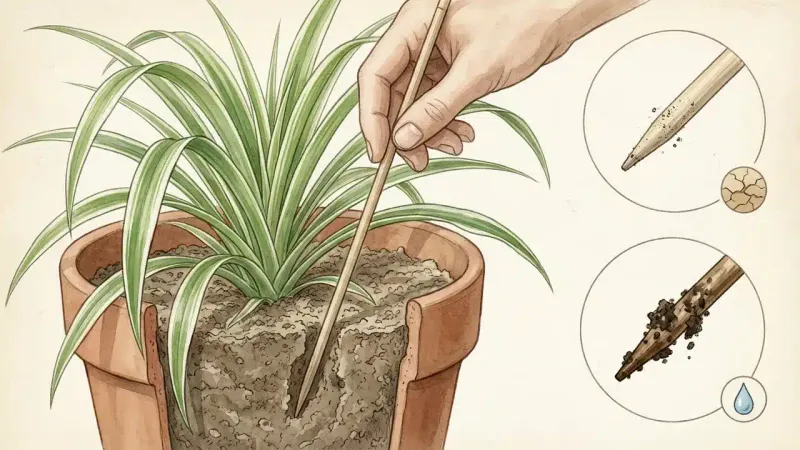
Forget the calendar. The most reliable method is to push a finger into the potting mix and water when the top inch feels dry.
University of Arizona Cooperative Extension gives this same top-inch advice for typical containers.
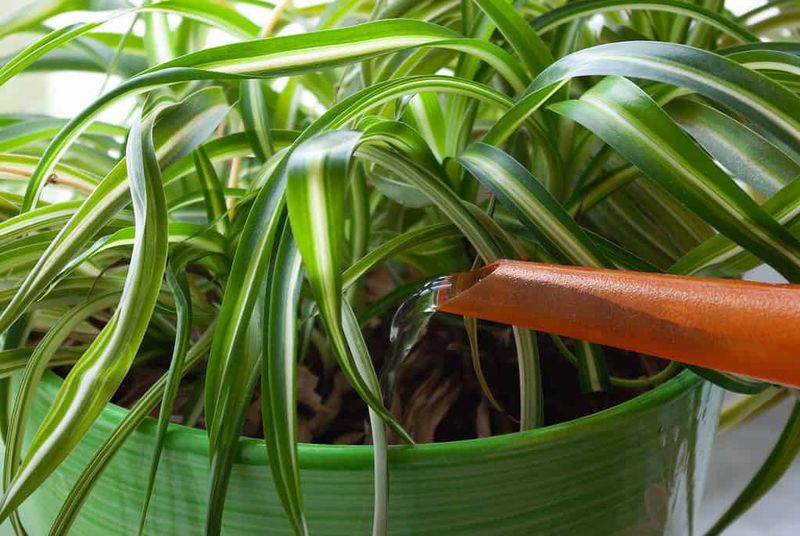
When it is time, water slowly and thoroughly until liquid runs out of the drainage holes. Then empty the saucer so the pot is not sitting in its own runoff.
Soggy roots cause their own set of problems.
A fixed schedule cannot account for each pot. One plant may sit in a sunny window in a small clay pot, while another lives in a big plastic container across the room.
Their needs will differ. Clemson guidance suggests letting the soil dry briefly between waterings, which fits the finger test well.
No statewide number of days will fit every home, so trust the soil instead.
Let indoor conditions guide how often you check
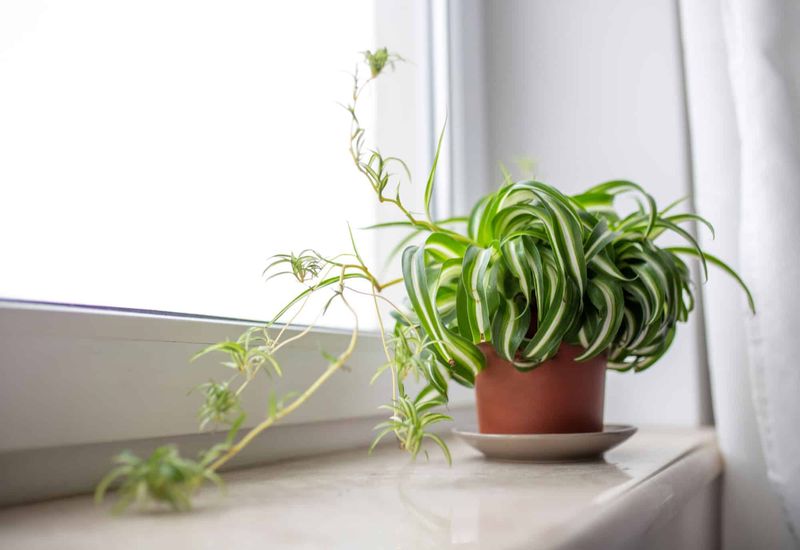
Warm, dry rooms can pull moisture out of potting mix quickly. Still, air is only one piece of the puzzle.
Pot size and material, soil mix, light, season, and how fast the plant is growing all change how soon the top inch dries out.
Instead of watering on a set day, check more often during warm, bright stretches. A spider plant that sits near a sunny window in summer may need a look every couple of days, while the same plant in a cooler winter room may need far fewer checks.
Dry air may also add to brown tips. Iowa State Extension lists low humidity among several causes.
Spider plants can usually manage average indoor humidity, so not every Arizona home needs a humidifier. If your air feels very dry and tips keep browning, grouping plants or adding a humidifier nearby is an option to try.
Your Arizona Garden Changes Every Week. Your Plan Should Too.
Gardening in Arizona changes quickly throughout the season. Every Friday you’ll receive a simple weekly plan showing exactly what to plant, prune, fertilize, harvest, and protect so you never miss the right timing.
Misting is not a promised fix.
Treat brown tips as a symptom, not a diagnosis
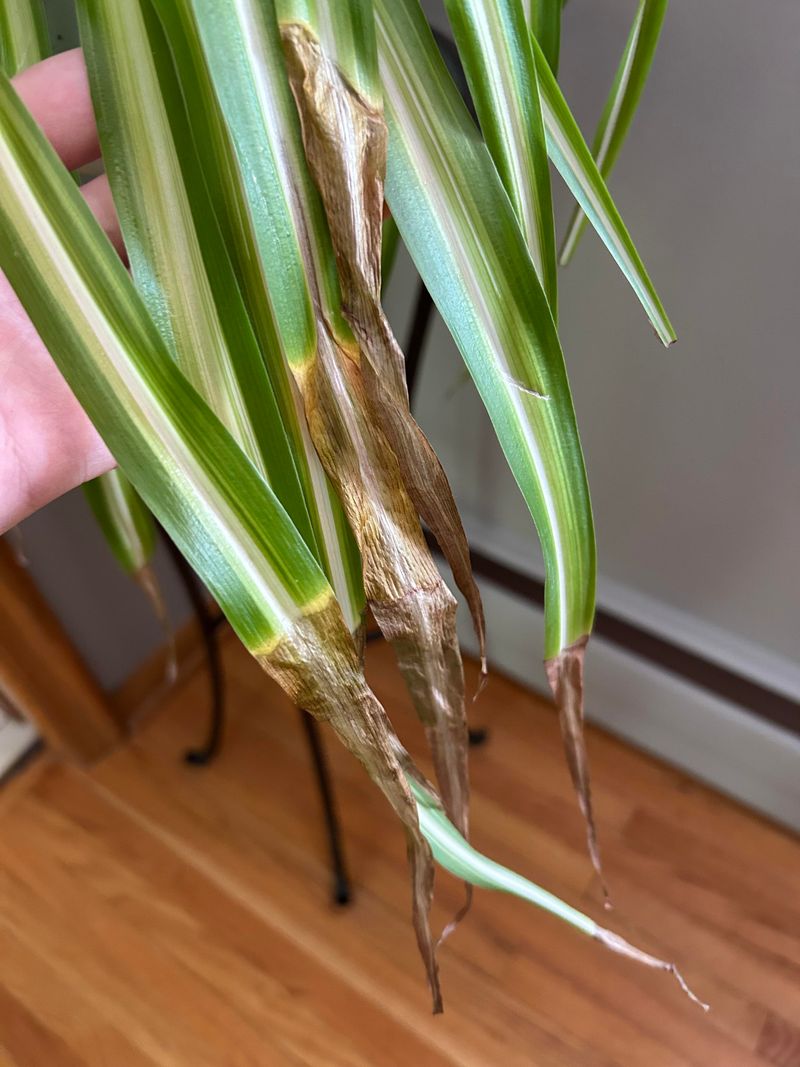
Brown tips are a message, but they do not say who sent it. Soil that stays too dry, low humidity, too much fertilizer, built-up mineral salts, and certain water constituents can all produce the same look.
Start with the basics. Are you watering when the top inch is dry and soaking the pot well?
Are you feeding lightly? Clemson’s spider plant guide points to these care habits as common contributors to leaf-tip damage.
It also helps to know that the symptom alone cannot tell you whether hard water or fluoride is the culprit. Iowa State guidance describes several overlapping causes.
Trim browned tips if they bother you, fix the care routine first, and only then look at water as a possible factor. New growth is the best sign that a change is working.
Separate water hardness from fluoride
Hardness and fluoride often get lumped together, but they are different things. Hardness mainly describes dissolved calcium and magnesium.
Fluoride is a separate ingredient, and spider plants are known to be sensitive to it.
Local utilities show how much supplies can differ. Tucson Water describes its water as naturally hard, with hardness shifting based on the blend of sources.
Phoenix reports that calcium and magnesium contribute to hardness, and its 2025 water quality report says the city adds fluoride.
Those are examples from two cities, not a statewide pattern. Your own water could be different, especially if you use a private well or live in a smaller community.
Look up your utility’s latest water quality report, or call them, before assuming anything about what is in your tap water.
Test another water source only after basic care
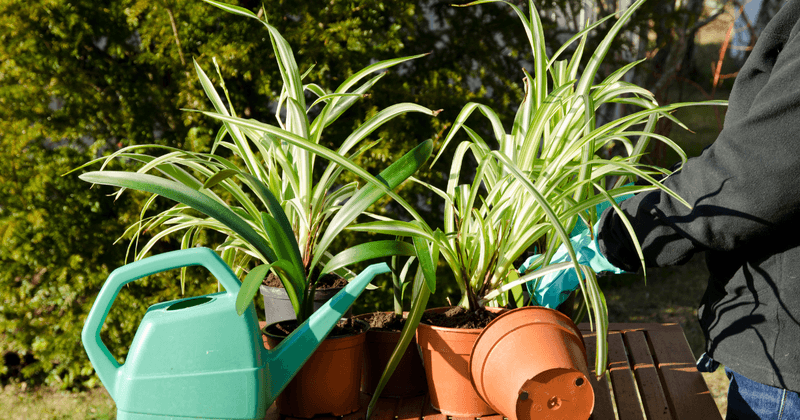
If you have checked the soil, watered thoroughly, and kept fertilizer light, but tips keep browning, a water swap is a fair experiment. UF/IFAS suggests rainwater or distilled water for spider plants sensitive to fluoridated water.
Treat it as a test, not a sure cure. Use the new water for a few months and watch the fresh leaves, since older tips will stay brown.
If new growth looks cleaner, tap water may have played a part. If not, look again at humidity and fertilizer.
Skip water from a sodium-based household softener. Penn State explains that softening swaps calcium and magnesium for sodium, which can build up and harm plants.
Letting tap water sit overnight may help chlorine fade, but it should not be counted on to remove fluoride.
Use a white crust as a reason to check for salt buildup
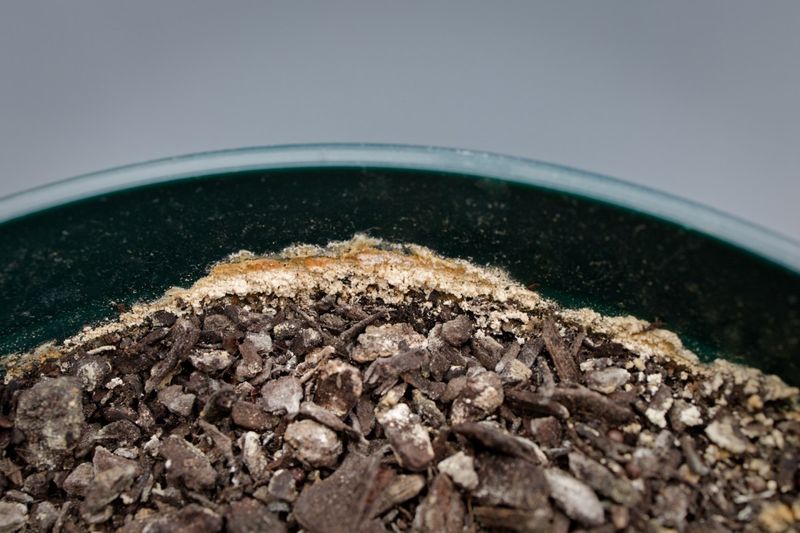
A white crust on the soil surface or along a pot’s rim is a different clue from brown leaf tips, though the two can show up together. The crust may be mineral deposits, fertilizer salts, or both.
It does not prove one specific water problem.
Flushing can help. University of Maryland Extension advises running low-mineral water through the potting mix and letting it drain fully.
Do this in a sink or outdoors so the runoff can escape, and never leave the pot standing in it.
If the buildup is heavy and keeps returning, fresh potting mix may be the better choice. Scrape off the crusty top layer, repot in clean mix, and wipe the pot rim.
Going forward, fertilize lightly and keep an eye on the surface. A quick glance every time you check the soil can catch buildup early, long before the leaves complain.