Stop Making These Orchid Care Mistakes In Your Virginia Home, Do This Instead
Your orchid looked like a showstopper at the store, and now it sulks on the windowsill like a teenager. Plenty of plant lovers bring home a gorgeous moth orchid, only to watch the blooms drop and the leaves droop.
Most orchid trouble comes from a handful of fixable habits. Orchids aren’t as fussy as their fancy looks suggest.
They just want care that matches how they grow in the wild. In nature, they cling to tree bark in warm, breezy forests, with roots that dry out between rains.
Once you understand that, the rules start to make sense. From soggy roots to sunburned leaves, the slip-ups below happen in homes across Virginia every day.
Each one comes with an easy swap. A few small changes can turn a struggling plant into a reliable bloomer.
1. Overwatering Rots Roots, So Let The Bark Dry Between Drinks
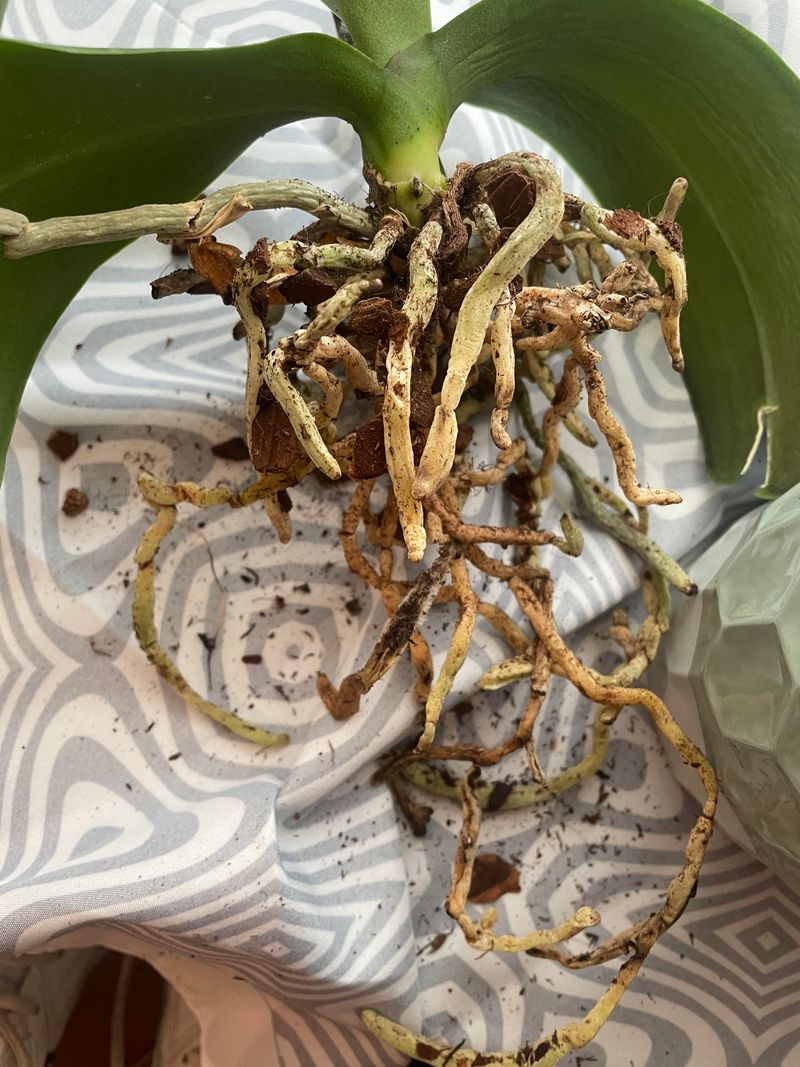
Love can drown an orchid faster than neglect. Most orchid owners pour water often because they care, but those roots crave air as much as moisture.
In the wild, most orchids are epiphytes that cling to tree branches. Rain soaks their roots, then breezes dry them out within hours.
Healthy roots feel firm and look silvery white to green. Right after a drink, they turn bright green, then fade back to silver as they dry.
Roots that stay bright green for days are a warning sign. Mushy, brown roots usually mean the plant has been sitting wet far too long.
A simple soak and dry rhythm works best for most Phalaenopsis. About once a week is a good starting point, but check the bark first.
Here is a handy trick: push a wooden skewer deep into the bark. If it comes out damp and dark, wait a few more days.
Virginia homes shift a lot between seasons, so your schedule should shift too. Summer humidity slows drying, while winter heating can speed it up.
When you do water, run it through the pot until it drains freely. Let the extra water escape, and empty any saucer or decorative cachepot underneath.
Clear plastic pots make this job much easier. You can actually see the roots change color and spot condensation inside the pot.
Think of watering as a conversation, not a calendar alarm. Check the roots, feel the bark, and let your orchid tell you when it is thirsty.
2. Water Left In The Crown Causes Rot, So Wick It Out
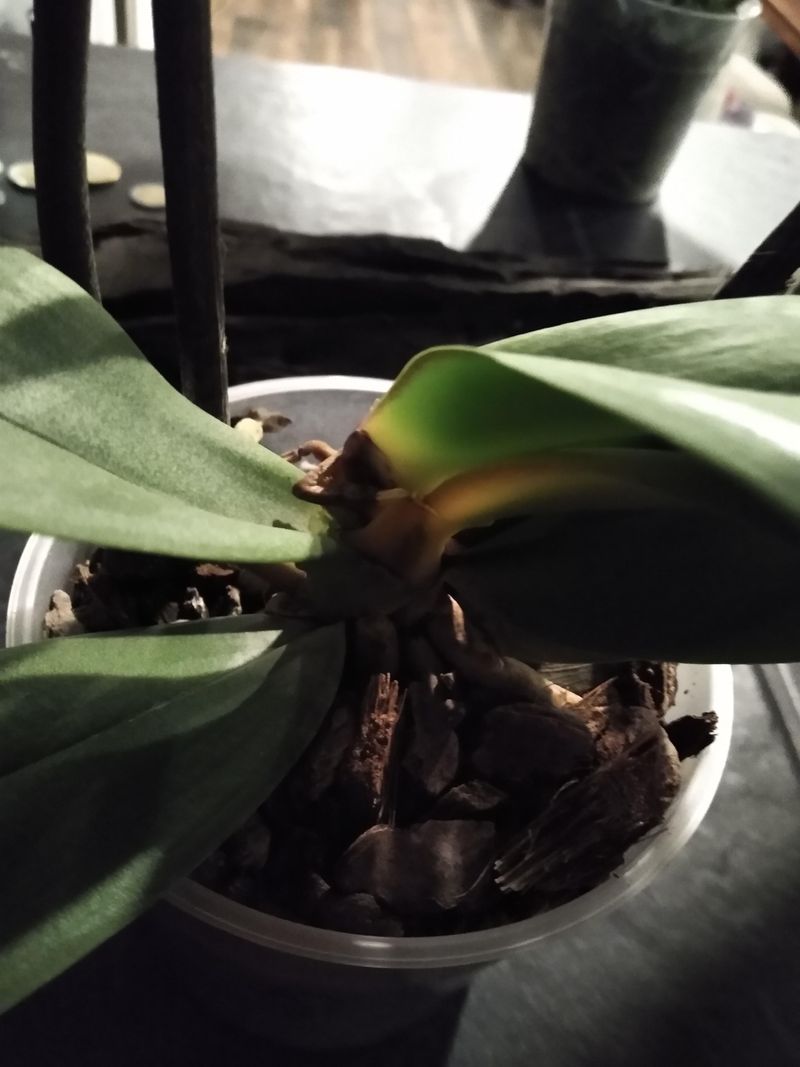
Picture a tiny puddle resting where your orchid’s leaves meet. It looks harmless, almost pretty, yet it can quietly spell trouble for the whole plant.
That center spot is called the crown, and new leaves grow from it. Standing water there invites fungi and bacteria that cause crown rot.
Out in tropical forests, orchids often grow tilted sideways on tree trunks. Rain simply runs off the leaves instead of pooling in the middle.
Indoors, we usually set orchids upright in neat pots. Add still air from closed windows, and that trapped water can linger for hours.
Your Virginia Garden Changes Every Week. Your Plan Should Too.
Gardening in Virginia changes quickly throughout the season. Every Friday you’ll receive a simple weekly plan showing exactly what to plant, prune, fertilize, harvest, and protect so you never miss the right timing.
Watch for yellowing at the leaf base, black spots, or soft, mushy tissue. Catching these signs early gives you the best chance at saving the plant.
Prevention is mostly about aim. Pour water onto the bark around the roots rather than over the top of the leaves.
Accidents happen, of course, especially at the kitchen sink. Fold a paper towel corner and gently touch it to the puddle to wick moisture away.
A cotton swab works nicely for tight spots between leaves. Some growers even tip the pot sideways for a moment to let water drain out.
Good airflow helps too, particularly during muggy summers. A small fan on low nearby keeps air moving and dries leaves faster.
Try watering in the morning when you can. Daylight hours give any stray drops plenty of time to evaporate before the cooler evening arrives.
3. Regular Potting Soil Suffocates Roots, So Use Orchid Bark
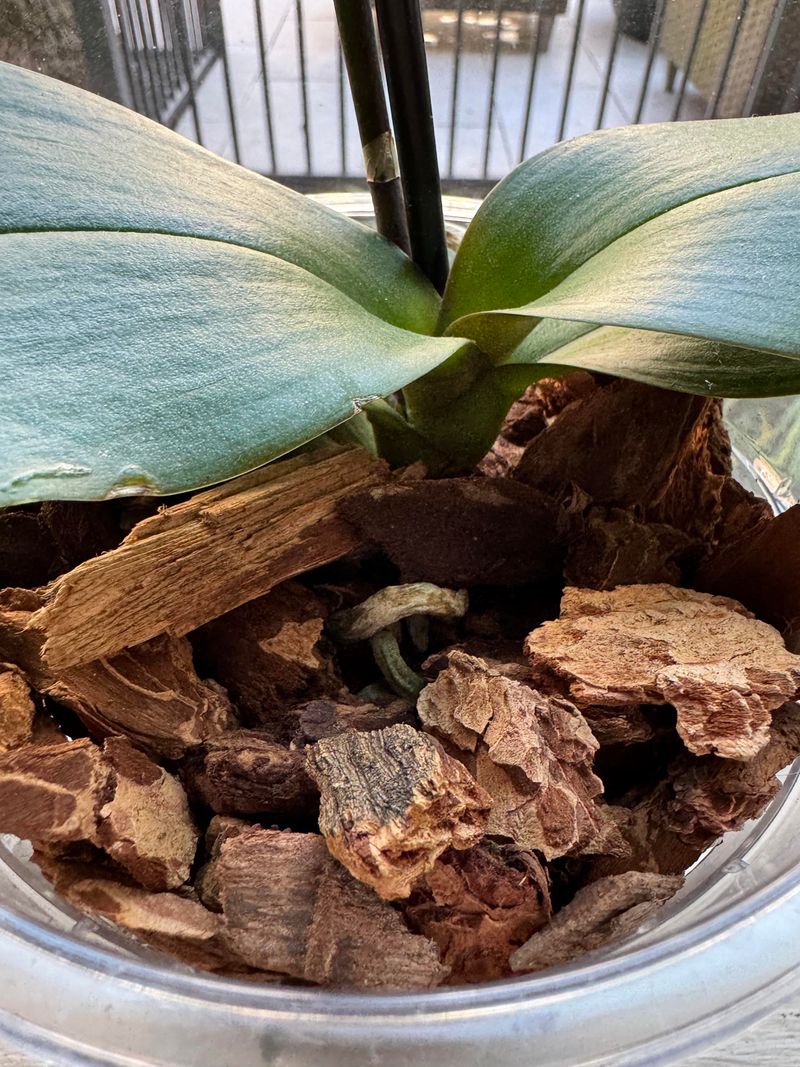
Ever tried breathing under a heavy wool blanket? Orchid roots feel that way when someone plants them in regular potting soil.
Common orchids like Phalaenopsis grow on tree surfaces, not in the ground. Their roots wrap around bark, soaking up rain and humid air.
Traditional potting soil packs down tightly over time. It holds water for days and blocks the air flow those roots need.
Many gardeners grab a bag of all-purpose mix out of habit. It works wonders for tomatoes and pothos, but orchids pay the price.
Choose an orchid-specific mix built mostly from chunky bark chips. Fir bark is a popular choice because it drains fast and stays airy.
Some blends include perlite, coconut husk chips, or a little sphagnum moss. Each ingredient adjusts how quickly the mix dries out.
Horticultural charcoal shows up in many mixes too. It may help soak up fertilizer salts that build up over time.
Fun fact: some growers skip pots entirely and mount orchids on cork or wood slabs. The roots grip the surface, much like they would on a tree.
For most homes, though, a bark mix in a pot with holes is easiest. Look for pots with side slits for even more air.
If your orchid already sits in soil, plan a gentle rescue. Rinse the roots, trim any rotten ones, and settle it into fresh bark.
4. Old Bark Turns To Mush, So Repot Every One To Two Years
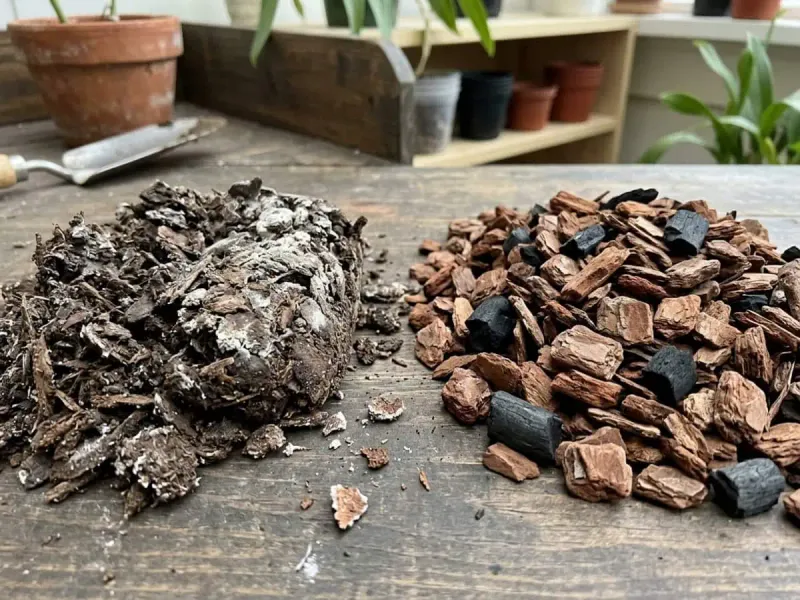
Bark does not last forever, even inside a pretty pot. Slowly and quietly, it breaks down like fallen leaves on a forest floor.
As it decays, the chunks turn soft, dark, and crumbly. That mushy mix holds too much water and squeezes out precious air.
Soggy, packed bark is a fast track to root rot. Even perfect watering habits cannot fix a mix that stays wet too long.
Most Phalaenopsis do best with fresh bark every one to two years. Mark your calendar or tape a date label to the pot.
A few clues say it is time. Bark that crumbles between your fingers, a sour smell, or roots spilling over the rim all count.
Timing matters as well. Repot after blooms fade, when the plant shifts energy toward new roots and leaves.
Spring is a lovely season for this chore in Virginia. Warmer days and longer light help the plant settle in quickly.
Try to avoid repotting while flowers are open, since the stress can cause buds to drop. Serious root rot is the exception, so act fast then.
Soak new bark in water for an hour before using it. Damp bark absorbs moisture more evenly and is easier to work around roots.
Pick a pot only slightly bigger than the root ball. Orchids actually like a snug fit, and extra space stays wet too long.
5. Cutting Healthy Roots Harms The Plant, So Trim Only Spent Ones
Snip, snip, oops. Many beginners trim orchid roots like a haircut, and the plant loses its lifeline in the process.
Roots are how your orchid drinks and eats. Every healthy one you remove makes the plant work harder to stay strong.
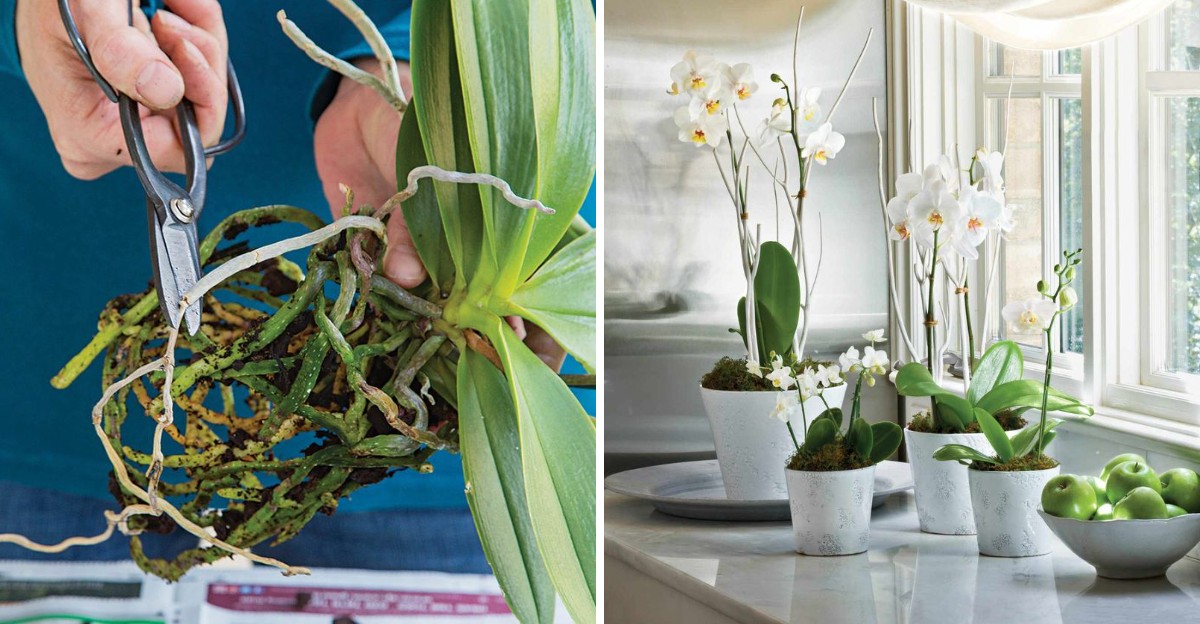
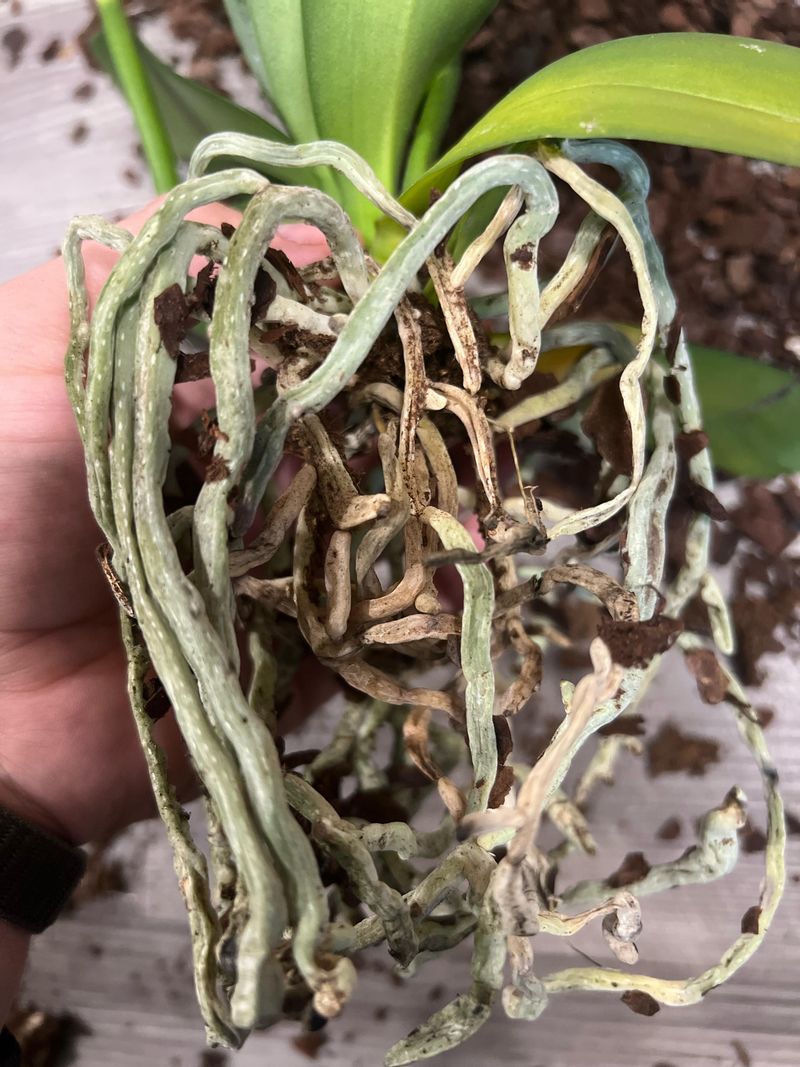
So how do you tell good from bad? Healthy roots feel firm and plump, with a silvery or green color.
Spent roots look brown or black and feel mushy when wet. Dry ones may turn papery, brittle, or hollow.
Here is a quick test. Gently squeeze a suspicious root, and if the outer layer slides off, leaving a thin wire inside, it is finished.
Only those clearly lifeless roots should go. Leave anything firm, even if it looks a little odd or crooked.
Clean your shears before every cut. Wipe blades with rubbing alcohol or flame them to stop spreading disease between plants.
Those wild roots climbing out of the pot deserve respect too. Aerial roots are normal and healthy, so let them wander.
They grab moisture from the air, which is easy during humid summers. Tucking them into the bark can actually cause them to rot.
After trimming, dust any cuts with a pinch of ground cinnamon if you like. Many growers use it as a mild, natural way to protect fresh wounds.
6. Direct Sun Scorches Leaves, So Choose Bright, Indirect Light
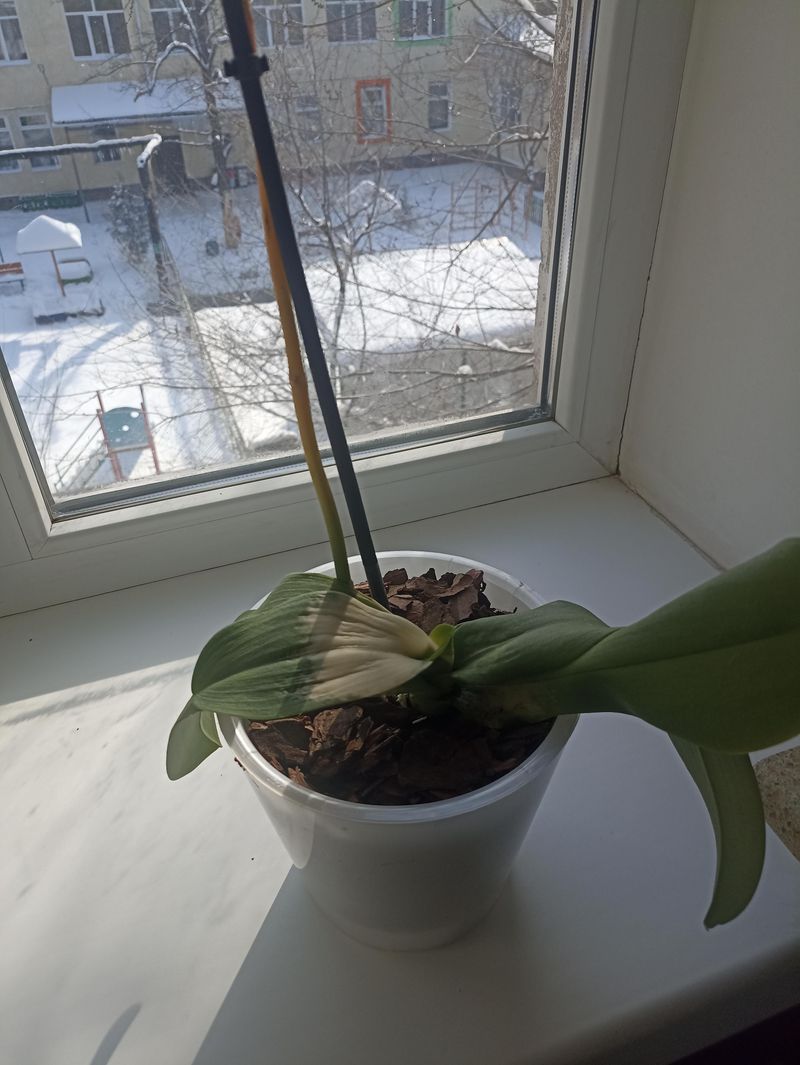
Sunburn is not just a beach problem. Orchid leaves can scorch in an afternoon, especially behind a hot window pane.
Phalaenopsis grow under forest canopies in nature. They enjoy dappled, filtered light rather than a full blast of sun.
Too much sun shows up in a few ways. Leaves may yellow, develop red or brown freckles, or curl at the edges.
Severe cases leave bleached, white, or crispy patches. Those damaged spots sometimes soften and invite rot.
An east-facing window is a sweet spot in most Virginia homes. Gentle morning sun warms the leaves without baking them.
South or west windows can work with a little help. Hang a sheer curtain or set the plant a few feet back from the glass.
Try the shadow test at midday. Hold your hand above the leaves, and look for a soft, fuzzy shadow rather than a crisp one.
Too little light causes problems as well. Dark green, floppy leaves and no blooms often mean your orchid is hungry for more brightness.
Short winter days can leave orchids a bit dim. An LED grow light running 12 to 14 hours daily makes a big difference.
Healthy Phalaenopsis leaves usually look medium green, a bit like an olive. Use that color as your everyday light meter.
7. Heavy Fertilizer Burns Roots, So Feed Weakly
More food sounds generous, right? With orchids, a heavy hand with fertilizer often does more harm than good.
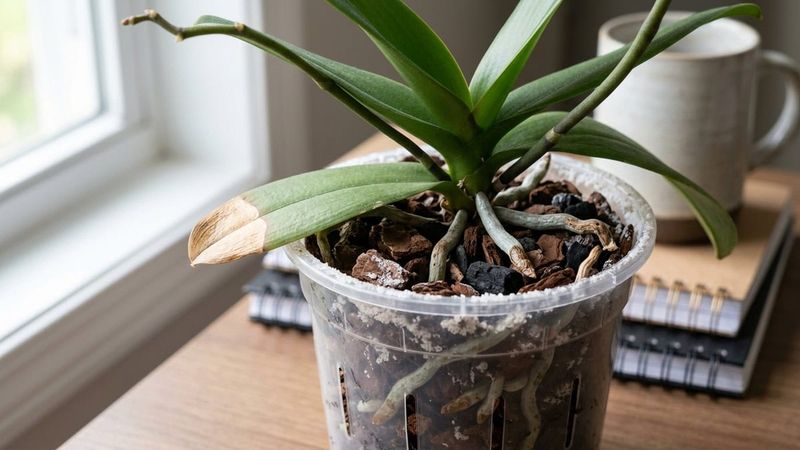
Orchid roots are sensitive to strong salts. Too much fertilizer can burn the tips, turning them brown and crispy.
Growers often repeat a catchy rule: feed weakly, weekly. It means small, regular meals instead of one big feast.
Choose a fertilizer made for orchids. Then mix it at about half the strength listed on the label.
Some people use even less, around a quarter strength, every time they water. Steady, mild nutrition keeps growth even and healthy.
Feed most during spring and summer, when new leaves and roots appear. Growth slows in cooler months, so you can ease off then.
Potting mix matters too. Sphagnum moss and bark offer little nutrition, so regular feeding becomes extra important.
Once a month, flush the pot with plain water. Running water through the bark rinses away leftover salts before they build up.
Watch for white crust on the bark or pot rim. That residue hints that minerals are piling up and roots may be stressed.
Hard tap water in parts of the state can add minerals as well. Rainwater or filtered water is a kind treat for flushing days.
8. Cutting Spikes Too Low Delays Blooms, So Trim Above A Node
The last flower has dropped, and the bare spike looks a little sad. Before you grab the scissors, take a closer look.
A green spike may still have work to do. Many Phalaenopsis can send out a new branch of blooms from the same stem.
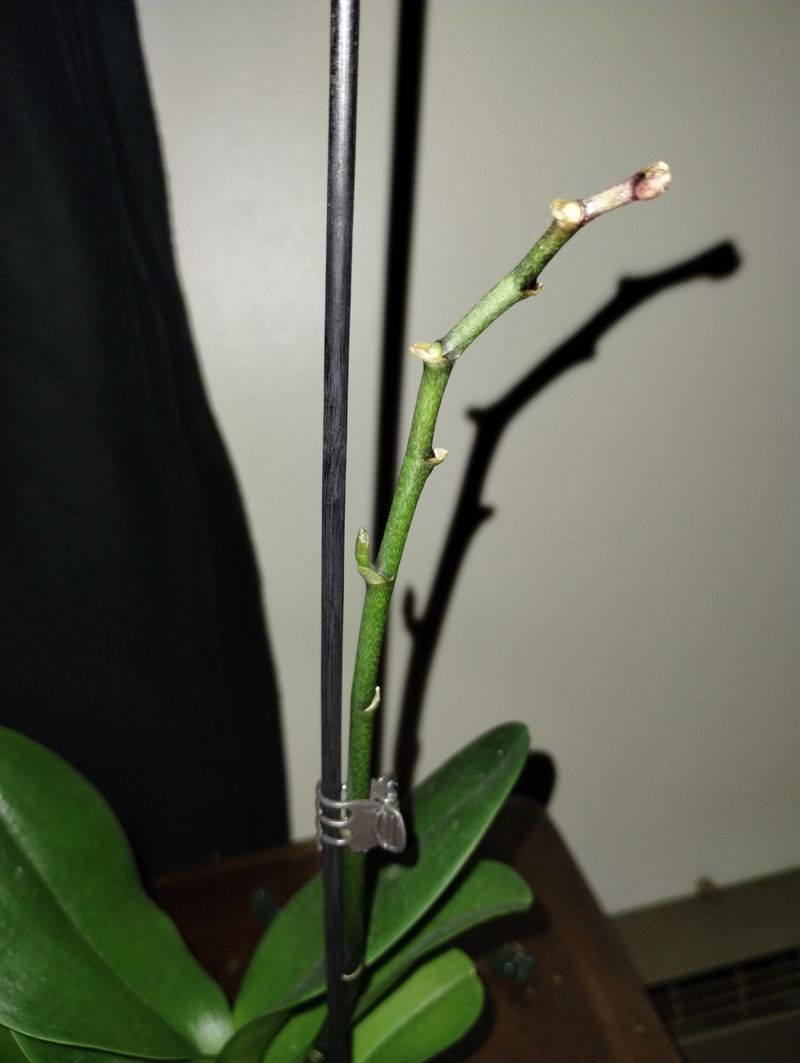
Run your finger along the spike. You will feel small bumps covered by thin, triangular sheaths called nodes.
Each node holds a sleeping bud. With the right cut, one of those buds may wake up and grow fresh flowers.
Trim about an inch above the first or second healthy node from the bottom. Use clean, sharp shears for a smooth cut.
Sometimes a node produces a keiki instead. That Hawaiian word means baby, and it is a tiny new orchid with its own roots.
If the spike turns brown and dry, it is spent. Cut it down near the base so the plant can focus energy elsewhere.
Cutting healthy green spikes to the base is not wrong, just slower. The plant will grow a brand new spike, which often takes many months.
Patience helps a lot here. New buds from a node may take several weeks to appear, so keep your care steady.
Many growers enjoy a second round of blooms this way. It feels like a bonus gift from a plant you already love.
9. Warm Nights Stall Flowering, So Offer A Cool Drop In Fall
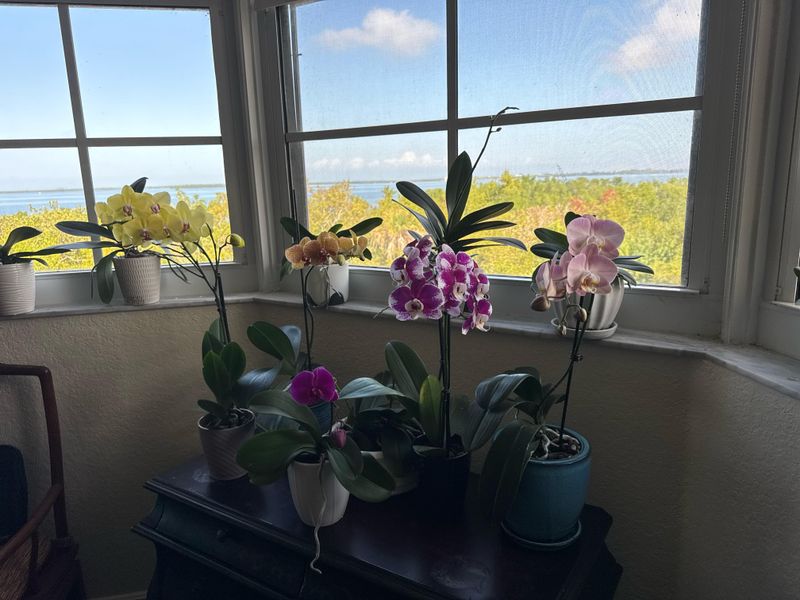
Your orchid has a secret alarm clock, and it runs on temperature. Without a cool signal, it may keep growing leaves and skip the flowers.
Phalaenopsis respond to a drop in nighttime warmth. A difference of about 10 to 15 degrees between day and night tells them to bloom.
Nights around 55 to 65 degrees work nicely for a few weeks. Daytime temperatures can stay in the comfortable 70s.
During that cool spell, the plant stores energy for flowering. Soon after, a new spike often pokes out from between the leaves.
Fall makes this surprisingly easy. Crisp autumn nights arrive naturally, especially in September and October.
Move your orchid near a slightly cooler window in the evening. Keep leaves from touching the glass, since cold panes can chill them.
A spare bedroom or sunroom can also do the trick. Rooms with less heating often stay cooler at night without any fuss.
Programmable thermostats help too. Setting your home a few degrees lower overnight may benefit both your orchid and your energy bill.
Watch out for heating vents and drafty doors. Blasts of hot or freezing air can stress the plant and cause buds to drop.
A cheap digital thermometer near the pot takes the guesswork away. Many models even record nightly lows for easy tracking.
10. Tossing A Bare Orchid Is Premature, Since Rebloom Is Common
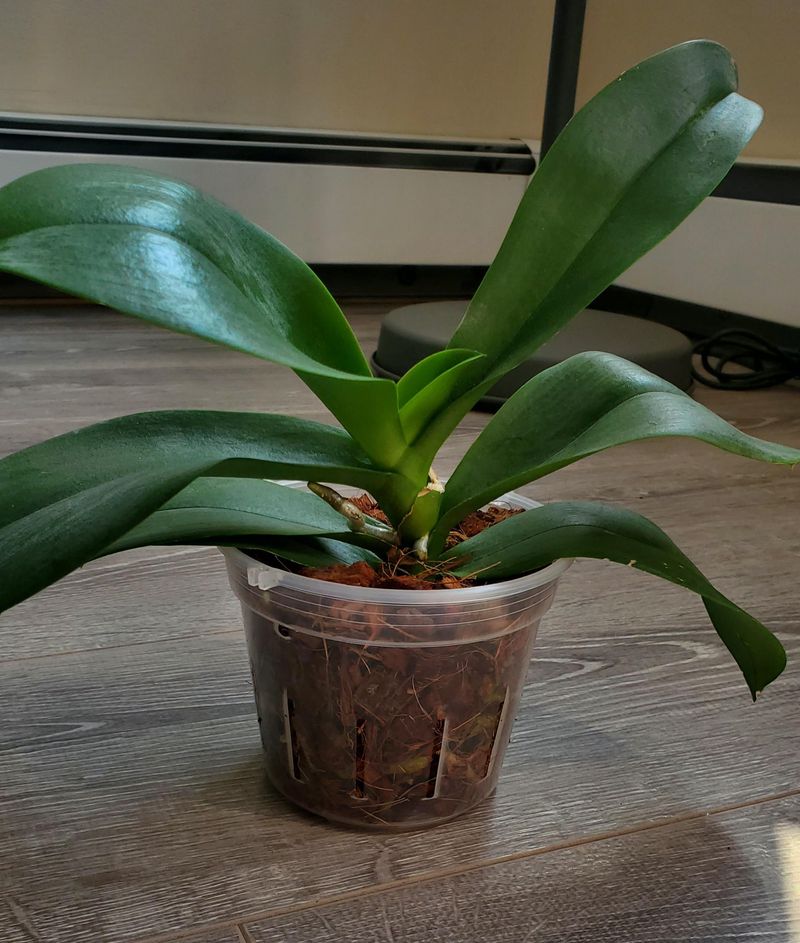
Plenty of orchids end up in the trash simply because their flowers fell off. That is a shame, because many were perfectly healthy.
An orchid without blooms is usually just resting. It spends this time growing leaves and roots, gathering strength for the next show.
Check the plant before you give up. Firm green leaves and plump silvery roots mean it is very much alive.
Spotting a new leaf or a fresh root tip is even better news. Your orchid is busy building up for future flowers.
When reblooming stalls, the cause is often simple. Low light, weak feeding habits, or steady warm nights are common culprits.
Fix those three areas and results usually follow. Bright indirect light, diluted fertilizer, and cool fall nights make a winning trio.
Many Phalaenopsis rebloom about once a year. Some happy plants in Virginia homes even flower twice when conditions line up.
Individual blooms can last two to three months. Not many houseplants reward you with color for that long.
Did you know some orchids have been kept for decades? Families sometimes pass them down like heirlooms, blooming year after year.
So give your bare orchid a little time. With steady care, that plain green plant may surprise you with arching sprays of flowers again.