Brown Cones Dangling From New Jersey Evergreens Are Not Pinecones And Often Hold Eggs
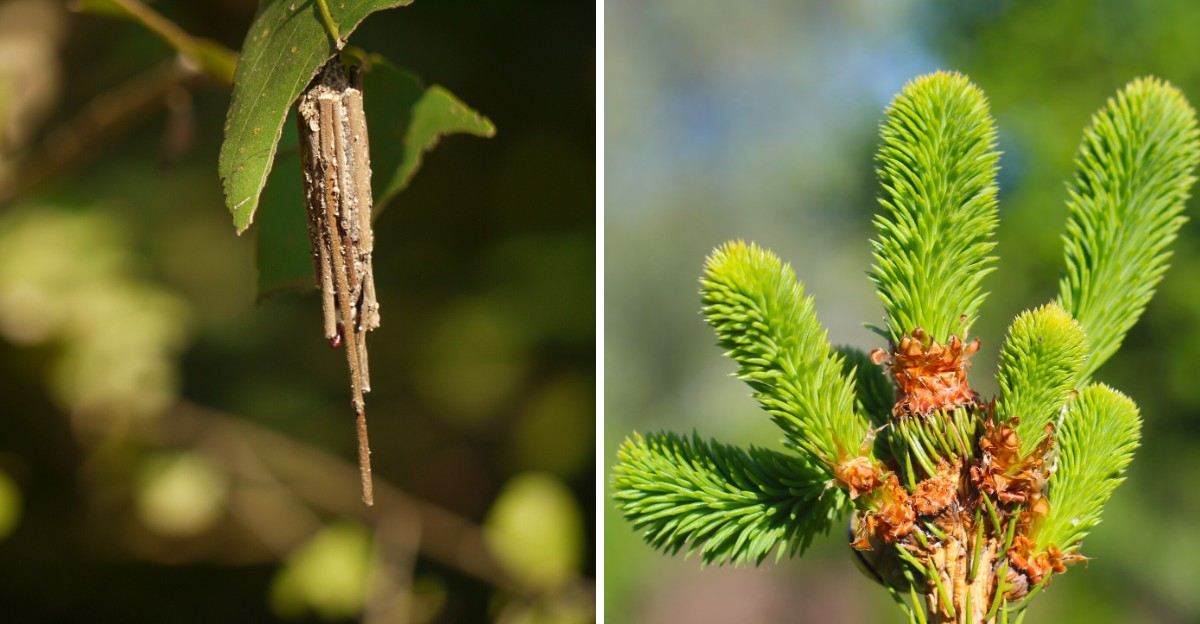
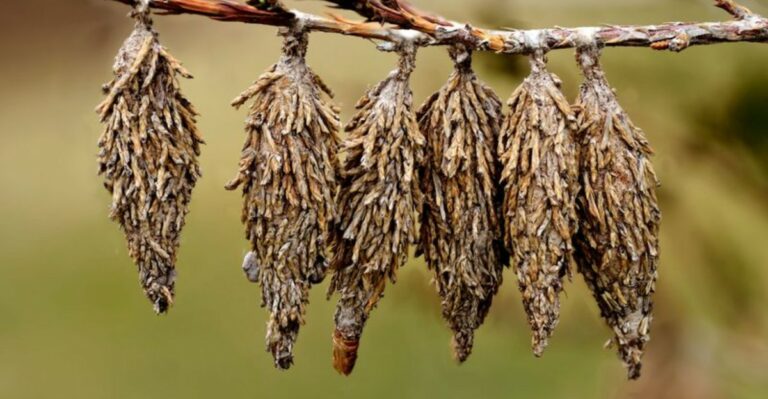
You are staring at a cone that is not a cone. Squeeze it and you feel silk, not wood. Inside that pouch, you find a wingless female and her eggs. She stitched the bag from silk and snippets of your arborvitae.
Across New Jersey, you spot these bags dangling from junipers and spruce. Winged males find her through a tiny opening, and you miss the whole romance.
Then she fills the bag with eggs, and you inherit the task. Your New Jersey spring brings hatchlings that float on silk threads to new branches.
Each hatchling starts sewing a bag too small for you to notice. By midsummer, your evergreen thins as young caterpillars feed on needles.
Remove the bags by hand this month, and you shrink next year’s hatch. Drop them in soapy water, and hatchlings lose their head start.
Bagworm Cases Built From Silk And Needles
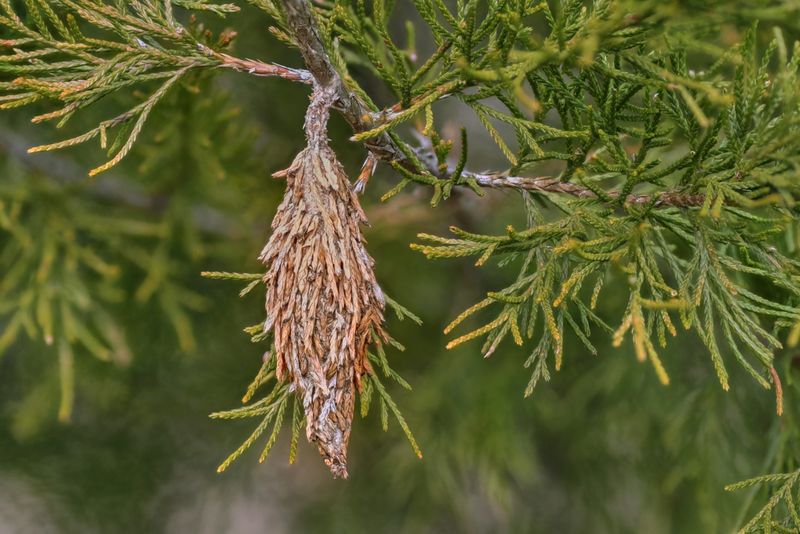
Those dangling brown cones are actually cozy homes built by caterpillars called bagworms. Each one spins silk and stitches bits of its host tree onto the outside like clever camouflage.
On an arborvitae, the bag looks scaly and green-brown, matching the foliage almost perfectly. On a juniper or spruce, it bristles with needles and blends right into the branches.
A finished case usually measures one to two inches long, about the size of your thumb. Real pinecones grow from the branch itself, while these hang from a tough silk thread.
Try pulling one off with your fingers and you will notice how stubborn that thread is. The caterpillar wraps it around the twig several times before sealing itself inside to pupate.
Bagworms are common across New Jersey, especially in suburban yards with rows of evergreen screens. Leyland cypress, red cedar, and arborvitae hedges are favorite targets near driveways, patios, and backyard fences.
By October, the caterpillars inside have finished eating and the bags stop growing. Many of the cases you see now hold either an empty shell or a cluster of eggs.
Male bags feel hollow and female bags feel crunchy, so you can prioritize the crunchy ones first. Removing them all is the safest move for the long-term health of your trees.
Once you learn the shape, you will start spotting these little sacks on hedges all over town. Friends may even start calling you the official neighborhood bag detective by Thanksgiving.
A Wingless Mother Moth Sealed Inside Her Bag
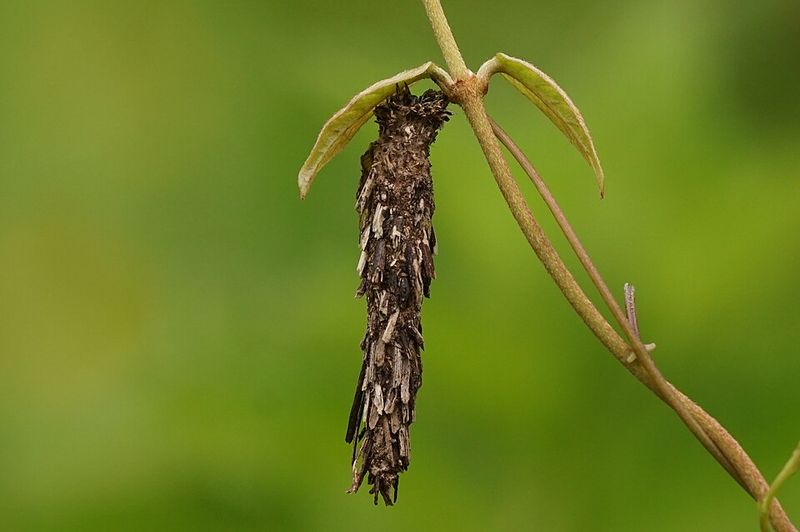
Imagine spending your whole adult life inside a sleeping bag without ever stepping outside. For a female bagworm moth, that strange lifestyle is exactly how things work out.
She has no wings, no working legs for travel, and no real mouth for eating. Her body is basically a soft, yellowish sack designed for one job, which is making eggs.
Males look very different, buzzing around in September as small, fuzzy black moths with clear wings. They follow a scent trail straight to her bag and mate with her through its opening.
Your New Jersey Garden Changes Every Week. Your Plan Should Too.
Gardening in New Jersey changes quickly throughout the season. Every Friday you’ll receive a simple weekly plan showing exactly what to plant, prune, fertilize, harvest, and protect so you never miss the right timing.
Afterward, she lays somewhere between 500 and 1,000 eggs right inside the case she built. Once the eggs are laid, her life cycle is complete, and they stay sheltered inside the bag.
Those eggs stay snug through the whole New Jersey winter, protected by silk, twigs, and her leftover scales. Snow, ice, and cold January winds seldom harm the tiny eggs.
Around late May or early June, the eggs hatch and tiny caterpillars crawl out the bottom. Each one starts spinning a mini bag within hours, like a toddler building a fort.
Some young caterpillars let out a silk strand and catch the breeze, drifting to nearby trees. Scientists call this ballooning, and it helps the population spread from yard to yard.
Because the mother stays put, one infested shrub can stay infested for years without any outside help. Breaking that cycle starts with the bag she left behind on your branch.
October Hand Picking Season In The Garden State
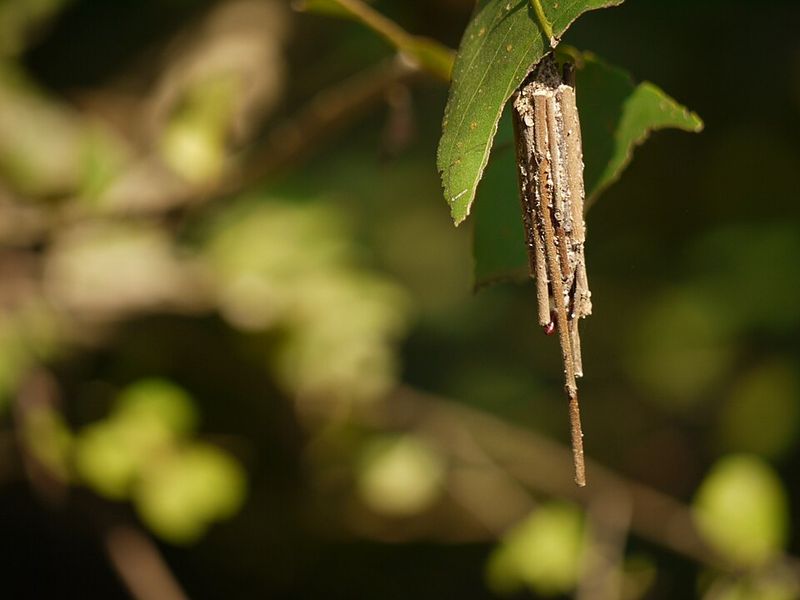
Cool mornings and thinning leaves make October a good month for bagworm hunting in New Jersey. As deciduous trees begin dropping their foliage, the bags on nearby evergreens stand out clearly.
The caterpillars stopped feeding weeks ago, and the bags now hold only eggs or empty shells. Nothing inside can crawl away, so each bag removed and destroyed leaves fewer hatchlings.
Sprays will not reach eggs protected by layers of silk this time of year. Your hands and a sharp pair of pruners are the most effective tools until next spring.
Pick a dry afternoon when the branches are easy to grip and you can see clearly. Start at eye level, then work upward with a step stool or small ladder.
Squinting helps more than you might think, because the bags blend in so well. Try looking for anything shaped like a tiny upside-down ice cream cone hanging from a twig.
Kids can help spot lower bags, but keep pruners and ladders with adults, since female bags often sit higher. Make it a contest with a prize for the biggest haul.
Fall through early spring all work, and October offers mild weather with plenty of daylight left. Waiting works too, but finish before eggs start hatching, which can happen in late May.
Think of it as raking leaves, only with a much bigger payoff for your favorite trees. Each egg-filled bag you remove this month means hundreds fewer caterpillars next summer.
Fall Spraying And Other Common Bagworm Removal Mistakes
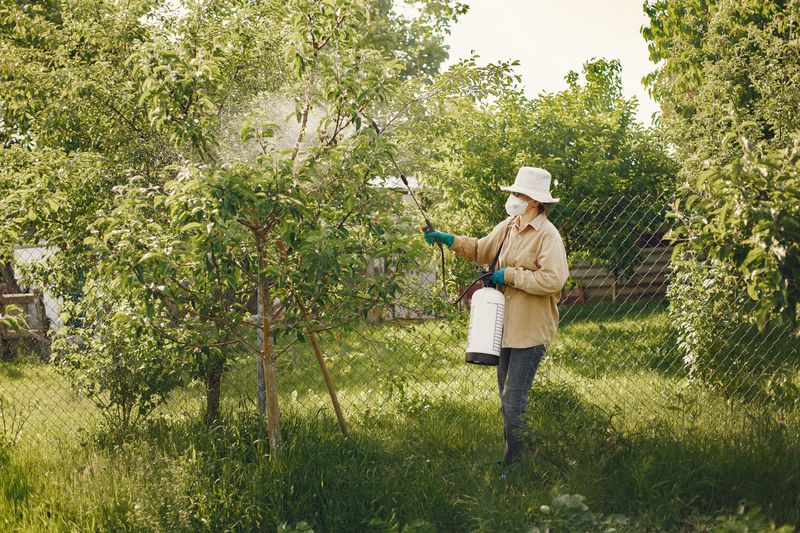
Picture a familiar autumn scene at a busy New Jersey garden center. A homeowner spots bagworms, grabs a bottle of insecticide, and soaks the hedge from top to bottom.
Unfortunately, that spray does almost nothing useful against bagworms once the calendar hits October. The eggs sit sealed inside tough silk walls, and the feeding caterpillars are long gone.
Spraying now offers little benefit and can harm helpful insects like parasitic wasps. Those tiny allies control bagworm larvae naturally, so losing them can make next year’s cleanup even harder.
Another slip people make is pulling off the bag and tossing it on the ground. Eggs can still hatch from a bag lying in mulch, and the babies simply climb back up.
Compost piles are not reliable either, since many home piles do not get hot enough. Eggs can overwinter there, and the hatchlings can drift back to your shrubs by early June.
A third mistake is leaving the silk band wrapped around the twig after pulling the bag. That band tightens as the branch grows and can restrict the stem’s growth years later.
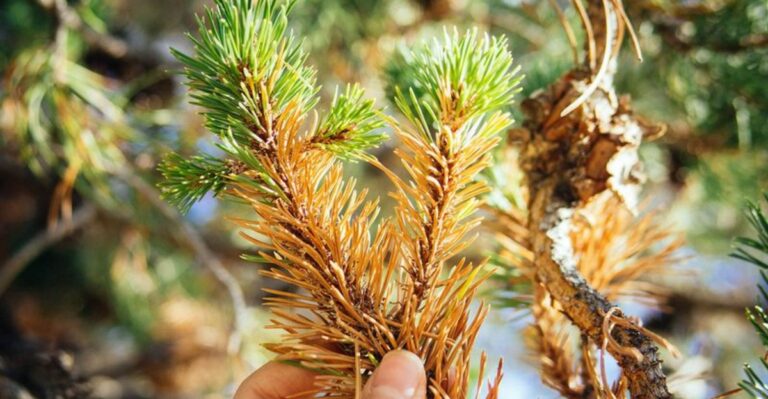
Brown, bare tips on unmaintained hedges can sometimes result from old silk girdling the wood. It can look like drought damage, but the cause may be a forgotten silk band.
Save the spray bottle for late spring or early summer, when it can actually work. For now, patience and clean removal will protect your trees better than spraying does.
Snips And A Soapy Bucket For Clean Removal
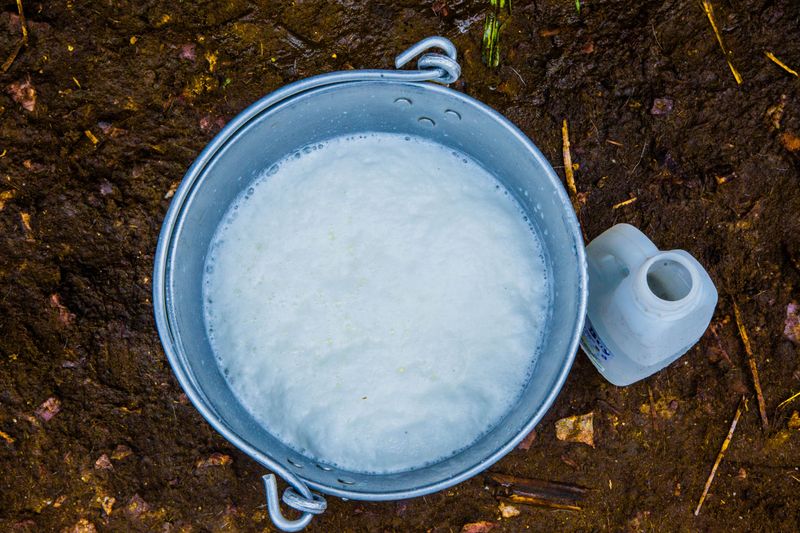
Grab a regular bucket, a squirt of dish soap, and a sharp pair of hand pruners. That simple kit handles many small backyard bagworm cleanups in a single afternoon.
Fill the bucket halfway with water and stir in enough soap to make it sudsy. The soap breaks the surface tension, so bags sink instead of bobbing on top like corks.
Hold each bag gently and snip the silk band right where it wraps around the twig. Cutting cleanly matters more than speed, since leftover silk can constrict new growth later.
Drop the bag straight into the soapy water and let it soak for a few days. Afterward, seal everything in a plastic bag and put it out with the trash.
Some gardeners prefer to crush bags under a boot, but soaking contains the eggs more reliably. Skip burning, since New Jersey restricts open burning and local rules may be stricter.
Wear sturdy gloves if your evergreen happens to be a prickly juniper or blue spruce. Long sleeves help too, because those needles can leave itchy red scratches on your arms.
Tall trees can be tricky, and climbing high branches is not worth a fall. For bags out of reach, a pole pruner or a local arborist is the smarter choice.
Keep count as you go, because the number tells you how serious the problem is. A dozen bags is a quick chore, while hundreds might call for a spring backup plan.
Spring Watch Plans For Healthier Evergreens
A tidy hedge in October is a promise, not a guarantee, for the year ahead. A few bags hiding on a neighbor’s shrub can send fresh caterpillars drifting right your way.
Watch for hatching from late May into June, and confirm larvae have appeared before spraying. Look for tiny bags, about the size of a pencil eraser, moving along the twigs.
Young caterpillars are the easiest to stop, and they cannot hide behind thick silk yet. A product containing Bt, short for Bacillus thuringiensis, works especially well at this early stage.
Bt is a bacterium that targets caterpillars, including butterflies, but spares bees, birds, and pets. Spray it on a calm evening so the leaves stay coated as the larvae feed.
By August, the bags grow too big and tough for Bt to work very well. Late summer becomes a quiet waiting game until hand picking season returns in the fall.
Evergreens with some foliage left can recover once the bagworm cycle is finally broken. Water them deeply during dry spells and add a thin layer of mulch around the roots.
Keep in mind that arborvitae and other conifers cannot regrow needles on bare brown branches. Catching problems early saves the shape of the hedge you paid good money for.
Birds can lend a hand, too, since chickadees and woodpeckers sometimes pry open bags for a snack. A backyard feeder near the hedge may attract these feathered helpers through the winter.