Plants That Thrive In New Jersey Summers And Barely Need Watering
Summer in New Jersey can be brutal. The heat rolls in, the rain disappears for weeks, and suddenly your garden looks like it gave up.
But here is the good news: some plants actually love that kind of punishment. These tough, beautiful plants thrive in hot, dry conditions and barely need you to show up with a hose.
Whether you have a sunny backyard, a small front bed, or a patch of dry soil that nothing seems to love, this list has something for you. These are not fussy, high-maintenance plants that demand constant attention.
They are the kind of plants that reward you for leaving them alone. From cheerful wildflowers to ornamental grasses, each one on this list is built for the heat, proven in the region, and genuinely low on thirst.
Gardening should feel like joy, not a second job. Plant any of these once, step back, and watch your outdoor space come alive all summer long without breaking a sweat or wasting water.
1. Black-Eyed Susan
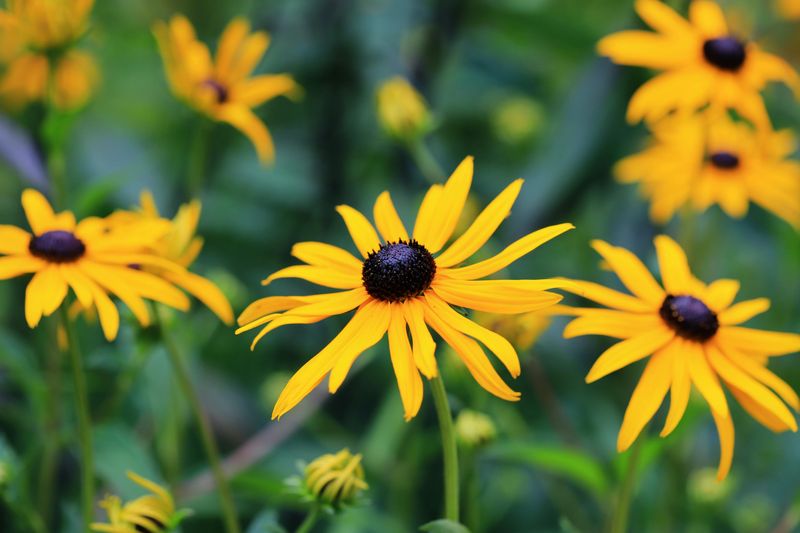
Bright as a summer afternoon, Black-eyed Susan is one of those plants that makes you smile every single time you look at it.
This cheerful wildflower is native to the eastern United States, which means it already knows how to handle New Jersey summers without any hand-holding.
The golden-yellow petals surrounding that bold dark center are instantly recognizable in any garden bed or roadside meadow.
It blooms from late June all the way through September, giving you months of color when other plants start to fade.
Black-eyed Susan thrives in full sun and poor, dry soil, making it one of the most forgiving plants a beginner gardener can choose.
You do not need to amend the soil, add fertilizer, or water it every day. Plant it once and it will come back year after year, spreading slowly to fill in empty spaces.
Pollinators absolutely go wild for it. Bees, butterflies, and goldfinches all visit regularly, turning your yard into a buzzing little ecosystem.
It pairs beautifully with coneflowers and ornamental grasses for a natural, prairie-style look that feels effortless.
If you want a plant that works harder than you do all summer long, Black-eyed Susan is the one to start with.
2. Coneflower
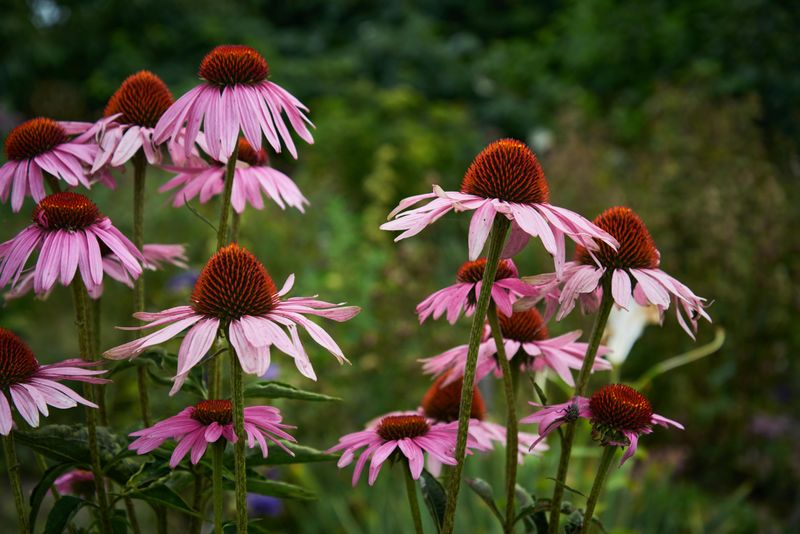
Few plants earn their place in a garden the way coneflower does, showing up bold and unapologetic every summer without asking for much in return.
Also known as Echinacea, this native perennial has been growing across American meadows and prairies for centuries, long before cultivated gardens were common in North America.
The daisy-like blooms come in shades of purple, pink, white, and even orange, giving you plenty of options to match your existing color scheme.
Coneflower loves full sun and handles dry spells with remarkable ease, pulling moisture from deep in the soil when the surface bakes dry.
Once established after its first season, it rarely needs supplemental watering even during the hottest stretches of a New Jersey summer.
Plant it in well-drained soil and give it a little space to breathe. It will reward you with blooms that last from early summer into fall.
Your New Jersey Garden Changes Every Week. Your Plan Should Too.
Gardening in New Jersey changes quickly throughout the season. Every Friday you’ll receive a simple weekly plan showing exactly what to plant, prune, fertilize, harvest, and protect so you never miss the right timing.
Monarch butterflies and bumblebees treat coneflower like a five-star restaurant, visiting again and again throughout the season.
When the blooms fade, resist the urge to remove them all. The seed heads feed birds like finches well into winter, extending the plant’s value far beyond summer.
Coneflower is the kind of plant that makes your whole garden look intentional and cared-for, even when you have barely touched it.
3. Sedum
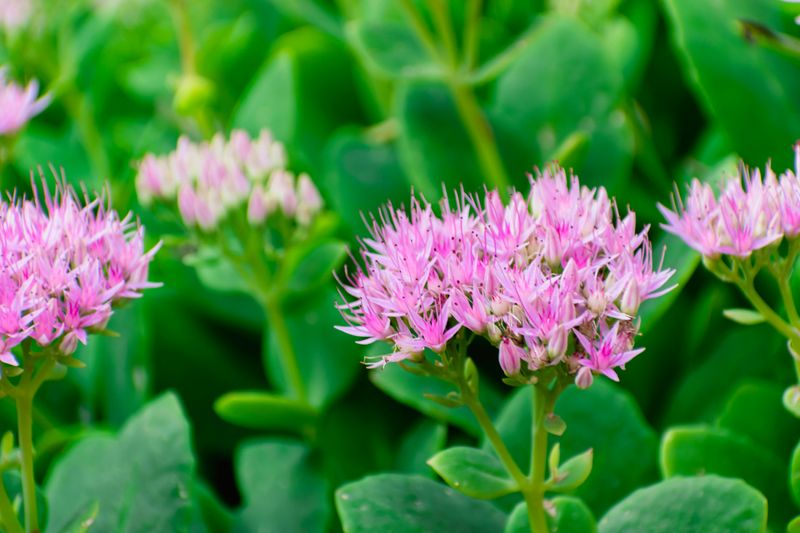
Image Credit: © Nikolett Emmert / Pexels
Sedum is basically the overachiever of the low-water garden world, storing moisture in its thick, waxy leaves like a tiny natural reservoir.
This succulent perennial comes in both groundcover varieties and upright types like the popular Autumn Joy, which grows two feet tall and blooms in late summer.
The foliage alone is interesting enough to earn a spot in the garden, with fleshy blue-green or burgundy leaves that look sculptural even before a single flower opens.
When the blooms finally arrive, they start as tight pink clusters and slowly deepen to a rich, dusty rose as fall approaches.
Sedum thrives in full sun and actually struggles in overly rich, moist soil. Give it lean, well-drained ground and it will reward you with almost no complaints all season.
It handles heat, drought, and neglect better than almost any other perennial on this list. Skip watering for two weeks during a dry spell and it will come through without missing a beat.
Butterflies and bees swarm the blooms in late summer when many other plants have already called it quits for the year.
The dried seed heads hold their shape through winter, adding texture and structure to a garden that might otherwise look bare.
For anyone who wants maximum impact with minimum effort, sedum delivers season after season without missing a beat.
4. Little Bluestem
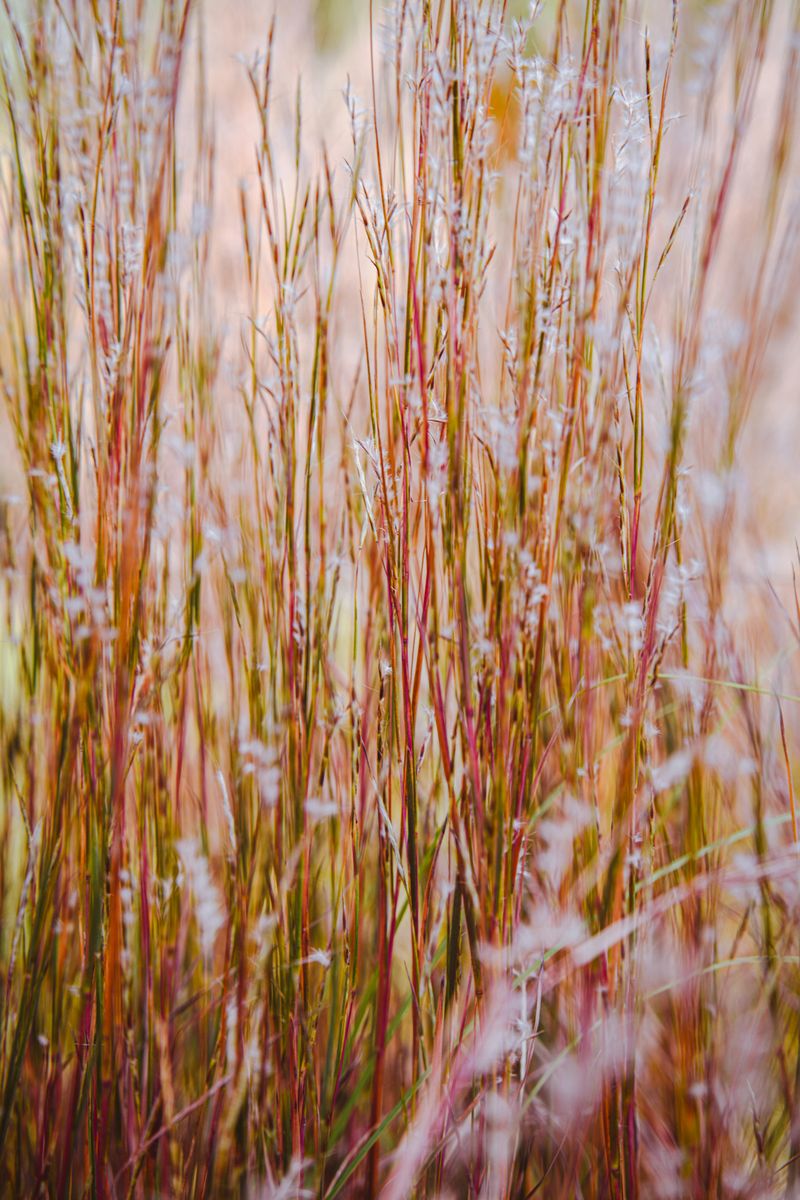
There is something quietly stunning about Little Bluestem, a native grass that transforms your garden from summer green to autumn fire without any help from you.
This compact ornamental grass grows about two to four feet tall and starts the season with a cool blue-green color that stands out against flowering plants.
As temperatures drop in fall, the foliage shifts to shades of copper, rust, and deep burgundy, creating a warm glow that lasts well into winter.
Little Bluestem is native to North American prairies, which means it evolved to handle baking sun, poor soil, and long dry spells with ease.
It asks for almost nothing once established. No fertilizer, no regular watering, and no fussing required.
Just plant it in a sunny, well-drained spot and walk away.
The feathery silver seed heads that appear in fall catch the light beautifully and sway with even the lightest breeze, adding movement to the garden.
Birds love the seeds throughout winter, so leaving the stalks standing until early spring benefits your local wildlife and adds visual interest at the same time.
It also works as a natural erosion control on slopes or hillsides where other plants struggle to hold the soil.
Little Bluestem proves that the most reliable plants are often the ones that have always belonged here.
5. Lavender
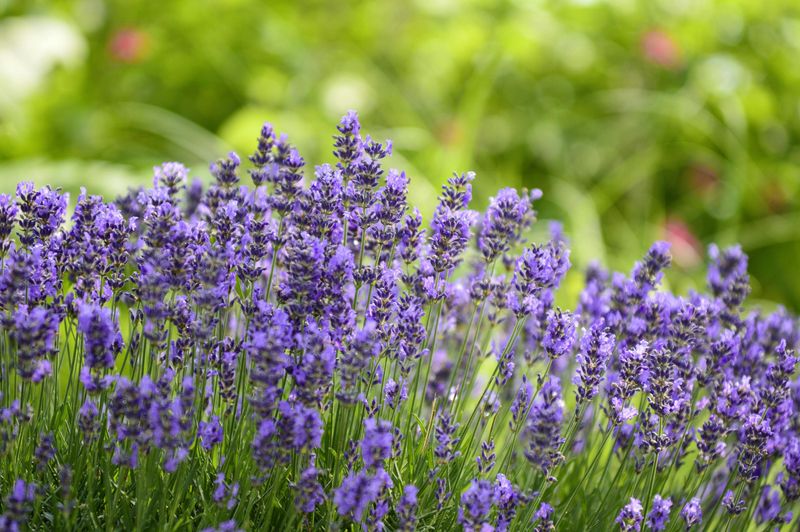
The moment lavender blooms, your entire yard smells like a vacation you never booked but absolutely needed.
This fragrant Mediterranean shrub is built for hot, sunny, dry conditions, which is exactly what a New Jersey summer delivers from July through August.
The silvery-green foliage is attractive even when the plant is not blooming, giving your garden structure and texture during the quieter weeks of the season.
Purple flower spikes appear in early to midsummer and attract an impressive number of bees and butterflies from morning to evening.
Lavender needs full sun and excellent drainage above all else. It would rather go thirsty than sit in soggy soil, so raised beds or sandy slopes work perfectly.
Once established, it rarely needs watering unless the dry stretch runs unusually long. Even then, a light drink every couple of weeks is plenty.
Trim it back by about a third after the first flush of blooms fades to encourage a second wave of flowers later in the season.
It also works as a natural deterrent for deer and rabbits, which makes it especially useful in suburban yards where wildlife pressure is high.
Few plants deliver so much sensory pleasure, from sight to smell, while demanding so little care in return.
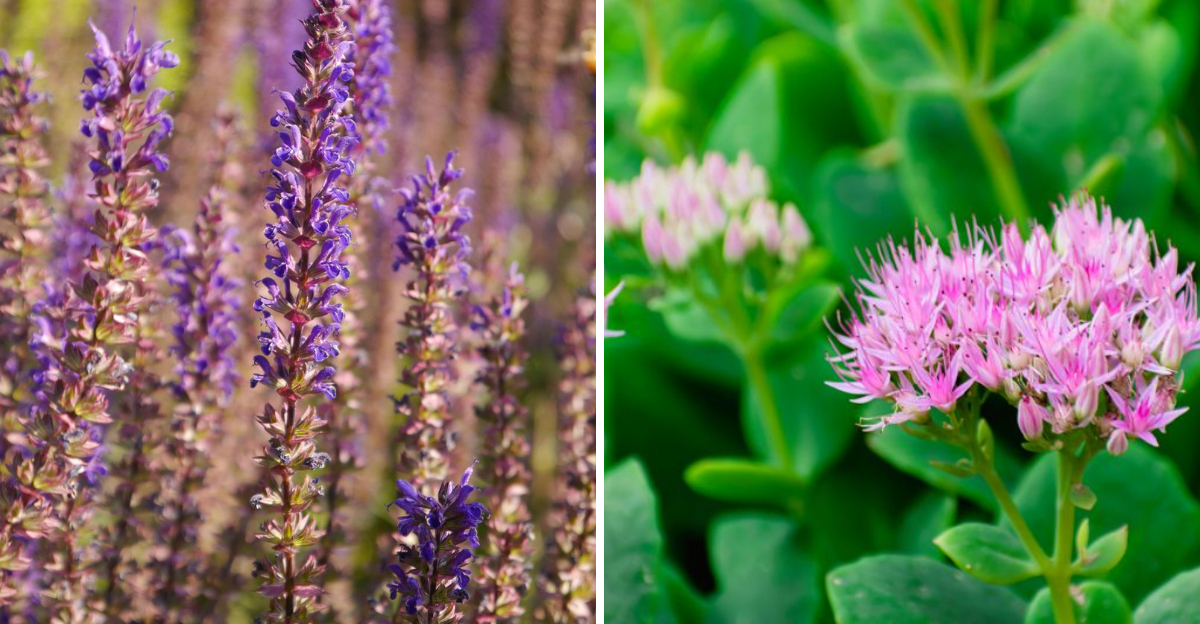
6. Salvia
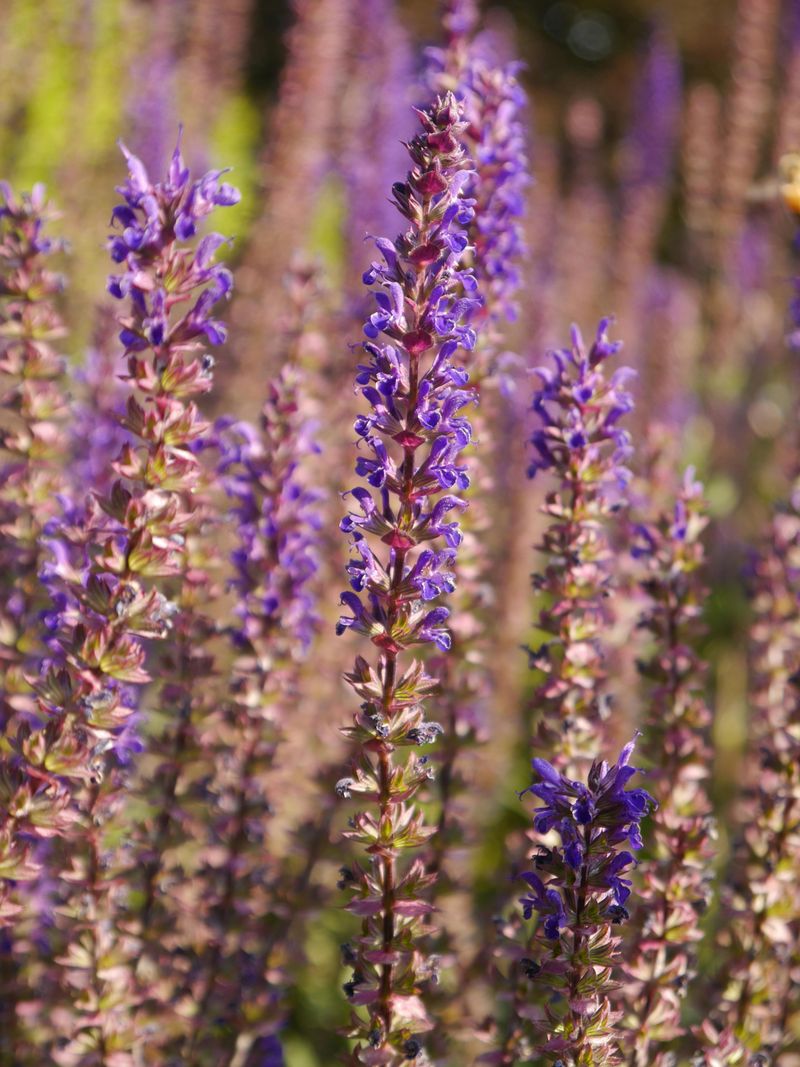
Image Credit: © Sara Dons / Pexels
Salvia is the kind of plant that makes other gardeners stop and ask what that stunning blue-purple thing is growing in your yard.
This sun-loving perennial produces tall, slender flower spikes in shades of blue, purple, and sometimes red or white, depending on the variety you choose.
It blooms heavily from late spring through summer and often puts on a second show in early fall if you trim it back after the first flush fades.
Salvia handles heat and drought with impressive confidence, pulling from deep root systems that establish quickly in well-drained garden soil.
Once it settles in, usually by its second season, it barely needs watering at all. An occasional drink during extreme heat waves is all it asks for.
Ruby-throated hummingbirds, the only hummingbird species that regularly passes New Jersey, are reliably drawn to salvia during their summer and fall migration.
Bees and butterflies are equally devoted, making it one of the top pollinator plants you can add to a summer garden.
Deer tend to leave it alone because of its aromatic foliage, which is a significant bonus in areas where browsing pressure is a constant frustration.
Plant salvia near the middle or back of a border where its vertical spikes can add height and drama without crowding lower-growing plants in front.
Once you see it in full bloom, you will wonder why you waited this long to plant it.
7. Catmint
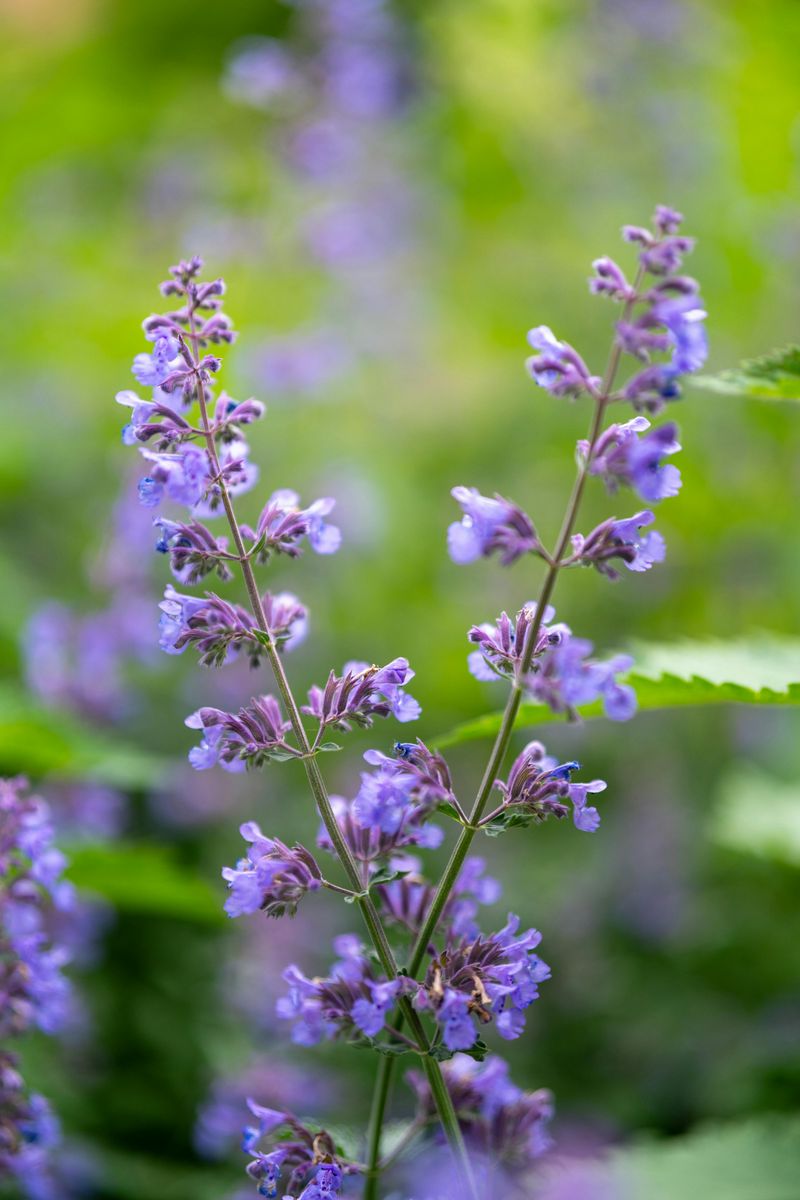
Catmint is the easygoing, crowd-pleasing plant that somehow looks perfect in every garden it touches, from formal borders to casual cottage beds.
Despite its name, this plant is not just for cats, though felines do find it irresistible. Gardeners love it just as much for its soft, billowing texture and long bloom season.
The lavender-blue flower spikes appear in late spring and keep going through most of summer, especially if you cut the plant back by half after the first big flush.
It thrives in full sun to light shade and handles dry conditions better than most flowering perennials in its size range.
Catmint grows in a mounding shape that spills naturally over garden edges, softening hard borders and pathways with a relaxed, cottage-garden feel.
The grey-green foliage is aromatic and deer-resistant, making it a smart choice for yards where hungry browsers are a regular problem.
Bees absolutely swarm it from morning to evening during peak bloom, making it one of the better pollinator plants you can add to a summer garden.
It pairs especially well with roses, black-eyed Susans, and ornamental grasses for a layered, naturalistic planting style that looks effortless but intentional.
Low maintenance, long blooming, and genuinely beautiful, catmint earns its spot in any water-wise garden with almost no effort at all.
8. Liriope
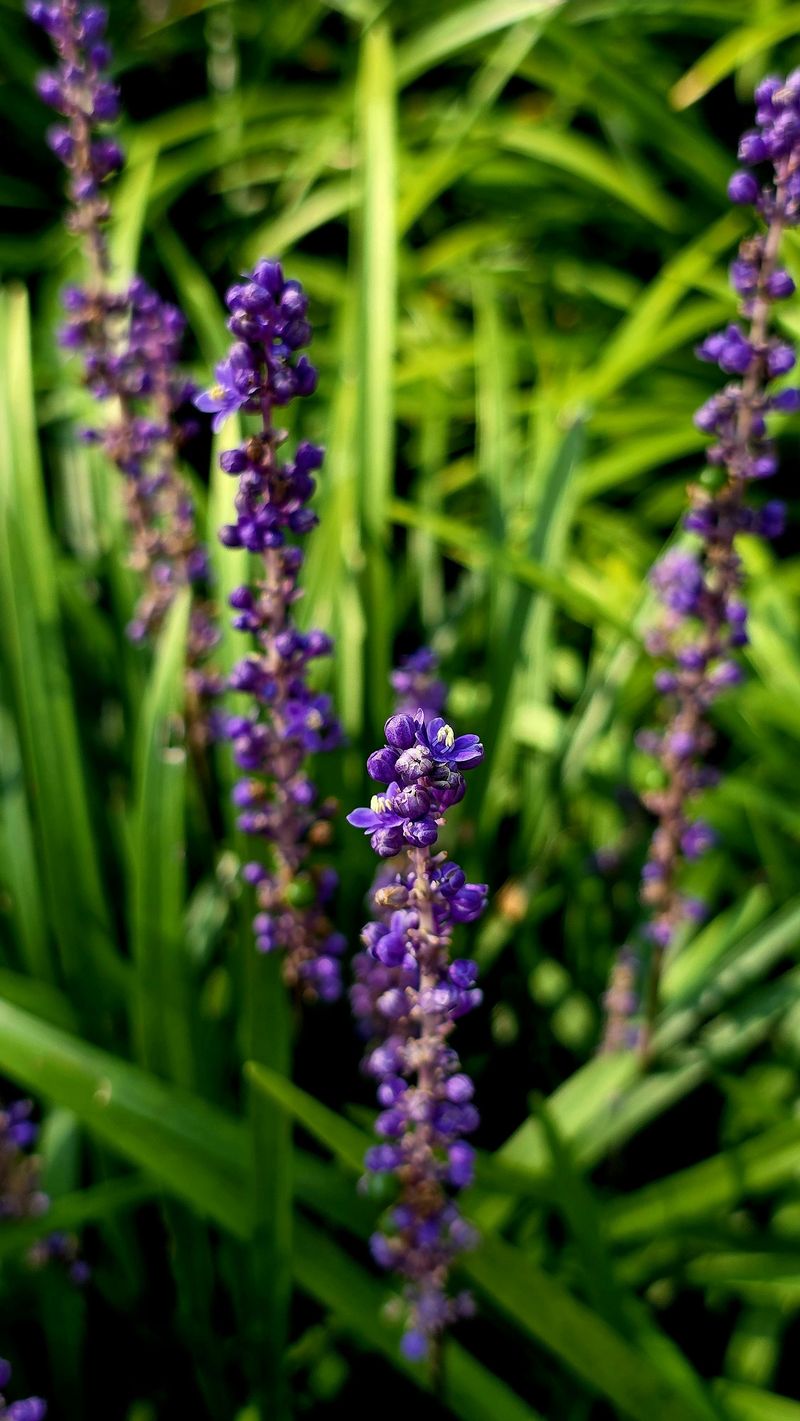
Some plants are workhorses, and liriope is absolutely one of them, quietly doing its job year after year without ever asking for recognition or extra water.
Also called lily turf, Liriope muscari forms dense, grass-like clumps of dark green or variegated foliage that look tidy even in the hottest part of summer.
In late summer, it sends up small spikes of purple or white flowers that add a subtle but welcome pop of color to shaded or semi-shaded spots.
Unlike many flowering plants, liriope actually prefers part shade, making it one of the few drought-tolerant options for spots under trees or along north-facing walls.
It handles dry shade, which is one of the hardest conditions to plant for, with remarkable composure and very little drama.
Once established, it rarely needs watering and spreads slowly to fill in bare patches along borders, walkways, or slopes where erosion is a concern.
It also works beautifully as a low-maintenance edging plant, creating clean, defined lines along paths and beds without constant trimming or replanting.
Liriope is evergreen in mild winters and semi-evergreen during colder stretches, meaning it provides year-round structure in the landscape.
If you have a dry, shady corner that has defeated every other plant you have tried, liriope is very likely the solution you have been searching for.
9. Switchgrass
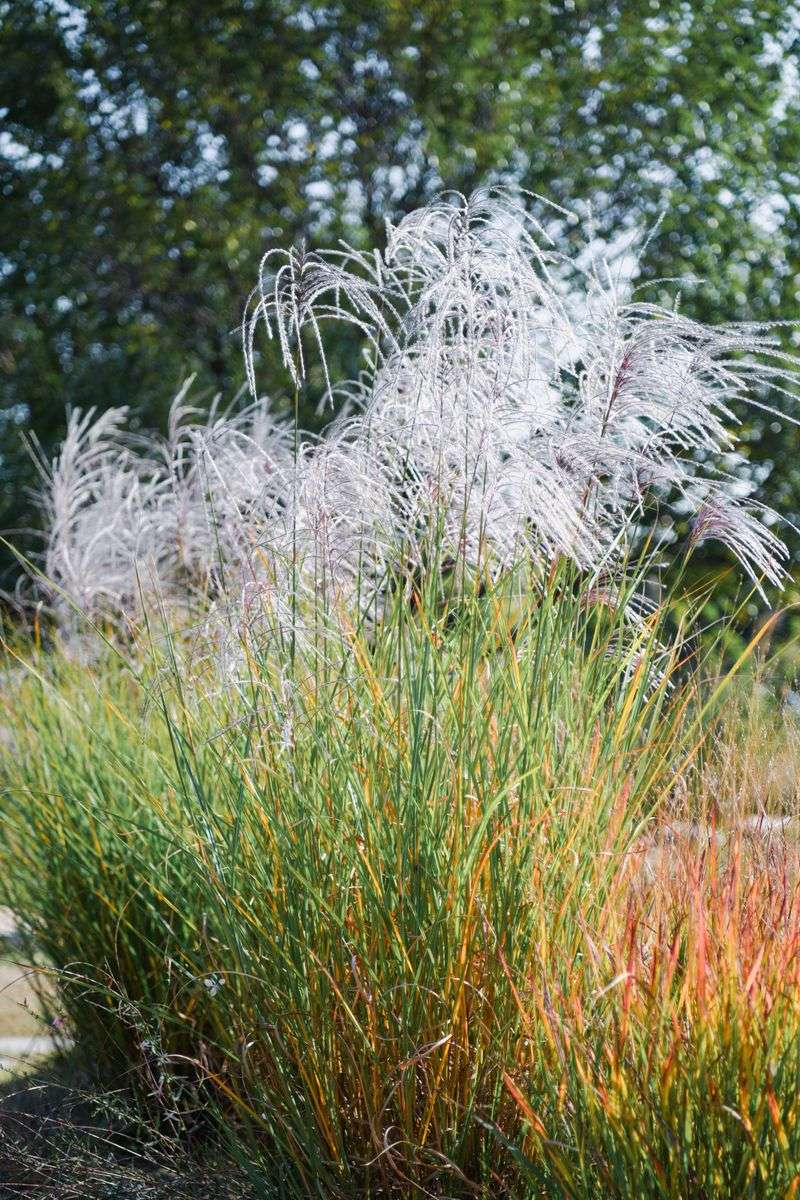
Switchgrass moves like it has somewhere important to be, its airy seed heads swaying in even the lightest summer breeze with effortless grace.
This native North American grass is one of the most adaptable plants you can add to a low-water garden, thriving in everything from dry sandy soil to occasional wet spots.
It grows in an upright, vase-shaped form that adds strong vertical structure to a planting bed without overwhelming the plants growing beside it.
Varieties like Shenandoah and Heavy Metal are especially popular, offering blue-green summer foliage that shifts to brilliant red or gold as autumn arrives.
Switchgrass establishes quickly and becomes deeply drought-tolerant by its second season, rarely needing irrigation even during prolonged dry stretches.
The fine-textured foliage creates a soft, naturalistic look that works equally well in formal garden designs and wild, meadow-style plantings.
Birds feast on the seeds from late summer through winter, and the dense clumps provide shelter for small wildlife during cold months.
It is also extremely resistant to pests and disease, which means you spend almost no time worrying about sprays, treatments, or interventions of any kind.
Plant switchgrass where you want height, movement, and four seasons of interest, and it will absolutely deliver on every single promise.
10. Beautyberry
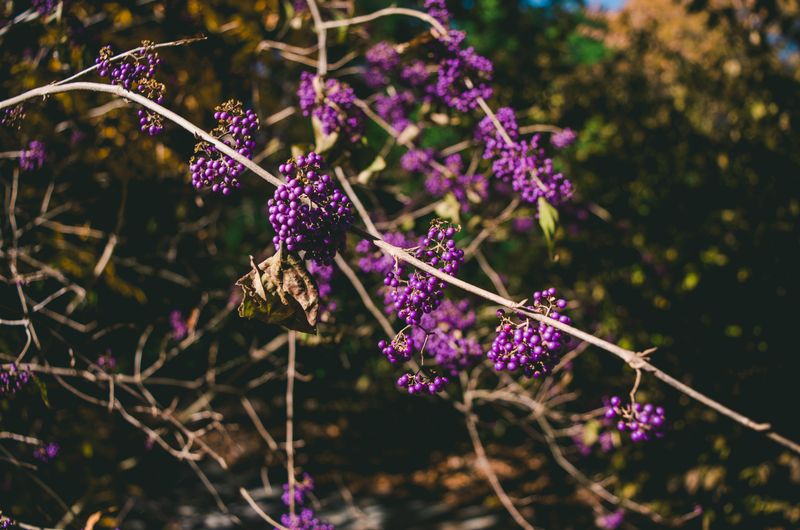
Nothing in the late summer garden stops people in their tracks quite like beautyberry, with its clusters of electric purple berries so vivid they look almost fake.
American beautyberry is a native shrub that blooms quietly in summer with small pink flowers, then absolutely explodes with color in late August and September.
The berries line the arching stems in tight, jewel-like clusters that shift from pale green to a shocking magenta-purple as the season progresses.
It grows in full sun to part shade and handles dry conditions well once established, making it a flexible choice for a variety of garden spots.
The shrub reaches about four to six feet tall and wide, so give it room to show off its natural, arching form without crowding nearby plants.
Birds like mockingbirds, robins, and cedar waxwings eat the berries enthusiastically in fall, making beautyberry a genuine wildlife asset in any yard.
You can cut it back hard in late winter since it blooms on new wood, keeping it compact and encouraging the most prolific berry production possible.
It requires almost no supplemental watering after the first season and has few serious pest or disease problems to worry about.
Beautyberry is proof that the most jaw-dropping plants in a drought-tolerant garden are sometimes the ones hiding in plain sight all along.