This October Pre-Emergent Task Keeps Georgia Lawns Weed Free Next Spring
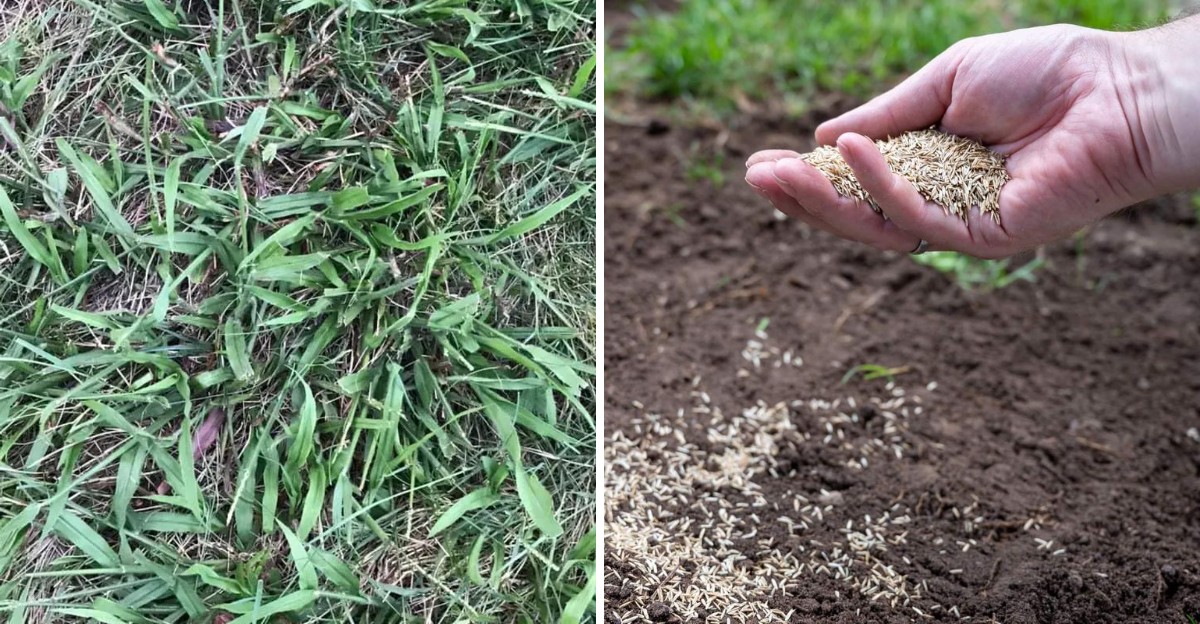
Henbit and annual bluegrass seem to appear out of nowhere in March, filling thin spots before the lawn greens up. Their seeds actually start sprouting months earlier, once fall soil begins to cool down.
Such timing explains why spring weed control sometimes feels like it starts a step too late.
A pre-emergent applied in fall works by stopping those seeds before they ever break through the soil.
Missing the window means dealing with established weeds that are much harder to control once they settle in. Soil temperature matters more than the date on the calendar for this particular task.
In warmer parts of Georgia, October may still offer a suitable window, while northern lawns often need treatment earlier in fall.
Read the label carefully on any product you buy, since some can affect overseeding plans or newly laid sod.
1. Many Spring Lawn Weeds Actually Sprout In Fall
Spring weeds are mostly old news by the time you notice them. Plenty of them sprouted quietly the previous fall, stayed small through winter, and then took off once days grew longer.
Gardeners call these plants winter annuals, and their life cycle explains a lot.
Seeds sprout as fall weather cools, and young plants grow slowly through the colder months. In late winter and spring, they flower, drop fresh seed, and fade as summer heat arrives.
That fading act can fool people into thinking the problem solved itself.
Unfortunately, those seeds settle into the soil and wait for the next cool season. Each year a patch is left alone, it can add more seed to the supply waiting below the surface.
Warm-season lawns make the issue easy to spot in Georgia, since bermudagrass, zoysia, and centipede turn tan in winter.
Green weeds stand out sharply against that dormant backdrop, which is why yards can look so speckled in February and March.
Understanding the calendar changes your approach. Instead of reacting in spring, you can plan ahead in fall, when a preventive product has a chance to work before seedlings get established.
Results still vary with weed pressure, soil, and weather, so expect improvement rather than perfection.
2. Annual Bluegrass, Henbit, And Chickweed Germinate As Soil Cools
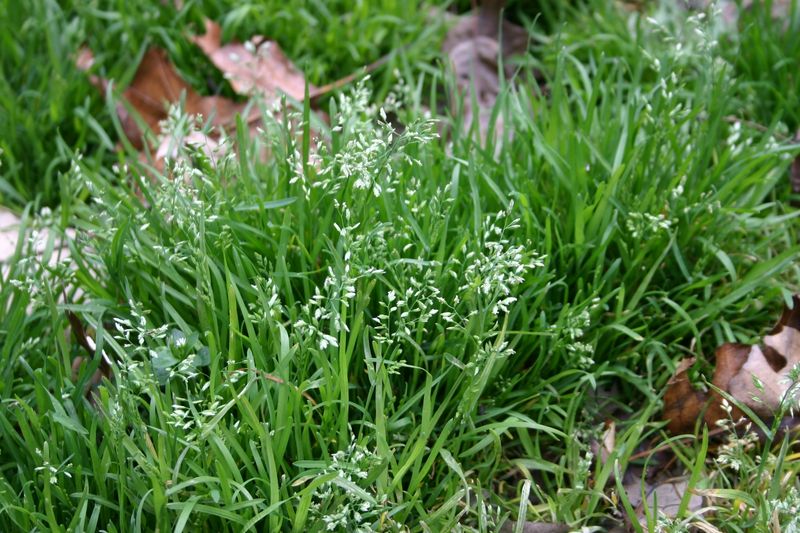
Three troublemakers top the list for a lot of Georgia homeowners. Annual bluegrass, henbit, and common chickweed all tend to germinate in fall as temperatures drop.
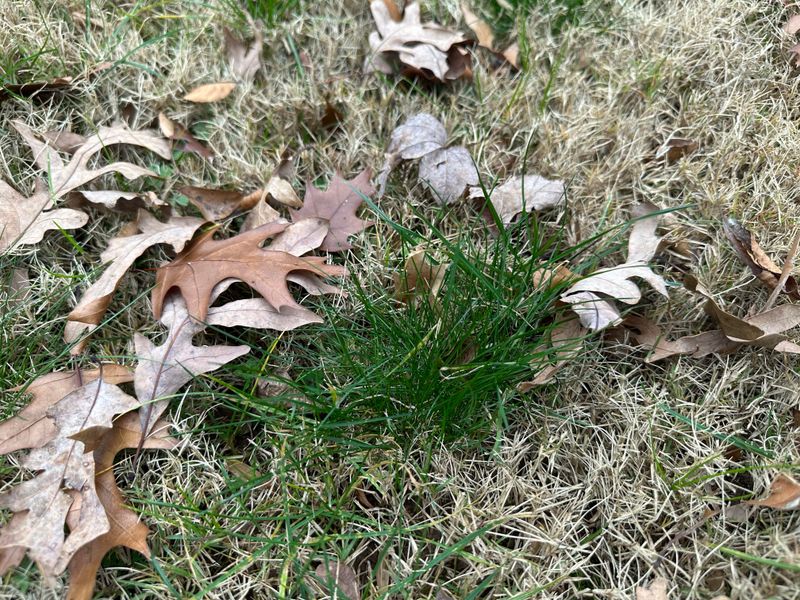
Annual bluegrass is a grassy weed that forms light green clumps and pushes up whitish seed heads in late winter and spring.
Against tan, dormant turf, those clumps can look like scattered tufts of the wrong color. Mowing low will not stop them, because they can still produce seed close to the ground.
Henbit is the one with square stems and small purple flowers.
Once it blooms in early spring, whole sections of a yard can take on a purple tint. It often shows up in thin turf and along edges where the grass struggles.
Chickweed spreads in low, sprawling mats with tiny white star-shaped flowers. It tends to like moist, shady spots, though it can turn up in sunnier areas too.
Your Georgia Garden Changes Every Week. Your Plan Should Too.
Gardening in Georgia changes quickly throughout the season. Every Friday you’ll receive a simple weekly plan showing exactly what to plant, prune, fertilize, harvest, and protect so you never miss the right timing.
Knowing which weeds visited last year helps you pick the right product.
Labels list the weeds each herbicide is meant to control, and coverage differs from product to product. Some also have reported resistance issues, especially with annual bluegrass, so checking with your local Extension office can be a smart step.
3. Pre-Emergent Products Target Seeds Before Seedlings Break Through
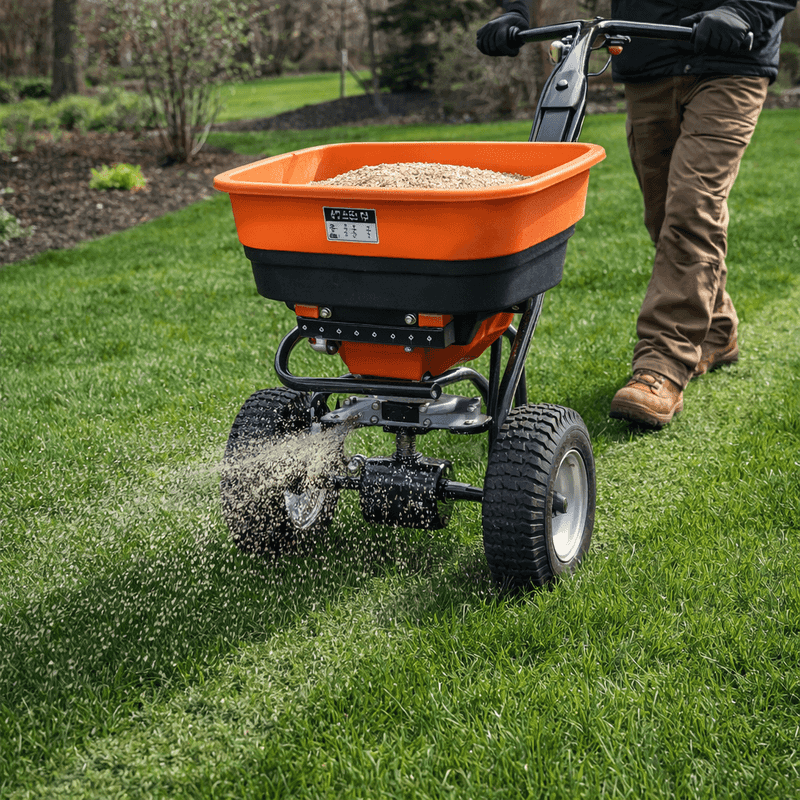
Timing is everything with a pre-emergent, and it helps to know what the product actually does. It works in the upper layer of soil, where it interferes with susceptible weed seedlings as they sprout.
Seeds may still begin to germinate, but young plants struggle to establish and push through.
That is quite different from controlling weeds you can already see.
Weeds that have emerged usually need a separate post-emergent product or hand pulling, since a pre-emergent is not designed to control them.
Choosing the right product starts with your grass type.
Bermudagrass, zoysia, centipede, St. Augustine, and tall fescue each tolerate certain herbicides differently. A product that suits one lawn may stress or injure another, so read the label before buying.
Labels also list the weeds controlled, the rate, and any timing limits.
Granular and liquid forms are both common. Granules spread easily with a broadcast spreader, while liquids need careful mixing and even spraying for good coverage.
Uneven application can leave gaps where weeds slip through, so overlap your passes slightly and keep a steady walking pace.
Even a careful job reduces weeds rather than erasing them. Seeds blown in later, thin turf, and heavy rain can all affect how well the barrier holds up over the season.
4. Timing Shifts Later The Farther South You Live
October is not one magic date across the whole state. Weather in the north Georgia mountains looks very different from conditions near Valdosta or the coast.
Northern and some central areas cool off sooner, so the best window there may open in September or early fall.
Southern counties stay warm longer. Their window often runs later, and October can fit those yards well.
Soil temperature drives germination more than the calendar does.
Winter annual weeds respond as soil cools, and that shift happens on its own schedule each year. A warm fall can push things back, while an early cold snap may speed them up.
Applying too late is a common slip. If weeds have already sprouted, a pre-emergent will not handle them the way it handles seeds still waiting in the soil.
Watching local conditions works better than circling one day on your calendar.
Your county Extension office often shares timing guidance for its area, and some sources track soil temperatures. Those tools help you match the job to what your yard is really experiencing.
Some product labels also mention whether a follow-up application is allowed later in the season. Check that detail before planning a second round, since rules differ between products.
5. Watering It In Activates The Barrier In The Soil
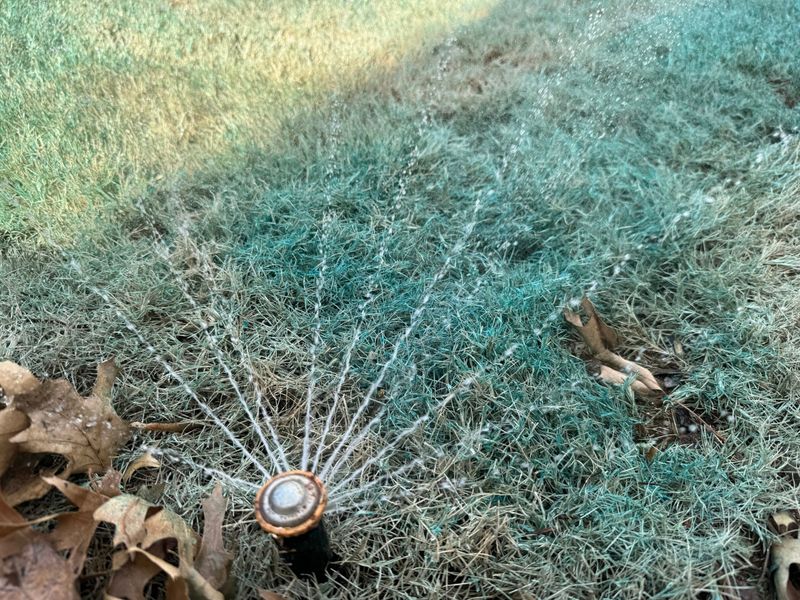
Granules sitting on top of the grass are not doing much yet. Most pre-emergents need rainfall or irrigation to move the active ingredient down into the top layer of soil.
Once it reaches that zone, it can meet sprouting weed seeds where they start growing.
Fall can be fairly dry in parts of Georgia, so you cannot count on a timely shower. A sprinkler gives you more control when rain looks unlikely.
How much water you need depends on the product.
Labels usually explain how soon to water and roughly how much is needed. Follow those directions rather than guessing, because products differ in how they behave.
Too little water may leave much of the product on the surface. On the other hand, heavy runoff on slopes or compacted soil can carry material where you do not want it.
Sweep any granules off driveways, sidewalks, and patios before watering.
That step keeps product from washing into storm drains and onto hard surfaces. It also puts more of what you paid for onto the lawn itself.
Try to avoid applying right before a big storm is forecast. A gentle soaking tends to work better than a downpour that moves product around before it settles in.
6. Skip It Where You Plan To Seed Or Overseed This Fall
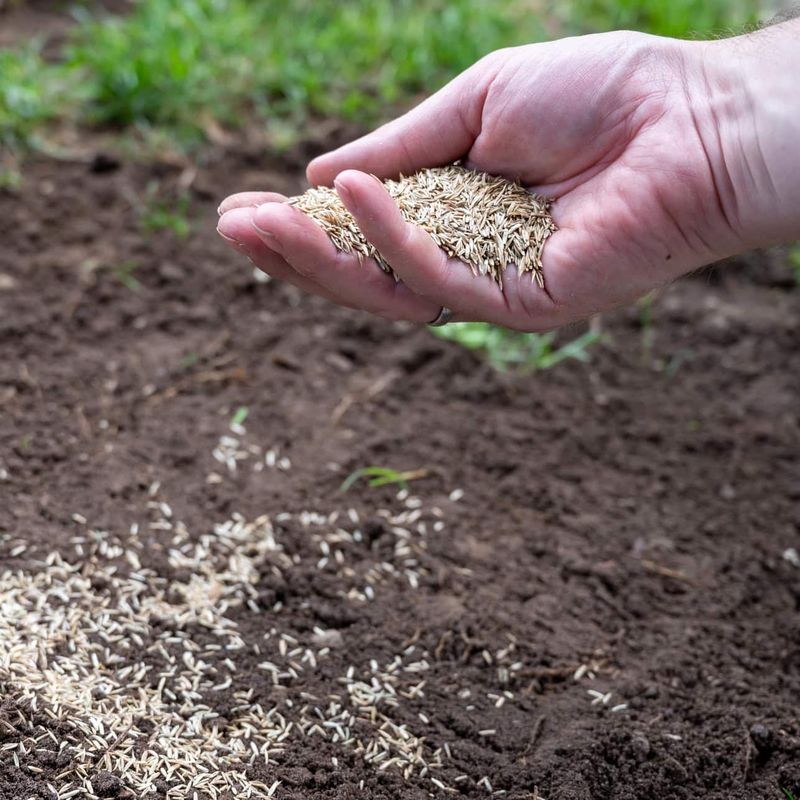
Grass seed and pre-emergents usually make poor neighbors. A product designed to stop weed seedlings can also stop desirable grass seedlings from getting established.
That matters if you plan to overseed with ryegrass for winter color or patch bare spots this fall.
Tall fescue lawns in north Georgia are often seeded in early fall, which overlaps with prime pre-emergent season. In those yards, you may need to choose which job comes first.
Some products do allow seeding under certain conditions.
Labels spell out waiting periods and any exceptions, and those details vary widely. Read them closely before spreading anything near areas you plan to seed.
A practical approach is to map your yard ahead of time. Mark spots for seeding and leave them untreated, then treat the established areas that do not need new grass.
Untreated zones may see more winter weeds, and that is a fair trade.
Thick, healthy turf competes with weeds on its own over time. Getting new grass established can pay off in fewer openings for weeds down the road.
If you are unsure about timing, a local Extension agent can help you weigh seeding plans against weed control. Their advice can fit your grass type and soil conditions.
7. Crabgrass Still Needs Its Own Late-Winter Application
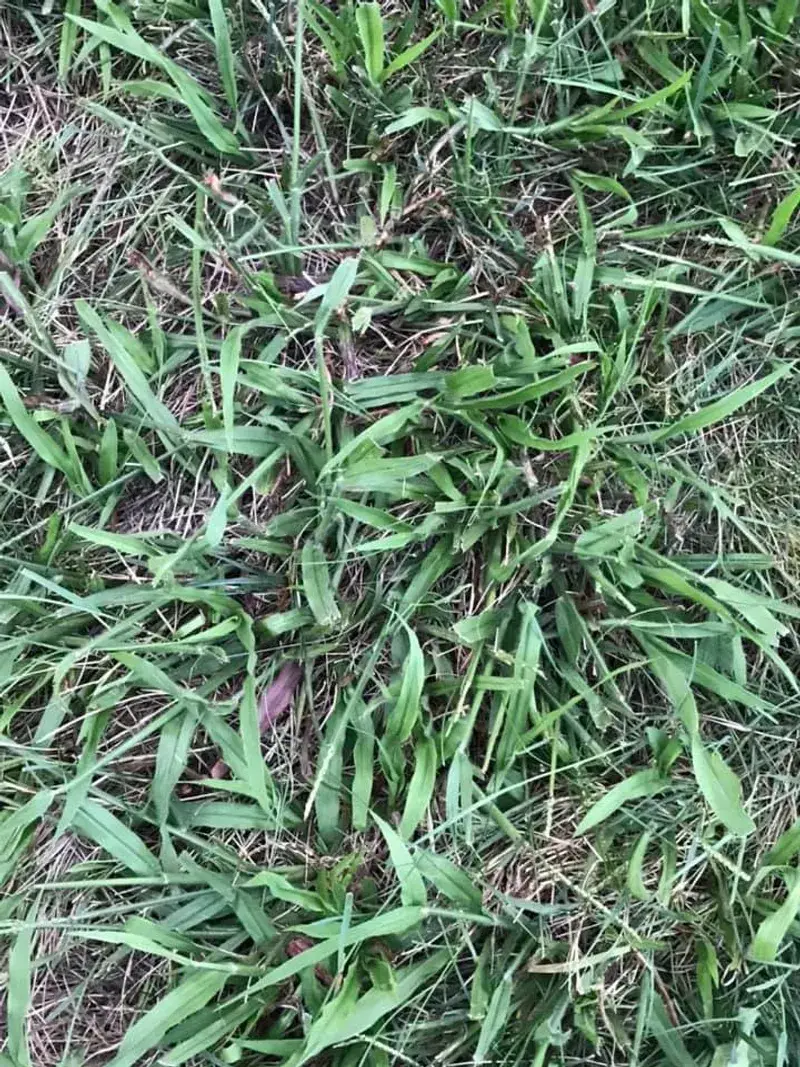
Crabgrass plays by a completely different schedule. It is a warm-season annual, so it sprouts as soil warms in late winter and spring rather than in fall.
Your October treatment is aimed at winter weeds, not this summer pest.
Most fall pre-emergents lose strength over the winter months. By the time crabgrass seeds start sprouting, the barrier from fall may be too weak to offer much help.
Plan a separate application for late winter or early spring.
Like fall timing, spring timing shifts across Georgia, with southern areas typically warming first. Lawns farther north often reach that point a bit later in the season.
Some homeowners watch for local signs of spring, such as certain shrubs blooming, as a rough cue. Soil temperature and Extension guidance offer more dependable signals, though.
Choose a product labeled for crabgrass and safe for your turf type.
Read the label for total yearly limits too, since some products cap how much you can apply in a year. Spacing fall and spring treatments within those limits keeps you on the right side of the rules.
Healthy mowing and fertilizing habits support both efforts. Dense grass leaves fewer bare spots where crabgrass can settle in once summer heat arrives.