Why Grouping Your Pots Together Helps In A Texas Cold Snap
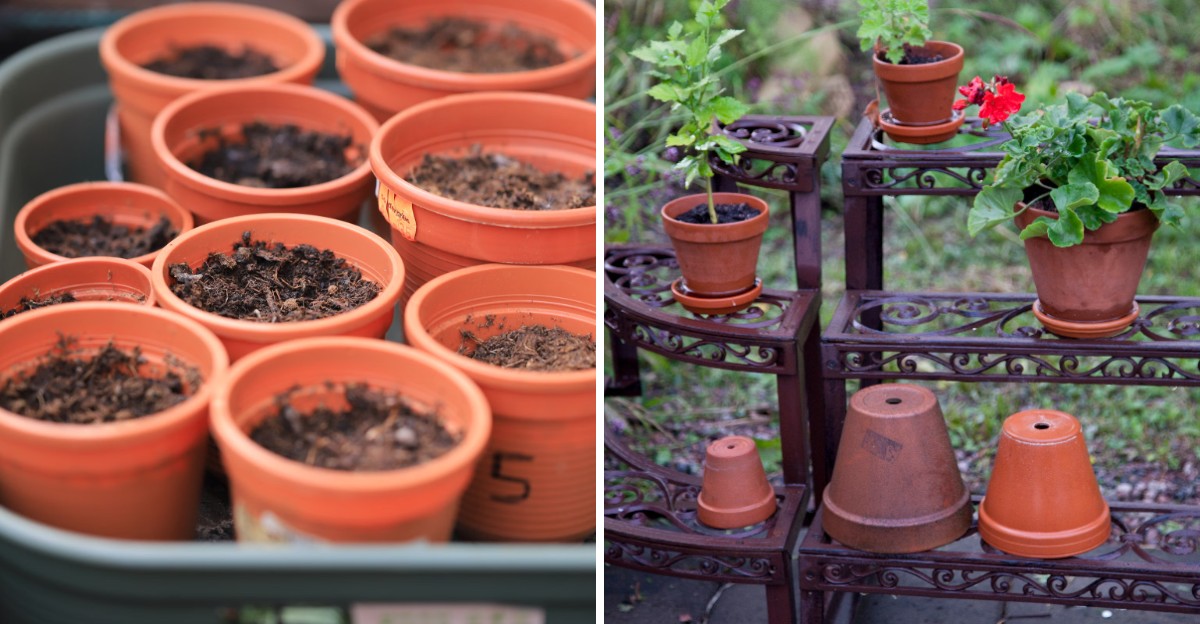
Texas can swing from shirtsleeve weather to icy mornings within hours. Your potted plants have thin walls, shallow soil, and little shelter. Roots in containers chill faster than roots in the ground.
Cluster them tightly, and you create a shared pocket of warmth. Slide each pot against your sunniest wall with rims touching. Brick and stone soak up afternoon heat, then release it after dusk.
Tall plants belong in the back, where gusts lose their force. Fill gaps between pots with crumpled newspaper or dry leaves for insulation. Water lightly beforehand, because moist soil holds heat better than dry soil.
Then drape a bedsheet over the whole cluster at sundown. Anchor the edges with bricks so wind cannot lift it.
Watch for freeze warnings and frost advisories across Texas, then act early. Set pots by midafternoon, while soil holds warmth.
1. Huddled Pots Trap Heat Like A Campfire Circle
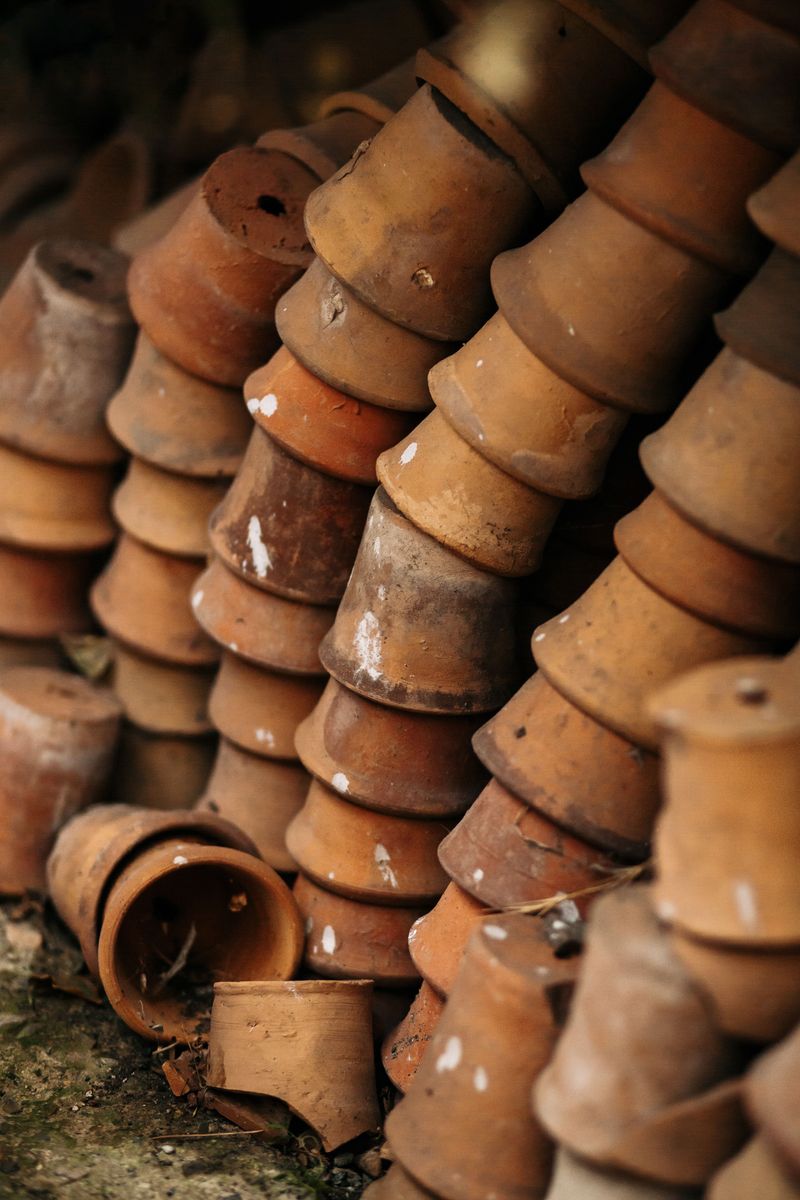
Think about standing around a backyard fire pit on a chilly night. Everyone stays warmer when the circle is tight, and pots work much the same way.
Soil soaks up heat from the sun during the day. After dark, each pot slowly gives that warmth back to the air around it.
When pots sit far apart, that released heat drifts away into the open sky. Packed close together, they share it, creating a small warm pocket between them.
Gardeners call this a microclimate, which simply means a tiny area with its own weather. Your cluster may stay slightly warmer than the rest of the yard, depending on weather and layout.
A small difference might sound minor, but it matters during a freeze. Many tender plants tolerate 33 degrees but show damage at 29.
To build a strong huddle, push pots until their rims nearly touch. Leave no wide gaps where cold air can sneak in and settle.
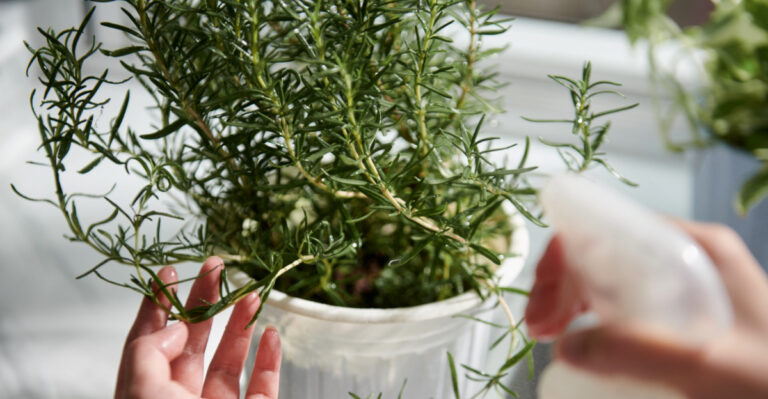
Place the most sensitive plants, like hibiscus or bougainvillea, in the middle of the group on cool nights, and bring them indoors if lows approach 40 degrees. Tougher plants such as rosemary can stand guard on the outer edge.
Check the center by tucking a cheap thermometer between the pots overnight. Comparing readings in the morning makes the warm pocket easy to see.
Try this setup before the first cold front rolls into your part of Texas. Once you see how cozy the center stays, you will understand why grouping helps.
2. Fewer Exposed Sides Shield The Roots From Wind
Texas northers have a reputation, and it is well earned. A blue norther can drop temperatures twenty degrees or more in an hour, carried by strong wind.
Wind speeds up heat loss from every surface it touches. A lone pot is exposed on all sides, so warmth leaves the soil faster.
Roots in containers sit much closer to the cold than roots in the ground. Only a thin wall of plastic or clay protects them from the weather.
Grouping pots changes the math in your favor. Each pot in the middle has neighbors blocking the wind, so only the outer sides face the wind.
Your Texas Garden Changes Every Week. Your Plan Should Too.
Gardening in Texas changes quickly throughout the season. Every Friday you’ll receive a simple weekly plan showing exactly what to plant, prune, fertilize, harvest, and protect so you never miss the right timing.
Picture a herd of musk oxen turning their backs to an Arctic storm. Your pots are doing the same thing, just with less fur and more potting mix.
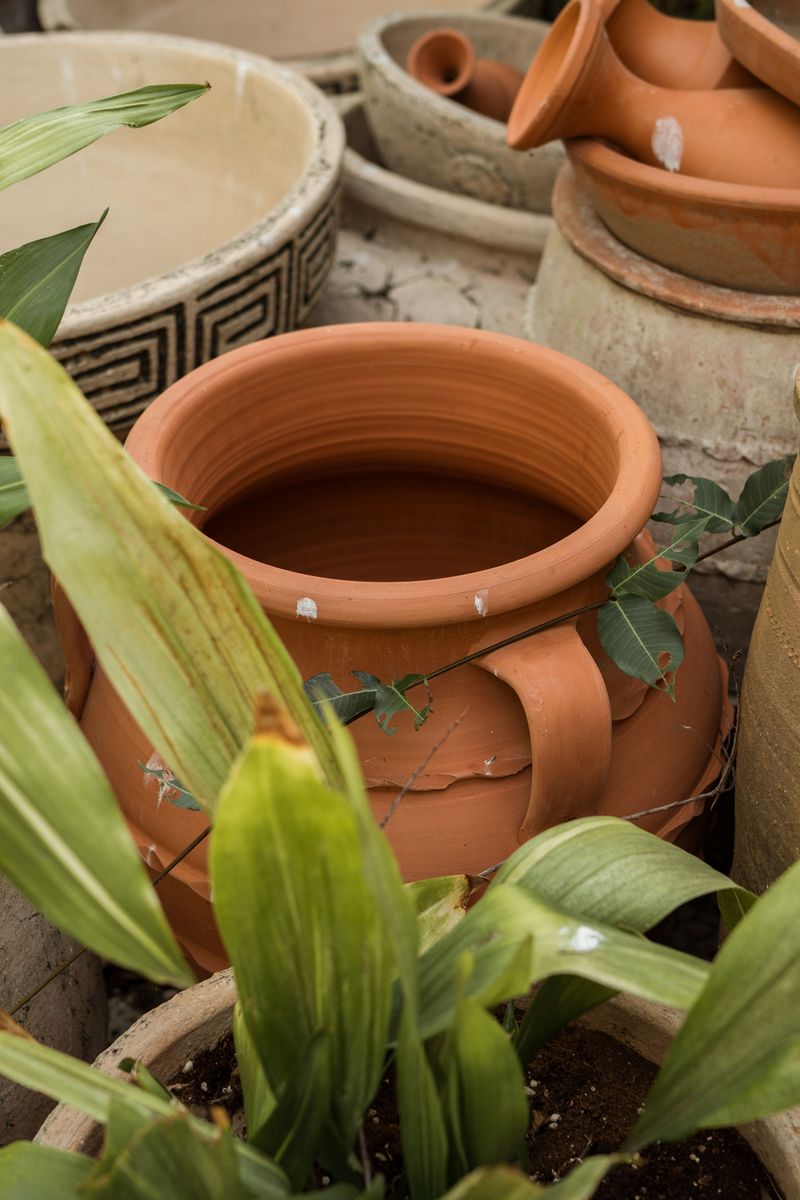
For extra help, line the windy north side with your heaviest, sturdiest containers. Big ceramic pots make solid windbreaks for the smaller ones tucked behind them.
Empty pots or bags of mulch can also fill gaps along the outer edge. Anything that slows the breeze keeps more warmth where the roots need it.
Watch the forecast for wind speed, not just the low temperature. A 30 degree night with strong gusts can dry and stress foliage more than a calm one, though calm, clear nights can also chill leaves below the air temperature.
Taking a few minutes to arrange a wind-smart cluster pays off quickly. Your plants will greet the warm afternoon looking healthy instead of stressed.
3. Damp Soil Releases Warmth Through The Night
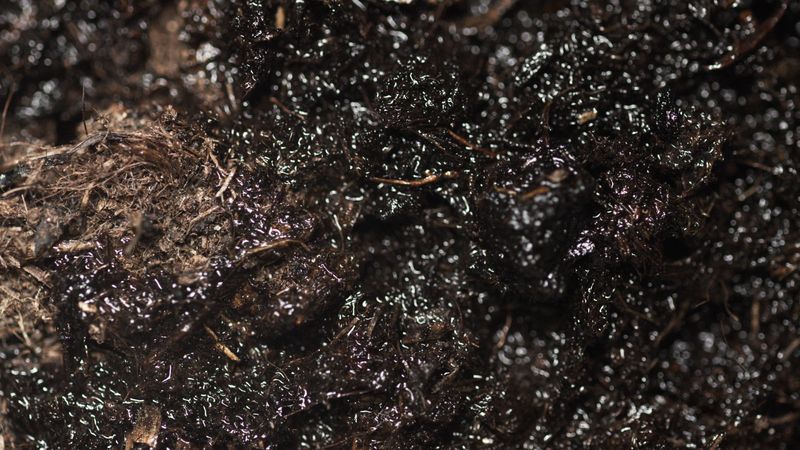
Here is something that surprises many new gardeners: wet soil stays warmer than dry soil. Water holds heat far better than air, so moisture acts like a slow heater.
Dry potting mix stores and conducts less heat than moist mix. As a result, roots cool faster overnight.
So, a day or two before a freeze, give your grouped pots a good drink. Aim for moist, not soggy, since standing water can bring other problems.
Watering in the morning works best. It gives the soil time to absorb the sun’s warmth before nightfall arrives.
Now add the grouping trick on top of that. A cluster of damp pots releases heat together, warming the air trapped among their leaves.
Farmers in citrus groves use a similar idea on a much larger scale. They sometimes water fields before a frost because moist ground radiates more heat overnight.
Skip the watering if your soil is already wet from recent rain. Too much moisture in cold weather can lead to root rot in succulents and cactus.
Push a finger two inches into the mix to check before grabbing the hose. If it feels cool and slightly damp, you are ready for the cold.
Damp soil and close neighbors work well together. Together, they help your patio plants wake up green and healthy after a frosty night.
4. Bigger Groups Hold Steadier Temperatures
Ever notice how a big pot of soup stays hot much longer than a single mug? Size matters when it comes to holding heat, and potting soil follows that rule.
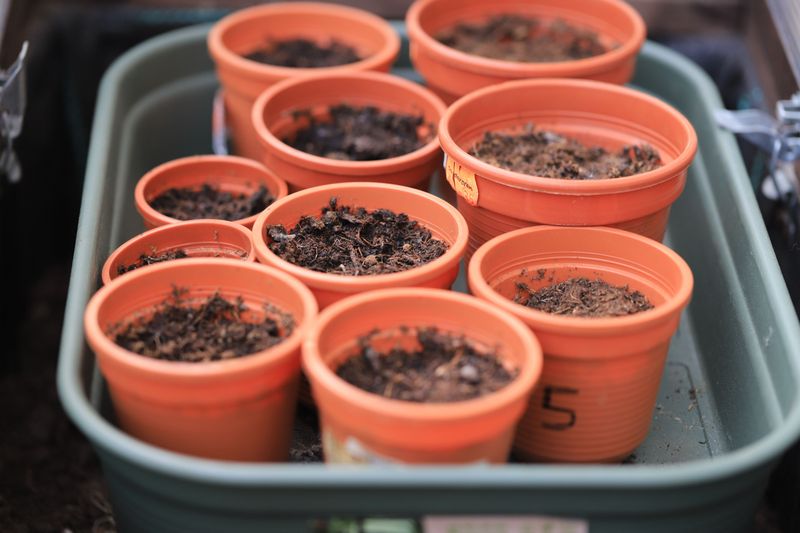
Small containers lose warmth fast because they have lots of surface area for their size. A tiny four-inch pot can chill through in a few hours during a hard freeze.
When you push many pots together, they hold heat more like one larger container. The combined soil holds heat longer, cooling down slowly through the night.
Scientists call this thermal mass, which is just a fancy name for stored heat. More mass means steadier temperatures and fewer wild swings.
Texas weather often swings widely, especially in late fall and winter. Seventy degrees on Tuesday and a hard freeze on Thursday does happen.
Steady temperatures help plants avoid shock from those sudden changes. Roots that stay above freezing can keep working and recover quickly once the sun returns.
If you own lots of small pots, set them inside a larger tub or wheelbarrow. Fill spaces between them with mulch, leaves, or crumpled newspaper for bonus insulation.
Seedlings and young cuttings benefit most from this approach. Their tiny root systems have very little stored energy to fight the cold alone.
Think of your cluster as a giant, shared battery of warmth. The bigger the group, the longer that battery lasts until morning.
5. Nearby Walls Boost The Cozy Effect
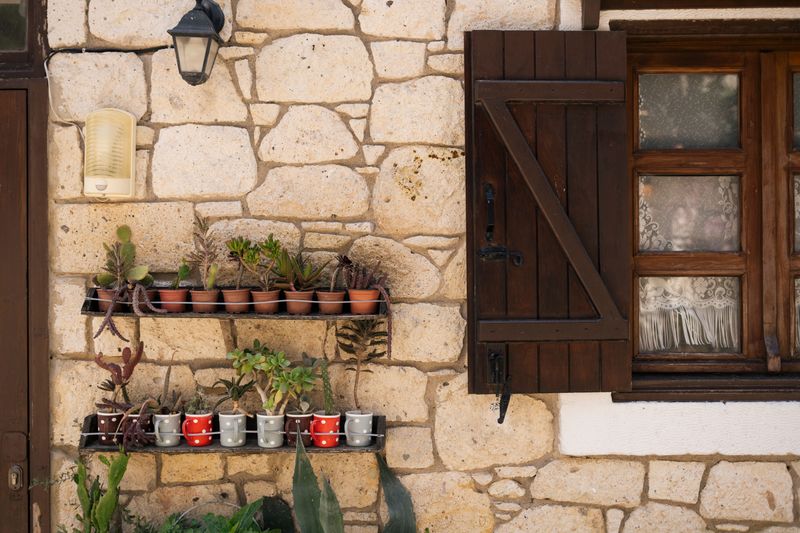
Your house is a giant heat source, even when you cannot feel it. Brick and stone walls soak up sunshine all day and slowly release it after dark.
That makes a wall the perfect backdrop for your potted plant huddle. Grouping pots against a south or west facing wall adds extra warmth, since those walls collect the most sun.
Corners are even better because two walls block wind and radiate heat. A covered porch corner can stay several degrees warmer than an open lawn. Plants tucked into a porch corner often fare better than those left in an open yard.
Pay attention to what is overhead, too. A roof or patio cover stops heat from escaping straight up into the clear night sky.
Clear, still nights are often the coldest ones in Texas. Without clouds acting like a blanket, warmth radiates upward and frost settles on everything exposed.
Avoid placing pots against a north wall, which stays shaded and chilly. Low spots in the yard are tricky too, since cold air sinks and pools there.
Before your area’s average first-freeze date, walk around your home and find the warmest nook. Clear it out now so moving plants takes minutes when a cold front arrives.
A little planning turns a forgotten corner into a winter hideout. Your plants get shelter, and you spend less time outside in the cold.
6. One Frost Cloth Covers The Whole Crowd
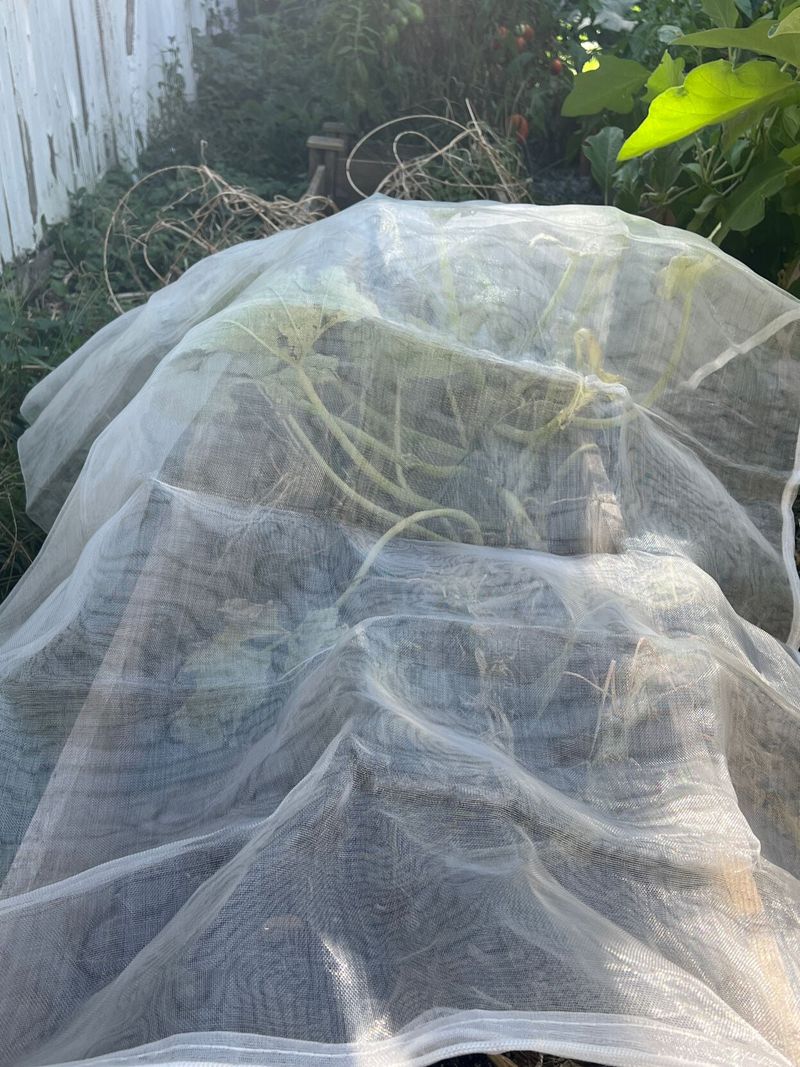
Covering twenty scattered pots one by one takes a lot of time. Grouping them first means a single frost cloth can protect the entire crowd at once.
Frost cloth is a lightweight fabric that traps ground heat while letting light and air through. Many Texas garden centers stock it in fall, but check availability locally.
Old bedsheets and blankets work in a pinch, too. Just skip plastic sheeting touching the leaves, since plastic transfers cold right into the foliage.
Here is the key detail many people miss. Drape the cover all the way to the ground, not just over the tops of the plants.
Heat rises from the soil and the pots themselves. A cover that reaches the ground traps that warmth like a tent, while a short one lets it escape.
Weigh down the edges with bricks, rocks, or heavy pots. Strong wind can pull covers loose overnight.
Some gardeners add a string of outdoor-rated incandescent lights under the cloth, but this carries fire and electrical risk. Follow the manufacturer’s instructions, keep bulbs off the fabric, and check the cords often.
Remove the covering once temperatures climb above freezing the next morning. Leaving it on during a sunny day can overheat plants and trap too much moisture.
Keep your frost cloth folded in an easy-to-reach spot all season. When a cold forecast arrives, one quick toss covers the whole group.
7. Tall Plants Shelter Their Shorter Neighbors
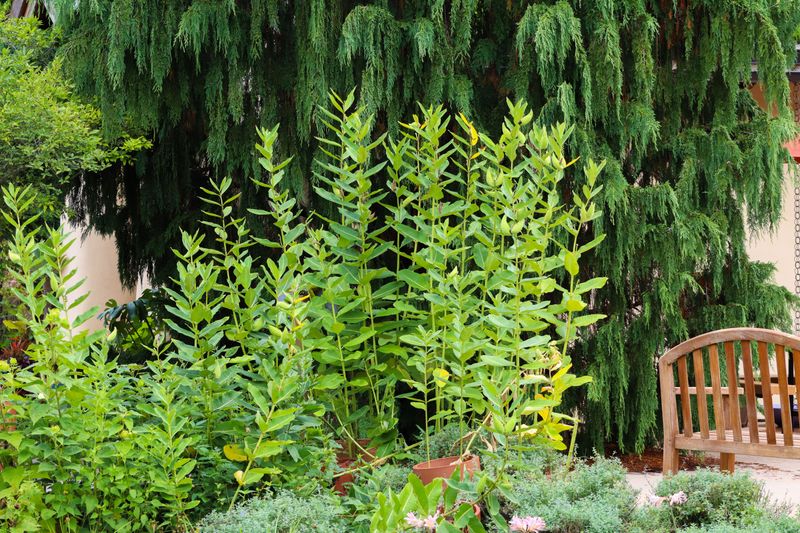
Every good team has a few big players who protect the little guys. In a pot cluster, tall plants can play that role beautifully.
Large shrubs, small trees, and leafy tropicals create a canopy over shorter plants. That canopy slows heat loss to the open sky, much like clouds do.
Frost tends to form on the most exposed surfaces first. Plants tucked beneath taller leaves often escape the icy coating that harms tender foliage.
Arrange your group like a class photo, with tall plants in back. Medium plants go in the middle, and small pots fill the front.
On windy nights, place the tallest containers on the side facing the incoming front. In Texas, cold fronts usually blow in from the north or northwest.
A large potted rosemary or a sturdy evergreen shrub can shelter herbs, succulents, and seedlings around its base. Just be sure the tall plant is sturdy enough to stay upright.
Top-heavy pots tip over easily in strong gusts. Tie them to a railing or wedge heavier containers around them for stability.
Watch out for one trade-off with this layout. Short plants under a canopy get less light, so move them back into the sun after the cold passes. Forests use a similar layering pattern, and your patio can borrow the same idea.
8. Quick Planning Eases Texas Cold Snaps
Texas weather can change within hours. In February 2021, Winter Storm Uri brought days of record-setting cold to much of the state, a reminder that grouping works best alongside other protection.
Grouping pots is one of the fastest protection steps you can take. Unlike building cold frames or buying heaters, it needs few supplies.
Still, speed depends on a little preparation done ahead of time. October is a good month to get ready, though first-freeze dates vary widely across Texas.
Put heavy pots on rolling plant caddies so you can glide them around easily. A sturdy hand truck or garden wagon also saves your back.
Make a simple plan for where each plant will go. Knowing your warm spot in advance turns a stressful evening into a ten-minute task.
Sign up for weather alerts on your phone from a local news station. Many send freeze warnings a day or two before temperatures drop.
Move plants in the afternoon while the soil is still warm from the sun. Waiting until dark means the pots have already lost much of their heat.
Bring tender plants such as tropical hibiscus indoors or into the garage when lows approach 40 degrees, and move hardier plants when lows near freezing. Grouping helps, but hard freezes call for extra protection.
Once the cold snap passes, spread the pots back out for good airflow. Your plants will thank you with fresh growth when warm days return.