Poinsettias Kept From Last Christmas Need Long Georgia Nights To Turn Red Again
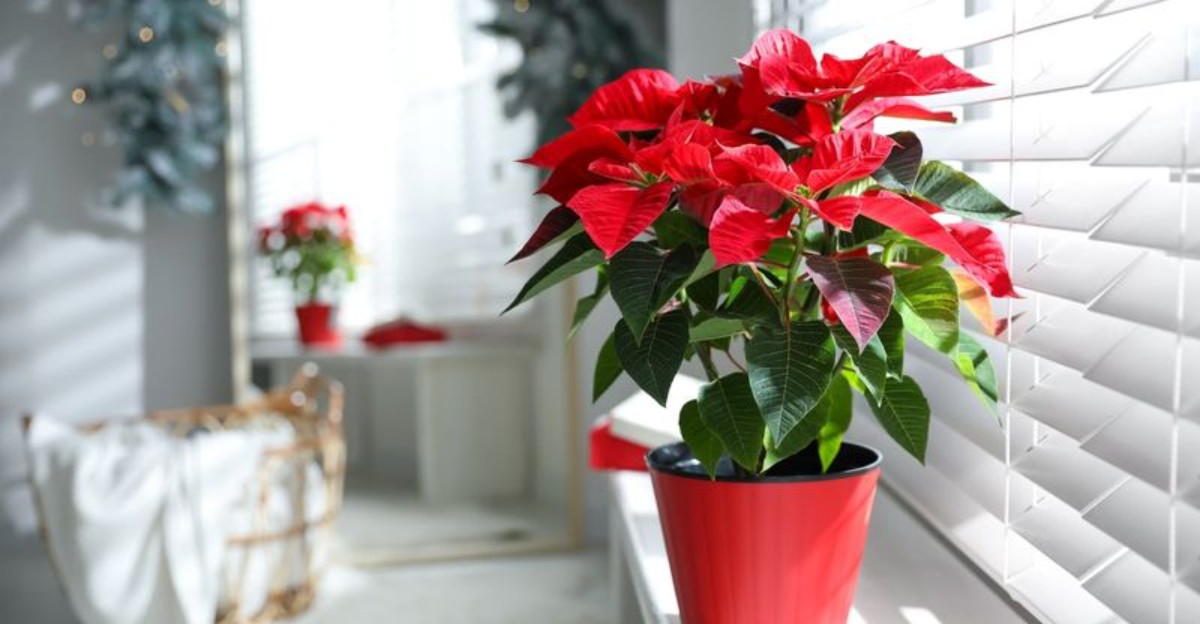
Last year’s poinsettia, still green and leafy on the windowsill, can be coaxed into turning red again for the holidays.
The plant does not color up on its own schedule indoors, though. Its bracts change color in response to long, uninterrupted nights, which usually start in early fall.
Even a brief exposure to artificial light during that dark period can interfere with the plant’s color development.
Most homes stay lit well into the evening, which is where many attempts fall short.
Starting in October gives the plant enough time to finish coloring by Christmas. Fall nights in Georgia are getting longer, but they still need some help to reach the darkness the plant requires.
Find a closet or spare room you can keep completely dark each night for the next couple of months.
1. Those Red Parts Are Actually Colored Leaves, Not Petals
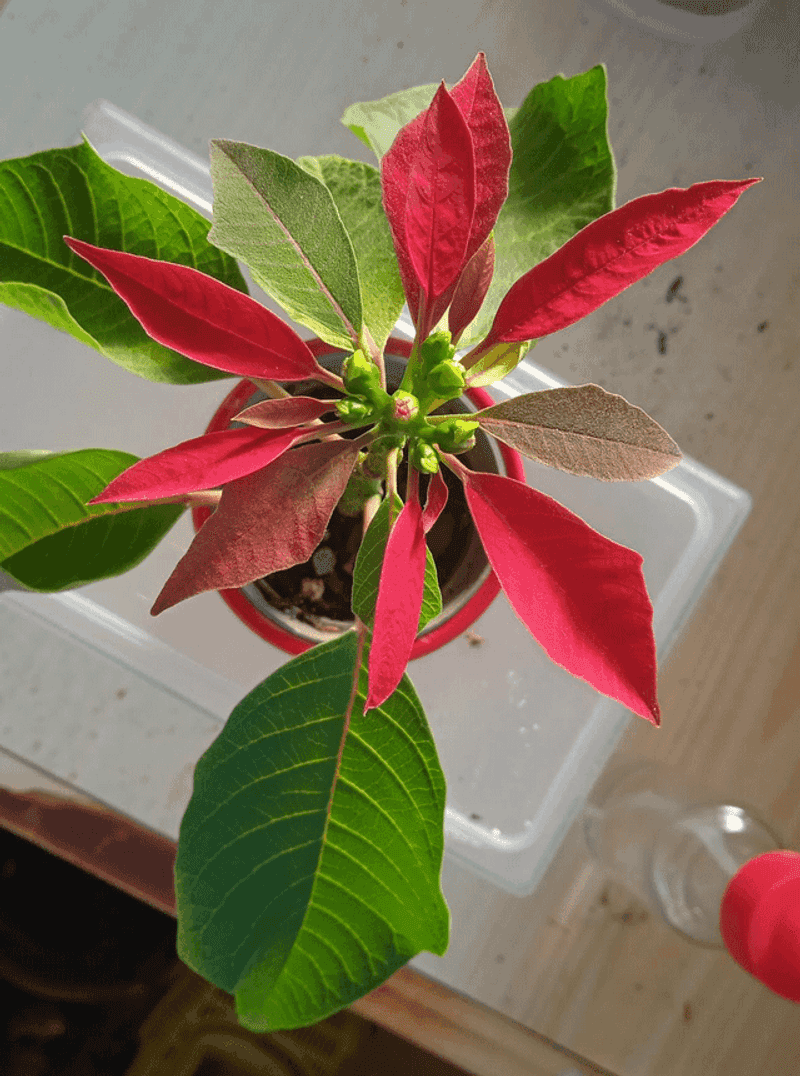
Look closely at a poinsettia and you might be surprised. Those bright red pieces are not petals at all, but special leaves called bracts.
Bracts start out green, just like the rest of the foliage on the stem.
When nights grow long enough, the plant changes how it makes pigments in those top leaves. Green fades as red, pink, white, or cream shades take over, depending on the variety you own.
Knowing they are leaves helps explain a lot about care. Leaves need light to stay healthy, so a plant kept in dim corners may color poorly or drop foliage.
Some Georgia gardeners notice the lower green leaves turning yellow during fall.
A few yellow leaves can happen from normal aging, overwatering, cold drafts, or low light. Check the soil and the plant’s spot before assuming one single cause.
Bracts also tend to last much longer than typical flower petals. With decent light and careful watering, a colored poinsettia often holds its look for weeks indoors.
Once you think of bracts as leaves, the rest of the process makes more sense. The plant is simply responding to the season, and your job is to give it the right signals at the right time.
2. Color Returns After Several Weeks Of Extra-Long Nights
Patience matters more than any fertilizer here. Poinsettias are short-day plants, which really means they respond to long, unbroken nights.
Most sources, including university Extension guides, suggest roughly 14 hours of total darkness each night.
That routine usually needs to continue for around eight to ten weeks before strong color shows. Some varieties color a bit faster, while others take longer, so expect some variation.
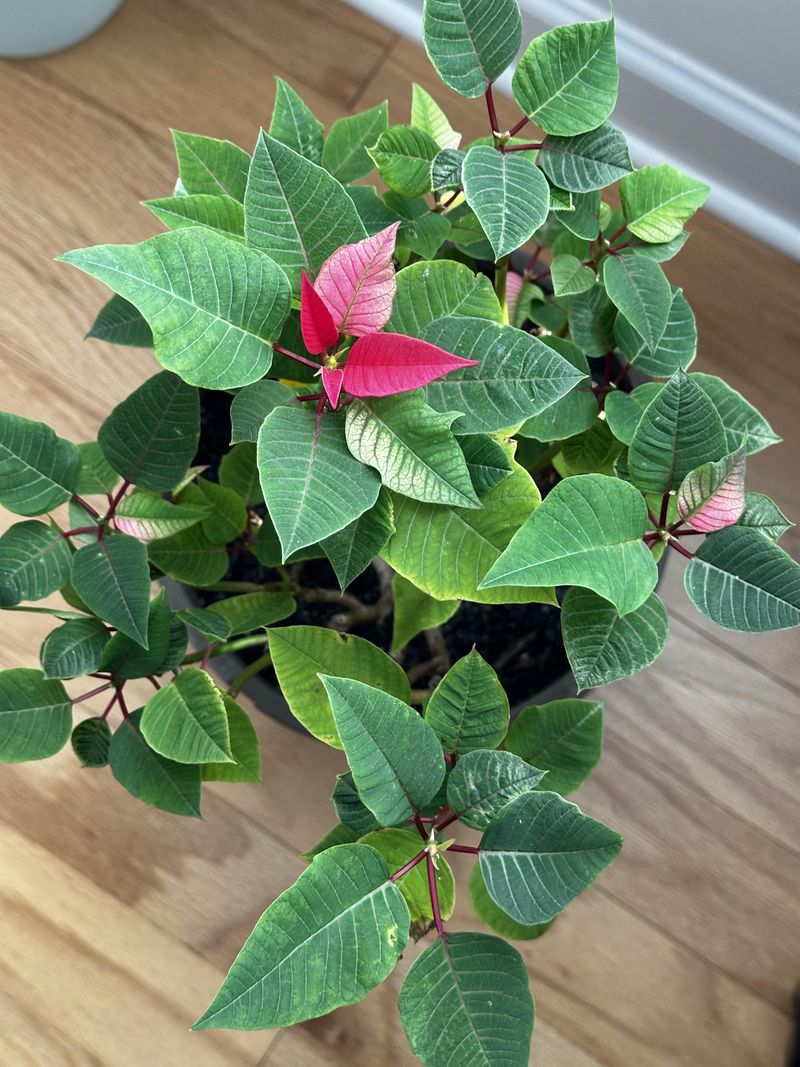
You probably will not see much change in the first few weeks. Small hints of color often appear near the tips of the top leaves before spreading.
Skipping nights here and there can slow things down noticeably.
In Georgia, natural fall nights grow longer, but they still may not give enough darkness indoors, where lamps and screens stay on late. Outdoor plants face streetlights and security lights instead.
Temperature plays a part too. Poinsettias are tropical and dislike chilly nights, so bring outdoor plants inside well before cold snaps arrive.
Your Georgia Garden Changes Every Week. Your Plan Should Too.
Gardening in Georgia changes quickly throughout the season. Every Friday you’ll receive a simple weekly plan showing exactly what to plant, prune, fertilize, harvest, and protect so you never miss the right timing.
Steady, warm conditions paired with real darkness give the best shot at good color.
Keep watering normally during this stretch, letting the top of the soil dry slightly between drinks. A healthy, well-cared-for plant tends to respond better than one already struggling with stress.
3. Starting Around Early October Lines Up Color With The Holidays
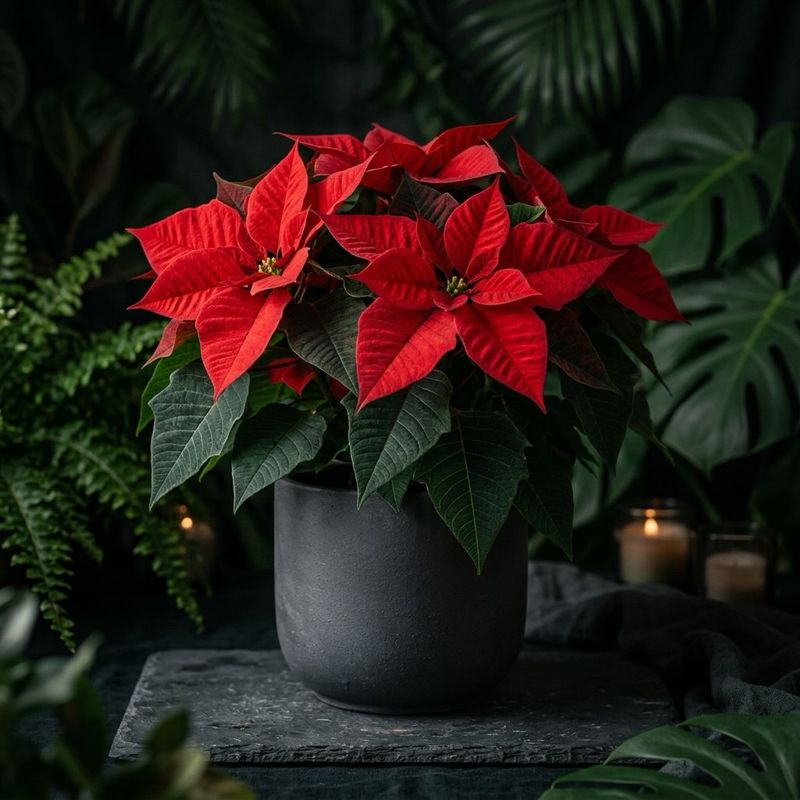
Timing is the whole trick. Begin the dark treatment around the first of October, and color often arrives close to late November or December.
Extension services commonly recommend that early October start date for home growers.
Wait until late October and your plant may still look mostly green on Christmas morning. Starting much earlier could bring color before the holidays, which some people enjoy anyway.
Before October, focus on keeping the plant healthy through summer. Many growers prune stems back in late spring and pinch new tips until late summer for a fuller shape.
Plants kept outdoors in Georgia summers usually do well in morning sun with some afternoon shade.
As fall arrives, watch the forecast closely. North Georgia mountains can cool down earlier than Savannah or Valdosta, so bring plants inside when nights start dipping into the 50s.
Mark your calendar with a start date and a rough finish date. Writing it down makes the daily routine easier to remember.
Your exact results will depend on the variety, how big the plant is, and how consistent the darkness stays.
Treat early October as a solid guide, not a strict rule, and adjust next year based on what you see.
4. Stray Light From A Porch Or Hallway Can Delay Coloring
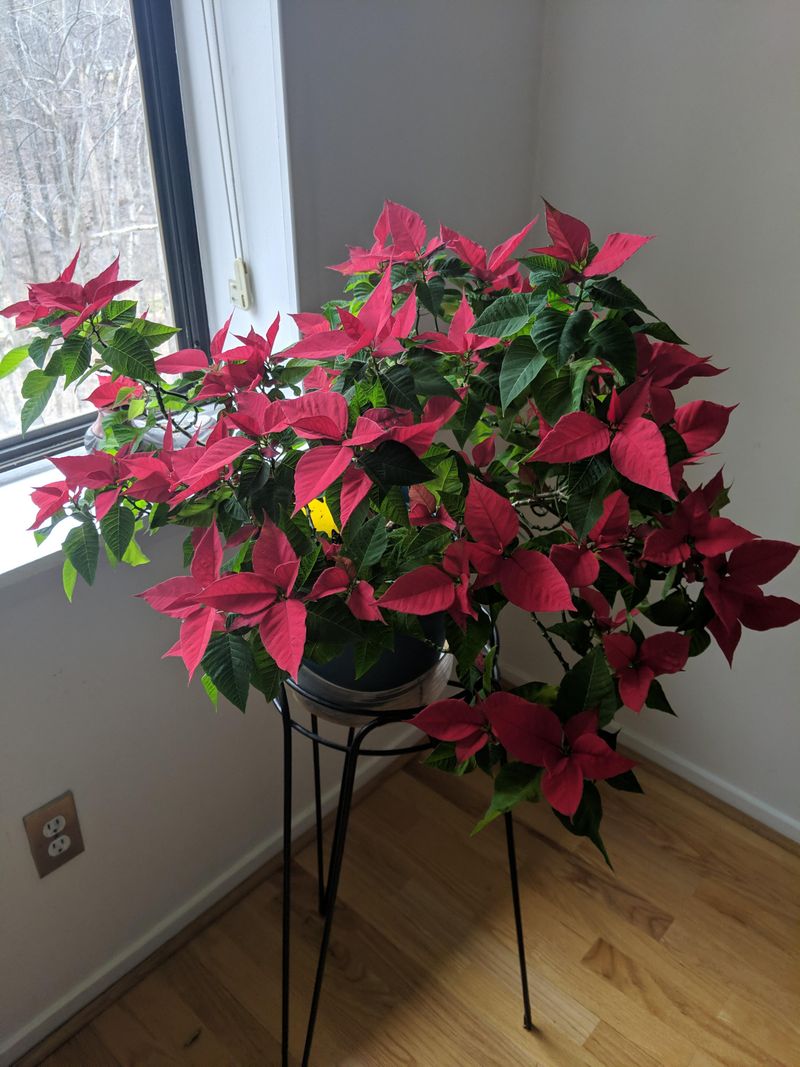
Even a little light can undo a good night. Poinsettias are sensitive enough that a short burst of lamp light may interrupt their dark period.
Picture a plant sitting by a hallway where someone flips the switch at midnight.
That small interruption can reset the plant’s sense of night length. Repeat it often, and coloring may come late, look patchy, or barely happen at all.
Common culprits are easy to miss. Porch lights, streetlights shining through windows, night-lights, and glowing TVs can all reach a plant.
Walk through your house after sunset and look at where light spills.
A spare bedroom or closet with no outside window often works well. Just make sure nobody opens the door and turns on the light during the night hours.
Suburban homes in Georgia frequently have security lights or bright neighborhood lamps. A windowsill that seems dark to you may still get a faint glow the plant notices.
Uneven color is a clue worth paying attention to. If one side colors well and the other stays green, check whether light reaches that side at night.
Small adjustments like moving the pot a few feet can make a real difference over several weeks.
5. Covering Plants With A Box Each Evening Blocks Unwanted Light
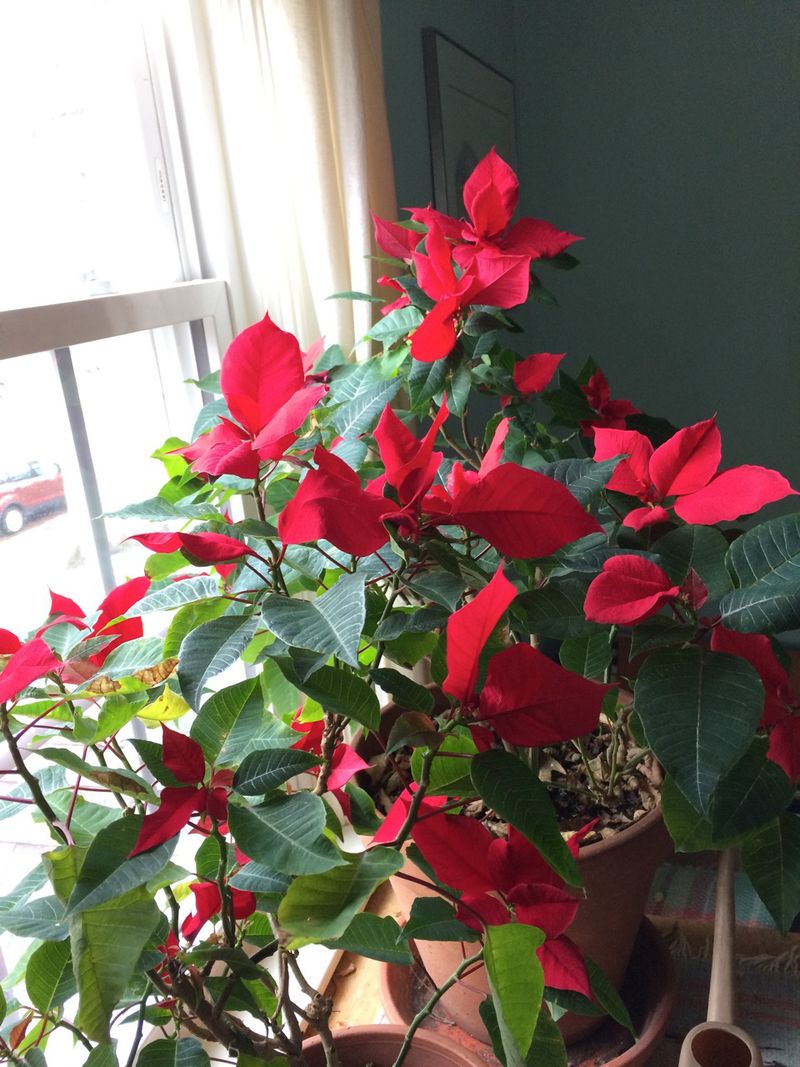
A plain cardboard box might be your best tool. Placed over the plant each evening, it creates the steady darkness poinsettias need.
Most home growers cover the plant around 5 p.m. and uncover it around 8 a.m.
That schedule gives roughly 14 to 15 hours of darkness. Pick times that match your daily routine so you can stick with them.
Choose a box large enough that it does not crush the leaves or bend the stems. Check for gaps, tape over holes, and make sure light cannot sneak in underneath.
Thick black cloth can work too, but thin fabric often lets light through.
Avoid leaving the box on during the day, since the plant still needs sunlight to make energy. Removing it each morning matters just as much as putting it on.
Heat can build up under a cover in a warm room. Georgia homes stay fairly mild in fall, but keep the boxed plant away from heaters or sunny glass that could trap warmth.
Setting a phone alarm for both times helps a lot.
Missing one evening is usually not a disaster, though frequent misses can push back your color. Steady habits over the weeks tend to give the most even results.
6. Bright Daytime Sun Keeps Growth Strong During The Process
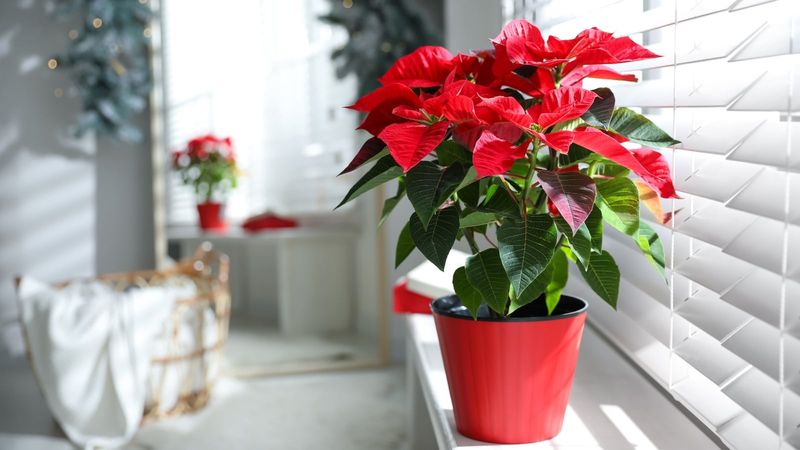
Darkness gets all the attention, yet daylight does half the work. Poinsettias need plenty of bright light during the day to fuel healthy growth and good color.
A sunny window, ideally facing south or west, usually works well indoors.
Each morning after you lift the box, move the plant into that light. Keeping it in a dim spot all day may lead to weak stems, faded color, or dropping leaves.
Fall sun in Georgia is gentler than summer sun, so a bright window rarely scorches leaves. Still, keep leaves from pressing against cold or very hot glass.
Indoor temperatures also matter during the day.
Poinsettias generally prefer a comfortable room, roughly the same range people enjoy. Cold drafts from doors and blasts from heating vents can stress the plant and cause leaf loss.
Feeding can help a healthy plant during active fall growth. Extension sources often suggest a balanced houseplant fertilizer at label rates, stopping once bracts show full color.
Water when the top inch of soil feels dry, and empty any saucer afterward.
Soggy roots are a common problem, so make sure the pot drains well. A sturdy, well-lit plant is far more likely to reward your darkness routine with rich color.
7. Tiny Yellow Centers Are The Real Flowers Opening Up
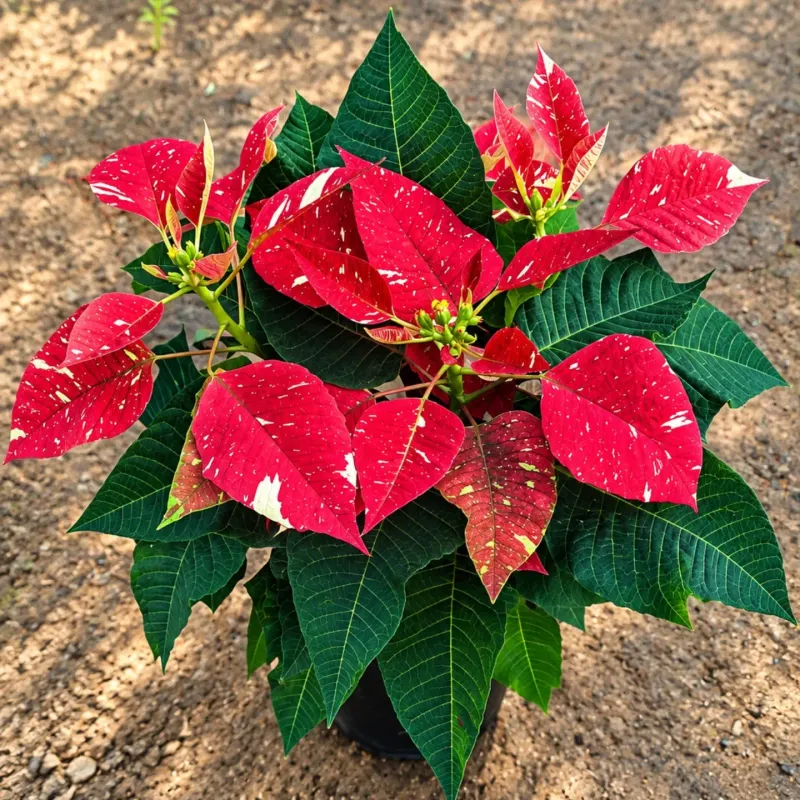
Hiding in the middle of all that red is the actual bloom. Those small yellow-green buttons are clusters of tiny flowers called cyathia.
Most people never notice them, since the bright bracts steal the show.
Once you spot the yellow centers opening, you know the plant has reached its flowering stage. At that point, you can usually stop the nightly box routine.
Shoppers often pick plants with tight, unopened centers for longer display time. You can use the same idea at home to judge how fresh your rebloom looks.
After the tiny flowers shed pollen and fade, bracts may hold color for a while longer.
Eventually the colored leaves may drop or turn greenish as the season moves on. That change is normal, and many Georgia growers simply start the yearly cycle again in spring.
Keep showing off your plant in a bright spot away from drafts through the holidays. Water carefully, and skip fertilizer while it is in full color.
Watching those little flowers open can feel rewarding after weeks of covering and uncovering.
Not every plant reblooms perfectly, and some colors may look a bit lighter than store-bought ones. Even so, a homegrown poinsettia carries a story that a new one cannot match.