Creeping Phlox Planted On Georgia Slopes This Fall Turns Into A Spring Carpet

Mowing a steep bank is one of those chores most homeowners dread every summer. Grass on a slope also tends to thin out, leaving bare soil that washes away in heavy rain.
Creeping phlox offers a lower-maintenance way to cover that ground and keep it covered year round.
It spreads into a low, dense mat of needle-like leaves that helps hold the soil in place.
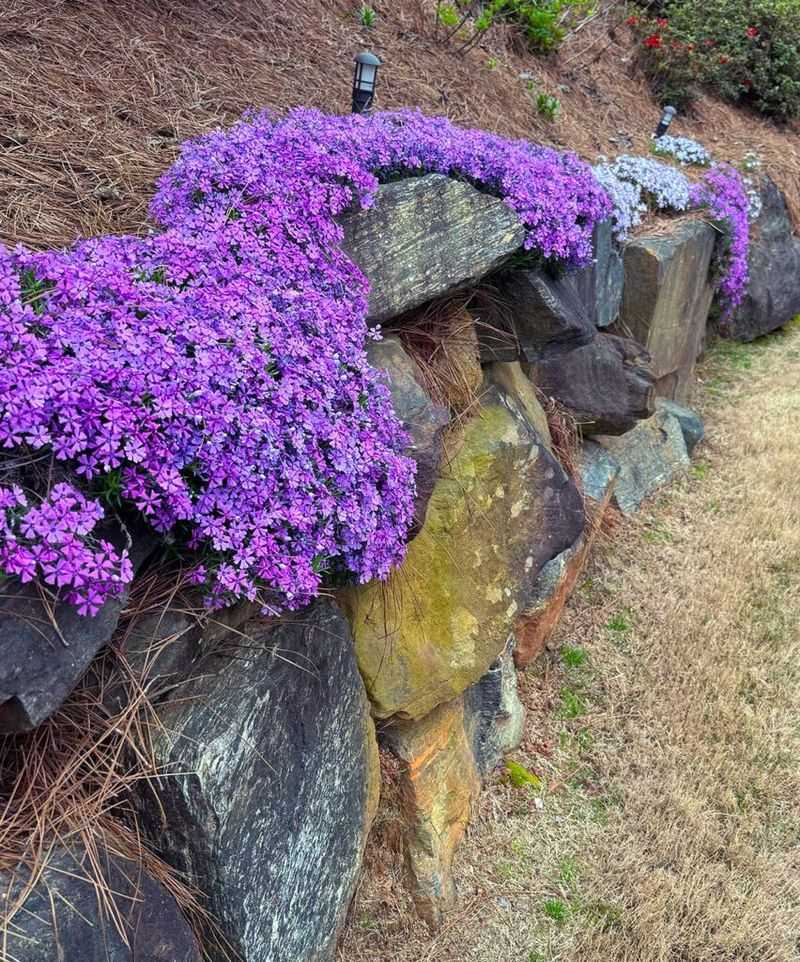
Each spring, those mats can turn into solid sheets of pink, purple, or white for several weeks.
Fall planting gives the roots time to grip the slope before that bloom arrives. Mild winters in Georgia let young plants keep settling in while the top growth rests.
Pick a bank that gets plenty of sun, since too much shade can leave the plants thin and patchy.
1. Needle Like Evergreen Foliage Hugs The Ground All Year
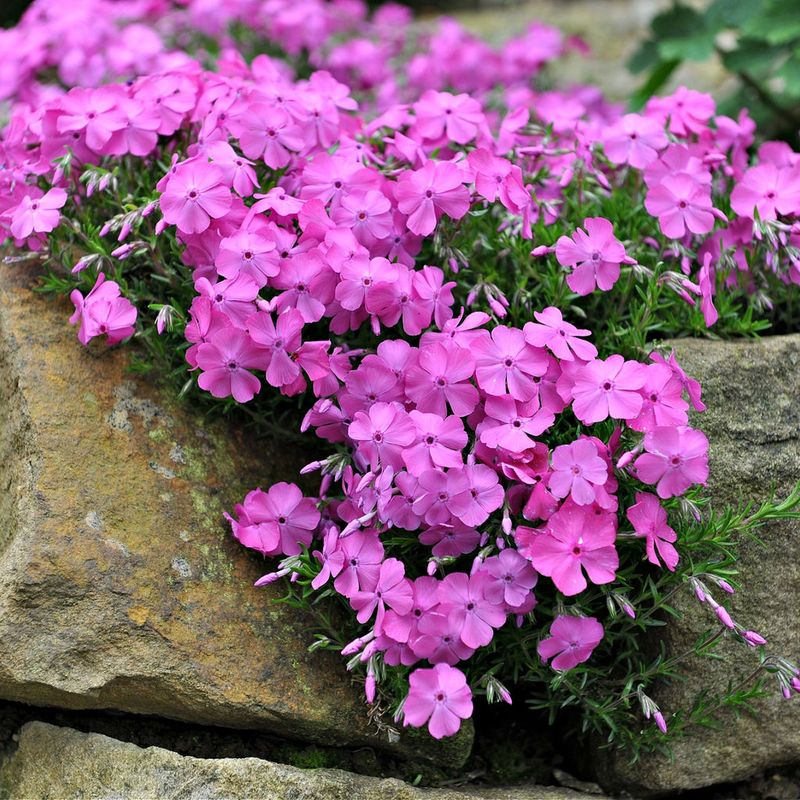
Bare dirt is the worst look a slope can have in January. Creeping phlox helps cover that ground with small, stiff leaves that look a bit like tiny pine needles.
Most plants grow only a few inches tall, so they stay close to the soil instead of reaching upward.
Over time, the stems knit together into a mat that keeps some green on a bank through the colder months. In milder parts of Georgia, that foliage usually holds on well through winter.
Expect some color change, though.
Hard freezes, cold winds, or very dry spells can leave patches looking bronze, brown, or a little thin by late winter. In most cases, fresh growth fills back in once spring warms up.
Keep fallen leaves from piling up on the mats in autumn. A thick layer of wet leaves can block light and hold moisture against the foliage, which may lead to rot.
A leaf blower on a low setting or a gentle rake usually clears them without tearing the stems.
Young plants set out this fall will look small at first. Spacing them according to the label lets them spread toward each other, and many gardeners see gaps closing over one or two growing seasons, depending on conditions.
2. Pink Purple White And Blue Blooms Arrive In Early Spring
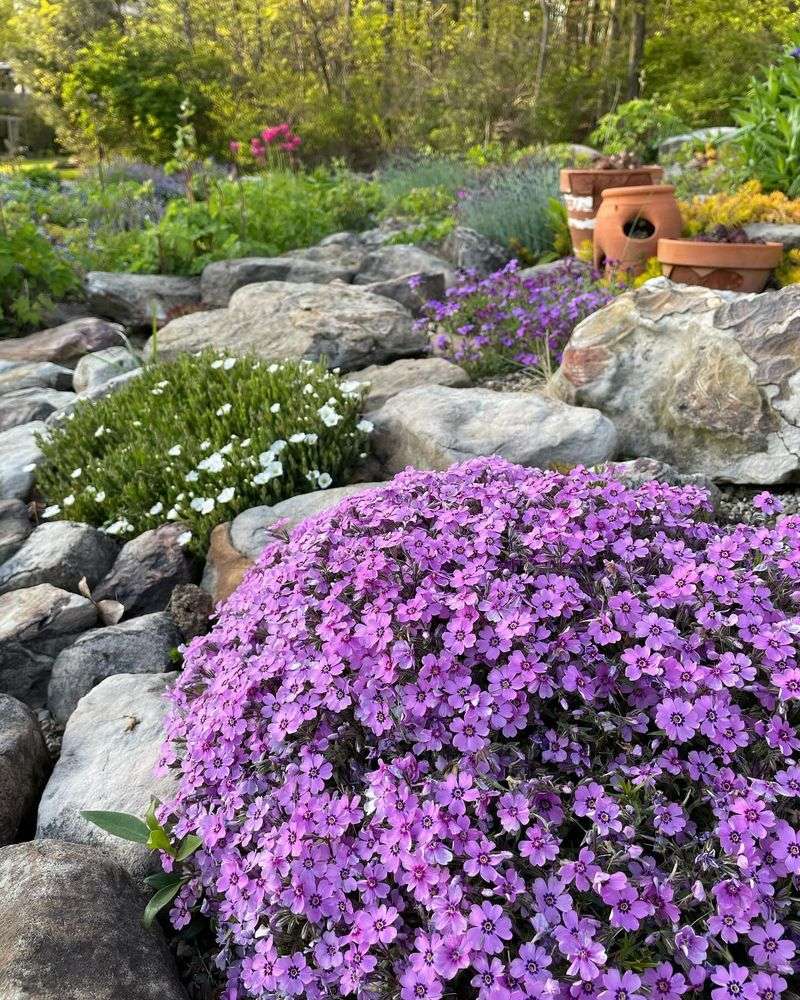
Few sights stop traffic like a phlox-covered hill in full bloom. Flowers are small, about the size of a fingernail, but they open in such numbers that the leaves can nearly disappear.
Colors range from hot pink and magenta to lavender, soft blue, and clean white.
Some named types, like ‘Emerald Blue’ or ‘Candy Stripe,’ offer specific shades or striped petals. Picking two or three colors that blend well can make a slope feel planned instead of random.
Timing varies with where you live.
Across much of Georgia, bloom often shows up around March or April, with south Georgia sometimes earlier and the mountains a bit later. A warm or cool stretch of weather can shift that window by a week or more.
Flowering usually lasts a few weeks.
Early bees and butterflies often visit the blossoms, which gives pollinators something to feed on when few other plants are in flower. Avoid spraying insecticides on the mats while they bloom so those visitors stay safe.
Your Georgia Garden Changes Every Week. Your Plan Should Too.
Gardening in Georgia changes quickly throughout the season. Every Friday you’ll receive a simple weekly plan showing exactly what to plant, prune, fertilize, harvest, and protect so you never miss the right timing.
Plants set in the ground this fall may bloom lightly their first spring. Fuller color usually comes once they settle in and spread, so patience pays off with this groundcover.
3. Sloped Ground Drains Well Which This Plant Needs
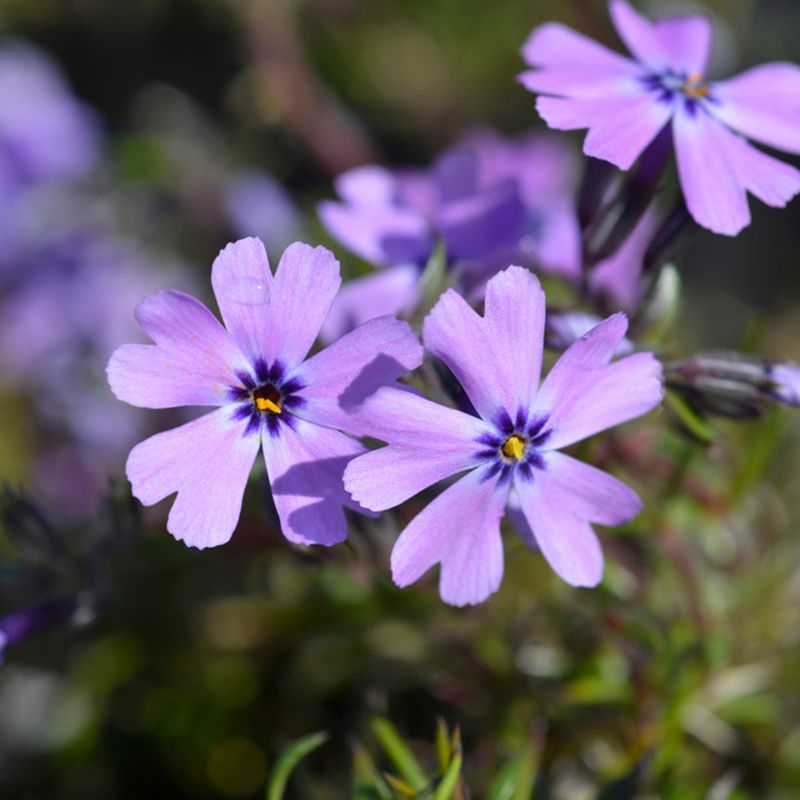
Soggy roots are one of the biggest troubles for creeping phlox. Water that sits around the crown for days can lead to rot, especially in heavy soil.
That is why a hillside can be such a good home.
Gravity pulls extra rainwater downhill instead of letting it puddle around the plants. On flat ground, gardeners often have to build raised spots to get the same effect.
Georgia clay is a different story, though. Even on a slope, dense red clay can hold water near the surface and drain slowly.
Loosening the planting area and mixing in some compost or fine pine bark can help water move through more freely.
Skip the urge to dig a deep hole and fill it with rich, fluffy soil. In clay, that pocket can act like a bowl and collect water, which defeats the purpose.
Instead, work the amendment into a wider area so the soil changes gradually.
Watch the bottom of the slope closely. Runoff tends to collect there, so the lowest plants may stay wetter than those near the top.
If the base stays damp after rain, consider planting phlox higher up and using a moisture-tolerant plant below.
4. Spreading Stems Help Hold Soil In Place On Banks

Mowing a steep bank is no fun, and it can be risky. Swapping grass for a low groundcover like creeping phlox gives you a planting that needs no mower at all.
As plants grow, their stems creep outward and can root where they touch the soil.
Those roots and the leafy mat above them can help slow surface erosion. Leaves soften the hit of raindrops, while roots help grip the top layer of soil.
Keep expectations realistic.
Creeping phlox has fairly shallow roots, so it helps with light surface erosion rather than deep slope problems. Banks that are washing out badly or slipping may need terracing, jute netting, or advice from a professional first.
While plants are young, the soil between them stays exposed. A layer of shredded mulch or erosion control fabric can protect those gaps until the mats fill in.
Cut small X-shaped openings in fabric to set each plant through.
Staggering plants in a zigzag pattern across the slope works better than straight rows running downhill. Offset rows break up the path water takes, which reduces small channels from forming.
In Georgia, heavy summer storms can test a new bank, so check for washed spots after big rains.
5. Cooler Fall Weather Lets New Plants Anchor Into The Slope
Summer heat makes new plants struggle. Fall flips that script by offering cooler air, while the soil stays warm enough for roots to keep growing.
Plants spend less energy coping with heat, so more of their effort can go underground.
Across Georgia, many Extension experts point to fall as a good season for planting perennials. Mountain gardeners usually aim for earlier fall, since freezes arrive sooner at higher elevations.
Gardeners farther south often have a longer window that can stretch later into the season.
Even so, fall is not always rainy. Dry spells are common in some years, and new plants still need regular water until their roots settle in.
Check the soil with your finger every few days, and water when the top inch feels dry.
Slopes shed water quickly, so slow soaking works better than a fast blast from the hose. A soaker hose laid across the bank can help the water sink in instead of running off.
Set each plant at the same depth it grew in its pot.
Burying the crown too deep can invite rot. A thin mulch layer around, not over, each plant helps hold moisture and limits frost heaving during cold snaps.
6. A Light Shearing After Bloom Keeps Mats Dense
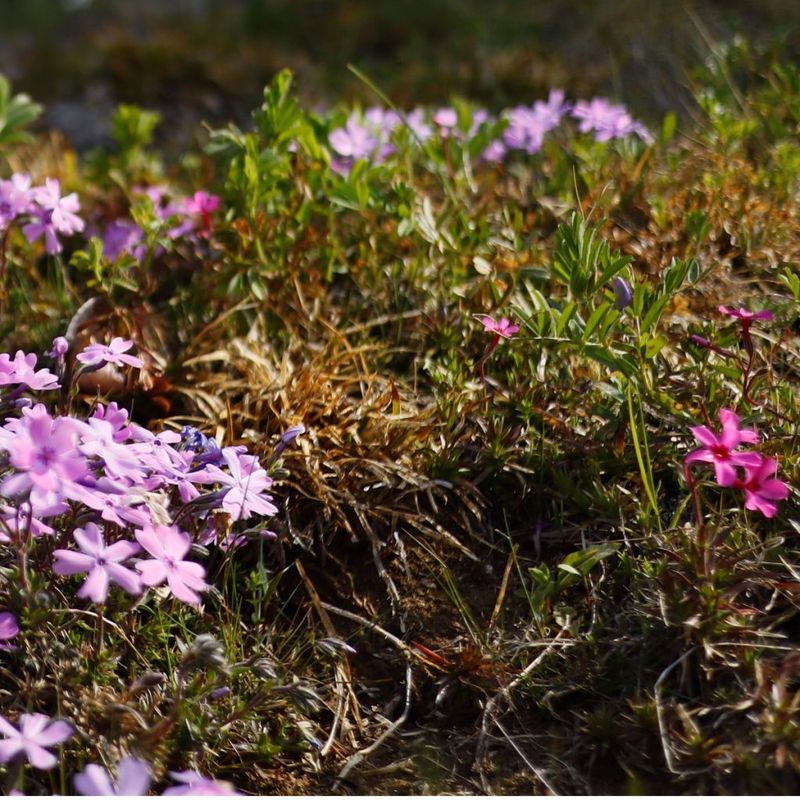
Faded flowers do not need to hang around once the show is over. A quick trim right after spring bloom can tidy the mat and encourage fresh, compact growth.
Think of it as a haircut, not a hard pruning.
Use hand shears or hedge clippers to remove the spent flower stems and a little of the stem tips. Many gardeners cut back about a third to half of the stem length, though lighter trims are fine too.
Timing matters more than technique here.
Creeping phlox sets next year’s flower buds during the growing season. Cutting in late summer or fall can remove some of that potential bloom, so aim for late spring, soon after flowers fade.
Older plantings sometimes thin out in the center while the edges keep growing. Trimming helps a bit, but dividing crowded clumps every few years may also refresh tired patches.
Replant healthy outer pieces into bare spots and water them well.
Rake out the clippings afterward. Leaving piles on top of the mat can trap moisture against the leaves, especially during humid Georgia summers.
Good air flow through the foliage may lower the chance of fungal problems like powdery mildew, which can show up in damp, crowded spots.
7. Full Sun Encourages The Thickest Growth And Strongest Flowering

Shade and creeping phlox are not a great match. Plants grown in bright sun tend to form tighter mats and produce more flowers than those tucked under trees.
Most growers suggest at least six hours of direct sun each day.
In part shade, plants usually survive but may stretch, look sparse, and bloom less. Gaps can open up, which also gives weeds more room to move in.
Before planting this fall, watch your slope for a full day. Note where morning and afternoon sun land, and remember that leafy trees will cast more shade once spring arrives.
Sun-facing banks that face south or west are often strong choices.
Hot Georgia afternoons can stress plants during long dry spells. Established mats are fairly drought tolerant, yet a deep watering during extended summer droughts can help them stay healthy.
Avoid frequent light sprinkles, since they keep the surface damp and roots shallow.
Fertilizer needs are modest. Too much feeding may push soft, leggy growth instead of dense mats, so a little compost worked in at planting is often enough.
With good sun, decent drainage, and simple care, a bank planted now has a fair chance of turning colorful by spring.