Georgia Hostas Need Shade, But This Summer Mistake Still Hurts Them
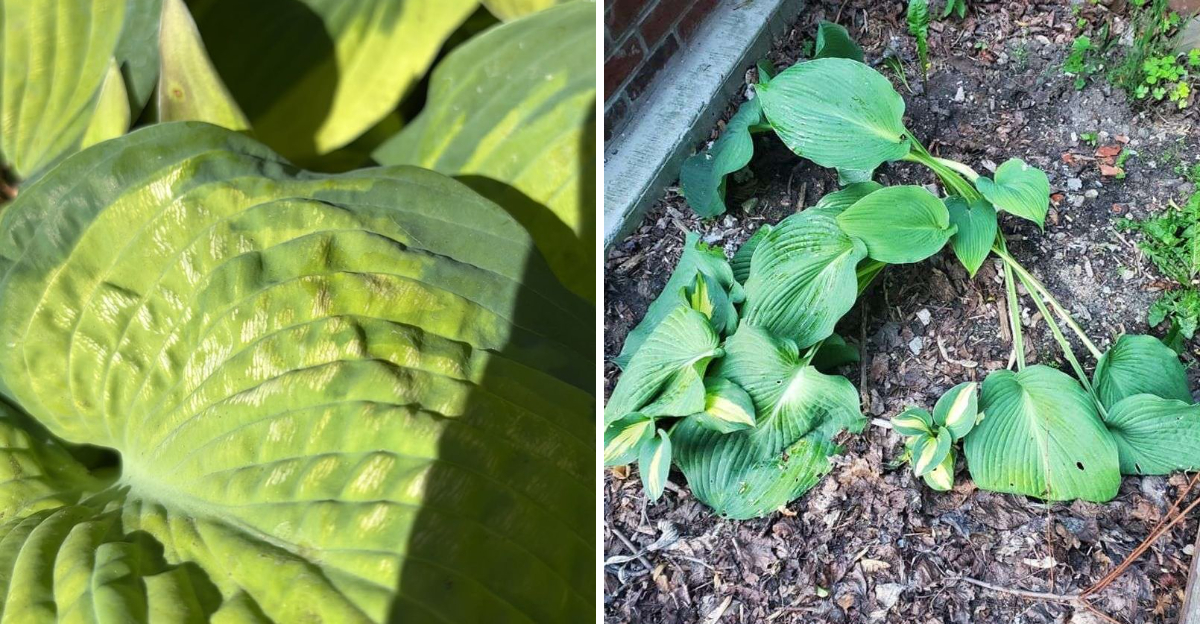
Georgia shade can fool you. A bed looks calm under the trees, the leaves look lush in spring, and the hostas seem safely tucked away from summer drama.
Then July arrives, and suddenly the edges turn brown, the leaves sag, and the whole corner starts acting like it signed up for a desert vacation.
The strange part? The plant may still be in shade. That is where the real mystery begins.
Georgia heat does not need direct sun all day to cause trouble. It can bounce off patios, sneak through afternoon gaps, build under trees, and dry the soil while you swear the spot looks protected.
Hostas are forgiving, but they are not magical. They need the right kind of shade, steady root moisture, and a cooler home than many yards provide by accident.
So what is the summer mistake that turns a shade garden into a stress test?
Once you spot it, your hostas start making much more sense, and your shady beds feel far less mysterious next season.
The Mistake Is Afternoon Sun
Afternoon light is the quiet troublemaker in many Georgia hosta beds.
A plant can sit under a tree and still catch a hot western beam after lunch. That short window can be enough to rough up broad leaves, especially during July and August.
Hostas prefer shade, but shade changes through the day. Morning shade feels gentle. Afternoon shade matters more.
The sun between noon and late afternoon carries stronger heat, and Georgia yards can turn that light into a leaf-crisping spotlight.
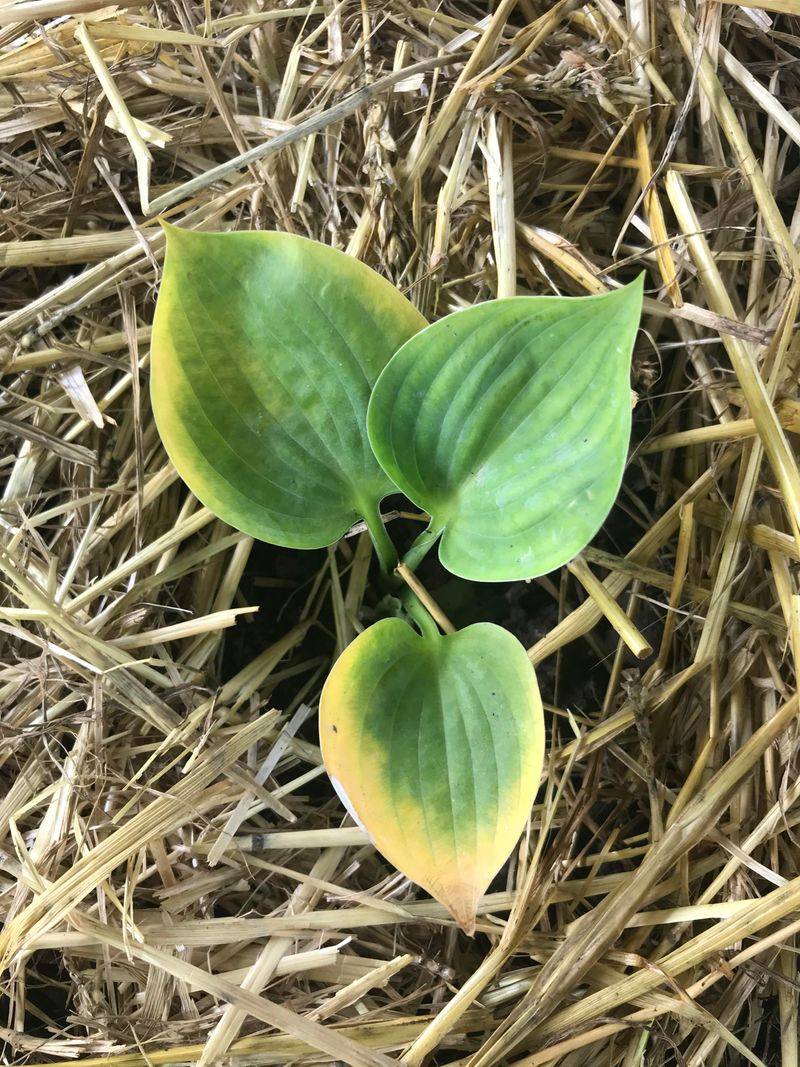
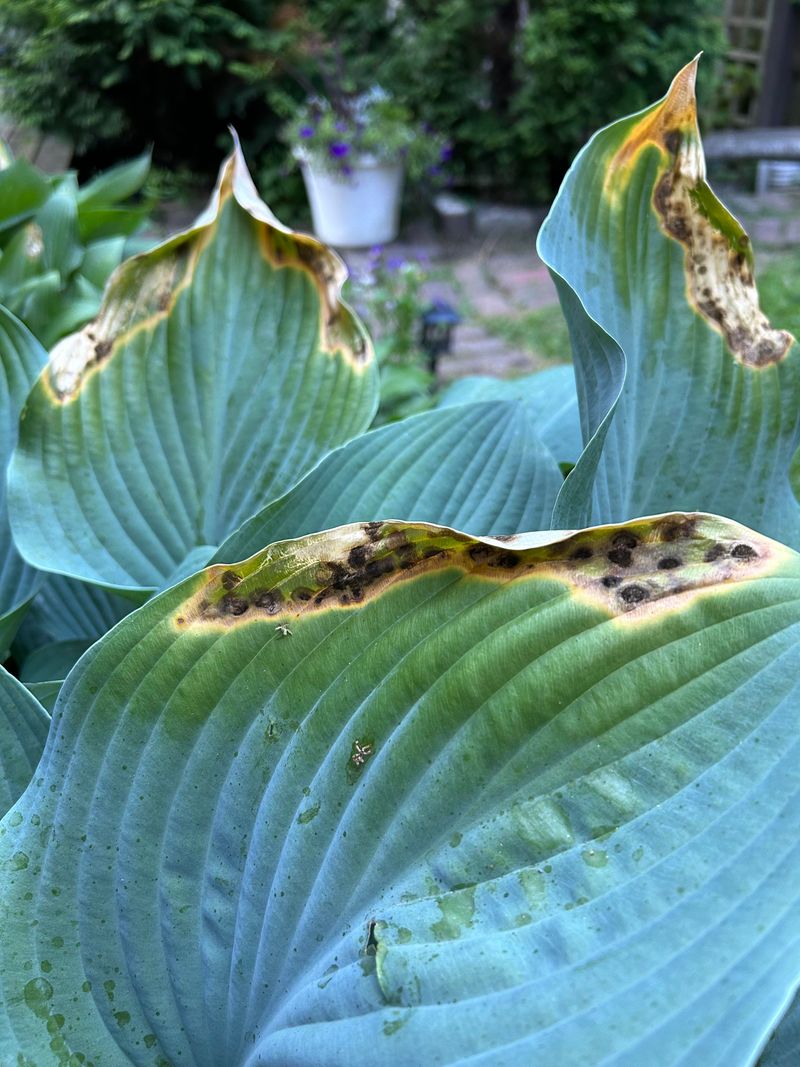
The damage usually starts along the edges. Leaves may look tan, papery, or faded. Gardeners often blame water first, and water may help the roots. It cannot restore tissue already marked by heat.
That is the sneaky part.
A plant can look thirsty when the real problem is placement. The hose gets blamed, the sun walks away like it had nothing to do with the scene. Very rude behavior from a star.
Watch the bed after lunch. Stand there at two or three o’clock and look for direct rays slipping through branches, fence gaps, or patio openings.
Move potted plants at once. For in-ground hostas, plan a shift to cooler shade during a mild spell. A small move can save the whole summer display from looking toasted around the edges.
Georgia Heat Turns Shade Into Stress
Shade does not always mean cool.
In Georgia, a shady corner can still trap heat like a parked car with leafy wallpaper. Brick walls, concrete patios, dark mulch, and paved walks absorb warmth all day, then release it slowly around nearby plants.
Hostas feel that extra heat at leaf level and root level. Add thick humidity, and the plant has less relief. Moist air slows the normal cooling process through leaves, so the whole bed can feel heavy and stale.
That is where a shaded plant still starts looking stressed.
Reflected light also matters. A white fence, pale wall, metal shed, or bright patio surface can bounce heat toward leaves even when no direct sun touches them. The plant may be technically shaded, but the microclimate is still bossy.
Your Georgia Garden Changes Every Week. Your Plan Should Too.
Gardening in Georgia changes quickly throughout the season. Every Friday you’ll receive a simple weekly plan showing exactly what to plant, prune, fertilize, harvest, and protect so you never miss the right timing.
Gardeners love to say a bed gets shade. Hostas prefer a better question: cool shade or hot shade. The plant is not being picky. It is reading the room.
Look around the bed, not just above it.
Check nearby surfaces. Notice airflow. Feel the soil in late afternoon. A spot under a tree with moving air often works better than a boxed-in corner beside brick and concrete.
Give hostas shade that breathes. The leaves stay calmer, the roots stay cooler, and the whole bed stops acting like a salad left beside the grill.
Morning Light Is Usually Safer
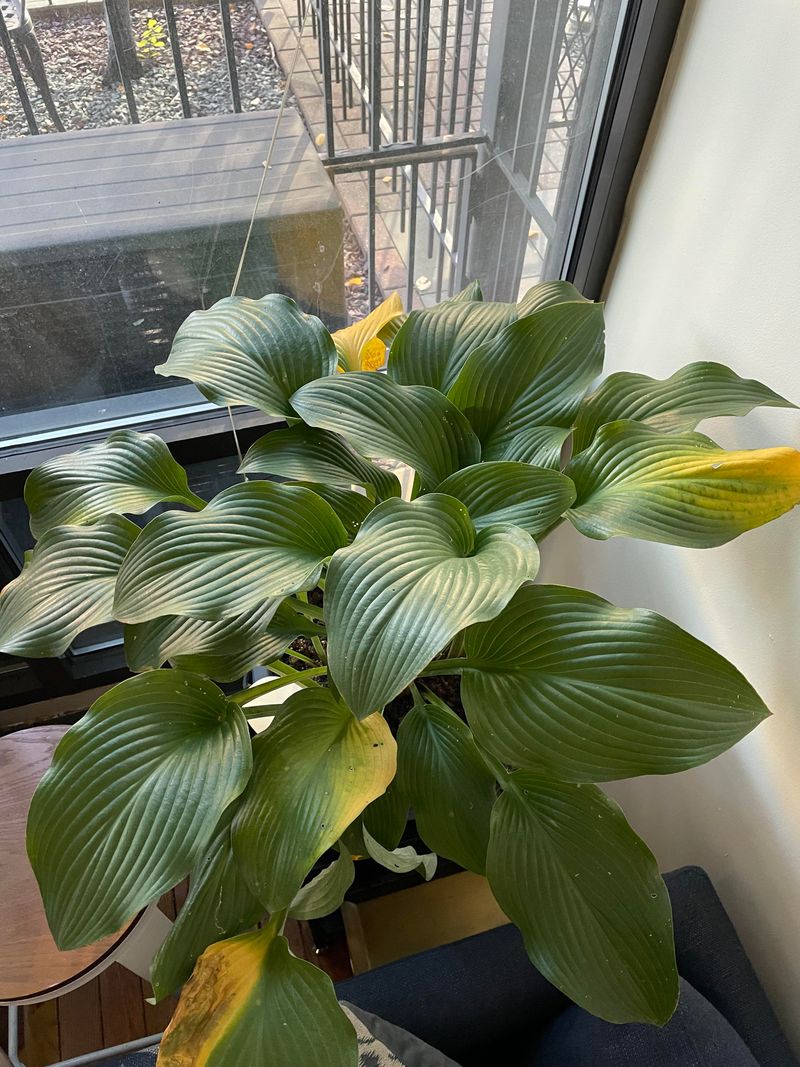
Early light can be a hosta’s friend.
In Georgia, the safest sun usually arrives before the day starts showing off. Morning rays give hostas enough brightness for strong leaves and better color, without the harsh heat that builds later.
That is especially helpful for gold, yellow, and variegated varieties. A little soft light can deepen their color and keep the plant from looking dull. Too much late light can turn that same pretty leaf into a crispy complaint letter.
An east-facing bed often works well. The plant gets a gentle start, then shade takes over before the afternoon heat gets loud. That setup can be near a house wall, fence, porch, or open tree canopy.
Walk your yard at breakfast, lunch, and midafternoon. The shadows will tell you more than a plant tag ever will. Tags do not know your driveway, your fence, or your neighbor’s reflective shed.
Hostas do not need a spotlight. They need a polite sunrise greeting and then a cool seat for the rest of the show.
After you map the light, place new hostas where afternoon shade stays steady. Move containers to the east or northeast side of the house when heat builds.
A small light shift can change the whole mood of the bed. Less scorch, more lush. That is a trade any hosta would sign.
Tree Roots Steal Moisture Fast
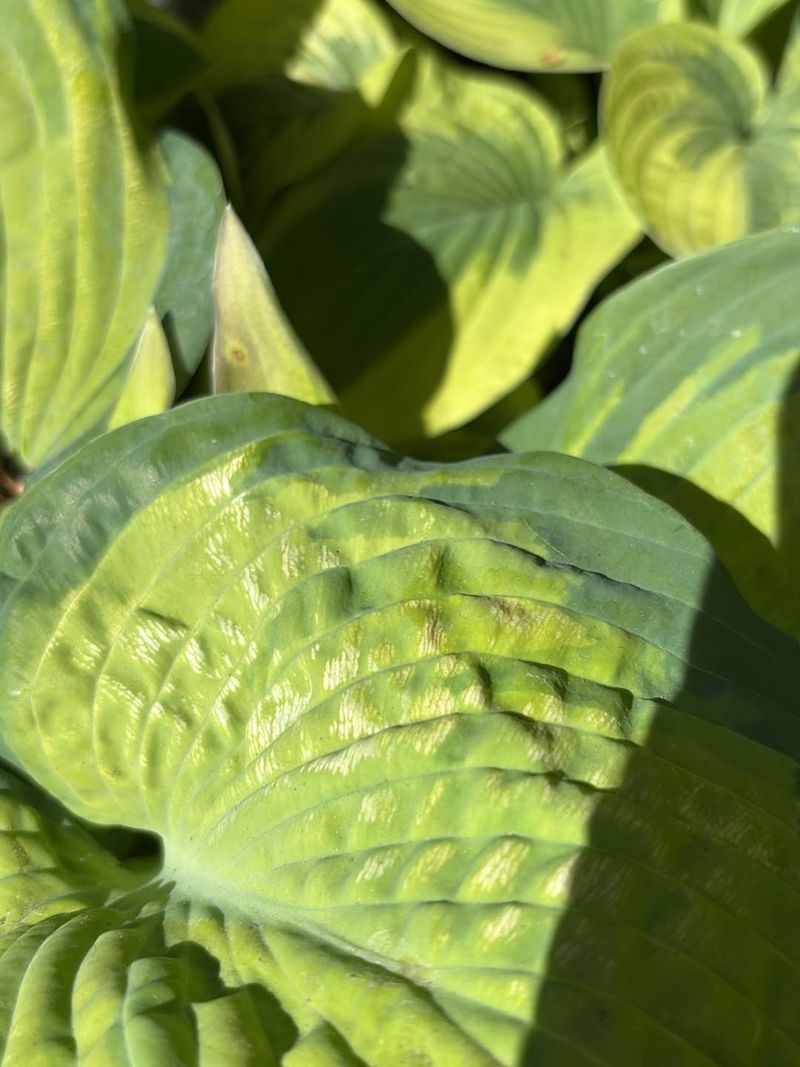
Tree shade often comes with hidden competition.
The leaves above protect hostas from sun, but the roots below may be taking first place in the water line. Maples, sweetgums, and other shallow-rooted trees can fill the upper soil with a thick web of feeder roots.
Hostas also use that same upper soil zone. During Georgia heat, the larger tree usually wins the moisture race. The hosta may droop even after a decent rain because the tree grabbed most of the drink.
This can confuse any gardener.
You water, the bed looks better for a moment, then the leaves slump again. That is not laziness from the hosta. That is an underground tug-of-war, and the little leafy plant brought mittens to a rope contest.
Check moisture near the hosta crown and several inches out. Soil under trees can dry faster than nearby open beds. Add compost carefully on top, but avoid deep digging that disturbs tree roots.
Containers can solve the worst competition. A wide pot under filtered shade gives the hosta its own soil, its own moisture, and a calmer root zone.
Raised pockets can also help when built gently over existing soil.
Give tree-planted hostas extra monitoring in hot spells. Shade is useful, but roots still need a fair share of the refreshment table.
Mulch Keeps Crowns Cooler
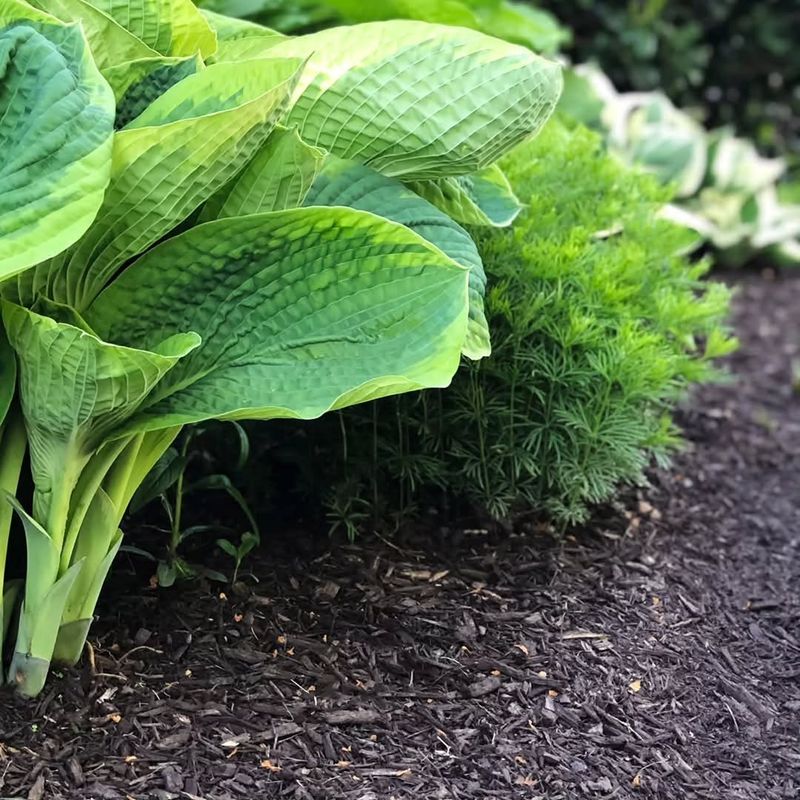
A good mulch layer works like a cool hat for the soil.
Georgia hostas appreciate that comfort. Their roots prefer steady moisture and cooler ground, especially when summer heat presses down for weeks at a time.
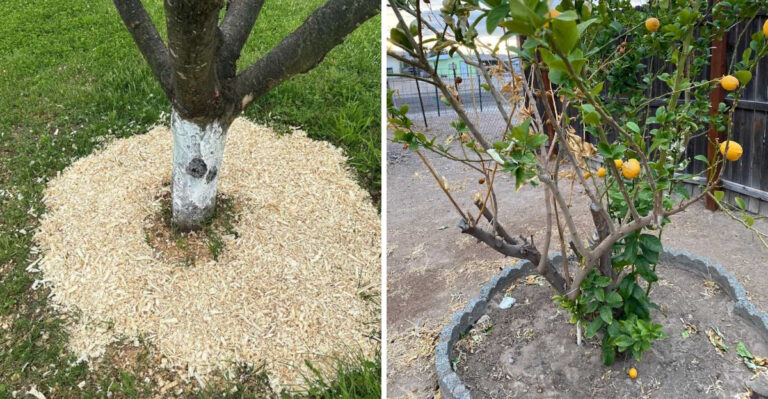
Use pine straw, shredded bark, fine wood chips, or another breathable organic mulch. Spread it two to three inches deep around the plant, then pull it slightly away from the crown. That small gap matters.
The crown is where leaves rise from the base. Mulch packed against it can trap too much moisture in humid weather. Hostas like cool roots, not a damp collar. Even plants have fashion limits.
Mulch helps slow evaporation after deep watering. It also softens soil temperature swings, which can keep the bed more stable between rain and dry spells.
Do not pile mulch into a mound around each plant. A volcano shape belongs in a science fair, not a hosta bed. Keep the layer even and flat.
Refresh thin spots during summer, especially after heavy rain or foot traffic. Check the depth with your fingers. Too thin, and the soil heats quickly. Too thick, and water may struggle to move through.
A steady mulch layer gives hostas one less battle in July. The bed looks tidier, the roots feel calmer, and the gardener gets to look unusually prepared.
Deep Watering Beats Quick Sprinkles
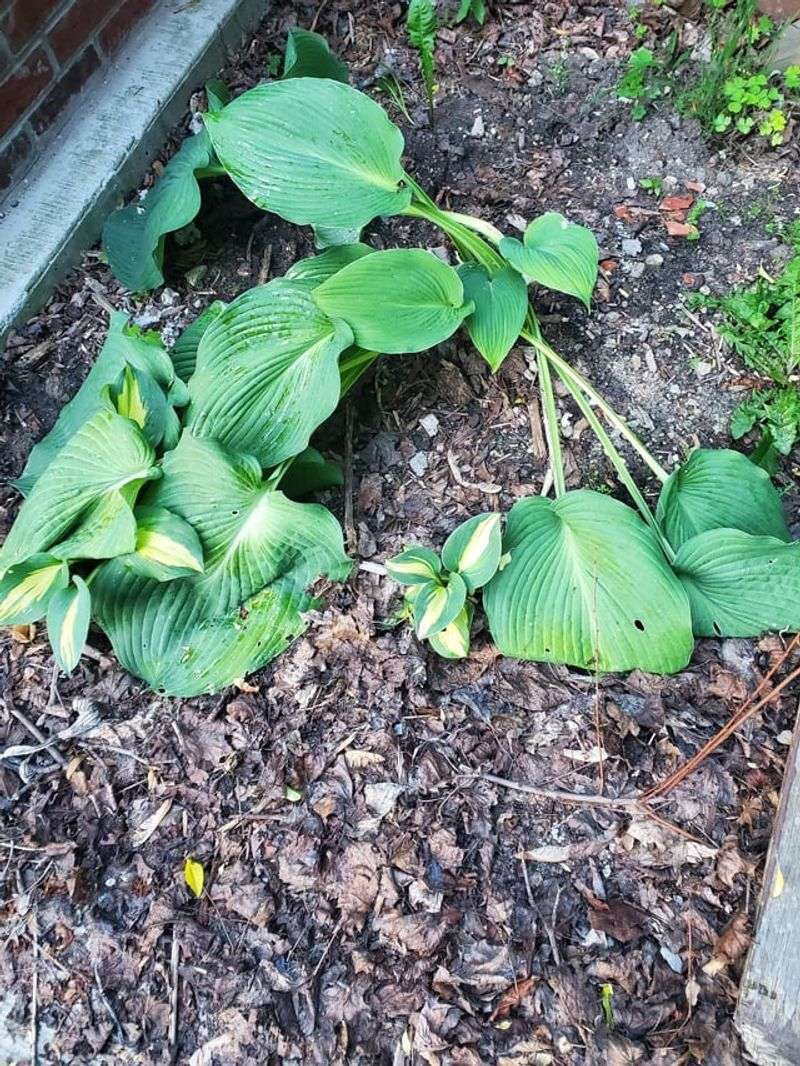
A quick sprinkle feels helpful, but roots may disagree.
Hostas need moisture that reaches several inches down. A fast spray wets the leaf surface and the top crust, then disappears before the root zone gets enough support.
Georgia heat makes shallow moisture vanish fast. Roots that stay near the surface face hotter soil and more competition from trees. Deeper water encourages roots to reach lower, where conditions stay steadier.
Use a soaker hose, drip line, or slow hose trickle near the base. Let the water soak in gradually. The goal is not a puddle party. It is a calm drink that reaches the roots.
Morning is the better time. Leaves dry faster, and the plant starts the day with moisture available before heat builds. Evening watering can leave foliage damp for too long in humid air.
A screwdriver can help you test the result. Push it into the soil near the plant. Easy movement several inches down usually means water reached a useful depth. Early resistance means the bed needs a slower soak.
This works like filling a deep pantry instead of tossing snacks on the porch.
Deep watering takes more patience, but it pays off when summer gets bossy. Hostas with steadier root moisture hold their shape better and complain less in the afternoon.