A Simple DIY Stink Bug Trap Virginia Homeowners Can Make Tonight
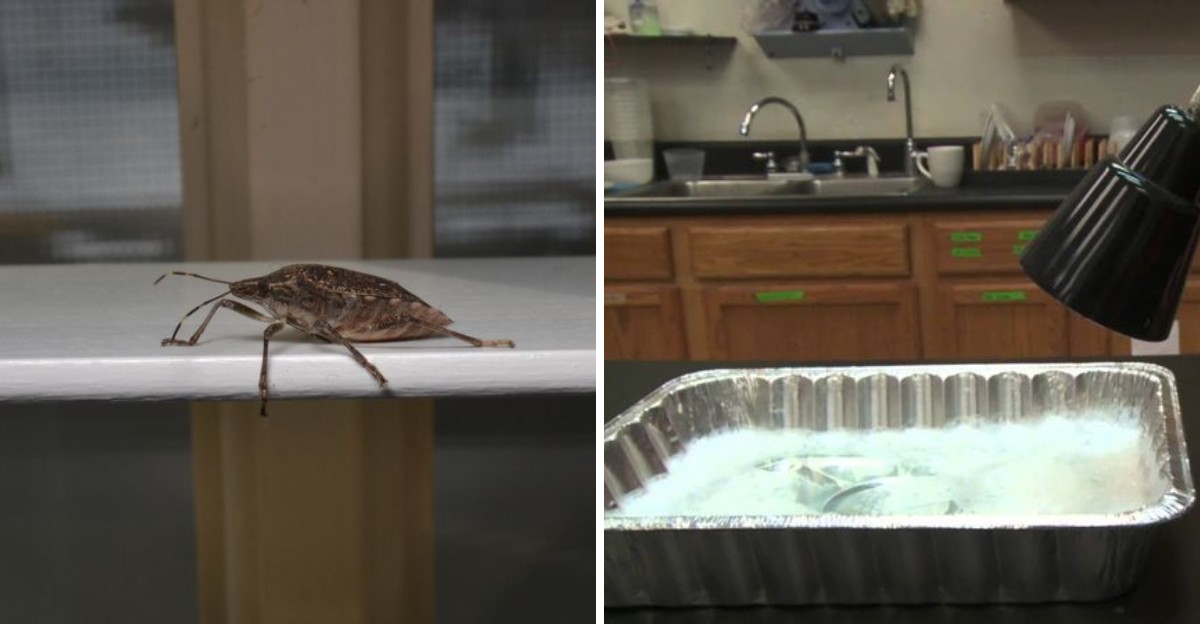
One stink bug on the curtain is annoying. Ten of them crawling across the ceiling feels like a full-blown invasion.
Every fall, brown marmorated stink bugs go house hunting for a warm spot to ride out winter. Your walls, window frames, and attic look like prime real estate.
Swatting them backfires fast, since a squished bug leaves behind a stubborn, cilantro-like stench. Spraying chemicals around the kitchen doesn’t feel great either.
Researchers at Virginia Tech tested a homemade trap that costs just a few dollars and takes minutes to build. It relies on simple household items and one sneaky trick stink bugs can’t resist.
Learn how to build it, where to place it, and how to keep the next wave from sneaking in. Tonight could be the night your bug problem finally starts to shrink.
A Foil Roasting Pan Makes The Perfect Base
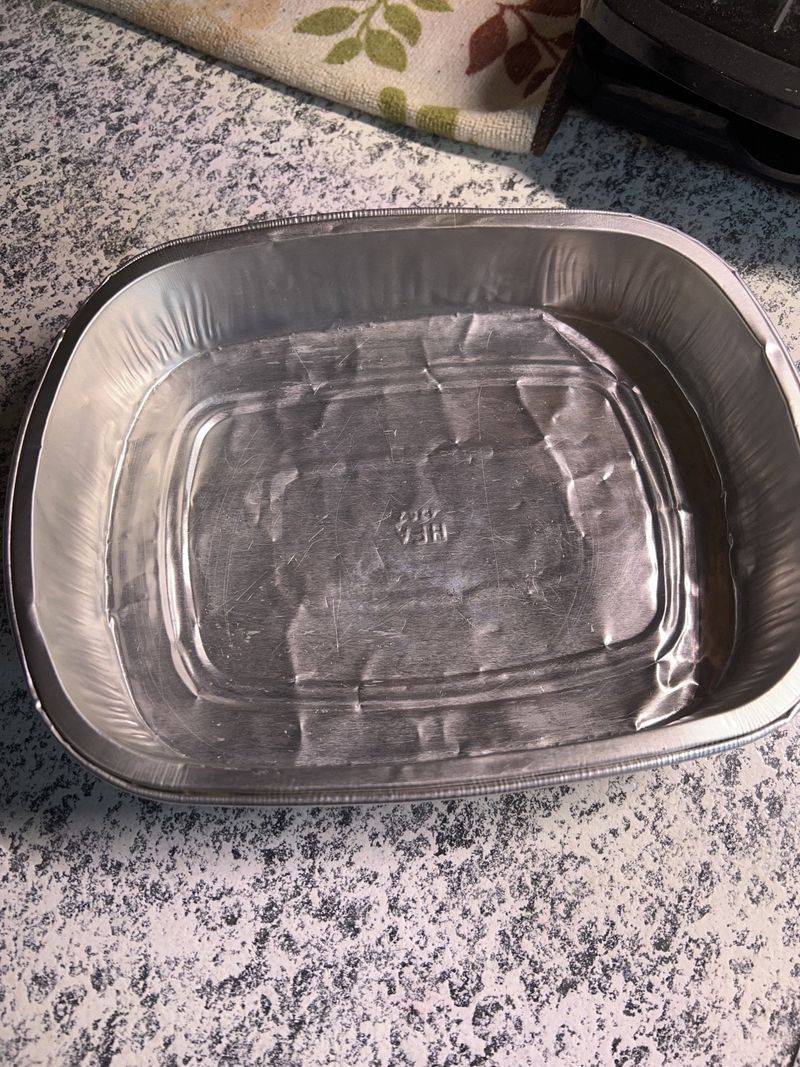
Picture the leftover pan from last Thanksgiving, tucked behind the cookie sheets. That humble piece of foil is about to become your best pest tool.
Virginia Tech entomologists pitted three trap designs against each other, and the simple roasting pan won hands down. It caught 14 times more bugs than the other two.
Size matters more than most people think. A wide pan creates more surface area, so wandering bugs have a better chance of tumbling in.
Shallow sides help too, since bugs crawl or flutter right over the edge. A deep bucket can make bugs land on the rim and walk away instead.
The shiny foil adds a small bonus. Light bounces off the metal, making the whole pan glow when your lamp shines into it.
Cost is another reason to love this choice. Most grocery and dollar stores sell these pans for about one to three dollars each.
Disposable pans also make cleanup a breeze later on. If the pan gets grimy or smelly, you can toss it and grab a fresh one.
Here is a handy tip for rooms with carpet. Set the pan on an old towel or a baking sheet to catch any splashes.
Buy two or three pans while you are at the store. Extra traps let you cover several trouble spots at once on a busy fall night.
Once your pan is ready, the real magic begins. Next comes the liquid that turns this kitchen item into a working trap.
Water And A Few Drops Of Dish Soap Seal The Deal
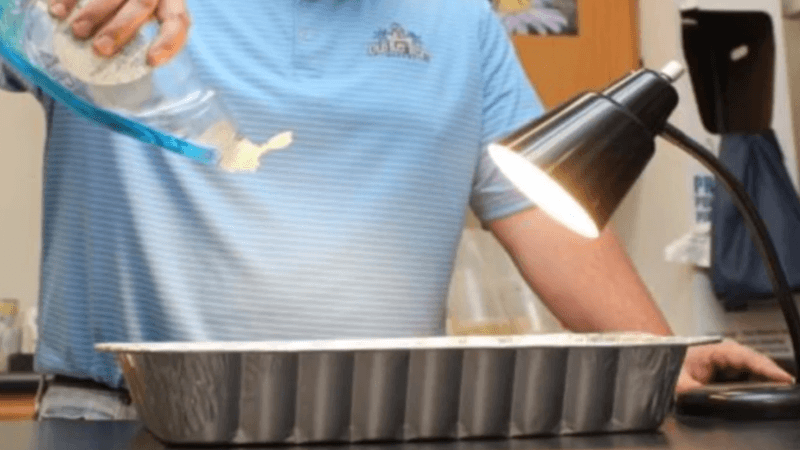
Grandma probably never guessed her dish soap could fight bugs. Yet that same squeeze bottle by the sink is the second key ingredient here.
Start by pouring about a half-gallon of water into your roasting pan. Room temperature water works fine, so there is no need to heat it.
Fill the pan about an inch or two deep. Too little water lets bugs touch the bottom, while too much makes carrying the pan tricky.
Next, add a few generous squirts of liquid dish soap. Any regular brand works, whether it smells like lemons, apples, or nothing at all.
Your Virginia Garden Changes Every Week. Your Plan Should Too.
Gardening in Virginia changes quickly throughout the season. Every Friday you’ll receive a simple weekly plan showing exactly what to plant, prune, fertilize, harvest, and protect so you never miss the right timing.
Give the water a gentle stir with your hand or a spoon. You want the soap mixed in without creating a big mountain of bubbles.
Too many suds can cause problems. Bugs may rest on the foam like a tiny raft instead of sinking into the water.
A teaspoon or two of soap is plenty for most pans. If you see thick bubbles, skim them off with a paper towel.
Fill the pan close to where you plan to use it. Carrying a sloshing half-gallon through the house can lead to wet floors and grumbling.
Some people add a splash of vinegar or mint oil for extra effect. Research does not show these extras help much, so plain soap does the job.
With the water ready, your trap is nearly complete. All it needs now is something to pull the bugs toward it.
A Desk Lamp Pointed Into The Pan Is The Lure
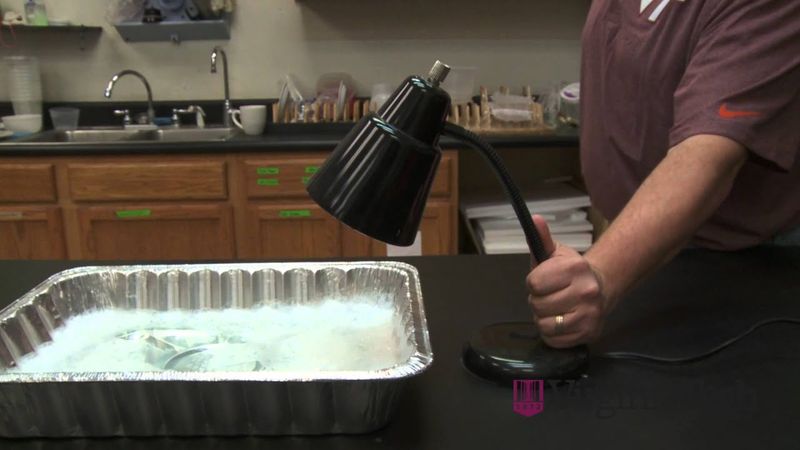
Think of the lamp as a tiny lighthouse guiding lost sailors home. Only these sailors have six legs and a very bad smell.
Stink bugs are strongly drawn to light, especially indoors during cool months. A bright spot looks like a warm, sunny place to rest.
Grab any desk lamp with a neck you can bend. Aim the bulb so it shines straight down into the center of the pan.
Keep the bulb close to the water, about a foot above the surface. Closer light makes the pan glow brightly and draws bugs right in.
The winning Virginia Tech trap used a regular fluorescent bulb, not an LED. One researcher suspects that helped, since a standard bulb lights up the whole pan instead of shining in one narrow beam.
Older bulbs give off warmth along with light. Stink bugs searching for heat may find that combination very hard to ignore.
Safety comes first with any lamp near water. Place the lamp on a sturdy surface so it cannot tip into the pan.
Run the cord where nobody will trip over it. Kids and pets should stay away from the setup while it is running.
A clip-on work light can replace a desk lamp in a pinch. Just clamp it to a chair or shelf and point it downward.
Turn the lamp on after sunset for the best results. Bugs get more active around lights once the outside world grows dark.
A Darkened Room Makes The Light Irresistible
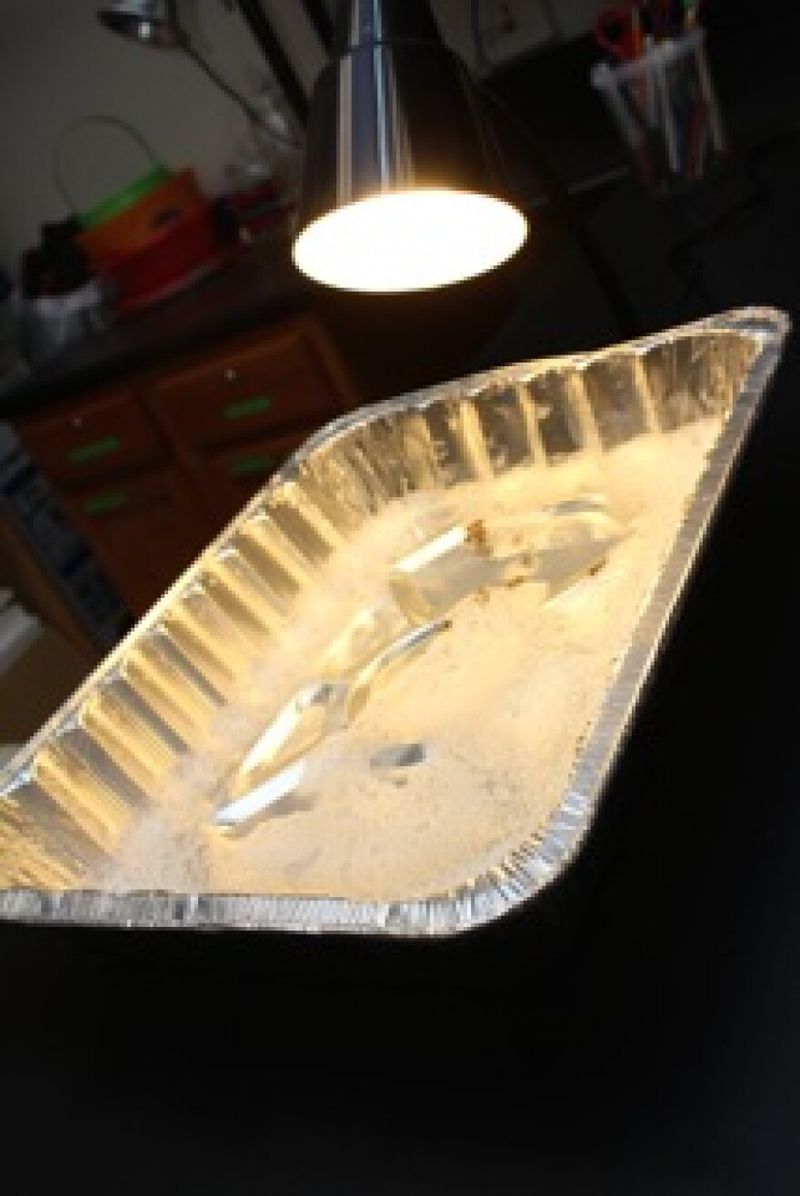
Ever tried spotting a firefly on a bright summer afternoon? It is nearly impossible, and the same idea applies to your trap.
Your lamp works best when it is the only light around. Other lights compete for attention and pull bugs in different directions.
Choose a room you can make very dark for the night. A spare bedroom, attic, or laundry room often works well.
Turn off overhead lights, TVs, and glowing screens. Even a nightlight in the hallway might draw bugs away from your pan.
Close the door to keep hallway light from sneaking in. Shut the blinds too, so porch lights and streetlamps do not interfere.
Stink bugs move toward the brightest spot they can find. In a dark room, that glowing pan becomes the star of the show.
Some homeowners report dozens of bugs in one night this way. Results vary, but darkness clearly helps the trap shine.
Here is a smart trick for busy homes. Set the trap in an unused room right before bedtime and let it work overnight.
Avoid running the trap in the room where you sleep. The lamp may keep you awake, and bugs flying around can be unpleasant.
Patience pays off with this step. Leave the room dark for several hours, and the bugs will come to you.
Windows, Attics, And Sunny Walls Are The Best Spots
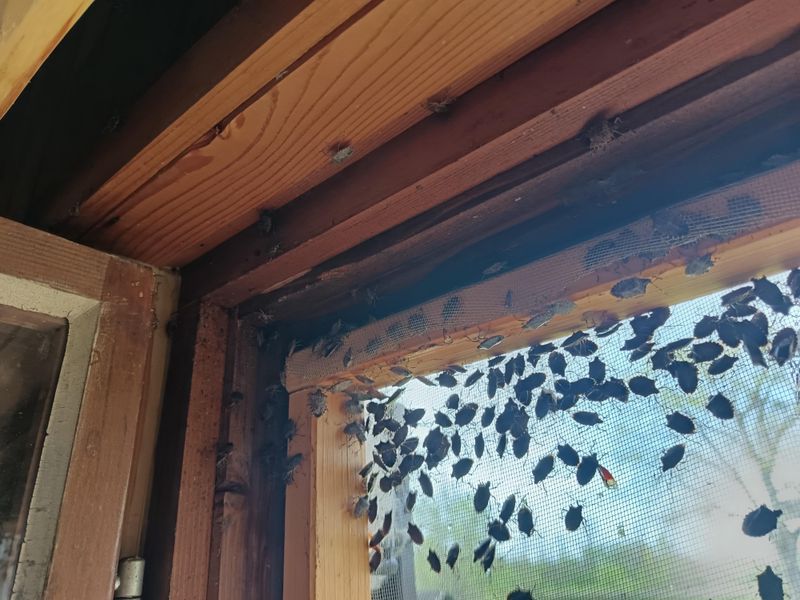
Stink bugs are sun worshippers at heart. In fall, they gather on warm walls like tourists lining up at a beach.
Watch where bugs show up most in your house. Those busy zones are your best clues for placing the trap.
Windows top the list for many families. Bugs crawl around frames and screens, then slip inside through tiny gaps.
Upper floor windows deserve special attention. Heat rises, and bugs often collect in warmer rooms near the top of the house.
Attics make excellent trap locations too. Many bugs spend winter tucked in attic corners, then wander out when it warms up.
South and west facing walls soak up the most afternoon sunshine. Those walls often look speckled with bugs in late September.
Rooms behind those sunny walls tend to get more indoor visitors. Set a trap in those rooms first for a strong start.
Closets and storage rooms can hide surprise crowds. Peek behind boxes and curtains to see where bugs like to hang out.
Try moving the trap every few nights if catches slow down. A new spot might reveal a hidden group you missed.
Keep a simple notebook of where you find the most bugs. Over time, you will learn your home’s unique bug highways.
Soap Breaks The Water’s Surface So Bugs Sink
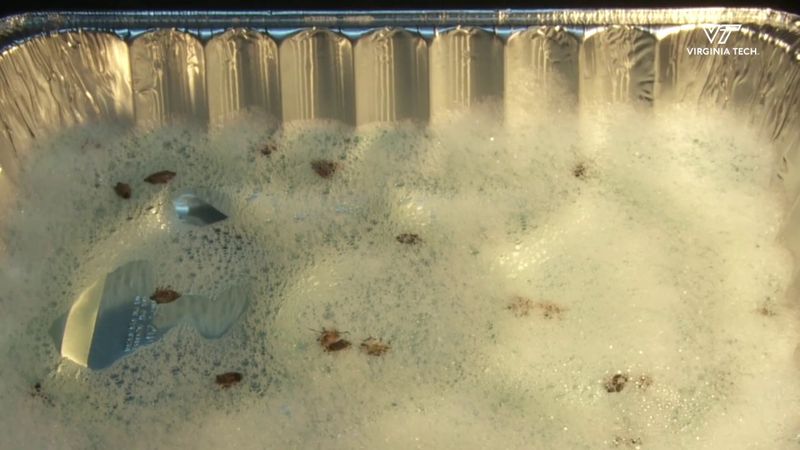
Here is a fun science fact to share at dinner. Water has a thin, stretchy skin on top called surface tension.
Surface tension lets tiny bugs and leaves rest on water without sinking. Water striders use it to skate across ponds.
Stink bugs have a waxy coating on their bodies. That coat helps them shed water, so they can float on plain water.
A bug floating on plain water can often climb out again. Without soap, your trap becomes a little swimming pool instead.
Dish soap changes everything in an instant. It weakens the surface tension, so the water can no longer hold bugs up.
Once a stink bug lands, it slips below the surface quickly. The soap also coats its body and blocks the tiny holes it breathes through.
The whole process happens fast, often within a minute or so. Bugs stop moving soon after they sink.
Best of all, sinking bugs rarely release much of their famous smell. That makes soapy water far nicer than squishing them with a tissue.
Want to see the science yourself? Sprinkle pepper on plain water, then touch it with a soapy finger and watch it scatter.
Refresh the soap every few days for best results. Dust and bug bodies can weaken the mixture over time.
Empty The Pan Outdoors Once It Fills Up
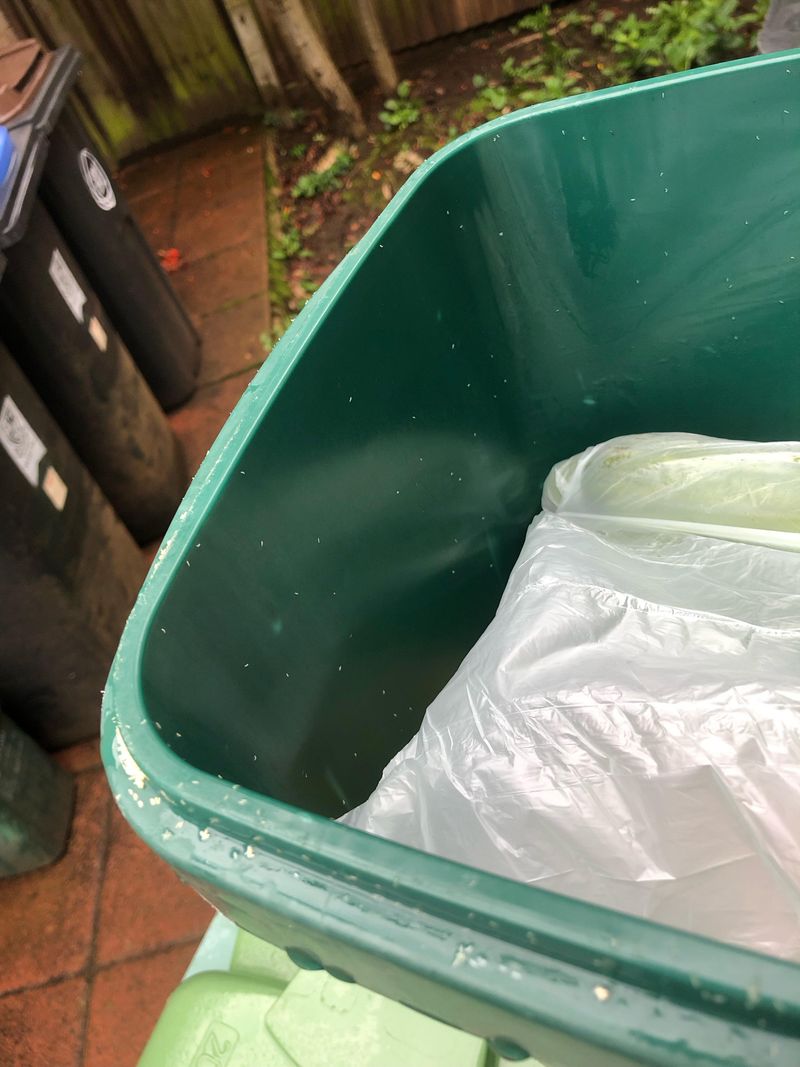
Nobody wants a pan of soggy bugs sitting around for a week. Once the catch piles up, it is time for a short trip outside.
Carry the pan slowly and keep it level. A sudden slosh on the carpet is a messy way to start your morning.
Head outdoors before you empty anything. Even submerged bugs can give off a faint smell, and nobody wants that in the kitchen.
Pour the contents into a plastic trash bag. Tie it tightly, then place it in your outdoor garbage can.
Some people prefer flushing bugs down the toilet instead. Strain them first so you are not pouring a half-gallon of water down.
Avoid dumping soapy water onto your garden plants. Too much soap can harm tender leaves and soil life.
Do not release any live bugs back into the yard. They will likely crawl right back toward your warm siding.
Rinse the pan with a garden hose if you plan to reuse it. Toss it if the foil gets bent, torn, or too stinky.
Wear rubber gloves if the smell bothers you. A little lemon dish soap on your hands helps clear any lingering odor too.
Refill the pan and set it back up that evening. Steady use through fall can make a noticeable dent in your bug crowd.
Sealing Cracks Stops The Next Wave
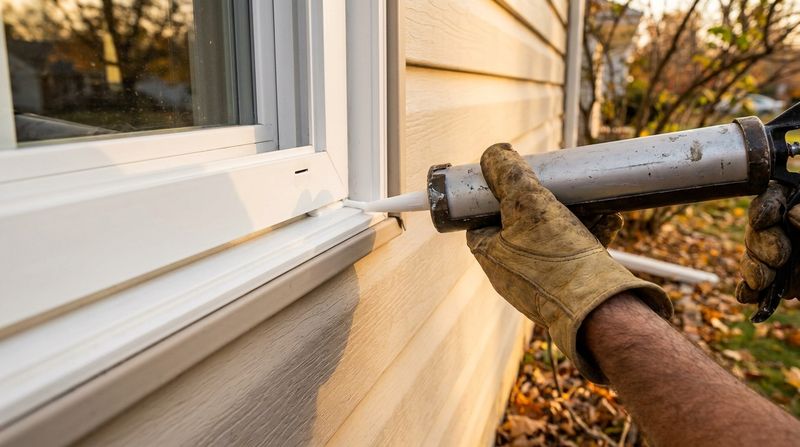
Traps handle the bugs already inside, but prevention keeps new ones out. Think of it as locking the door after the party ends.
Brown marmorated stink bugs arrived in the United States from Asia in the late 1990s. They spread fast and now trouble homes across Virginia.
Walk around your house with a flashlight and look closely. Check gaps around windows, doors, vents, and pipes.
Pay attention to spots where cables or faucets enter the walls. Their flat bodies slip through surprisingly narrow gaps, so even small cracks count.
Silicone or silicone-latex caulk works well for small cracks. It stays flexible and holds up through hot summers and chilly winters.
Fix torn window screens and worn door sweeps too. New weatherstripping blocks drafts and bugs at the same time.
Timing makes a big difference here. Virginia experts suggest finishing this work by mid-September, before bugs start searching for winter homes.
Check attic vents and chimney areas as well. Fine mesh screening can cover vents while still letting air flow.
Bonus perk: sealing gaps can lower your heating bills. Fewer drafts mean a cozier house when the cold weather rolls in.
Spread the work across a few weekends if needed. Even sealing the worst spots helps cut down next year’s invasion.
Hold Off On Sealing If Bugs Are Already Inside
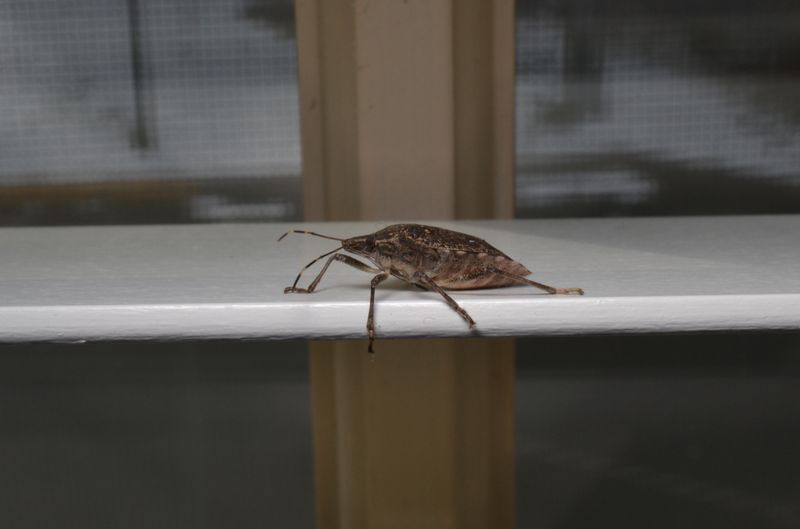
Sometimes the smartest move is to wait. Sealing cracks at the wrong moment can actually make your stink bug problem worse.
Bugs often hide inside wall spaces long before you notice them. If you seal outside cracks now, the bugs already in your walls can’t leave the way they came in.
Trapped bugs do not simply vanish. When your heater kicks on, the warmth draws them toward outlets, light fixtures, and baseboards.
That means more surprise visitors in your living room during winter. Nobody wants a stink bug dropping onto the couch mid-movie.
Focus on clearing out the current crowd first. Run your DIY trap for several weeks to catch bugs as they wander out.
A bagless vacuum helps with bugs on walls and ceilings. Empty the canister outdoors right away to keep the smell from spreading.
Some people stretch an old stocking inside the vacuum hose. It catches bugs in a little pouch that you can tie off and toss.
Seal outside gaps when bug sightings slow down in spring or late summer. That timing keeps new bugs out without locking old ones in.
Many homes see bugs until April or May. Keep your trap handy through spring for those late stragglers.
With patience and a simple plan, your home can feel bug-free again. A few dollars and some smart timing go a long way.