What It Means When A Striped Skunk Moves Under Your California Deck
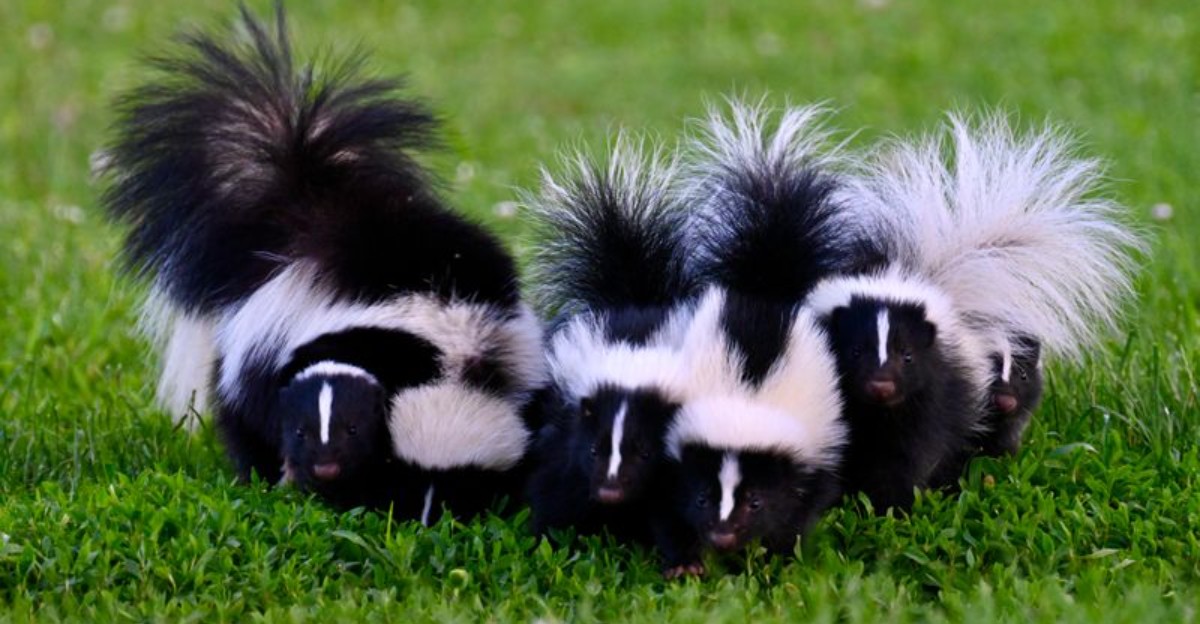
Some neighbors move in without knocking. They tend to keep late hours, sleep through the day, and leave only the faintest hints of their arrival.
A few clues give them away, and one in particular is hard to ignore.
This kind of visitor rarely signals trouble with a yard. More often, it reflects how inviting certain spaces look from a very different point of view.
Patience, timing, and a little caution all play important roles in what happens next.
Some well-meaning reactions can backfire, while a few simple steps tend to work beautifully.
With the right approach, an unexpected guest can head off on its own terms, leaving the space below the boards quiet once again.
Your Deck Offers A Ready Made Den
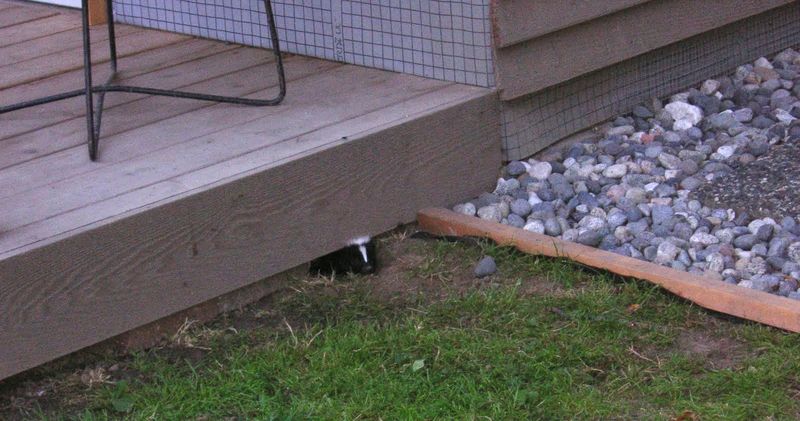
From a wild animal’s point of view, the space beneath a deck looks remarkably appealing. It stays dark, dry, quiet, and sheltered from wind and rain, much like a luxury apartment with no rent due.
Skunks aren’t eager diggers by choice. UC IPM notes they often prefer abandoned burrows made by other animals.
In cities and suburbs, though, those burrows are hard to find. Skunks readily settle into spaces under decks, porches, sheds, and buildings instead.
A deck checks every box on their wish list. Boards overhead block rain and hot sun, while posts and framing create snug nooks for curling up.
Gaps along the edges offer easy access with very little effort. That convenience makes the spot hard to pass up.
A skunk under the deck usually means one simple thing. It found shelter that saves energy and keeps it safe from predators such as coyotes and great horned owls.
It isn’t there to cause trouble. It simply wants a safe place to sleep through the day, since skunks are mostly active at night.
Several clues confirm a resident. A fresh hole or loose dirt at the deck’s edge, a light musky odor, small five-toed tracks, or shallow holes in the nearby lawn all point the same way.
Calm observation from a distance works best once those hints appear. Quiet watching reveals plenty about the new neighbor without any risk.
Skunks Den Up When Nights Turn Cold
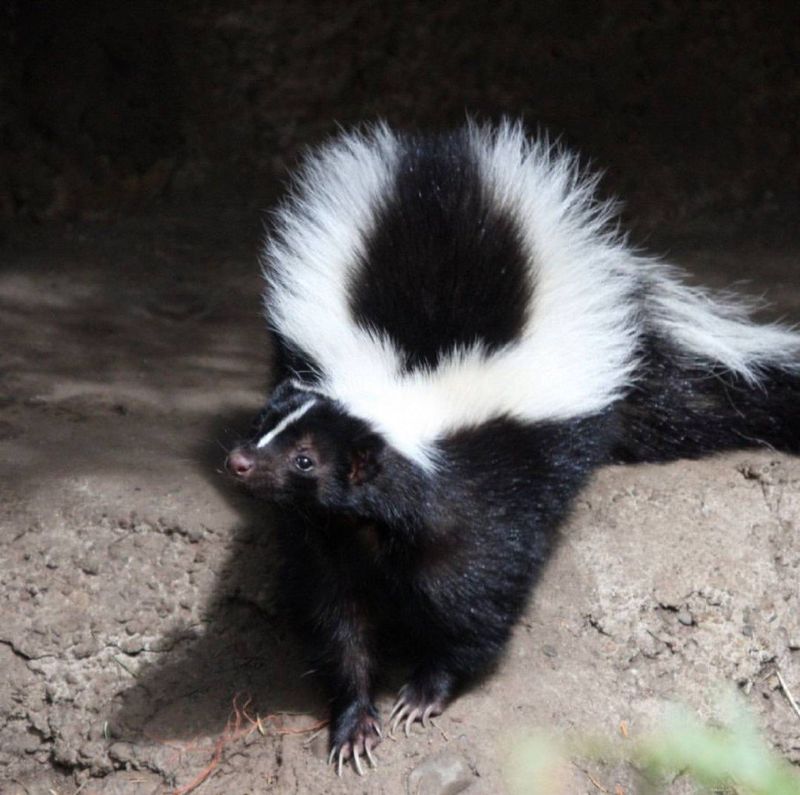
Cool fall nights often bring the first skunk sightings around California homes. As temperatures drop, these animals start searching for snug places to rest, and a deck may top the list.
Many people assume skunks hibernate like bears. In California, they don’t.
UC IPM explains that skunks here stay active year round but den up during cold periods. On chilly nights, a skunk may stay tucked away for longer stretches and emerge less often.
Mild California winters make this pattern easy to miss. A skunk might hunker down during a cold snap, then wander out again once the weather warms.
Activity may show up one week and vanish the next. The skunk hasn’t necessarily left; it’s simply resting through the chill.
Fat stored from summer and fall meals helps carry it through colder weeks. That’s why skunks eat heavily in autumn, digging up lawns and sniffing around gardens.
Your California Garden Changes Every Week. Your Plan Should Too.
Gardening in California changes quickly throughout the season. Every Friday you’ll receive a simple weekly plan showing exactly what to plant, prune, fertilize, harvest, and protect so you never miss the right timing.
A busy fall feeding season often comes right before a skunk settles under a deck. October and November tend to bring both trends together.
Cold months make a good time to watch for comings and goings at dusk. Noting which opening the skunk uses most will prove very helpful later.
Poking sticks or spraying water into the den is best avoided. A startled skunk quickly becomes a smelly skunk, and nobody wants that kind of winter surprise.
Crawl Spaces Beat Open Ground
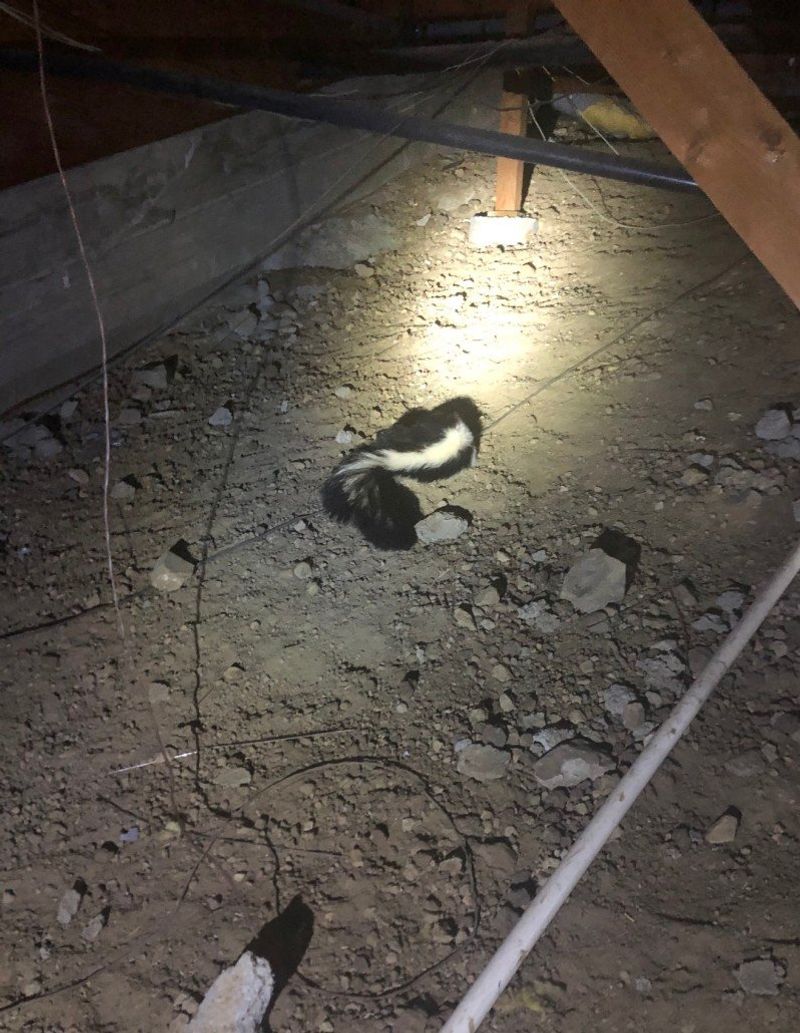
Digging a fresh den takes time and energy, and a ready-built roof makes that work unnecessary. Skunks are practical animals, and sheltered spaces under human structures save them plenty of effort.
UC IPM points out that in urban areas, skunks readily use spaces beneath decks, porches, and buildings. Crawl spaces rank among the most popular choices.
They stay dry, hold steady temperatures, and offer several hidden corners. Open ground, by contrast, leaves a den exposed to rain, flooding, and curious predators.
Female skunks sometimes den together, especially in colder weather. A single crawl space could hold more than one animal.
Males tend to den alone, though a roomy space can still draw a small crowd over the course of a season.
The spot where a deck meets the house deserves a close look. A gap there might lead straight into the crawl space beneath the home.
That situation creates a bigger problem, since a skunk under the house can push odors indoors through vents and floors. Fleas and other pests may come along for the ride.
A daylight walk around the home helps spot trouble. Torn vent screens, broken lattice, and dug-out areas near foundations all count, and quick phone photos help track each one.
Sealing waits until the space is confirmed empty. Closing in an animal under a home creates a smelly mess, so the safe sealing steps come later.
Grubs, Fruit And Pet Food Draw Them In
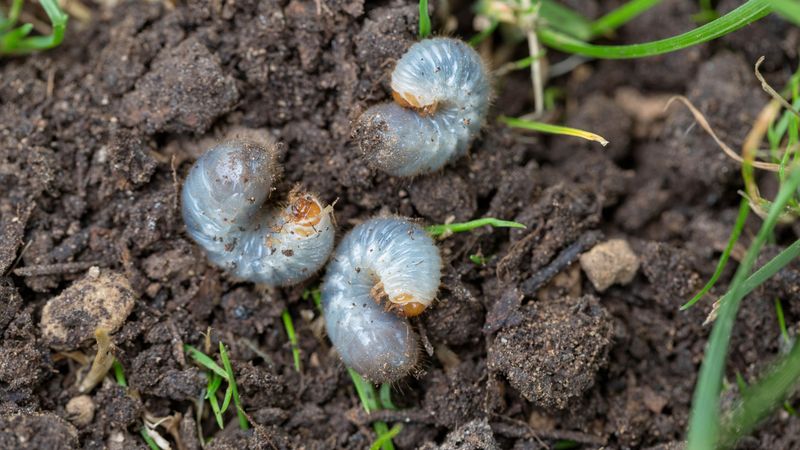
Small, cone-shaped holes in the lawn aren’t random. They mark a skunk’s late-night snack runs, since striped skunks love digging for beetle grubs and other insects hiding just below the grass.
Food plays a huge role in which yard a skunk chooses. UC IPM lists grubs, insects, fallen fruit, and pet food among the common attractions.
A deck den beside a steady buffet works like a five-star hotel with room service. Few skunks would turn that down.
California yards often serve up a feast without meaning to. Citrus, avocado, and fig trees drop ripe fruit that softens on the ground.
Bowls of cat or dog food left outside overnight send an open invitation. Spilled birdseed attracts both skunks and the rodents they also eat.
Trimming the menu makes a yard far less appealing. Pets fed indoors, or bowls brought in before dark, remove one major draw.
Fallen fruit picked up every day or two during harvest season helps, too. Tight-lidded garbage bins, closed compost containers, and tidy ground beneath feeders finish the job.
Lawn grubs take more effort. Healthy, well-managed turf usually hosts fewer grubs, and avoiding overwatering helps, since soggy lawns can favor some grub pests.
UC IPM Pest Notes and local nurseries can help identify what lives in the soil.
Removing food won’t evict a skunk alone, but it makes the yard much less tempting once the moving-out process begins.
Skunks Spray Only As A Last Resort
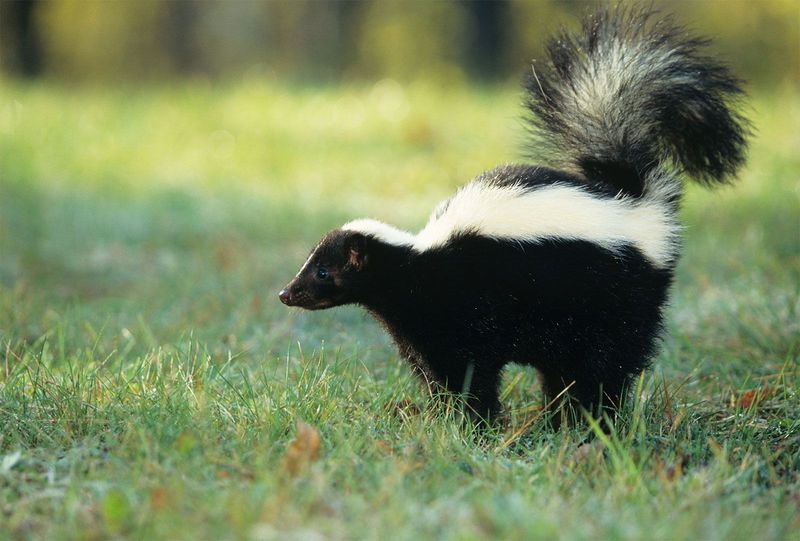
Stomp, stomp, hiss. Before a skunk sprays, it usually puts on a show, delivering a polite but firm warning to back off.
Skunks would much rather avoid a confrontation. Their spray takes time to refill, so they save it for real danger.
UC IPM describes spraying as a last resort when the animal feels threatened. Common warning signs include stamping the front feet, raising the tail, hissing, and turning sideways into a U shape.
A raised tail calls for a calm, slow retreat. Running toward the skunk, shouting, or tossing objects only escalates things.
Slow movements tell the skunk there’s no threat. Most encounters end with both sides going their separate ways.
Pets tend to bear the brunt. Dogs often chase skunks and come home smelling awful.
Leashes and supervision at dusk and night, when skunks are most active, make a big difference. A porch light switched on before letting pets out helps, too.
A more serious reason for distance exists as well. UC IPM notes that skunks rank among the main carriers of rabies in California.
A skunk acting strangely, such as wandering confused in daylight or showing no fear, may be sick. Handling one, even a cute youngster, is best avoided entirely.
Any bite or scratch to a person or pet calls for a doctor or veterinarian right away. Local animal control handles reports of unusual behavior.
Spring Kits Make Timing Matter
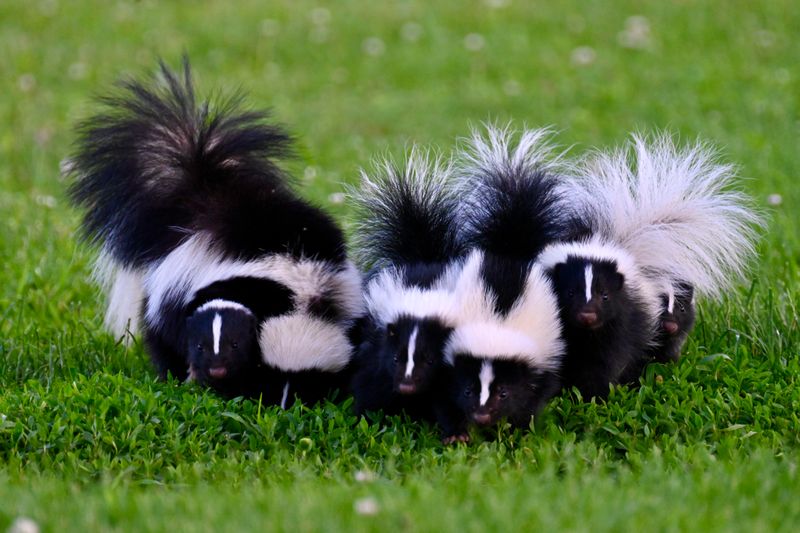
A single-file line of tiny kits trailing their mother across the lawn makes an adorable sight. It also signals that blocking the deck should wait.
Skunks usually mate in late winter. Babies, called kits, arrive in spring, often around May, and stay inside the den for several weeks before following their mother outside.
Through spring and into summer, a den may shelter an entire family. That stretch calls for extra care.
Closing a den with kits inside can leave them trapped without their mother. Young kits rely completely on her at that age and can’t fend for themselves.
A frantic mother may also try to dig or claw her way back in, damaging property along the way.
Careful watching before any action pays off. Small squeaks under the deck or several skunks leaving at dusk suggest a family.
Once kits grow old enough to forage alongside their mother, the family often moves on naturally.
That makes fall and early winter, before the next round of kits, the ideal window for humane eviction. October offers a good chance to act while dens typically hold no dependent young.
The California Department of Fish and Wildlife and UC IPM resources can help guide timing. A licensed wildlife professional who uses humane exclusion methods offers another option.
A short wait is far kinder, and far less smelly, than a rushed eviction gone wrong.