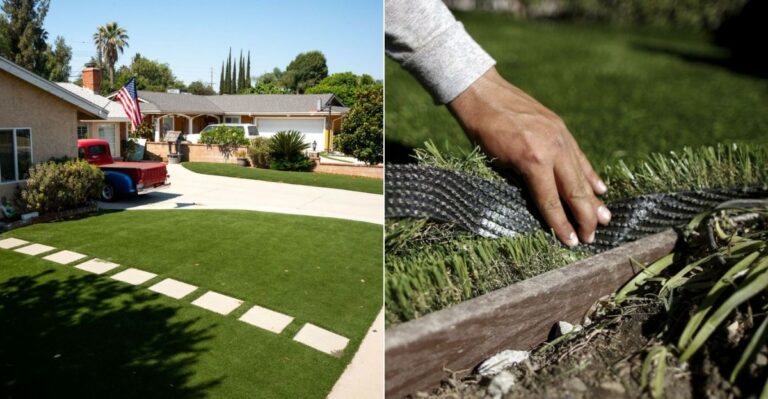
Why Some California Gardeners Are Letting Their Lawns Go Dormant On Purpose
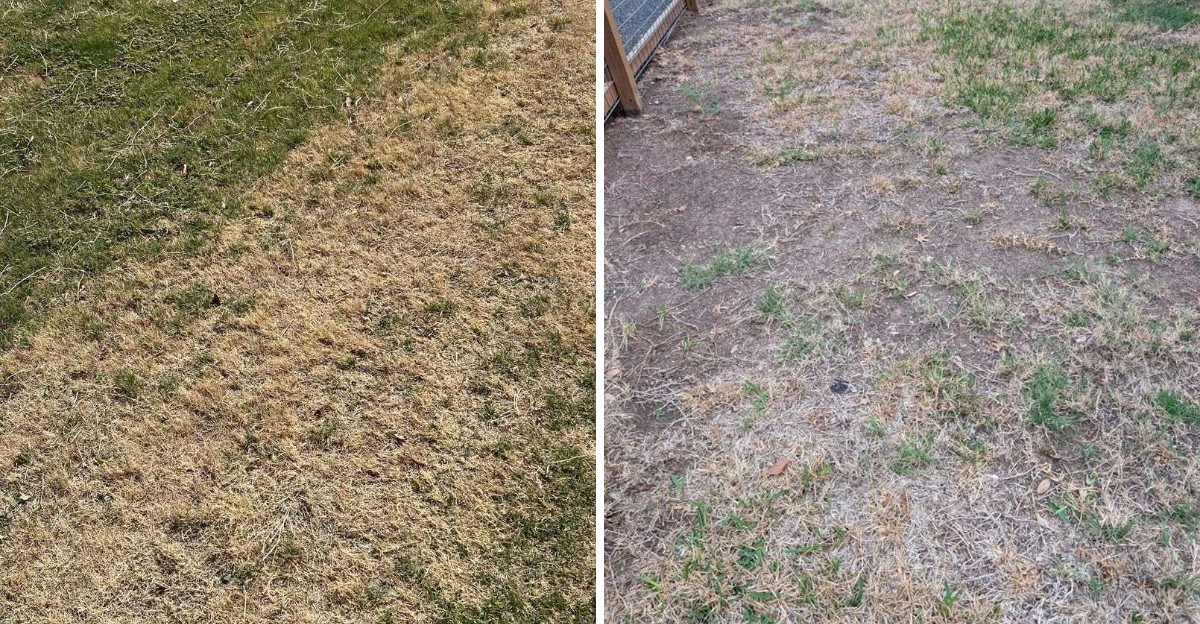
A brown yard in the middle of a green street tends to raise eyebrows. Some passersby assume neglect, while others suspect something far more deliberate is going on.
Grass holds a few surprises that many people rarely learn about.
Its color can shift dramatically while important parts stay quietly at work out of sight.
A growing number of California homeowners have started paying attention to that hidden side, especially as water bills climb and dry summers stretch longer.
The approach takes some knowledge, a bit of restraint, and a willingness to look past appearances for a while each year.
Sometimes the most unexpected color in the neighborhood carries the smartest story behind it.
1. Dormant Lawns Use Far Less Water
August water bills often tell a revealing story, with the lawn ranking as the biggest line item. In many parts of California, outdoor watering accounts for roughly half of household water use.
Turfgrass usually stands as the thirstiest plant in the yard. A green, actively growing lawn needs regular irrigation all summer long.
Cool-season grass such as tall fescue may need around an inch or more of water per week in hot inland areas. That adds up quickly over a long, rainless season.
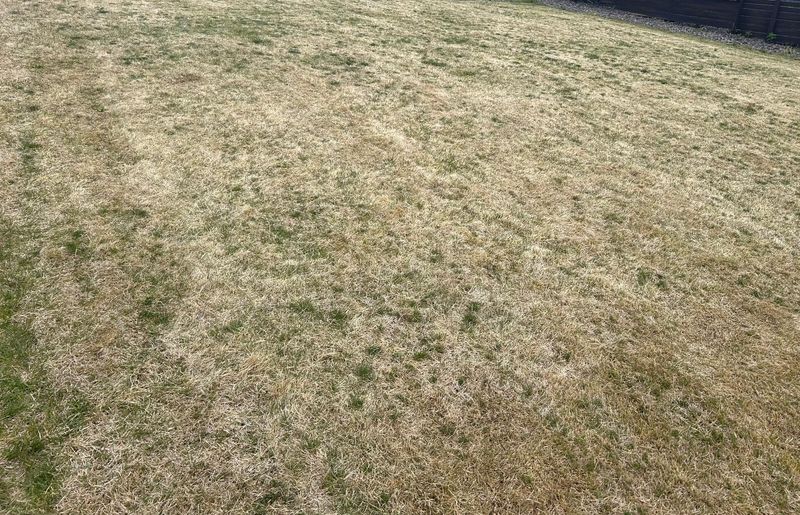
Once grass goes dormant, growth slows almost to a stop. Leaves turn brown, and the need for water drops sharply.
Instead of watering two or three times a week, a dormant lawn may need only an occasional drink. University turf guidance notes that resting grass still needs a small amount of moisture to protect its crowns.
That amount represents a tiny fraction of what green grass demands. In effect, the lawn shifts into a power-saving mode, still alive but no longer burning through resources.
Many gardeners find the trade worthwhile during hot months. A few brown weeks can mean thousands of gallons saved.
Knowing the grass type comes first, since some varieties handle dormancy far better than others.
Soil matters, too. Deep, healthy soil holds moisture longer and helps grass ride out a dry spell, while shallow or compacted soil dries quickly and leaves roots stressed.
2. Warm Season Grasses Rest By Nature
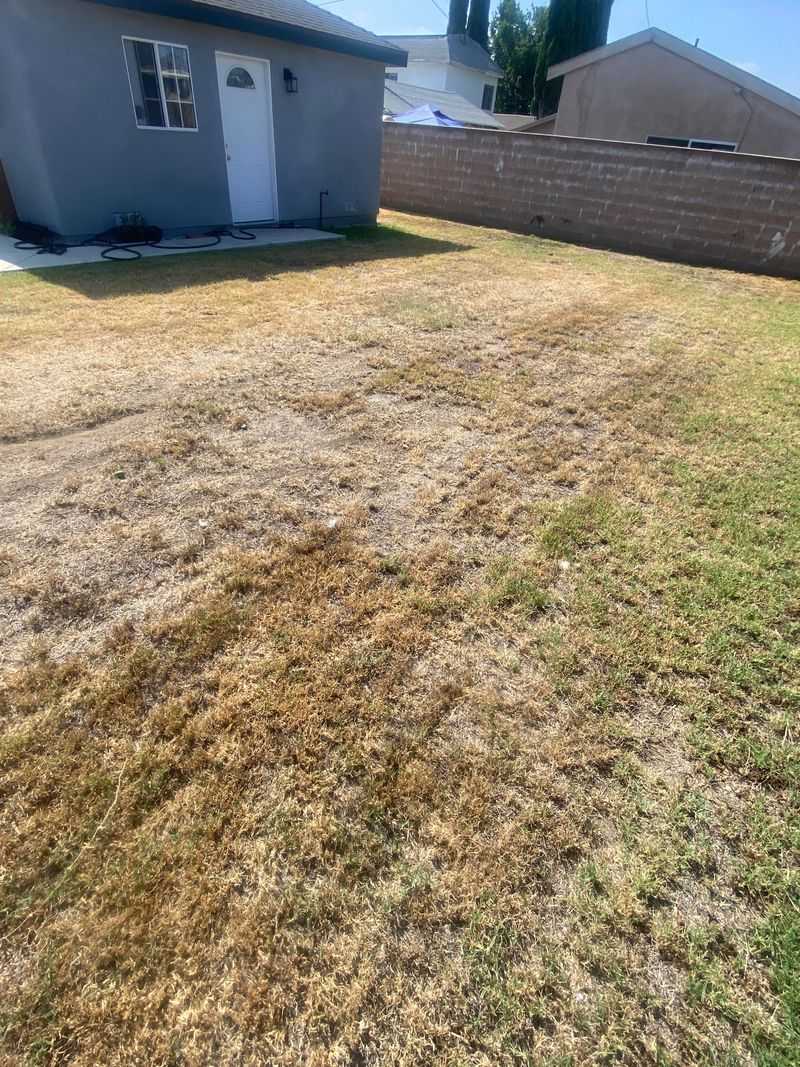
Each winter, Bermuda lawns across Southern California fade to a straw-colored tan. Newcomers sometimes reach for the hose in alarm, while longtime residents know the grass is simply following its natural schedule.
Warm-season grasses include Bermuda, zoysia, St. Augustine, and buffalograss. They grow best in high temperatures, roughly 80 to 95 degrees.
As soil cools in late fall, they slow down and go dormant. UC ANR describes this winter rest as normal and expected for these grasses.
During that rest, warm-season lawns need very little water. Winter rain often covers their needs in many regions.
Heavy winter watering usually goes to waste and can even invite weeds or disease. October marks a good time to start dialing irrigation back.
Bermuda stands out for toughness. It spreads by stolons and rhizomes, runners above and below ground that help it bounce back quickly once spring warmth returns.
Zoysia greens up a bit more slowly but remains very hardy. Both handle a winter pause with ease.
Your California Garden Changes Every Week. Your Plan Should Too.
Gardening in California changes quickly throughout the season. Every Friday you’ll receive a simple weekly plan showing exactly what to plant, prune, fertilize, harvest, and protect so you never miss the right timing.
Some homeowners overseed Bermuda with ryegrass to keep it green all winter. That practice adds water, mowing, and fertilizer, so more gardeners now skip it and let the lawn take its winter nap.
Warm-season grasses also rank among the most drought-tolerant turf choices in California. For anyone planning a new lawn, one of these may fit a water-wise yard better, with a tan winter look simply part of the deal.
3. Cool Season Grasses Can Pause For Weeks
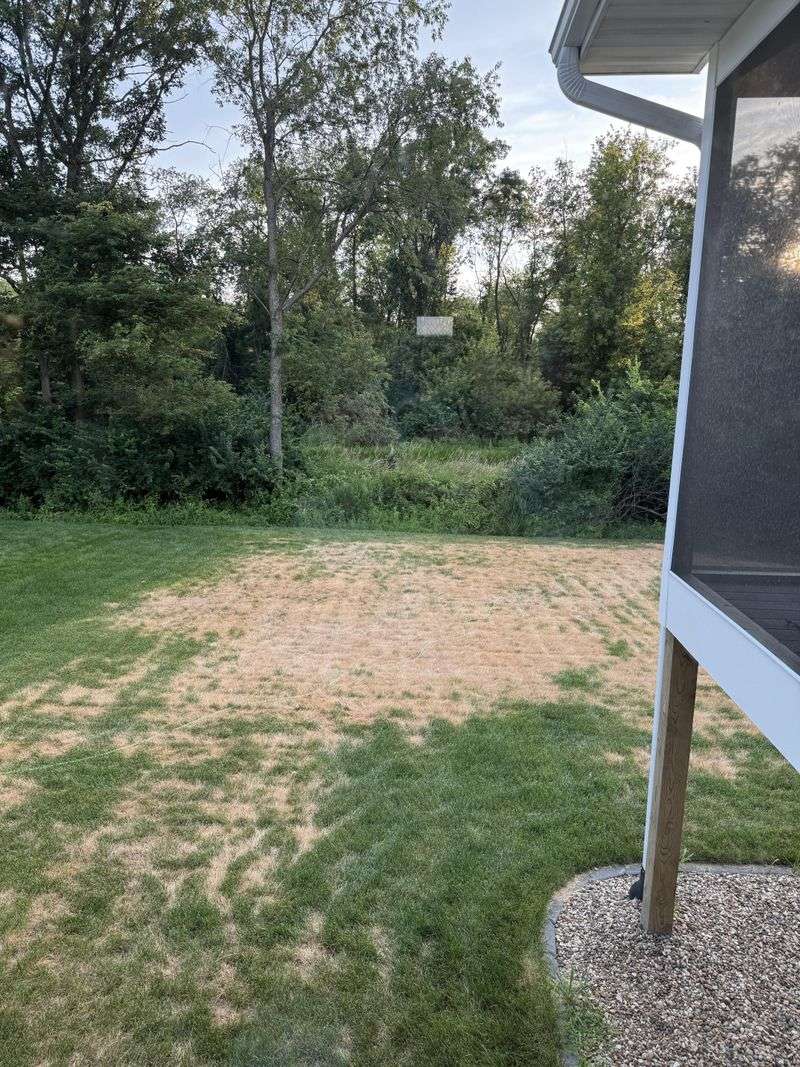
Soft and lush in spring, tall fescue hides a tougher streak than its looks suggest. Under summer drought, it can slow down and brown out rather than giving way entirely, and Kentucky bluegrass can do the same.
Cool-season grasses grow best in mild weather, around 60 to 75 degrees. Hot, dry summers stress them.
When water runs short, the plants pull back and go dormant to protect themselves. Leaves brown, while the crowns near the soil can stay alive.
The crown serves as the plant’s growing point. As long as it survives, the grass can push out new leaves later.
University turf guidance generally puts a safe dormant period for cool-season lawns at several weeks. Many experts point to roughly four to six weeks as a reasonable window, though that varies.
Length matters. Long stretches of extreme heat with no water can push crowns past their limit, and inland valleys such as Sacramento and Fresno see far harsher summers than coastal towns.
A fescue lawn in San Francisco faces much less risk than one in Riverside.
Tall fescue tends to handle dormancy better than perennial ryegrass, thanks to deep roots that reach moisture shallow-rooted grasses miss. As a bunchgrass, though, it can thin after a long pause and may need overseeding.
Bluegrass recovers with help from its rhizomes but can struggle in very hot areas. Patches that stay brittle and pull up easily signal crowns in trouble. A light drink can help.
4. Dormancy Cuts Mowing And Feeding
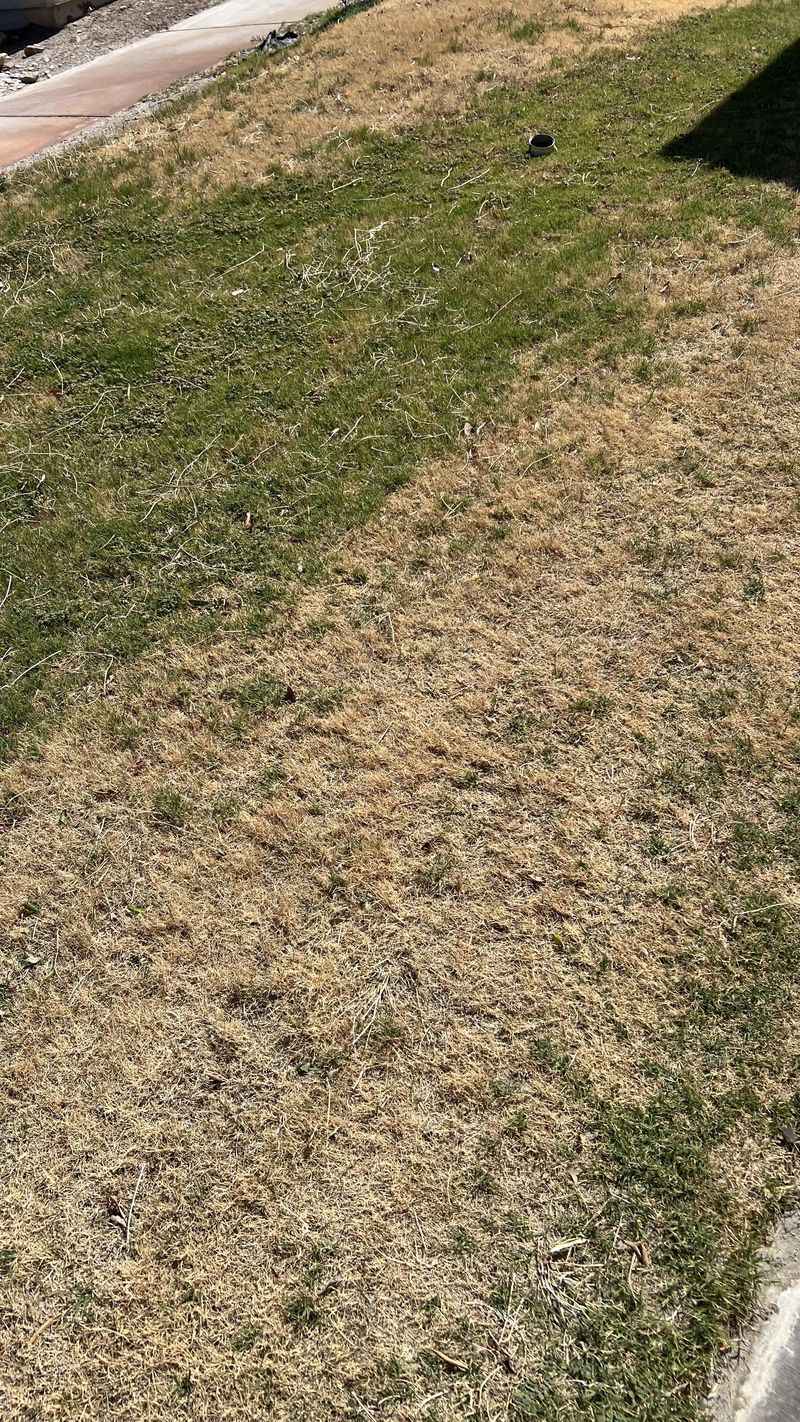
Quiet Saturday mornings, free of a roaring mower, become a regular perk for gardeners with dormant lawns. Grass that stops growing also stops needing a weekly trim.
A dormant lawn barely adds any height. An occasional pass to knock down tall weeds may be all it takes.
Less mowing means less fuel, less noise, and fewer hours behind the handle. Equipment lasts longer, too.
Any mowing that does happen works best with the blade set high. Taller grass shades the soil and helps hold moisture.
Scalping a stressed lawn can harm the crowns, so gentle, infrequent cuts make the most sense.
Fertilizer deserves a break as well. University turf guidance advises against feeding dormant grass, since a plant that isn’t growing can’t use extra nitrogen well.
That fertilizer may wash away, feed weeds, or stress the grass further. Nitrogen pushes leaf growth, and leaf growth needs water.
Feeding a thirsty lawn in summer heat resembles handing a marathon runner a heavy backpack. The timing simply works against the plant.
For cool-season grasses, fall offers the best feeding window once the lawn wakes up, which makes this month a good moment to plan.
Warm-season grasses do better with feeding in late spring and summer during active growth. Matching the schedule to growth cycles saves money while keeping nutrients out of storm drains and local creeks.
5. Fall Rains Wake The Lawn Back Up
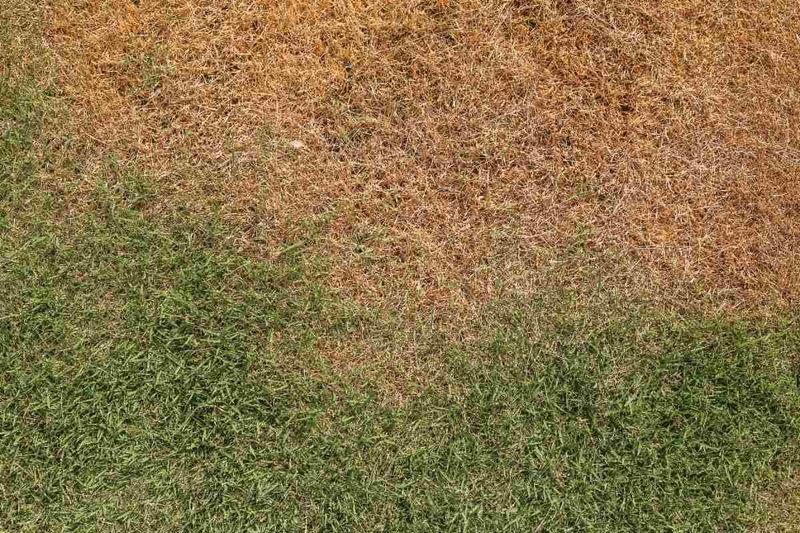
One soaking October storm can change everything. Within a week or two, a brown fescue lawn often starts showing green shoots, and doubtful neighbors suddenly go quiet.
Cool-season grasses respond quickly when temperatures drop and moisture returns, and fall delivers both. Cooler nights and rain signal the crowns that growth can safely resume.
New leaves push up through the old brown blades, and the lawn slowly fills back in.
Recovery isn’t always instant. A lawn that rested a long time may take several weeks to look full again, and some thin spots may need extra help.
Overseeding bare patches in early fall, while soil stays warm and air turns cooler, gives those spots a fresh start. Mid-October still works in many parts of the state.
California rain can run late, though. When storms hold off into fall, a deep watering can kick-start recovery.
A single deep soak works better than frequent light sprinkles, since it reaches the roots where growth begins.
Warm-season grasses follow a different clock. Bermuda and zoysia need warm spring soil rather than fall rain, so they usually green up around April or May.
Normal care returns gradually once growth resumes. Light mowing can begin when the grass reaches a good height, fertilizer can follow once the lawn clearly grows, and gentle raking protects fragile new shoots.
Patience during these weeks leads to a thicker, stronger lawn by winter.
6. A Little Water Protects The Crowns
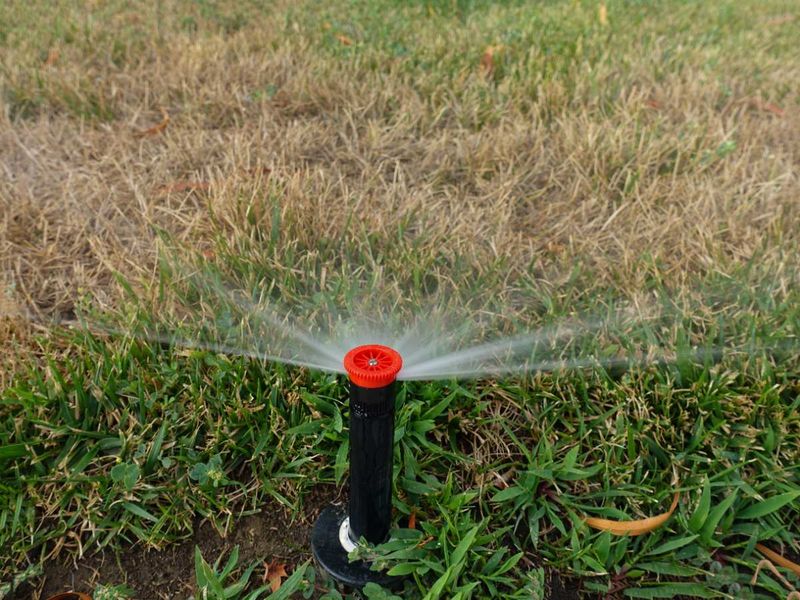
Shutting off the water completely and walking away for an entire summer ranks as a common mistake. Total neglect can push even tough grass too far, while a small, occasional drink makes a big difference.
Dormant grass doesn’t need enough water to stay green. It only needs enough to keep crowns and roots alive.
University turf guidance often suggests about half an inch of water every two to three weeks during summer dormancy. Exact needs vary with heat, soil, and grass type, so close observation helps.
Sandy soil dries out fast and may need water a bit sooner. Clay holds moisture longer but absorbs it slowly.
Sprinklers run in short cycles on clay let water sink in rather than running into the gutter. That simple adjustment saves water and protects roots.
Early morning works best for watering. Cooler air means less evaporation, and grass blades dry quickly afterward, lowering disease risk.
A gentle tug on a handful of brown blades offers a quick check. A plant that holds firm likely has healthy crowns, while one that pulls loose like dry straw needs water soon.
A screwdriver makes a handy moisture probe, too. When it slides easily a few inches into the soil, moisture remains below.
When it barely moves, the soil has gone bone dry. A light hand on the hose takes little effort but keeps a dormant lawn from drifting into real trouble.
7. Foot Traffic Should Stay Off Resting Grass
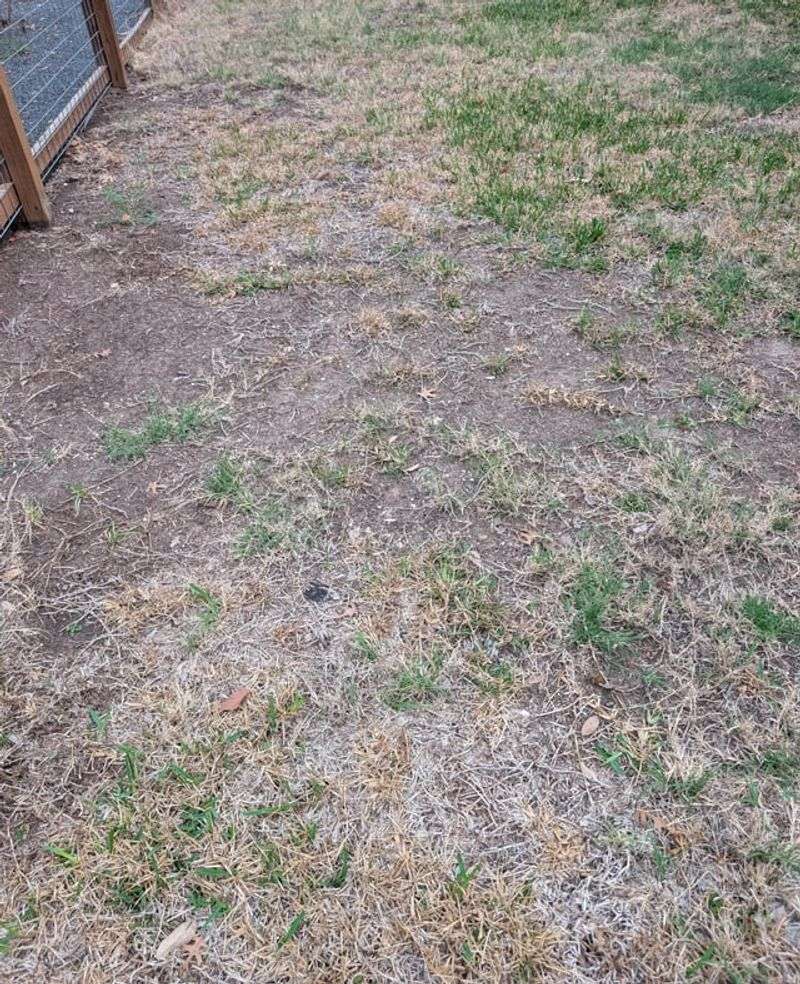
Soccer games, a dog running laps, and a shortcut to the mailbox barely leave a mark on a green lawn. On a dormant lawn, the same activities can leave scars that last for months.
Brown, dry blades turn brittle. They snap and crush underfoot instead of bending back up.
Steady traffic can also damage the crowns hidden at the base of each plant. Once crushed, those spots may fail to regrow when rain returns.
Resting grass can’t repair itself the way growing grass can. A healthy summer lawn sends out new shoots to fill worn areas, but a dormant one lacks the energy.
Damage simply sits there until the grass wakes up, and some spots may need reseeding.
Soil compaction adds a hidden problem. Repeated steps pack soil tight, leaving less room for air and water, and roots struggle even after dormancy ends.
University turf guidance names compaction as a major cause of weak lawns. Avoiding it pays off long after the brown season passes.
Stepping stones along regular paths spare the grass, and backyard games can move to a patio or park for a few weeks. Guests can stick to walkways during gatherings.
Dogs present a bigger challenge. Urine can scorch already stressed grass, and digging tears up roots, so a mulched corner set aside for pets helps.
A small sign or low garden border offers a gentle reminder to tread lightly.
8. Water Savings Add Up Over A Season
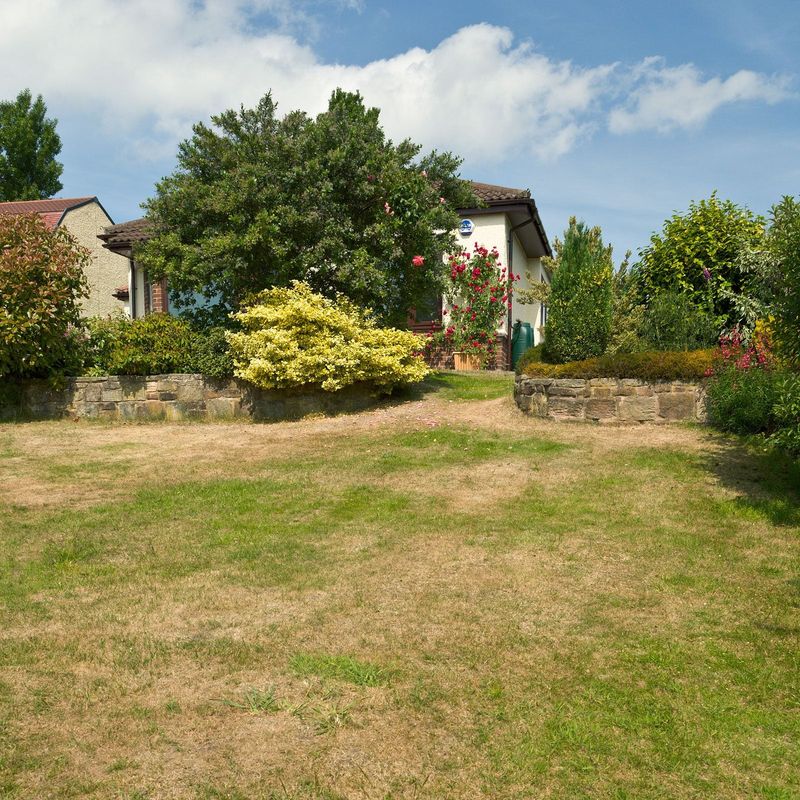
Eight summer weeks of skipped watering add up to impressive numbers. A typical lawn might use hundreds of gallons per watering session, so letting it rest can save many thousands of gallons in a single season.
Those savings show up on the bill, especially where water agencies use tiered rates. In tiered systems, heavy users pay more per gallon, and cutting lawn irrigation can drop a household into a cheaper tier.
Benefits stretch beyond one home, too. During droughts, every gallon left in reservoirs helps cities, farms, and wildlife.
When whole neighborhoods let lawns rest, total savings can grow huge. A brown patch becomes part of a much bigger, greener picture.
Local water agencies deserve a call before starting. Many California districts set watering days, time limits, and drought rules.
Some offer rebates for smart irrigation controllers or for replacing turf with water-wise plants. Fall makes a fine time to explore those programs.
Homeowner associations may have their own appearance rules worth reviewing. State law now limits how HOAs can penalize brown lawns during declared drought emergencies.
Simple notes on the lawn’s progress each summer build valuable knowledge. Records of dormancy length, watering frequency, and recovery speed reveal exactly what a yard can handle.
Over time, that knowledge turns dormancy from a gamble into a reliable, money-saving habit. It can repeat whenever another dry summer rolls around.