8 California Garden Problems That Become Easier To Spot In October
Every magic trick needs a distraction.
All summer, your garden had a great one. Thick leaves. Busy sprinklers. Bright blooms that pulled every eye toward the pretty stuff. Meanwhile, a few quiet problems worked backstage, out of sight.
Then October walks in and pulls back the curtain.
The leaves thin out. The water slows down. The first rain rolls in. Suddenly, the yard starts to reveal things it kept to itself for months. Some of those surprises are tiny. Others could turn into pricey headaches once winter storms arrive.
So how closely have you looked at your yard lately?
A quick stroll this month can tell you more than a whole season of glances from the kitchen window. The clues sit in branches, bark, soil, and even that one soggy corner nobody talks about.
The best part? Most of these issues stay small and simple to fix when you catch them now.
Ready to see what your garden has been hiding? Grab some binoculars. The big reveal starts now.
1. Bare Branches Reveal Structural Tree Issues
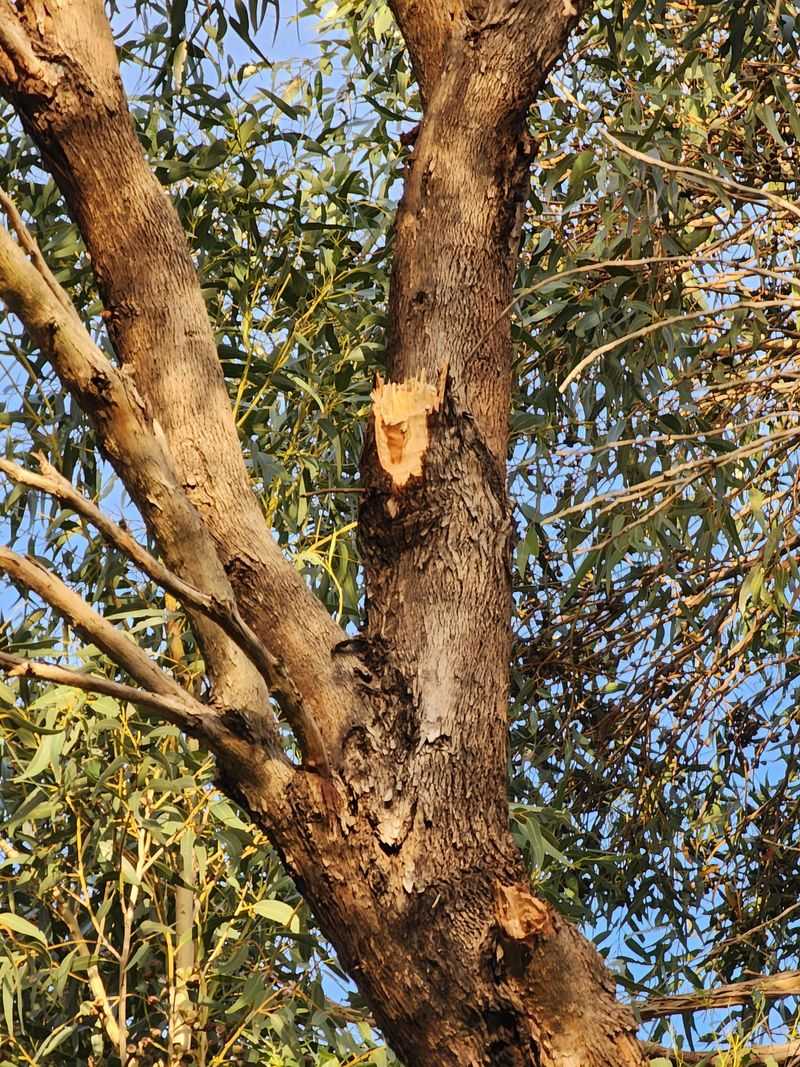
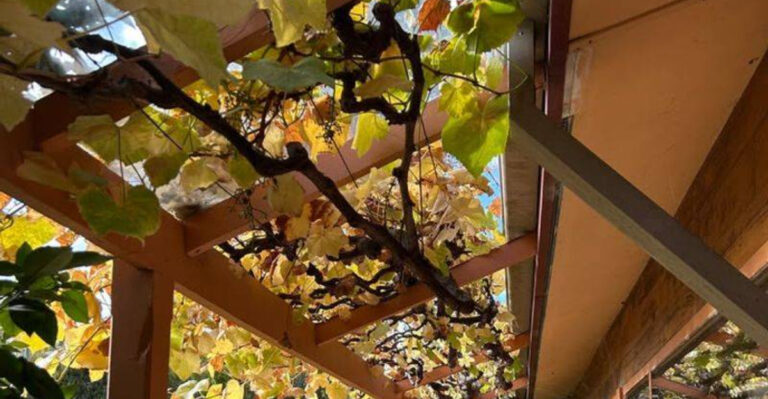
Summer leaves make a fantastic disguise. A fully leafed-out Chinese pistache, sycamore, or fruitless mulberry hides most of what happens inside its canopy. Once those leaves drop in October, the tree’s skeleton finally comes into view.
That skeleton tells a story. Several warning signs are much easier to judge on bare or thinning branches. Tight V-shaped branch unions, limbs that rub or cross, brittle leafless branches, and cracks near big limb joints top the list.
A narrow V-shaped union can trap bark inside the joint. That weak spot may split in a windy storm.
Now grab those binoculars, because this part turns you into a backyard bird watcher, minus the birds. Walk slowly around each tree. Look for branch tips without buds, peeling or missing bark, fungus on wood, and any limb that hangs lower than last year.
Check the lean too. A tree that tilts more than before deserves attention, especially with lifted or cracked soil at the base.
Small brittle twigs make easy fixes you can prune yourself during dormancy. Big cracked limbs, heavy leans, or anything near power lines is a different story. Those jobs belong to a certified arborist.
Winter rain plus wind can turn a weak branch into a broken fence or roof. A quick fall checkup costs far less than a new garage door.
Your tree gets a physical, and you get peace of mind. Not a bad trade for one afternoon.
2. Lawn Stress Patches Show Up Clearly Now
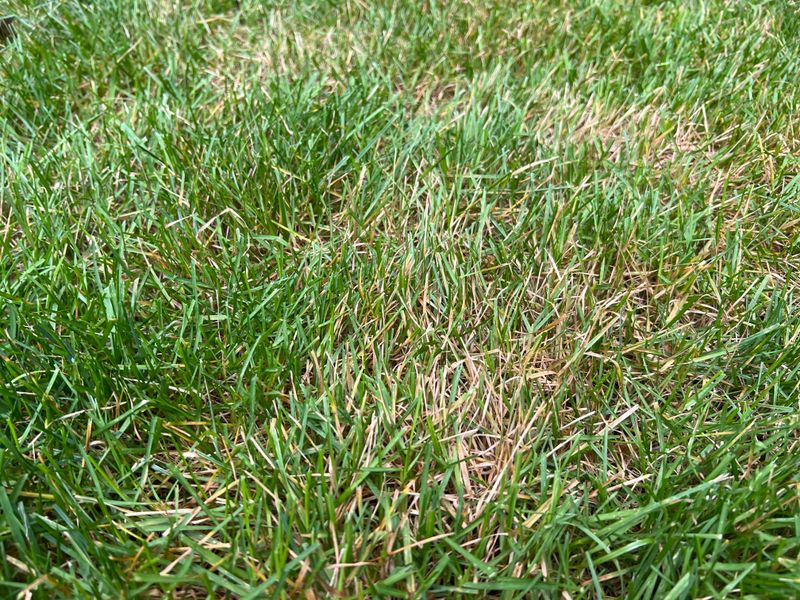
Grass plays a sneaky game. In the heat of July, a whole lawn can look rough, so one dry patch blends right in. By October, cooler nights help healthy grass perk up. That contrast makes troubled spots jump out like a stain on a white shirt.
Cool-season lawns such as tall fescue grow more actively as temperatures drop. Warm-season types like bermudagrass and St. Augustinegrass slow down and may lose color.
Either way, areas that suffered all summer tend to stay thin while the rest recovers. Poor sprinkler coverage, heavy foot traffic, compacted soil, or grubs are common culprits.
Your California Garden Changes Every Week. Your Plan Should Too.
Gardening in California changes quickly throughout the season. Every Friday you’ll receive a simple weekly plan showing exactly what to plant, prune, fertilize, harvest, and protect so you never miss the right timing.
Now take a slow lap around the lawn, and yes, bare feet are allowed. Look for patterns. Circles or crescents near sprinkler heads often point to uneven water. Brown strips along sidewalks can mean heat that bounced off concrete.
Brown turf that peels back like a loose rug deserves a closer look. Check the soil underneath for white, C-shaped grubs.
October is a great month for repairs across much of California. Cool-season lawns can be overseeded or reseeded now. Aeration on compacted spots helps water and roots move deeper.
Adjust or replace broken sprinkler heads. Then give repaired spots steady moisture until new grass fills in before winter.
Your lawn gets a fresh start, and you get bragging rights by spring. The neighbors may even ask for your secret. Just smile and point at the grubs you evicted.
3. Summer Pest Damage Finally Becomes Obvious
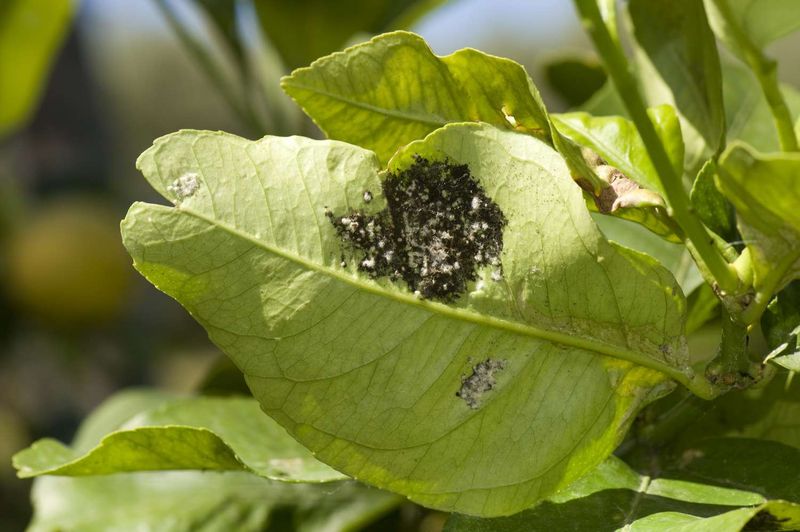
Bugs make sneaky little tenants. All summer, aphids, whiteflies, scale insects, mites, and caterpillars nibble away. Plants push out fresh growth fast enough to hide the harm. Come fall, that growth spurt slows way down, and the damage stays put.
October shows off a scrapbook of the whole season. Leaves with holes, curled tips, and yellow speckles from spider mites stick around. So does sticky honeydew covered in black sooty mold. That mold is a clue that sap suckers like aphids, soft scale, or whiteflies fed above it.
Hold off on the spray bottle for a minute, because the detective work comes first. Flip leaves over and look for tiny insects, egg clusters, or webbing. Check stems for bumpy scale.
Keep an eye out for the good guys too. Ladybugs, lacewing larvae, and parasitized aphids that look like little tan mummies all mean helpful insects are already on duty.
Many pests fade naturally as the weather cools, so heavy treatments may not be needed now. Instead, jot down which plants got hit hardest. Prune out badly damaged growth.
Next spring, watch those same plants early. Gentle options like a strong spray of water or insecticidal soap work best before populations surge again.
Your garden gets a smart game plan, and the bugs get an early eviction notice. Pest court is now in session, and you hold the gavel.
4. First Rains Expose Real Drainage Problems
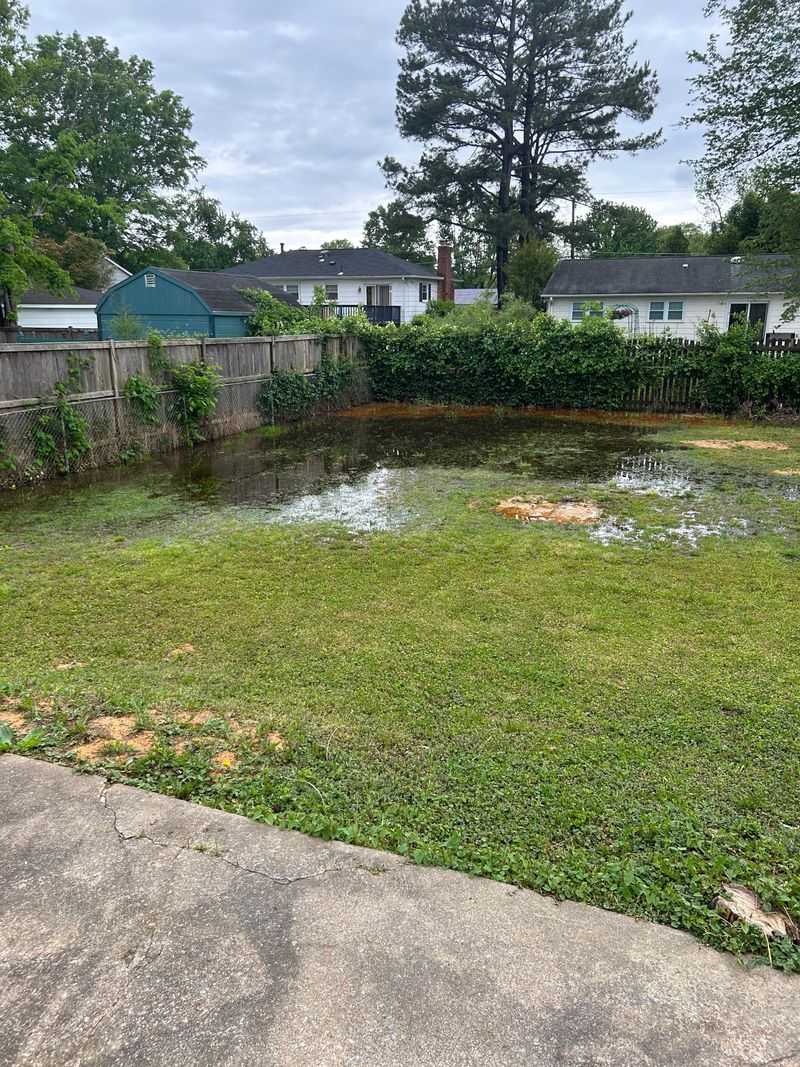
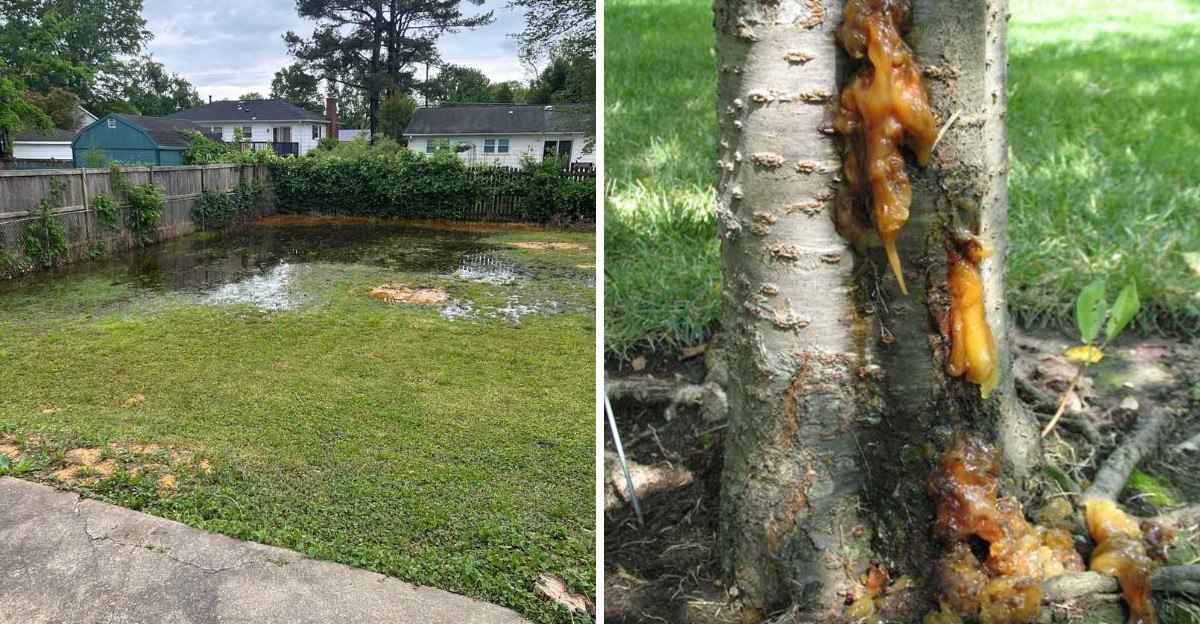
Six months without a real storm can make any yard look perfectly fine. Dry soil hides low spots, clogged gutters, and hard clay that refuses to soak up water. Then that first fall rain shows up and hands your garden a free drainage test.
During or right after a good rain, put on a jacket and head outside. Watch where water pools, where it runs toward the house, and how long puddles last.
Heavy clay is common across much of California, and it drains slowly. Water that sits around roots for long periods can cut off oxygen and lead to root rot.
Now, splash boots on, because these hot spots deserve a close look:
Downspouts that dump water right against the foundation.
Beds where water sits for more than a day.
Slopes where soil or mulch washes away in little channels.
Snap photos so you remember the trouble spots once everything dries out. Simple fixes include downspout extensions, gutters cleared of summer leaves, and beds built up with compost so they sit a bit higher.
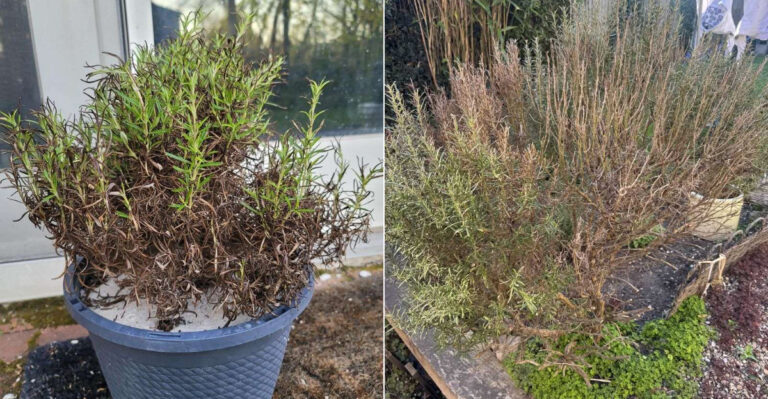
Plants that dislike wet feet, like many California natives, lavender, and rosemary, may need a move to a better-drained spot.
Bigger issues, like water that flows toward the house, may call for regrading or a French drain from a pro.
Your yard gets a drainage report card, and you get to play in puddles for a good cause. Honestly, that is the most fun homework ever assigned.
5. Falling Leaves Uncover Hidden Disease Signs
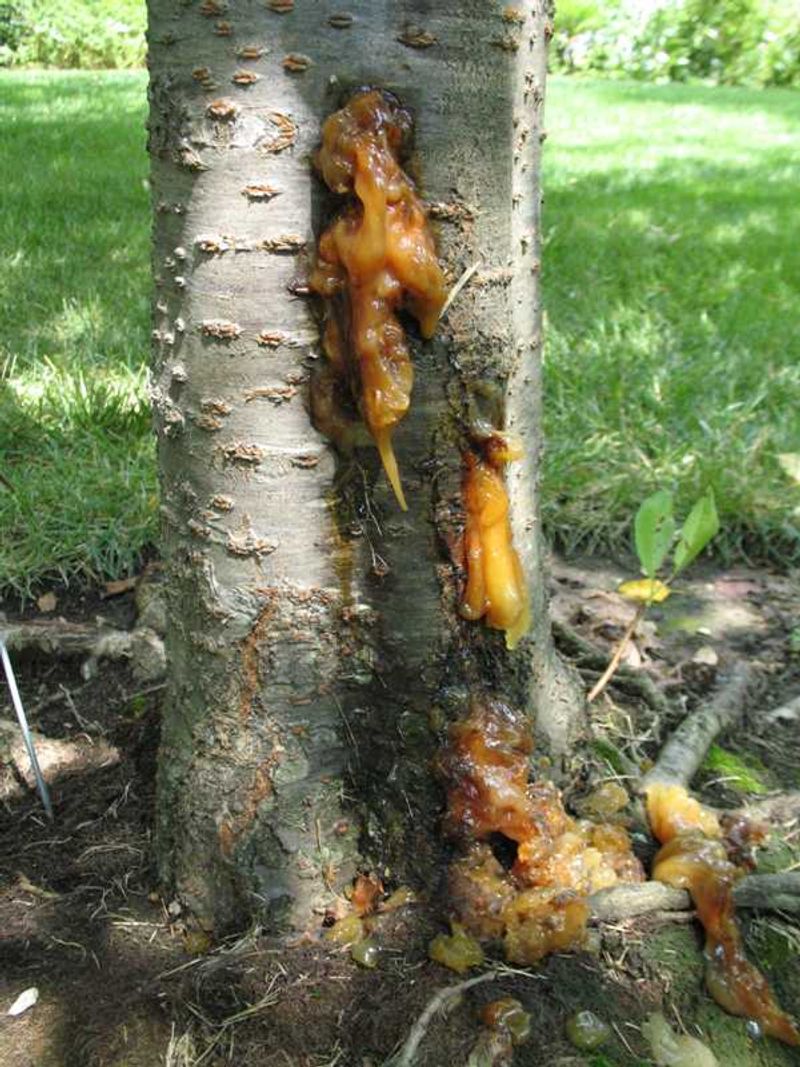
Gooey amber blobs on a peach or apricot trunk can seem to appear out of nowhere. Chances are they sat there for weeks, tucked behind a curtain of leaves. As foliage thins in October, bark and branches finally get their close-up.
Several tree diseases show up mainly on wood rather than leaves. Cankers are sunken, discolored, or cracked areas on bark. They often signal fungal or bacterial infections in fruit and landscape trees.
Oozing sap or gum, branch tips that brown and wither, and mushroom-like growths near the trunk base are clues too.
October also reveals leftover shriveled fruit that clings to branches. Those dried-up mummies can carry disease spores, like brown rot on stone fruit, into next spring. Pull them off and toss them.
Now for a little arts and crafts, and it makes the job much easier. Walk each tree and slowly scan the trunk from soil to canopy. Tie a bit of bright ribbon near any unusual spot. That way, you can find it again once all the leaves come down.
Rake up fallen leaves from trees that had leaf spots or blight this year. Toss them in the trash instead of the compost pile.
Some problems need an expert eye. A local nursery or garden expert can often help identify a disease from photos or samples.
Your trees get a thorough checkup. The ribbons even add a festive touch, just in time for the holidays.
6. Irrigation Leaks Surface As Watering Slows
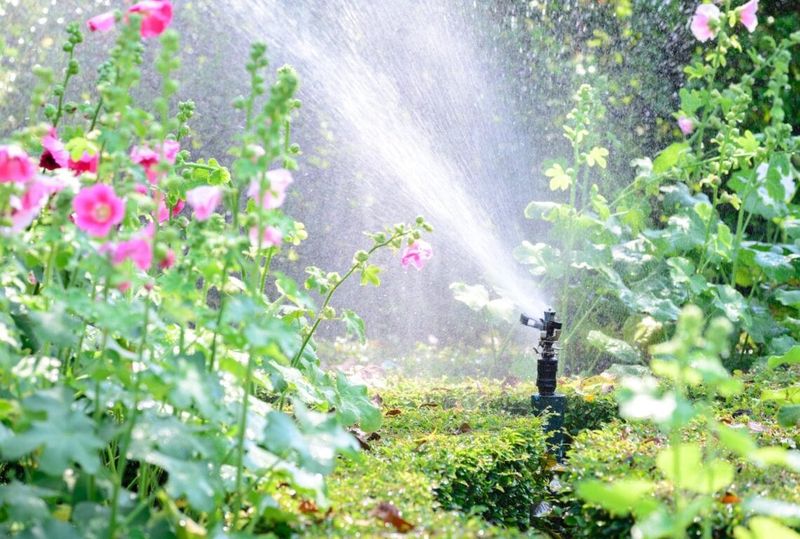
The sprinkler schedule drops for fall, and the yard starts to dry out as it should. Yet one corner stays mushy and green. That stubborn wet spot is waving a little flag at you. With less water everywhere else, leaks and overspray have nowhere to hide.
In summer, frequent irrigation keeps everything damp. A cracked drip line or a leaky valve blends right in.
Fall is the time to cut back, since plants use less water as temperatures and daylight drop. Once you do, a spot that stays soggy, grows extra weeds, or sprouts moss or mushrooms hints at a drip.
Now set a timer for fifteen minutes, because this check moves fast. Run each zone one at a time and walk it while it runs. Look for geysers from broken heads and bubbly soil above buried lines. Watch for drip emitters that popped off and spray that hits sidewalks or fences.
Your water meter can spill secrets too. Check it while nothing in the house or yard runs. A dial that still moves may point to a hidden leak somewhere in the system.
A quick repair on a broken emitter or valve saves water and money. It also protects roots from rot through cooler months, when soil stays wet much longer on its own.
Your water bill shrinks, your plants stay healthy, and that soggy corner finally dries out. The mushrooms may file a complaint, but nobody asked them to move in.
7. Weeds Stand Out Before Winter Dormancy
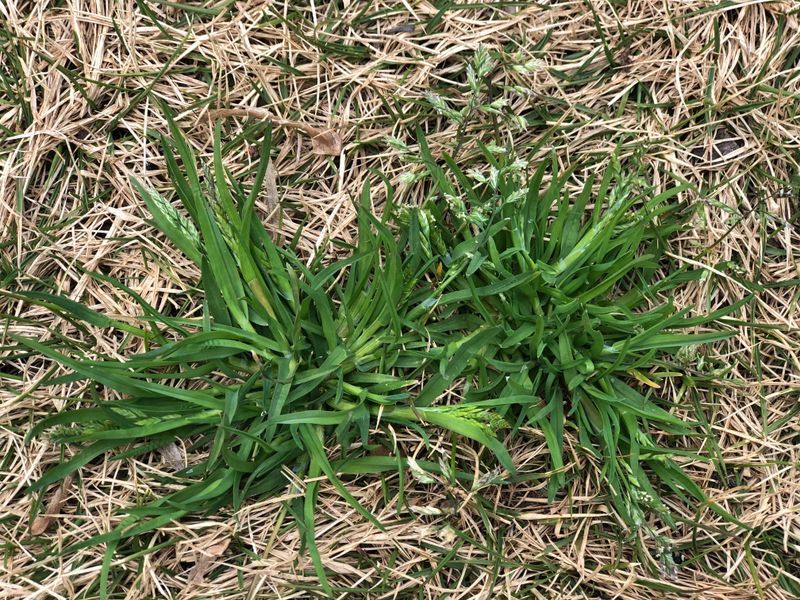
Weeds are the party guests who show up right as everyone else gets sleepy. Summer flowers fade, and many garden plants slow down or turn tan.
Bright green weeds suddenly look like someone painted them with a highlighter. That contrast makes October a great month to spot them.
The calendar matters here in California. Many winter annual weeds, such as annual bluegrass, common chickweed, and burclover, sprout after the first fall rains or cooler weather. At the same time, tough summer weeds like spurge and crabgrass may finish up and drop seeds.
So this month brings two jobs. First, pull summer weeds that carry seeds before those seeds scatter. Bag them instead of a trip to the compost pile.
Second, catch new winter weeds while they are tiny. Young weeds with shallow roots slide out much more easily, especially in slightly damp soil.
Now for a fun fact that may inspire a little extra effort. A single weed can make thousands of seeds. Some of those seeds can wait in the soil for years. A few plants pulled now can save hours of work later.
After the pull, spread two to three inches of mulch over bare soil. Mulch blocks light that many weed seeds need to sprout. It also holds moisture in place when winter rain arrives.
The weeds may think they found the perfect time to sneak in. Surprise, you were watching all along.
8. Sunburned Bark Shows Once Leaves Thin Out
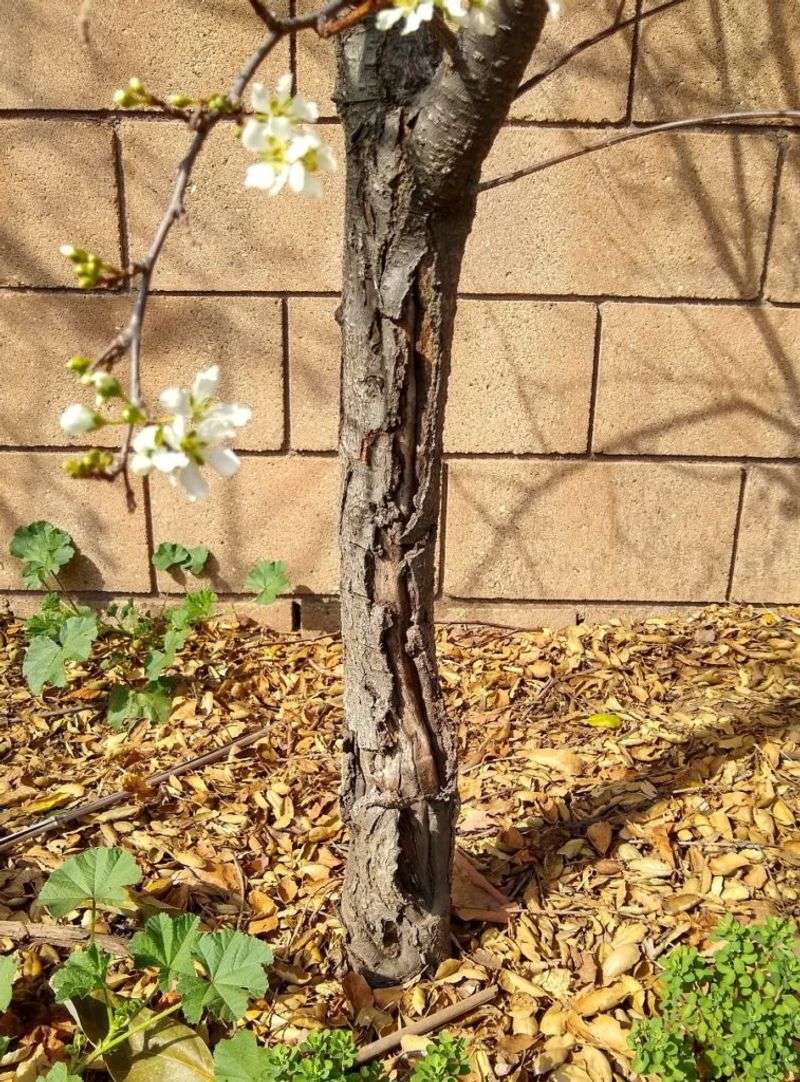
Trees can get sunburned too, and the damage often shows up long after the hot days end. Young trees, citrus, walnuts, and heavily pruned fruit trees face the biggest risk. By October, a thinning canopy reveals trunks and big limbs that stayed hidden all summer.
Sunburned bark usually appears on the south or southwest side of trunks and branches. That is where afternoon sun hits hardest. The bark may look darker, sunken, cracked, or peeling. Sometimes the wood underneath shows through.
Those wounds can let in wood-boring insects and decay fungi, so early detection helps.
Look closely at trees that lost limbs this year or dropped lots of leaves in a heat wave. Now give the bark a gentle poke, because your fingertips can pick up clues your eyes miss. Loose or hollow bark deserves a note.
Skip the urge to cut away large sections. Trees can often seal off wounds on their own over time.
Prevention is the real win. White interior latex paint, diluted with water, reflects sunlight on exposed trunks of young or at-risk trees. It is basically sunscreen for bark. Go easy on leaf removal with the pruners, and keep summer water deep and steady.
With all eight checks done, your garden heads into winter stronger. Your trees now have better sun protection than most beachgoers. They did not even need a lecture about reapplying.