Plant These Texas Strawberries In October And Pick Them By Early Spring
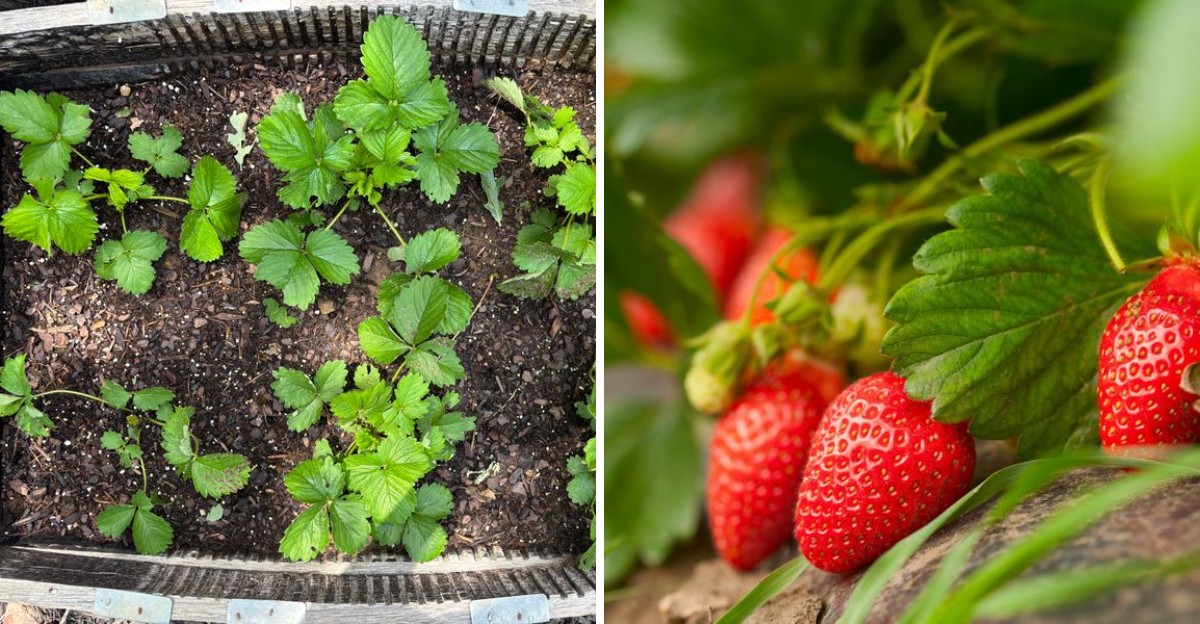
Most Texas gardeners hang up their gloves in October, convinced the fun part of the year is over. Plot twist: it is just getting started.
Picture yourself strolling outside on a mild late-winter morning and plucking a plump, glossy red strawberry straight off the plant while your neighbors are still flipping through seed catalogs.
Smug? Maybe a little. Deserved? Absolutely.
Homegrown strawberries taste like an entirely different fruit compared to the pale, crunchy ones stacked in plastic clamshells at the grocery store, and the secret to growing your own comes down to three things: smart timing, the right soil, and a bit of patience through the cooler months.
Nail those, and your patch can reward you with handfuls of sweet berries surprisingly early in the year. So grab a warm drink, get comfy, and let us dig in.
1. Fall Planting Gives Strawberries A Head Start
Gardeners in northern states plant strawberries in spring, but that plan backfires in the South. Summer heat in Texas arrives fast and stresses young plants before they ever bloom.
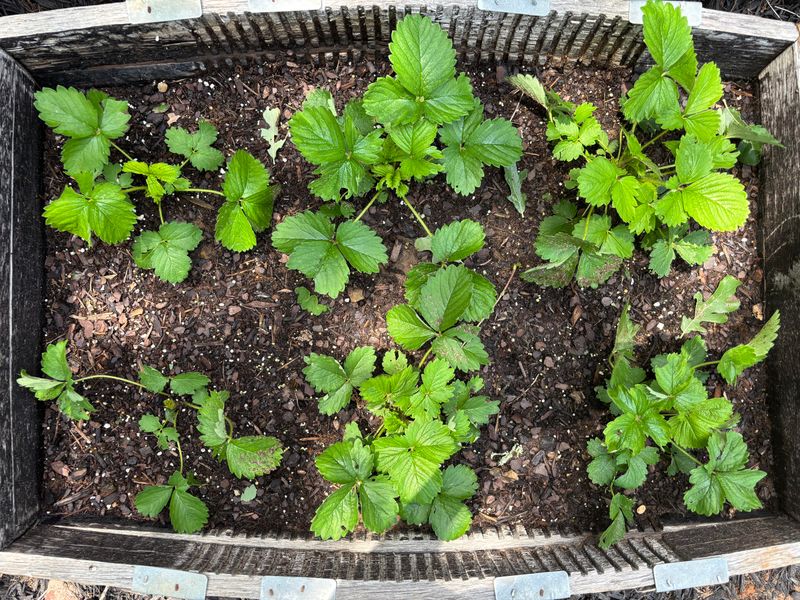
Planting in October flips the script in your favor. Roots grow strong during the mild fall weather, while the soil still holds some warmth from summer.
By the time winter shows up, your plants have settled in and built sturdy crowns. A crown is the short, thick stem where leaves, flowers, and roots all start, so a healthy one means more berries later.
Fall planting also gives you a long, cool growing window. Strawberries love temperatures between about 60 and 80 degrees during the day, which matches state’s typical fall and early spring.
Spring planting, on the other hand, gives plants only a few weeks before the thermometer climbs into the 90s. Flowers drop, fruit stays small, and leaves scorch quickly in that kind of heat.
Treat your plants like annuals rather than keeping them for years. Pull them out after the spring harvest, then start fresh with new plants each October for the best results.
2. Short-Day Varieties Do Best
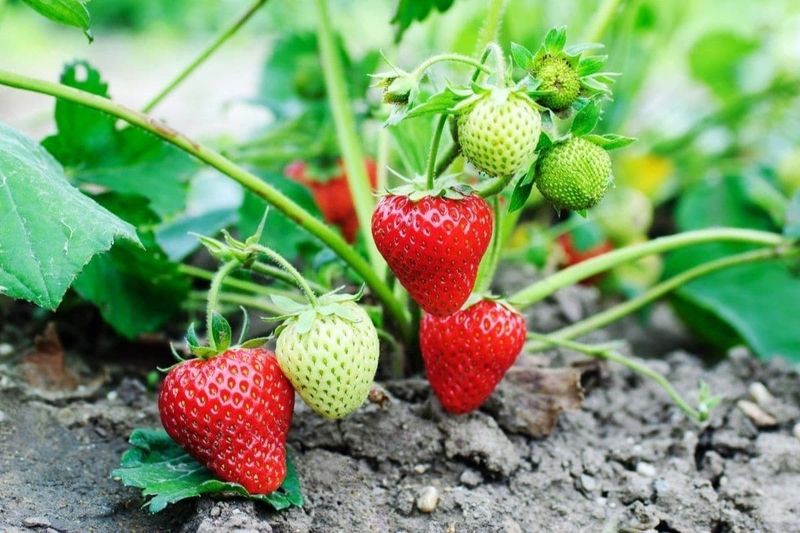
Picking the right type of strawberry might be the biggest decision you make all season. Some varieties fit Southern weather like a favorite pair of boots, while others struggle.
Short-day strawberries, also called June-bearing types, set flower buds when daylight hours shrink in fall. That habit lines up beautifully with the Texas calendar.
Chandler is a longtime favorite across the state. It produces large, glossy berries with a classic sweet flavor that tastes amazing fresh or in jam.
Camarosa is another solid pick, known for firm fruit and strong yields. Sweet Charlie ripens a bit earlier and handles warm spells well, which makes it a smart choice for southern counties.
Festival and Radiance are newer options from Florida breeding programs. Both perform well in hot climates and bring heavy crops when cared for properly.
Everbearing and day-neutral types, like Albion, can work too, especially in cooler northern parts of the state. Still, their total harvest often falls short of the short-day crowd in hotter spots.
Your Texas Garden Changes Every Week. Your Plan Should Too.
Gardening in Texas changes quickly throughout the season. Every Friday you’ll receive a simple weekly plan showing exactly what to plant, prune, fertilize, harvest, and protect so you never miss the right timing.
Look for plants at local nurseries in late September and early October. Bare-root plants and plugs both work, though plugs usually settle in faster and forgive small mistakes.
Ask nursery staff which varieties sell best in your area. Local growers often know which berries thrive in your soil and weather better than any catalog.
3. Planting Time Varies By Region
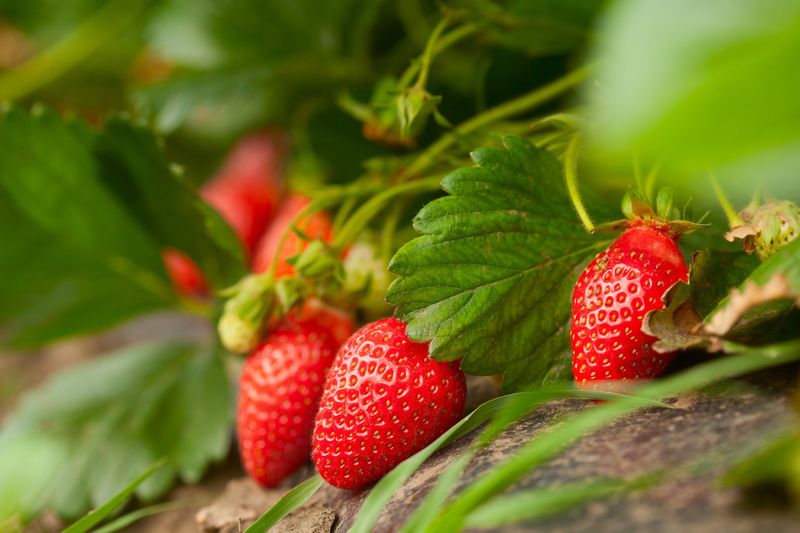
Texas is huge, stretching from the chilly Panhandle down to the warm Rio Grande Valley. Because of that, one planting date does not fit every backyard.
Gardeners in North, including the Dallas and Fort Worth area, usually plant in late September through mid October. That timing lets roots settle before the first real cold snap.
Central areas like Austin and San Antonio have a bit more breathing room. Most folks there plant from early October to early November with good success.
Along the Gulf Coast and in the Houston area, mid October through November works well. Warm soil lingers longer near the coast, so waiting a few weeks helps plants avoid heat stress.
Way down south in the Valley, many growers wait until November. Winters stay so mild there that an early start can push plants to bloom too soon.
Out west in places like Lubbock and Amarillo, cold arrives earlier and hits harder. Fall planting is possible with September timing and protected beds, but harsh High Plains winters make it less dependable, so many gardeners in that region choose to plant in spring instead.
A handy trick is to check your local county extension office. Texas A&M AgriLife Extension shares free planting guides with dates for nearly every county.
Watch the weather too. If a heat wave lingers into October, hold off a week or so until nights cool down.
4. Sun And Drainage Come First
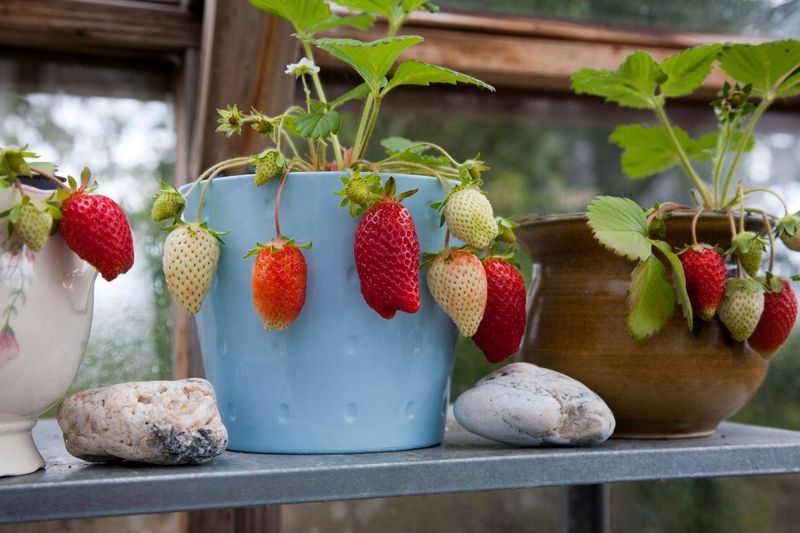
Strawberries are sun lovers with a strong dislike for soggy feet. Give them both bright light and loose soil, and they reward you handsomely.
Aim for a spot with at least six to eight hours of direct sun each day. More sunshine means more flowers, and more flowers mean more berries in your bowl.
Drainage matters just as much as light. Many parts of Texas have heavy clay soil that holds water like a sponge, which can rot roots in a rainy winter.
Raised beds offer an easy fix. Build them about eight to twelve inches tall and fill them with a blend of quality garden soil and compost.
Containers work great for small spaces, too. Pots, grow bags, and stacked strawberry towers all let water drain freely while saving room on a patio.
Strawberries prefer slightly acidic soil, with a pH around 5.5 to 6.5. Much of the state leans alkaline, so mixing in compost and peat can help balance things out.
A simple soil test from your county extension office costs little and tells you exactly what your ground needs. It takes the guesswork out of feeding later.
Skip spots where tomatoes, peppers, or potatoes grew recently. Those crops can leave behind soil diseases that strawberries pick up easily.
5. Crown Depth Matters When Planting
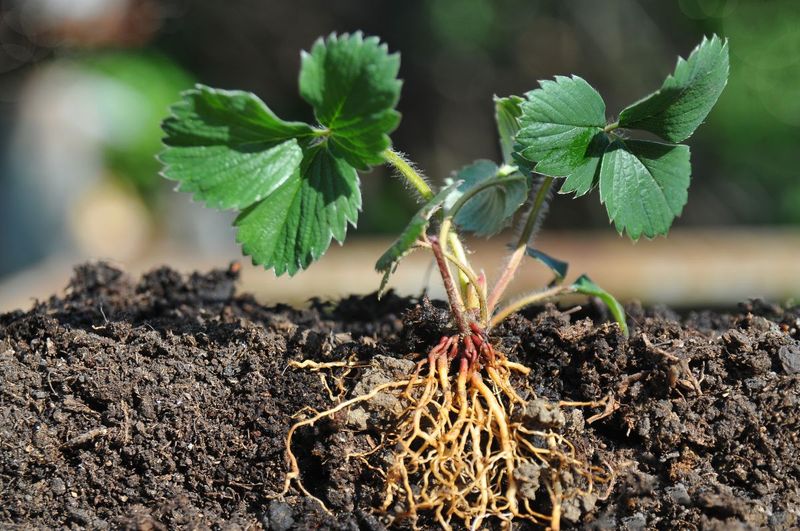
A tiny detail can make or break your whole strawberry patch. Planting depth sounds boring, but it may be the most important step of the day.
Every strawberry plant has a crown, the thick little knob where roots meet leaves. That crown should sit right at the soil line, not buried and not perched too high.
Bury it too deep, and it may rot, especially after a wet Texas cold front. Set it too high, and roots dry out and the plant struggles to anchor itself.
Think of the crown like a person standing in shallow water up to the ankles. The roots stay covered while the top stays dry and able to breathe.
For bare-root plants, dig a hole wide enough to spread the roots out like a fan. Trim any extra-long roots to about five inches so they fit without bending.
Plugs are simpler to handle. Just match the top of the root ball with the surrounding soil and press gently.
Space plants about 12 to 14 inches apart in rows. That room allows air to flow, which helps keep leaf spots and mold away.
Water right after planting to settle the soil. Then double-check each crown, since soil sometimes sinks and needs a quick adjustment.
6. Steady Water And Light Feeding Carry Plants Through Winter
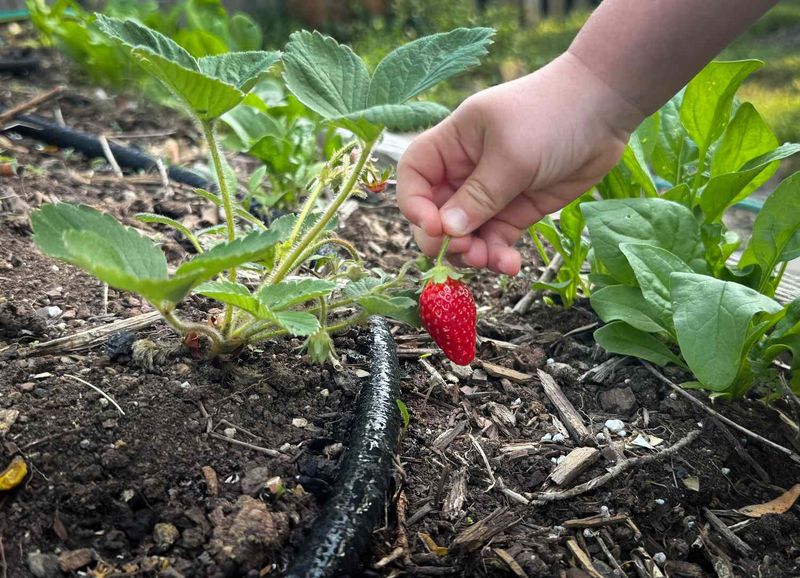
Winter might seem like a quiet season for strawberries, yet plenty happens below the surface. Roots keep growing, and buds form for the spring show.
Consistent moisture keeps that work moving along. Most patches need about one inch of water per week, coming from rain or from you.
Drip irrigation or soaker hoses are the best tools for the job. They deliver water straight to the roots and keep leaves dry, which helps prevent disease.
Texas winters can swing between dry spells and soaking rains. Poke a finger into the soil about an inch deep, and water only when it feels dry.
Feeding should stay light and gentle. Too much nitrogen pushes big, leafy plants with fewer berries, a common mistake for eager growers.
Mix a balanced fertilizer into the bed at planting time. After that, a small dose every four to six weeks during active growth is usually plenty.
Fish emulsion or a mild liquid feed works nicely in late winter as blooms start forming. Follow the label and lean toward using less rather than more.
Pinch off runners that appear during fall and winter. Those long stems steal energy that your plants could be putting into tasty fruit instead.
7. Mulch Keeps Strawberries Clean
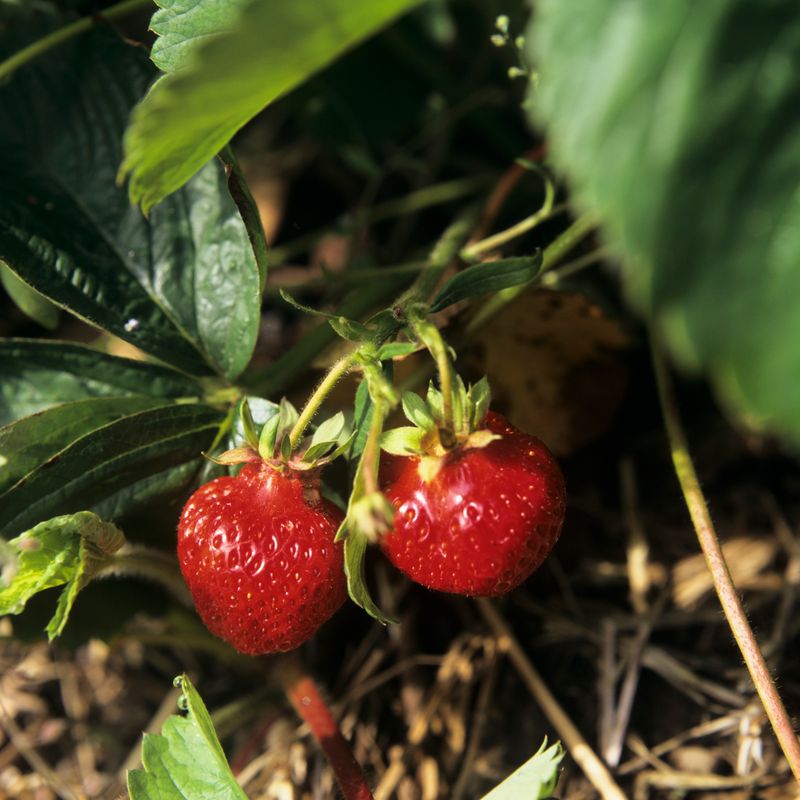
Ever wonder how strawberries got their name? One popular story says gardeners long ago tucked straw under the plants to keep fruit off the dirt.
That old habit still works wonders today. Mulch creates a clean cushion so ripening berries do not sit on damp soil and spoil.
Pine straw is a favorite choice across Texas. It stays loose, lets water through, and holds its shape well around plants.
Despite a common belief, it does very little to change soil pH, so it is best appreciated for its tidy, airy texture rather than any acidifying effect.
Wheat straw works well too, as long as it is free of seeds. Shredded leaves are a free option if you have trees shedding in the fall.
Many commercial growers use black plastic mulch. It warms the soil in winter, blocks weeds, and can bring the harvest a week or two earlier.
Spread organic mulch about two to three inches thick around your plants. Keep it just away from the crowns so they can breathe.
Mulch does more than keep fruit tidy. It holds in moisture, cools roots on sunny days, and shields them during cold snaps.
Weeds stay under control as well, which means less time bent over pulling them. Check the layer every few weeks and add more as it breaks down over winter.
8. Frost Cloth Protects Blooms
Late winter weather in Texas loves to play tricks. A sunny 75-degree afternoon can turn into a freezing night with barely any warning.
Strawberry leaves handle cold pretty well, often surviving temperatures in the low 20s. Open blossoms are another story, since they can be harmed at around 30 degrees.
A damaged flower shows a black center instead of a bright yellow one. Each lost bloom means one less berry later, so protection pays off.
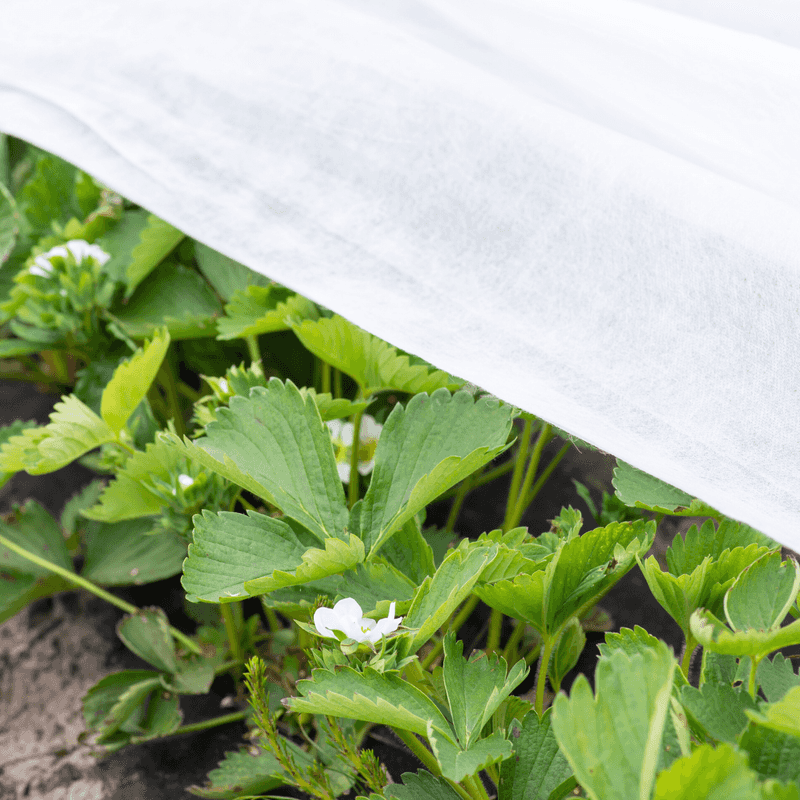
Frost cloth, sometimes called row cover, is your best friend here. This lightweight fabric traps warmth rising from the soil and can add several degrees of protection.
Drape it loosely over plants before sunset when a freeze is predicted. Secure the edges with rocks, bricks, or garden pins so wind cannot lift it.
Small hoops made from PVC or wire keep fabric from pressing on tender flowers. They also make covering and uncovering much quicker.
Remove the cloth the next morning once temperatures climb above freezing. Bees need to reach the flowers for pollination, and plants need sunlight.
In a pinch, old bedsheets or blankets will work. Just skip plastic sheeting touching leaves, because it can actually make cold damage worse.
9. Harvest Begins In Late Winter
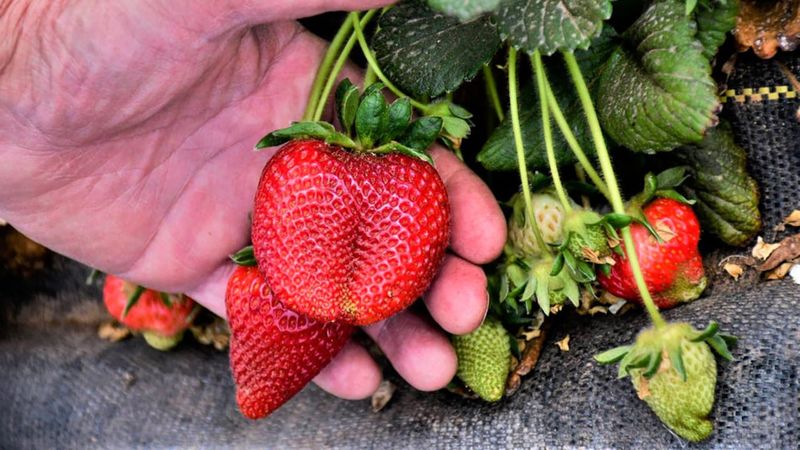
All those months of patience finally pay off in the sweetest way possible. Depending on where you live in Texas, the first ripe berries may appear in February or March.
Southern areas usually see fruit first, while northern gardens catch up by April. The season often runs strong for six to eight weeks.
Pick berries when they are fully red from tip to stem. Unlike bananas, strawberries do not keep ripening after they leave the plant.
Morning is the best time to harvest. Berries are cool and firm then, so they hold up better in the kitchen.
Pinch the stem just above the fruit instead of pulling. That keeps the plant from getting yanked and protects the flowers still waiting their turn.
Check your patch every day or two during peak season. Ripe berries left too long attract birds, bugs, and the occasional sneaky squirrel.
Bird netting can save a big part of your crop. Many gardeners lose more fruit to mockingbirds than to any pest.
Store unwashed berries in the fridge and rinse them right before eating. Extras freeze beautifully for smoothies, pancakes, or homemade jam.
Once warm weather ends production, pull the plants and add them to compost. Next October, you can start the tasty cycle all over again.