The Zone-Pushing Edibles Virginia Backyard Growers Are Trying For The First Time This Fall
Why would you plant satsuma mandarins in Virginia this October? Because you can now stretch the map.
Milder winters let you test hardy figs, pomegranates, and loquats outdoors. You garden in Virginia, where Atlantic warmth meets Piedmont chill.
Artichokes bring Italian flair to your raised beds. Olive saplings add a Spanish accent beside your fence.
Burlap, old lights, and a forecast app become your allies. Spouses will chuckle at your playful little experiment. Then you hand over a warm, sticky tart. Suddenly your fans grab seconds from the counter.
Pick sheltered spots beside sunny brick walls, where stored heat lingers overnight. Mulch roots deeply before winter arrives.
Cover tender leaves when temperatures dip low. Some experiments will pause, and you will learn fast.
Others will surprise you with fruit your neighbors admire. Plant boldly, then enjoy your sticky, warm harvest.
1. Chicago Hardy Figs For The Warmest Wall
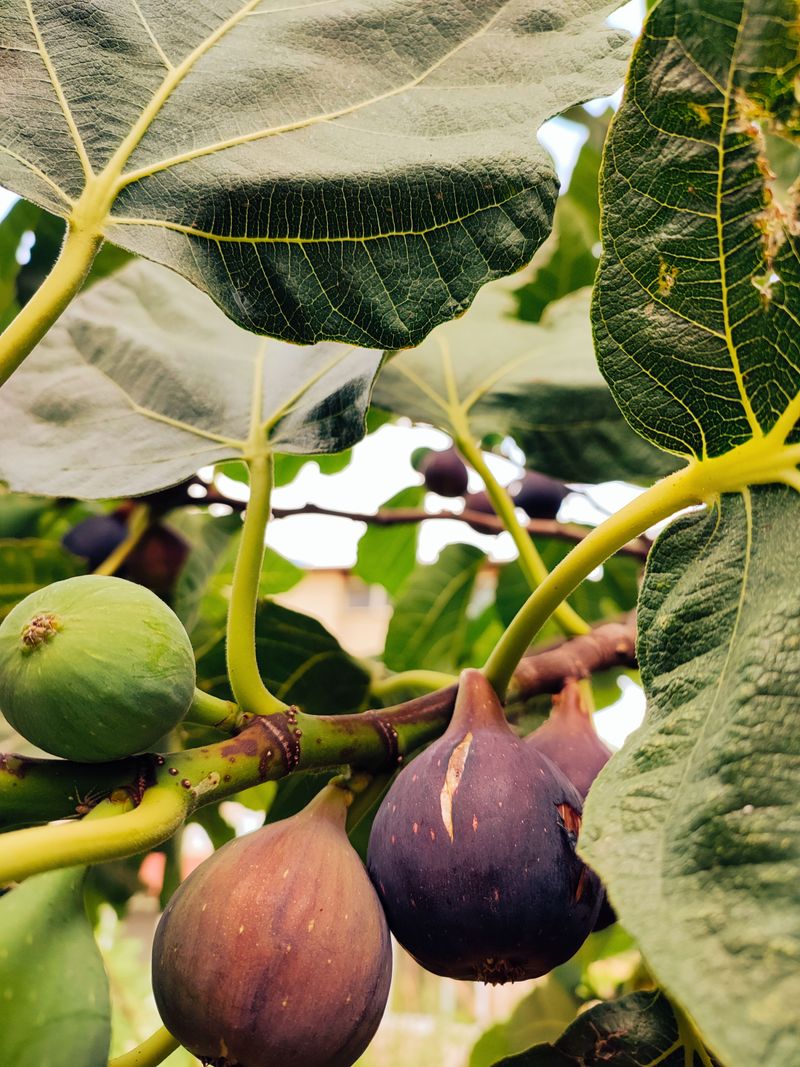
Picture a fig tree that frost cuts to the ground and still hands you fruit by fall. That regrowth ability is why Chicago Hardy has become a reliable favorite among Virginia growers.
The variety can handle winters near minus ten degrees once its roots settle in. Even when the top branches get cut back, new shoots fruit the very same summer.
In mild coastal areas, October works well, since soil stays warm while air cools. Elsewhere, spring planting gives roots a full season first. Roots keep growing underground long after leaves start dropping.
Pick the warmest spot you have, ideally against a south-facing brick wall or fence. Stored heat from the bricks radiates warmth on cold nights.
Dig a hole twice as wide as the pot but no deeper. Water deeply, then spread four inches of shredded leaves around the base.
After the first hard frost, pile extra mulch or straw over the lower trunk. Some growers wrap young trees in burlap for the first two winters.
Hold off on fertilizer until spring, because soft new growth freezes easily. A light pruning in March is plenty to keep the shape tidy.
Brown Turkey and Celeste are other tough choices if Chicago Hardy sells out locally. Celeste fruits are small but taste like honey dripped over a ripe berry.
Figs date thousands of years in the Middle East, so they know a thing or two about patience. Give yours a season or two, and the sweet payoff arrives.
2. Pomegranates For The Sunniest Slope
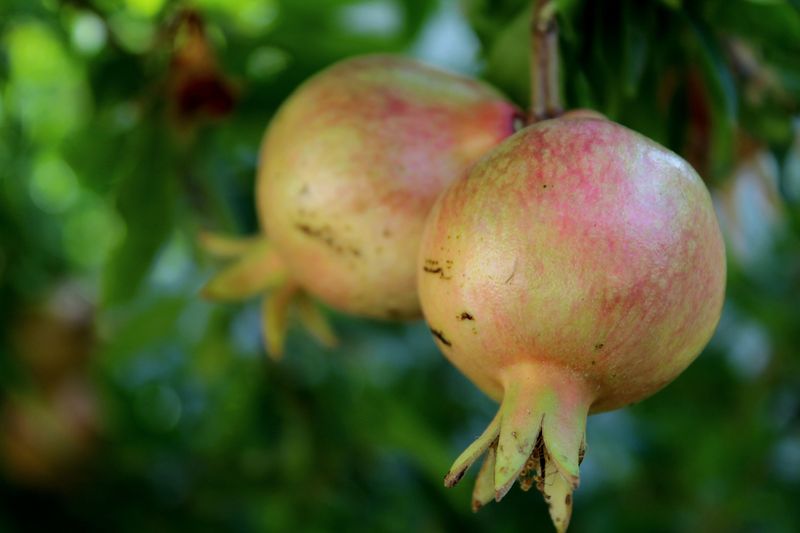
Ever cracked open a pomegranate and felt like you found a box of rubies? Growing your own in Virginia sounds wild, yet a few tough types make it possible.
Russian varieties like Salavatski and Kazake handle cold well below freezing. Grocery store types such as Wonderful struggle more here, so they suit only the mildest coastal sites.
Shrubs thrive in full sun and soil that drains fast after a rainstorm. A slope or raised bed keeps roots from sitting in soggy winter mud.
In mild coastal areas, fall planting gives the roots a head start before summer heat arrives. Plant early in October so roots settle before the ground turns cold. Elsewhere, wait for spring.
Your Virginia Garden Changes Every Week. Your Plan Should Too.
Gardening in Virginia changes quickly throughout the season. Every Friday you’ll receive a simple weekly plan showing exactly what to plant, prune, fertilize, harvest, and protect so you never miss the right timing.
Grow them as multi-stemmed bushes instead of single trunks. If one stem gets frost damage, the others keep the plant going strong.
Young plants appreciate a cozy blanket of pine straw around their base all winter. Frost cloth helps too when forecasts drop into the single digits.
Pruning is simple, just snip out suckers and crossing branches in late winter. Too much cutting reduces next year’s flowers, so keep the shears gentle.
Expect bright orange-red flowers by the second or third summer. Hummingbirds adore them, so you get free garden visitors as a bonus.
Fruit ripens in September and October, right when apples and pumpkins steal the spotlight. Harvest before heavy rains, since sudden water can make the skins split.
Ancient Greeks tied pomegranates to the story of Persephone and the changing seasons. Planting one in autumn feels a little poetic, honestly.
3. Olive Trees For The Boldest Patio
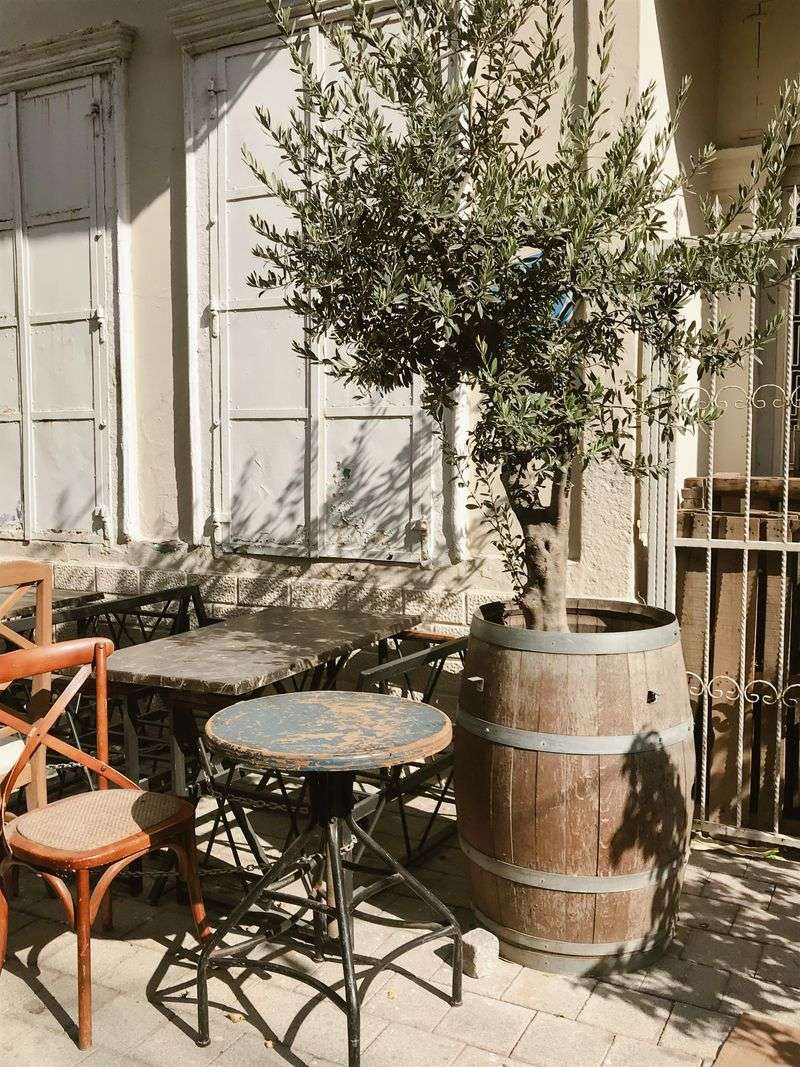
Olives in Virginia? Some neighbors may be skeptical until your silver-leaved tree shimmers in the breeze like a piece of Tuscany.
Cold-tough types like Arbequina and Mission can handle brief dips to around fifteen degrees. Long freezes below that are risky, especially for young trees.
Many growers start with a large container so the tree can move indoors if needed. An unheated garage beats a warm room, since olives need winter chill to flower.
A rolling plant caddy makes that winter shuffle easier on your back.
Garden beds work in Hampton Roads and other milder coastal areas. Folks in the Shenandoah Valley or mountains should stick with pots.
Soil must drain fast, so mix in gravel or a cactus blend. Olives are more sensitive to poorly drained soil than to cold weather.
Water deeply once a week in summer, then ease off as days shorten. Soggy roots in cold soil invite rot, so drier is safer in winter.
When nights fall below twenty degrees, wrap the trunk and cover the canopy with frost cloth. Outdoor-rated incandescent lights underneath add a little warmth. LEDs add almost none.
Arbequina is self-fertile, which means one tree can set fruit alone. Expect small clusters after three or four years of steady care.
Fresh olives taste bitter right off the branch, which surprises many first-timers. They need curing in salt water for several weeks before snacking.
Even without fruit, the soft gray leaves look stunning beside lavender and rosemary. Your patio will feel like a vacation without the plane ticket.
4. Loquats For The Coziest Courtyard
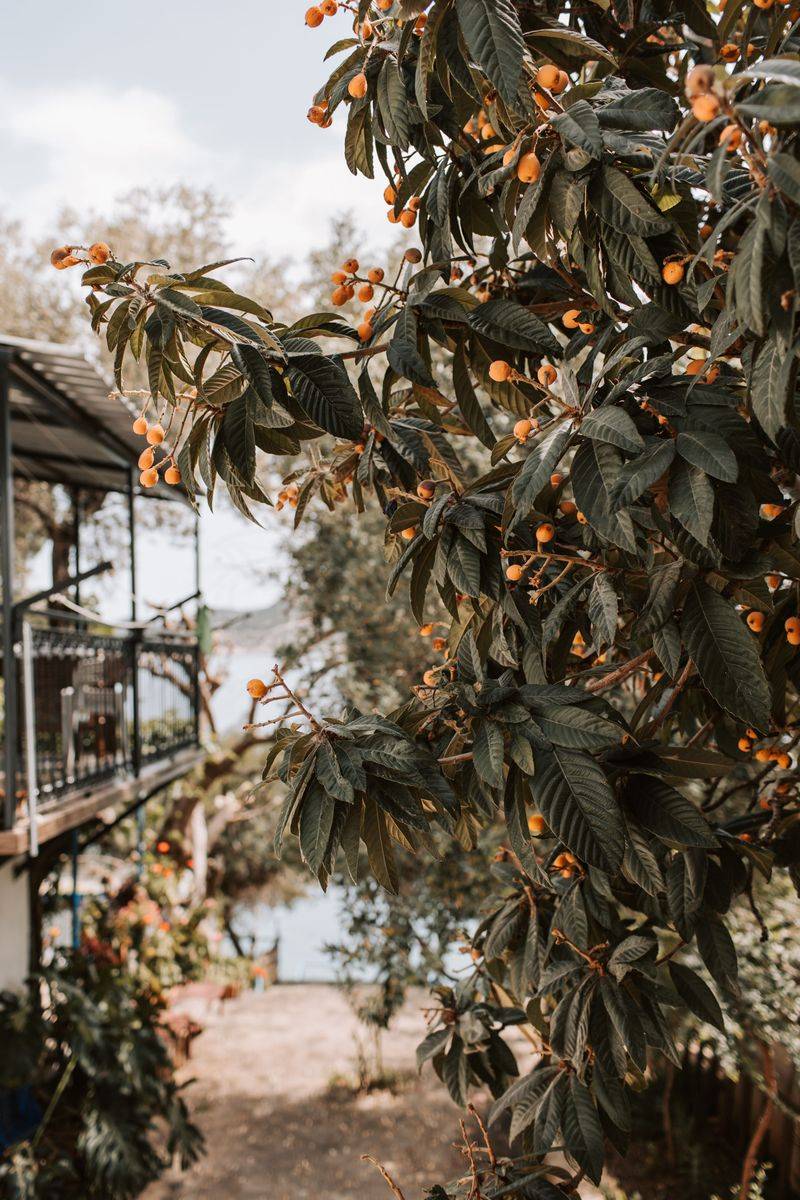
Here is a tree that blooms in November and smells like honey and almonds. Loquats flower when most other plants are dormant.
The evergreen leaves are big, leathery, and handsome all year long. Trees handle cold down to roughly ten degrees without much fuss.
Fruit is the tricky part, since blossoms and baby fruit freeze around twenty-seven degrees. Coastal Hampton Roads gardens have the best shot at a spring harvest, though fruit set depends on a mild winter.
Courtyards, corners between buildings, and spots near the house hold extra warmth. Those small pockets can mean the difference between fruit and none.
In mild coastal areas, plant in early fall while the soil still holds summer warmth. Elsewhere, spring is safer. Loquats like rich soil, regular water, and at least six hours of sun.
From the start of bloom in November through March, toss a frost blanket over smaller trees during cold snaps. Clip it with clothespins so the wind does not steal it.
Ripe loquats are golden, juicy, and taste like a mix of peach, citrus, and mango. Many people eat them fresh right off the tree, skin and all.
Seeds are large and should be tossed, not eaten. Kids love spitting them, though, so plan for a few surprise seedlings.
Even in years with no fruit, the tree still earns its spot. Bees buzz around the winter blooms when little else is open for business.
In Japan, loquats have been grown for over a thousand years. Some families there treat the first spring fruit like a small celebration.
5. Satsumas For The Brightest Porch
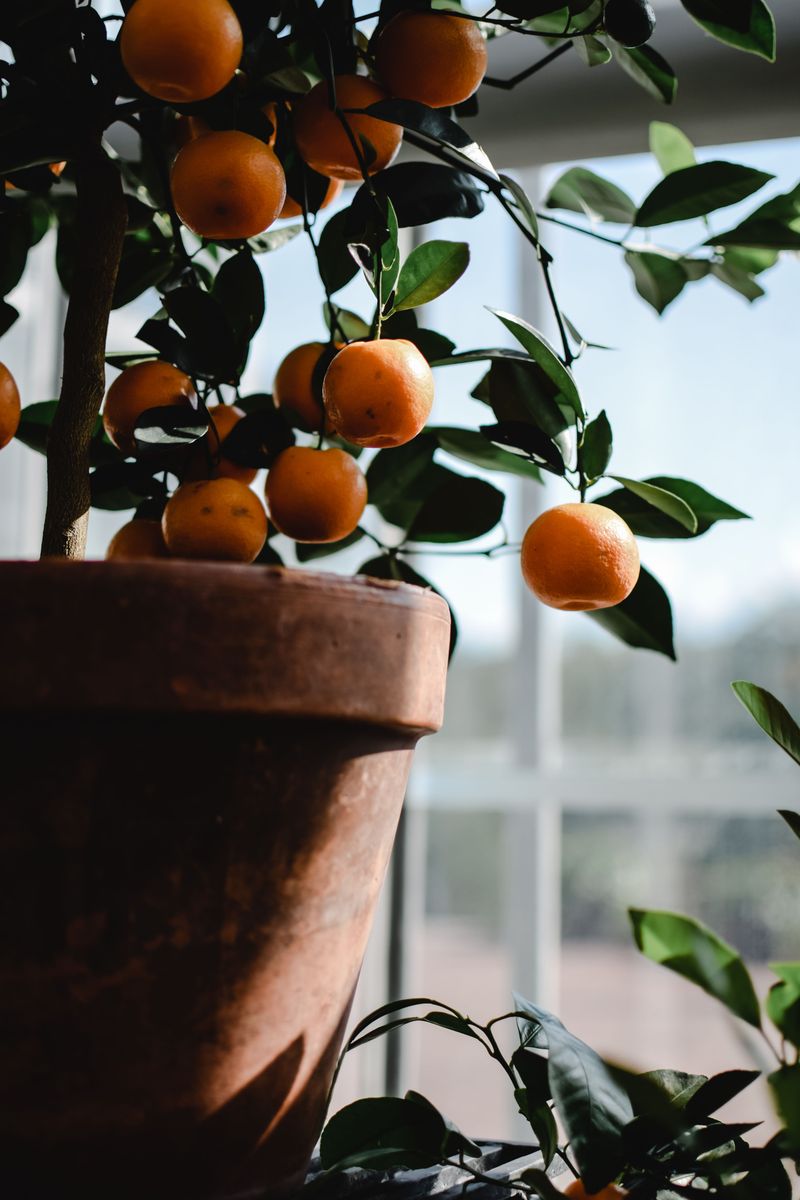
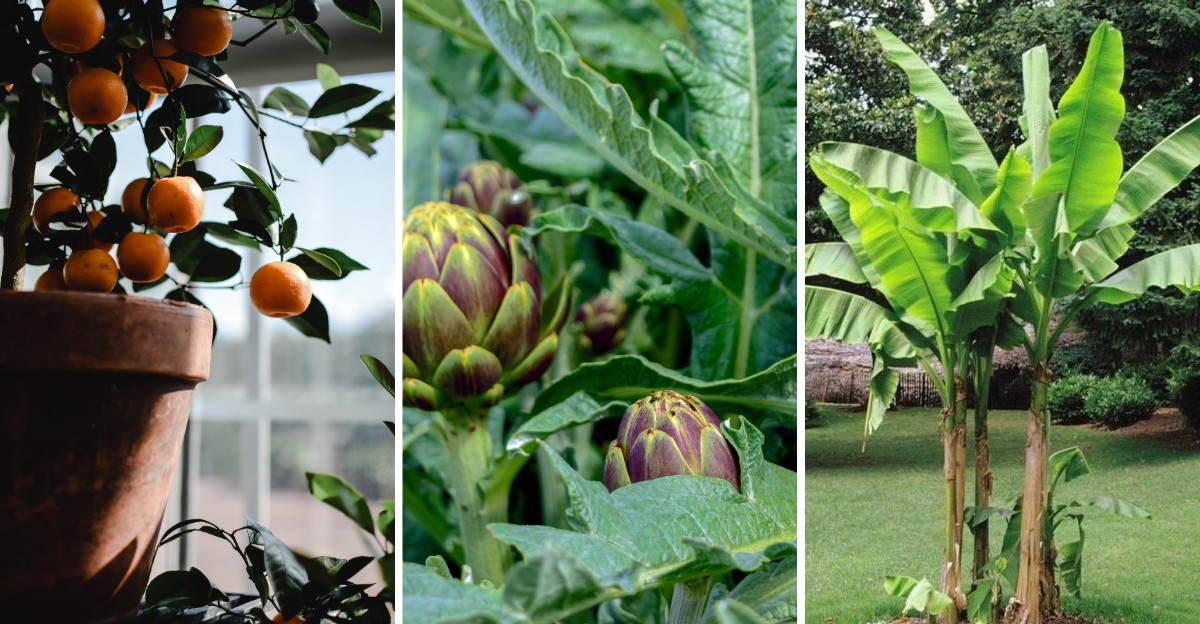
Imagine peeling a sweet, nearly seedless mandarin that grew twenty steps from your back door. Satsuma mandarins are making that dream real for Virginia growers.
Satsumas rank among the toughest citrus, handling short dips into the low twenties. Varieties like Owari and Miho Wase are favorites for colder areas.
Many Virginia gardeners grow them in large pots on wheels. Warm days mean porch time, and nights near twenty-eight degrees mean a quick roll into the garage.
Use a pot at least fifteen gallons with plenty of drainage holes. A citrus potting mix keeps roots airy, light, and happy all season.
October brings ripening fruit that turns from green to bright orange. Taste one first, since flavor often arrives before full color.
Bring the tree inside when forecasts dip below twenty-eight degrees. A bright window or grow light keeps leaves green until April.
Indoor air gets dry in winter, so set a tray of pebbles and water nearby. Spider mites love dry rooms, so check leaf undersides weekly.
The blossoms smell incredible, filling a whole room with sweet perfume. Many owners say the scent alone is worth the hauling.
Some growers in Virginia Beach plant satsumas in the ground near south walls. They protect trunks with mulch and wrap them during hard freezes.
Citrus fertilizer every six weeks from spring through summer keeps fruit coming. Skip feeding in winter, when the tree is resting.
Japanese growers have loved satsumas for centuries, often enjoying and gifting them in winter. Your own crop makes a pretty cheerful holiday present too.
6. Pineapple Guavas For The Friendliest Hedge
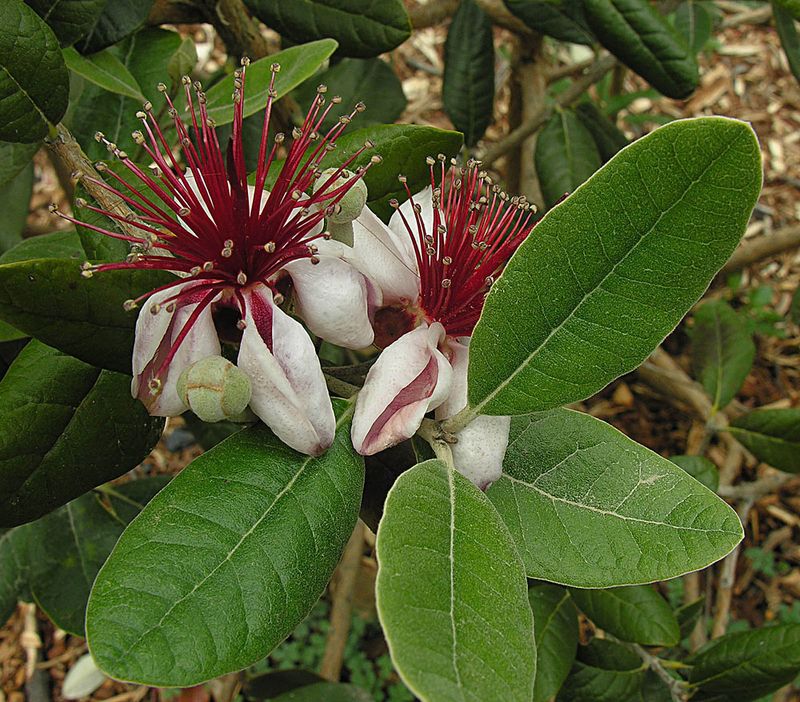
Bite into a feijoa and your taste buds may get confused in the best way. Flavors of pineapple, mint, and strawberry swirl together in one small green fruit.
Pineapple guava hails from South America but handles cold surprisingly well. Mature shrubs shrug off temperatures near ten to fifteen degrees.
Shrubs stay evergreen, with gray-green leaves and fuzzy silver undersides. Many Virginia growers use them as a pretty, edible hedge along fences.
In mild areas, fall planting works well, since cooler weather lowers stress on new roots. In colder pockets, spring is safer. Water weekly until the ground freezes, then let nature handle the rest.
Flowers show up in late spring with fluffy red centers and thick pink petals. Those petals are edible and taste like marshmallow candy.
Plant at least two different varieties for better pollination and bigger crops. Apollo, Nazemetz, and Coolidge are popular names to look for.
Fruit ripens in October and November, dropping to the ground when ready. Lay a thick layer of mulch underneath to catch them softly.
Scoop out the jelly-like center with a spoon for the simplest snack. Some cooks blend the pulp into smoothies, jams, or bubbly drinks.
Deer often leave these shrubs alone, which is a real advantage in rural Virginia. Pests and diseases cause few headaches, making them friendly for beginners.
Pruning is optional, though a light trim after flowering keeps hedges tidy. Shaped plants also make picking easier when harvest season arrives.
Give them full sun and well-drained soil for the best harvest. A sheltered spot helps young plants through their first couple of winters.
7. Globe Artichokes For The Richest Bed
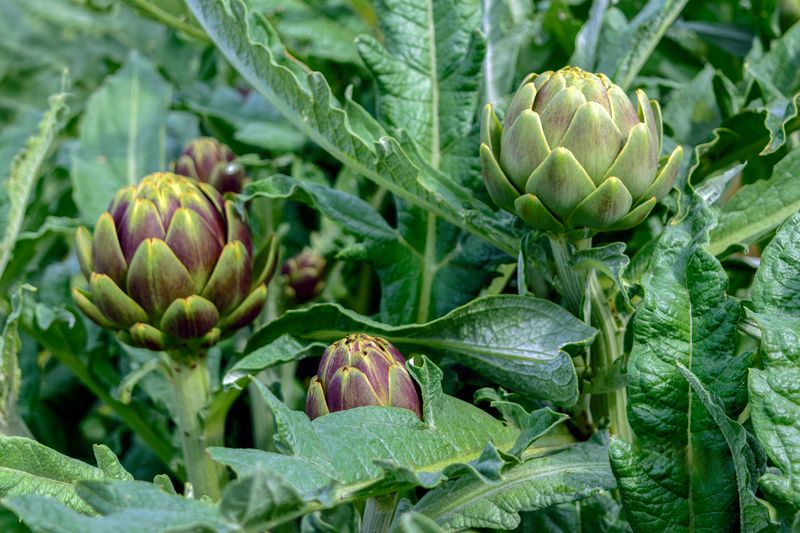
Artichokes look like something a dinosaur might snack on, with spiky silver leaves reaching three feet wide. Garden visitors often stop and stare.
Artichokes are usually associated with coastal California. Yet gardeners in milder parts of Virginia are succeeding by treating them like tough perennials.
Green Globe Improved is the better pick for overwintering as a perennial. Imperial Star is bred to fruit in its first year and is usually grown as an annual. Some types can survive winters down to around ten degrees with protection.
Rich, loose soil packed with compost is key for these hungry plants. Raised beds drain well, which keeps crowns from rotting in winter rain.
In mild coastal areas, plant young starts or divisions in October so roots can settle in. Elsewhere, plant in spring. Space them about four feet apart, since they grow huge.
After a few frosts, cut the leaves down to about a foot tall. Cover the crown with an upside-down bushel basket, then pile shredded leaves on top.
Pull back the cover in late March or April, once hard freezes are over. Fresh silver leaves will push up quickly as the days warm.
The part you eat is a flower bud, picked before it opens. Harvest when the bud is tight, firm, and about the size of a fist.
If you miss a few, they bloom into giant purple thistles that bees adore. Many growers leave one or two open just for the show.
Steam the buds, dip each leaf in garlic butter, and scrape off the soft part with your teeth. Homegrown ones taste sweeter than store-bought, many gardeners say.
8. Hardy Bananas For The Wildest Corner
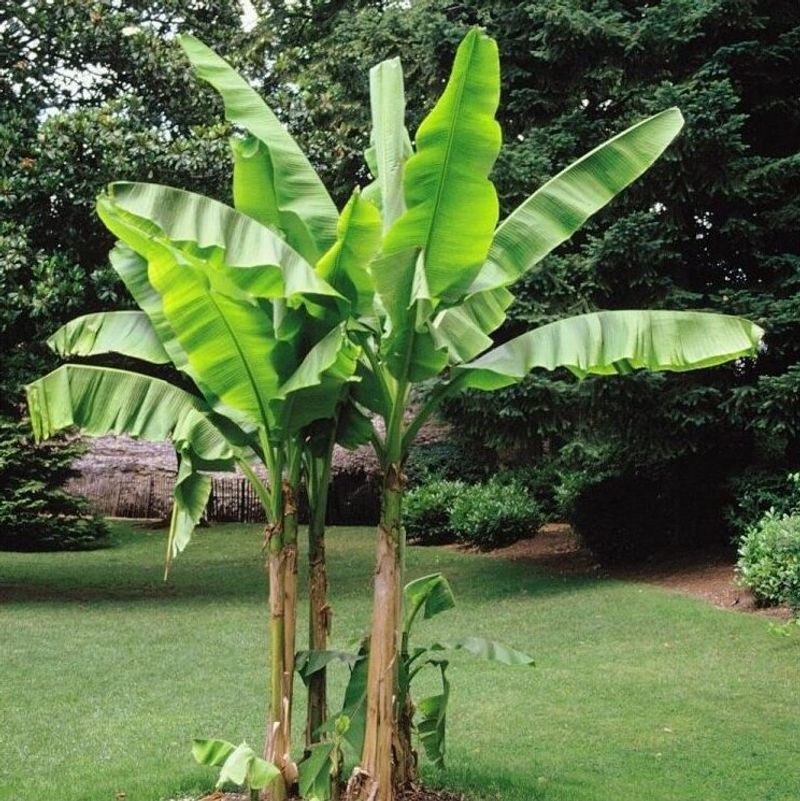
Few plants turn heads on a suburban street like banana leaves waving over a Virginia fence. Musa basjoo, the Japanese fiber banana, makes that tropical scene possible.
Roots survive winters down to around minus ten degrees when mulched well. Leaves turn brown after frost, but new stems shoot up each spring.
Established plants can grow ten to twelve feet tall in one summer. Watching them stretch feels like a garden magic trick.
Let us be honest about the fruit, though. Basjoo bananas are small, seedy, and unlikely to ripen in Virginia.
Gardeners grow them anyway for the leaves, which can wrap fish, rice, or tamales for steaming, though they are thinner than store-bought banana leaves. Use only unsprayed leaves. Choose a corner sheltered from strong wind, which tears the large leaves.
Late spring is the best time to plant potted starts, since bananas root fastest in warm soil. Pick a spot with full sun and rich, moist ground.
After the first frost turns leaves mushy, cut stems down to about two feet tall. Then build a cage of chicken wire around them and fill it with leaves. Cap the top with a waterproof cover so the leaves stay dry and do not rot.
That leafy tower insulates the trunk, letting it regrow faster in spring. Some growers even keep stems tall to get a head start.
Feed generously in summer with compost or balanced fertilizer, since bananas are hungry plants. Water often during hot spells to keep growth lush.
Pair them with cannas, elephant ears, and ginger for a jungle vibe. Your backyard may start drawing more curious neighbors than the ice cream truck.