Virginia Gardeners Swear By These 8 Rat-Repelling Plants
Rats do not announce themselves. They slip in quietly, and by the time you notice the damage, they have already made themselves at home.
I still can’t believe how quickly they can expose every weak spot in a garden. After finding gnaw marks near my raised beds, I started rethinking everything about my yard setup. That experience pushed me toward something far smarter than traps or sprays.
Virginia’s four-season climate is genuinely generous to gardeners, and it turns out, several plants thrive here that rats find absolutely unbearable. Pungent oils, bitter compounds, sharp herbal scents are nature’s own eviction notices.
These aromatic plants may help make garden edges and entry points less inviting to rats, though they work best alongside sealing gaps, removing food sources, trimming cover, and proper pest management.
A well-planted border does quiet, tireless work. Plant smarter, not harder. Rats never saw the garden coming.
1. Lavender
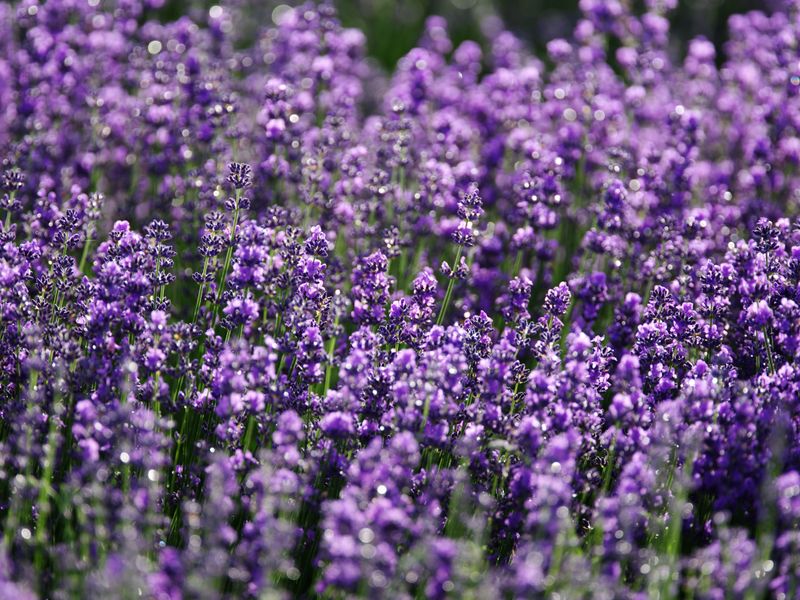
Rats avoid lavender with a passion that borders on dramatic. The same sweet, calming scent that humans adore sends rodents scrambling in the opposite direction.
Lavender contains linalool and linalyl acetate, two compounds that overwhelm a rat’s sensitive nose and make your garden feel like a no-go zone.
Plant a row of lavender along your garden borders or near entryways, and you create an invisible scent barrier that rodents simply refuse to cross.
Virginia’s warm summers and full sun suit lavender perfectly, and well-drained soil is easy to find across most of the state.
English varieties like Hidcote and Munstead are especially well-adapted to Virginia’s climate and handle the occasional cold snap without much fuss.
Plant them in raised beds or along walkways where the scent gets a chance to drift. Beyond pest control, lavender attracts pollinators like bees and butterflies, so your garden becomes more productive and beautiful at the same time.
Trim the plants back after each bloom cycle to encourage fresh growth and keep the scent strong and potent.
Dried lavender bundles placed near garage doors, basement vents, or garden sheds add another layer of protection where fresh plants cannot reach.
One gardener in Richmond reported a noticeable drop in rodent activity just two weeks after planting a lavender border around her raised vegetable beds. Sometimes the simplest solutions smell the best.
2. Rosemary
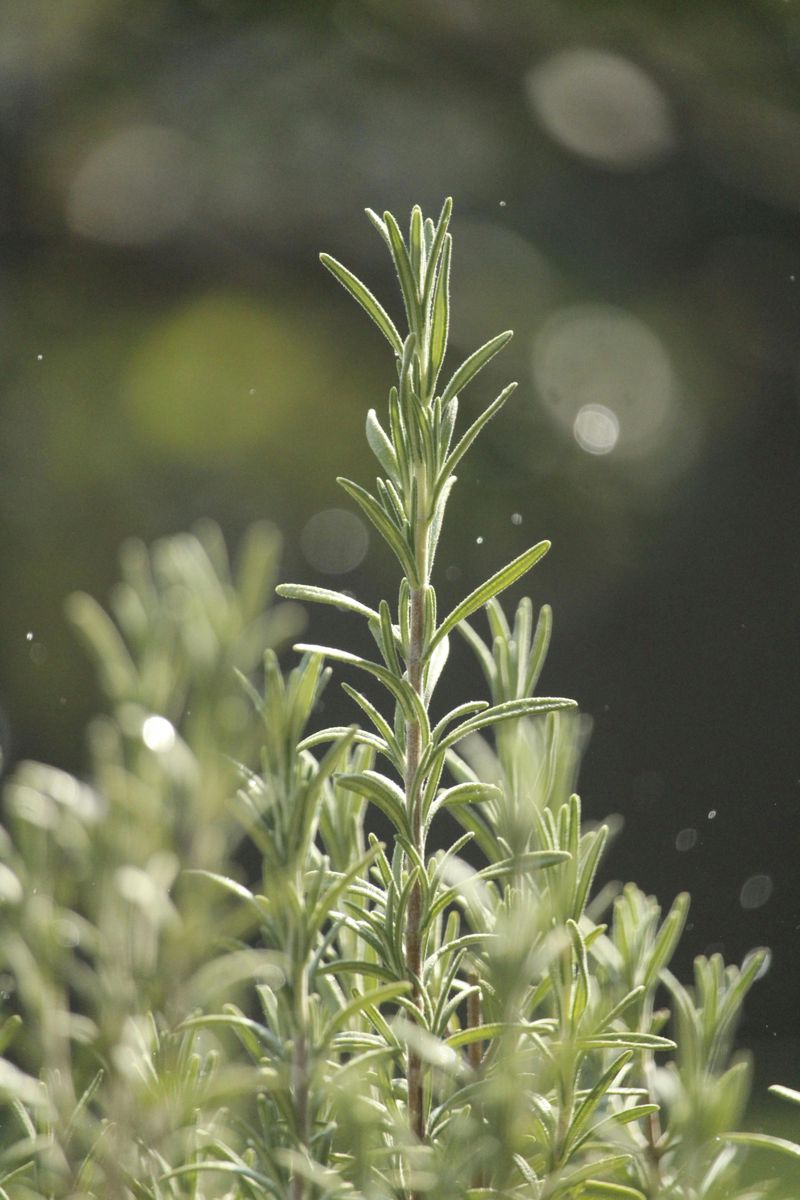
Rosemary smells like Sunday dinner to us, but to rats, it is pure misery. The sharp, resinous aroma from its needle-like leaves contains camphor and cineole. These two compounds irritate a rodent’s respiratory system and send them elsewhere.
Planting rosemary near your vegetable garden or around the perimeter of your home is a practical and fragrant way to discourage unwanted visitors.
Here is the real bonus for Virginia gardeners: rosemary is tough. It handles Virginia’s hot, humid summers without wilting and survives winters well in central and southern parts of the state.
In northern Virginia, Zones 5b through 6a, treat it as a tender perennial and mulch heavily or bring potted plants indoors before hard freezes.
Your Virginia Garden Changes Every Week. Your Plan Should Too.
Gardening in Virginia changes quickly throughout the season. Every Friday you’ll receive a simple weekly plan showing exactly what to plant, prune, fertilize, harvest, and protect so you never miss the right timing.
Place it in a spot with at least six hours of sunlight and soil that drains well, and it will reward you with years of growth.
Varieties like Arp and Salem are particularly cold-hardy and have been tested successfully throughout the mid-Atlantic region.
Rosemary grows into a full, bushy shrub over time, which means a single planting can cover a large area and provide continuous scent.
For extra coverage, tuck sprigs of fresh rosemary near compost bins, outdoor trash cans, or anywhere you have noticed rodent activity before.
You can also dry the cuttings and place them in mesh bags near basement windows or crawl spaces for an indoor deterrent that actually works. Cooking with it is just a bonus that makes the whole effort feel even more worthwhile.
3. Marigold
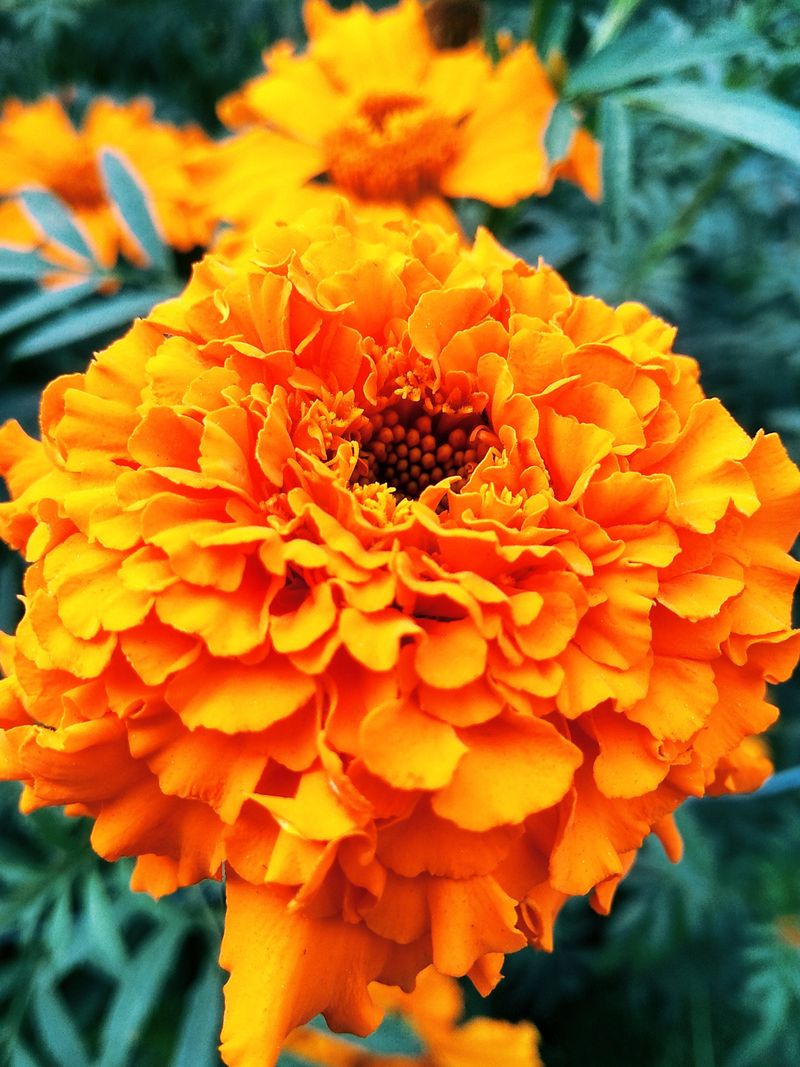
Marigolds are the overachievers of the garden world. They repel rats, deter nematodes, confuse aphids, and look absolutely stunning while doing all of it.
The secret is in their roots and leaves, which produce a sharp, pungent blend of terpenes and alpha-terthienyl compounds that rodents find deeply offensive.
Rats rely heavily on scent to navigate, and marigolds essentially scramble their GPS. For Virginia gardeners, marigolds are a dream plant.
They thrive in the state’s warm growing season, which runs from late spring through early fall, and they ask for very little in return.
Full sun and average soil are all they need to produce a non-stop display of gold, orange, and rust-colored blooms from June through October.
Plant them densely around vegetable beds, fruit trees, or compost areas where rats are most likely to snoop around.
African marigolds tend to grow larger and produce a stronger scent, making them the better choice for deterrence purposes.
French marigolds work well in containers and tighter spaces where you need targeted protection without taking up too much room.
Remove the spent flowers regularly to keep the plants blooming and the scent concentration at its highest.
One practical trick is to crush a few leaves and rub them along fence posts or garden edges where you have spotted rodent trails. The concentrated scent acts like a warning sign that most rats take very seriously.
4. Sage
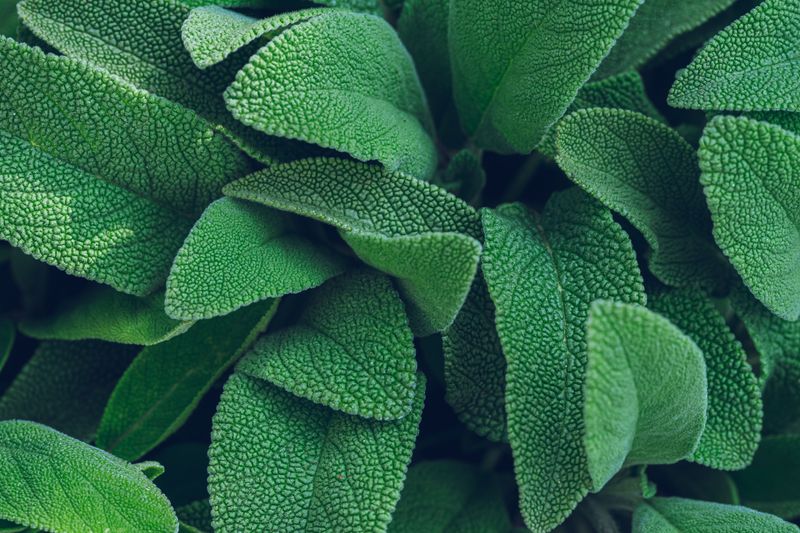
Sage earns its place quietly in the rat-deterrent garden. The strong volatile oils in sage, particularly thujone and camphor, are overwhelming to rodents whose sense of smell is many times more powerful than ours.
What smells pleasantly earthy to you feels like far too much for a rat’s nose. Virginia’s climate suits sage extremely well.
It performs best in full sun with fast-draining soil, and the state’s warm summers allow it to grow into a substantial, woody shrub over time.
Plant it near doorways, garden sheds, or along the edges of raised beds where rats are most likely to travel.
Sage also pairs beautifully with rosemary and lavender, so combining them creates a multi-layered scent barrier that is harder for rodents to ignore.
Once established, sage is remarkably low-maintenance and drought-tolerant, making it a great choice for gardeners who want results without constant upkeep.
Rub a few fresh leaves near known entry points or rodent trails to release an immediate burst of deterrent scent.
Harvest it regularly to keep the plant producing fresh, potent growth all season long. A well-tended sage plant is both a kitchen staple and a quiet guardian of your garden.
5. Mint
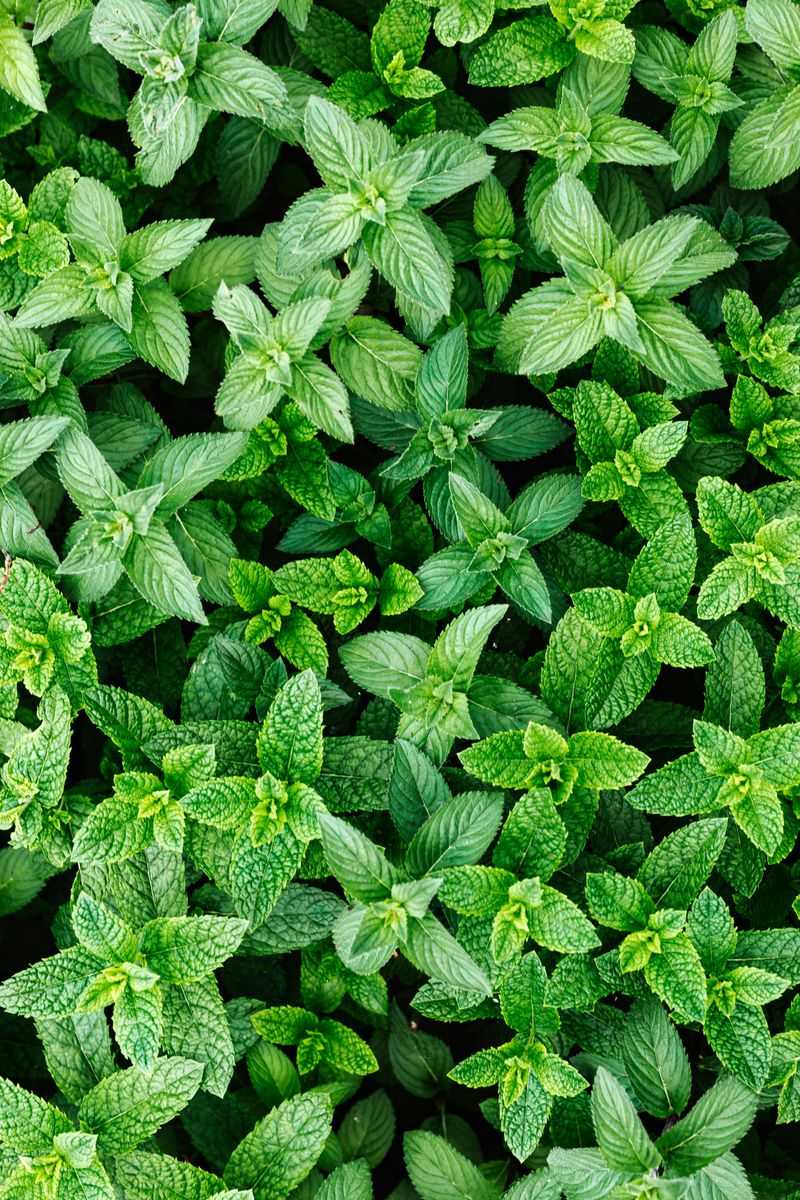
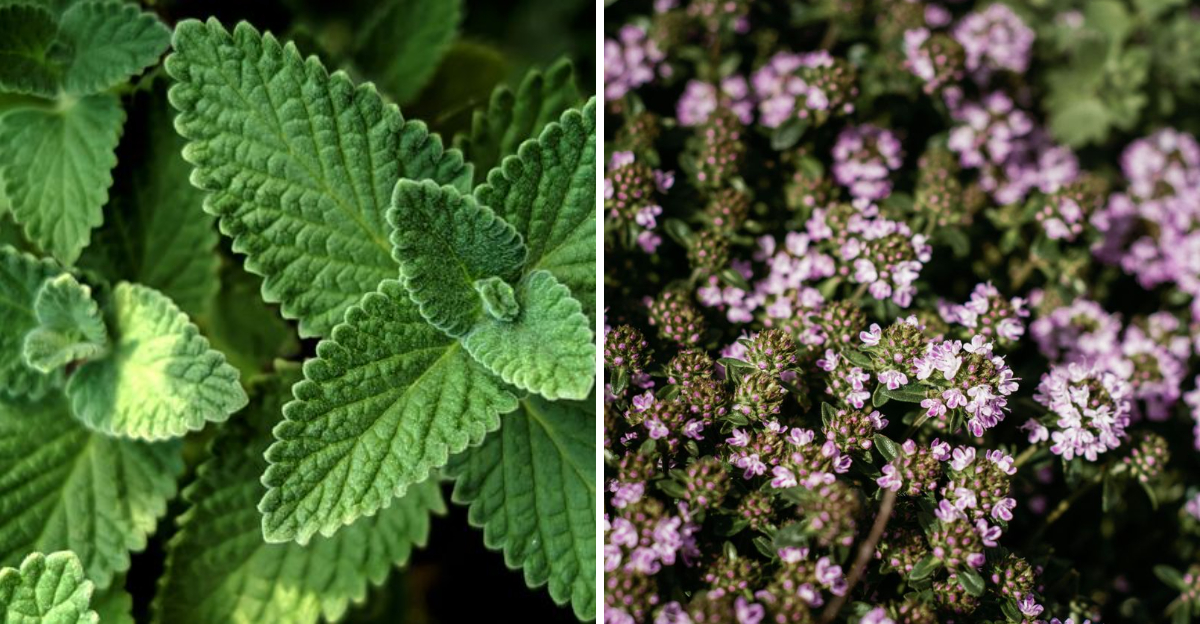
Mint does not look like much of a threat. But the sharp, cooling scent it releases is one of the most effective natural rat deterrents you can grow, and it has been used for exactly that purpose across cultures for generations.
The active compounds in peppermint and spearmint, primarily menthol and pulegone, are deeply irritating to a rat’s sensitive respiratory system.
A rat navigates largely by scent, and mint overwhelms that system fast. Areas where mint grows are areas rats tend to avoid entirely.
Virginia’s climate suits mint extremely well. It thrives in Zones 5 through 8, tolerates the state’s humid summers without complaint, and comes back reliably each spring.
Peppermint and spearmint are the varieties to reach for. Both produce the strongest scent concentration and are safe around children and pets, unlike pennyroyal mint, which should be avoided entirely.
Here is the one thing every Virginia gardener needs to know before planting mint in the ground: do not do it without a root barrier. Mint spreads aggressively through underground runners and will take over a bed faster than most people expect.
Plant it in containers, or install a solid root barrier at least 10 inches deep if planting directly in soil.
Place containers along garden borders, near compost bins, or beside entry points where rodent activity is most likely.
Brush the leaves occasionally to release a fresh burst of scent and keep the deterrent effect working consistently. Mint is low-maintenance, genuinely effective, and pulls double duty in the kitchen too.
6. Catnip
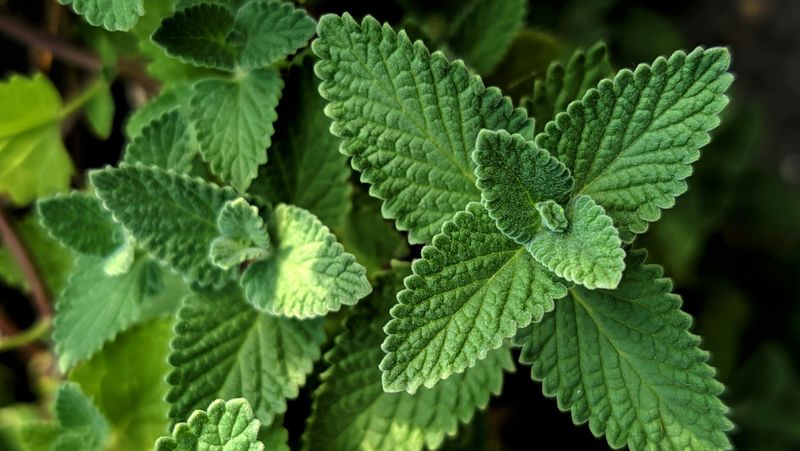
What cats find appealing, rats tend to avoid. Nepetalactone, the active compound in catnip, has been studied for its pest-repelling properties.
Field observations consistently show that rats avoid areas where catnip grows or has been freshly disturbed. Rats find the scent deeply unsettling, and they tend to avoid areas where catnip grows or has been recently applied.
Planting catnip around the edges of your garden creates a scent perimeter that rodents do not want to test. It grows vigorously in Virginia’s climate, loving full sun to partial shade and tolerating the state’s humid summers with ease.
If you have outdoor cats in the neighborhood, they will absolutely find your catnip patch and stage a very enthusiastic takeover.
A wire cage or barrier keeps feline visitors out while the plant does its pest-control work. Catnip is considered invasive in parts of the mid-Atlantic region, including Virginia, and will spread aggressively if left unchecked.
Growing it exclusively in containers is strongly recommended, not just a preference. Crush a few fresh leaves near garbage cans, compost bins, or garden borders for an immediate scent boost.
Dried catnip in small cloth bags works well tucked into corners of sheds, garages, or crawl spaces where fresh plants cannot grow. It is affordable, easy to grow, and surprisingly powerful for something that looks so innocent.
7. Lemon Thyme
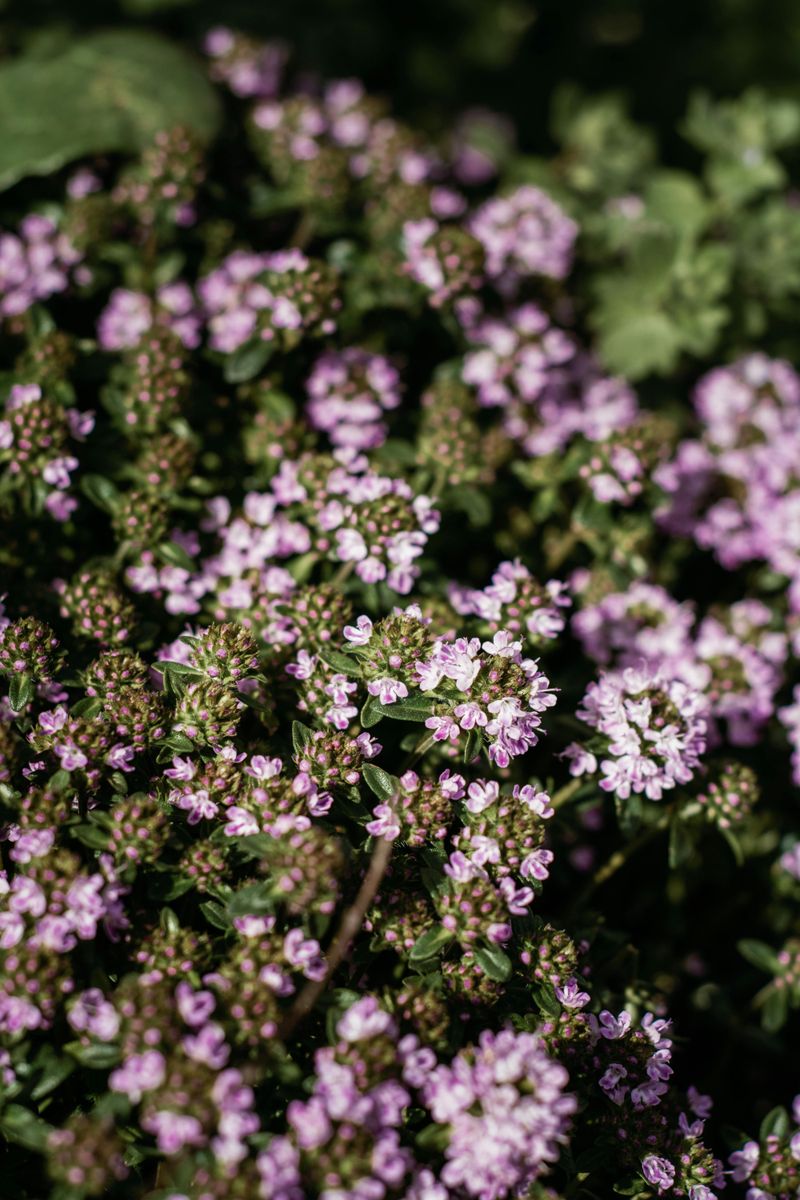
There is something almost sneaky about lemon thyme. It looks delicate, hugs the ground, and produces tiny flowers that seem harmless.
Yet the citrus-sharp scent it releases is one of the most effective natural rat deterrents you can grow.
Rats have a strong aversion to citrus-based scents, and lemon thyme delivers that in concentrated form every time the wind moves through it. Virginia gardeners will find lemon thyme easy to love and easy to grow.
It prefers full sun and well-drained soil, and it handles the state’s warm, humid summers without much complaint.
Plant it along garden paths, between stepping stones, or at the base of larger plants where rats might otherwise find cover. More foot traffic means more scent, so high-traffic areas are actually its sweet spot.
It is perennial in most of Virginia, meaning it comes back each spring without replanting, giving you year-round coverage with minimal effort. Small investment, big results, and your roasted chicken will thank you too.
8. Garlic
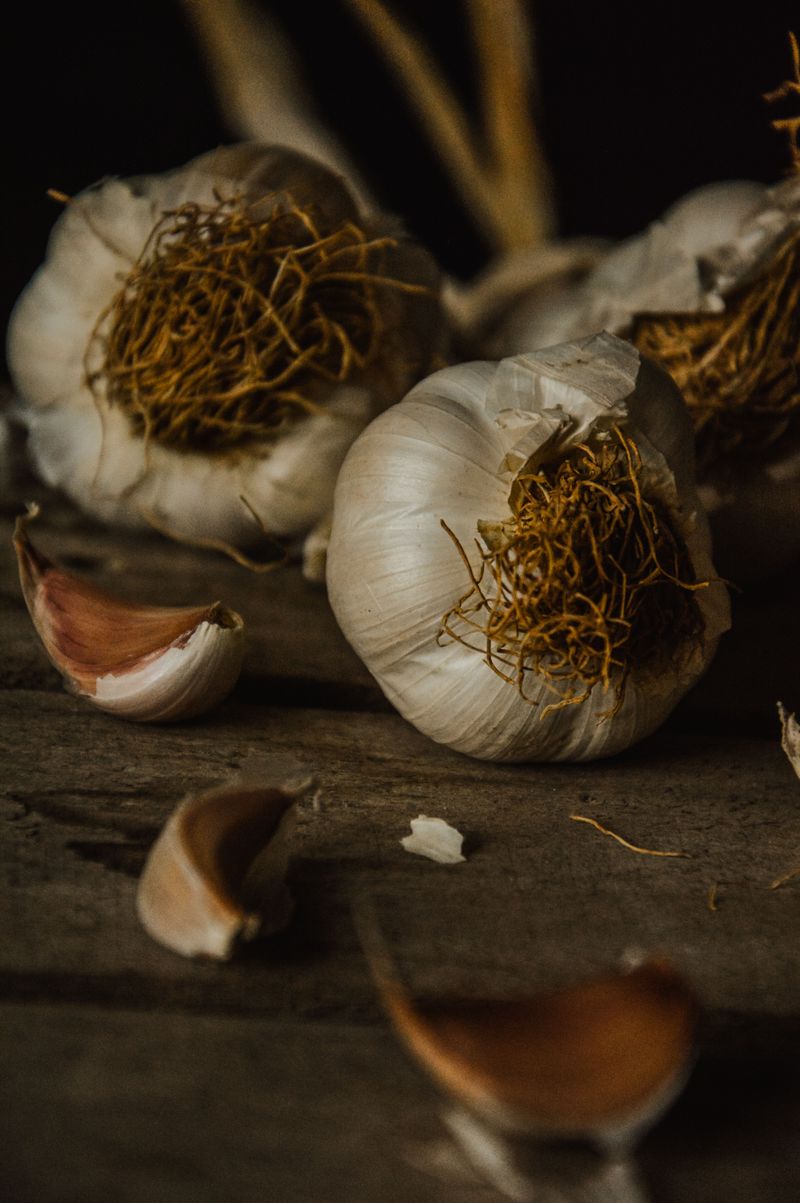
Garlic does not just ward off vampires in old movies. The same sulfur compounds that give garlic its powerful, pungent aroma are genuinely repulsive to rats.
Allicin in particular has been used as a natural pest deterrent across cultures for generations. A rat’s nose is so sensitive that even a small amount of garlic scent nearby is enough to make them choose a different route entirely.
Growing garlic in Virginia is surprisingly straightforward, and the timing works in your favor. Plant garlic cloves in the fall, between October and November, and they will overwinter quietly before pushing up green shoots in early spring.
By late June, you will have a full harvest ready to pull and months of scent-based protection during the peak rodent season.
Tuck garlic between vegetables or along garden borders where rats are most likely to travel and you create a natural barrier without sacrificing growing space.
Crushed cloves placed near entry points, compost bins, or shed foundations release an immediate burst of scent that sends rats searching elsewhere.
Garlic spray, made by blending cloves with water and straining the liquid, can be applied directly to garden borders and refreshed every few days.
Garlic pulls double duty as both a potent rat deterrent and a kitchen staple that earns its place in any Virginia garden. Plant it once, and you will wonder how you ever gardened without it.