No Windows? These Plants Can Bring Greenery To New York Homes
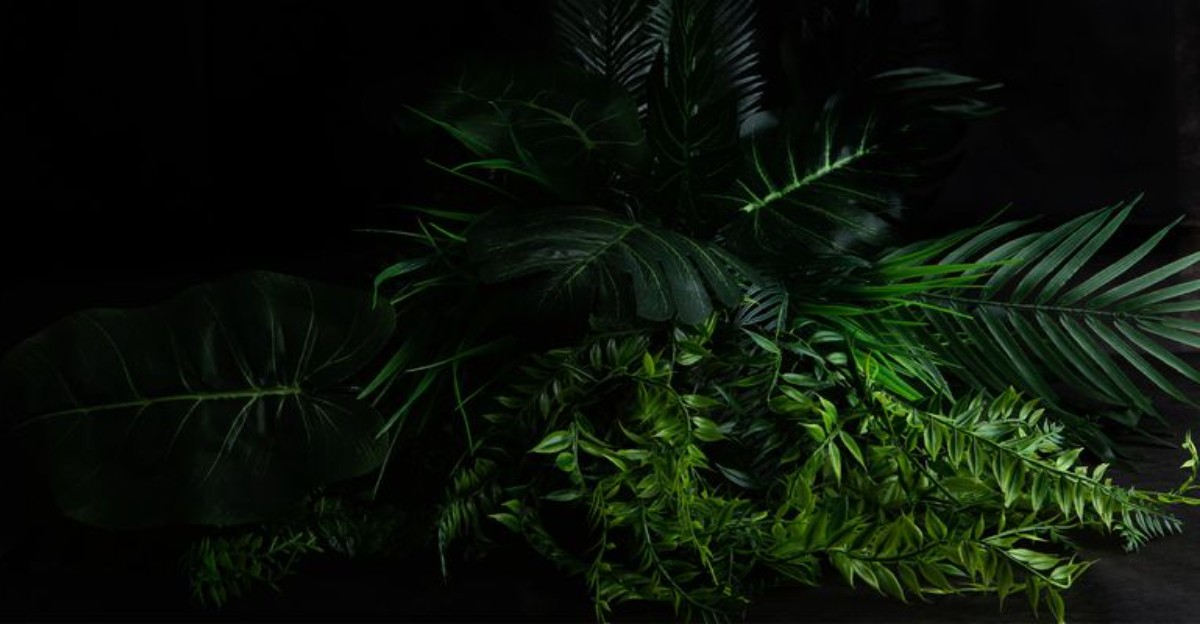
A New York bedroom lit by one ceiling bulb and a phone screen doesn’t sound like plant territory. Plenty of city dwellers assume a dim room means a life without leaves.
Some plants are surprisingly happy in low light. They evolved on shady forest floors, so a dim spot feels a bit like home.
A few can also handle missed waterings, dry radiator heat, and the busy pace of city life. Whether you rent a basement studio in Brooklyn or work in a Manhattan office with no view, there’s a green option for you.
The catch is that “low light” doesn’t mean “no light.” In a truly windowless room, even the toughest plant needs help from a small grow light.
The guide below introduces the toughest leafy roommates around, plus the handy tool that changes the game for dark rooms.
1. ZZ Plant Thrives On Neglect And Office Lighting
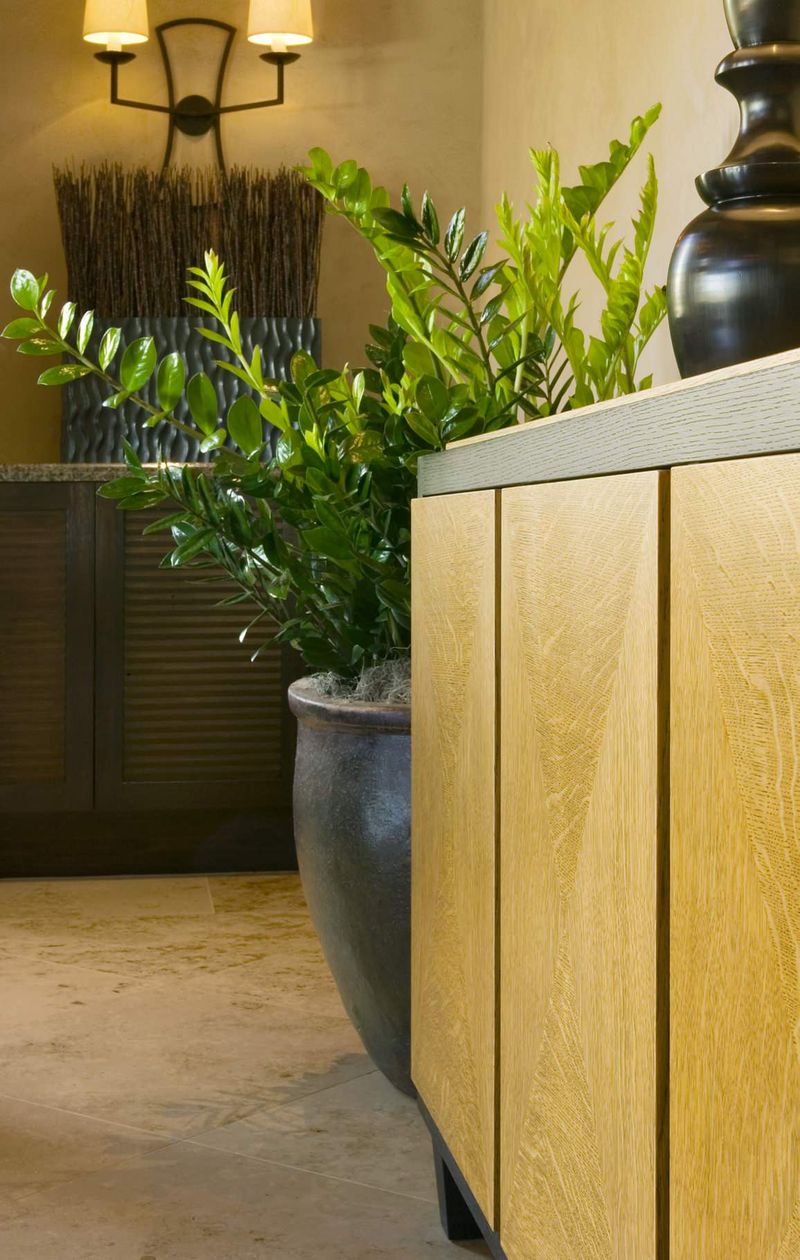
Forget to water for three weeks, and the ZZ plant barely notices. Its secret is hidden underground in thick, potato-like rhizomes that store water.
Those rhizomes act like a backup tank during dry spells. As a result, overwatering causes far more trouble than forgetting.
Office lighting suits this plant surprisingly well. Plain overhead fluorescent bulbs can keep it healthy in rooms with zero windows.
The New York Botanical Garden even praises its strong tolerance for very low light. Few houseplants earn that kind of respect from experts.
Growth will be slow in dim spaces, so be patient. You might see only a few new stems each year.
Slow growth is fine, though, because the plant stays healthy. Its waxy leaves keep their deep, shiny green color for a long time.
Here is a practical rule for watering. Wait until the soil feels dry all the way down, then give it a full drink.
In a dark room, that might mean watering once a month. During winter, when radiators dry the air, check the soil but skip extra water.
Wipe the leaves with a damp cloth every few weeks. Dust blocks light, and clean leaves catch every bit of glow from your lamp.
For a very dim apartment, add a small full-spectrum LED bulb nearby. Even a low-wattage light helps the ZZ push out fresh shoots.
Keep it away from curious pets and small kids. Chewing the leaves can cause mouth irritation and an upset stomach.
2. Snake Plant Stands Tall In The Dimmest Corners
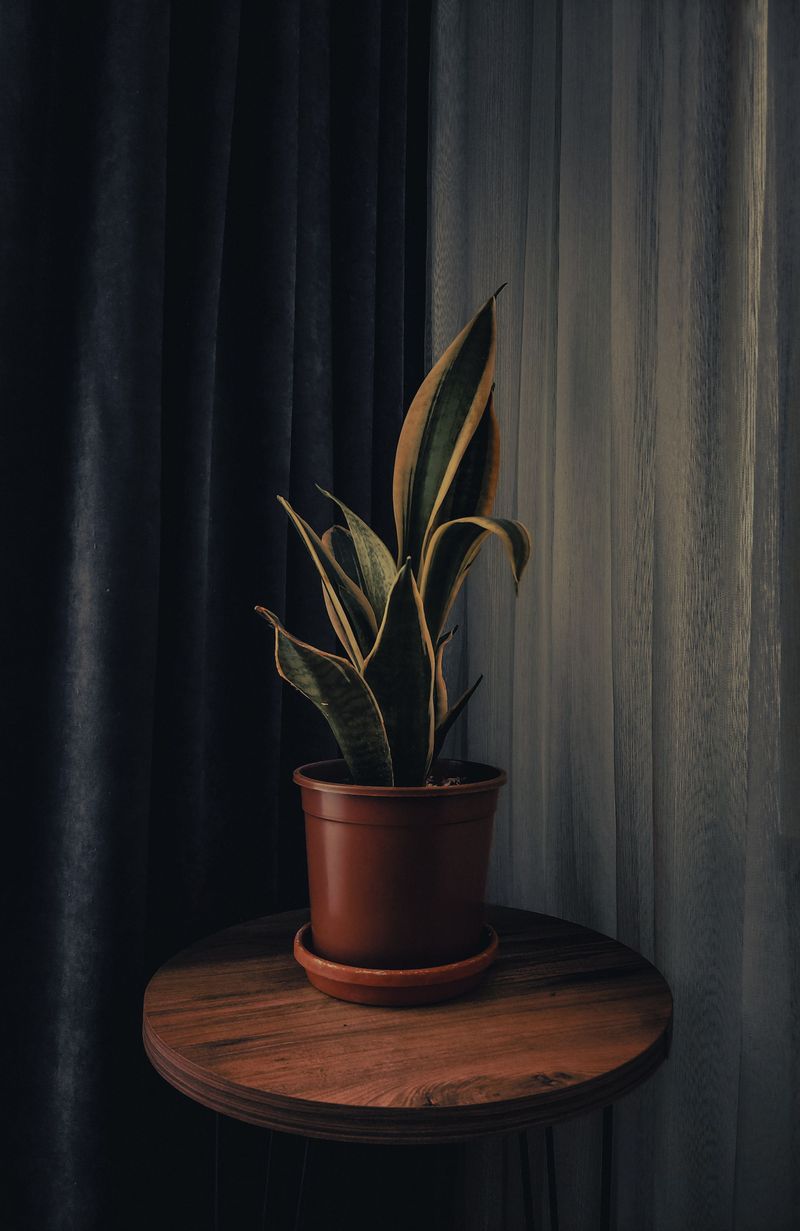
Some plants sprawl, but the snake plant stands straight like a soldier on duty. Its sword-shaped leaves point up, saving precious floor space.
That upright shape makes it a favorite in cramped New York apartments. You can tuck one beside a bookcase or behind a door.
The University of Maryland Extension lists snake plants among reliable low-light picks. They handle rooms lit mostly by lamps with calm confidence.
Still, there is a difference between surviving and thriving. Medium indirect light helps leaves grow stronger and show bolder stripes.
Watering is where most people slip up. In dim corners, the soil dries very slowly, so roots can rot if kept soggy.
Your New York Garden Changes Every Week. Your Plan Should Too.
Gardening in New York changes quickly throughout the season. Every Friday you’ll receive a simple weekly plan showing exactly what to plant, prune, fertilize, harvest, and protect so you never miss the right timing.
Try watering only every three to six weeks in low light. Stick a finger two inches into the soil before you pour anything.
A gritty cactus mix also helps excess water drain away. Pair it with a pot that has a hole in the bottom.
Want faster growth in a dark room? A modest full-spectrum LED grow light running 10 to 12 hours daily works nicely.
Fun fact for plant trivia fans: botanists moved snake plants into the Dracaena group a few years ago. Many shops still label them Sansevieria, so both names are correct.
Varieties like Laurentii have yellow edges, while Moonshine has silvery leaves. Pick the look that matches your style and enjoy the low-fuss company.
Place it where pets can’t reach it, too. Chewed leaves can upset a cat’s or dog’s stomach.
3. Pothos Keeps Trailing Even Under Basic Ceiling Lights
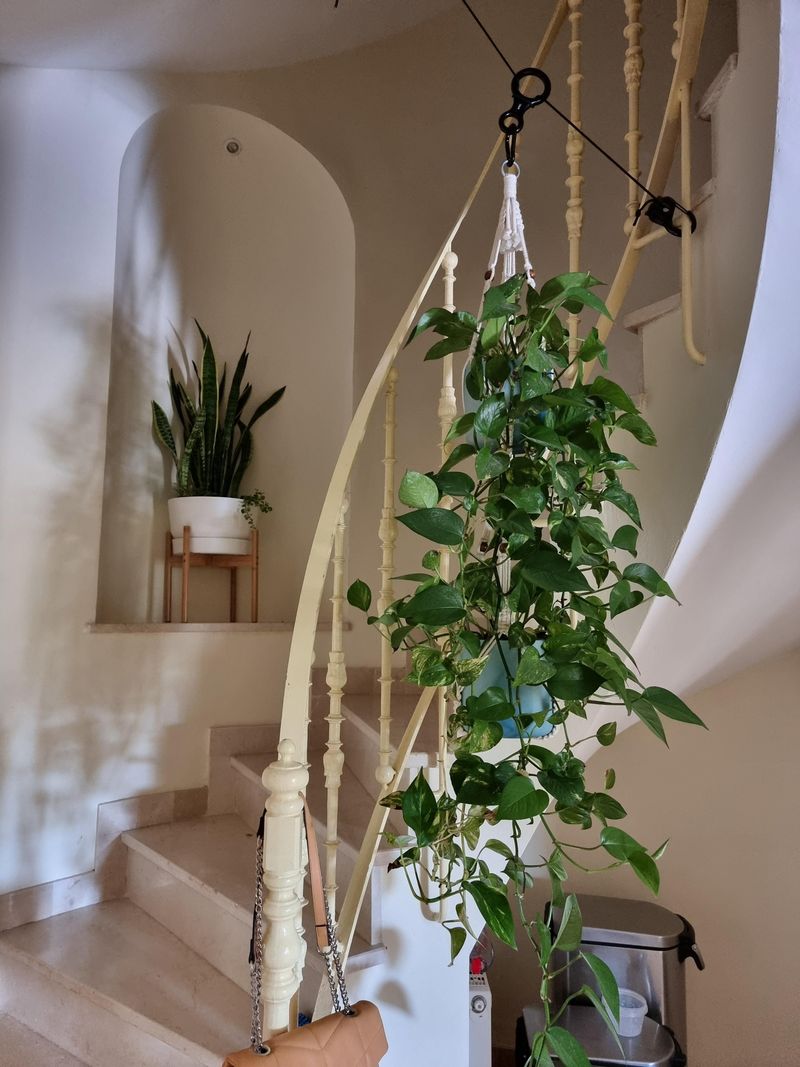
Ask any plant lover about their first houseplant, and many will say pothos. Its heart-shaped leaves and long vines win people over fast.
Picture vines spilling from a top shelf down toward the floor. Pothos can create that look even under ordinary ceiling lights.
Fluorescent office bulbs work well enough for it to keep growing. That is why you spot pothos in so many cubicles and lobbies.
Brighter indirect light does speed things up, of course. In dimmer rooms, new leaves may come in smaller and farther apart.
Patterned types like Marble Queen may also lose some of their creamy streaks. Plain green Jade pothos handles low light better.
If stems look long and bare, give them a trim. Cutting just above a leaf encourages bushier growth from that spot.
Bonus tip: those cuttings root easily in a glass of water. In a few weeks, you will have new plants to share with friends.
For windowless rooms in New York City, a full-spectrum LED bulb keeps vines full instead of stringy. Aim it at the plant for most of the day.
Pothos also forgives a missed watering now and then. Leaves droop slightly when thirsty, then perk up soon after a drink.
Keep it out of reach of curious cats and dogs. The leaves can upset a pet’s stomach if chewed.
4. Cast Iron Plant Lives Up To Its Tough Name
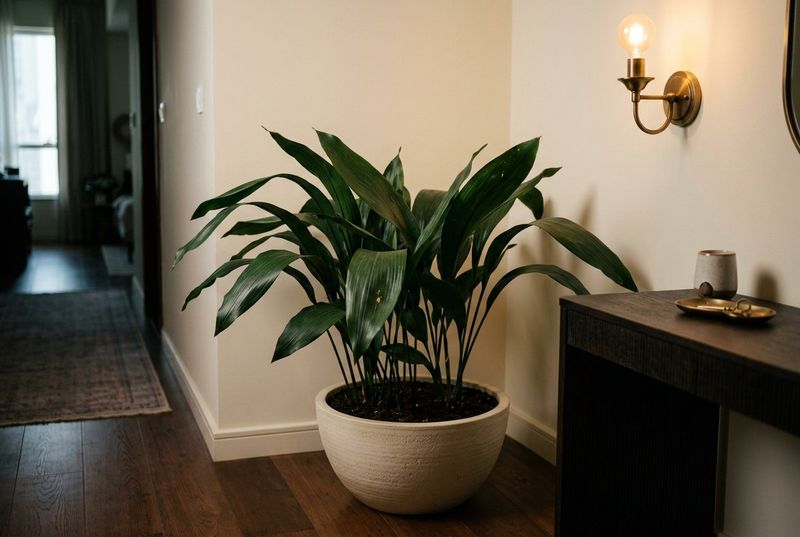
Back in Victorian times, homes were dim, drafty, and full of smoky gas lamps. Most houseplants struggled, but one leafy survivor kept going strong.
People named it the cast iron plant because it seemed nearly unbreakable. Its broad, leathery leaves shrugged off conditions that wrecked other plants.
Today, it still handles deep shade like a champ. Dark hallways and shadowy corners suit it just fine.
Dry air and shifting temperatures rarely bother it either. Old buildings with clanking radiators are no problem for this tough customer.
Low to moderate indirect light keeps the leaves a rich, dark green. Direct sun is the real enemy, causing pale, scorched patches that stay forever.
Watering takes a light hand. Let the soil dry out between drinks, since soggy roots are its main weak spot.
Growth is slow, so expect only a few new leaves each year. On the plus side, repotting is needed only every few years.
Busy residents love that low workload. You can mostly set it in place and get on with life.
Each leaf rises from the soil on its own stem. If one turns brown, snip it at the base to keep the plant tidy.
Price can be a bit higher because it grows slowly. Think of it as an investment that may last for decades.
5. Chinese Evergreen Adds Color Where Sunlight Never Reaches
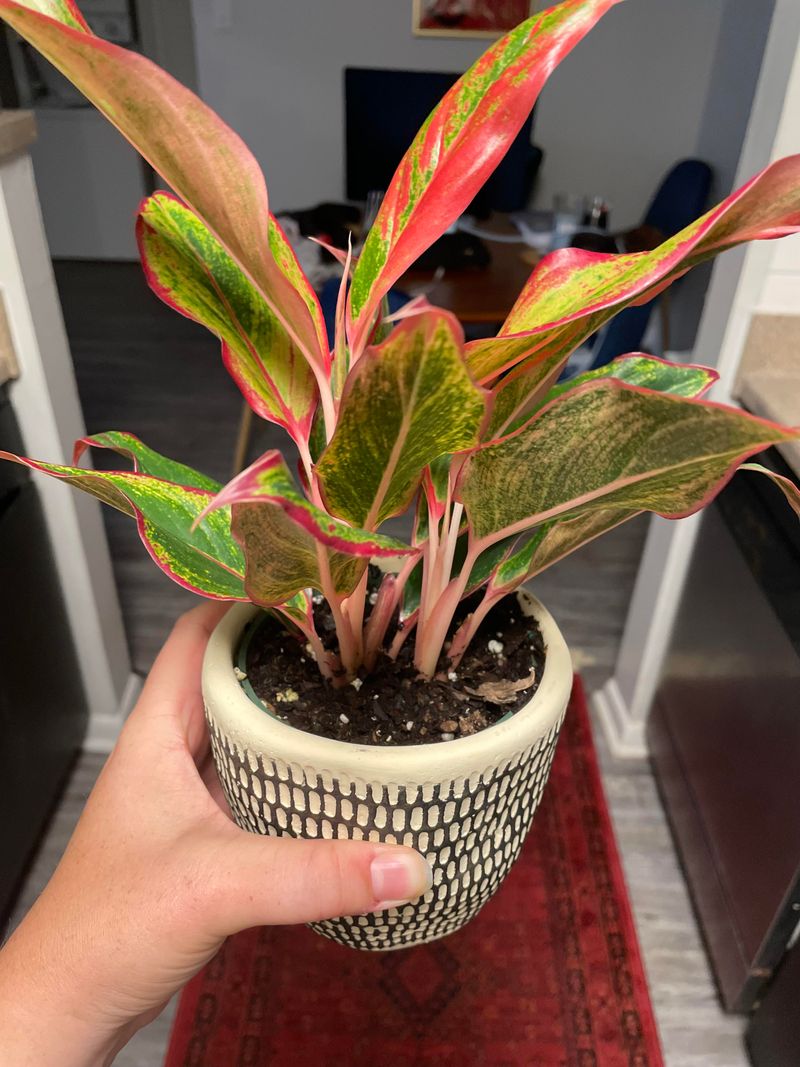
Green is lovely, but sometimes a room craves a splash of pink or red. Chinese evergreen delivers color without needing a sunny window.
Many cultivars show silver, pink, or ruby patterns on their leaves. Names like Siam Aurora and Red Valentine hint at their bold looks.
Darker green varieties are the toughest in very dim spaces. They hold up well in rooms where sunlight barely sneaks in.
Colorful types are a bit fussier. In very low light, they may fade as the plant makes extra chlorophyll.
Artificial light solves that problem nicely. A full-spectrum LED running 10 to 12 hours daily helps keep the bright patterns crisp.
Watering is relaxed with this plant. It forgives the odd skipped week, which suits hectic schedules in New York.
Let the top inch of soil dry before watering again. Yellowing lower leaves often point to too much water, not too little.
Keep it away from cold drafts near doors or air conditioners. Chinese evergreen prefers steady warmth, like most tropical plants.
In parts of Asia, aglaonema is a traditional symbol of good luck. Giving one as a housewarming gift carries a cheerful message.
Like several houseplants, it can irritate pets if chewed. Place it on a shelf if you share your space with curious animals.
6. Heartleaf Philodendron Forgives Almost Every Mistake
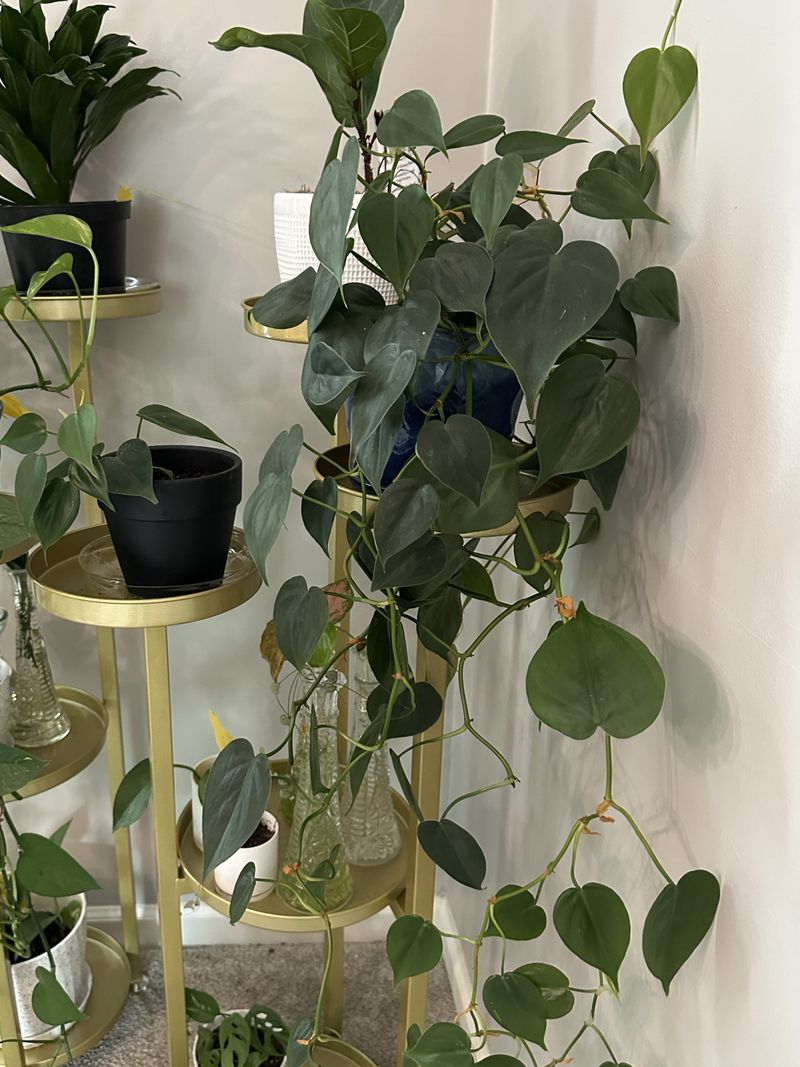
Think of the heartleaf philodendron as the patient friend who rarely holds a grudge. Overwater it once or forget it for a week, and it usually bounces back.
Its forgiving nature comes from its roots in tropical forests. There, it grows beneath taller trees in soft, filtered light.
That background helps it cope with dim rooms and small windows. Many apartments offer exactly those conditions.
For quicker growth, medium indirect light works best. Leaves grow larger and vines fill out more evenly.
In very low light, stems may stretch thin as they reach for brightness. New leaves can also shrink a bit.
A modest full-spectrum LED grow light fixes that stretching. Keep it on for 10 to 12 hours each day.
Keep the plant out of harsh direct sunlight. Strong rays can scorch its glossy, delicate leaves.
Training tip: wrap vines around a moss pole or small hooks on a wall. Heartleaf will happily climb and frame a doorway.
Many people confuse it with pothos at first glance. Philodendron leaves are thinner and softer, with a sharper heart shape.
Water when the top half inch of soil feels dry. Leaves curling inward can be a gentle hint that it needs a drink.
Keep trailing vines out of reach of pets. Chewed leaves can irritate a pet’s mouth and stomach.
7. Peace Lily Can Still Bloom Without A Window
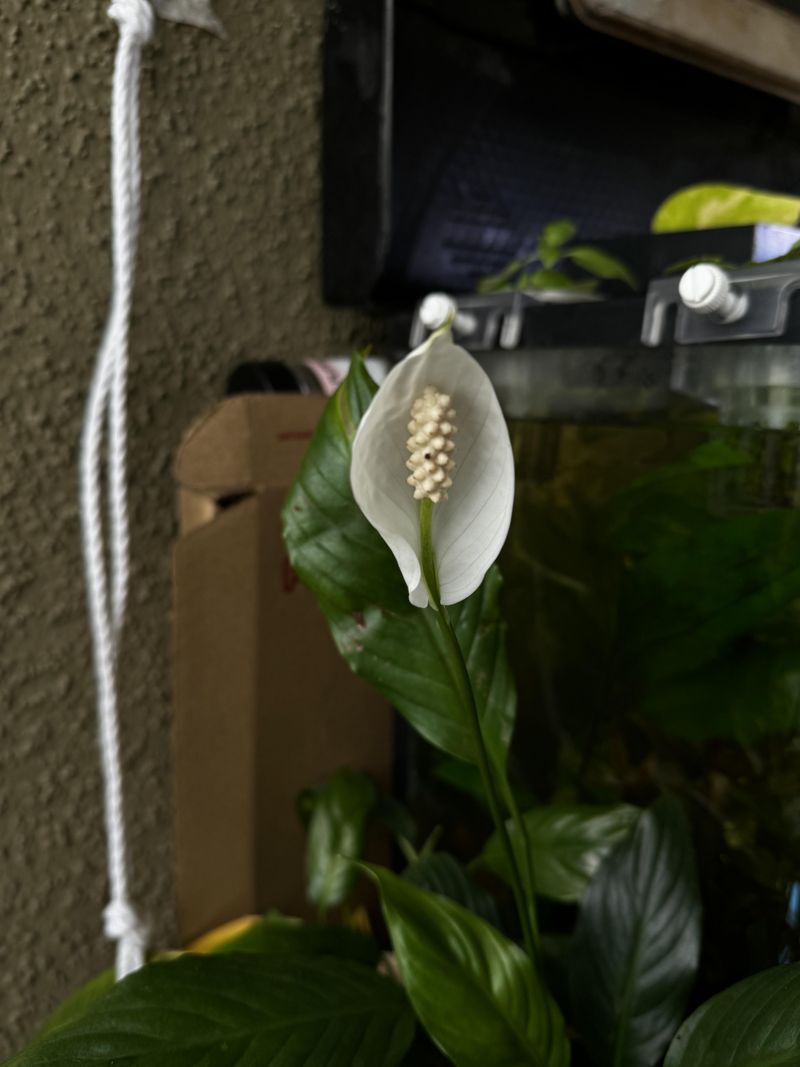
Few sights brighten a gloomy room like a crisp white peace lily flower. Those blooms look elegant, yet the plant is easier than it seems.
Peace lilies handle low light better than most flowering plants. They grow well in offices and rooms with little natural sun.
Here is the catch about flowers. In steady dimness, the plant saves energy for leaves and may skip blooming.
Good news for windowless rooms, though. Consistent artificial light, like fluorescent tubes or LED grow lights, can coax out blooms.
Aim for 10 to 12 hours of light every day. A cheap outlet timer keeps that schedule steady without any effort.
Peace lilies are also great at telling you when they are thirsty. The whole plant droops dramatically, almost like it is fainting.
Give it a drink, and it perks up within hours. That signal helps beginners avoid the common mistake of overwatering.
Brown leaf tips sometimes appear from tap water minerals. Letting water sit out overnight or using filtered water can help.
Many apartment dwellers love its calm, graceful look. It fits nicely in bathrooms, where humidity keeps leaves happy.
Fun fact: the white part is not really a petal. It is a special leaf called a spathe wrapped around tiny flowers.
Keep it on a high shelf if you share your home with pets. Chewing the leaves can irritate a cat’s or dog’s mouth and throat.
8. Parlor Palm Brings Tropical Vibes To Windowless Spaces
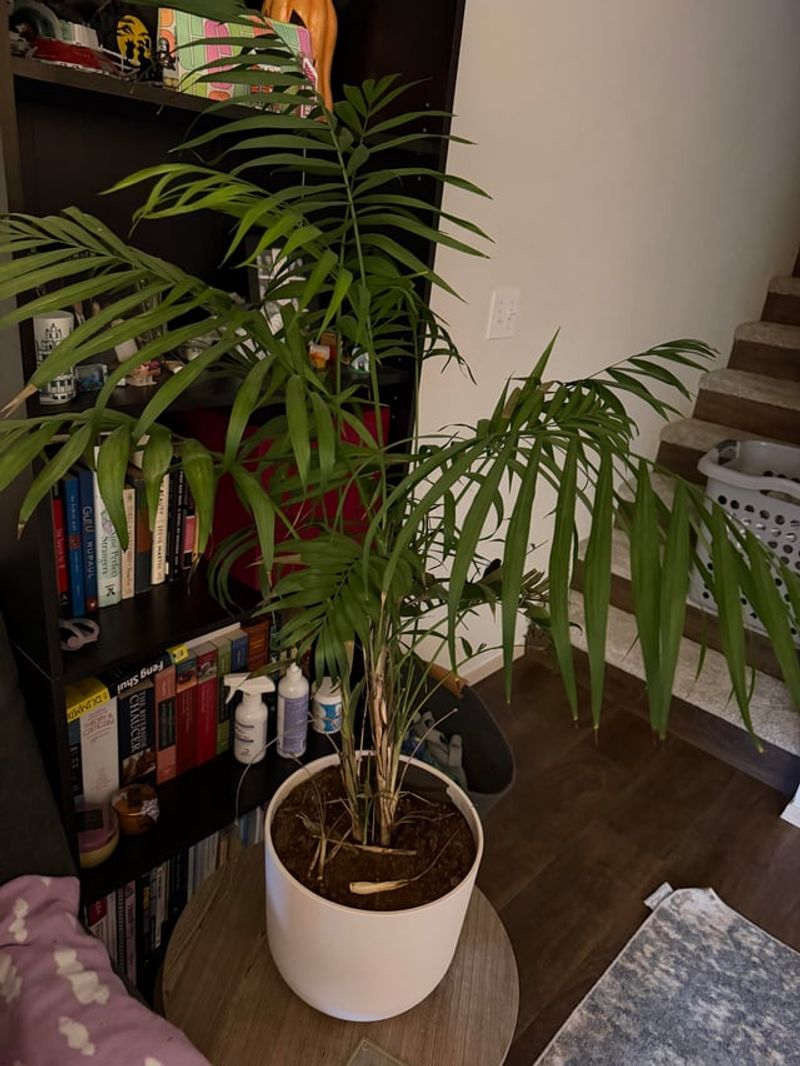
Dreaming of a beach getaway while stuck in a dark studio? A parlor palm brings a little tropical charm right to your floor.
Its feathery fronds grow naturally on shady rainforest floors in Mexico and Central America. Thick treetops above filter most of the sunlight.
Thanks to that history, it adapts well to dim rooms and offices. It even became popular in Victorian parlors, which explains its name.
Bright indirect light still helps it grow fuller. In very dark spots, fronds may turn pale or stretch out.
Luckily, LED grow lights work well for this palm. A schedule of 10 to 14 hours daily keeps fronds green and lively.
Watering is simple if you follow one rule. Wait until the top inch of soil feels dry.
Less light means slower drying, so water less often. Soggy soil can lead to root rot, its biggest danger.
Parlor palms are also safe for cats and dogs. Pet owners can relax if a curious kitten takes a nibble.
Dry winter air may cause crispy frond tips. Grouping plants together or using a small humidifier can help.
Growth is slow, so a small palm stays manageable for years. It suits tight spaces where bigger palms would feel crowded.
9. Even The Toughest Plant Needs Some Light To Survive
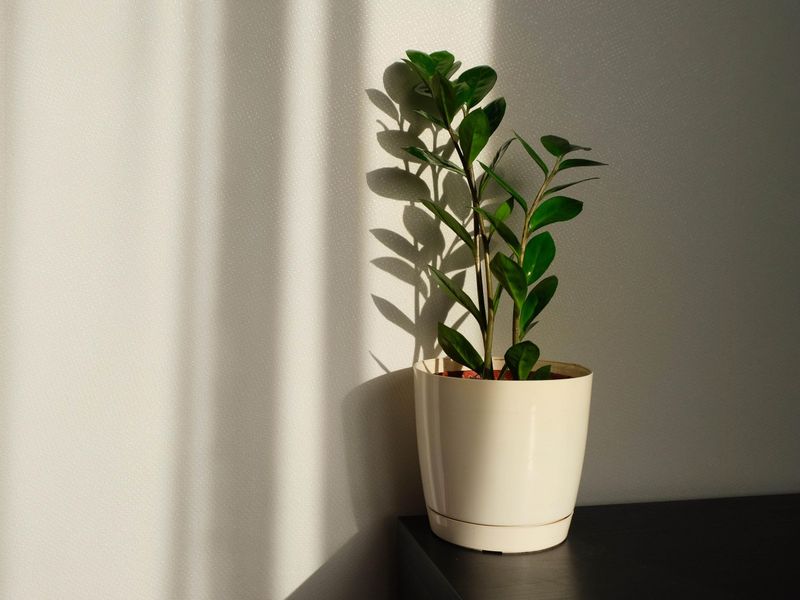
Let’s clear up a common myth right now. No green plant can live in total darkness, no matter how tough it seems.
Plants make their own food through photosynthesis. They turn light, water, and carbon dioxide into sugars that fuel growth.
Without light, that food factory shuts down. The plant slowly uses up its stored energy, then begins to fade.
Low-light tolerant simply means a plant can cope with dimness. It does not mean the plant enjoys a dark closet.
Watch for clear warning signs. Stretched stems, tiny new leaves, and pale or yellow foliage all point to hunger for light.
Dropping leaves usually come later in the decline. By then, the plant has been in survival mode for a while.
Try a quick test for your room. If you can comfortably read a book there during the day, many low-light plants can manage.
A free phone light meter app also gives helpful readings. Numbers around 50 to 100 foot-candles suit the plants on this list.
Plants need darkness too, oddly enough. A nightly rest period helps them complete natural cycles, so avoid leaving lights on 24 hours.
Rotating pots every couple of weeks also helps. Each side then gets a fair share of whatever light the room offers.
10. A Simple LED Grow Light Turns Any Room Into A Plant Haven
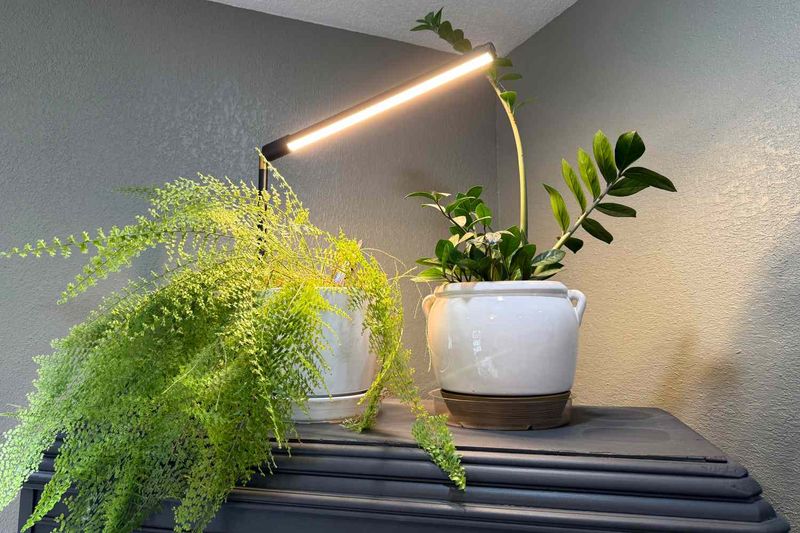
Imagine flipping a switch and giving your plants a sunny day indoors. An LED grow light does exactly that, even in rooms without windows.
These lights provide the colors plants need for photosynthesis. Blue light supports compact leafy growth, while red light encourages flowers.
Modern LEDs sip electricity compared to older bulbs. Many last up to 50,000 hours, so replacements are rare.
They also stay cool to the touch. You can place them close to leaves without worrying about burns.
Styles have improved a lot lately. Choose screw-in bulbs, slim bars under shelves, or stylish pendant lamps.
Small New York apartments benefit from that flexibility. A grow bulb can fit into an ordinary desk lamp you already own.
Most houseplants do well with 10 to 16 hours of light daily. Use a plug-in timer so the schedule stays steady.
Distance matters too. Position lights about 6 to 24 inches above your plants, adjusting for brightness.
Leaves turning pale or crispy may mean the light sits too close. Stretched stems usually mean it sits too far away.
Start with one full-spectrum bulb and a few hardy plants. Before long, that dark corner could become the greenest spot in your home.