Why New York Hummingbirds Are Leaving Soon, And What Homeowners Should Do Now
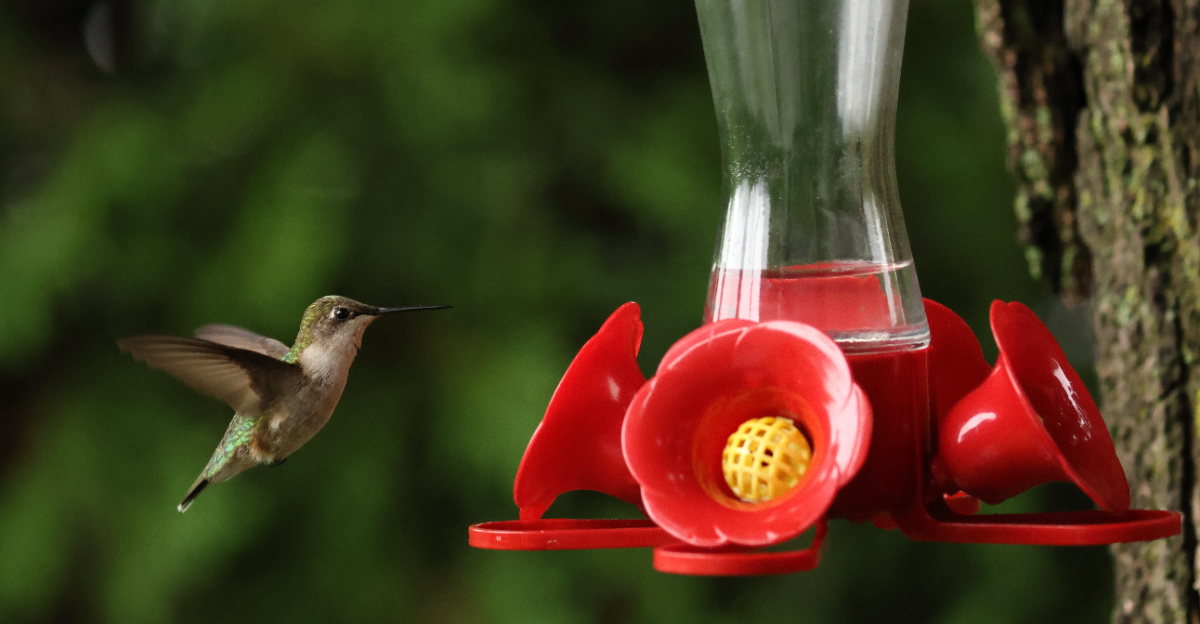
Something magical happens every August in backyard gardens across the Northeast. Ruby-throated hummingbirds, those tiny jewel-winged fliers, begin quietly preparing to leave New York for warmer southern territories.
Most homeowners barely notice until the feeders go still and the garden feels oddly empty. What triggers this shift, and what you can do right now, could turn a quiet disappearance into a spectacular send-off.
These birds follow ancient instincts tied to daylight length, food supply, and temperature shifts. Late summer is the season when your backyard can become a critical fueling station for birds traveling thousands of miles.
A few smart moves now could mean more hummingbirds at your window, more often, right up until they head south for the winter season.
The Biology Behind Late Summer Migration
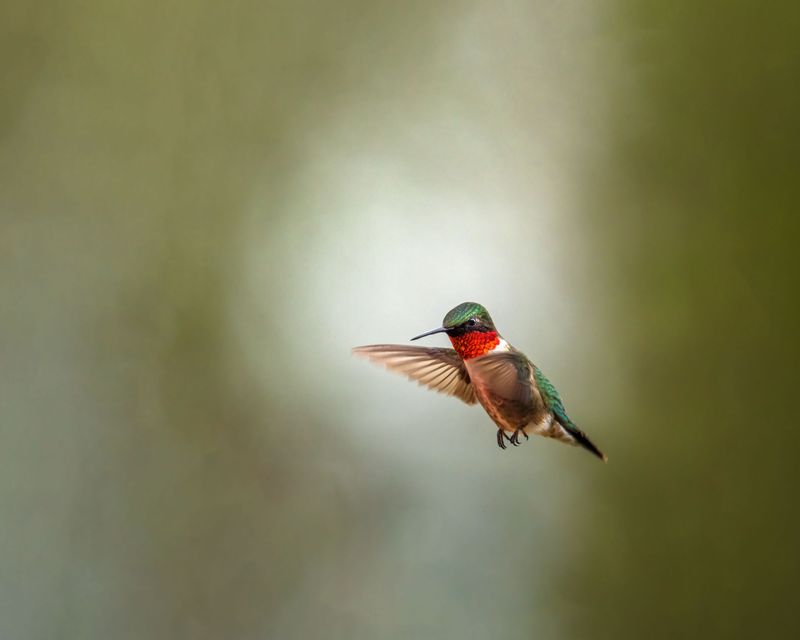
Shorter days trigger everything. Around mid-July, hummingbirds begin sensing the gradual shift in daylight, and their bodies respond with a behavioral shift called hyperphagia.
Hyperphagia is basically a biological eating frenzy. A ruby-throated hummingbird can significantly increase its body fat reserves in just a few weeks to fuel its long journey south.
These birds are not leaving because summer got cold. They are following an internal clock that has been running for thousands of years without a single reset.
The instinct to migrate is wired deep into their tiny nervous systems. Full feeders and warm weather rarely change the timing of this ancient biological command.
Males leave first, usually by late July or early August. Females and juveniles follow a few weeks later, passing through New York gardens on their way to Central America.
A single ruby-throated hummingbird may fly over 500 miles nonstop across the Gulf of Mexico. That crossing alone requires every calorie your garden can offer before they depart.
Understanding this biology helps homeowners stop blaming themselves when the birds disappear. Your garden did not fail them; their bodies simply called them home to warmer skies far away.
Signs That Migration Has Begun
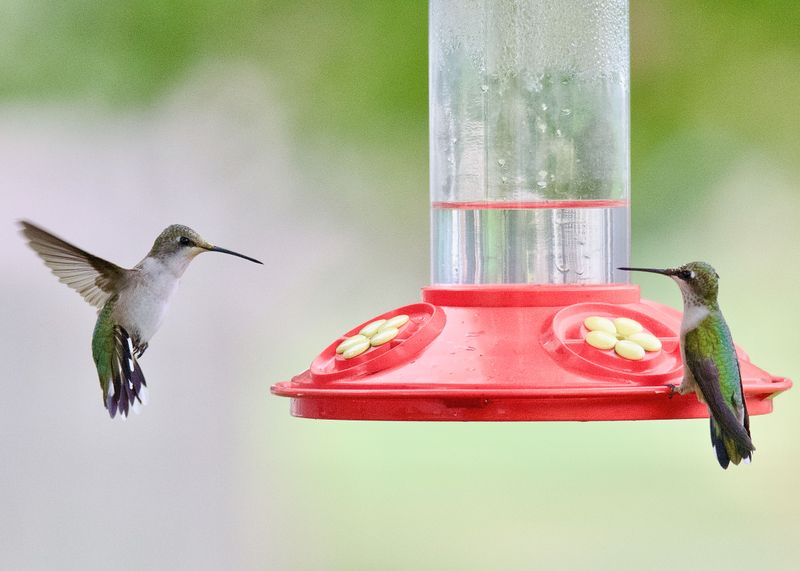
One morning you will notice something different at the feeder. The usual two hummingbirds have been replaced by five unfamiliar ones jostling for position in the early light.
That sudden spike in feeder traffic is your first real clue. Migrating birds passing through will stop at any reliable food source they can spot from above the treetops.
Watch for aggressive behavior around feeders. Birds in migration mode are hungrier than usual, and territorial squabbles become more frequent and intense during late summer weeks.
You might also notice hummingbirds visiting at unusual hours. Early morning and late evening feeding sessions become more common as birds try to maximize every calorie before moving on.
Check your garden flowers too. If blooms that once attracted hummingbirds are suddenly ignored, the birds passing through may be too focused on quick fuel stops to linger long.
Keep a simple notebook near your window this season. Jotting down dates and numbers of birds spotted gives you a personal migration calendar that gets smarter every passing year.
Your New York Garden Changes Every Week. Your Plan Should Too.
Gardening in New York changes quickly throughout the season. Every Friday you’ll receive a simple weekly plan showing exactly what to plant, prune, fertilize, harvest, and protect so you never miss the right timing.
The window for peak migration in New York typically runs from mid-August through late September. Spotting the signs early means you can prepare your yard before the rush actually arrives.
Keeping Feeders Full As Birds Pass Through
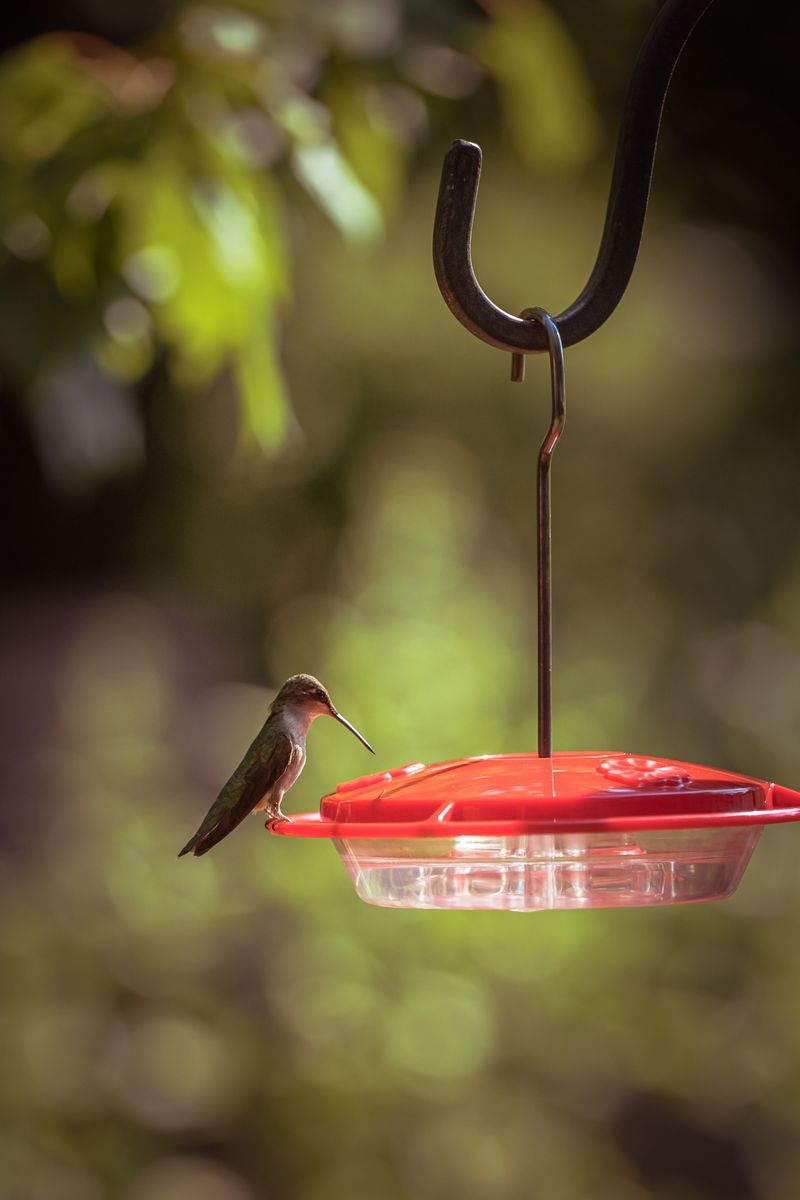
Think of your feeder as a rest-stop diner on a very long highway. Migrating hummingbirds need reliable, clean fuel available the moment they arrive in your yard.
Fresh nectar matters more than most people realize. Spoiled or cloudy sugar water can cause harm, and a bird that gets sick mid-migration has very little margin for recovery.
The standard recipe is simple: one part white granulated sugar to four parts plain water. Skip the red dye entirely since the feeder color alone is enough to attract attention.
Change the nectar every two to three days during warm weather. In temperatures above 80 degrees, nectar can spoil in less than 48 hours, so check it daily without fail.
Hang at least two feeders in different spots around your yard. Dominant birds will guard a single feeder aggressively, leaving passing migrants with no chance to stop and refuel.
Clean feeders with hot water and a bottle brush every time you refill them. Mold builds up in feeder ports and crevices faster than most homeowners expect during humid summer weeks.
A well-maintained feeder in August is one of the best gifts any homeowner can give to a southbound hummingbird passing through on a grueling journey to warmer skies.
Planting Late Bloomers To Fuel Their Journey
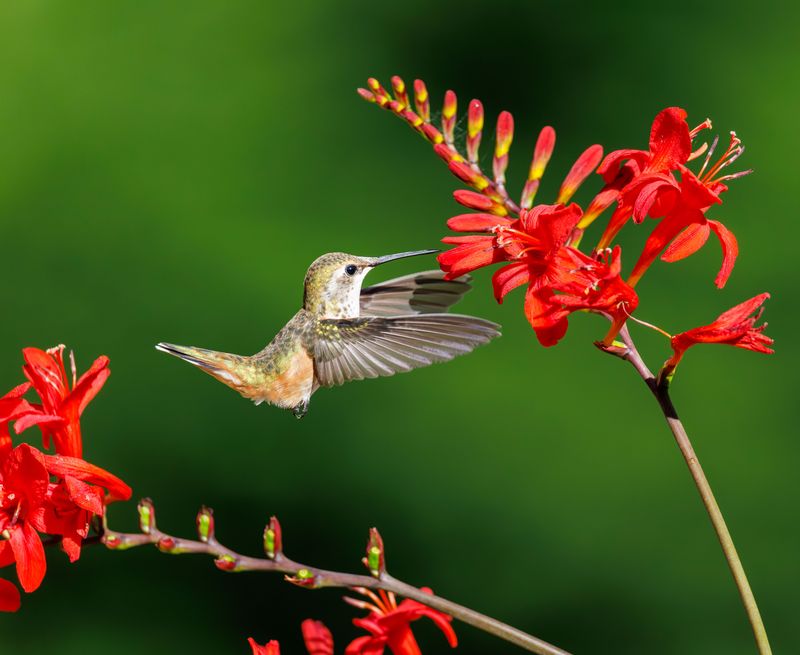
Your garden can do more than look beautiful right now. The right late-season plants act as living fuel stations for hummingbirds preparing for their long southern migration ahead.
Cardinal flower is one of the best choices you can make. Its deep red tubular blooms peak in August and September, perfectly timed to meet southbound birds at their hungriest moment.
Salvia guaranitica, also called anise sage, is another powerhouse plant for late-season gardens. Its rich blue-purple flowers stay productive well into autumn, long after many other blooms have faded away.
Trumpet vine offers bold orange-red flowers that hummingbirds find hard to resist. Plant it near a sturdy fence or trellis since this fast-growing vine needs firm support to thrive properly.
Agastache, or hyssop, is a drought-tolerant option that blooms heavily in late summer heat. Its spiky lavender and orange flower clusters attract both hummingbirds and beneficial pollinators all season long.
Avoid planting double-petaled flowers since their nectar is often inaccessible to hummingbirds. Stick with single, open-faced blooms that allow a long bill to reach the sweet reward inside easily.
Even a few well-chosen pots of late bloomers on a porch or patio can make a meaningful difference for migrating birds passing through your neighborhood this season.
Mistakes That Push Hummingbirds Away Early
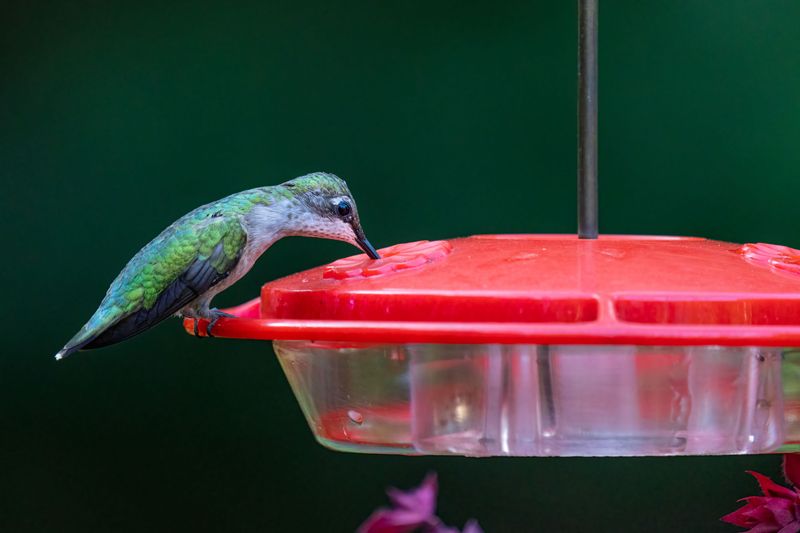
Spoiled nectar is the number one mistake homeowners make every single season. A feeder filled with spoiled sugar water sends a clear message: this yard is not worth a second visit.
Skipping feeder cleaning is just as damaging as skipping refills. Black mold inside feeder ports is invisible from a distance but quickly noticeable to a hummingbird hovering inches away.
Pesticide use in your garden can quietly clear out the bird traffic faster than anything else. Hummingbirds rely on tiny insects for protein, and a pesticide-treated yard offers a barren menu.
Hanging feeders in full sun all day speeds up nectar spoilage significantly. A shaded morning spot with afternoon coverage keeps nectar fresher and birds coming back more consistently throughout the day.
Letting cats roam freely near feeders is another overlooked problem. Even an indoor cat sitting in a window can stress hummingbirds enough to make them choose a calmer yard nearby.
Ignoring feeder placement can also backfire. A feeder hung too close to a busy door or high-traffic area may be avoided by birds that prefer a quieter, more sheltered feeding spot.
Fixing these small mistakes now, before peak migration hits, could turn your yard into the most popular fuel stop on the block for every passing hummingbird this fall.
The Right Time To Remove Feeders
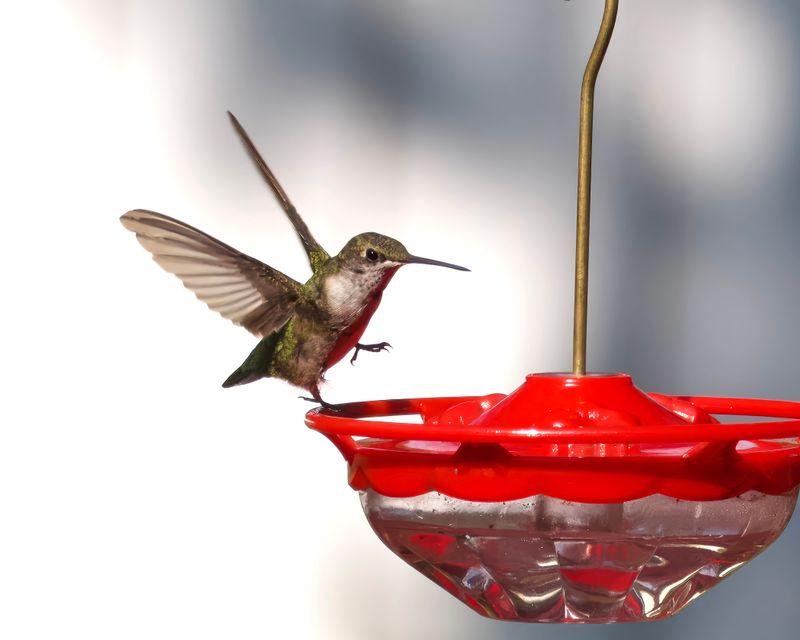
One of the most common myths in backyard birding deserves a straight answer. Leaving your feeder up does not prevent hummingbirds from migrating when their biology says it is time.
Birds will not stay behind just because food is available. Their departure is driven by internal cues, not by what is hanging in your garden on any given September afternoon.
The real reason to keep feeders up late is for the stragglers. Juvenile birds and late-migrating adults need every available fuel stop they can find during their first long journey south.
Most experts recommend leaving feeders up until two full weeks have passed since you spotted your last hummingbird. That buffer catches birds you may have simply missed on busy days.
In most parts of New York, that window falls somewhere between mid-October and early November. Occasional late migrants do appear, so staying patient a little longer is always worth it.
If freezing temperatures arrive before your two-week window is up, bring the feeder inside overnight and rehang it each morning. Frozen nectar won’t help any hummingbird passing through your yard.
Removing feeders too early is a small act with real consequences for birds in transit. Keep yours up a bit longer than feels necessary, and you likely won’t regret that choice.
Preparing Your Garden For Next Spring
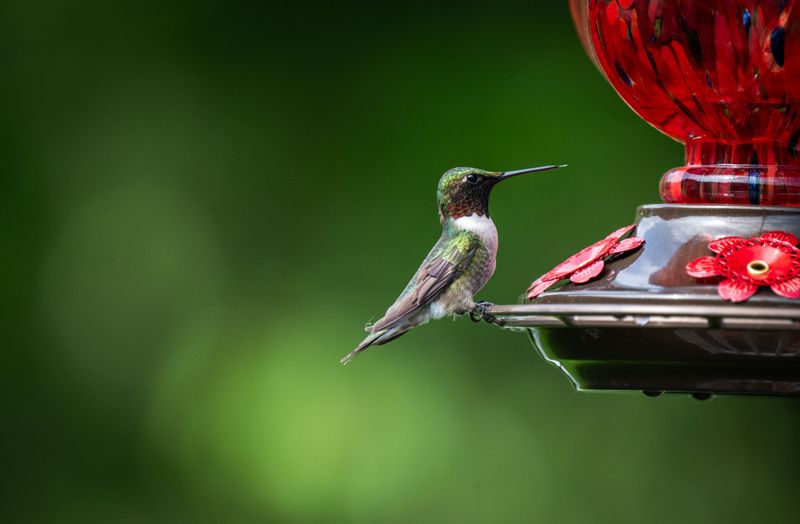
The goodbye does not have to feel permanent. Every action you take this fall sets the stage for an even better season when hummingbirds return to New York next spring.
Clean your feeders thoroughly before storing them for winter. Residue left inside over months of cold storage can create a toxic environment for the first birds of the new season.
Store feeders in a dry indoor space where temperatures stay stable. Cracked plastic and warped seals are common when feeders sit exposed to harsh winter freezes for months on end.
Plan your garden plantings now while the season is still fresh in your memory. Order seeds or bulbs for early-blooming red and orange flowers that will greet returning birds in May.
Ruby-throated hummingbirds typically return to New York between late April and mid-May each year. Having feeders up and filled by May 1st gives early arrivals a warm, reliable welcome every time.
Consider adding a small water mister or shallow birdbath near your garden beds. Hummingbirds love flying through fine mist to cool off, and a water feature makes your yard even more attractive.
Every thoughtful step you take now builds a stronger relationship between your backyard and the New York hummingbirds that will return, season after season, to fuel up and move on.