What It Means When Your Georgia Lawn Browns In Patches After Storms
Tan, circular patches showing up a few days after a soaking storm are a common sight in Georgia lawns this fall.
Heavy rain seems like it should help grass, especially after a dry stretch. Too much water at once, though, can create problems the lawn was not ready for.
Walk the yard and note whether the brown spots sit in low areas or are scattered randomly.
Saturated soil can starve roots of oxygen, and spots where water pooled often show it first. Warm, wet weather also favors several fungal diseases that spread outward in rings.
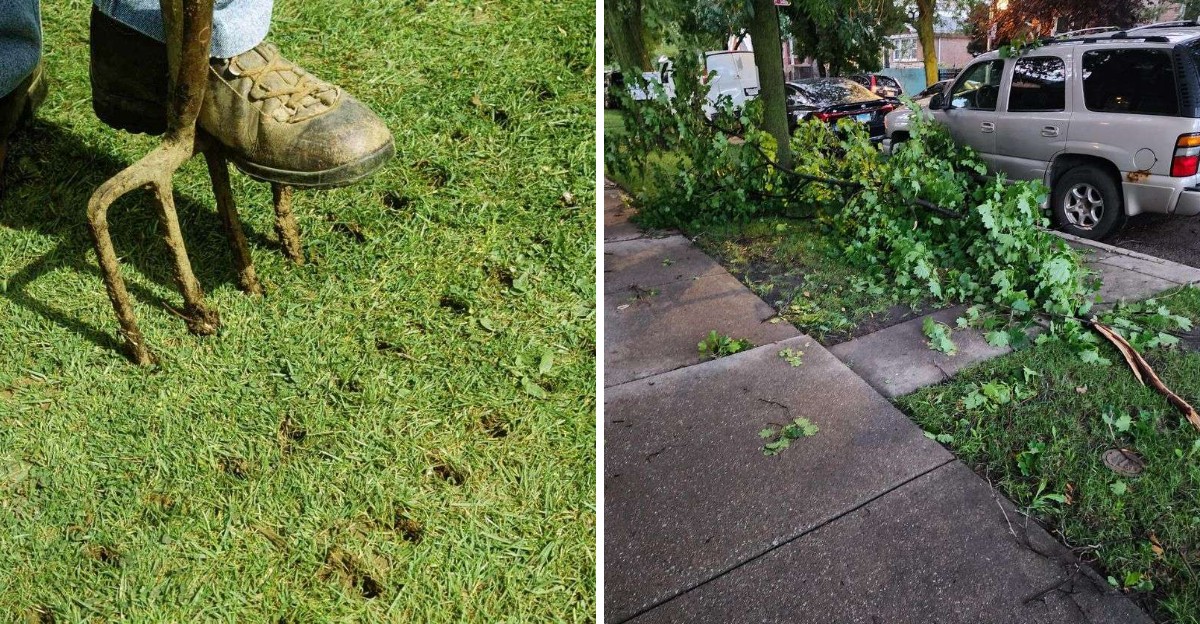
Leaves and branches left lying on the grass after a storm can add to the damage by blocking light.
Each cause calls for a different response, so guessing wrong can waste both time and money.
1. Soaked Turf After A Storm Opens The Door To Trouble
Wet grass is happy grass only up to a point. Once soil stays soggy for days, roots and leaf blades start to struggle in ways you cannot see at first.
Heavy rain fills the tiny air spaces in soil with water, so roots get less oxygen than they need.
Fungi that cause lawn diseases tend to thrive when grass blades stay wet for long stretches. Warm, humid nights after a storm can give them an even bigger boost.
Clay soil, which is common across much of Georgia, drains slowly and can hold water longer than sandy soil does.
So what should you do right after the rain? Stay off the lawn while it is soggy, since foot traffic and mowers can pack the soil and tear up weak turf.
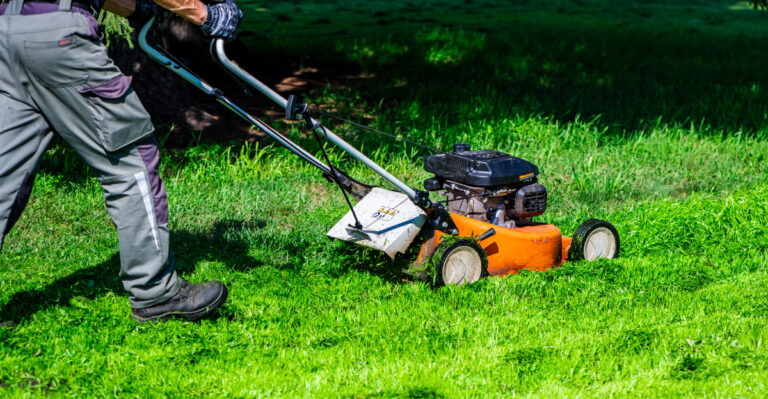
Wait to mow until the surface firms up a bit. A sharp blade set at the right height for your grass type causes less stress than a dull one.
Hold off on extra watering until the top few inches of soil start to dry.
Keep an eye on the yard over the next week or two. Patches that show up quickly may point to water damage, while spreading rings can suggest disease, though only a closer look or a lab test can confirm it.
2. Circular Patches With Orange Borders Suggest Large Patch Disease
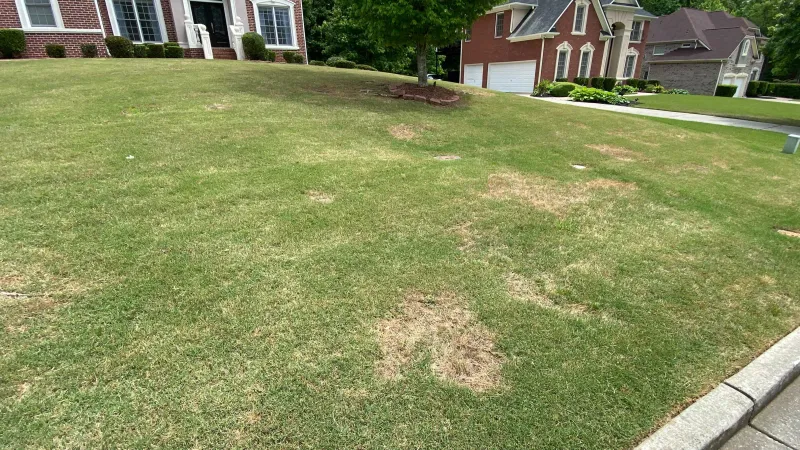
Rings tell a story. When brown circles appear with a yellow or orange edge, large patch disease is a strong suspect in warm-season lawns.
Large patch is caused by a fungus called Rhizoctonia solani, and it tends to be active in spring and fall when temperatures are mild and the ground stays wet.
Patches often start a few feet wide and can grow much larger over time. You may see a bronze or orange band at the edge where the fungus is still working.
Look closely at the leaf sheaths near the soil line, because they may look dark, rotted, or easy to pull away.
In Georgia, the disease usually slows down in the heat of midsummer. It can then flare up again once fall rains and cooler nights return.
Not every brown circle is large patch, though. Grubs, dog urine, chinch bugs, and other diseases can create similar shapes, so a correct diagnosis matters before you spend money on treatment.
Your Georgia Garden Changes Every Week. Your Plan Should Too.
Gardening in Georgia changes quickly throughout the season. Every Friday you’ll receive a simple weekly plan showing exactly what to plant, prune, fertilize, harvest, and protect so you never miss the right timing.
Your county Extension office can help identify the problem, and some will send samples to a plant disease lab.
Once you know what you are dealing with, choosing the right fix gets much easier and wastes less time.
3. Zoysia, Centipede, And St. Augustine Are Especially Susceptible
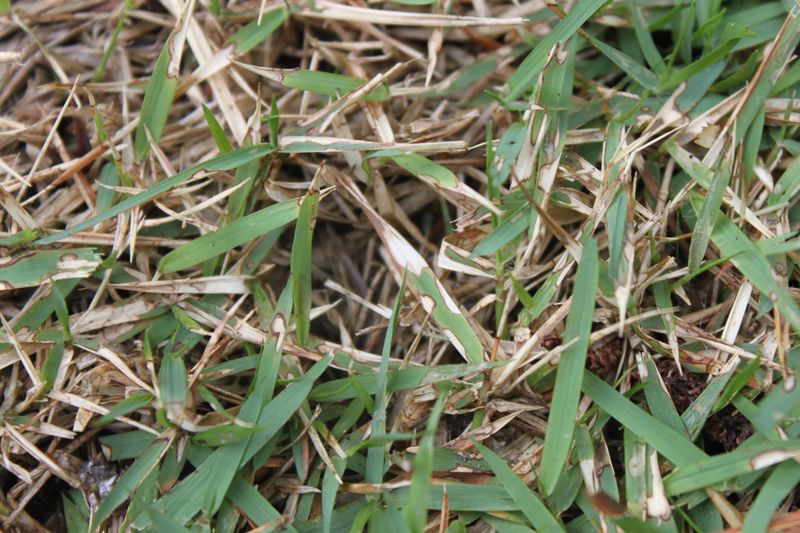
Your grass type matters more than you might think. Some popular Southern lawns are simply more prone to large patch than others.
Zoysia, centipede, and St. Augustine are common in Georgia yards, and all three are listed by Extension experts as highly susceptible.
Bermudagrass can get the disease too. It often recovers faster, partly because it spreads aggressively and fills in damaged spots more quickly.
Zoysia tends to heal slowly because it grows at a modest pace, so patches can linger into the next season.
Centipede is a low-maintenance grass that does not like heavy feeding. Pushing it with too much fertilizer can stress it and may make disease problems harder to manage.
St. Augustine grows thick and lush, which looks great but can hold moisture down near the soil surface.
Knowing your grass helps you adjust your care. Mow at the recommended height for your type, water only when needed, and water early in the morning so blades dry during the day.
If you are not sure which grass you have, take a small sample to a local garden center or Extension office for help.
Matching your routine to your turf will not prevent every problem, but it can lower the odds of patches returning after the next storm.
4. Low Spots Where Water Pooled Can Suffocate Roots
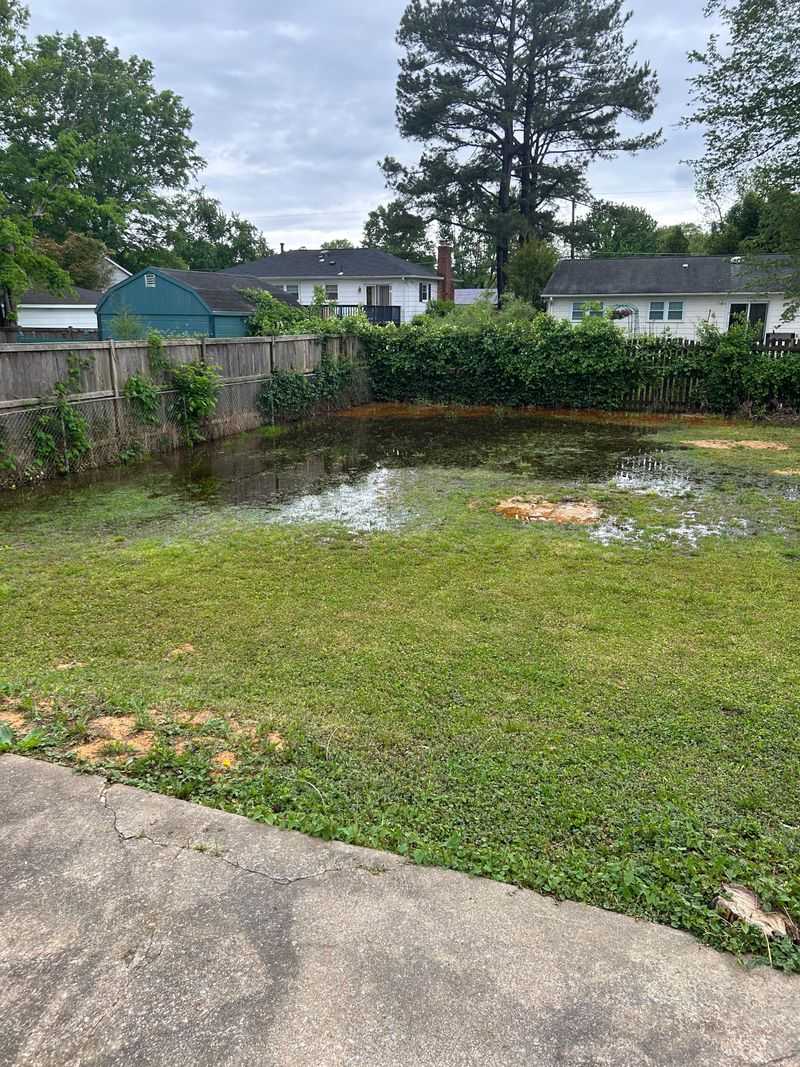
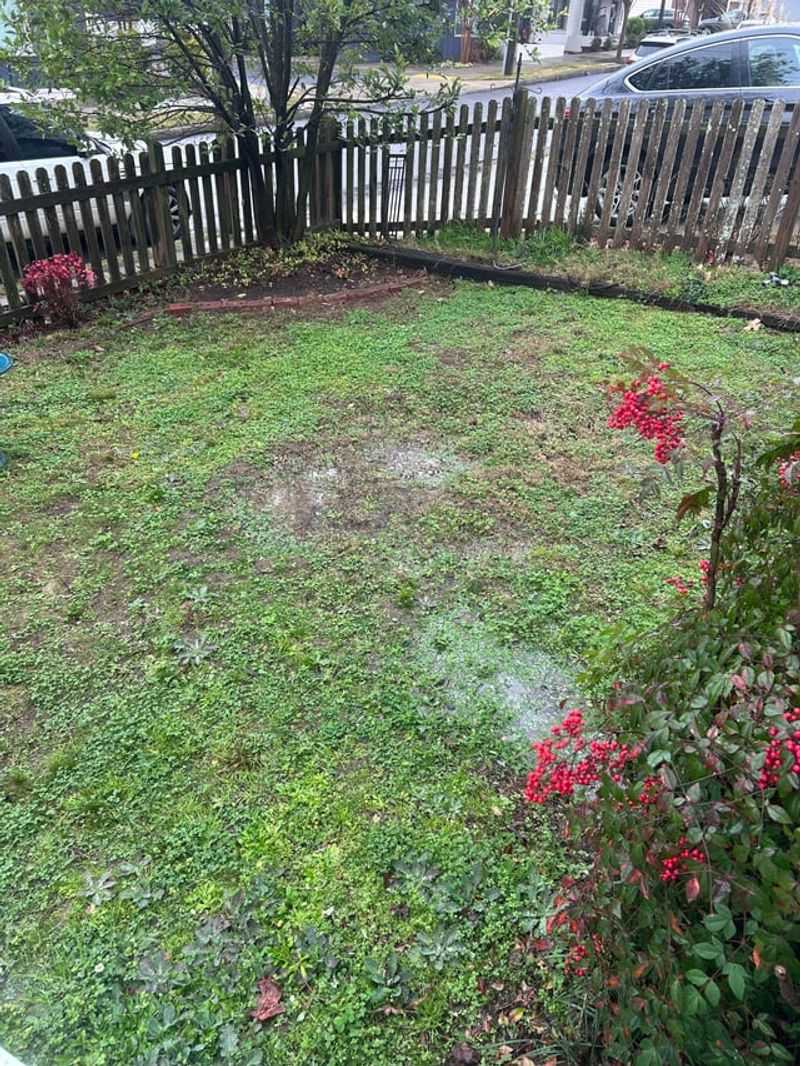
Watch where the puddles sit. Brown spots that match those exact low areas often have more to do with water than with fungus.
When rainwater pools for a long time, roots can run short on oxygen and start to weaken.
Grass in these spots may turn yellow, then tan, and feel mushy underfoot. How much harm happens depends on the grass type, the temperature, and how long the water stays put.
A short soak usually causes little trouble, but water that lingers for days is a bigger concern.
Hot weather can make standing water more stressful for turf. Wet, weakened grass also gives disease-causing fungi an easier opening.
After the water drains, give the area time to dry out before judging the damage.
Grass that still has firm white roots and green crowns may bounce back on its own. If roots look brown and slimy, that patch may need reseeding or new sod once the season allows it.
Across much of Georgia, late spring and early summer are good times to patch warm-season lawns, since the grass is actively growing then.
Fixing the low spot itself matters too. Light topdressing with soil, done gradually over time, can raise the area so water moves away instead of collecting.
5. Debris Left Lying On The Grass Blocks Light And Air
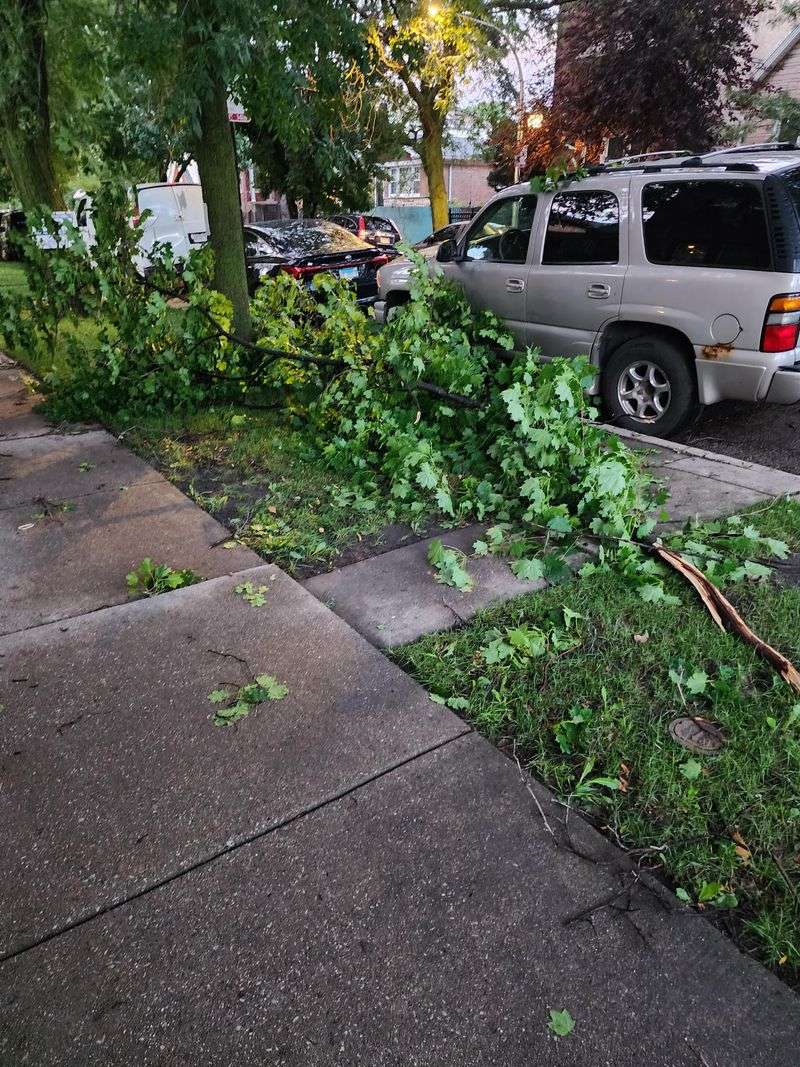
Branches, leaf piles, and soggy pine straw can hide a problem underneath. Lift a pile after a few days, and you may find pale or brown grass below.
Grass needs sunlight to make food, so anything blocking light for long periods can weaken it.
Wet debris also traps moisture against the blades. That damp, shaded layer creates the kind of setting where fungi can get a foothold.
Storms in Georgia often bring down limbs from pines, oaks, and other big trees, and cleanup can take a while.
Try to clear the lawn within a few days once it is safe to walk on. Rake leaves and small twigs gently, and pick up larger limbs by hand rather than dragging them across soft turf.
Be careful around downed power lines or broken limbs still hanging overhead, and call a professional for anything risky.
Once the debris is gone, the grass underneath may green up on its own within a couple of weeks if roots are healthy. Results depend on how long it was covered and how warm the weather has been.
Spots that stay brown might need a little extra help later.
Bagging or mulching leaves with your mower also keeps a thick layer from building up again after the next round of wind and rain.
6. Extra Nitrogen Right Now Can Make Disease Worse
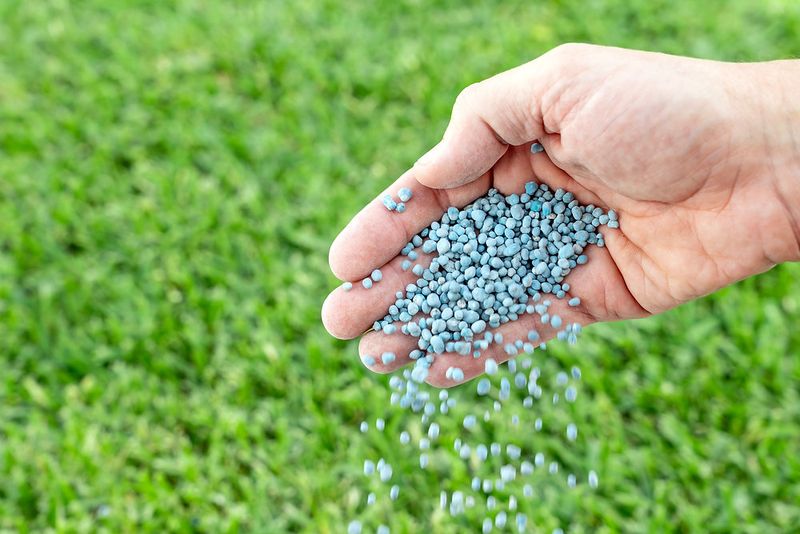
Reaching for fertilizer feels like the natural fix for a brown lawn. In this case, though, it can backfire.
Large patch tends to get worse when warm-season grass gets heavy nitrogen in cool, wet weather, especially in fall or early spring.
Fast, soft new growth is easier for the fungus to attack. So feeding a sick lawn at the wrong time may help the disease more than the grass.
Extension guidance in Georgia generally suggests fertilizing warm-season lawns while they are actively growing in late spring and summer.
Exact rates and timing vary by grass type. Centipede, for example, needs much less nitrogen than bermudagrass, and too much can cause its own problems.
A soil test is the best way to know what your lawn actually needs before adding anything.
Your county Extension office can explain how to collect a sample and send it to the soil lab. Results usually show pH and nutrient levels, along with fertilizer suggestions for your specific grass.
If the patches showed up after a fall storm, hold off on feeding until the grass greens up and grows steadily next season.
Patience is not exciting, but it often keeps a small problem from spreading into a bigger one.
7. Better Drainage And Preventive Fungicide Can Help Next Fall
Prevention beats repair when it comes to large patch. A little planning now can make next season look much better.
Start with drainage, since water that moves away quickly gives fungi less of a chance to settle in.
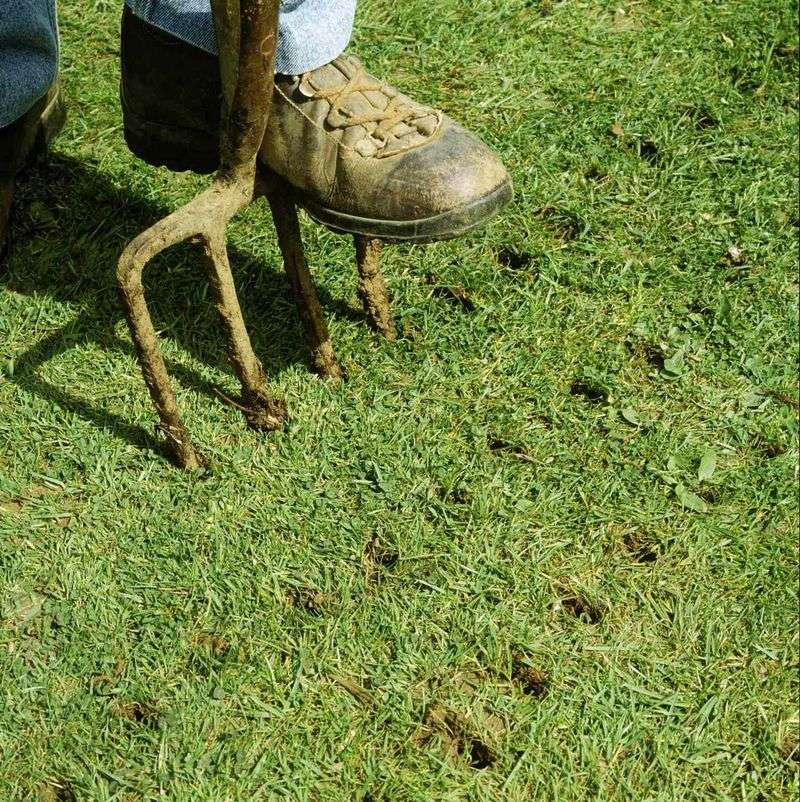
Core aeration can help loosen compacted soil and let water soak in more evenly. Warm-season lawns are usually aerated in late spring or summer while the grass can recover quickly.
Bigger drainage problems may call for regrading, a French drain, or redirecting downspouts away from the lawn.
Fungicides can also play a role for lawns with a history of large patch. In Georgia, preventive applications are often made in fall as soil temperatures drop, before symptoms show up.
Timing and product choice matter, so read the label carefully and follow it exactly.
Look for products labeled for large patch on your grass type. Some lawns may need a follow-up spring treatment, depending on weather and past disease pressure.
Fungicides work best alongside good habits, not instead of them.
Water early in the day, mow at the right height, avoid late-season nitrogen, and keep thatch under control. None of these steps promise a spotless lawn, but together they tilt the odds in your favor when the next storm rolls through.