New York Plants To Prune Now And Ones That Shouldn’t Be Touched
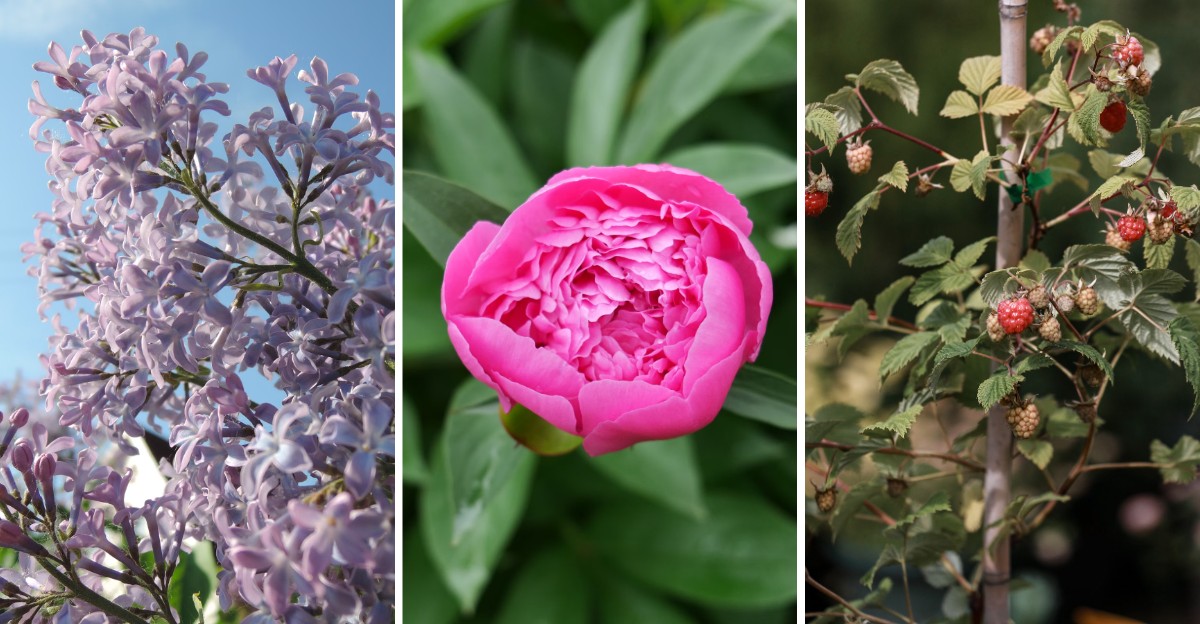
Lilacs, forsythia, and bigleaf hydrangeas are already holding next spring’s flower buds. One tidy afternoon with the pruners could wipe out half of April’s show.
Fall in New York makes every messy plant look like it needs a trim. Some do, while others quietly pay the price.
Peonies, hostas, and iris benefit from a fall cleanup that chases away pests and disease. Spring bloomers, on the other hand, need to be left alone.
So which plants deserve the shears, and which should you walk past with your hands in your pockets? The answers might surprise you if you’ve pruned the same way for years.
1. Peony Foliage After Frost Blackens It
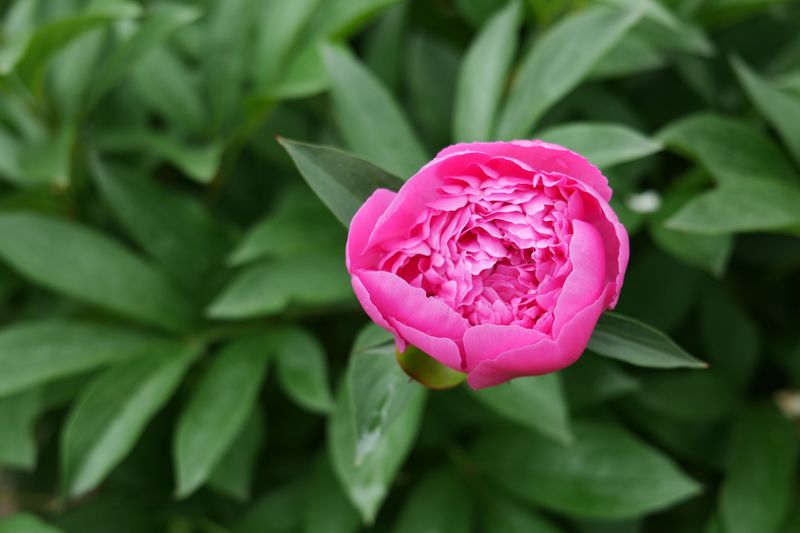
Peonies put on a gorgeous June show, but their fall leaves tell a sadder story. After a hard frost, the foliage turns dark, limp, and spotty.
Herbaceous peonies are the soft-stemmed kind that pop up from the ground each spring. Once frost blackens them, they are ready for a full cleanup.
Grab sharp, clean pruners and cut each stem down to about one or two inches. Leaving tiny stubs helps you remember where the plant sits next spring.
Why bother with all this snipping? Old peony leaves can hide fungal diseases like botrytis, which loves to sleep through winter in plant debris.
Skip the compost pile for these trimmings, even if it feels wasteful. Bag them up and toss them in the trash to keep disease spores far away.
Here is one big warning for New York gardeners with mixed collections. Tree peonies have woody stems, and fall pruning will hurt them.
Those woody types hold next year’s buds along their branches. Leave them alone, and just rake fallen leaves from around their base.
Fun fact for history lovers: peonies can live for a century in the same spot. Some farmhouse gardens still grow plants that great-grandparents tucked in long ago.
A tidy fall cut is a small gift to such a long-lived friend. Your reward comes next spring with fresh red shoots poking up through the soil.
Wipe your blades with rubbing alcohol before moving to the next plant. Clean tools stop problems from hitching a ride around your yard.
2. Summer-Bearing Raspberry Canes That Already Fruited
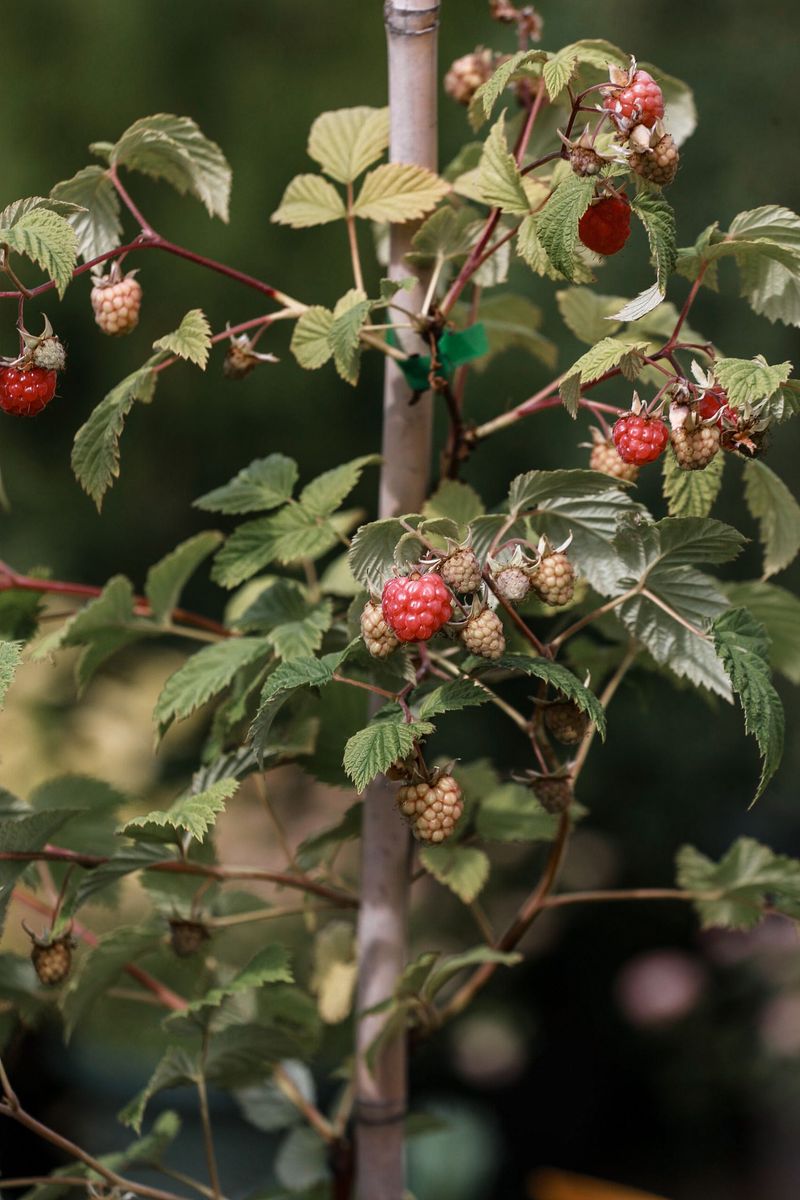
Remember those sweet July berries you ate straight off the bush? The canes that gave you that treat are finished for good now.
Summer-bearing raspberries fruit on second-year canes called floricanes. After they produce berries, those canes slowly fade and turn gray or brown.
Spotting the difference is easier than you might think. Old canes look woody and peeling, while new canes, called primocanes, stay green and smooth.
Wait until the leaves drop in fall for a clearer view. Then cut every spent cane right down to the ground with loppers.
Wear thick gloves and long sleeves for this job. Raspberry thorns are tiny, but they grab skin and sweaters like little fishhooks.
Removing old canes sends energy to the young ones. Those green canes will carry next summer’s harvest, so treat them kindly.
Your New York Garden Changes Every Week. Your Plan Should Too.
Gardening in New York changes quickly throughout the season. Every Friday you’ll receive a simple weekly plan showing exactly what to plant, prune, fertilize, harvest, and protect so you never miss the right timing.
Crowded patches often trap moisture and invite disease. Thin the new canes so each one sits about six inches apart for better airflow.
Many New York berry growers deal with cane blight and anthracnose. Opening up the patch is one of the simplest ways to slow those problems down.
Toss the cut canes in the trash or a brush pile far from the garden. Old wood can carry pests and fungus back into your rows.
Picture yourself next July with a bowl full of plump berries. A cold afternoon of clipping now makes that sweet moment much more likely.
3. Hostas And Daylilies Once They Collapse
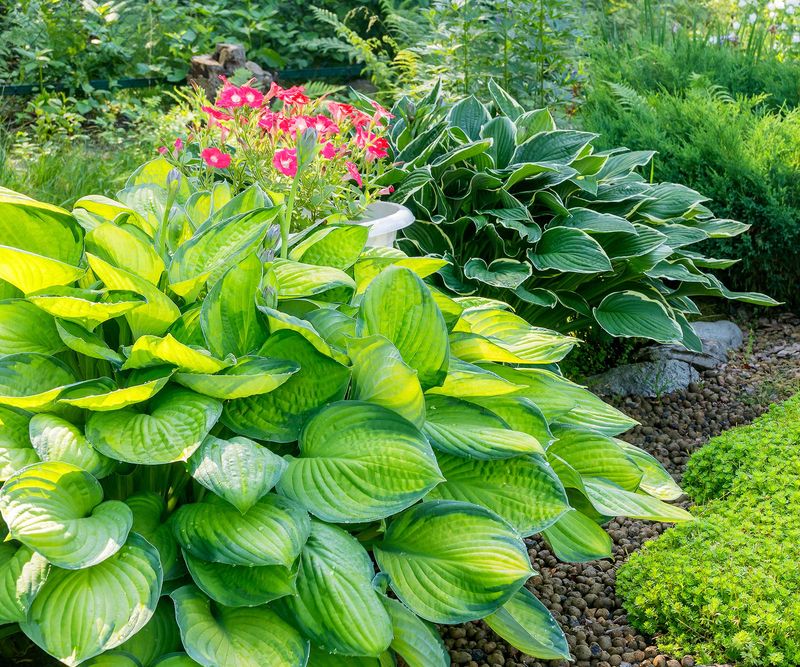
One cold morning, your proud hostas suddenly look like soggy lettuce. Overnight, the first hard frost turned those big leaves mushy and brown.
Hostas collapse on purpose as winter arrives. The plant pulls energy down into its roots, leaving floppy leaves behind on the soil.
Slimy hosta leaves make cozy winter hotels for slugs. Clearing them away means fewer hungry visitors chewing holes next spring.
Cut the leaves to within a few inches of the ground. A sharp pair of shears or even your hands can handle the soft stems.
Daylilies follow a similar path in mid to late fall. Their strappy leaves turn yellow, then brown, after frost takes hold.
Trim daylilies down to a few inches as well. Removing old foliage keeps beds neat and takes away hiding spots for pests.
Some gardeners prefer leaving a few plants standing for wildlife. Either choice is fine, but cleaning hostas helps most where slugs run wild.
Fungal leaf spots can also overwinter on mushy leaves. Bag any foliage that looked spotty or diseased during summer.
Across New York, these two perennials fill countless shady corners and sunny borders. Their easy fall cleanup makes them a great first task for beginner gardeners.
Healthy trimmings can go into the compost pile. Mixed with crunchy fall leaves, they break down into rich food for next year’s garden.
4. Bearded Iris Leaves To Remove Borer Eggs
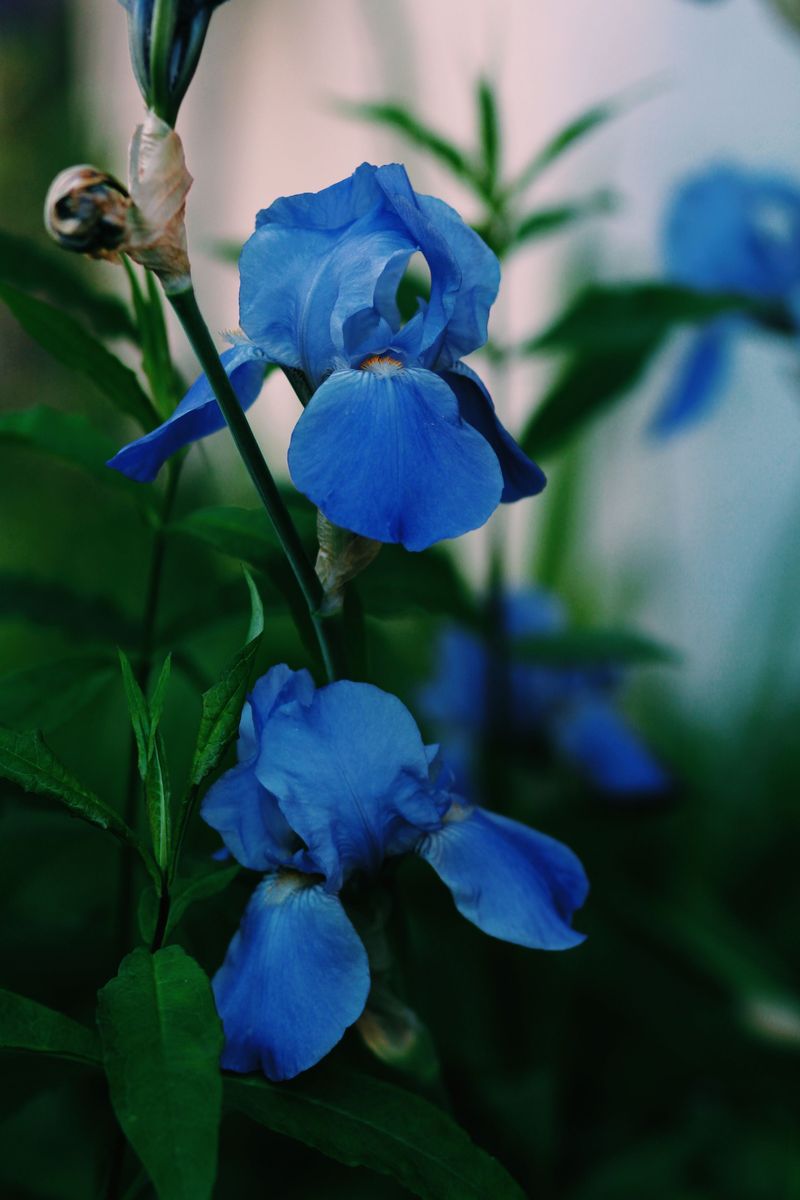
Tiny trouble hides in plain sight on your iris leaves. Iris borer moths lay eggs on the foliage in fall, and those eggs wait for spring.
Once they hatch, the larvae tunnel down into the leaves. Then they munch into the rhizome, causing soft, smelly rot.
Here is the good news for New York iris fans. A simple fall haircut can wipe out many of those eggs before they ever hatch.
Wait until after a few hard frosts have passed. By then, the moths are finished laying eggs for the season.
Cut the leaves down to about two to four inches above the rhizome. A neat fan shape looks tidy and keeps the crown exposed.
Bag every scrap of foliage and send it out with the trash. Composting these leaves could let the eggs survive and return.
Look closely at the rhizomes while you work. Any soft, mushy sections may hold borers, so dig those spots out with a clean knife.
Did you know the name iris comes from the Greek goddess of the rainbow? The flowers earned that name because they bloom in so many colors.
Rake old mulch and debris away from the plants too. Clean ground makes it harder for eggs and pests to find shelter.
Come spring, check new leaves for small notches or wet streaks. Squishing early larvae by hand stops damage before it spreads.
5. Decaying Or Broken Branches On Any Tree Or Shrub
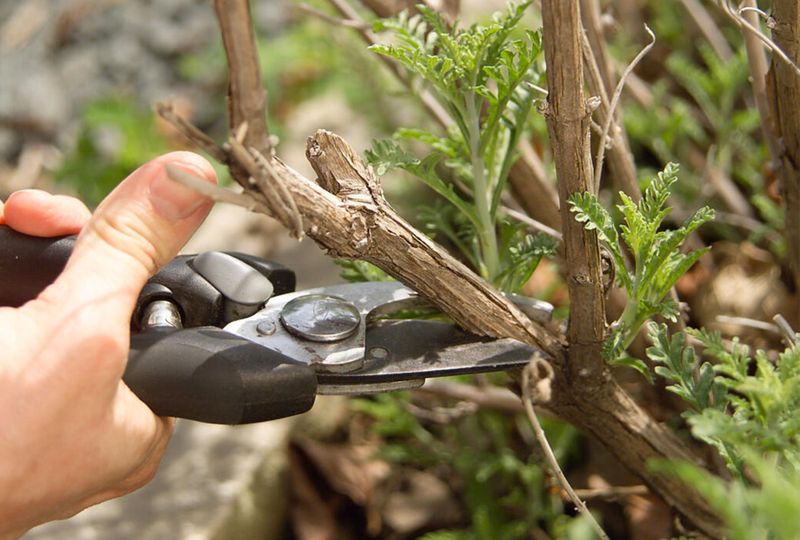
Some pruning rules come with fine print, but this one is wonderfully simple. Broken, diseased, or lifeless branches can come off any time of year.
Picture a heavy snowstorm rolling across New York in January. A weak limb could snap and crash onto a car, roof, or fence.
Removing damaged wood keeps trees healthier and safer. Rot and disease often start in broken spots and creep into healthy tissue.
How can you tell a branch is truly finished? Scratch the bark gently with a fingernail, and look for brown, dry wood underneath.
Healthy branches show green tissue under the bark. Brittle twigs that snap easily usually signal a limb that has given up.
Cut just outside the branch collar, the swollen ring where branch meets trunk. Leaving that collar helps the tree seal the wound naturally.
For thicker limbs, use the three-cut method. Make an undercut first, then cut from above, and finish with a clean final cut.
Skip heavy pruning of healthy wood in late summer and early fall. Fresh cuts can push tender growth that frost will damage.
Large branches high in a tree belong to professionals. Certified arborists have the gear and training to work safely off the ground.
Wipe tools between cuts when removing diseased wood. That quick step keeps germs from spreading to the next healthy branch.
6. Lilacs, Which Already Hold Next Spring’s Buds
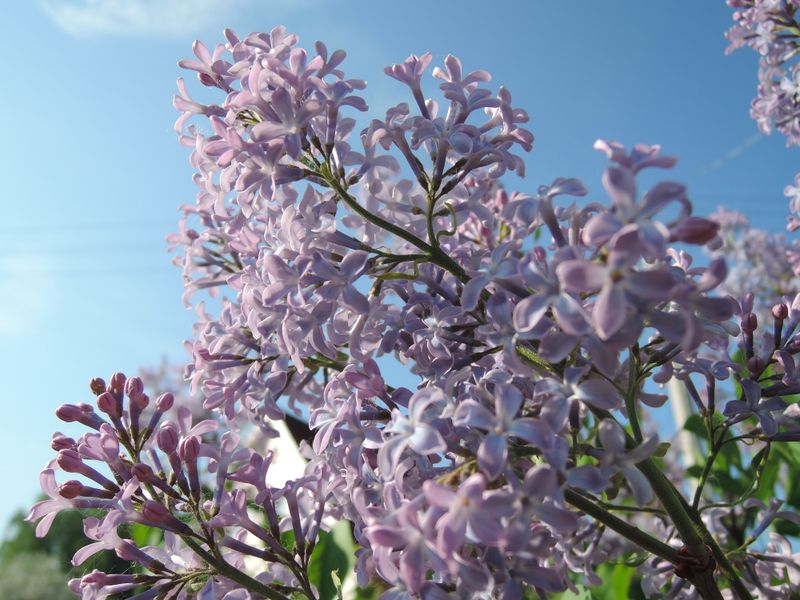
Ask almost anyone about their grandma’s garden, and lilacs come up fast. That sweet May scent drifting through an open window is pure nostalgia.
Keeping that perfume coming means putting the pruners down in fall. Lilacs form next spring’s flower buds in early summer, right after blooming ends.
Look closely at a lilac branch in October. You will spot plump, paired buds sitting at the tips, ready and waiting for warmer days.
Fall pruning snips those buds right off the shrub. Your spring show could shrink to a few clusters or vanish altogether.
The sweet spot for trimming arrives just as flowers fade in late spring. Clipping spent blooms then gives the shrub months to set new buds.
Old, overgrown lilacs can be renewed slowly over three years. Remove about one third of the thickest stems each spring after bloom.
Rochester, New York, holds a famous Lilac Festival every May at Highland Park. Hundreds of varieties bloom there, drawing visitors from all over.
Fall still offers a few small chores for lilac lovers. Pull out suckers popping up far from the main shrub, and rake up fallen leaves.
Powdery mildew often coats lilac leaves by late summer. Cleaning up fallen foliage helps reduce spores for next season.
So admire those bare branches and leave them be. Your patience will smell incredible when May rolls around again.
7. Forsythia, Which Blooms On Old Wood
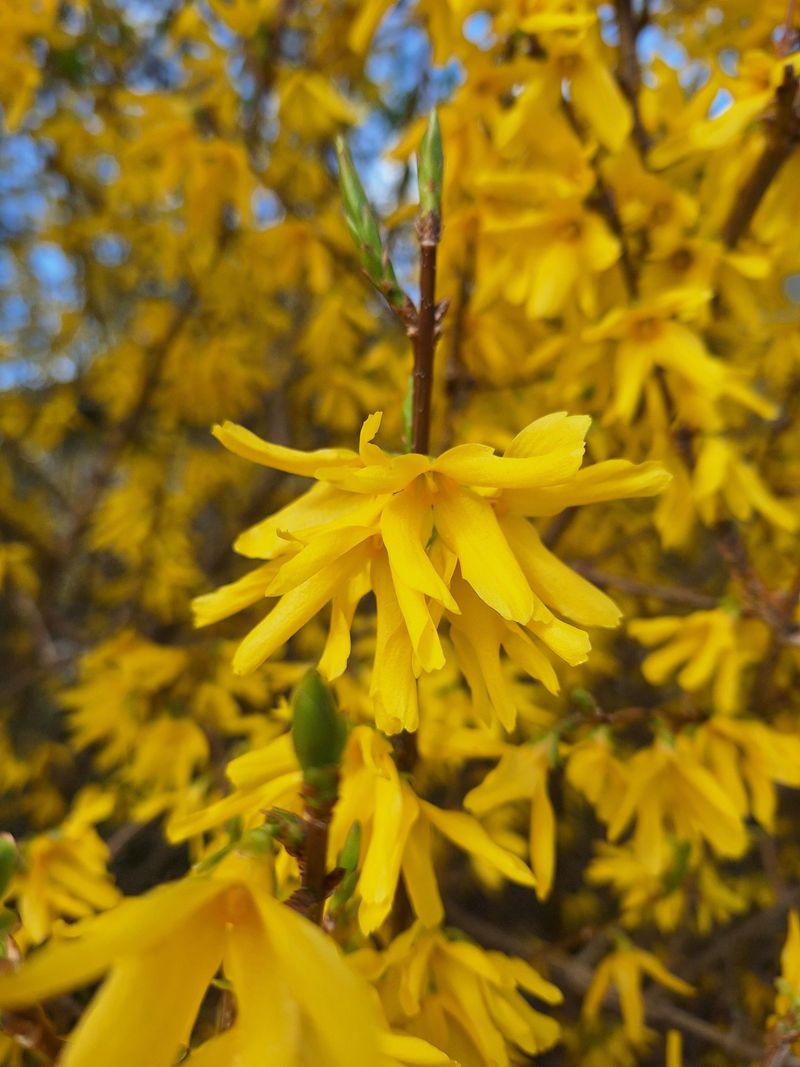
Nothing shouts “winter is over” quite like forsythia. Those bright yellow branches light up yards while everything else still looks brown and sleepy.
Forsythia blooms on old wood, meaning last year’s branches carry the flowers. The buds for next spring are already sitting there right now.
Run your fingers along a forsythia stem this fall. Those little pointed bumps hold the golden blossoms you love so much.
Shearing the shrub now would strip away most of them. Come April, you might get green leaves with only a scattering of yellow.
Wait until the flowers fade in spring before pruning. Then you have the whole summer for fresh growth and new buds.
Many people trim forsythia into tight boxes or balls. Sadly, that look often costs flowers and hides the shrub’s lovely fountain shape.
Thinning works much better than shearing. Cut a few of the oldest, thickest canes right at ground level each spring after bloom.
Fun fact: forsythia is named after William Forsyth, a Scottish gardener from the 1700s. He helped run royal gardens in London.
Craving color during a gray New York winter? Snip a few stems in February and set them in a vase of water indoors.
Within a week or two, the buds often open into cheerful yellow flowers. It feels like stealing spring a little early.
8. Bigleaf Hydrangeas With Flower Buds Set
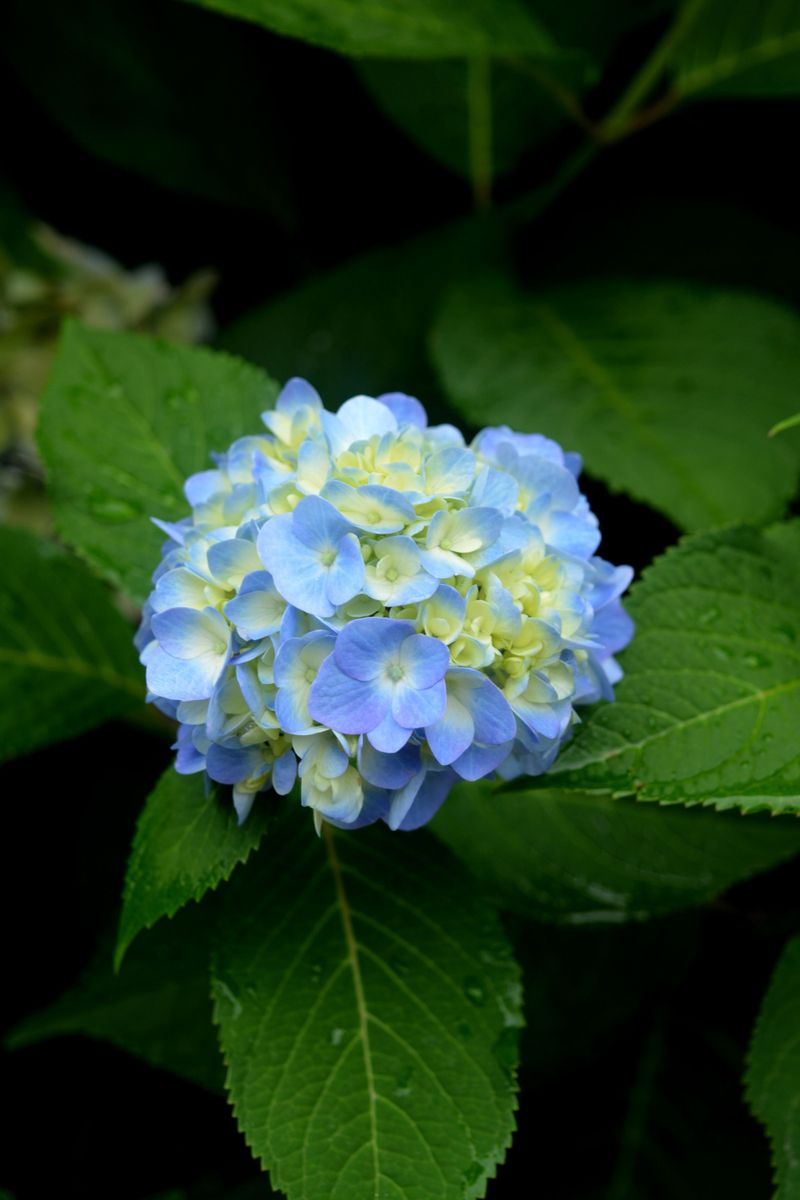
Few shrubs cause as much confusion as hydrangeas. One neighbor cuts theirs to the ground, while another warns you not to touch yours.
Bigleaf hydrangeas are the ones that need a hands-off approach in fall. These include the classic mophead and lacecap types with blue or pink blooms.
Bigleaf varieties set their flower buds in late summer on old wood. Those buds sit at the tips of stems all winter long.
Cutting stems back in fall removes the buds. Many frustrated gardeners end up with leafy shrubs and almost no flowers.
Leave the dried flower heads in place over winter. They look pretty with frost on them and give buds a bit of shelter.
The best pruning time comes right after blooming in mid to late summer. Even then, a light trim works better than a heavy cut.
Not sure which hydrangea you own? Big, glossy, rounded leaves usually point to bigleaf, while smooth and panicle types handle fall pruning better.
Here is a neat trick: soil chemistry changes bigleaf flower color. Acidic soil often brings blue blooms, and alkaline soil leans pink.
Long Island and the Hudson Valley in New York are famous for blue hydrangeas. Their naturally acidic soils make those beautiful shades possible.
In colder spots, wrap shrubs in burlap or pile leaves around the base. That extra layer helps protect tender buds from harsh winter winds.
9. Rhododendrons And Azaleas Packed With Buds
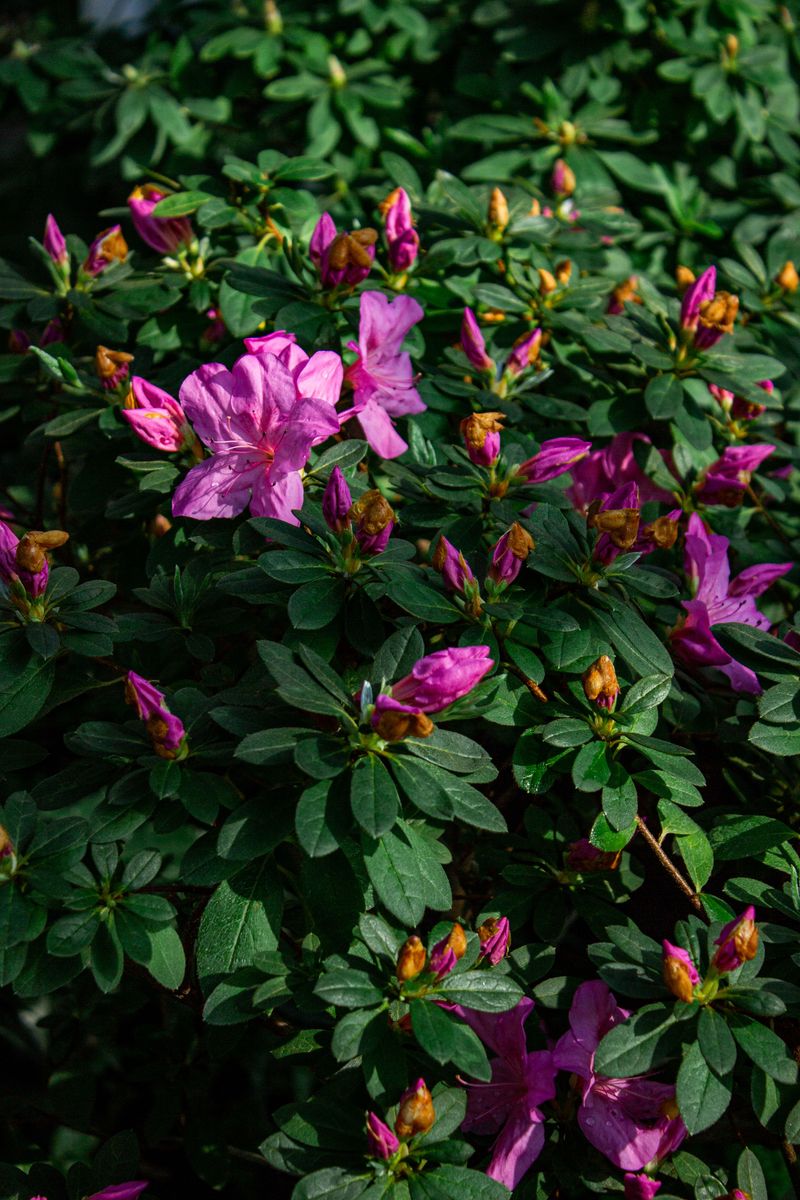
Walk past a rhododendron in November and look closely at the branch tips. You will find fat, scaly buds that look almost like tiny pinecones.
Each one holds a whole cluster of spring flowers. Rhododendrons and azaleas set these buds in late summer, then wait patiently through winter.
Picking up the pruners now would be a costly mistake. Every snip removes a future bouquet from your May garden.
Leaf buds look slimmer and more pointed than flower buds. Learning the difference helps you appreciate how much color sits on each shrub.
Plan any shaping for right after flowers fade in late spring or early summer. That timing gives plenty of months for new buds to form.
Many gardeners also snap off spent flower clusters. Gently twist them off so you avoid damaging new shoots underneath.
Rhododendrons grow happily in many shady New York yards. They prefer acidic soil, steady moisture, and protection from harsh afternoon sun.
Curling leaves on a frigid day can look alarming. Relax, because the plant is simply protecting itself from moisture loss in the cold.
Water deeply in fall before the ground freezes. Evergreen leaves keep losing moisture all winter, so well-watered roots help prevent browning.
A layer of shredded leaves or pine needle mulch helps too. It keeps shallow roots cozy and holds moisture in the soil.
10. Flowering Dogwoods And Magnolias That Bloom On Old Wood
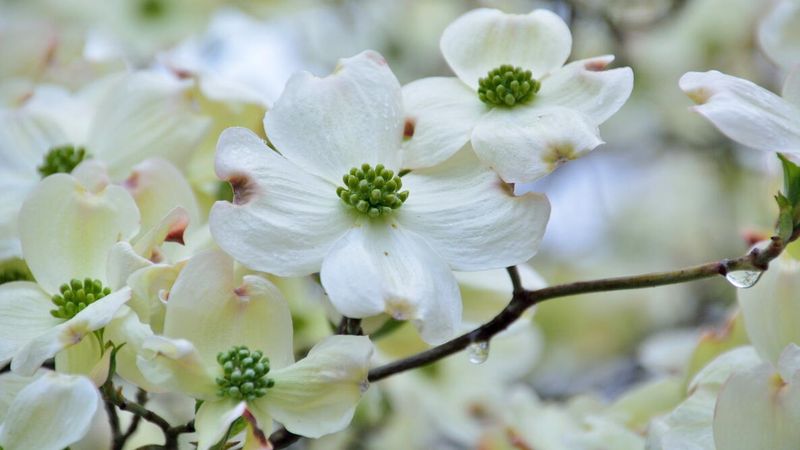
Spring in a New York neighborhood often starts with magnolias. Pink and white petals fill the trees before a single leaf shows up.
Soon after, flowering dogwoods join the party with their soft, starry blooms. Both trees carry their buds on old wood through the cold months.
Magnolia buds are easy to spot because they look fuzzy, like little gray kittens. Dogwood flower buds look round and flat, almost like tiny onions.
Those buds formed back in late summer or early fall. Pruning now would cut them away and leave you with a plain spring tree.
Fresh cuts in late fall also face another problem. Cold weather can damage open wounds, and some pests are drawn to the scent.
Patience pays off with these beauties. Prune lightly after flowers finish in late spring or early summer, when trees heal quickly.
Magnolias are ancient plants, older than bees. Scientists believe beetles were their original pollinators, which explains their tough petals.
Both trees look best with a natural shape. Remove only crossing branches, damaged wood, or limbs that block walkways.
Dogwoods appreciate a ring of mulch around their trunks. Keep it a few inches from the bark to prevent rot and nibbling critters.
Leave these lovely trees untouched this fall, and they will reward you. Your yard will be one of the prettiest New York sights come spring.