How To Get New York Geraniums Blooming With These Simple Fertilizer Tips
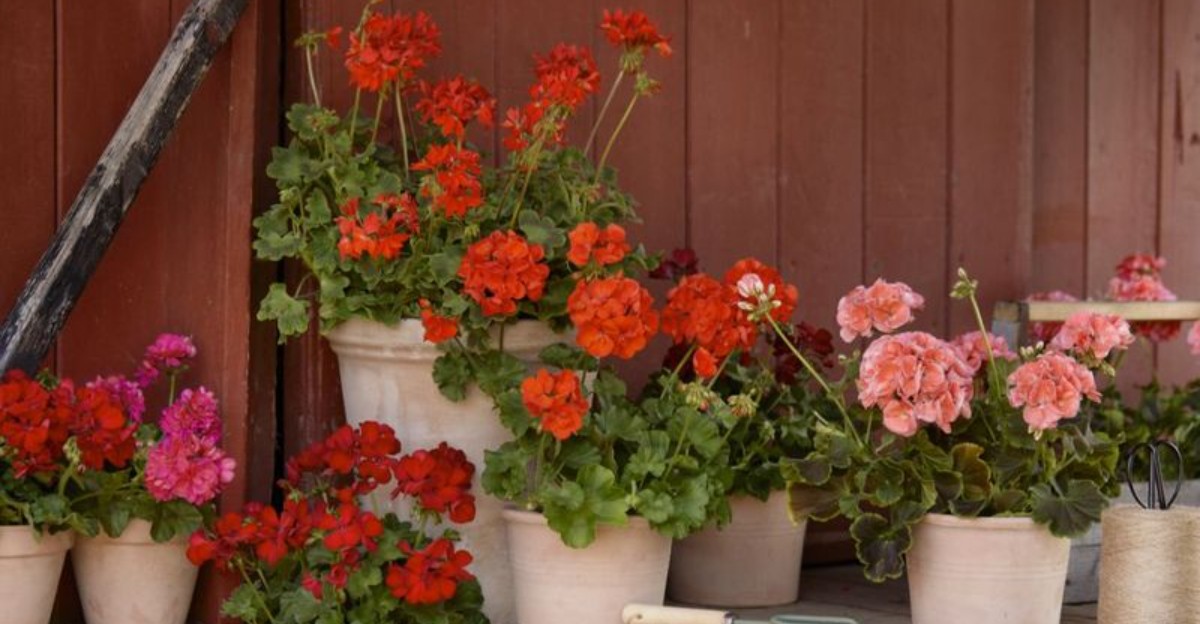
Nothing brightens a New York stoop like a pot of geraniums bursting with red, pink, or coral blooms. Yet plenty of gardeners end up with lots of leaves and only a handful of flowers.
The fix is often hiding in your fertilizer routine. What you feed your geraniums, plus when and how, makes a big difference.
Too much nitrogen is a common culprit, since it pushes leafy growth at the expense of flowers. A balanced formula and the right schedule can turn a shy plant into a steady flower show.
Whether your geraniums live on a Brooklyn balcony, a Buffalo porch, or a sunny kitchen windowsill, the same simple rules apply. Two bonus tricks at the end help keep the blooms coming.
1. Balanced Fertilizer Keeps Blooms And Leaves In Check
Picture a window box on a New York brownstone, packed with scarlet geranium clusters and glossy green leaves. Behind that cheerful scene, there is usually a simple, balanced fertilizer doing quiet work.
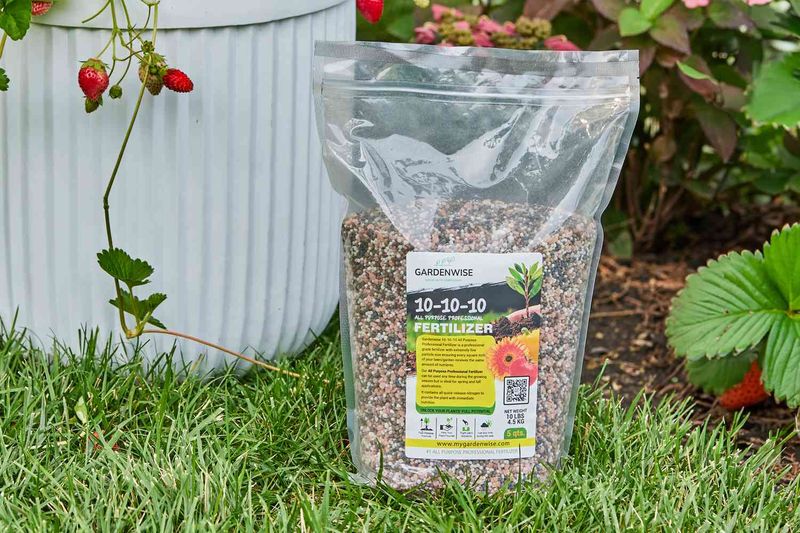
Balanced means the three numbers on the label are equal, like 10-10-10 or 20-20-20. Those numbers stand for nitrogen, phosphorus, and potassium, often shortened to NPK.
Each nutrient has its own job inside the plant. Nitrogen builds leaves, phosphorus supports roots and flowers, and potassium keeps stems sturdy and healthy.
When all three arrive in equal amounts, your geraniums do not lean too hard in one direction. You get enough foliage to feed the plant and plenty of energy left for blooms.
Shopping for one is easy, since most garden centers carry several balanced brands. Look for a water-soluble formula labeled for flowering plants or all-purpose use.
Read the mixing directions before you start, because stronger is not better here. Too much fertilizer can scorch roots, even when the formula is perfectly balanced.
Here is a handy tip for beginners. Mark your feeding dates on a calendar so you can spot patterns in how your plants respond.
Once flowering really takes off, some gardeners switch to a bloom booster with slightly more phosphorus. A balanced feed is still a safe, reliable starting point for most home growers.
Fun fact: the plants most people call geraniums are actually Pelargoniums from South Africa. True hardy geraniums are a different group, but both enjoy steady, balanced nutrition.
2. Liquid Feeds Deliver Nutrients Quickly
Think of liquid fertilizer as a smoothie for your plants. Nutrients are already dissolved, so roots can soak them up within hours instead of weeks.
Granular and slow-release products need time to break down in the soil first. Liquid feeds skip that waiting step, which makes them a favorite for container geraniums.
Pots on a New York balcony or windowsill dry out fast in summer heat. Frequent watering also washes nutrients away, so quick refills from liquid feeds help a lot.
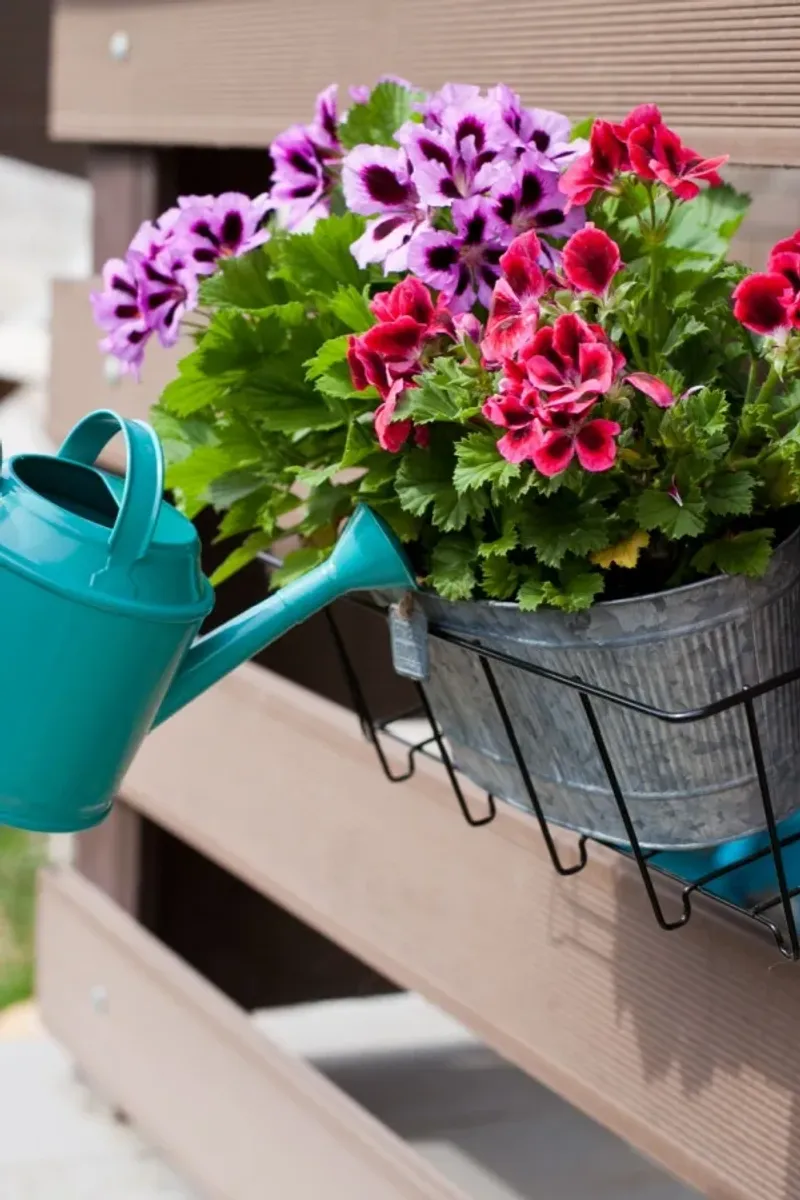
Mixing is simple with a watering can and a measuring spoon. Stir the powder or concentrate into water until it looks evenly colored, then pour gently around the base.
Aim the stream at the soil, not the leaves or flowers. Wet foliage can invite fungal spots, especially on humid summer afternoons.
Your New York Garden Changes Every Week. Your Plan Should Too.
Gardening in New York changes quickly throughout the season. Every Friday you’ll receive a simple weekly plan showing exactly what to plant, prune, fertilize, harvest, and protect so you never miss the right timing.
Many gardeners notice greener leaves and fresh buds within a week or two. That fast response makes it easier to tell whether your feeding plan is working.
Fish emulsion and seaweed extracts are popular organic liquid options. They smell a bit funky at first, but the scent fades quickly once the soil dries.
Here is a money-saving trick worth trying. Buy a concentrated powder rather than premixed bottles, since one small box can last a full season.
Store leftover mixed fertilizer in a labeled jug away from kids and pets. Use it within a few days so the nutrients stay fresh and effective.
3. Every Two Weeks Works While Plants Grow Actively
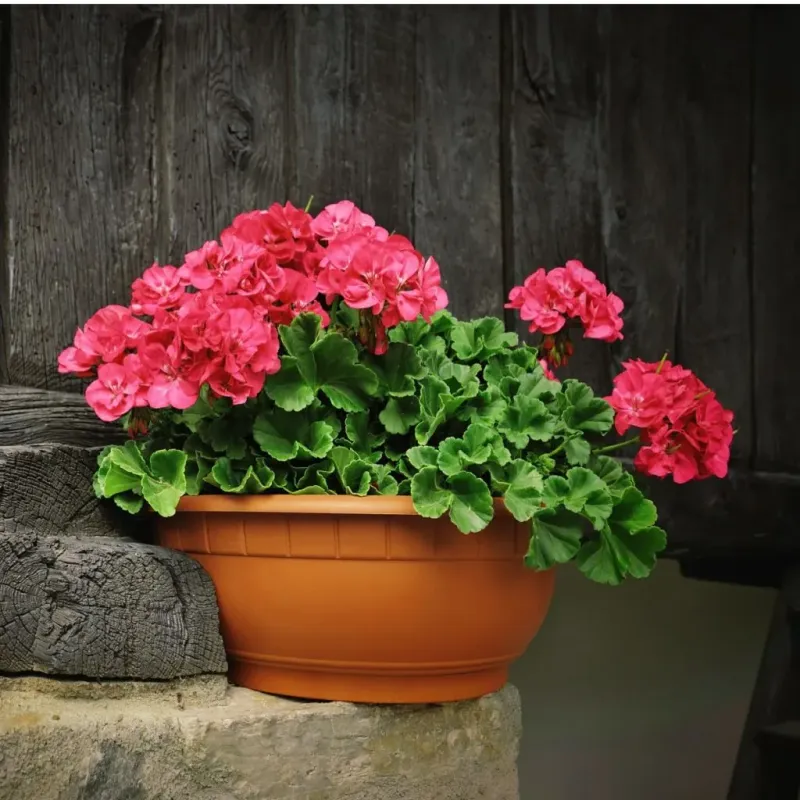
Geraniums are hungry little performers once the weather warms up. From spring through early fall, they push out new leaves and flowers almost nonstop.
Feeding every two weeks during this stretch keeps their energy steady. Skipping too many sessions often leads to pale leaves and fewer flower clusters.
In most of the state, active growth starts around mid-May after the last frost. It usually slows down by late September, when nights turn crisp.
Potted plants may want a slightly different rhythm. Some growers feed them every seven to ten days at half strength instead.
Smaller, more frequent doses work well because containers lose nutrients quickly with each watering. Half-strength mixes also lower the risk of burning tender roots.
Garden bed geraniums usually need less attention than pots. Rich soil holds nutrients longer, so every two to three weeks is often plenty.
Setting a reminder on your phone makes the routine feel effortless. Sunday mornings work well for many people, since the schedule is easy to remember.
Watch your plants as closely as you watch the calendar. Yellowing lower leaves may hint at hunger, while burnt leaf edges can mean you are overdoing it.
Ease off once autumn arrives and growth naturally slows. Your geraniums will thank you with one last colorful show before cold weather settles in.
4. Excess Nitrogen Grows Leaves At The Expense Of Flowers
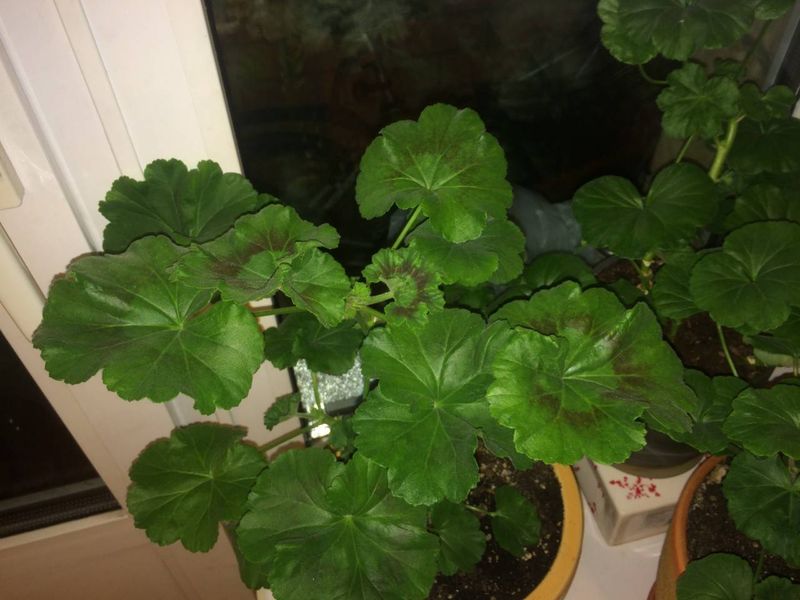
Ever grown a geranium that looked like a lush green shrub with barely a flower in sight? Too much nitrogen is often the sneaky reason behind that disappointment.
Nitrogen fuels leaf and stem growth, which sounds great at first. When a plant gets too much, it pours energy into foliage and forgets about blooming.
Lawn fertilizers are a common culprit, since they are packed with nitrogen. A label like 30-0-4 is perfect for grass but a poor match for geraniums.
Check the first number on any fertilizer bag before using it on flowers. Choose formulas where that number is equal to or lower than the middle one.
Something like 10-15-10 or 15-30-15 nudges plants toward flowering. That extra phosphorus encourages buds while still feeding healthy leaves.
Keep an eye on nearby lawn care, too. Runoff from a freshly fed lawn can drift into flower beds after a heavy rain.
Fresh manure and some compost blends may also be rich in nitrogen. Use them sparingly around geraniums, or let them age well before mixing them in.
If your plant is already leafy and flowerless, there is hope. Pause feeding for a couple of weeks, then switch to a bloom-friendly formula.
Plenty of sun helps, too, since geraniums need six or more hours daily to flower well. Good light plus the right nutrients usually brings buds back quickly.
5. Pre-Moistened Soil Prevents Root Burn
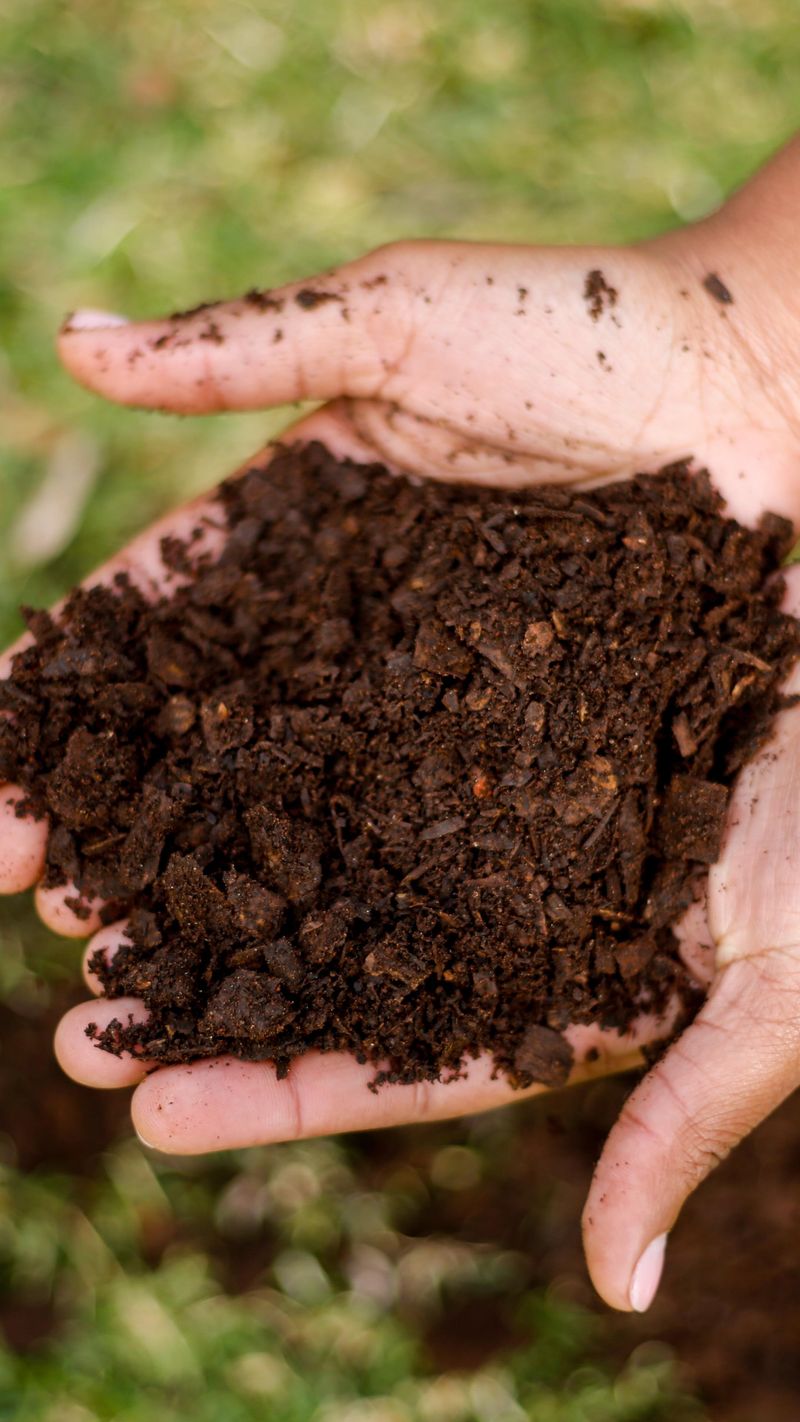
Pouring fertilizer onto bone-dry soil is a bit like drinking strong coffee on an empty stomach. The result can be harsh, and roots feel it first.
Fertilizer contains salts that pull moisture away from roots when soil is parched. That stress can cause root burn, which shows up as brown, crispy leaf edges.
Moist soil acts like a cushion between roots and those concentrated nutrients. It also helps the fertilizer spread evenly through the whole root zone.
The fix takes only a few extra minutes. Water your geraniums with plain water first, then wait about thirty minutes before feeding.
Use the finger test to check moisture before you begin. Push a finger about an inch into the soil, and if it feels dusty, water first.
Container plants dry out faster than garden beds, especially in clay pots. A sunny rooftop in July can bake a small pot dry by afternoon.
Morning is a great time for this routine. Cooler temperatures mean less evaporation, and plants have all day to absorb what they need.
Signs of root burn include wilting even after watering and sudden leaf drop. If you spot them, flush the soil with clean water right away.
Healthy, comfortable roots are the foundation of every flower you see. Treat them kindly, and the blooms above ground tend to follow.
6. Indoor Geraniums Need Less Food In Winter
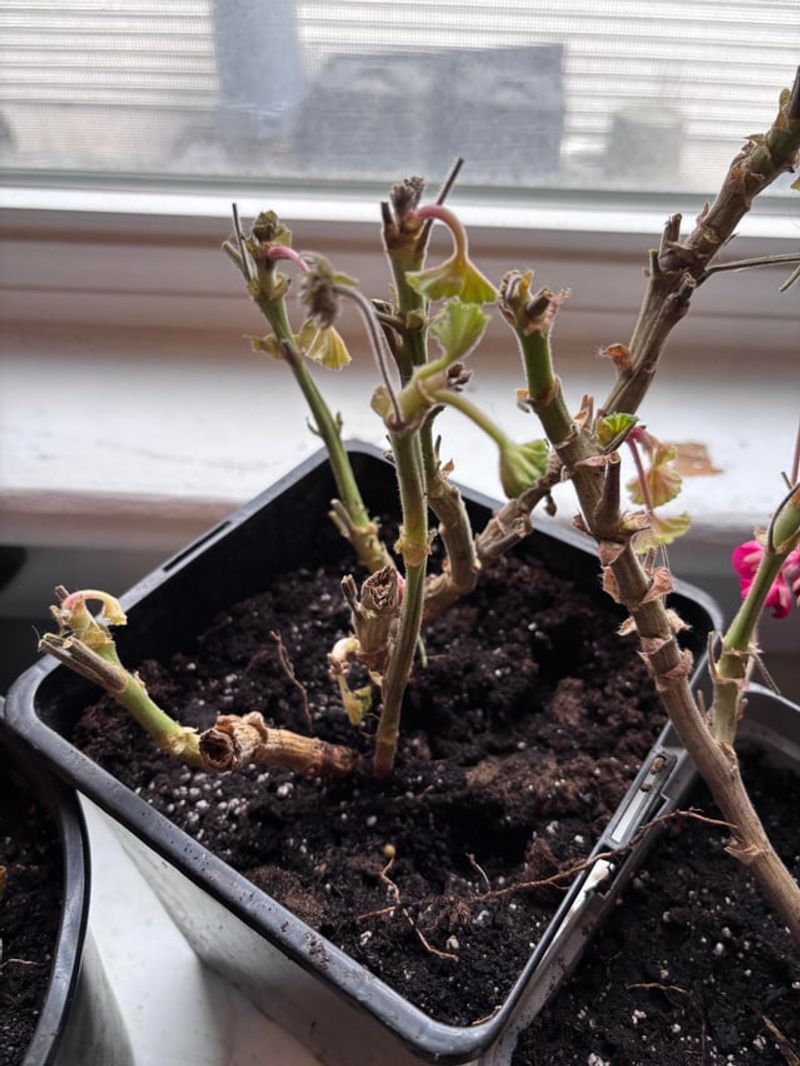
Many New York gardeners bring their geraniums indoors before the first frost hits in October. Inside, these plants slow down and take a well-earned rest.
Shorter days and cooler rooms signal geraniums to enter a semi-dormant phase. Growth slows to a crawl, so their need for food drops sharply.
Most experts suggest pausing fertilizer entirely during winter dormancy. Feeding a resting plant can lead to salt buildup and weak, stretched stems.
Some indoor geraniums keep blooming on a bright, sunny windowsill. For those, a quarter-strength feed once a month is usually plenty.
Watering needs drop in winter, too. Let the top inch of soil dry out between drinks to avoid soggy roots and rot.
A south-facing window gives the best light during dark winter months. Rotate the pot every week or so, which keeps growth from leaning toward the glass.
Old-fashioned gardeners once stored geraniums bare-root in paper bags in cool basements. Surprisingly, many plants survived and sprouted again in spring.
Restart regular feeding in late February or March when new leaves appear. Begin at half strength, then build up as days grow longer.
Patience in winter pays off with stronger plants later. Rested geraniums often bloom more heavily once they head back outside.
7. Plain Water Flushes Out Built-Up Salts
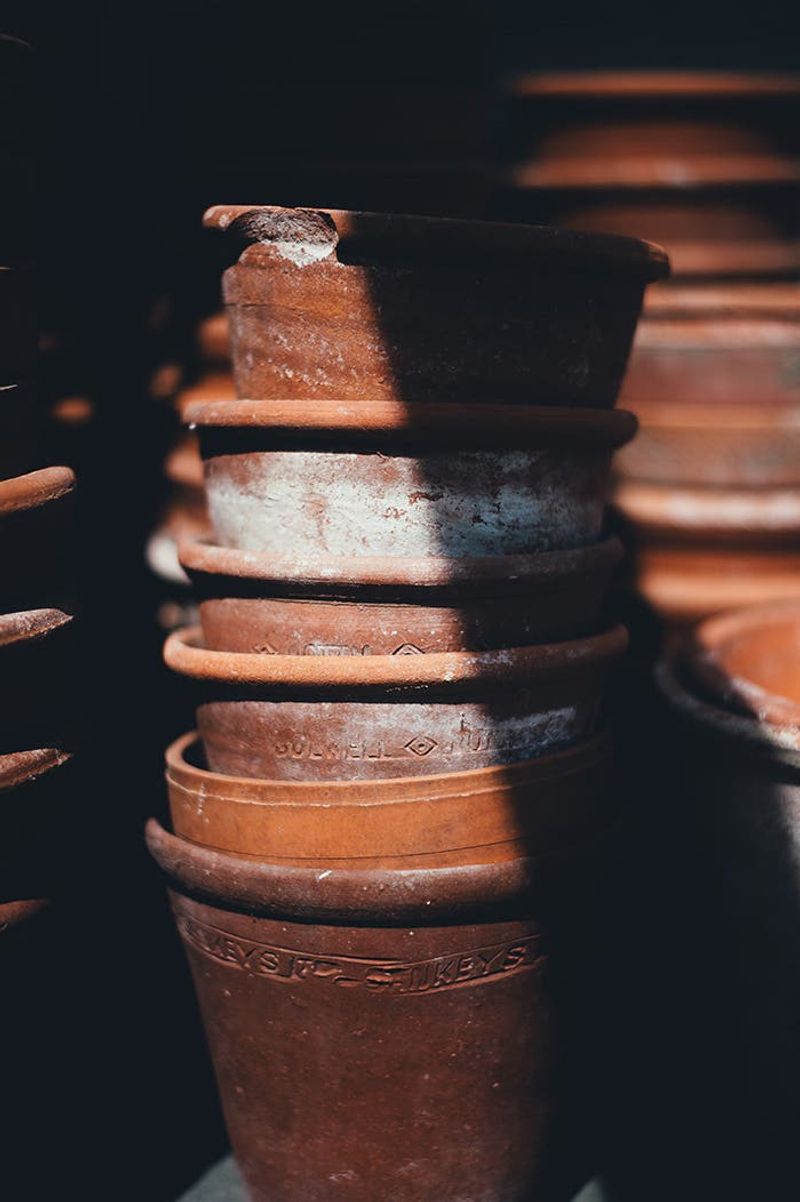
Ever notice a crusty white ring on the rim of a clay pot? That chalky layer is often leftover fertilizer salt, and it can quietly harm your geraniums.
Every feeding leaves a small amount of mineral residue behind. Over weeks, those salts build up and make it harder for roots to absorb water.
Flushing, also called leaching, washes the excess away. Slowly pour plain water through the pot until it streams freely out the drainage holes.
A good rule is to use about twice the pot’s volume in water. For a one-gallon pot, that means roughly two gallons poured gently over a few minutes.
Do this once a month during the growing season. Container plants benefit most, since salts have nowhere else to go.
New York City’s tap water is famously soft, which helps keep mineral buildup low. Fertilizer salts can still collect anywhere, so regular flushing remains a smart habit.
Make sure every pot has drainage holes before you start. Without them, flushing just creates a soggy mess that invites root rot.
Scrub away crusty deposits on pot rims with a damp cloth or old toothbrush. Stems resting against salty edges can get irritated and develop brown spots.
Skip fertilizer for a week after flushing. That short break lets roots recover before the next nutrient boost arrives.
8. Thirsty Plants Should Be Watered Before Feeding
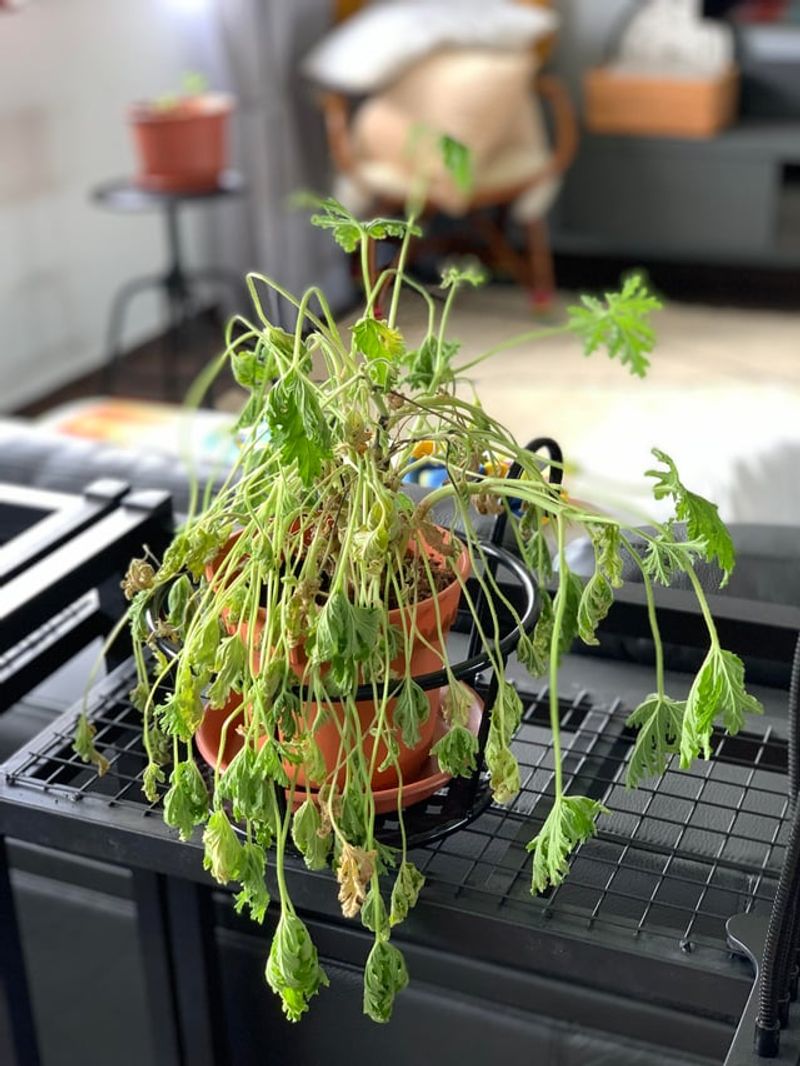
A drooping geranium on a hot afternoon is sending a clear message. Before anything else, it wants a cool drink of water.
Many gardeners make the mistake of feeding a wilted plant, hoping to perk it up. Unfortunately, dry roots absorb fertilizer salts too quickly and can get damaged.
Think of watering first as preparing the table before dinner. Hydrated roots are plump and ready to take in nutrients at a comfortable pace.
Try watering lightly a day or two before your planned feeding. The soil stays evenly moist, and roots have time to recover from any stress.
Wilting can also happen from heat alone, even when soil is damp. Check moisture with your finger before reaching for the hose.
Afternoon droop that disappears by evening is usually just heat stress. Plants that stay limp the next morning likely need a deeper soak.
Self-watering pots are a handy tool for busy schedules. Their built-in reservoirs keep soil steadily moist, which makes feeding days much safer.
Mulching garden beds with shredded bark helps, too. A two-inch layer holds moisture and keeps roots cooler during heat waves.
Rainwater collected in a barrel makes a lovely, chemical-free drink for thirsty pots. Plants seem to respond especially well to its naturally soft quality.
Once your geraniums look perky again, go ahead with the fertilizer. Healthy, hydrated plants turn those nutrients into bigger, brighter flower clusters.
9. Bonus Trick: Remove Faded Flowers Right Away
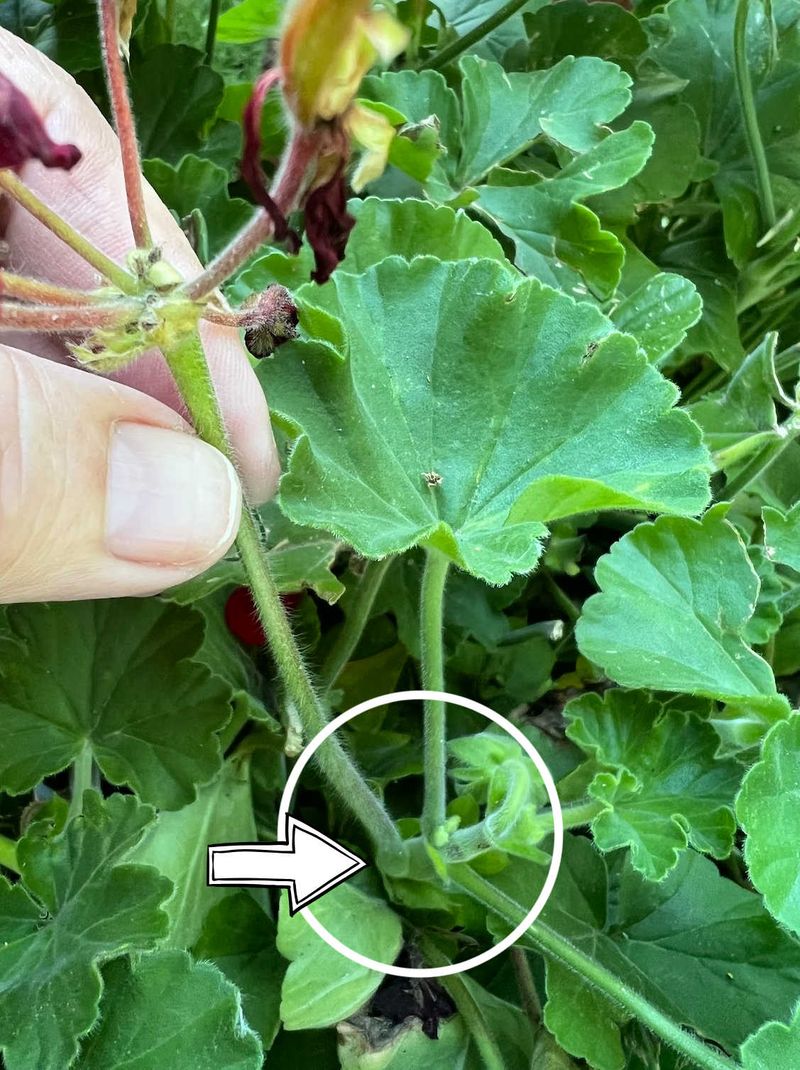
Here is a secret that costs nothing and works like magic. Snapping off faded flower clusters can keep geraniums blooming for months.
Once a flower fades, the plant starts putting energy into making seeds. Removing spent blooms tells it to try again and produce fresh flowers instead.
Gardeners call this habit spent-bloom removal, and it pairs beautifully with good feeding. Fertilizer supplies the fuel, while tidying up points that fuel toward new buds.
The technique is simple. Follow the faded flower stalk down to where it meets the main stem, then snap or snip it cleanly.
Leaving short stubs behind can invite rot and look messy. A clean break close to the stem heals faster and keeps plants looking neat.
Make it part of a relaxing routine, maybe with morning coffee on the porch. A quick check every few days is enough to stay ahead.
Brown, papery petals and drooping clusters are the clearest signs it is time. Some flowers fade unevenly, so remove the whole cluster once most blooms look tired.
Tidy plants also stay healthier. Fallen petals that sit on wet leaves can encourage gray mold, a common problem in humid summers.
Drop the old blooms into your compost bin rather than tossing them. They break down quickly and will feed your garden next year.
10. Bonus Trick: Pinch Back Leggy Stems
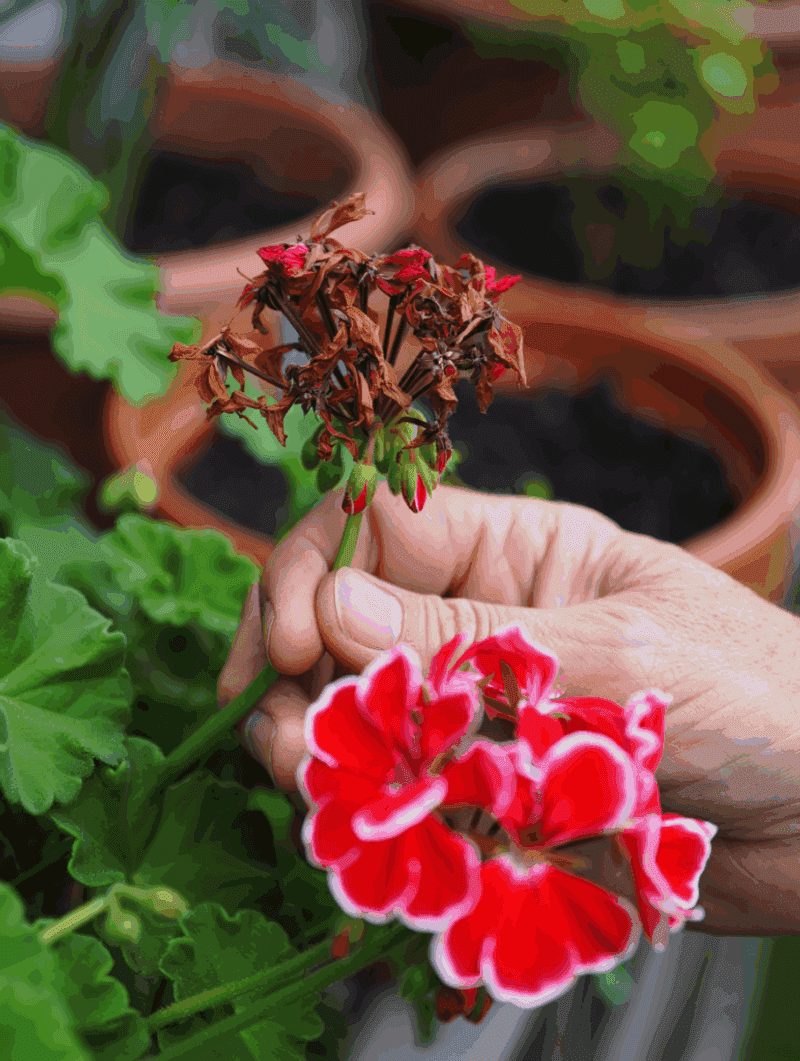
Leggy geraniums look a little like teenagers after a growth spurt. Long, bare stems stretch out with just a few leaves at the very top.
Pinching back fixes that awkward look in seconds. Removing the tip of a stem pushes the plant to grow side shoots and fill out.
Find a healthy leaf or node, the small bump where leaves attach. Pinch or snip just above it using clean fingers or sharp scissors.
New branches usually sprout from that spot within a couple of weeks. More branches mean more places for flower clusters to form.
Spring is the best time for pinching, right after plants head outdoors. Indoor geraniums stretched by winter light respond especially well to this trim.
Light is often the hidden cause of leggy growth. Plants reaching for a dim window will stretch, so move them to a brighter spot.
Here is a bonus perk worth knowing. Pinched stem tips that are three or four inches long can root in moist soil and become new plants.
Avoid pinching heavily during midsummer when buds are forming. Light shaping is fine, but big cuts may delay the next wave of color.
Pair pinching with a follow-up feed a week later. Fresh nutrients help those new shoots grow strong and loaded with flowers.