The Vegetables You Can Still Start In October In North Carolina
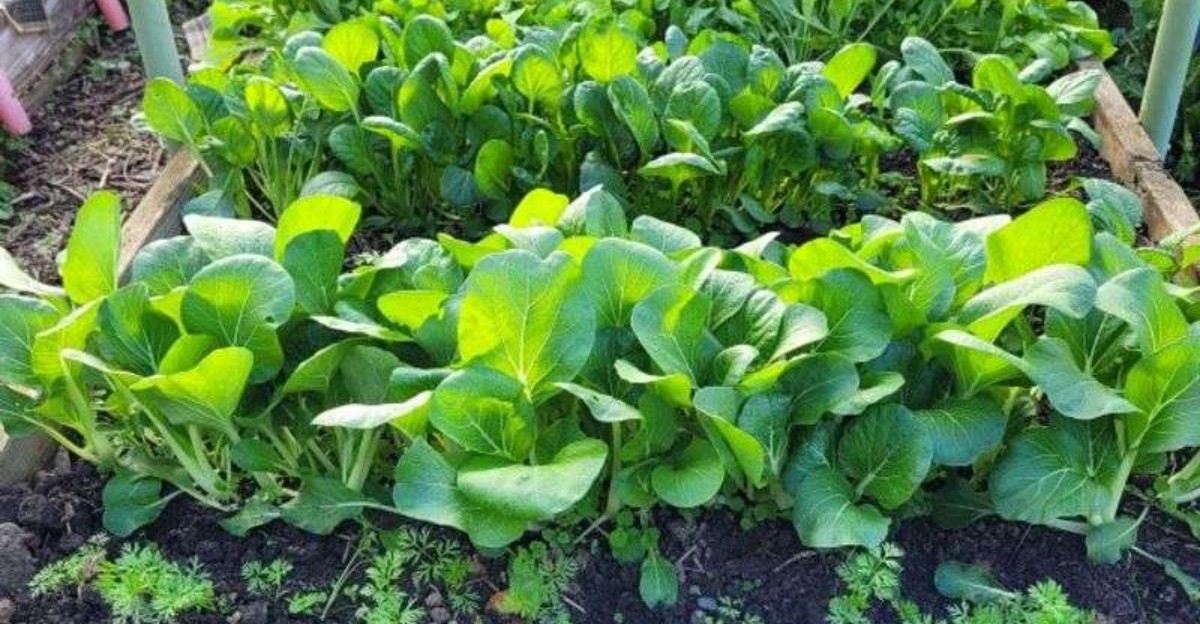
October feels late, but North Carolina gardeners still have options. Mild weather and a long, gentle fall give cool-season crops plenty of time to grow. Some mature quickly and are ready in just a few weeks.
Radishes and baby greens are the speediest. Others take longer but handle light frost without complaint. Spinach, kale, and turnips fit that group.
Garlic goes in now too, and it will be ready next summer. The trick is matching the crop to the days left before hard freezes arrive. A cold frame or row cover can stretch the season even more.
Warm-season plants like tomatoes are done, so do not bother. Pick the right seeds today, and you could be harvesting fresh vegetables well into winter.
1. Garlic Goes In The Ground Now For A Summer Harvest
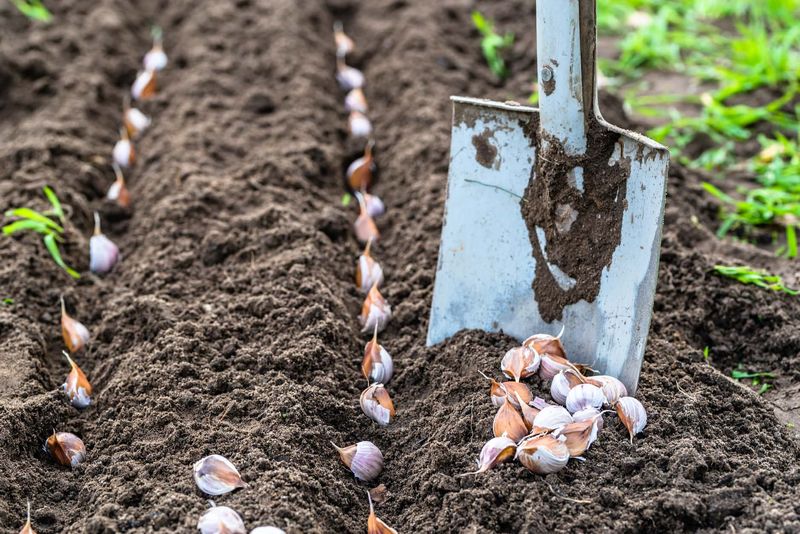
Few crops reward patience like garlic. You tuck a single clove into the soil in fall, and by early summer it has turned into a full, fragrant bulb packed with new cloves. That simple trick has kept gardeners hooked for thousands of years.
October timing is no accident. Garlic, known to scientists as Allium sativum, needs a long, cool stretch to build strong roots before winter. It also needs a spell of cold weather, which signals the plant to divide into those plump, separate cloves you see at the store.
Skip the chill, and you may end up with small, round bulbs that never split. Getting started is easy. Break apart a bulb just before planting and choose the biggest cloves, since large cloves grow large bulbs.
Set each one pointed end up about 2 inches deep and 4 to 6 inches apart. Pick a spot with full sun and soil that drains well, because soggy ground can cause rot.
After planting, spread a layer of straw over the bed. Mulch keeps soil temperatures steady, holds in moisture, and blocks weeds that would steal nutrients. Green shoots may poke through in fall, and that is perfectly normal.
Variety matters too. Softneck types usually perform best in the Piedmont and Coastal Plain, where winters stay fairly mild, and they store well for months after harvest. Gardeners in the Mountains often have success with hardneck types as well.
Across much of North Carolina, October and November are the main months for planting garlic. Get your cloves in now, and next June you will pull up a harvest worth bragging about.
2. Spinach Thrives In The Cooling Weather
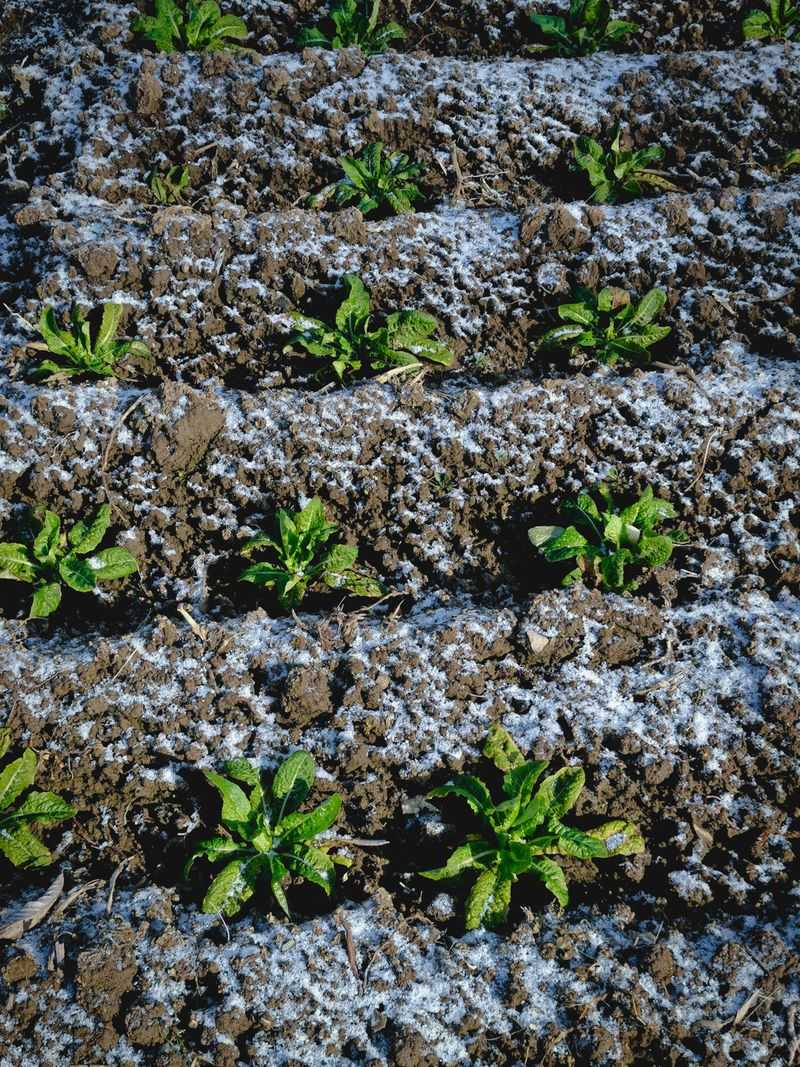
Spinach has a secret that summer gardeners never get to taste. When cold weather arrives, the plant stores extra sugar in its leaves, which helps protect it from freezing.
The happy result is spinach that tastes sweeter and more tender than anything grown in spring heat.
Cool soil suits spinach seeds just fine. They sprout well when temperatures drop, and young plants shrug off frost without much fuss.
A sowing made in October can give you leaves in late fall, more during mild winter spells, and another round when spring warms things up again.
Your North Carolina Garden Changes Every Week. Your Plan Should Too.
Gardening in North Carolina changes quickly throughout the season. Every Friday you’ll receive a simple weekly plan showing exactly what to plant, prune, fertilize, harvest, and protect so you never miss the right timing.
Plant seeds straight into the garden about half an inch deep. Keep the soil evenly moist until sprouts appear, since dry patches can slow or stop germination. A light sprinkle every day or two usually does the job.
Hard freezes can still hurt tender young plants. On nights when temperatures plunge into the low 20s, drape a lightweight row cover over the bed.
The fabric traps heat from the ground and lets sunlight and water pass through, so you can leave it on for several days if needed.
Harvest by picking outer leaves as plants grow. Leaving the center alone lets each plant keep making new leaves for weeks, which means more salads and smoothies from the same small patch.
In North Carolina, timing depends on where you live. Piedmont gardeners should sow spinach in early October, while folks in the Coastal Plain can keep planting right through the month.
Either way, a handful of seeds now can turn into fresh greens long after the tomatoes are gone.
3. Radishes Grow From Seed To Harvest In About A Month
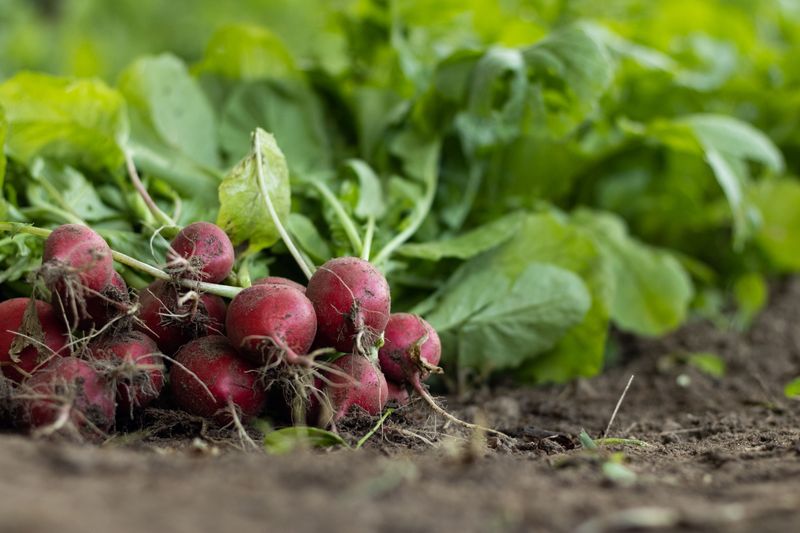
Impatient gardeners, meet your new best friend. Radishes race from seed to plate faster than almost any other vegetable, and they make kids and grown-ups alike feel like garden pros.
Most varieties mature in about three to five weeks. That speedy schedule means an October sowing still has plenty of time to produce a crunchy crop before the coldest weather settles in. Classic red globes like Cherry Belle are especially quick.
Sow seeds directly in the garden about half an inch deep. Once seedlings come up, thin them so they stand an inch or two apart. Crowded radishes fight for space and often grow long, skinny roots instead of round ones, so be brave and pull the extras.
Water plays a huge role in flavor. Steady moisture keeps roots tender and mild, while dry spells can turn them woody and extra spicy. Check the soil with your finger every few days, and water when the top inch feels dry.
Harvest timing is just as important. Radishes left too long in the ground can crack, turn pithy, or get hot enough to make your eyes water. Pull a test root when the tops look full, and harvest the rest as soon as they reach size.
Here is a handy tip: sow a short row every week or so. That way you get a steady supply instead of a huge pile all at once.
In the Piedmont and Coastal Plain of North Carolina, radishes can be sown well into October for a late fall harvest. Slice them into salads, roast them, or eat them fresh with a pinch of salt.
4. Arugula Adds Quick Peppery Greens
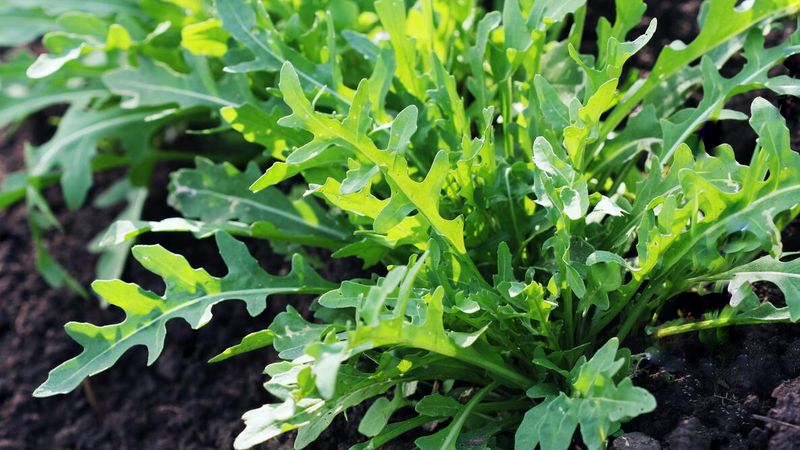
One bite of fresh arugula wakes up your taste buds with a bold, nutty, peppery kick. Store-bought bags rarely match the flavor of leaves snipped from your own garden minutes before dinner.
Cool weather is where arugula really shines. Plants grow quickly in fall and are often ready to harvest in about a month. Lower temperatures also keep the leaves mild and slow down bolting, which is when the plant shoots up a flower stalk and the leaves turn bitter.
Summer heat makes arugula bolt fast, so October is a much friendlier time to grow it.
The seeds are tiny, so plant them shallow. Scatter them on the soil surface and cover lightly with a thin layer of soil, just enough to hide them. Keep the bed moist while seeds sprout, which usually takes less than a week.
Once leaves reach a few inches tall, start picking. Young leaves taste best, and frequent harvests encourage plants to keep producing. Use scissors to snip leaves about an inch above the soil, and the plants will often regrow for another round.
Frosty nights call for a little care. Throw a row cover over the bed when temperatures dip below freezing, and your arugula will stay happy and green.
In the Piedmont and Coastal Plain, arugula can keep producing into winter with that simple protection. Toss it on pizza, stir it into pasta, or pile it on sandwiches.
A small patch goes a long way, and once you grow your own, you may never buy those plastic tubs again.
5. Lettuce Works Best From Transplants This Late
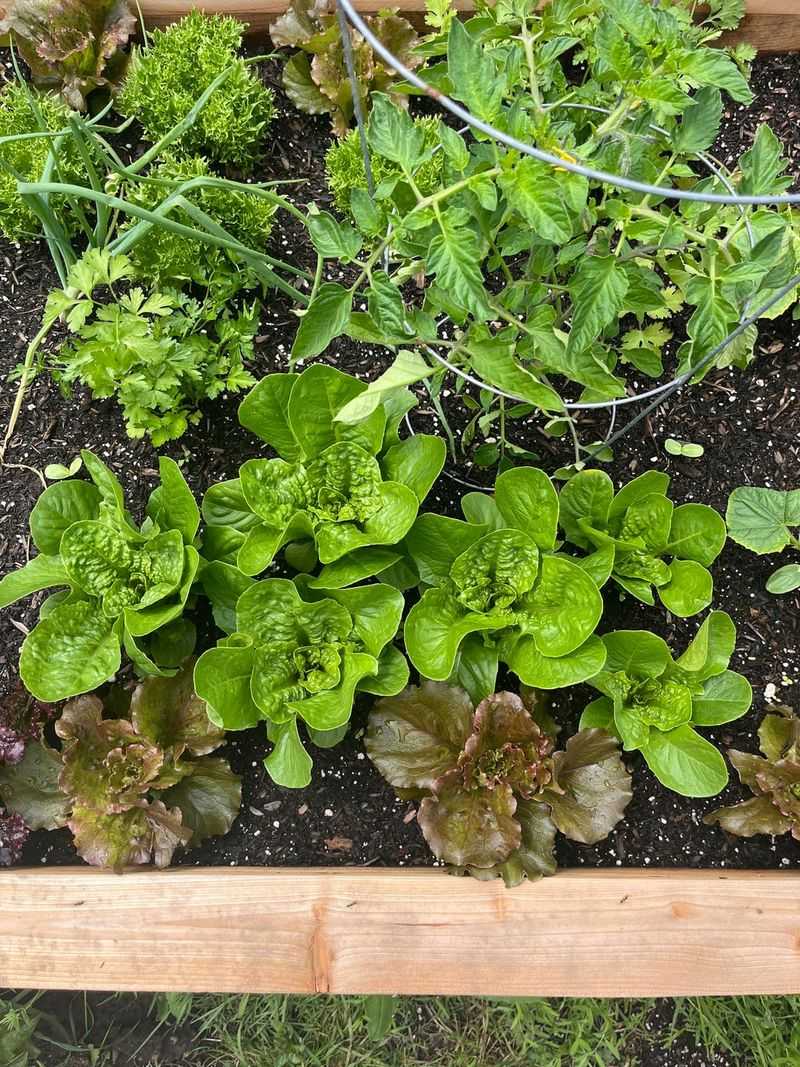
Crisp homemade salads in November are absolutely possible, but lettuce needs a little help this late in the year. The trick is starting with young plants instead of seeds. Lettuce loves cool weather, yet shorter days in fall slow its growth.
Transplants already have a few weeks of growth behind them, so they can reach a good size before cold weather and low light put the brakes on. Seeds sown now might stay tiny until spring.
Aim to set out transplants in early to mid October. Garden centers often carry fall lettuce starts, or you can grow your own indoors from seed in September. Plant them at the same depth they sat in their pots and gently firm the soil around each one.
Choose leaf and butterhead types for the quickest results. Varieties like Black Seeded Simpson, Red Sails, and Buttercrunch mature faster than big heading types such as iceberg, which need a longer season.
Leaf lettuce also lets you pick a few outer leaves at a time. Regular watering keeps leaves sweet and crunchy. Lettuce has shallow roots, so it dries out faster than you might expect, even in cool weather.
When a freeze is in the forecast, cover plants with row cover or move a cold frame over the bed. A cold frame is basically a low box with a clear lid, and it acts like a mini greenhouse.
October lettuce does best in the Piedmont and Coastal Plain of North Carolina. Mountain gardeners can still join in, but they usually need a cold frame by this point to keep plants growing.
6. Mustard Greens Grow Fast And Handle Cold
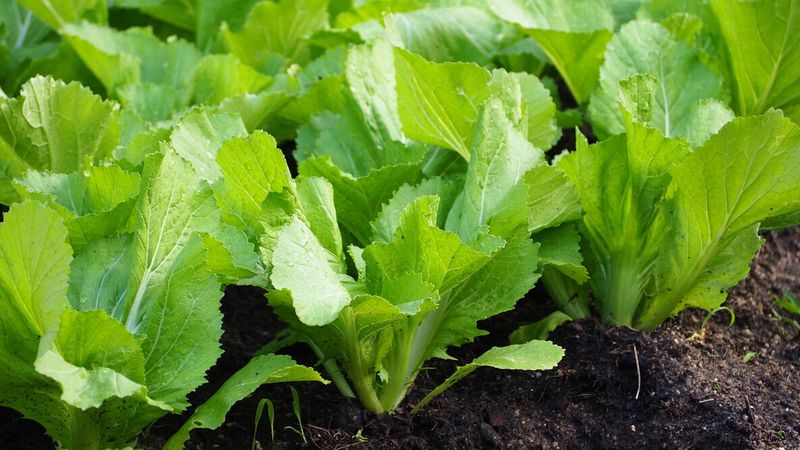
Ask any Southern grandmother about fall cooking, and mustard greens will likely come up. Simmered with onions or tossed in a skillet, they have filled North Carolina dinner plates for generations.
Speed is a big reason gardeners love them. Mustard greens grow rapidly, and you can start picking baby leaves in just a few weeks. Full-size leaves follow not long after.
The plants handle light frosts with ease, and their sharp, spicy bite often mellows as the weather cools.
Sow seeds directly about a quarter inch deep. They sprout quickly in moist soil, sometimes in only a few days. Once seedlings are up, thin them to a few inches apart so each plant has room to spread.
Don’t toss those thinnings! Tiny mustard leaves make a zippy addition to salads and sandwiches. Thinning becomes a bonus harvest instead of a chore.
Keep the soil moist as plants grow, since dry stress can make leaves tough and extra hot. A layer of mulch helps hold water between rains.
Pests can still show up in fall. Aphids like to cluster on the undersides of leaves, and caterpillars may chew holes. Check plants every few days, blast aphids off with a spray of water, and hand-pick caterpillars when you see them.
Row cover also keeps many pests away. Varieties come in fun shapes and colors, from frilly Southern Giant Curled to deep red Red Giant.
Mustard greens are a traditional fall and winter crop across North Carolina, and planting a row this October connects your garden to a long, tasty Southern tradition.
7. Kale And Collard Transplants Can Still Be Set Out
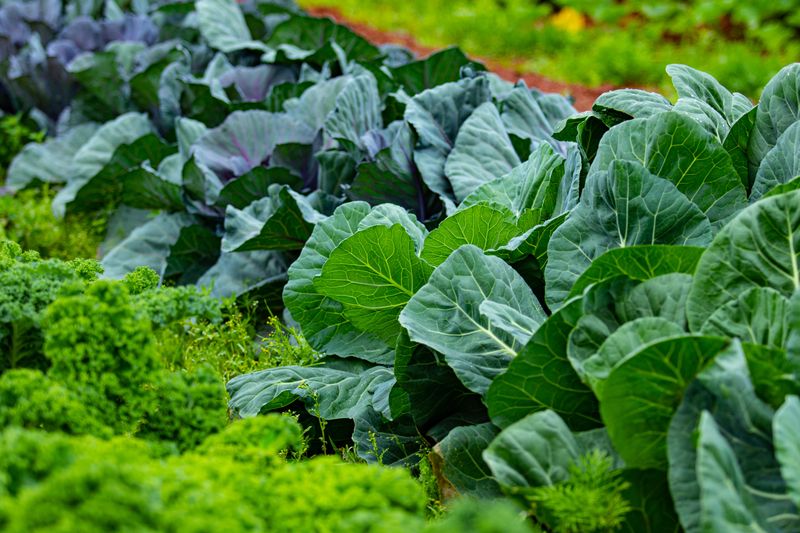
Collards hold a special place in North Carolina, where they show up at family gatherings, church suppers, and New Year’s Day tables for good luck. Kale has joined the party in recent years, and both greens are tough enough to keep giving all winter long.
These cold-hardy plants slow down as fall turns to winter, but they don’t stop. They keep producing leaves week after week. Transplants matter this late because they are already big enough to settle in before cold weather slows root growth.
Get plants in the ground as early in October as you can. Choose a spot with full sun, dig a hole for each one, and water them in well right after planting. A good soaking helps roots make contact with the soil.
Next, spread mulch around the base of each plant. Straw or shredded leaves hold moisture and keep soil temperatures more even.
Watch for cabbage worms, the small green caterpillars that chew holes in leaves. You might notice white butterflies fluttering nearby, a sure sign they are laying eggs.
Cover plants with row cover, or spray with Bt, a natural bacterial product that targets caterpillars but is safe for people and pets.
When harvest time arrives, pick lower leaves first. The plant keeps growing from the top, so it can produce for months.
In the Piedmont and Coastal Plain, collards and kale often keep producing right through winter. Frost actually improves them by turning starches into sugars, so those January greens taste sweeter than anything picked in early fall.
8. Onions Can Be Planted For An Early Summer Harvest
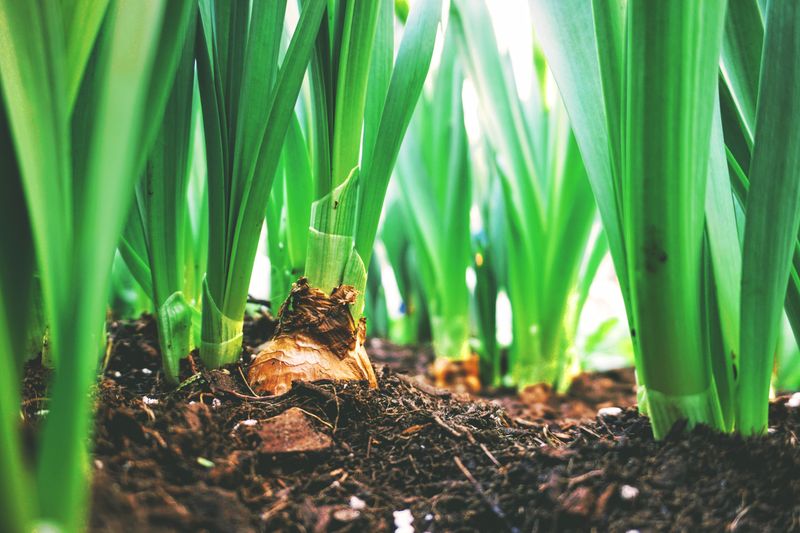
Onions might seem like a spring crop, but gardeners in the warmer parts of North Carolina have a clever head start available. Planting in fall lets onions get comfortable before winter, setting them up for bigger bulbs next year.
Here is how it works. In the Coastal Plain and warmer areas of the Piedmont, onion transplants or sets planted in fall spend the cool months growing roots and leaves.
When days grow longer the following spring, the plants switch gears and start forming bulbs, often ready by early summer.
Day length is the key to picking the right variety. Onions form bulbs based on how many hours of daylight they get, so Southern gardeners should choose short-day or intermediate-day types.
Granex, the onion behind sweet Vidalias, is a well-known short-day choice. Long-day varieties grown up North may never bulb properly here.
Plant sets or transplants about an inch deep and 4 to 6 inches apart. Onions need well-drained soil, because standing water can rot them. Raised beds work great if your yard stays soggy.
A light layer of mulch helps protect roots and keeps weeds down. Onions don’t compete well with weeds, so a tidy bed really pays off.
Want something tasty before summer? Pull a few plants through winter and use them as scallions. They add fresh flavor to soups, eggs, and stir-fries while the rest keep growing.
Fall onion planting works best in the warmer eastern and central parts of North Carolina. Mountain gardeners usually wait until late winter or early spring instead.