The Cold Snap Alabama Gardeners Fear Delivers The Secret Ingredient Their Greens Were Missing
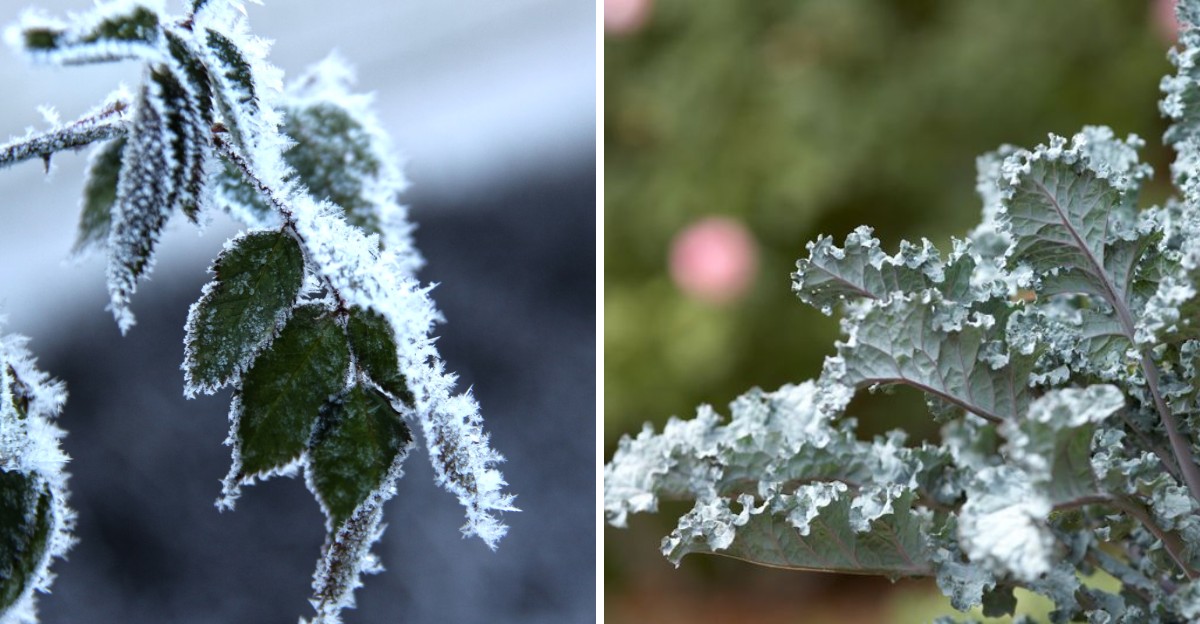
Will a surprise cold snap damage your tomatoes and okra overnight? You will see frost in northern Alabama weeks before it reaches the Gulf Coast.
Cover your peppers, basil, and okra before sunset, since freezing temperatures blacken their leaves. Your collards, kale, and spinach tell a different story.
Cold converts starches in those leaves into sugar, giving you sweeter harvests. Carrots and turnips follow that script, so you can harvest them well into December.
Stage your frost cloth and stakes beside the garden gate this week. Watch lows and wind speed, because a breezy night can spare your beds.
Mustard greens, broccoli, and arugula tolerate frost, so Gulf Coast gardeners can plant now. Pick hardy crops, and you will taste sweetness gardeners prize in fall greens.
Alabama rewards gardeners who plan ahead, so check your local planting window this week.
Frost Turns Starch Into Natural Sugar
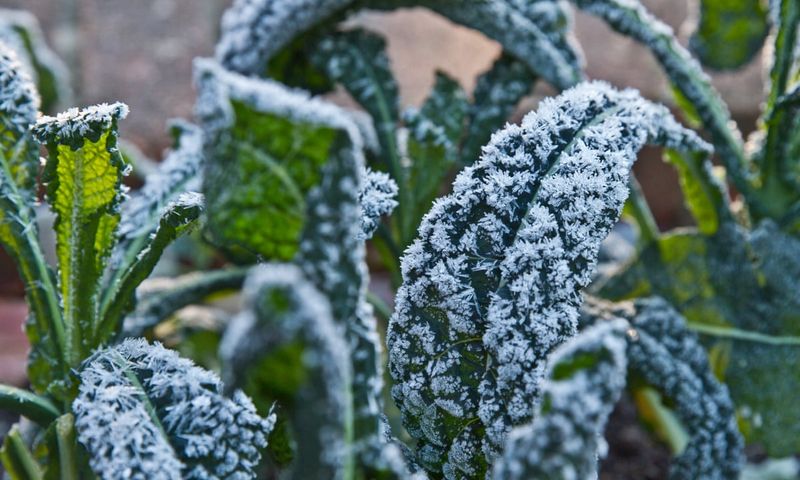
Think of a collard leaf as a tiny kitchen that stores food for later. During warm weather, it packs that food away as starch, which has little flavor on its own.
When nights drop near freezing, the plant changes its recipe fast. It converts starch into sugars, mainly sucrose, along with other protective compounds.
Sugar does a clever job inside the leaf cells. Water mixed with sugar freezes at a lower temperature than plain water does.
That sweet syrup acts like antifreeze in a car engine. It helps protect cells from ice crystals that can damage them.
So the sweetness you taste is really a survival plan. The plant is guarding itself, and you get the tasty bonus.
Scientists call this process cold acclimation, and many hardy greens use it. Collards, kale, mustard, turnip greens, and cabbage all join the party.
Bitter compounds also seem milder once sugar levels climb. Your taste buds notice the balance shift, much like adding honey to strong tea.
Southern cooks figured this out long before any lab did. Grandparents often refused to pick collards until after the first frost.
They trusted their tongues, and their tongues were right. Science later explained part of the old kitchen wisdom.
Next time frost sparkles on your rows, picture millions of tiny sugar factories. Each leaf is busy turning a cold night into dinner flavor.
That shift can build over several chilly days, depending on the crop and temperatures. A couple of cold nights may be all the flavor boost your patch needs.
The Best Timing On The Alabama Calendar
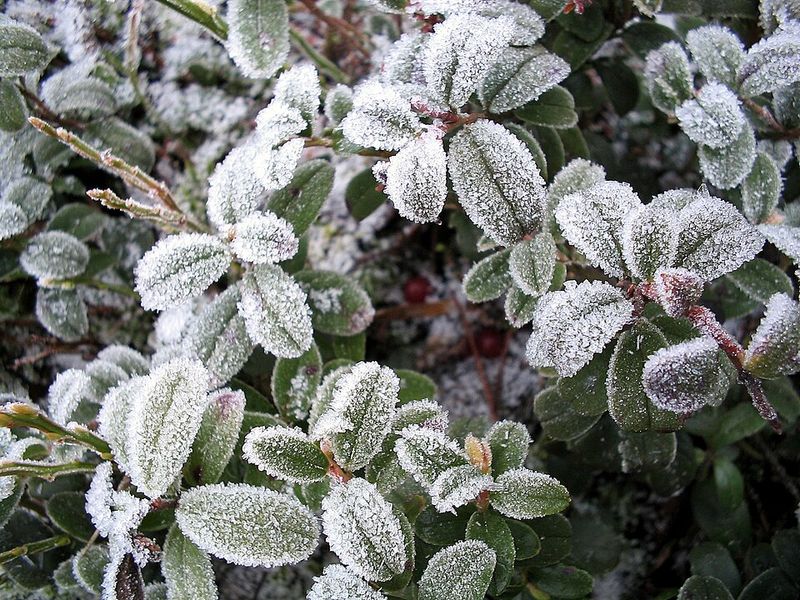
Alabama weather loves a good surprise, especially in fall. One week feels like July, and the next has you hunting for gloves.
For most of the state, the first light frost shows up between late October and mid-November. North Alabama usually gets chilly first, while the Gulf Coast waits longer.
Mobile gardeners might not see frost until December some years. Meanwhile, folks near Huntsville could spot icy leaves before Halloween.
Greens need to be settled in before that cold arrives. Plants set out in September have time to grow strong roots.
Your Alabama Garden Changes Every Week. Your Plan Should Too.
Gardening in Alabama changes quickly throughout the season. Every Friday you’ll receive a simple weekly plan showing exactly what to plant, prune, fertilize, harvest, and protect so you never miss the right timing.
A healthy, mature plant handles chill far better than a tiny seedling. Think of it like a teenager versus a toddler walking to the bus stop in winter.
The ideal temperature range sits around 28 to 32 degrees. That light frost sweetens leaves without harming sturdy varieties.
After a frost, wait a day or two before harvesting. Sugar levels keep climbing as the plant adjusts to cooler nights.
Harvest in the late morning once leaves thaw naturally. Frozen leaves can bruise easily if you snap them while stiff.
Keep an eye on your local forecast during October. The National Weather Service posts frost advisories and freeze warnings that help you plan your timing.
Writing down frost dates each year builds your own garden record. After a few seasons, you will predict the best timing more accurately.
Picking Too Early Before The Freeze
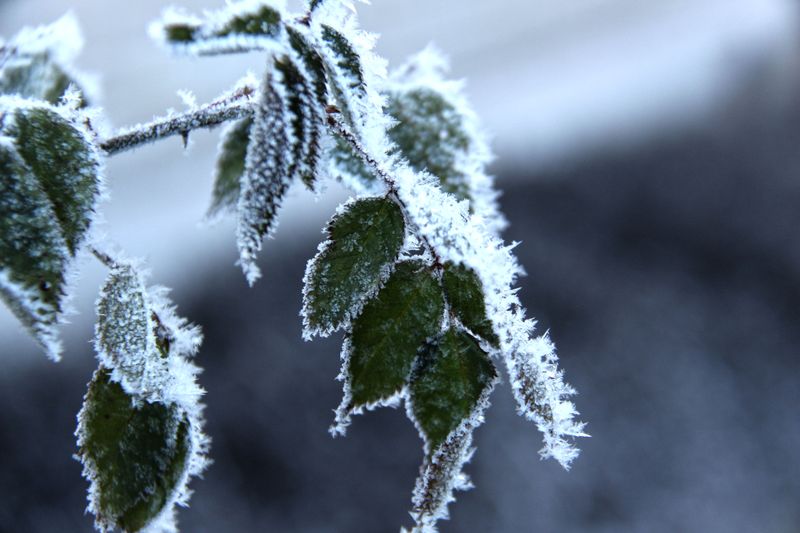
Picture this scene from many Alabama neighborhoods. The forecast says frost, and someone rushes outside with scissors and a laundry basket.
The whole plant gets chopped before sunset, even the small leaves. The gardener feels like a hero who saved the crop.
That early harvest misses the sweeter flavor. Those leaves never got their chance to build up sugar.
Hardy greens are tougher than they look. Collards can handle temperatures in the low 20s, and kale shrugs off even colder nights.
Picking everything early is like pulling cookies from the oven halfway through baking. They look fine, but something big is missing.
Another common slip involves covering plants with plastic sheeting. Plastic touching the leaves can actually pass cold straight through.
It also traps moisture that may freeze against the leaf surface. Fabric or frost cloth works far better for protection.
Water the day before a frost. Moist soil holds heat better than dry soil and releases it slowly overnight.
A smarter move is to water a day before the cold arrives. Then the soil releases that warmth slowly overnight.
Tender crops like basil and tomatoes do need rescuing, while many lettuce varieties handle a light frost. Learning which plants are tough helps you skip the unnecessary scramble.
So next time the snowflake icon pops up, take a breath. Your greens may be quietly cheering for that cold night.
Smart Shelter For Chilly Nights
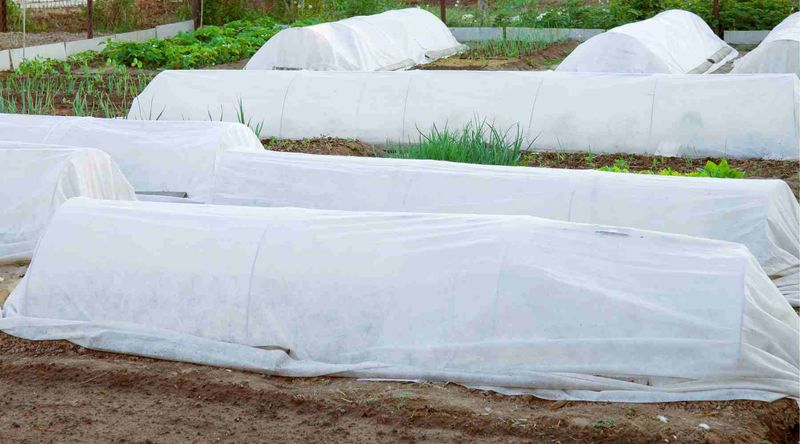
A light frost helps flavor, but a hard freeze can damage plants. Knowing the difference keeps your garden happy and sweet.
When forecasts dip into the low 20s, or you grow tender crops, a little shelter goes a long way. Frost cloth, also called row cover, is the easiest tool to grab.
Drape it loosely over plants so it reaches the ground on every side. Heat rises from the soil at night, and the cloth traps that warmth.
Pin edges down with bricks, rocks, or garden staples. Wind can lift loose covers right off a bed.
Old bedsheets or blankets work in a pinch too. Just remove them the next morning so plants get sunlight.
Mulch also does quiet but important work. A few inches of pine straw or shredded leaves keeps roots cozy.
Pine straw is easy to find across Alabama, and it costs very little. Many gardeners rake it right from their own yards.
Raised beds warm up fast in the day but chill quickly at night. Extra mulch around the edges helps balance that swing.
For containers, slide pots close to a brick wall or porch. Those surfaces soak up daytime heat and give it back after dark.
The goal is not to block all cold. You want just enough chill to sweeten leaves while avoiding real damage.
Sweeter Flavor On The Dinner Plate
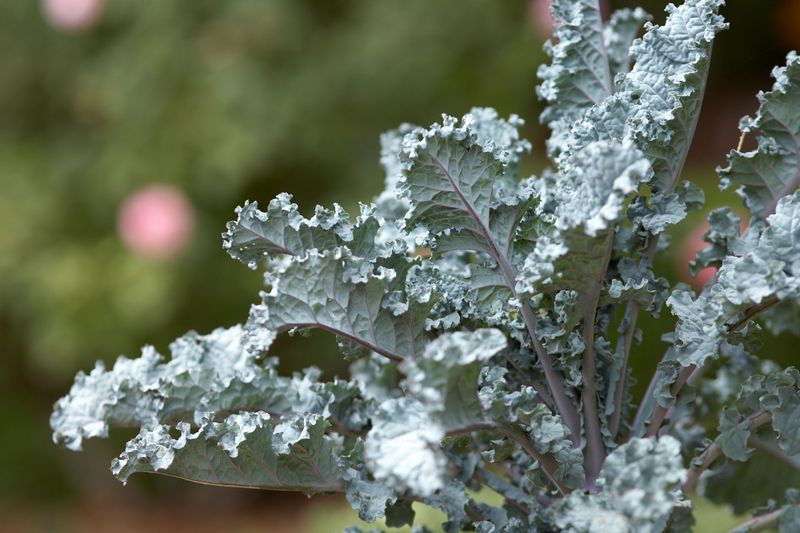
Many Southern cooks call frost their secret seasoning. Collards picked after a cold night taste so mellow that kids ask for second helpings.
That sweetness changes how greens behave in the kitchen. Frost-kissed leaves need less sugar and less vinegar to balance their flavor.
Many Southern recipes add a pinch of sugar to cover bitterness. After a cold snap, you can often skip it.
Kale becomes tender enough for fresh salads. Massage it with olive oil and lemon, and it turns soft and nutty.
Turnip greens lose much of their sharp bite. Sauté them with garlic for a quick side that pairs well with beans.
Mustard greens keep some spice but feel smoother. They taste great tossed into soups during chilly evenings. Cabbage gets crunchy and sweet, perfect for slaw.
Nutrition stays strong after frost too. Greens still pack vitamins A, C, and K plus calcium and fiber.
Store harvested leaves in a damp towel inside the fridge. They stay crisp for about a week this way.
Try a taste test with your family this fall. Compare a leaf picked before frost with one picked after.
Many people notice the difference right away. Your dinner table makes a good place for a taste test.
Planning Ahead For Next Year’s Sweeter Harvest
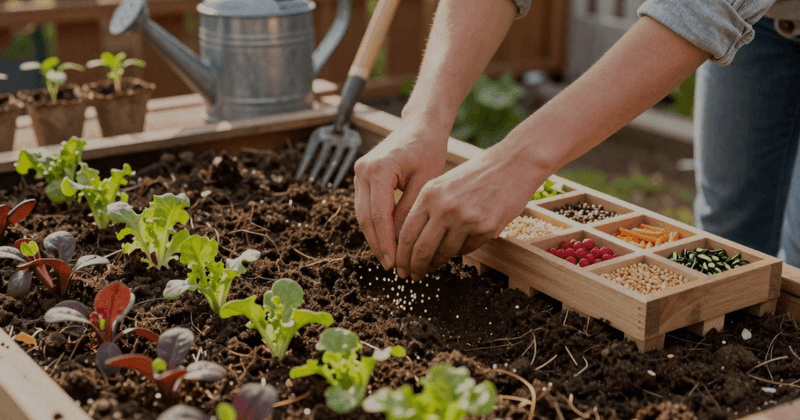
Great flavor in November starts with a plan made in late summer. A little calendar work now pays off with sweeter bowls later.
Start seeds indoors in July or early August. Move transplants outside from late August through September across most of Alabama.
South Alabama gardeners can plant a bit later. Their warmer fall gives young plants extra growing time.
Choose varieties known for cold toughness. Georgia Southern collards, Vates collards, and Winterbor kale handle chill well.
Healthy soil builds sturdy plants that survive cold nights. Mix compost into beds before planting to feed roots steadily.
Greens prefer slightly acidic soil, around 6.0 to 6.8 on the pH scale. A simple soil test from the Alabama Cooperative Extension System can check this cheaply.
Plant in a sunny spot that gets at least six hours of light. Strong sun helps leaves make more sugar to store.
Space plants so air flows freely between them. Crowded rows invite pests and fungus during damp fall weather.
Keep a simple garden journal each season. Jot down planting dates, frost dates, and how the leaves tasted.
Over a few years, patterns appear like clues in a mystery. You will learn roughly when your patch tends to hit peak sweetness.
Soon you may welcome that chilly forecast with a grin. The cold snap becomes something you plan around, and even look forward to.