Water Your Virginia Christmas Cactus This Way, And Watch It Bloom By The Holidays
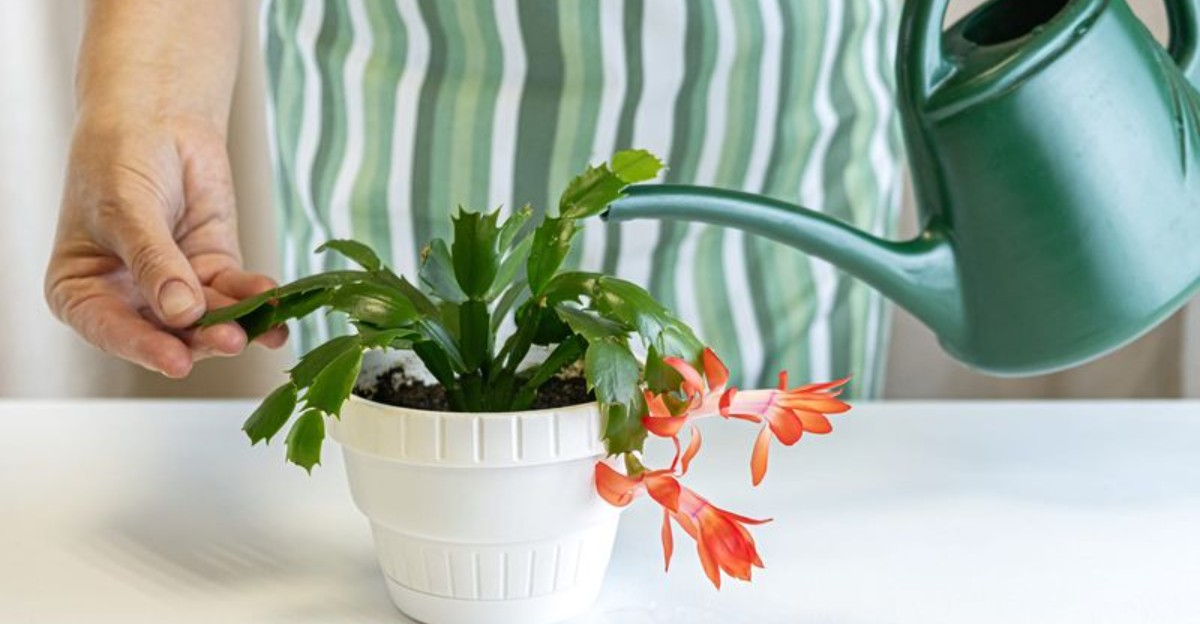
A windowsill bursting with hot pink blooms while frost sparkles on the glass is a hard picture to beat. That holiday magic is possible, and it starts with a watering can.
Many gardeners love their Christmas cactus but feel puzzled when it refuses to flower. The secret often hides in how and when you water it.
Unlike desert cacti, this plant comes from misty Brazilian forests, so it likes a bit more moisture. Still, too much water can cause trouble fast.
Virginia homes add their own twist, with humid summers, crisp autumns, and dry, heated winter air. Each season calls for a slightly different routine.
1. Water When The Top Inch Of Soil Feels Dry
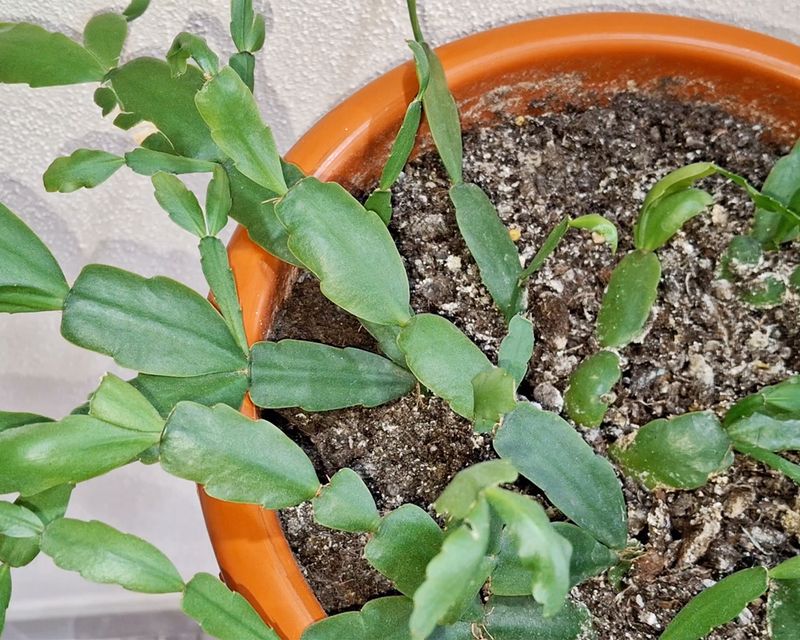
Your finger is the best moisture meter you already own. Push it into the soil about one inch deep before you grab the watering can.
If the soil feels dry at that depth, your plant is ready for a drink. If it still feels cool and damp, wait another day or two and check again.
Christmas cacti are not like the prickly cacti of the desert. They grow on trees in Brazilian rainforests, so they prefer soil that dries a little but not fully.
In a warm Virginia room during spring and summer, you may water every 7 to 10 days. In cooler winter rooms, the gap between drinks usually stretches longer.
Watch the leaf segments for helpful clues about thirst. Wrinkled, limp, or soft pads often mean the plant needs water soon.
Yellow leaves or a mushy stem base tell a different story. Those signs usually point to too much water rather than too little.
Some growers like to lift the pot to judge its weight. A light pot often means dry soil, while a heavy one still holds plenty of moisture.
Try keeping a small notebook or phone note with your watering dates. Over a few weeks, you will notice a natural pattern for your home.
Fun fact: these plants are epiphytes, meaning they cling to trees for support. Their roots are used to drying out between rain showers in the wild.
Checking first takes just seconds each time. Your plant will thank you with steady growth and healthier roots.
2. Soak Thoroughly, Then Drain Completely
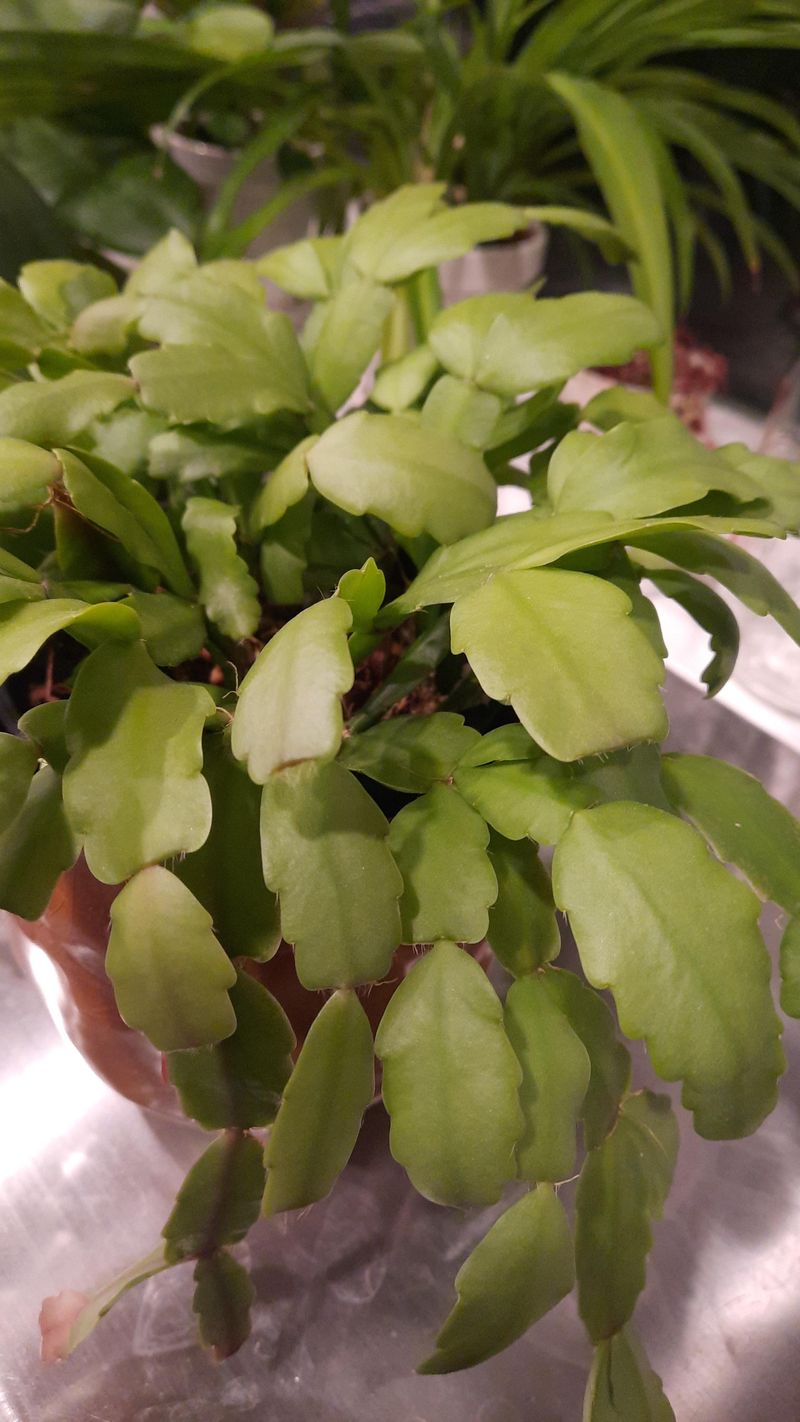
Think of watering like a good rain shower followed by sunshine. Your Christmas cactus wants a deep drink, then a chance to breathe.
Pour water slowly over the soil until it runs out of the drainage holes. A light splash only wets the top and leaves deeper roots thirsty.
Once water starts flowing out, let the pot sit in the sink for several minutes. Wait until the dripping fully stops before moving it back.
Drainage holes are a must for this plant. Pretty pots without holes trap water and set the stage for rot.
Terracotta pots are a favorite among many growers. Their porous clay walls help pull extra moisture away from the roots.
Soil matters just as much as the pot itself. A mix with peat, perlite, and some orchid bark or coarse sand drains nicely.
Your Virginia Garden Changes Every Week. Your Plan Should Too.
Gardening in Virginia changes quickly throughout the season. Every Friday you’ll receive a simple weekly plan showing exactly what to plant, prune, fertilize, harvest, and protect so you never miss the right timing.
Bottom watering is another handy method worth trying. Set the pot in a few inches of water for 10 to 20 minutes, then let it drain.
That approach hydrates roots evenly and keeps water off delicate flowers. It may also discourage pesky fungus gnats from settling in.
Still, top watering now and then helps flush out mineral buildup. Many Virginia homes have harder tap water, so an occasional rinse helps.
If the soil gets bone dry, it may resist water at first. Let the pot soak about 10 minutes, then drain it well.
3. Lukewarm Water Avoids Shocking The Roots
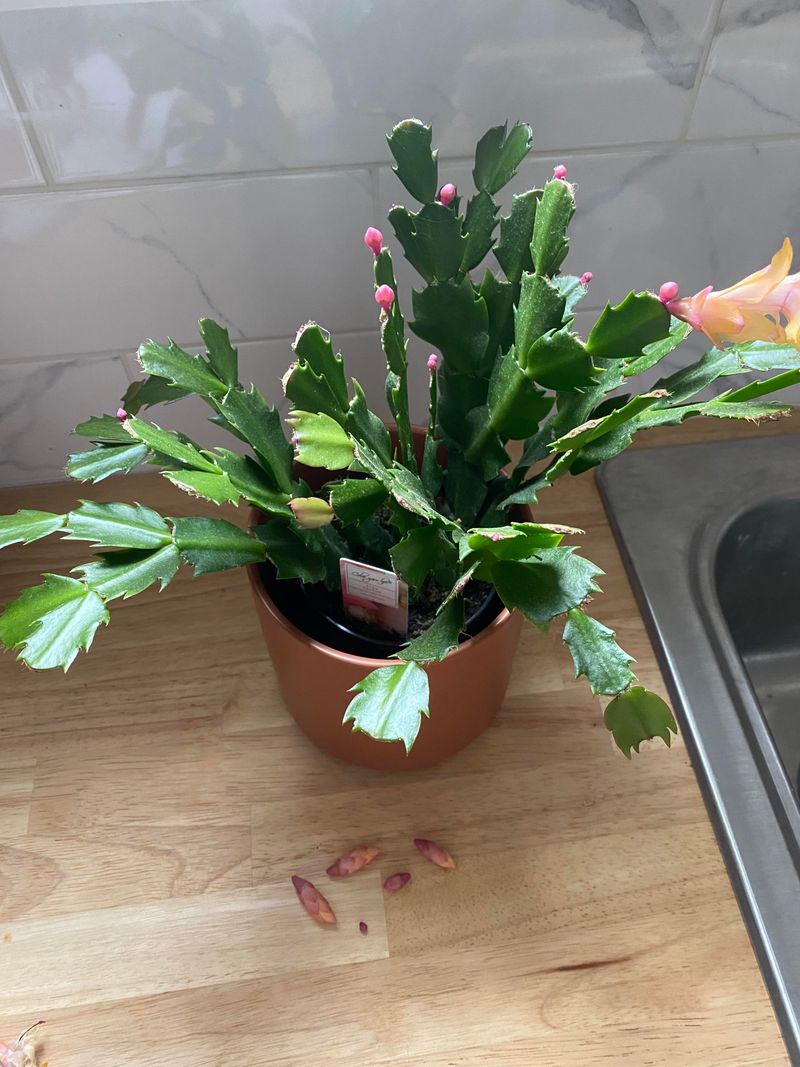
Imagine jumping into an icy pool on a winter morning. Your Christmas cactus feels a similar jolt when you pour cold tap water on its roots.
Cold water can shock tender roots and slow their growth. Roots under stress also take in nutrients less easily.
Chilled, soggy soil may even lead roots to weaken and decay. That opens the door to root rot, a problem nobody wants.
Very hot water is not the answer either. It can harm roots, scorch leaves, and lower the oxygen in the soil.
Room temperature water sits in the happy middle. Aim for something between about 59 and 77 degrees Fahrenheit.
Here is an easy trick many gardeners use. Fill your watering can the night before and let it rest on the counter.
By morning, the water matches your room temperature nicely. Some chlorine may also escape while it sits overnight.
Winter can make tap water feel especially frosty. Pipes running through cold crawl spaces often deliver chilly water straight from the faucet.
Cold also matters if your plant spent summer on a porch. Water stored inside the pads can freeze and damage the plant cells.
Bring the plant indoors well before the first frost. Damp soil holds cold longer, so ease off watering before chilly nights arrive.
Small habits like these protect roots all year. A comfortable drink keeps your plant calm and growing.
4. A Saucer Full Of Water Invites Root Rot
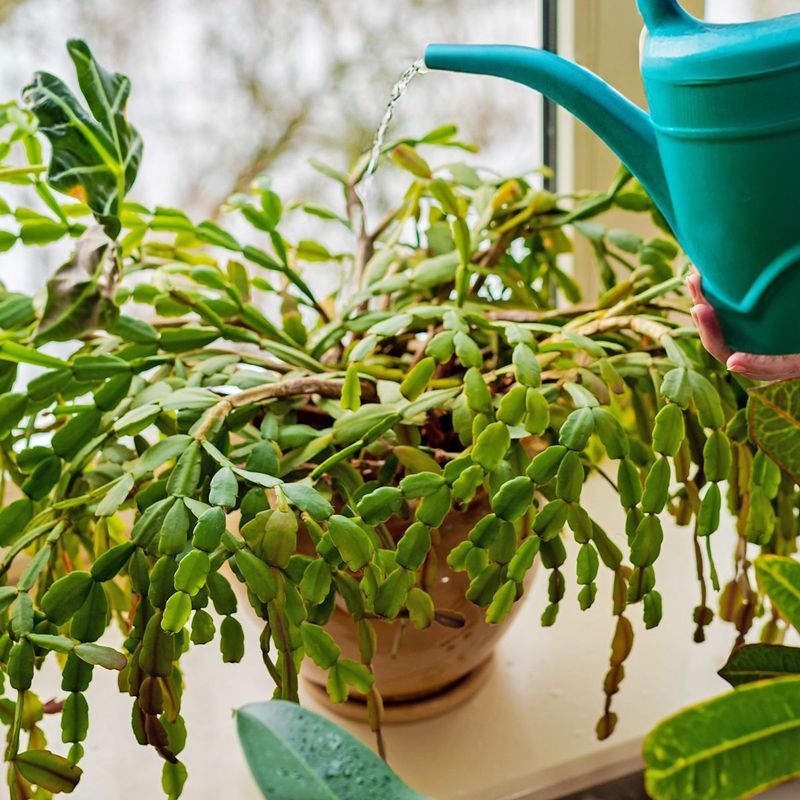
Nobody enjoys wearing wet socks all day. Roots sitting in a puddle feel much the same, only the results are far worse.
When soil stays soggy, roots cannot get the oxygen they need. They begin to soften, decay, and stop doing their job.
Root rot is one of the most common problems for Christmas cacti. Most cases trace back to standing water or poor drainage.
The warning signs can be sneaky at first. Leaves may droop even though the soil feels wet to the touch.
Yellowing near the base and mushy stems are louder alarms. Segments may also drop off with just a light bump.
Healthy roots look firm and pale. Rotten roots appear brown or black, feel slimy, and often smell unpleasant.
Prevention is refreshingly simple. Empty the saucer within 10 to 30 minutes after every watering session.
Decorative cache pots deserve a quick peek too. Water can hide at the bottom, out of sight and out of mind.
Suspect rot already? Slide the plant out, rinse the roots, and trim away soft brown sections with clean scissors.
Repot into fresh, dry, fast-draining mix. Hold off on watering for a few days so cut roots can heal.
Want humidity without the risk? A pebble tray lifts the pot above the water line, keeping roots safely dry.
5. Easing Off In Early Fall Helps Set Buds
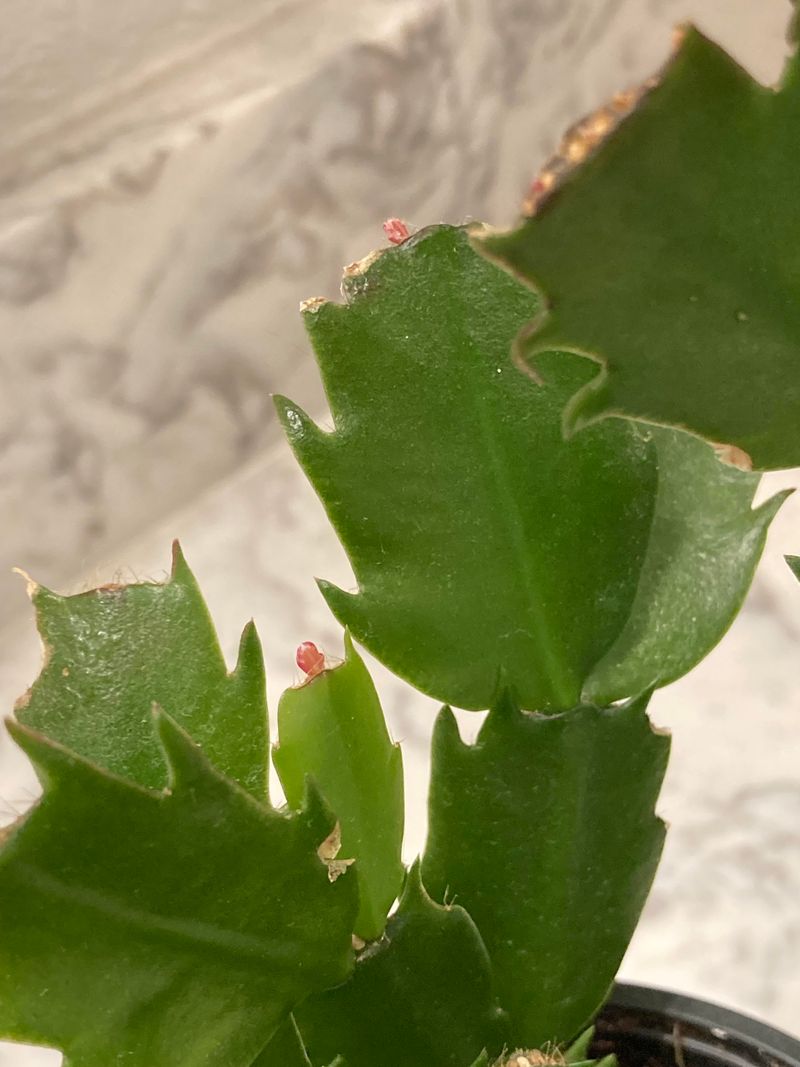
Something quietly wonderful happens when autumn leaves start falling across Virginia. Your Christmas cactus begins planning its holiday show.
From October to mid-November, cut back on watering a bit. Let the top two to three inches of soil dry before your next drink.
A little thirst nudges the plant into a resting state. During that rest, it starts forming flower buds.
Do not let the soil stay parched for weeks, though. Mild dryness helps, while severe drought can stall bud growth.
Temperature plays a big role alongside water. Nights around 50 to 59 degrees and days near 60 to 65 work beautifully.
Darkness is the other secret ingredient. The plant needs 12 to 14 hours of uninterrupted darkness daily for about six to eight weeks.
Even a lamp switched on at night can confuse it. A spare bedroom or quiet corner often makes a perfect spot.
Skip fertilizer during October and November. Feeding encourages leafy growth when you want energy going into flowers instead.
Many growers leave plants on a shady porch into early fall. Cool nights there naturally trigger buds before you bring them inside.
Just watch the forecast closely. Move the plant indoors before any frost threatens.
Once buds appear, keep the plant away from heat vents and drafty doors. Steady conditions help those buds stay put.
6. Light, Frequent Sips Work Once Buds Appear
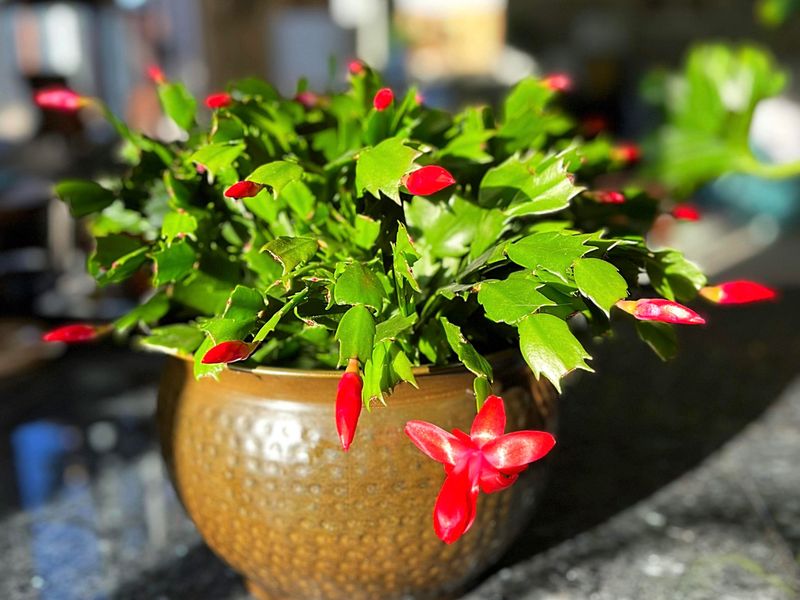
Those first tiny buds feel like a reward for all your patience. Now your watering style needs a gentle shift.
Flower buds use a lot of energy to swell and open. Steady moisture fuels that growth, so the soil should stay lightly damp.
Moist does not mean soggy, though. Check the soil every few days and water once the top inch feels dry.
A narrow-spout watering can is a handy helper here. It lets you aim water at the soil instead of the delicate blooms.
Try not to let the pot dry out fully during this stage. Thirsty plants may drop buds to save their strength.
Overwatering causes bud drop too, which surprises many people. Balance is the name of the game right now.
Keep providing bright, indirect light while buds develop. An east-facing window often offers just the right glow.
Hold off on fertilizer until blooming finishes. Feeding now can actually reduce the flower show.
Did you know some Christmas cacti live for decades? Families sometimes pass them down like treasured heirlooms.
Gentle, regular care during budding keeps that legacy going strong. Each careful sip helps a bud turn into a bright flower.
Watch for buds turning their tips pink or red. Bloom time is likely just a week or two away.
7. Dry Indoor Air Calls For A Pebble Tray
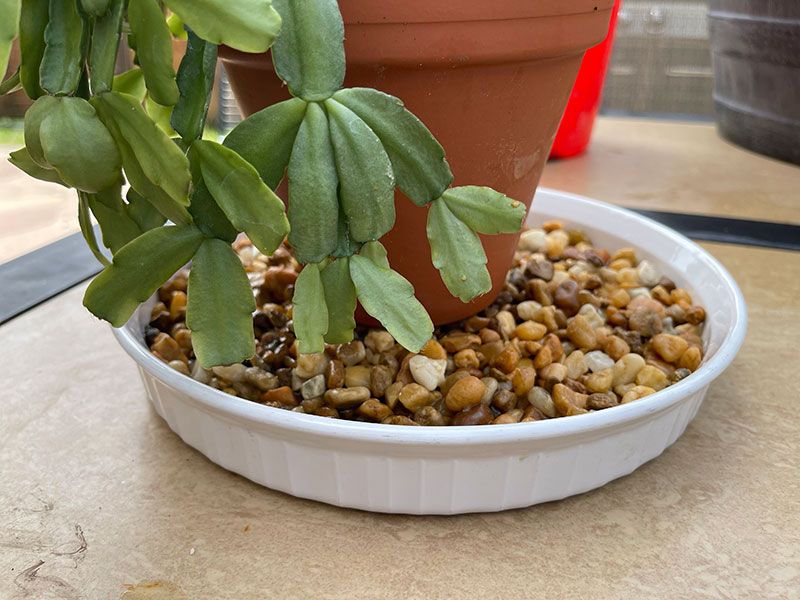
Turn on the furnace in December, and your living room air gets surprisingly dry. Your Christmas cactus notices right away.
These tropical plants enjoy humidity around 50 to 60 percent. Heated winter homes often drop to just 30 or 40 percent.
Dry air can make leaf segments shrivel and buds fall early. A plant that looked lively in October may suddenly seem tired.
Enter the humble pebble tray, a cheap and easy fix. Fill a shallow dish with pebbles or river rocks.
Pour in water until it sits just below the tops of the stones. Then set your pot on top, keeping the base above the water.
As water evaporates, it creates a small pocket of moist air. Your plant gets a humid bubble without soggy roots.
Refill the tray every few days as the water level drops. Rinse the stones monthly to keep things fresh.
Misting might seem like a quick solution. Sadly, the effect fades within minutes and may encourage mold.
A small room humidifier is a great upgrade for very dry homes. Grouping several plants together also raises humidity a little.
Many Virginia houses swing from muggy summers to bone-dry winters. A pebble tray helps smooth out that seasonal change for your plant.
Your cactus will reward the extra moisture with plump pads and longer-lasting blooms.
8. Moving The Plant Can Undo Your Watering Work
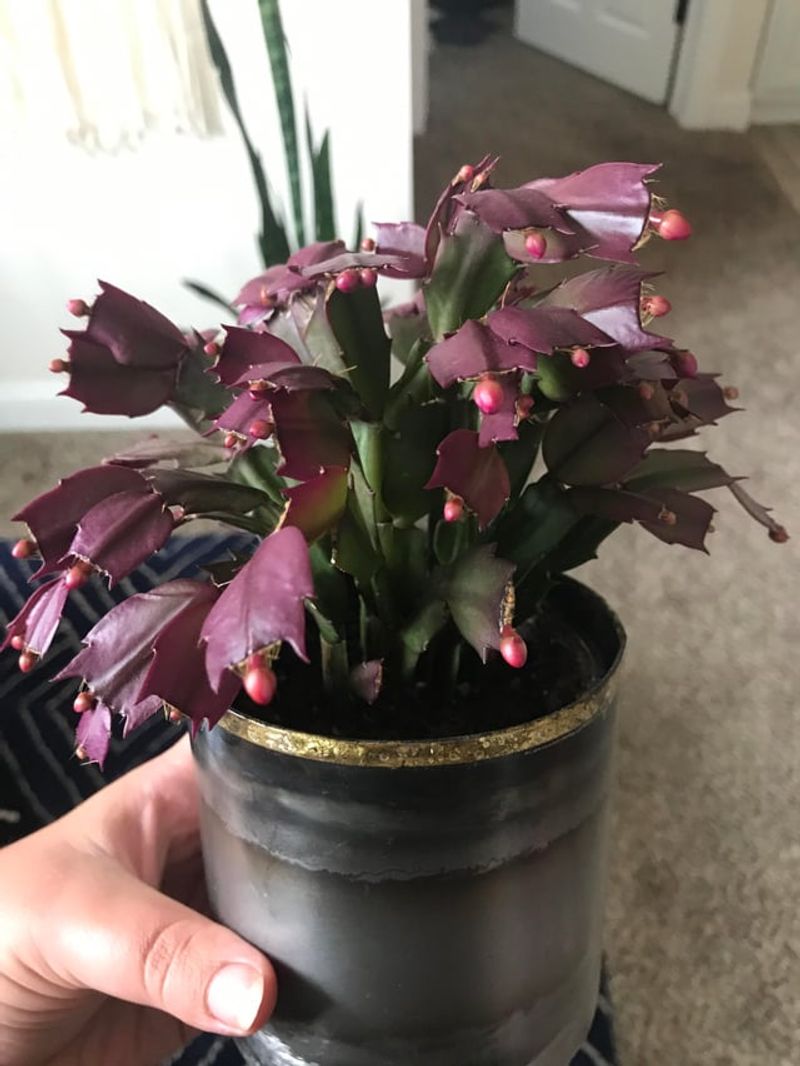
Here is a heartbreaking scene many gardeners know well. You move a budding cactus to the dining table, and buds scatter like confetti.
Christmas cacti dislike sudden change, especially once buds form. A new room can mean different light, warmth, and humidity all at once.
The plant reacts to stress by dropping buds to save energy. All your careful watering can vanish in a few days.
Pick a good spot early and leave the plant there. Choose a place with bright, indirect light and steady temperatures.
Even turning the pot can upset it at this stage. Resist the urge to rotate it until flowering ends.
Keep it away from heat vents, fireplaces, and drafty doorways. Temperature swings near those spots stress the plant quickly.
Store-bought plants often drop a few buds after coming home. Greenhouse conditions feel very different from a typical living room.
Do not panic if this happens to yours. With steady care, many plants form new buds over time.
Planning a holiday party? Arrange your decorations around the cactus instead of moving it into the spotlight.
After the last flower fades, moving is fine again. That is a good time to dust the leaves and tidy up.
Patience during bloom season pays off. A plant left in peace often flowers longer and fuller.
9. A Rest After Blooming Calls For Less Water
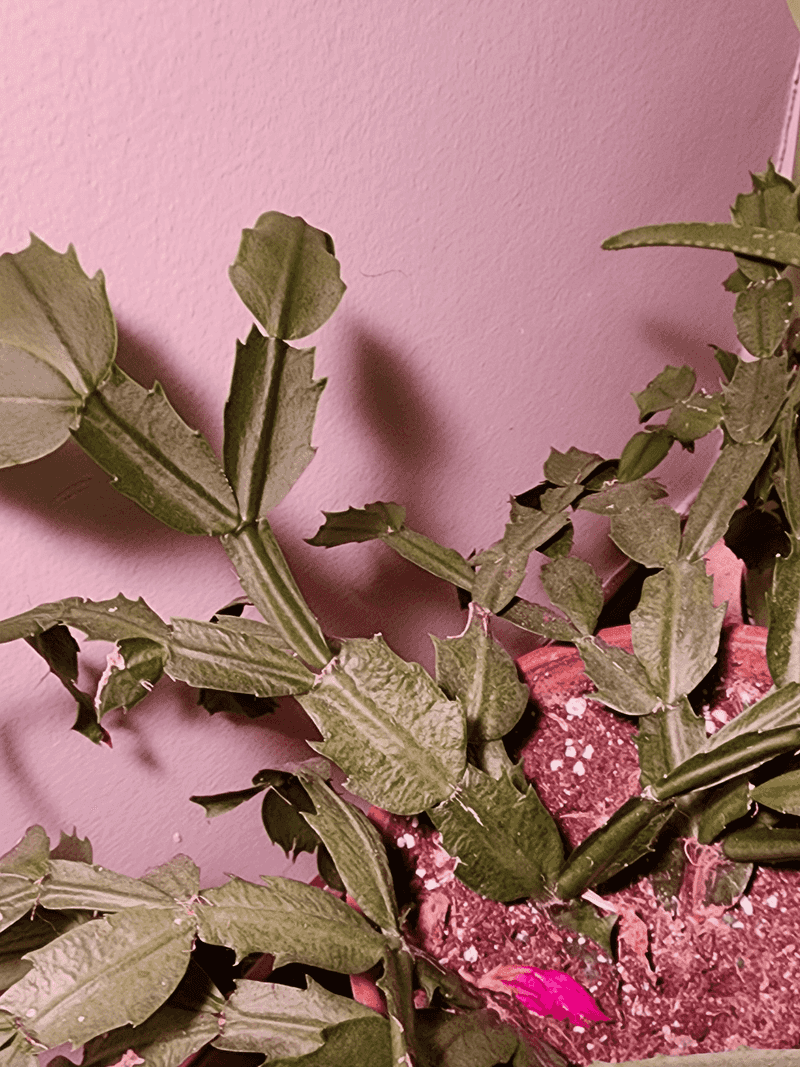
After weeks of dazzling color, your Christmas cactus has earned a nap. Think of it as the plant catching its breath after a big performance.
Once flowering ends, a rest period of about four to six weeks begins. Cut back on watering quite a bit during this time.
Watering every two to three weeks is usually enough. Let the soil dry noticeably between drinks.
Some growers even pause watering for around 30 days after blooming. Others prefer small drinks so pads stay firm.
Watch your plant and adjust as needed. Slightly wrinkled pads mean a light drink would help.
Less water during rest mirrors the plant’s natural cycle in Brazil. It also lowers the chance of rot in cool winter rooms.
Skip fertilizer during this quiet stretch. The plant is not growing much, so extra food goes unused.
Pinch off the faded blooms gently with your fingers. Removing them keeps the plant tidy and discourages mold.
Late winter often brings short, gray days. Your cactus does not mind and simply rests in place.
Hold off on repotting until spring arrives. Disturbing roots now adds stress the plant does not need.
Rest may look boring, but it matters a lot. Energy saved now helps fuel next year’s flowers.
10. New Growth Is The Cue To Resume Regular Watering
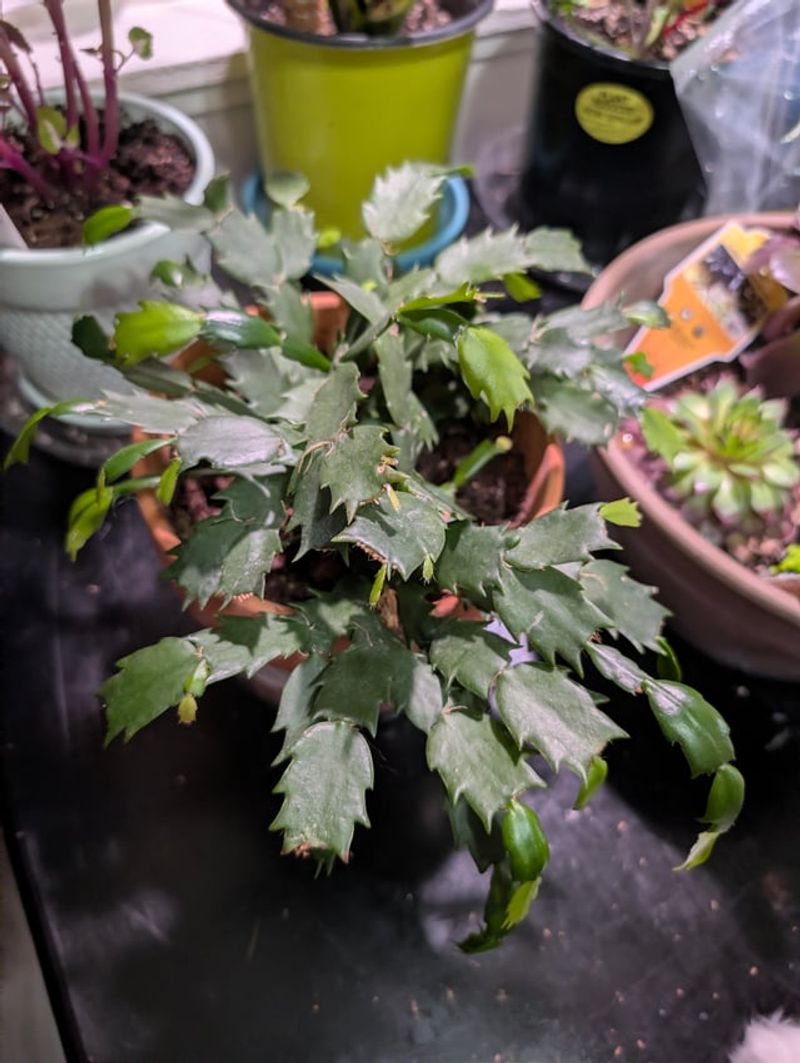
Spot a tiny, bright green segment at the tip of a stem? Congratulations, your plant is waking up and ready to grow.
That fresh growth usually appears in late winter or early spring. It signals the end of rest and the start of a busy season.
Return to watering every 7 to 10 days in most homes. Let the top inch or two of soil dry between each drink.
Summer heat may call for even more frequent watering. Keep the soil lightly moist through those warm months.
Now is also the time to begin feeding again. A balanced houseplant fertilizer once a month works well.
Spring is the ideal season for repotting if roots crowd the pot. Go up just one size, since these plants like snug quarters.
Many gardeners move their cacti outside once nights stay above 50 degrees. A shady porch or covered patio keeps leaves from scorching.
Outdoor plants may dry faster on breezy days. Check the soil more often during hot, windy spells.
Light, temperature, and humidity all affect how much water the plant uses. Your schedule may shift from week to week.
Unsure whether to water today? Waiting a day is usually safer than pouring too much.
Strong spring growth sets the foundation for next winter. Healthy stems now mean more buds when the holidays roll around.