The 50-Degree Problem Florida Tropical Plant Owners Often Don’t Expect
Fifty degrees sounds like a pleasant evening in Florida. For some of your plants, it feels like a freezer door swinging open.
Frost gets all the headlines, so owners keep a close eye on 32 and ignore everything above it. Tropical plants never read that memo.
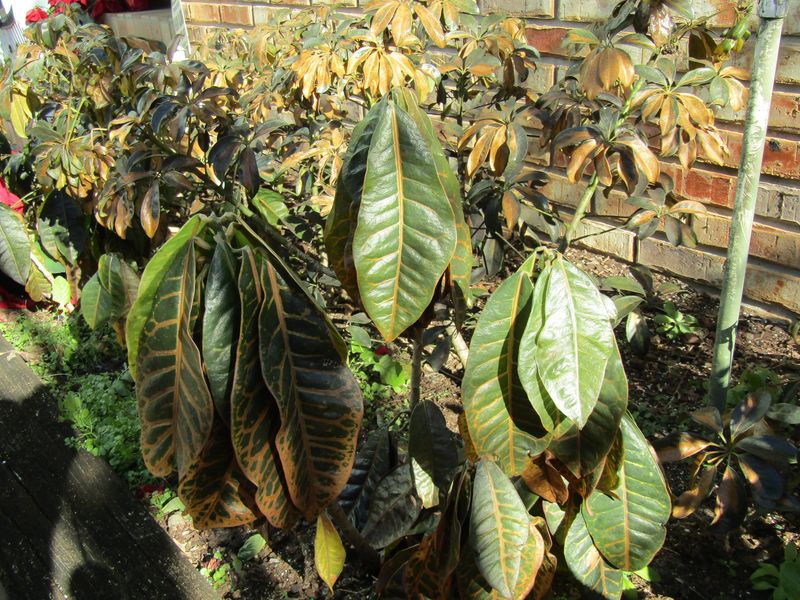
Plenty of them start to suffer long before the thermometer gets anywhere near freezing, and the damage often shows up days later when you’ve stopped paying attention.
By then, you’re staring at blotchy leaves and wondering what went wrong. The night looked mild.
The forecast said nothing scary.
Different plants tap out at different points, and a few handle the chill better than their reputation suggests.
Pull up the overnight lows for the coming week and walk through your yard with a critical eye. That number deserves more respect than most gardeners give it.
1. Tropical Plants Can Be Hurt Without Any Frost
Ask most Floridians what harms plants in winter, and you will hear one word: frost. That icy white coating gets all the headlines, but it is only part of the story.
Many tropical plants come from rainforests near the equator. In those places, nights rarely get chilly, so the plants never learned how to handle cool air.
Their cells are built for steady warmth, and a cold night throws them off balance.
When the air dips into the 40s, tiny parts inside the leaf cells start to struggle. The cell walls and membranes can get stiff, a bit like butter left in the fridge.
Water and nutrients stop moving the way they should. The result is stress that can show up as spots, wilting, or yellow patches.
Here is the tricky part. You might wake up, see no frost at all, and think your plants made it through just fine.
Days later, you notice strange marks and wonder what went wrong.
So keep an eye on the forecast even when freezing temps are not expected. A low of 45 degrees can be just as worrying for a delicate tropical as a frosty night is for a tomato.
Thinking beyond frost is the first step to keeping your green collection happy all winter long.
2. Damage Can Start Below 50 Degrees
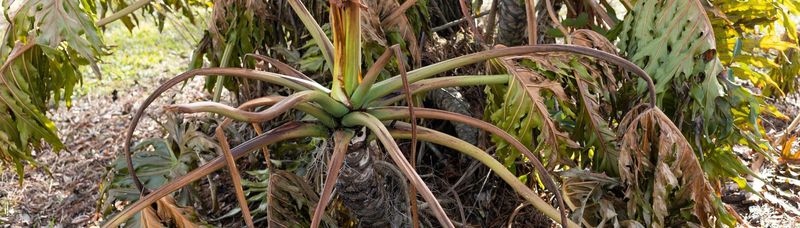
Fifty degrees. For a lot of people, that number means jacket weather and maybe a cozy bowl of soup.
For sensitive tropical plants, it is more like a warning siren.
Plant scientists have found that chilling stress often kicks in somewhere below 50 degrees. Some tender species react even in the mid-50s.
The longer the plant sits in that cool zone, the worse the harm can get.
Speed matters too. A sudden drop from an 80-degree afternoon to a 50-degree night can shock plants more than a slow slide over several days.
Think of it like jumping into a cold pool instead of easing in step by step. Florida cold fronts are famous for these quick plunges.
Wind adds another layer. A breezy night pulls warmth away from leaves faster, so a plant may feel colder than the thermometer says.
Your Florida Garden Changes Every Week. Your Plan Should Too.
Gardening in Florida changes quickly throughout the season. Every Friday you’ll receive a simple weekly plan showing exactly what to plant, prune, fertilize, harvest, and protect so you never miss the right timing.
Spots near open fields or along the water can catch the worst of it.
A smart habit is to check the nightly low every evening from November through March. Many weather apps let you set alerts for a chosen temperature.
Pick 50 as your magic number, and you will get a heads-up before your plants start to suffer.
3. This Is Called Chilling Injury
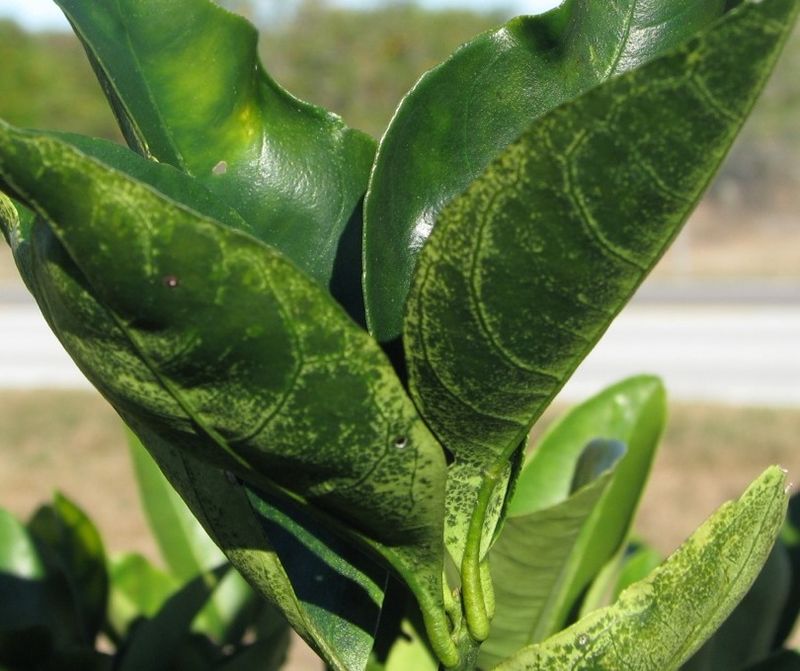
Every problem feels easier once it has a name. The one we are talking about is called chilling injury, and knowing the term can help you find better answers fast.
Chilling injury is not a disease. No fungus, bug, or germ causes it.
Instead, it is a physical disorder that happens when warm-loving plants sit in cool temperatures between just above freezing and about 59 degrees.
Inside the plant, cell membranes lose their flexibility in the cold. Normal chemical reactions slow down or get mixed up.
Over time, cells leak and break down, which leads to the spots and patches you can see on the outside.
Fun fact: farmers have studied chilling injury for decades. Bananas, mangoes, and cucumbers can all get it in storage, which is why you should not keep bananas in the fridge.
The same science applies to the houseplants on your lanai.
Because it looks a lot like disease, people sometimes spray fungicide or pull out a plant that could have bounced back. Before you treat anything, think back.
Was there a cool night in the past week or two? If so, chilling injury is a likely suspect, and patience may be the best medicine.
4. Aglaonema And Dieffenbachia Are Especially Sensitive
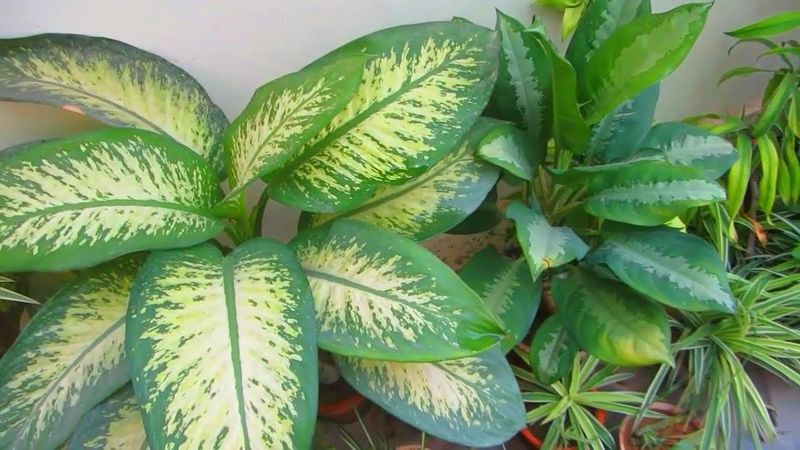
Some plants shrug off a cool night. Others act like they just got caught in a snowstorm, and two popular favorites top that dramatic list.
Aglaonema, also called Chinese Evergreen, loves warmth. Below 50 degrees, it can develop dark, greasy-looking patches on the upper side of its leaves.
These marks often sit between the center vein and the leaf edge. They may appear anywhere from two to ten days after the chilly night.
Dieffenbachia, sometimes called dumb cane, has its own way of showing distress. Look for yellowing, water-soaked spots, and limp, wilted leaves.
The youngest leaves near the top usually look the worst, since their soft tissue is the most tender.
Both plants are common in Florida yards, entryways, and shady patios. Their colorful leaves make them easy to love, but that beauty comes with thin skin when it comes to cold.
If you own either one, treat them as your early warning crew. Bring them inside first when a cool front rolls in.
A spot near a bright window, away from drafty doors and air vents, keeps them comfy. Your other plants might handle a brisk night, but these two would rather stay cozy indoors.
5. Peace Lilies Show Damage At Leaf Tips And Edges
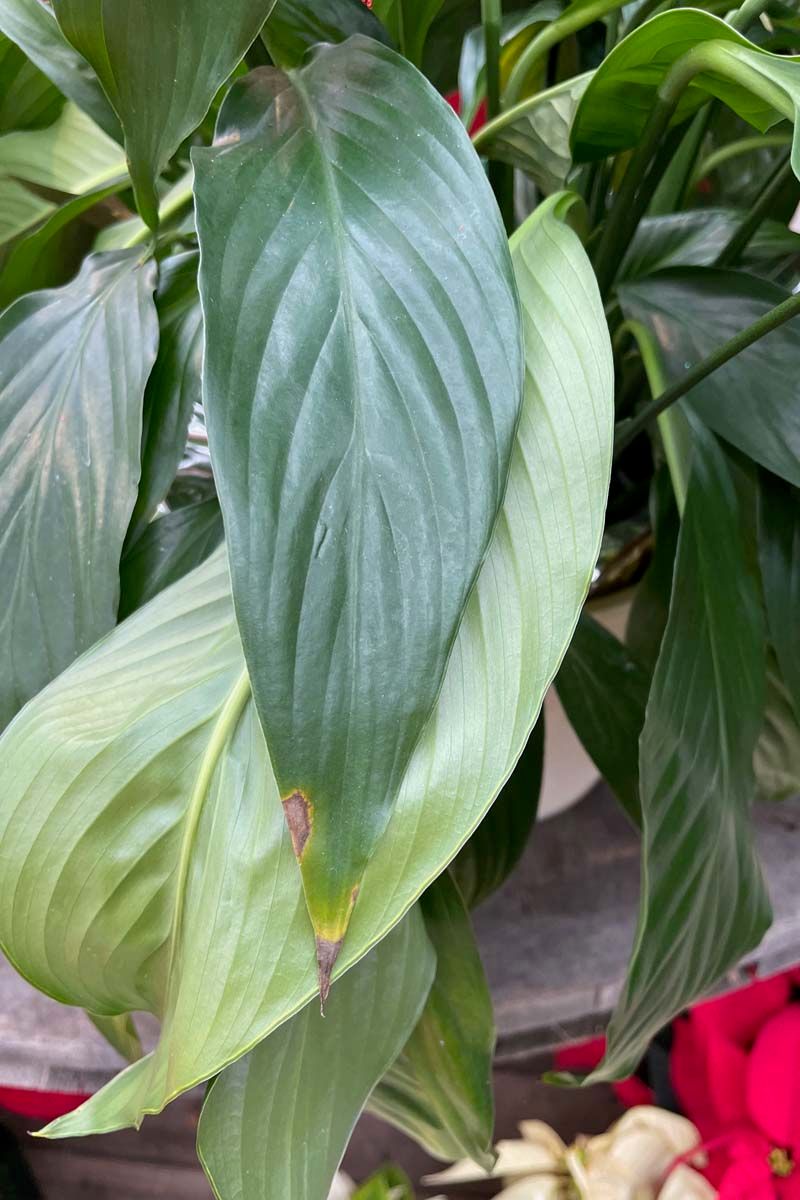
Glossy leaves, elegant white blooms, and a reputation for being easy to grow make the peace lily a top pick. Yet this graceful plant has a soft spot for warmth.
When chilly air hits a peace lily, the first clues usually show up at the leaf tips and edges. Small areas turn brown as the tissue breaks down.
Over time, the damage creeps inward toward the middle of the leaf.
Those brown zones can darken to black and then dry out, becoming crispy and papery. On a bad night, larger sections of the leaf may be affected.
It can look alarming, but the plant itself is often still in good shape at its core.
Brown tips can also come from dry air, too much fertilizer, or uneven watering. So how can you tell the difference?
Timing is a big hint. If the browning shows up soon after a cool spell, cold is the likely cause.
Trim only fully brown tips with clean scissors, following the natural leaf shape. Wait on bigger cuts until you see fresh growth.
Then give your peace lily a warm, bright, draft-free spot, and it should reward you with new shiny leaves before long.
6. Some Symptoms Take Months To Show Up
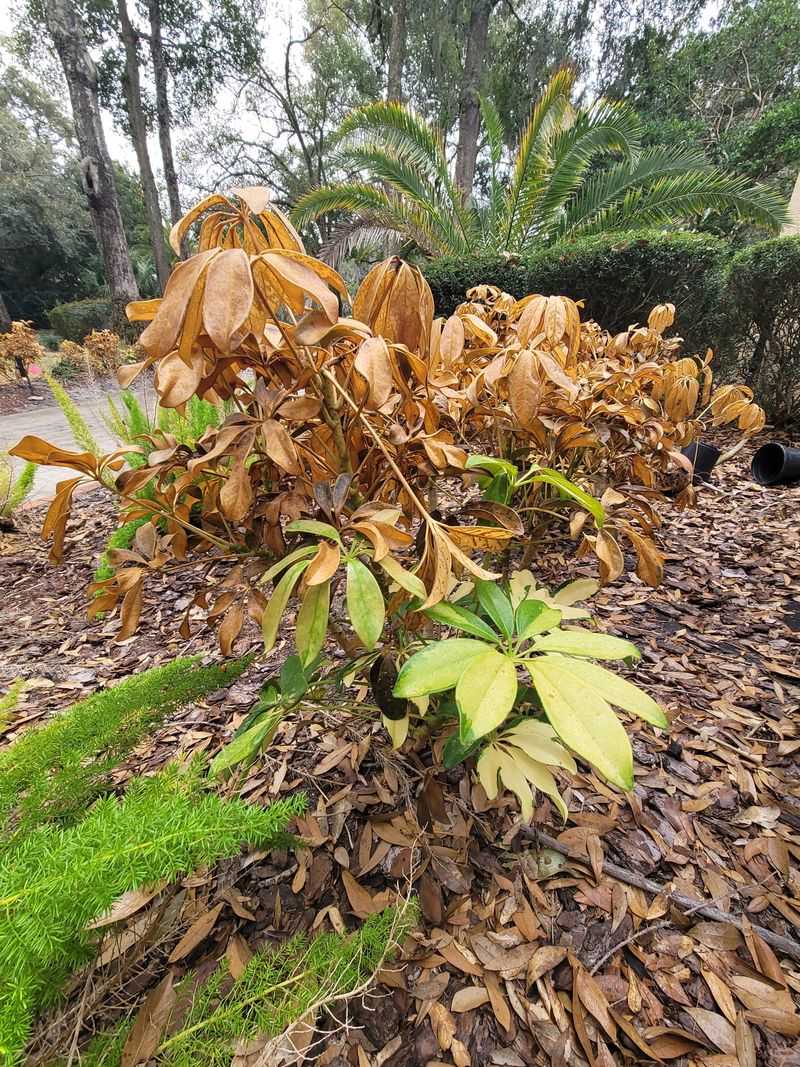
Imagine your plants sail through a January cold snap looking perfect. You breathe a sigh of relief, then spring arrives and the leaves suddenly look rough.
What happened?
Chilling injury can be a slow reveal. Some signs pop up in a few days, but others take weeks or even months to appear.
Damage hidden inside stems or growing points may stay out of sight until the weather warms up.
Once spring heat returns, plants start pushing out new growth. That is when weak spots show themselves.
You might see stunted leaves, odd shapes, or stems that collapse because the inside tissue was harmed back in winter.
This delay fools many gardeners. They blame spring pests, bad soil, or a watering mistake, when the real cause happened months earlier.
A handy trick is to keep a simple garden journal. Jot down the date and the low temperature whenever a cold night hits.
Snap a quick photo of your most delicate plants too. Later, if trouble appears, you can look back and connect the dots.
Patience pays off here. Give plants time to show you what is truly going on before you make big decisions.
7. Potted Plant Roots Can Be Injured Without Obvious Signs
Garden soil works like a big, warm blanket. Roots tucked deep in the ground stay snug even when the air gets nippy.
A pot, on the other hand, offers much less protection.
In a container, cold air surrounds the soil on every side. The sides, bottom, and top all lose heat at night.
That means roots in pots get chilled much faster than roots planted in the yard.
Cold roots have a hard time pulling up water. You may notice a plant wilting even though the soil is damp.
Over time, weakened roots can lead to slow growth, pale leaves, and a plant that just seems tired.
Here is the sneaky part. The leaves might look fine right after the cold night, so you assume everything is okay.
Meanwhile, the root system is quietly hurting.
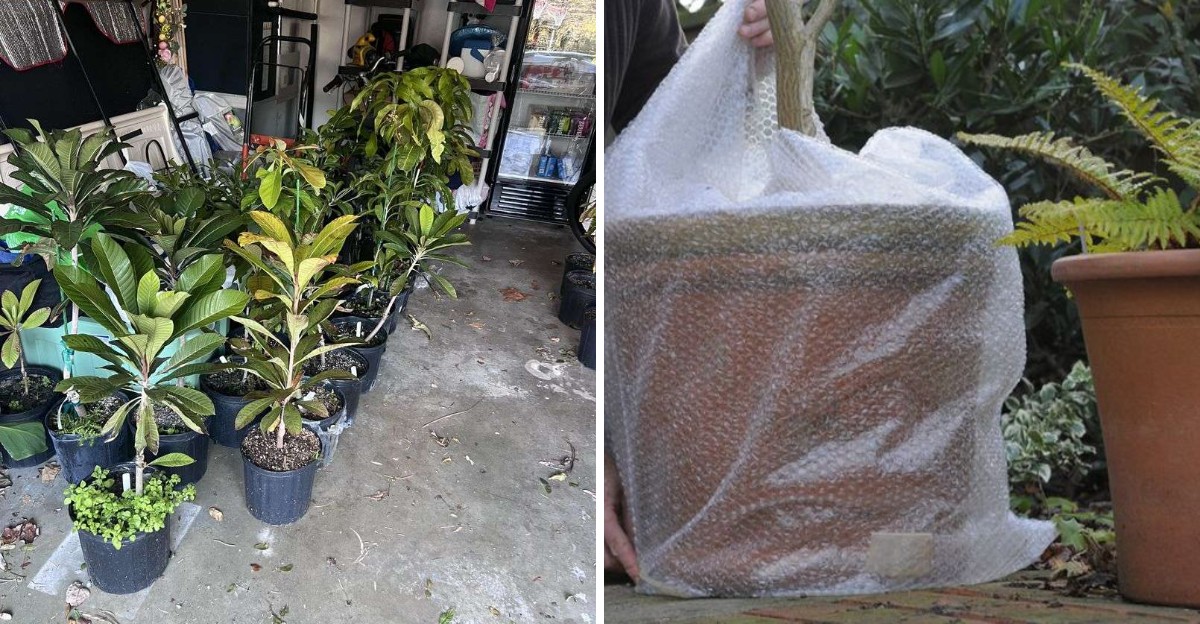
To help, group pots close together so they share warmth. Raise them off cold concrete with pot feet or wooden blocks.
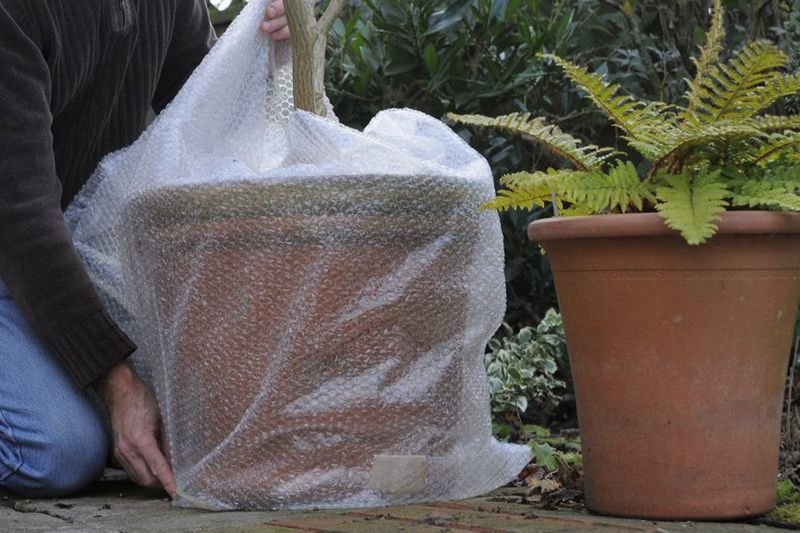
Wrapping containers in burlap or bubble wrap adds an extra layer of cover.
After a chilly spell, go easy on water and skip the fertilizer for a while. Let the roots recover before asking them to work hard again.
8. Bring Potted Tropicals In Before Nights Drop Below 50
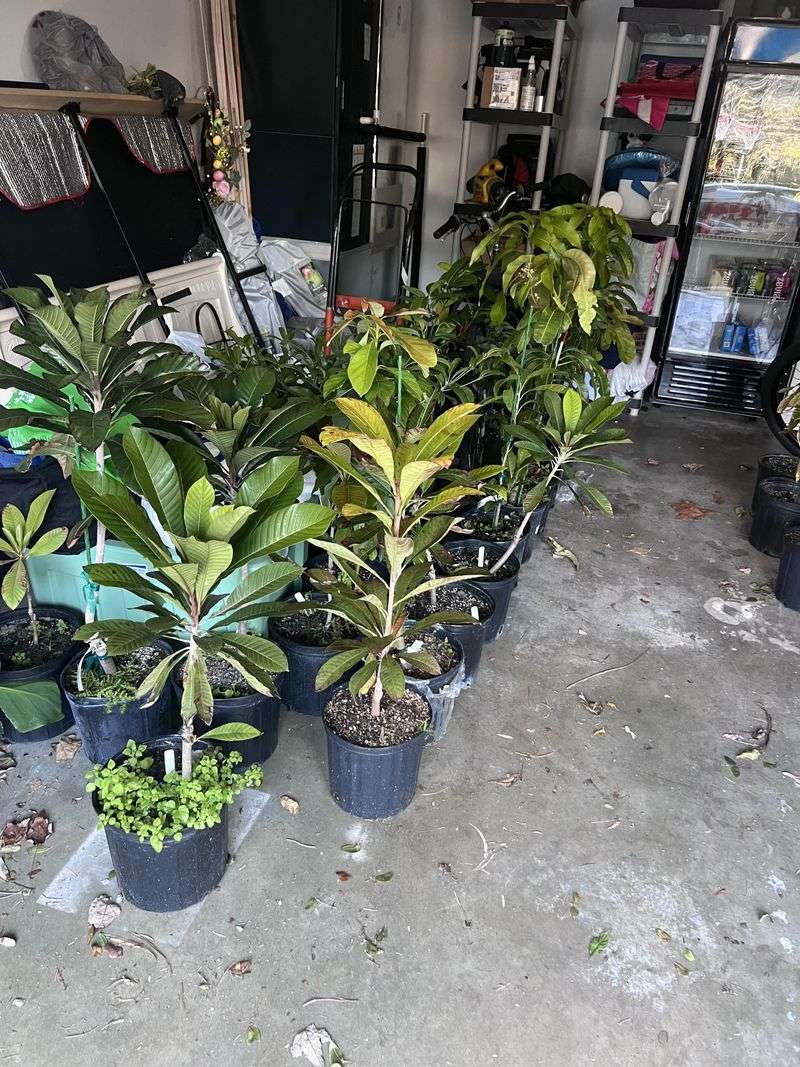
Think of it as a winter sleepover for your plants. When the forecast shows a low under 50 degrees, it is time to roll out the welcome mat.
Moving pots indoors is the simplest fix. If space is tight, a garage, carport, or screened porch can still block wind and hold extra warmth.
Even a spot close to the house wall helps, since buildings give off heat at night.
Plan ahead so you are not hauling heavy pots in the dark. A plant dolly or wheeled caddy makes moving big containers much easier on your back.
Some plants are too large or are growing in the ground. For those, cover them with old sheets, blankets, or frost cloth.
Let the fabric reach all the way to the soil so it traps warmth rising from the earth. Avoid plastic touching leaves, since it can make cold damage worse.
Water the soil well the day before a cold snap. Moist soil holds heat better than dry soil and keeps roots more comfortable.
Once the sun is back and temps climb, uncover plants or move them outside again. They need light and fresh air to stay strong.
9. Many Tropical Plants Regrow From Their Roots
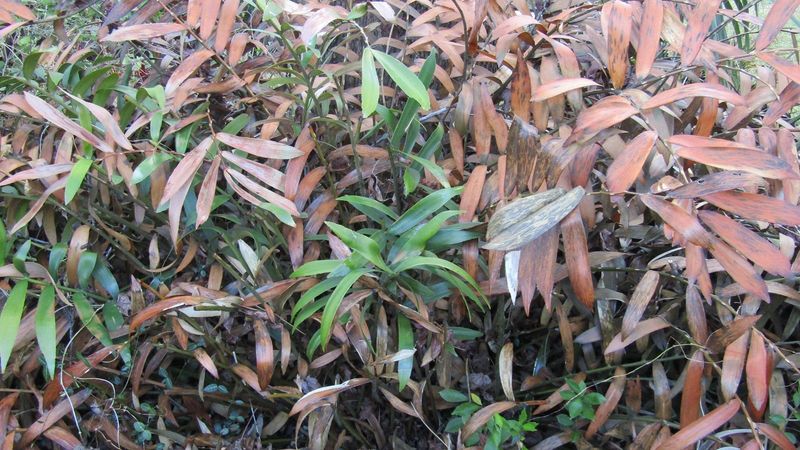
Good news time. A plant that looks rough after a cold night is often far from finished.
Many tropical plants have amazing comeback powers. Even when the leaves and stems look badly damaged, healthy roots below the soil can push out fresh shoots once warm weather returns.
Gardeners across Florida see this happen every spring.
The hardest part is waiting. It is tempting to grab the pruners and cut away every brown leaf right away.
Try to hold off. Those ugly leaves actually act like a shield, protecting the living tissue underneath from more cold.
Cutting too early can expose tender parts to the next chilly night. It can also push the plant to grow new leaves at the wrong time, which wastes energy.
Instead, wait until new green growth appears, usually in late winter or early spring. Then you can clearly see what is healthy and what is not.
Trim back to just above the fresh growth with clean, sharp tools.
A quick scratch test on a stem can help too. Green tissue under the bark means life is still there.
With a little patience, your garden may surprise you with a lush, leafy comeback.