Florida Plants That Keep Roaches Away From The Front Door Without Any Chemicals
The front door is where Florida roach problems feel most personal. A roach at the threshold is not a yard problem anymore.
It is a statement about how close the situation has gotten and how little is currently standing between outside and inside. Sprays handle what is already there.
They do nothing about what is still deciding whether to approach. That decision happens in the yard, along the foundation, in the few feet between the landscape and the door.
What grows in that space either discourages roaches or does nothing to stop them. Certain plants produce scents and conditions that roaches find off-putting at ground level.
Placed near the front entry, they work passively. No schedule, no product, no ongoing effort.
A front door that smells good and makes roaches less comfortable is worth building.
1. Oregano Has Some Of The Strongest Roach-Repelling Oils Studied
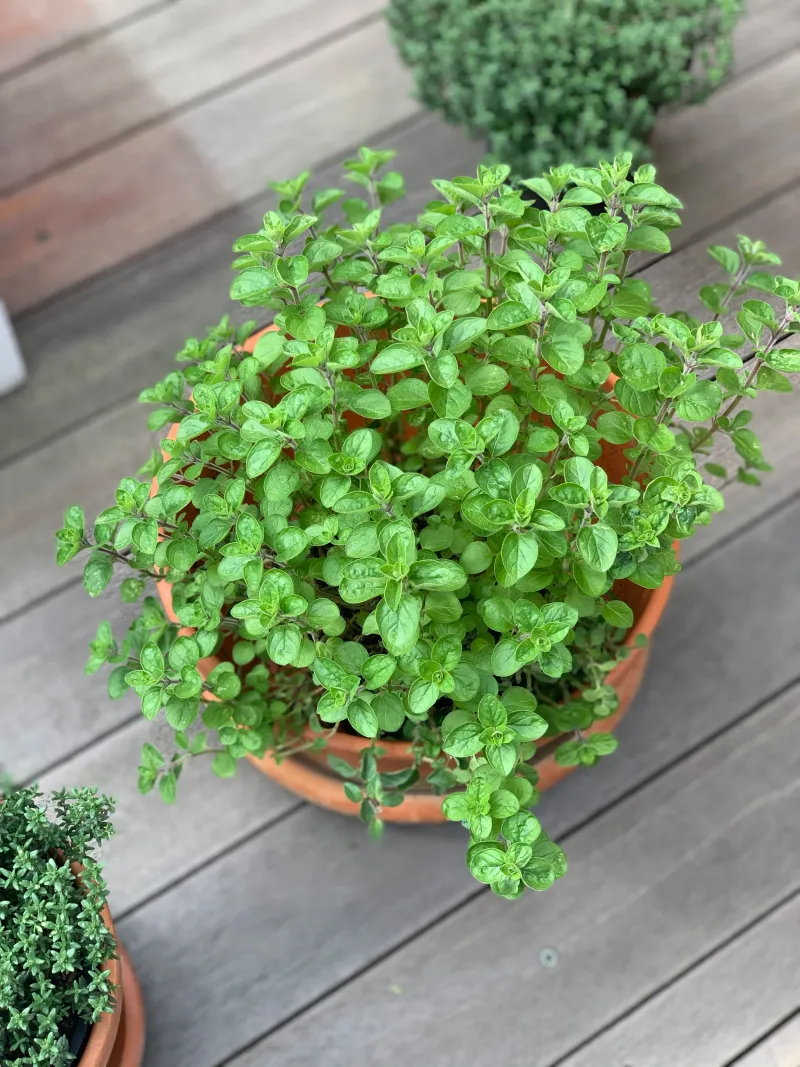
Few kitchen herbs have earned as much attention from pest researchers as oregano. Peer-reviewed studies have found that essential oil from Origanum vulgare shows strong repellent activity against cockroaches.
These results come from laboratory conditions. The active compounds, particularly carvacrol and thymol, appear to disrupt insect sensory responses at concentrated doses.
A living oregano plant near your Florida front door will not release those compounds at anywhere near the levels used in controlled experiments. That distinction matters.
The pot is not a barrier, and treating it like one would give you false confidence about your entry point.
That said, oregano is genuinely useful near a sunny doorstep. It thrives in full sun and needs fast-draining soil, so a container with drainage holes works better than a soggy garden bed.
High summer humidity in warm coastal climates can encourage fungal problems, so good air circulation around the pot helps.
Water only when the top inch of soil feels dry, and avoid overhead watering to reduce leaf disease. Pinching back flower buds keeps the foliage productive and flavorful.
You gain a reliable culinary herb that looks tidy at the entrance.
Seal the gap under your door and caulk any cracks in the frame. Those steps do far more to stop roaches than any fragrant pot placed nearby.
2. Rosemary Brings A Powerful Aromatic Punch To Sunny Doorsteps
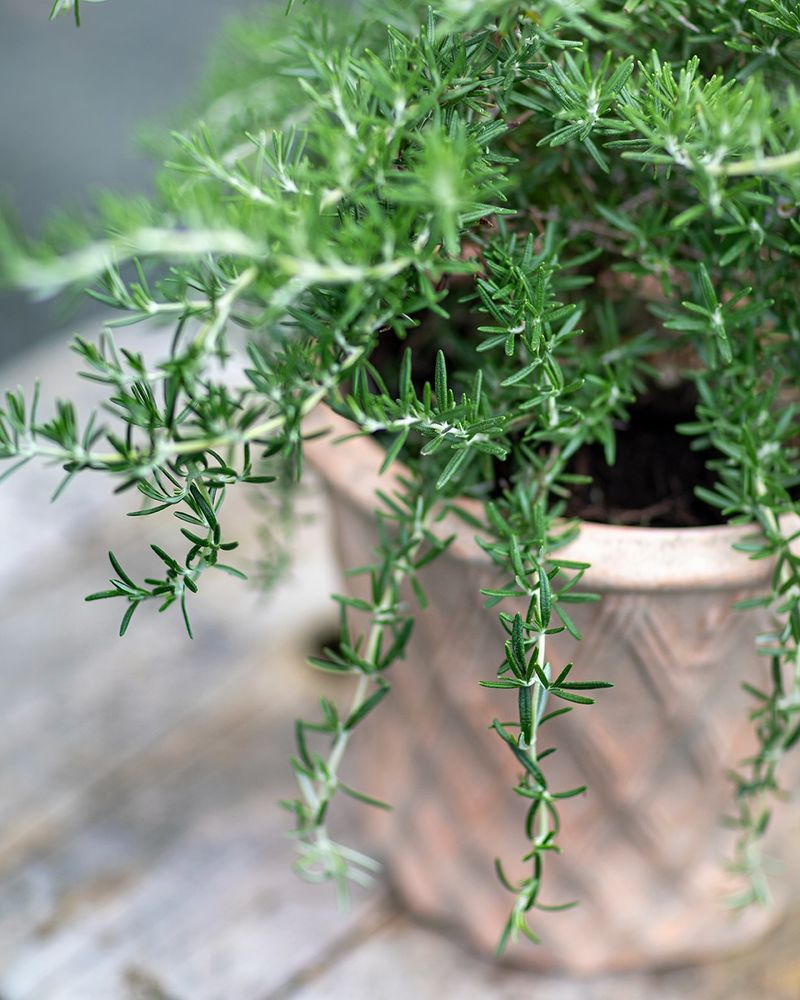
Walk past a rosemary bush and that sharp, piney fragrance hits you immediately. Rosemary oil, derived from Salvia rosmarinus, has been evaluated in cockroach repellency studies.
Researchers have noted activity against certain species at controlled concentrations. The compounds 1,8-cineole and camphor are thought to play a role in that response.
Brushing against a rosemary plant near your door releases a brief burst of aroma. However, that casual contact does not produce the sustained, concentrated exposure used in lab settings.
A living plant contributes fragrance and texture to your entrance without functioning as a tested pest deterrent.
Rosemary is one of the better-adapted aromatic herbs for hot, dry microclimates. It demands full sun and excellent drainage above almost anything else.
Prolonged summer rain or poorly draining soil can cause root rot quickly, so a raised container or an elevated pot with drainage holes is a smart choice near a doorstep.
Your Florida Garden Changes Every Week. Your Plan Should Too.
Gardening in Florida changes quickly throughout the season. Every Friday you’ll receive a simple weekly plan showing exactly what to plant, prune, fertilize, harvest, and protect so you never miss the right timing.
Avoid heavy watering schedules. Once established, rosemary handles short dry spells well and actually prefers them.
Trim lightly after flowering to keep the plant compact and attractive at the entrance.
Rosemary earns its spot for culinary value and visual appeal. For roach exclusion, focus on sealing the door frame, fixing torn weatherstripping, and keeping the area free of standing moisture.
3. Peppermint Packs Its Sharp Scent Into A Contained Porch Pot
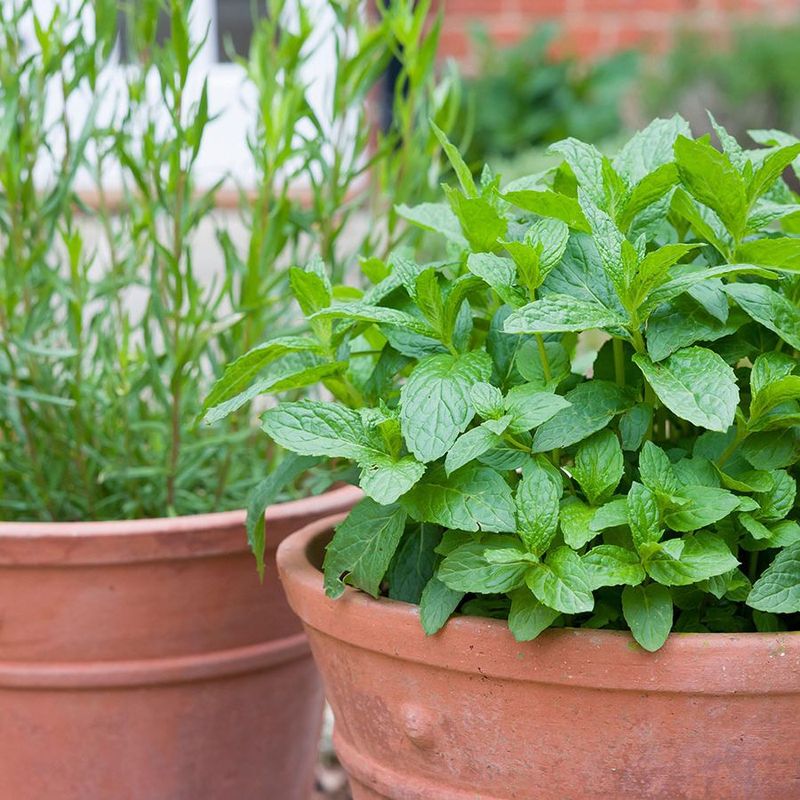
Peppermint, Mentha x piperita, has a reputation for being the bold troublemaker of the Florida herb garden.
Research has shown that peppermint essential oil demonstrates repellent activity against German cockroaches (Blattella germanica) in laboratory bioassays.
The compound menthol and related monoterpenes appear to be responsible for that effect.
A pot of peppermint on your porch releases a noticeably sharp scent, especially after rain or when leaves are disturbed. That fragrance is real, but the concentration drifting off foliage falls far below the doses used in controlled studies.
Viewing the plant as a pleasant aromatic addition rather than a proven barrier keeps expectations accurate.
Mint grows enthusiastically in warm, humid conditions, which is both an asset and a problem. Left in the ground, it spreads aggressively through underground runners and can overtake surrounding plants within a single season.
A container is the practical solution, keeping roots confined and the plant manageable near an entrance.
Choose a pot with drainage holes and keep the soil consistently moist but never waterlogged. Peppermint tolerates partial shade, which suits a covered porch well.
Pinch back stems regularly to encourage bushy growth and delay flowering.
Pair the plant with a proper door sweep and sealed threshold gaps. Those physical measures are the dependable part of keeping roaches outside where they belong.
4. Catnip Has Real Cockroach Research Behind Its Famous Aroma
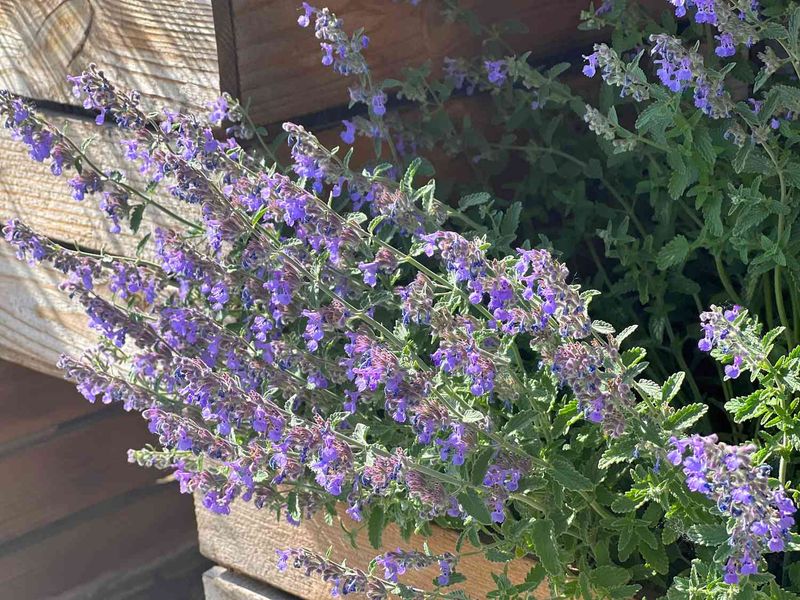
Catnip, Nepeta cataria, became a subject of serious pest research after a finding from Iowa State University scientists. They found that nepetalactone, its primary aromatic compound, showed repellent activity against German cockroaches.
That 2001 study drew wide attention because the effect appeared stronger than some synthetic compounds at comparable concentrations in lab conditions.
Those results came from isolated nepetalactone and essential oil preparations, not from an undisturbed potted plant. The fragrance a living catnip plant releases into open air is far less concentrated than a tested extract.
Acknowledging that gap keeps the science honest.
Growing catnip in warm, humid Florida climate presents real challenges. The plant prefers cooler temperatures and can struggle through intense summer heat.
It tends to perform better during the milder months, making it a seasonal option rather than a year-round fixture at the door.
Container culture gives you control. Use well-draining potting mix and a pot with drainage holes.
Water moderately and give the plant as much sun as your porch allows. Trim back leggy stems to keep it tidy.
One practical note: neighborhood cats will find this plant quickly and may flatten it. A small wire cage around the pot can protect it during the growing season.
As always, a sealed door threshold and dry entry area do more reliable work against roaches than any fragrant plant placed nearby.
5. Lemongrass Builds A Tall Fragrant Screen Beside The Entry
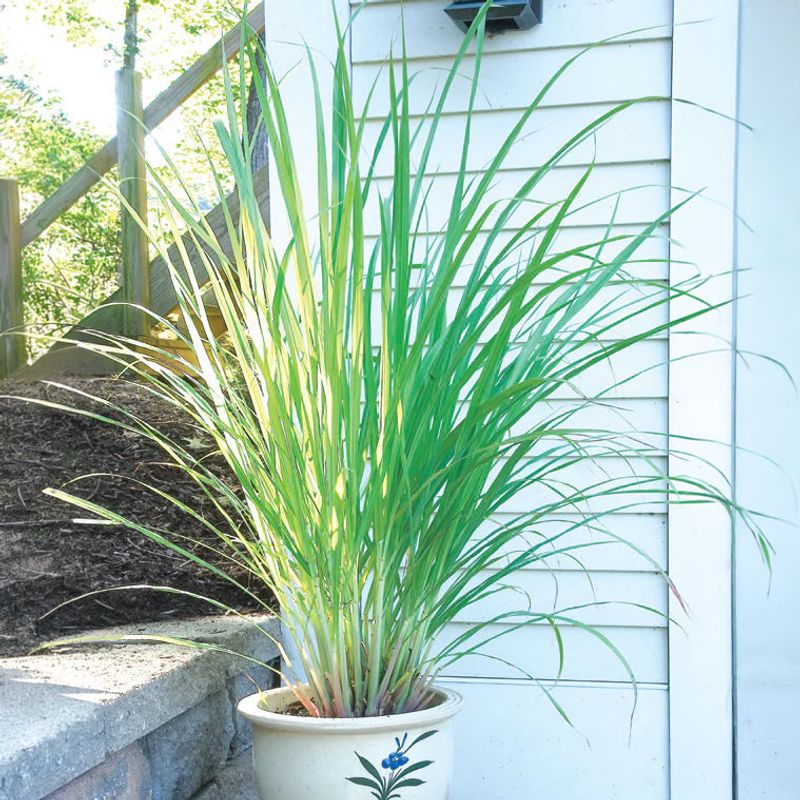
Tall, architectural, and intensely fragrant, lemongrass (Cymbopogon citratus) makes an immediate visual statement beside a Florida entryway.
It is worth distinguishing it clearly from citronella grass (Cymbopogon nardus), which is a separate species often marketed for mosquito control.
Lemongrass is the culinary variety used in Southeast Asian cooking.
Research on lemongrass oil against cockroaches does exist. Studies have found that Cymbopogon citratus essential oil shows repellent and contact activity against certain cockroach species in laboratory settings.
The active compounds include citral and geraniol, both of which appear in the pest-control literature. A living plant, however, releases those compounds at ambient levels that have not been shown to deter roaches from crossing a threshold.
Lemongrass grows vigorously in full sun with regular moisture. A mature clump can reach five to six feet tall and two to three feet wide, so it suits a large porch or open entry area better than a narrow stoop.
Container growing is possible but requires a very large, heavy pot to accommodate the root mass.
Divide clumps every two to three years to prevent overcrowding. Remove dry outer leaves regularly to keep the plant looking tidy and to reduce hiding spots for pests.
Sealing door gaps and eliminating standing water near the entrance remain the most effective steps for keeping roaches outside.
6. Yarrow Adds Flowers With Surprisingly Potent Aromatic Oils
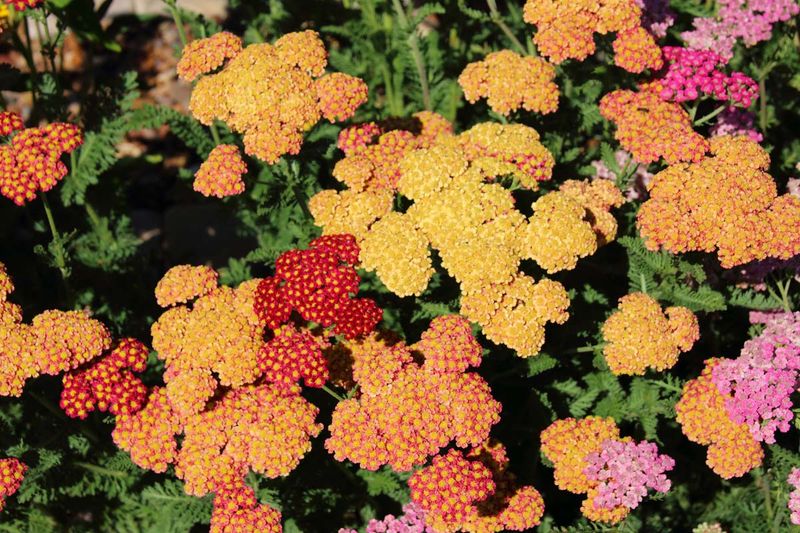
Most people think of yarrow as a wildflower, not a pest-research subject.
A study examining Achillea millefolium essential oil found repellent activity specifically against brown-banded cockroaches (Supella longipalpa), a species commonly found indoors in warm climates.
That species distinction matters, because the same result has not been broadly confirmed across all household cockroach species.
Yarrow oil contains compounds including camphor, borneol, and various sesquiterpenes. At the concentrations used in laboratory assays, those compounds showed measurable repellent effects.
A flowering yarrow plant releases fragrance at levels far below those used in controlled experiments. As a result, its practical effect on roaches near your door is uncertain.
On the horticultural side, yarrow is genuinely well-suited to sunny, dry conditions. It prefers excellent drainage and tolerates poor soil, which makes it low-maintenance in a raised bed or container.
In areas with heavy summer rain, it can develop crown rot if planted in compacted or waterlogged soil.
The flat-topped flower clusters, which come in white, yellow, pink, and red varieties, attract butterflies and beneficial insects. That pollinator value adds a real ecological benefit beyond any fragrance consideration.
For roach control, the stronger approach is always physical exclusion. Check your door sweep, seal weep holes in the brick, and keep mulch pulled back from the foundation.
7. Palmarosa Brings A Tropical Grass With Lab-Tested Repellency
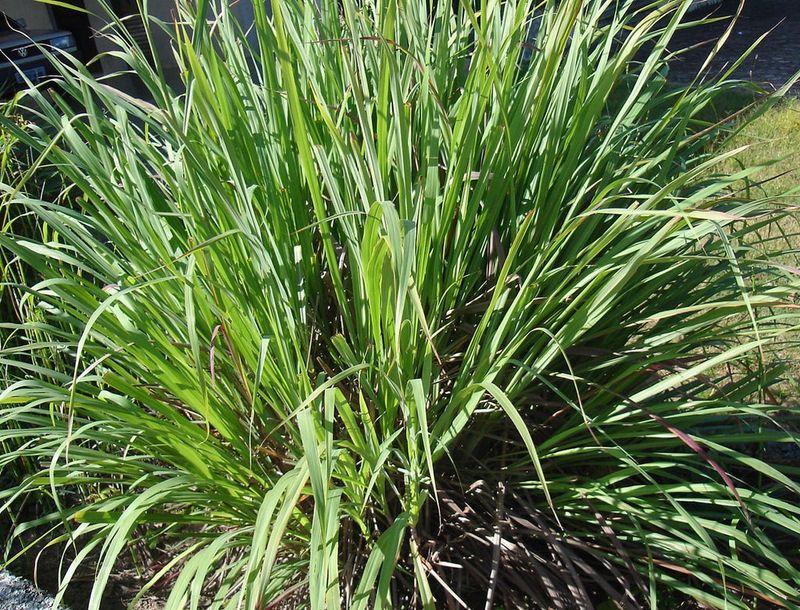
Palmarosa, Cymbopogon martinii, is not as well known at garden centers as lemongrass, but it has earned attention in pest-control research.
Studies have evaluated palmarosa essential oil against German cockroaches and found repellent activity at tested concentrations.
The primary compound, geraniol, is also found in rose oil and several other aromatic plants.
Do not confuse palmarosa with lemongrass or citronella grass. All three belong to the same genus, but each has a distinct oil profile and fragrance character.
Palmarosa has a softer, slightly floral scent compared to the citrusy sharpness of lemongrass.
As a warm-climate grass, palmarosa suits outdoor container culture in tropical and subtropical regions. It prefers full sun and well-drained soil.
The plant can reach four to five feet tall at maturity, so a large, sturdy container is necessary if you want it near a doorstep.
Availability can be a real limitation. Palmarosa is not stocked at most mainstream garden centers and may need to be sourced from specialty herb nurseries or online growers.
Starting from seed is possible but slow.
The living plant has not been proven to repel roaches from buildings. Its oil chemistry is interesting from a research perspective, but a pot beside the door is primarily an ornamental and aromatic feature.
Pair it with solid exclusion practices for any meaningful reduction in roach activity near your entrance.
8. Scented Geranium Adds Another Aromatic Layer Near The Door
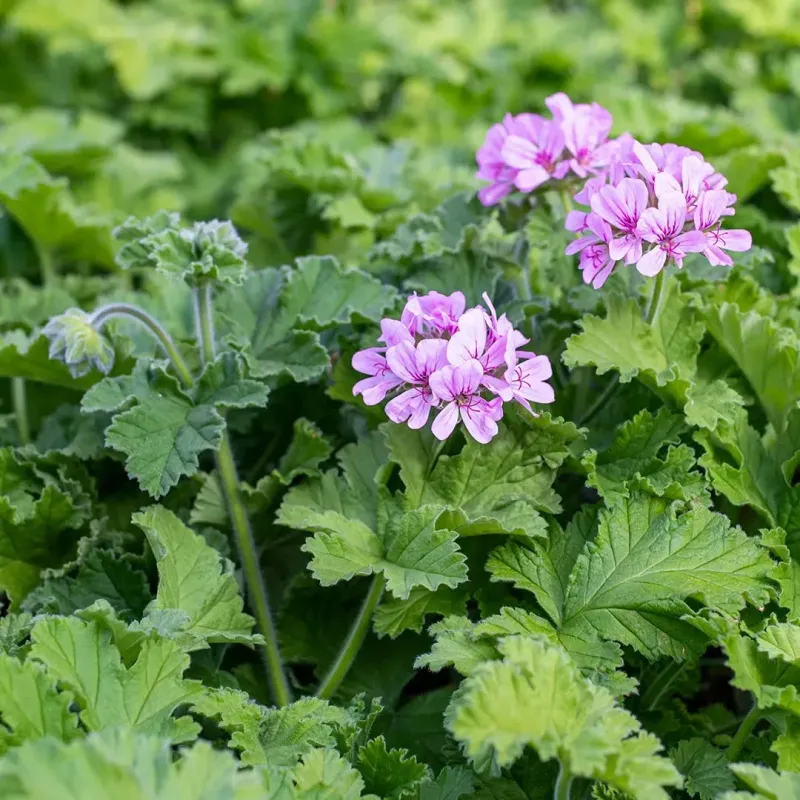
Scented geraniums, Pelargonium species and cultivars, offer an impressive range of fragrances, from rose and lemon to mint and spice. Geranium oil has appeared in cockroach repellency research, with some studies noting activity at tested concentrations.
The oil chemistry varies considerably across cultivars, so results from one variety do not automatically apply to all scented geraniums.
These plants have a real limitation in warm, humid climates: they struggle with intense Florida summer heat and high overnight temperatures. In the hottest months, they may become stressed, drop leaves, or develop fungal issues.
A protected spot with morning sun and afternoon shade, or a covered porch, can extend their useful season.
Container growing suits them well. Use a well-draining mix, allow the soil to dry slightly between waterings, and avoid wetting the foliage.
Cooler-season use, from late fall through spring, is often more realistic than expecting them to thrive outdoors through a brutal August.
The fragrance released by foliage is pleasant and genuine, but it does not reach the concentrations used in laboratory repellency tests. A pot near the door adds sensory appeal without serving as a tested pest deterrent.
The core message comes back to physical prevention. Seal cracks around the door frame, fix damaged weatherstripping, reduce moisture at the entry, and remove food debris to consistently limit roach access.
Aromatic plants are a welcome addition, but exclusion and sanitation carry the real weight of pest prevention.