The Apple Tree Mistake Ohio Homeowners Make Every Winter
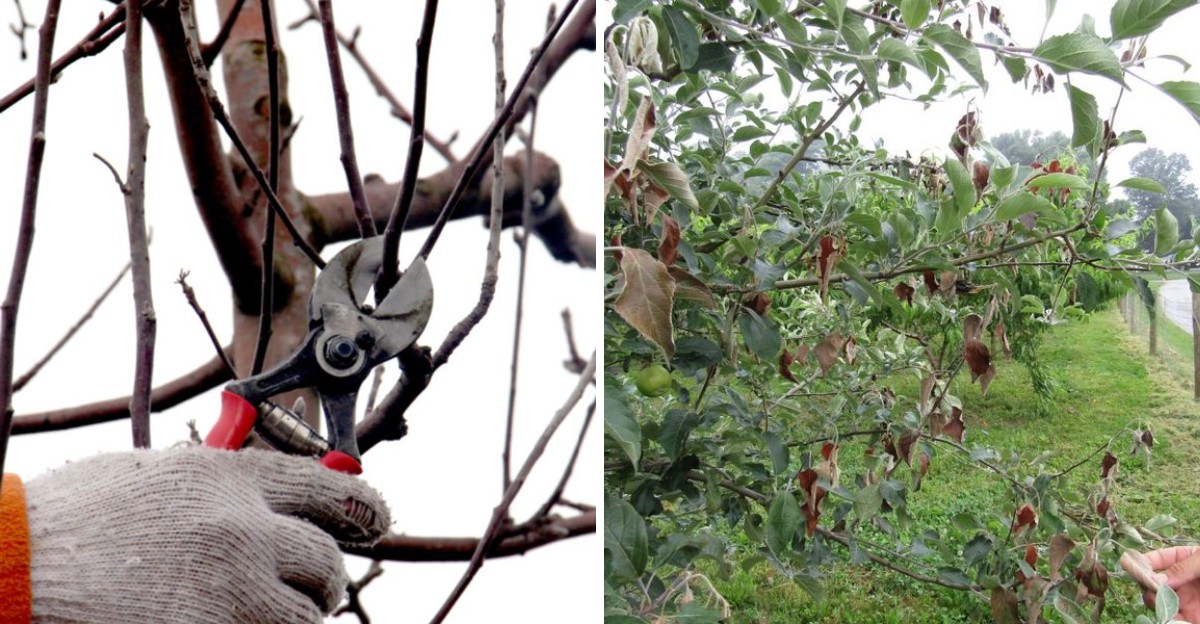
There is something about a bare apple tree in winter that makes Ohio homeowners want to grab their pruning shears and get to work. The yard is quiet, the branches are easy to see, and the whole situation just begs for a tidy-up.
Completely understandable. Here is the problem though: the most common winter pruning mistake has nothing to do with how you cut and everything to do with when.
Thousands of well-meaning homeowners prune at exactly the wrong moment every single winter, and the tree does not say a word about it until spring rolls around and the blooms look thin and the fruit disappoints.
By then the damage is already done.
The good news is that this is one of the easiest gardening mistakes to fix once you know what you are actually looking for.
1. Timing Is Everything With Apple Trees
Ask any old-time orchard keeper about apple trees, and the first word out of their mouth is usually timing. They learned the hard way that a cut made in the wrong week can undo a whole year of care.
Apple trees go to sleep each winter, a stage called dormancy. During that rest, sap slows down and the tree saves its energy in the roots and trunk.
Here in Ohio, many folks prune right after the leaves fall in November. The yard looks tidy, the weather is mild, and it feels like a smart chore to finish early.
The trouble is that early winter cuts sit open for months. Harsh January cold can dry out and crack the fresh wounds before the tree has any chance to seal them.
A tree that is still settling into dormancy can also get confused. Some trees respond to fall pruning by pushing out tender growth that freezes once the real cold arrives.
So what should you do instead? Wait, watch the calendar, and save your pruning plans for later in the season.
Patience feels hard when a messy tree is staring at you through the kitchen window. Still, holding off for a few extra weeks gives your apple tree the best shot at strong spring growth.
Think of it like waking a sleeping friend. Doing it gently, at the right moment, makes everyone happier.
2. The Pruning Window Homeowners Keep Missing
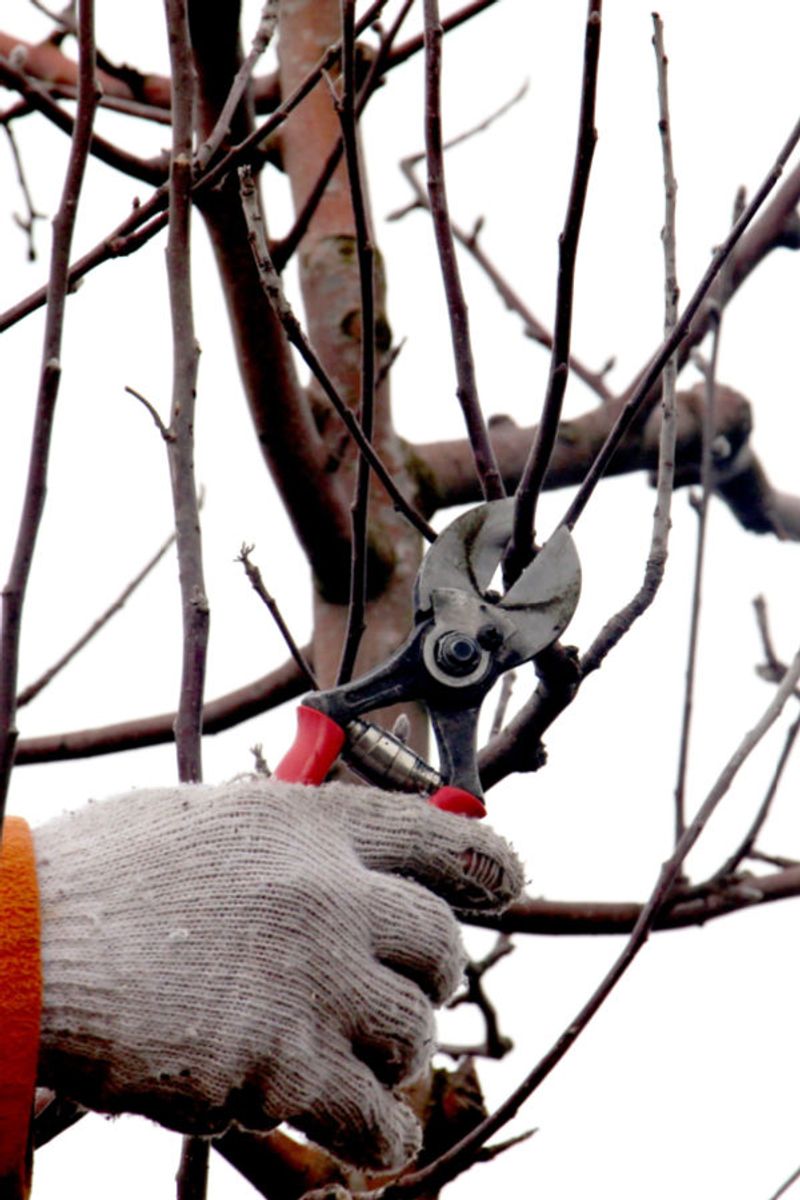
Funny thing about calendars: they can help a gardener more than any fancy tool. The best time to prune apple trees is a short window, and plenty of people walk right past it.
That window opens when the worst cold has passed but before buds begin to swell. In most of Ohio, that means late winter, roughly mid-February through March.
Why does this stretch matter so much? The tree is still resting, so cuts will not cause much stress or sap loss.
At the same time, spring is close enough that the tree can start healing almost right away. Wounds close faster when warm days arrive just a few weeks later.
Some homeowners miss the window on the early side by pruning in December. Others wait too long and start cutting when green leaf tips are already peeking out.
Your Ohio Garden Changes Every Week. Your Plan Should Too.
Gardening in Ohio changes quickly throughout the season. Every Friday you’ll receive a simple weekly plan showing exactly what to plant, prune, fertilize, harvest, and protect so you never miss the right timing.
Pruning after buds open is not a disaster, but it does waste energy. The tree already sent food to those buds, and you are clipping it away.
A simple trick helps a lot. Put a reminder on your phone for the second week of February, then check the ten-day forecast.
Look for a dry stretch with daytime temps above freezing. Northern Ohio may run a week or two behind the southern part of the state, so adjust for your area.
3. Bad Timing Takes A Real Toll On Apple Tree Health
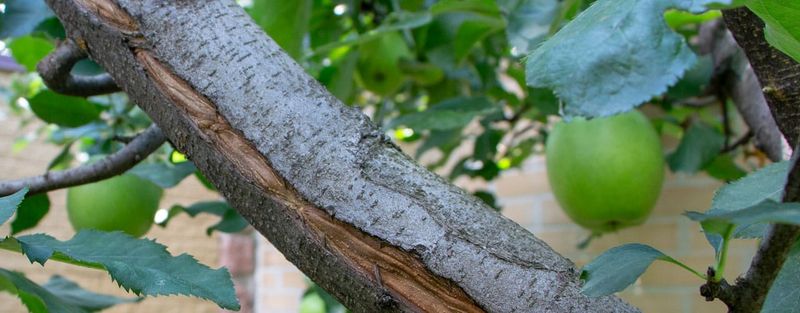
Nobody plans to hurt their favorite tree, yet poorly timed cuts do exactly that more often than you might expect. The damage hides at first, then shows up in surprising ways.
Fresh wounds are open doors. Fungi and bacteria love to sneak in, especially during wet, chilly stretches when the tree cannot fight back.
One well-known problem is fire blight, a disease that makes branches look scorched. Cuts made at the wrong time, like in warm and rainy spring weather, can help it spread fast.
Cold injury is another worry. In Ohio, deep January freezes can crack the bark around early cuts and leave the wood dry and brittle.
Weakened apple trees can also become more attractive to certain boring insects. The roundheaded apple tree borer and the flatheaded apple tree borer, both documented pests in orchards, are known to preferentially target trees that are already under stress.
Keeping your apple tree healthy and pruning at the right time is one of the most straightforward ways to reduce that kind of pressure.
Over time, these troubles add up. You may notice smaller apples, fewer blossoms, or branches that just stop leafing out.
Here is a fun fact for you. Apple trees do not truly heal like skin does, they seal wounds off with a special layer called callus wood.
That sealing process works best when the tree is about to grow. Prune near spring, and you give that natural bandage the best possible start.
4. Reading Your Tree Before Picking Up The Pruners
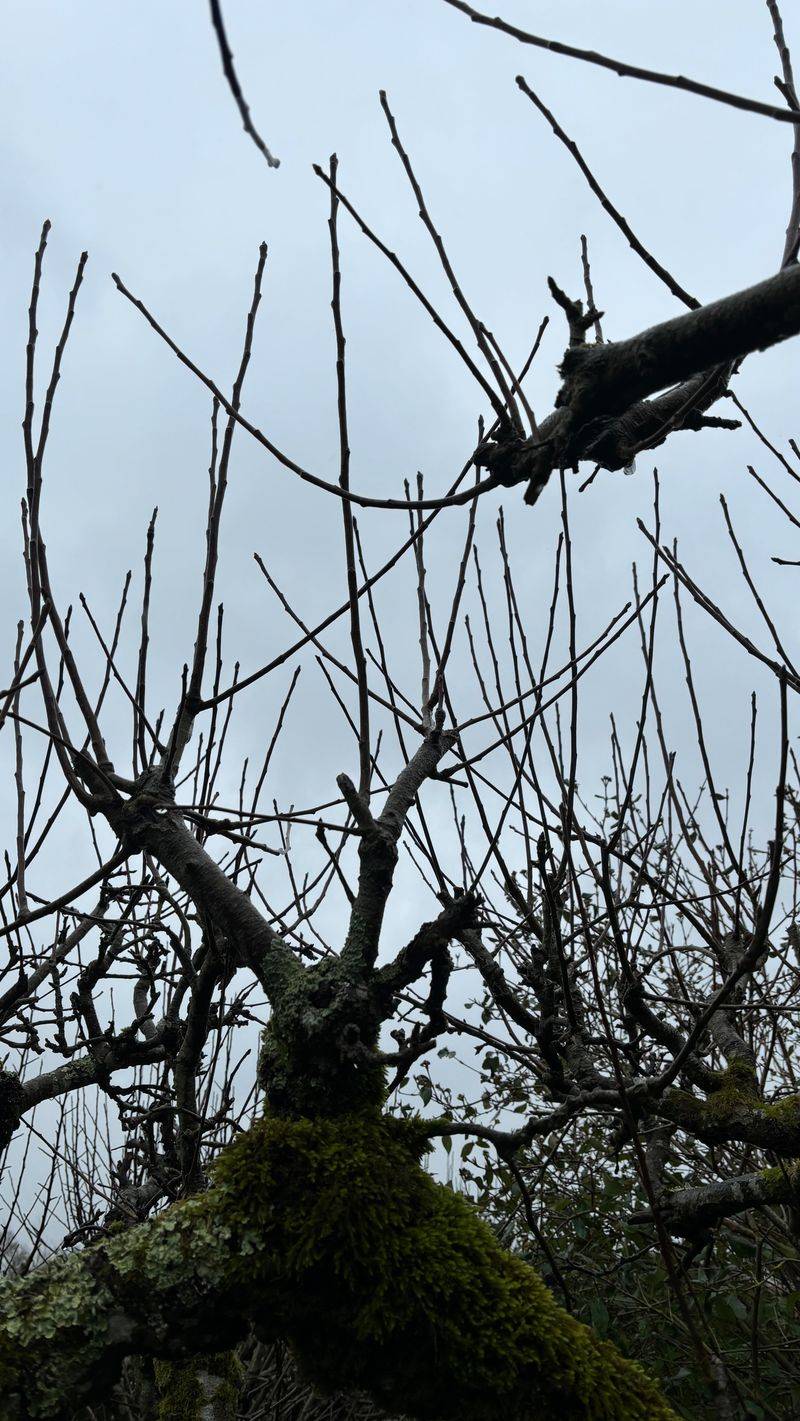
Good pruners spend more time looking than cutting. Before you make a single snip, walk around your tree slowly and really study it.
Start with the obvious stuff. Broken, cracked, or diseased branches should come off first, no matter what else you decide.
Next, check for limbs that cross or rub together. When bark scrapes bark in the wind, it opens wounds that let trouble in.
Then look for water sprouts. These are skinny shoots that grow straight up from branches, and they rarely produce good fruit.
Suckers are their cousins, popping up from the base or roots. Many Ohio backyard trees are covered in them after a few years without care.
Step back and squint at the overall shape. A healthy apple tree lets sunlight reach the middle, so leaves and fruit inside get plenty of light.
Fruiting spurs deserve special attention too. These short, stubby twigs hold next year’s blossoms, so try to protect them.
A smart move is to tie a bit of ribbon on branches you plan to remove. That way you can stand back, rethink your choices, and avoid cutting off something you later wish you kept.
A little planning keeps you from over-pruning in a burst of excitement.
5. The Cuts That Help Apple Trees Heal Clean
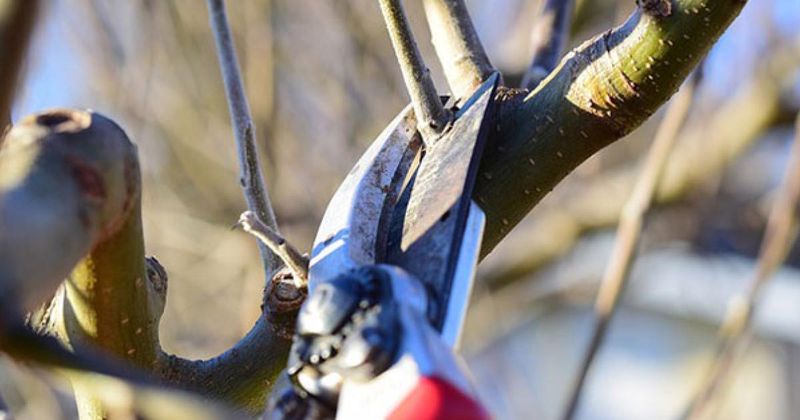
Right time, wrong cut, and you are still in trouble. Technique matters just as much as the calendar.
Find the branch collar before you cut. It is the slightly swollen ring where a branch meets the trunk or a larger limb.
Cut just outside that collar, not flush against the trunk. The collar holds special cells that help the tree seal the wound.
Leaving long stubs is another common slip. Stubs cannot seal properly, so they tend to rot and invite disease.
For heavy limbs, use the three-cut method. Make a small undercut first, then a top cut farther out, and finally trim the leftover stub at the collar.
That system keeps the weight of the branch from tearing a strip of bark down the trunk. Plenty of Ohio homeowners learn that lesson after a big limb rips on the way down.
Sharp, clean tools make a huge difference. Dull blades crush wood, while sharp ones slice cleanly.
Disinfect your blades between trees and between cuts on any tree showing signs of disease. Rubbing alcohol works well and is easy to keep in your pocket, though a ten percent bleach solution or a commercially available pruning tool disinfectant are also effective options recommended by plant pathology sources including OSU Extension.
The key is using something consistently rather than skipping the step entirely.
Skip the pruning paint in most cases. Research and OSU Extension guidance both support leaving wounds open to the air, as trees generally seal better without sealant applied.
6. Late February Is The Sweet Spot For Pruning
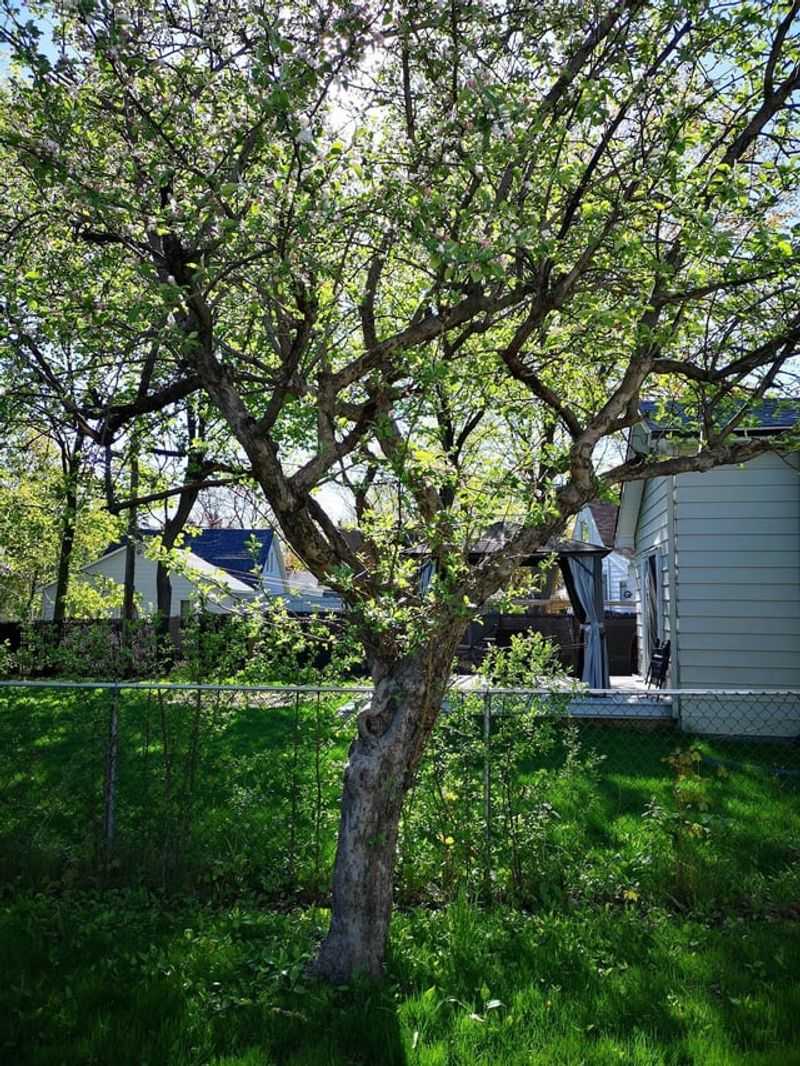
Mark your calendar, folks, because late February is the golden ticket. Gardeners across the state swear by it for good reason.
By then, the deepest Ohio cold snaps have usually passed. The tree is still fully asleep, but spring is only a few weeks away.
Bare branches make the job easier too. Without leaves blocking your view, you can see every crossing limb and crowded spot.
Pick a dry day when temps sit above freezing. Frozen wood can be brittle, and wet weather helps disease spread.
Plan to remove no more than about one quarter of the tree in a single year. Taking too much at once shocks the tree and causes a flood of water sprouts.
Older, overgrown trees need a gentler plan. Spread the work over three or four winters instead of one big makeover.
Young trees are a different story. Light shaping each February helps them grow strong branches that can hold heavy fruit later.
Bring a thermos of cocoa and take breaks. Stepping back often helps you notice the shape you are creating.
Once you finish, clean up all the clippings. Leaving them under the tree can give pests and fungi a cozy place to hide.
7. One Timing Mistake Can Set Trees Back A Full Season
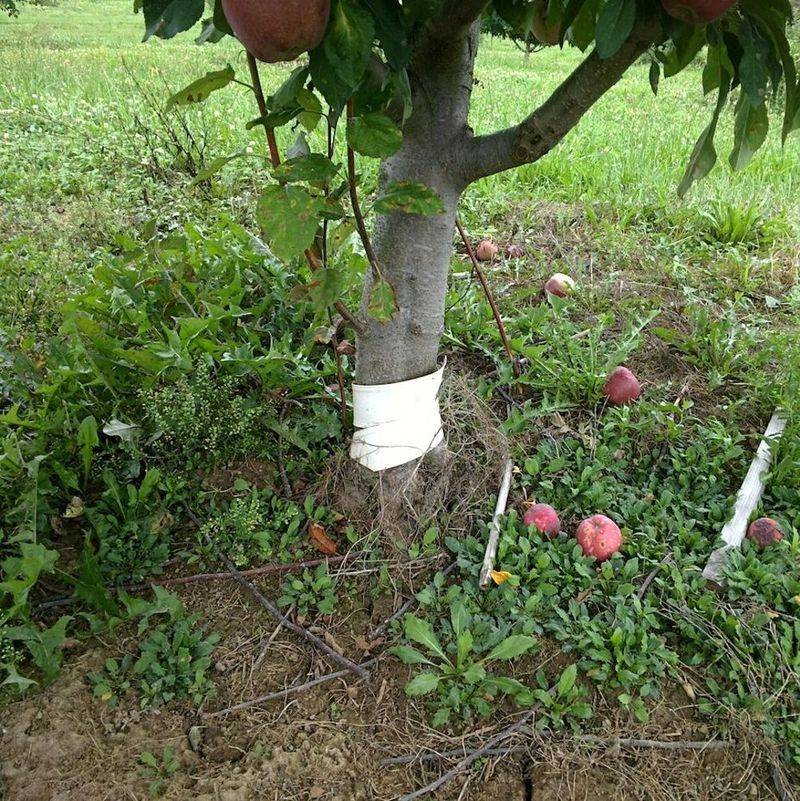
My neighbor once pruned his apple tree on a warm December afternoon, feeling proud of the tidy result. By summer, he had a handful of apples and a tree full of wild shoots.
Stories like his are common in Ohio. One badly timed session can cost you an entire harvest.
Here is why. When you cut at the wrong moment, the tree spends spring repairing damage instead of making flowers and fruit.
Heavy pruning makes things worse. The tree panics a bit and pushes out dozens of fast water sprouts to replace what it lost.
Those sprouts steal energy and crowd the canopy. Then you have even more pruning to do next winter, and the cycle starts again.
Fruiting spurs can also get clipped by accident. Since apple trees form blossom buds the summer before, losing spurs means fewer blooms next spring.
Recovery takes patience. Prune lightly the following year, feed the tree with compost, and water deeply during dry spells.
Most trees bounce back within one or two seasons. The key is to stop repeating the mistake and give the tree a calm, steady routine.
Learning from a rough year still counts as a win.
8. Signs That Winter Pruning Went Wrong
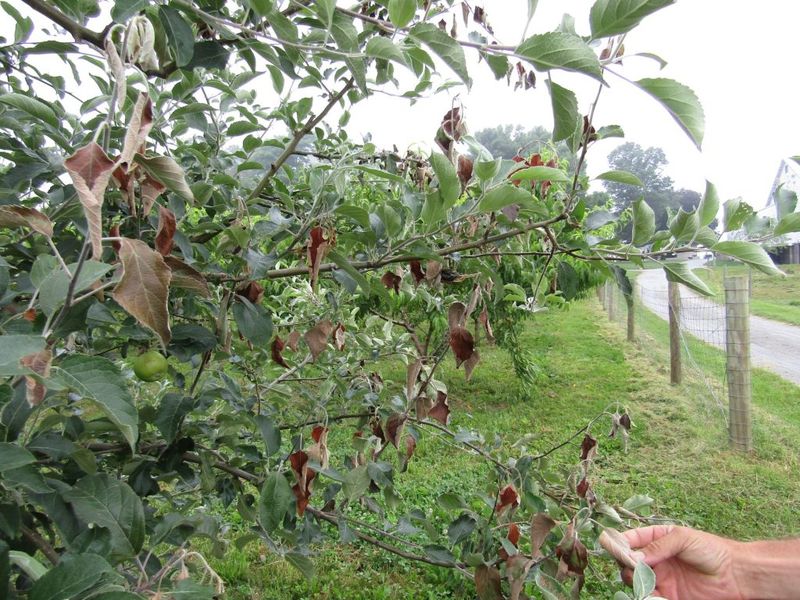
Trees cannot talk, but they do leave clues. Learning to spot them helps you catch problems early.
Look closely at old cuts first. Healthy wounds show a neat ring of callus wood forming around the edges.
Cracked, sunken, or dark patches around a cut point to trouble. These spots, called cankers, may ooze sticky fluid in spring.
Watch for branch tips that turn black and curl like a shepherd’s crook. That look often signals fire blight, which needs quick attention.
A sudden jungle of upright shoots is another warning sign. It usually means the tree was cut too hard or at a poor time.
Thin blooms or very few apples can also tell the story. The tree may have lost its fruiting spurs during pruning.
Bark splitting near wounds suggests cold damage. Ohio winters swing from mild to frigid fast, and fresh cuts take the hit.
If you notice any of these signs, trim affected wood back to healthy tissue during dry weather. Clean your tools well after each cut.
For serious issues, call your local county extension office. The Ohio State University Extension offers helpful advice and can often identify problems from a photo or sample.