What Roses Need In September As Ohio Nights Begin Cooling
Something quietly shifts in an Ohio garden as the calendar flips into September. The morning air carries a damp chill that lingers longer each day, and dew hangs heavy on the leaves long past breakfast.
Rose bushes respond to this shift too, gradually adjusting which growth to support and which to let go of as the season turns. They start making quiet decisions about what to keep and what to release before the cold arrives.
This month is a strange, transitional in-between season for them. Push them too hard and they stay soft and vulnerable, but ignore them and they head into winter poorly prepared.
A handful of small choices now shapes how they look next June. Here is what your roses are asking for as those Ohio nights start cooling down.
1. Ease Off The Nitrogen And Let Growth Slow
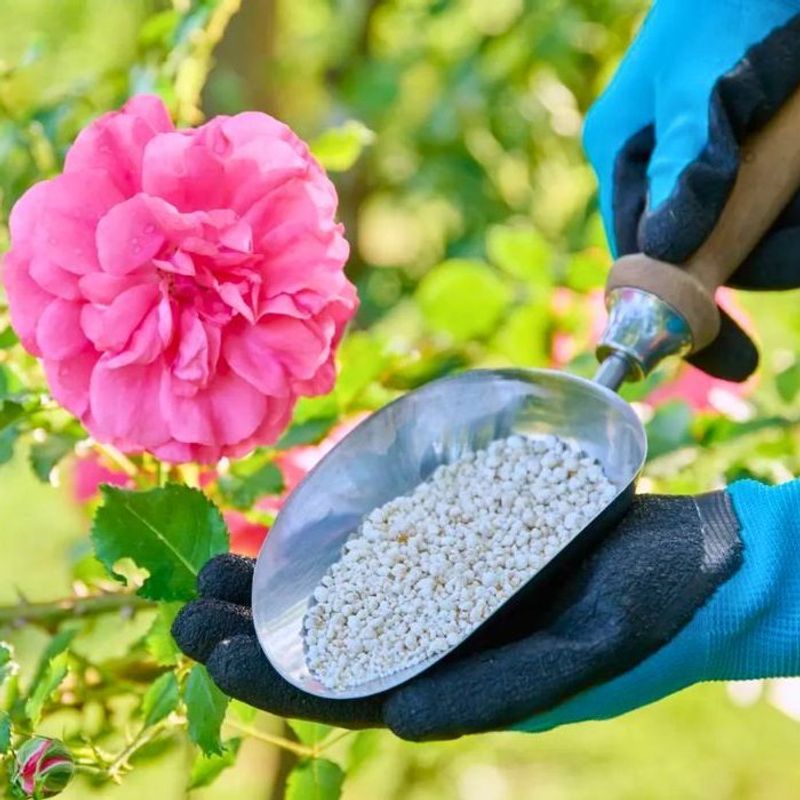
Fertilizer feels like a kindness, but in September it can be the opposite. Nitrogen tells a rose to push out tender new shoots, and tender shoots have no time left to toughen up.
Most gardeners should stop nitrogen feeding around mid to late August. If you are reading this in early September and still feeding, that is your sign to put the bag away until spring.
The reason comes down to timing. Soft green growth needs six to eight weeks to harden into woody cane before the first hard freeze arrives, and northern Ohio can see that freeze by mid October.
What you can still offer is potassium. A low-nitrogen product with a higher middle and last number, or a scoop of sulfate of potash, helps cane tissue firm up and improves cold tolerance.
Some longtime rosarians water in a little liquid seaweed or kelp instead. It is gentle, adds trace minerals, and does not trigger a growth spurt.
Watch your plant for clues. If you see pale, floppy red shoots appearing in late September, the bush is still in summer mode and needs no encouragement.
Hold off on compost topdressing too, at least until after the first frost. Then it works as insulation rather than as food.
September feeding should prepare the plant for winter, not push new growth. Sturdy canes now mean fewer sad, blackened stems come March.
2. Water Deeply Even When The Air Feels Cool
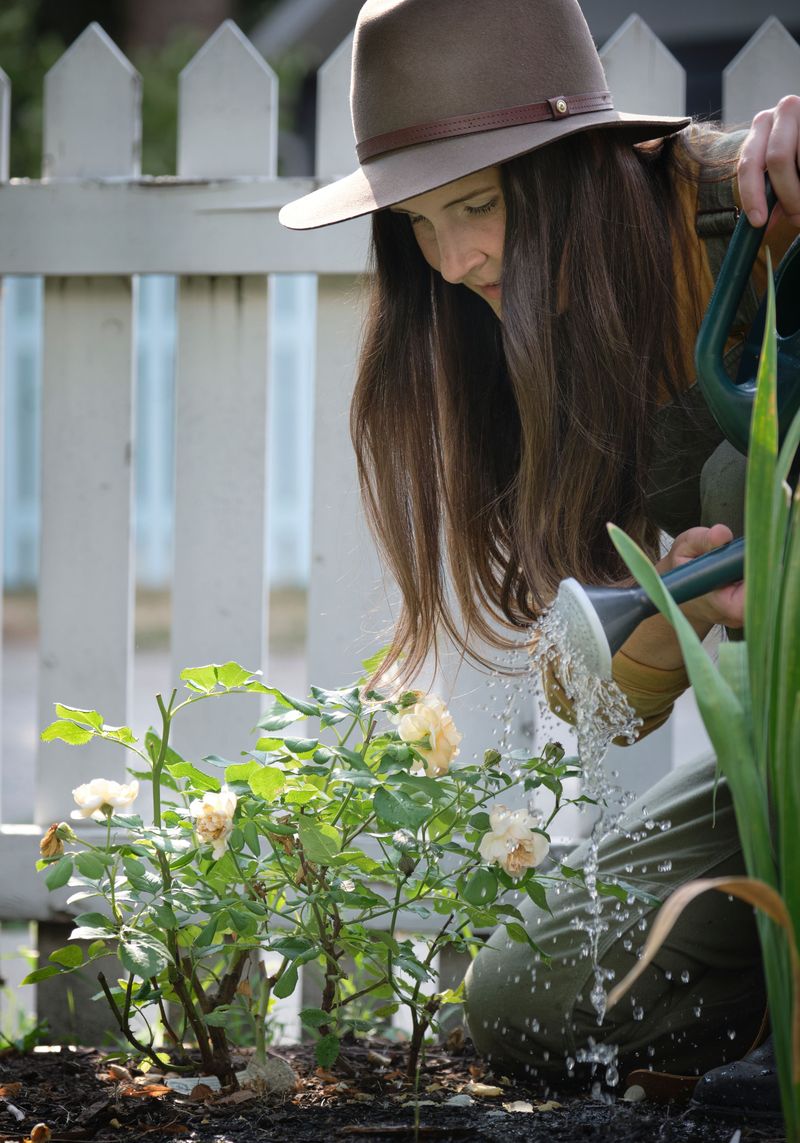
Cool mornings trick people into thinking the watering season is over. Ohio Septembers often turn dry and breezy, and wind pulls moisture from soil faster than a mild rain replaces it.
Roses still hold plenty of leaves this month, and every leaf is losing water. A bush carrying a full canopy can drink a surprising amount even when the thermometer reads sixty-five.
Aim for roughly one to two inches of water per week, counting rainfall. A cheap rain gauge tucked near the bed removes all the guesswork.
Deep and infrequent beats light and daily. Let a soaker hose or drip line run slowly for forty-five minutes so moisture reaches eight to ten inches down where the real roots live.
Your Ohio Garden Changes Every Week. Your Plan Should Too.
Gardening in Ohio changes quickly throughout the season. Every Friday you’ll receive a simple weekly plan showing exactly what to plant, prune, fertilize, harvest, and protect so you never miss the right timing.
Morning is the smartest time. Splashed leaves dry before evening, which matters a lot once nights turn damp and fungal spores get busy.
Check moisture with your finger rather than your eyes. Push it two inches into the soil, and if it comes out dusty, it is time to water.
Well-hydrated roses head into freezing weather in far better shape. Canes full of moisture resist drying winter winds, while thirsty ones shrivel and turn brittle.
Keep watering right up until the ground starts to freeze, usually late November in much of Ohio. One last long soak before that point is one of the kindest things you can do for a rose bed.
3. Trade Heavy Pruning For Light Grooming Only
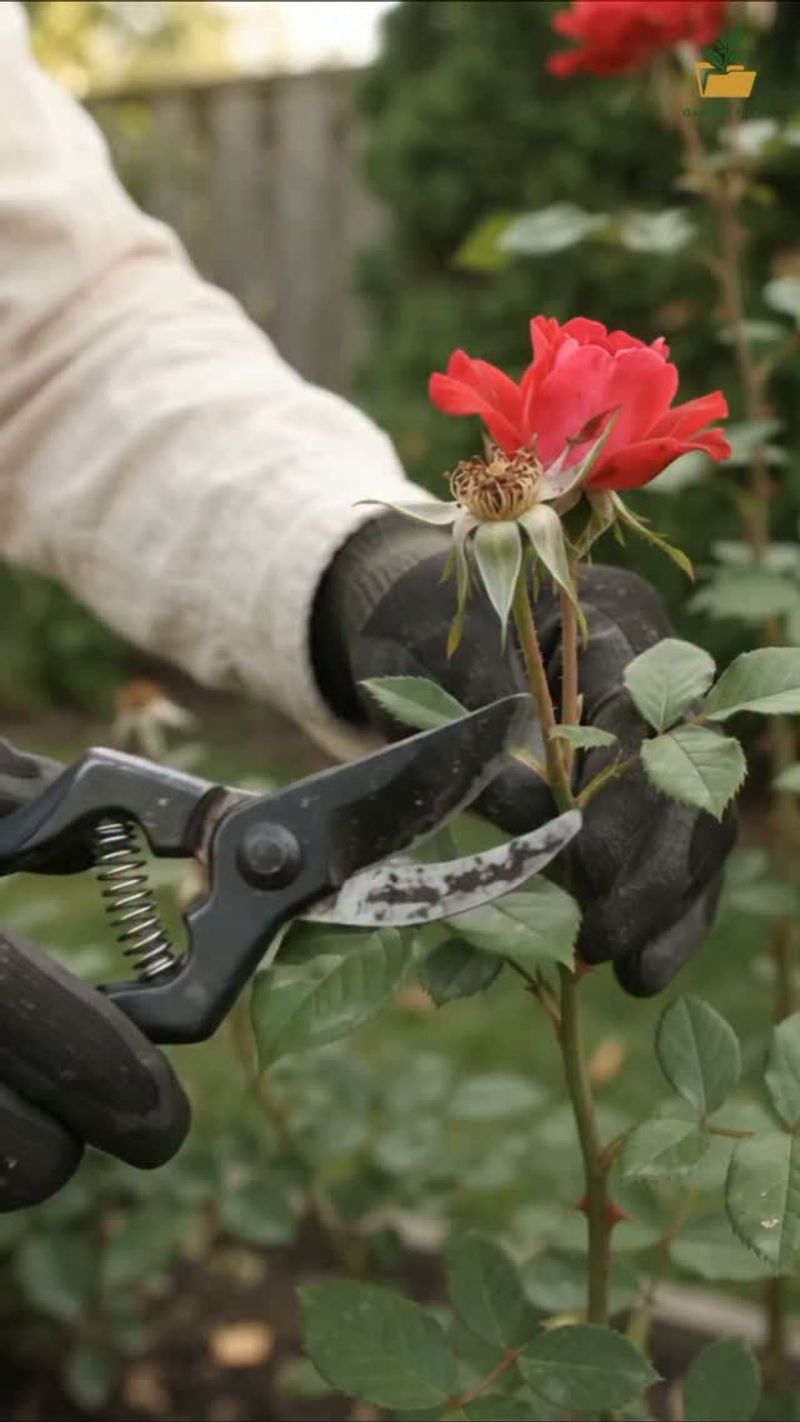
Put down the loppers. September is not pruning season in Ohio, and a big cutback now invites a flush of growth that cannot survive what October brings.
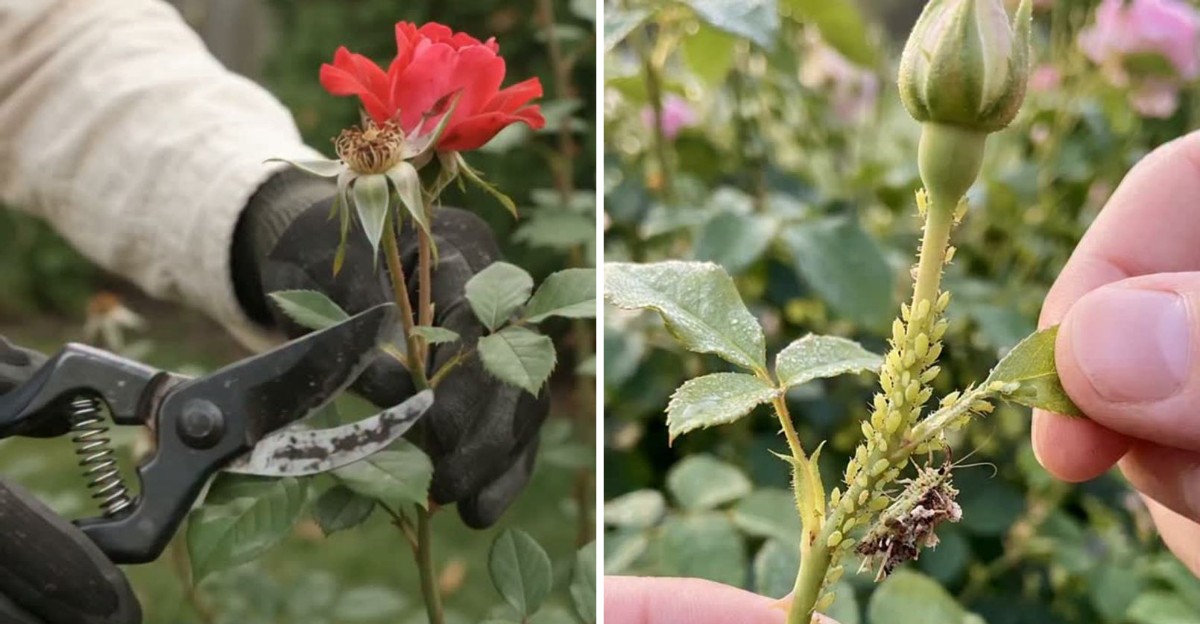
Light grooming, though, is welcome. Snip out any cane that has turned brown and hollow, along with stems that rub against each other or cross through the center.
Keep cuts small and purposeful. A quarter inch of stem here and there does not signal the plant to wake up the way a hard cut does.
Removing spent blooms also changes character this month. Instead of cutting spent blooms back to a five-leaflet set, just pinch the petals off and leave the rest alone.
Letting a few hips form is genuinely useful. Those little orange-red fruits send a hormonal message that the season is wrapping up, nudging the bush toward dormancy.
Hips look wonderful too. Rose hips glowing above frost-dusted mulch give a winter garden something worth stepping outside to see, and birds appreciate them in January.
Very tall canes on climbers or shrub roses can be shortened slightly in late fall, mostly so wind does not whip them around. Save that job for November, after growth has stopped.
Real structural pruning belongs to spring, once forsythia blooms and you can tell live wood from damaged wood. Waiting spares you from cutting off healthy cane you will wish you had kept.
4. Clean Up Fallen Leaves Before Spores Settle In
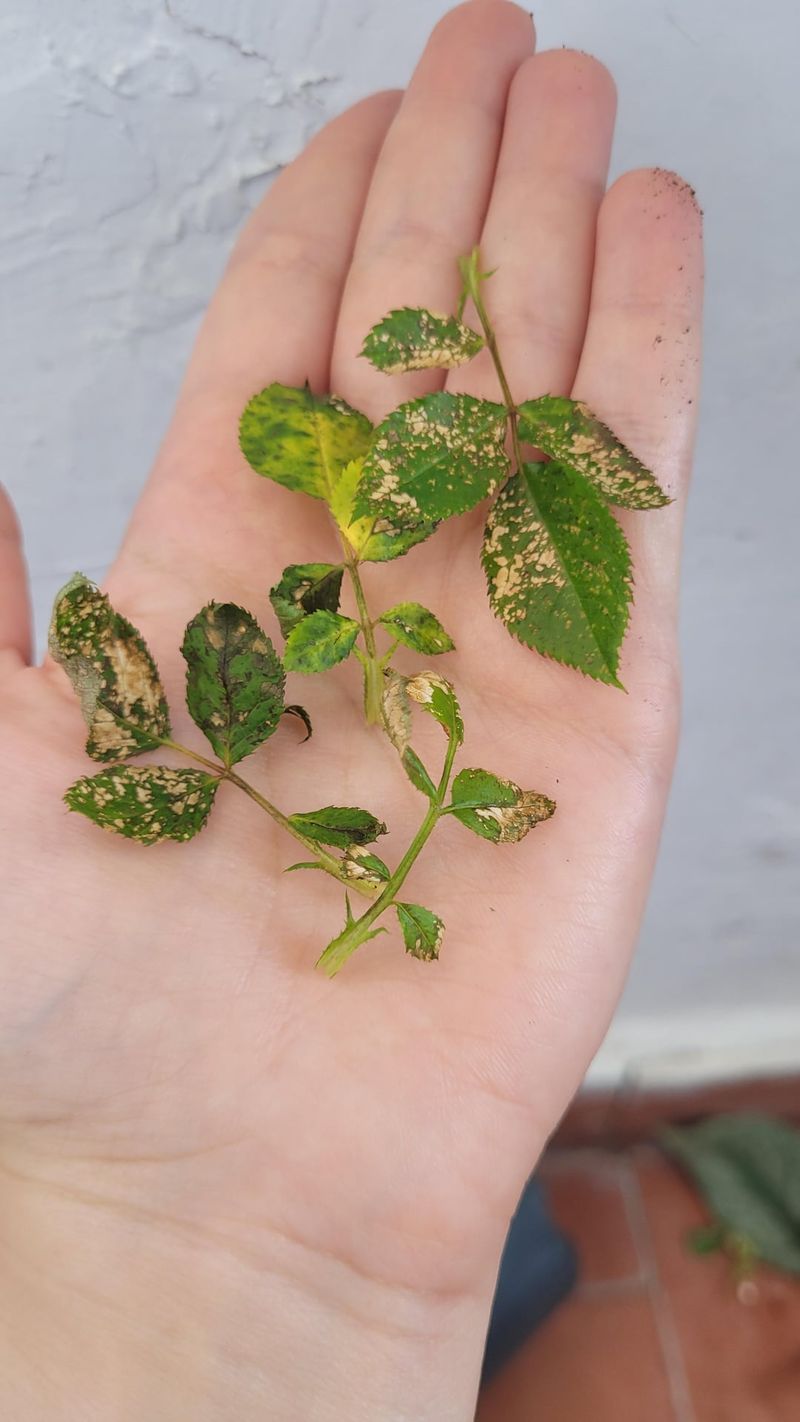
Black spot loves an Ohio September. Warm days, cool damp nights, and long dew periods create just the conditions the fungus has been waiting for all summer.
Every yellowed, spotted leaf that drops carries spores that overwinter happily in mulch and soil. Come spring, rain splashes them right back onto fresh growth.
Raking under your roses is the single cheapest disease control there is. Do it weekly this month, and get the leaves stuck in the crown of the plant too.
Put debris in the trash or municipal yard waste, not the home compost pile. Backyard compost rarely gets hot enough to handle fungal spores reliably.
While you are down there, strip off any badly spotted leaves still clinging to lower canes. Removing infected tissue slows the spread even in late season.
A fresh inch of clean mulch after cleanup creates a barrier between old spores and new stems. Shredded bark or pine fines both work well in Ohio clay.
Sanitize your pruners with an isopropyl solution between bushes. It takes ten seconds and stops you from carrying trouble down the row.
Powdery mildew often shows up now as well, looking like gray dust on buds and new leaves. Better air movement from thinning crowded stems helps more than any spray.
Gardeners who stay on top of September cleanup usually notice cleaner foliage the following June. Small effort now, noticeably fewer spotted leaves later.
5. Watch For Late-Season Aphids And Spider Mites
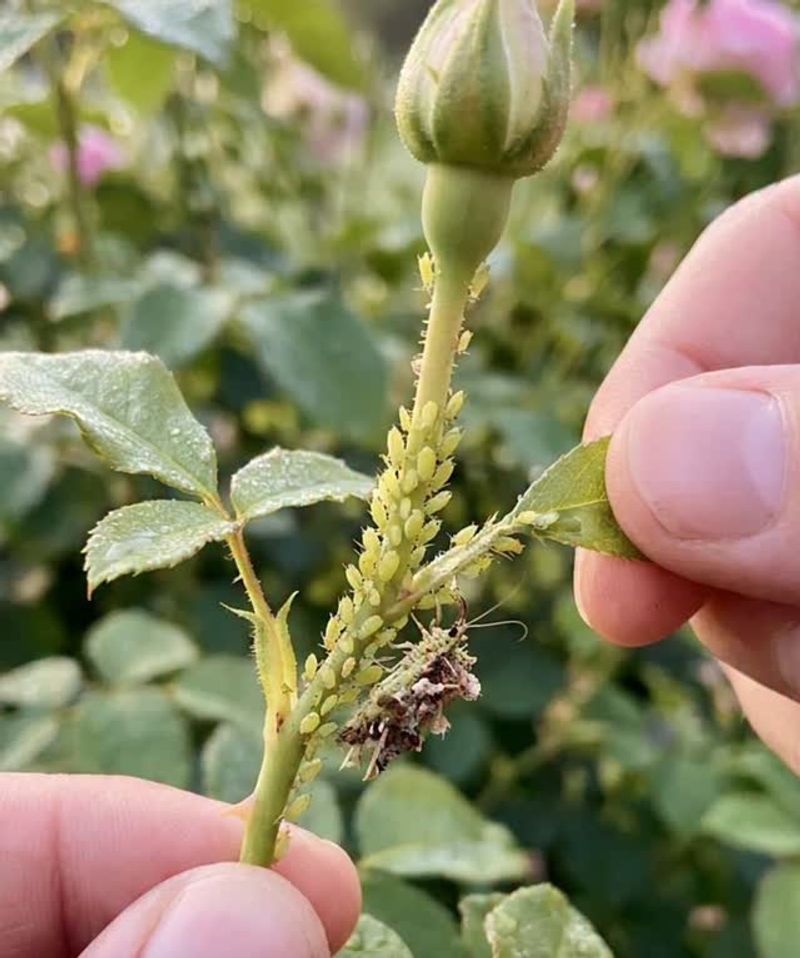
Aphids often reappear late in the season even after other pests have tapered off. Cooling temperatures actually suit them, and any soft new growth on your roses looks like a buffet.
They cluster on bud tips and the undersides of young leaves, leaving sticky honeydew behind. A strong spray from the hose knocks most of them off, and they rarely climb back.
Spider mites work the opposite angle. Hot dry spells in early September leave fine stippling on leaves plus faint webbing where stem meets leaf.
Hold a white piece of paper under a leaf and tap. Tiny moving specks confirm mites, and rinsing the leaf undersides twice a week discourages them.
Ladybugs, lacewings, and tiny parasitic wasps are still on patrol this month. Skip broad-spectrum insecticides so those helpers stay employed.
Japanese beetles have mostly wrapped up their run by September in Ohio, which is a small mercy. What you may find instead are sawfly larvae, sometimes called rose slugs, chewing translucent windows in leaves.
Handpicking works fine for those. A jar of soapy water and five minutes of patience handles a small infestation.
Insecticidal soap is a reasonable backup, applied in the evening to avoid leaf burn. Coat undersides thoroughly, since that is where the action happens.
Healthy, well-watered bushes shrug off late pests far better than stressed ones. Good care in September doubles as pest defense.
6. Let The Last Blooms Come Without Forcing Them
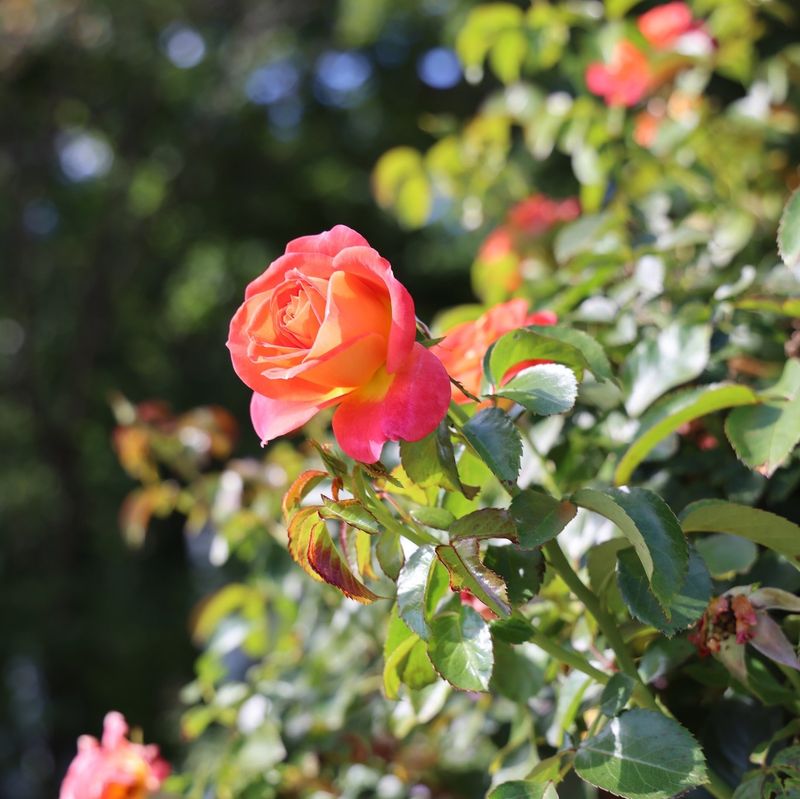
September roses have a reputation among growers, and it is a good one. Cooler nights slow bud development, which means deeper color, thicker petals, and blooms that hold for days longer than July flowers did.
Reds turn richer, pinks pick up depth, and fragrance often intensifies. If you have ever wondered why rose shows happen in fall, this is why.
Your job is mostly to stay out of the way. Keep water steady, keep foliage clean, and let the plant finish on its own schedule.
Resist the urge to disbud or pinch for bigger show flowers this late. The plant is dividing its energy between blooming and preparing for cold, and it knows the ratio better than we do.
Cut a few for the house while you can. Take stems in the morning, cut just above a leaf set, and leave plenty of foliage on the bush to keep feeding the roots.
By the last week of the month, start leaving flowers on the plant entirely. That signals the shift toward hip formation and dormancy.
Roses grown in southern Ohio often bloom well into late October. Northern gardens near the lake may wrap up two or three weeks earlier.
Take a photo of the bed while it looks good. Come February, when the garden is brown and quiet, you will be glad you did.
7. Test And Adjust Soil Before The Ground Hardens
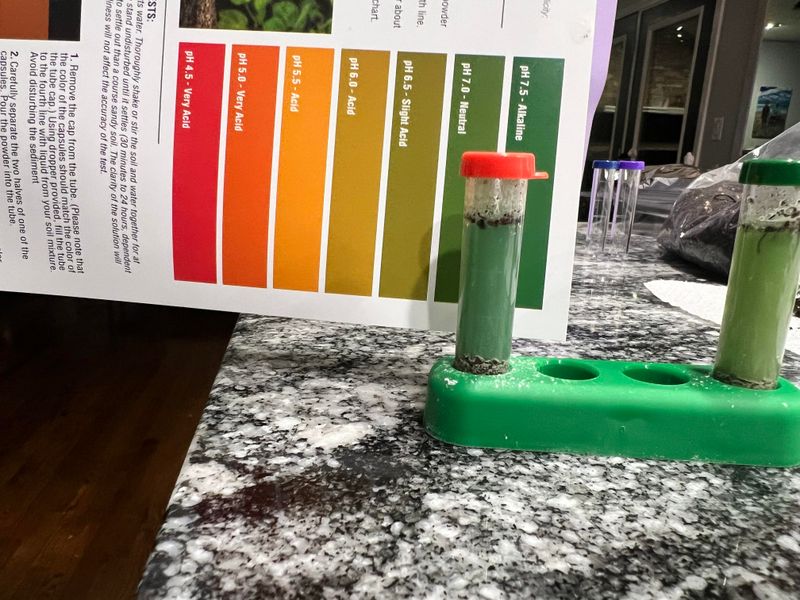
Here is a task almost nobody does, and it changes everything. A simple soil test in September tells you exactly what your roses have been missing all year.
Ohio State University Extension offers affordable testing, and local garden centers sell decent home kits. Either route beats guessing.
Roses prefer a pH between 6.0 and 6.8, which is where nutrients stay available to roots. Much of the state sits on heavy clay that can drift alkaline, locking up iron and causing yellowing between leaf veins.
Fall is the ideal time to correct pH because amendments need months to work. Elemental sulfur lowers alkaline soil slowly, while lime raises overly acidic ground.
Test results also flag low phosphorus or potassium. Bone meal and sulfate of potash can go down now without pushing tender growth, since neither delivers much nitrogen.
Clay drainage deserves attention too. Roses sitting in soggy soil through an Ohio freeze-thaw winter suffer far more cane damage than those in well-drained beds.
Work an inch or two of compost into the top layer around, not against, the crown. Organic matter opens up clay and improves both drainage and moisture holding, oddly enough at the same time.
Keep a note of what you found and what you added. Comparing results year over year turns you into the gardener neighbors ask questions of.
8. Gather Winter Protection Supplies While Weather Holds
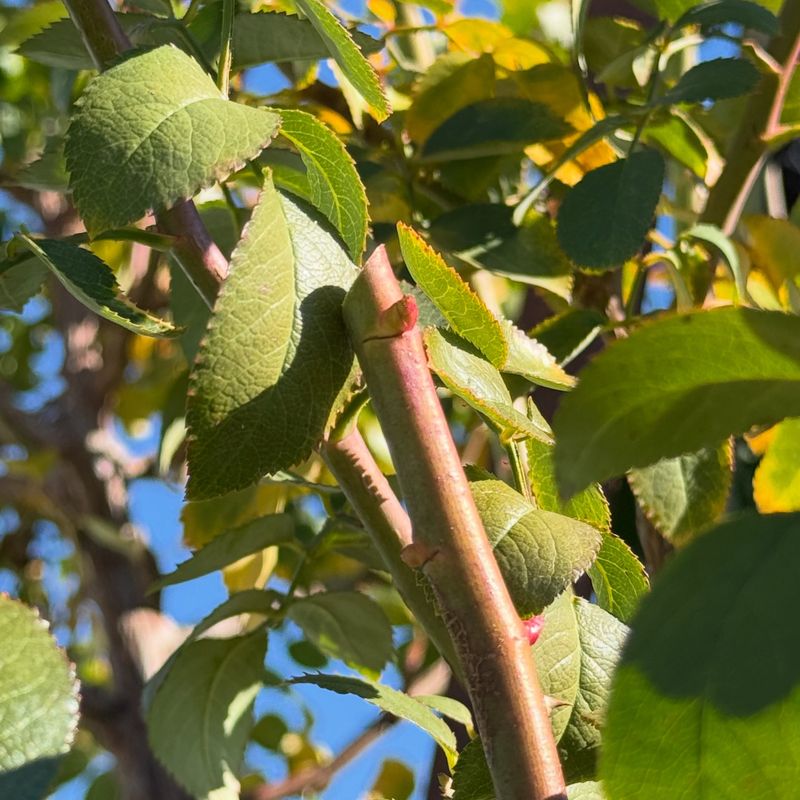
Nobody enjoys hunting for burlap in a November sleet storm. September is when smart gardeners quietly stock up while it is still pleasant to be outside.
Make a list: shredded bark or leaf mulch, a bale of straw, rose collars or wire cylinders, burlap, and twine. Garden centers still have full shelves this month.
The goal of winter protection is not warmth. It is keeping soil temperature steady so freeze-thaw cycles do not heave plants and crack canes.
Mounding is the classic method. Six to twelve inches of loose material piled over the crown, applied after a few hard frosts, protects the graft union on hybrid teas beautifully.
Grafted roses need this most. Own-root shrub types and many Canadian-bred varieties handle Ohio winters with far less fuss.
Do not apply anything yet. Mounding too early traps warmth, keeps the plant active, and defeats the whole purpose.
Mark your calendar for late November instead. Wait until nighttime temperatures sit around twenty degrees consistently and the plant has clearly gone dormant.
Climbers can get their long canes loosely tied to supports now so wind does not thrash them. Use soft twine and leave a little slack.
Stack everything in the garage where you can grab it fast. Having supplies ready in advance makes late-season protection much easier.