Why You’re Hearing Coyotes More Often Around Ohio Neighborhoods In Fall
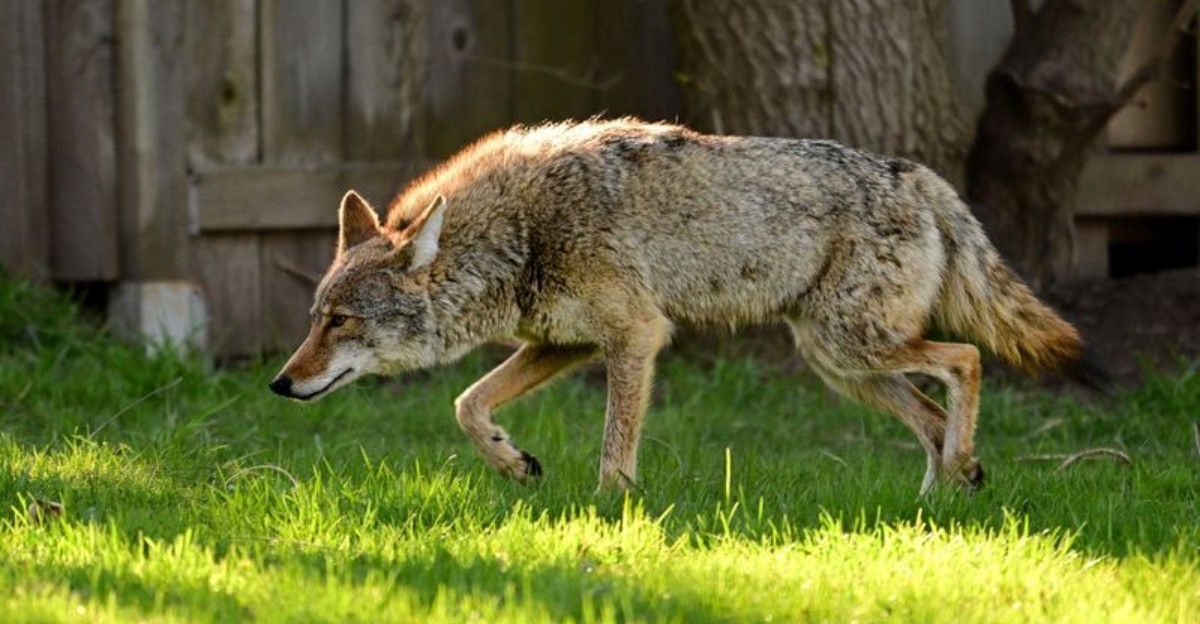
Yipping and howling after dark can sound closer than expected, especially when it seems to come from just past the backyard fence.
Coyotes live in every Ohio county, including suburbs, and fall is when many residents hear them more often. Young coyotes born in spring begin leaving their family groups around now to find territories of their own.
Such movement brings more coyotes into unfamiliar areas, and they often call to locate one another.
Group howls can make two or three animals sound like a much larger pack.
Hearing them does not automatically mean they pose a threat to your family. Small pets and unsecured food outside, however, can draw them closer.
Bring pet food indoors at night and keep small dogs close when you let them out after dark.
1. Fall Brings Changes In How Coyote Families Move And Communicate
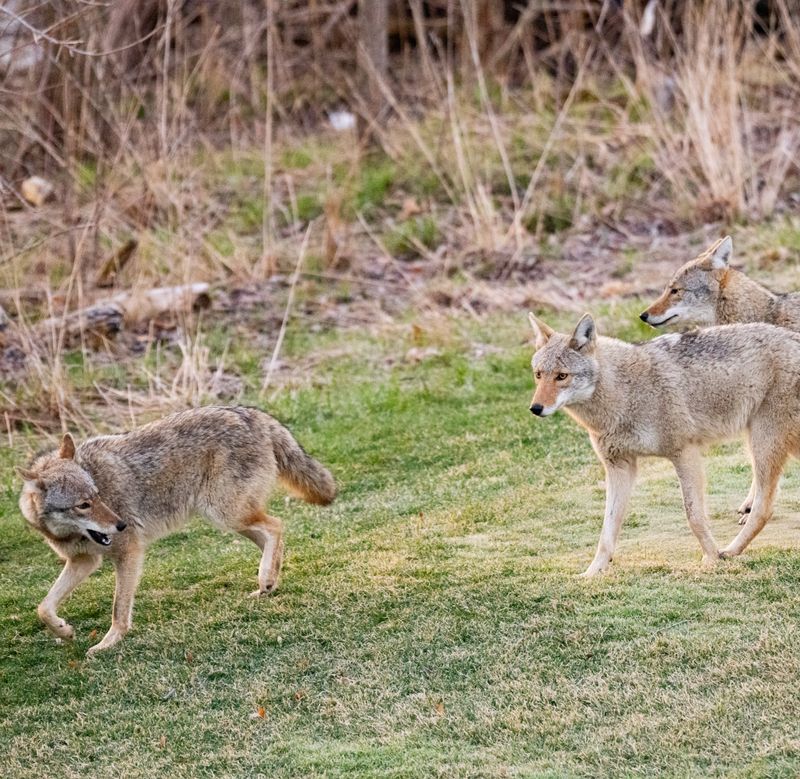
Summer keeps coyote families close to home, but autumn loosens those ties. Pups born in spring are now nearly adult size, and they travel farther with their parents while learning to hunt.
That wider roaming often brings coyotes past backyards, parks, and wooded strips they rarely used in June.
Food changes play a role too. As fields are harvested across Ohio, mice and voles lose cover, and coyotes follow those easy meals into new spots.
Calling helps scattered family members keep track of each other over larger areas.
Longer nights matter as well. Coyotes tend to be most active around dusk, overnight, and near dawn, so earlier sunsets put their busiest hours closer to the time people are outside walking dogs or taking out trash.
You may simply be awake and listening during their active stretch.
Quiet, crisp air can also carry sound farther on some nights, though that depends on wind and weather. A howl you would miss on a muggy July evening might reach you clearly in October.
None of this points to a sudden jump in coyote numbers. In most cases, it reflects normal seasonal behavior that becomes easier to notice.
Paying attention to when you hear them can help you plan pet walks and outdoor chores at calmer times.
2. Young Coyotes Leave Their Family Groups To Find New Territory
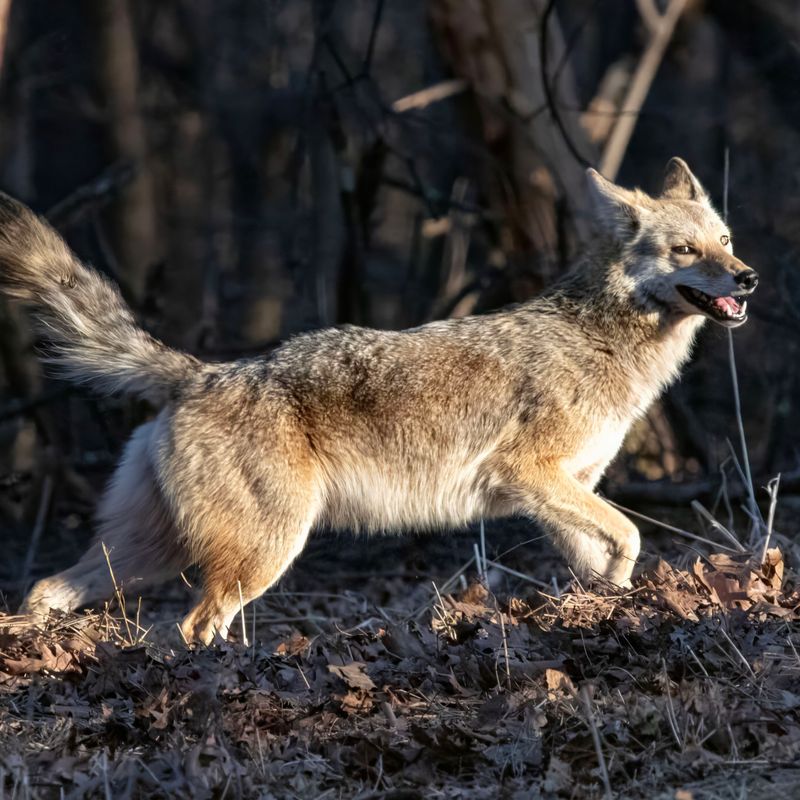
Picture a teenager packing up and moving out with no map and no plan. Young coyotes go through something similar, and fall into winter is a common time for many of them to leave home.
Wildlife biologists call this dispersal, and it can send young animals traveling many miles.
Some yearlings stay with their parents longer, while others strike out on their own. Each animal is different, and food supply, local coyote numbers, and family dynamics can all affect the timing.
Wandering youngsters often pass through unfamiliar ground, including neighborhoods, golf courses, and creek corridors.
Because they lack an established home range, these travelers may show up in places where residents rarely saw coyotes before. They may also call more as they test whether an area already belongs to another group.
Inexperience can make young coyotes a bit bolder or clumsier around people. That is one reason Ohio wildlife officials encourage residents to avoid feeding them and to scare them off when they linger.
Your Ohio Garden Changes Every Week. Your Plan Should Too.
Gardening in Ohio changes quickly throughout the season. Every Friday you’ll receive a simple weekly plan showing exactly what to plant, prune, fertilize, harvest, and protect so you never miss the right timing.
Spotting a lone coyote trotting through your street in November is usually not cause for alarm.
Odds are good it is just passing through on its way somewhere else. Keep your distance, bring pets inside, and let it move along without offering any reason to return.
3. Howls And Yips Help Family Members Stay In Touch
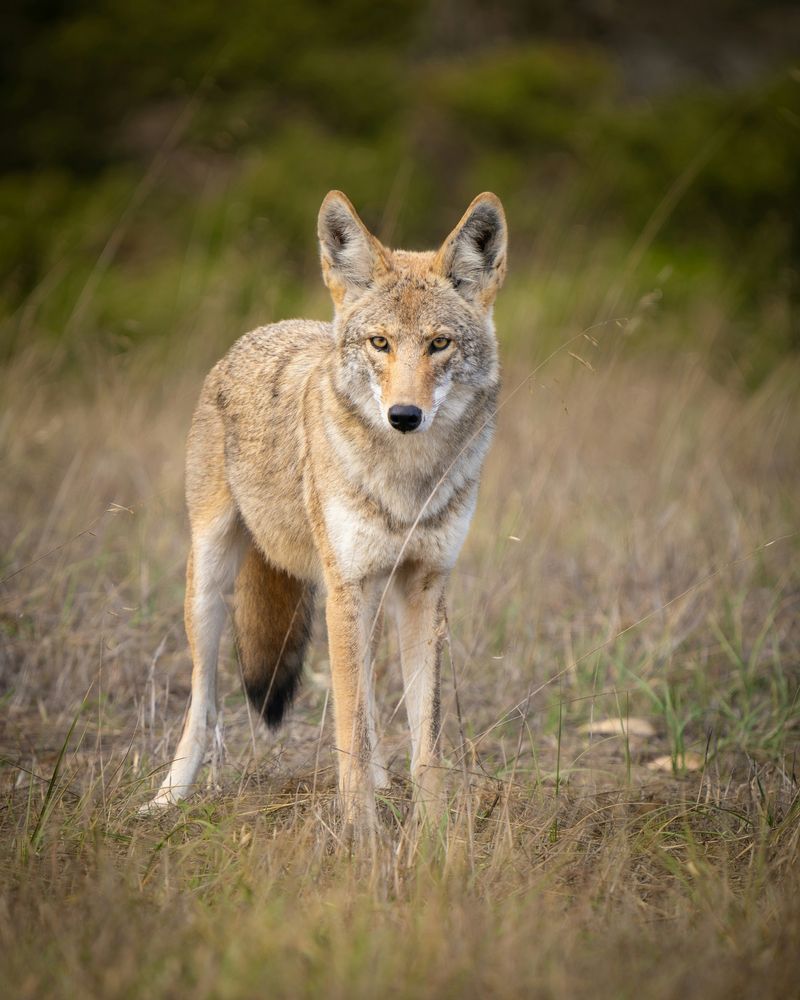
Howling is not a battle cry. For coyotes, it works more like a group text, letting family members share where they are and reconnect after hunting apart.
A long, rising howl can carry a good distance and may help a lone animal locate its group.
Group yip-howls are different. Those wild, chaotic bursts often happen when family members come back together, and they may also announce to nearby coyotes that a territory is occupied.
Barks and short huffs can signal alarm, especially when a coyote senses a threat close to a den area or resting spot.
Sirens sometimes set them off too. Plenty of people in Ohio towns notice coyotes answering fire trucks or ambulances, likely because the sound resembles a distant howl.
Hearing a chorus does not mean coyotes are hunting near your house at that moment. Most of the time, the calls are simply social, short-lived, and over within a minute or two.
Paying attention to the type of sound can be helpful.
Repeated barking close to your yard could mean an animal feels uneasy about you or a pet, so give it space. A distant chorus at midnight, on the other hand, is usually just family business that you happen to overhear.
4. Two Or Three Animals Can Sound Like A Whole Pack
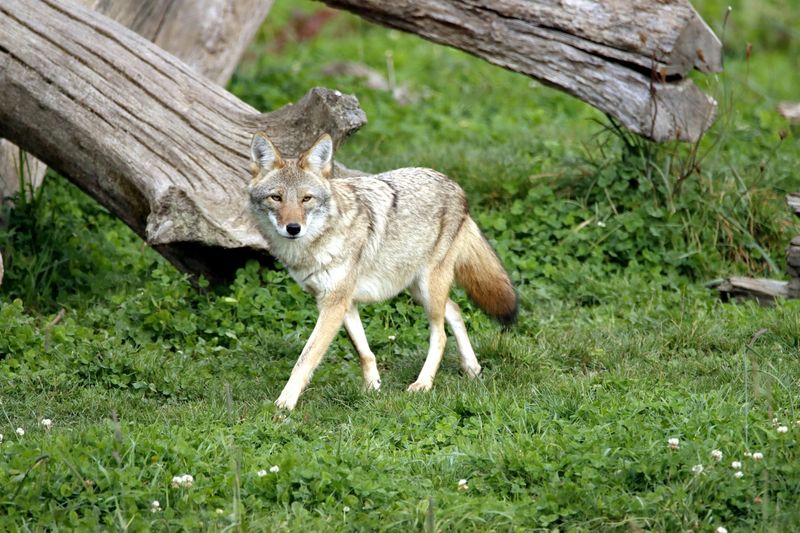
Your ears can play tricks on you at night. A burst of coyote calls may sound like a dozen animals, yet it often comes from only a few.
Biologists describe something called the beau geste effect, where varied pitches and quick changes in sound make a small group seem much larger.
Coyotes mix high yips, wavering howls, and barks all at once. Echoes off houses, hillsides, and tree lines can bounce those sounds around, making it hard to tell how many animals there are or exactly where they stand.
Eastern coyotes usually live in small family units rather than big wolf-style packs.
A typical group might include a breeding pair and some of their offspring, though the size varies by area and season. Lone, wandering coyotes also roam without a group at all.
Knowing this can take some fear out of a loud night in Ohio. That spine-tingling chorus behind the subdivision may simply be a couple of coyotes greeting each other.
Counting by ear is rarely reliable, so avoid guessing numbers from sound alone.
If you want a better idea of what visits your property, a trail camera aimed at a fence line or wooded edge can help. Footage gives you real information instead of a guess made in the dark.
5. Cats And Small Dogs Left Outside At Night Are More Vulnerable
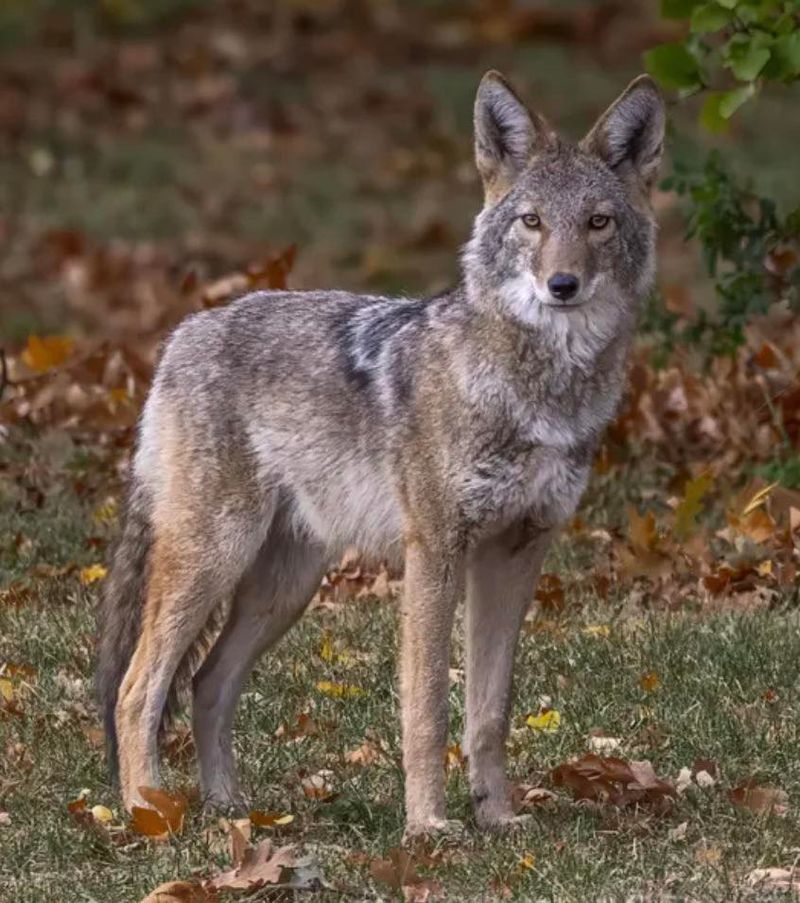
A coyote sees a cat on a fence rail very differently than you do. To a hungry predator, small pets can resemble the rabbits and rodents it hunts every night.
Most coyotes eat mainly small mammals, fruit, and insects, yet some do take outdoor cats and small dogs when the chance appears.
Risk tends to be higher from dusk to dawn, when coyotes are most active. Keeping cats indoors overnight is one of the simplest steps you can take.
Small dogs need closer attention outside, even in a fenced yard.
Walk them on a short leash after dark rather than letting them wander. Retractable leashes give less control, so a standard leash is often the better choice if a coyote appears.
Stay near your dog during late-evening bathroom breaks. Turning on a porch or yard light and making a little noise before stepping out can encourage any nearby animal to leave first.
Fences help, but coyotes can jump or dig, so no barrier stops every animal.
Across Ohio, wildlife officials note that pet losses are more common where people leave animals or food outdoors unattended. Bringing pets in at night lowers the chance of a bad encounter.
6. Unsecured Trash And Pet Food Can Draw Them Closer To Homes
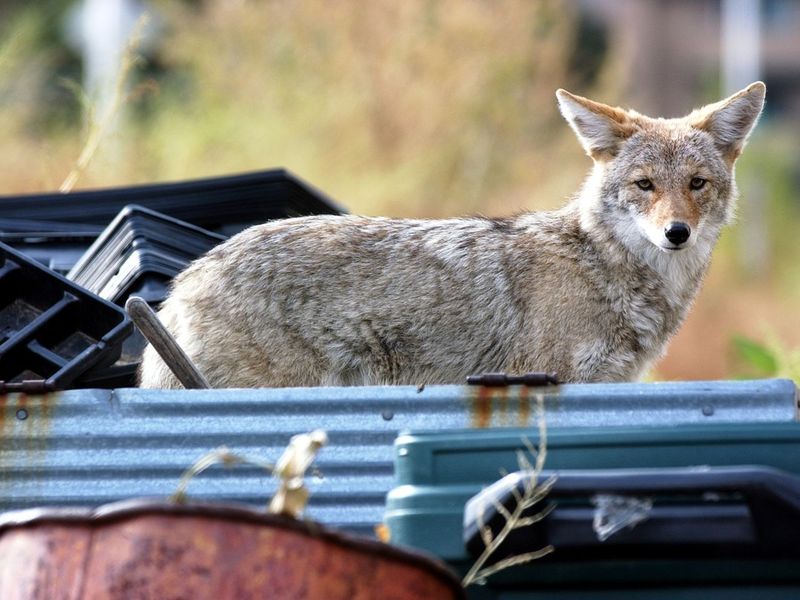
Leftover kibble on the porch is basically an open invitation. Coyotes are flexible eaters, and an easy meal near a house can teach them that neighborhoods pay off.
Once a coyote links people with food, it may lose some of its natural caution and visit more often.
Trash is a common draw. Store garbage cans in a garage or shed when possible, or use cans with tight-fitting lids, and put them out on the morning of pickup rather than the night before.
Feed pets indoors whenever you can.
Bird feeders deserve a look too. Spilled seed attracts squirrels, mice, and rabbits, and those animals can pull coyotes in behind them, so clean up the ground below feeders regularly.
Fallen fruit matters in autumn. Apples, pears, and other fruit dropping from backyard trees in Ohio can attract coyotes, so picking up windfalls helps reduce visits.
Compost piles with meat scraps or food waste can be another attraction.
Keep compost limited to plant material and use an enclosed bin if coyotes are common nearby. Talking with neighbors about these habits matters, since one well-stocked yard can keep coyotes returning to the whole street.
7. Loud Noises And Waving Arms Help Keep Coyotes Wary Of People
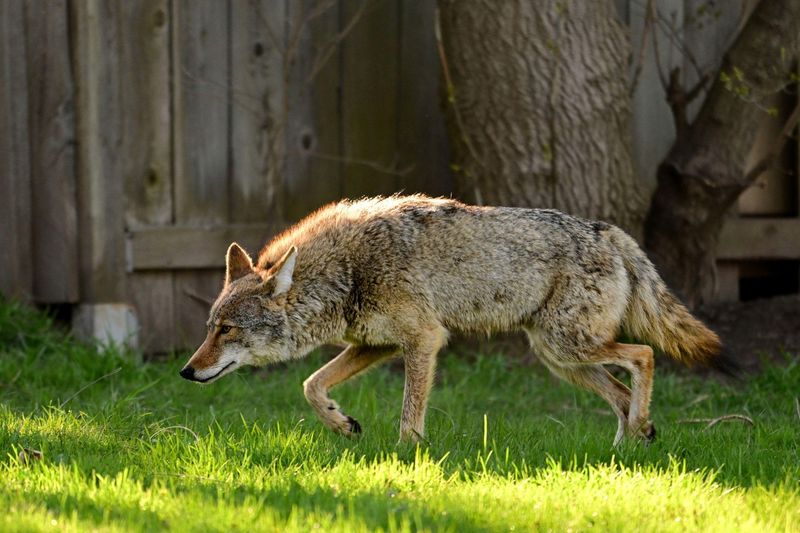
Standing tall and making a racket works better than you might expect. Wildlife experts call this hazing, and it reminds coyotes that people are something to avoid.
If a coyote lingers in your yard, raise your arms, shout firmly, and stomp your feet until it leaves.
Noisemakers can add punch. Some people keep a whistle, an air horn, or a can filled with coins near the back door, while a quick spray from a garden hose can also send an animal running.
Avoid turning your back or running away, since that may invite a coyote to follow.
Back away slowly if the animal does not leave, and keep making noise as you go. Pick up small children or pets if a coyote approaches closely.
Consistency counts most. When everyone on a street reacts the same way, coyotes are more likely to learn that the area feels uncomfortable.
Hazing is meant for healthy coyotes acting bolder than usual, not for animals that seem sick or injured.
A coyote that acts strangely, seems aggressive, or keeps approaching people should be reported. Contact your local Ohio Division of Wildlife district office or animal control for guidance instead of handling the situation yourself.